
Honda is best known for the Civic and Accord, yet the brand has built many other vehicles that shaped how people travel. The company’s range has included scooters, sports cars, minivans, crossovers and trucks, each with its own milestone. Here are twelve Honda models beyond those two famous sedans, from the most produced motorbike in history to a famous roadster.
The day in tech, in one email: TLDR is the daily newsletter with links and TLDRs of the most interesting stories in startups, tech and programming.
We may earn a commission if you sign up.
1. Honda Super Cub: A Hundred Million Cubs
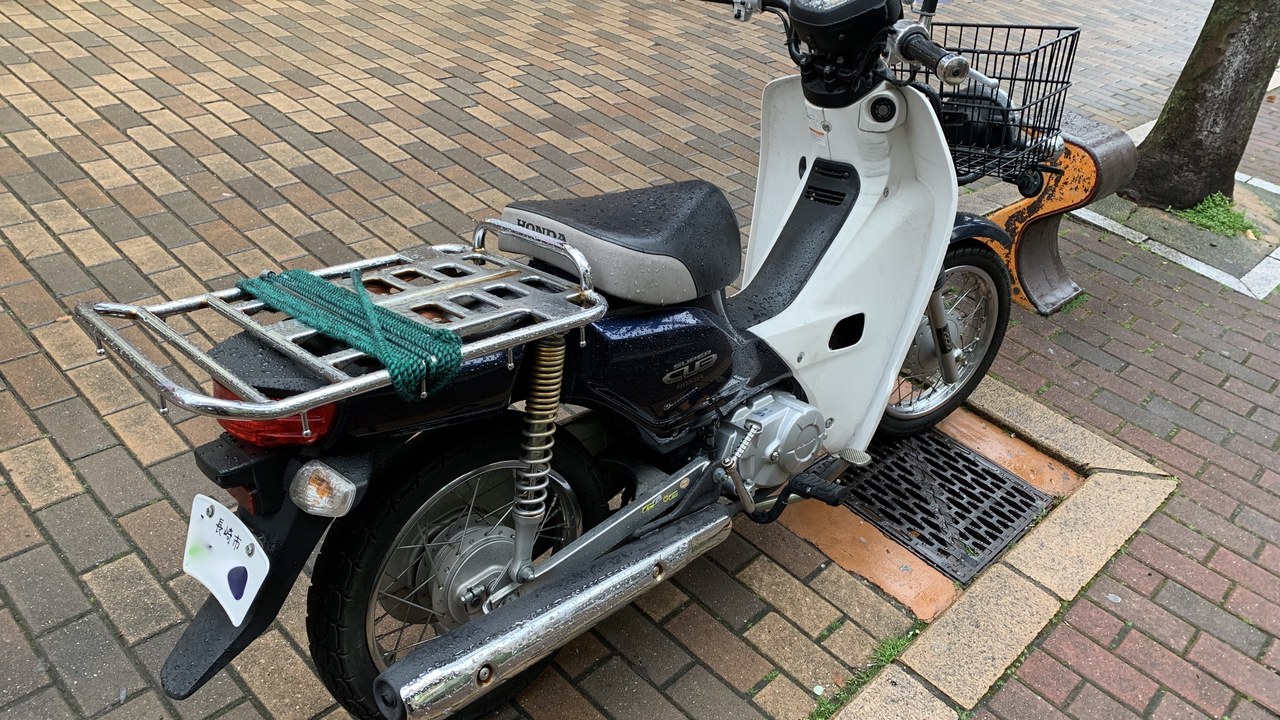
The Super Cub has been in continuous production since 1958 and passed 100 million units in 2017.
The Cub is a small, easy-to-ride step-through motorcycle that became a daily tool in many countries. A total that large comes from decades of steady demand, which makes it a different kind of success from a popular car model. The model remains a staple of transportation in many parts of the world, and its simple design is a large part of the reason it has lasted.
2. Honda Prelude: Moonroof Pioneer
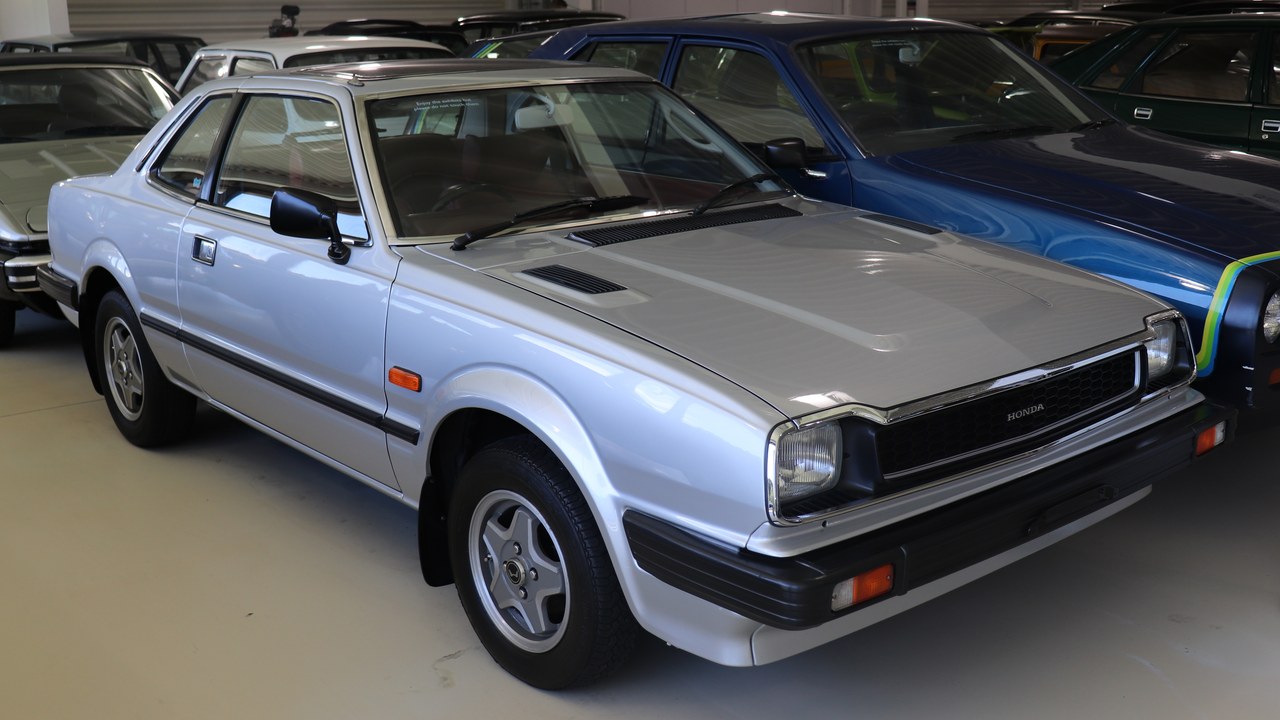
The 1978 Prelude was the first Honda with a standard power moonroof and ran five generations until 2001, according to the American Honda history.
The Prelude was a sporty coupe that gave Honda a more upscale image. Its long run across five generations showed that buyers wanted a stylish but practical two-door from the company. Used Preludes from the final generations are the ones most often chosen by enthusiasts, though buyers should check condition and maintenance history carefully.
3. Honda CR-X: Two-Seat Hatchback
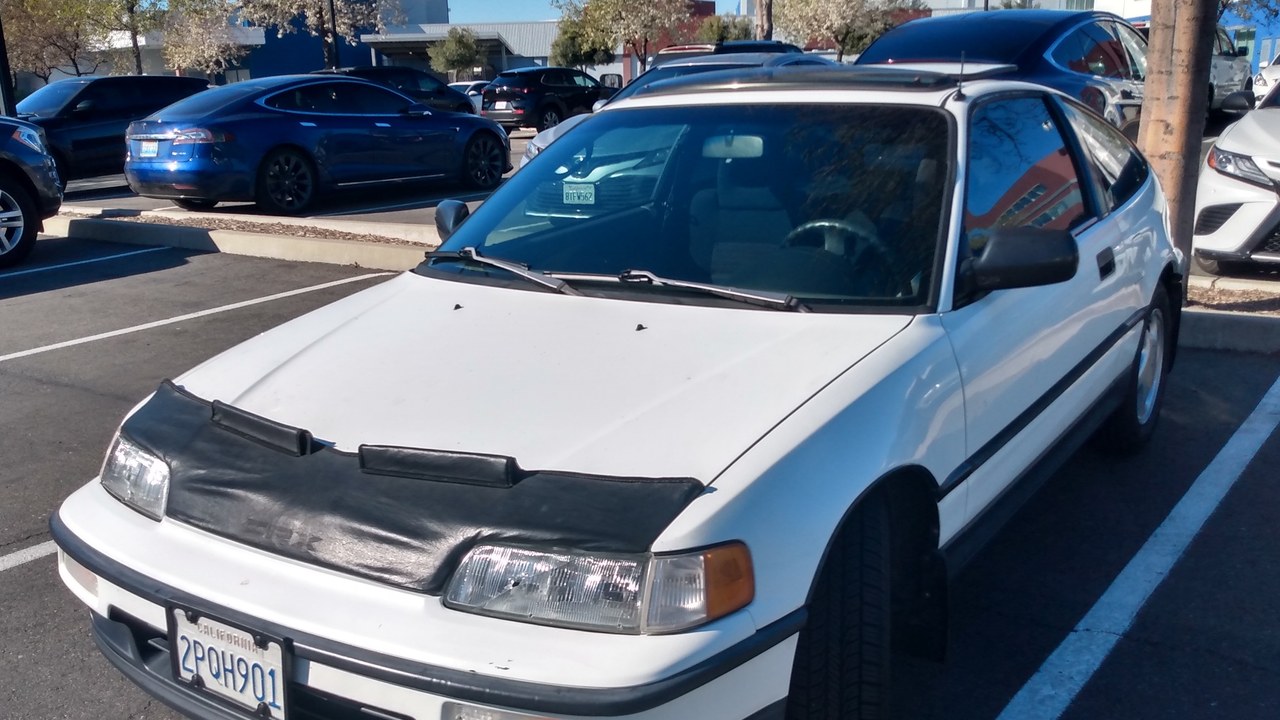
The CR-X was a two-seat front-drive hatchback built through 1991 over two generations, with a sportier Si version noted in Autoweb’s Honda history.
The CR-X offered small size and light weight rather than big power. The Si variant became a favorite of enthusiasts who valued handling and efficiency over outright speed. Surviving examples have become popular with tuners and collectors, and clean unmodified cars are increasingly hard to find as the years pass.
4. Honda Odyssey: First Honda Minivan
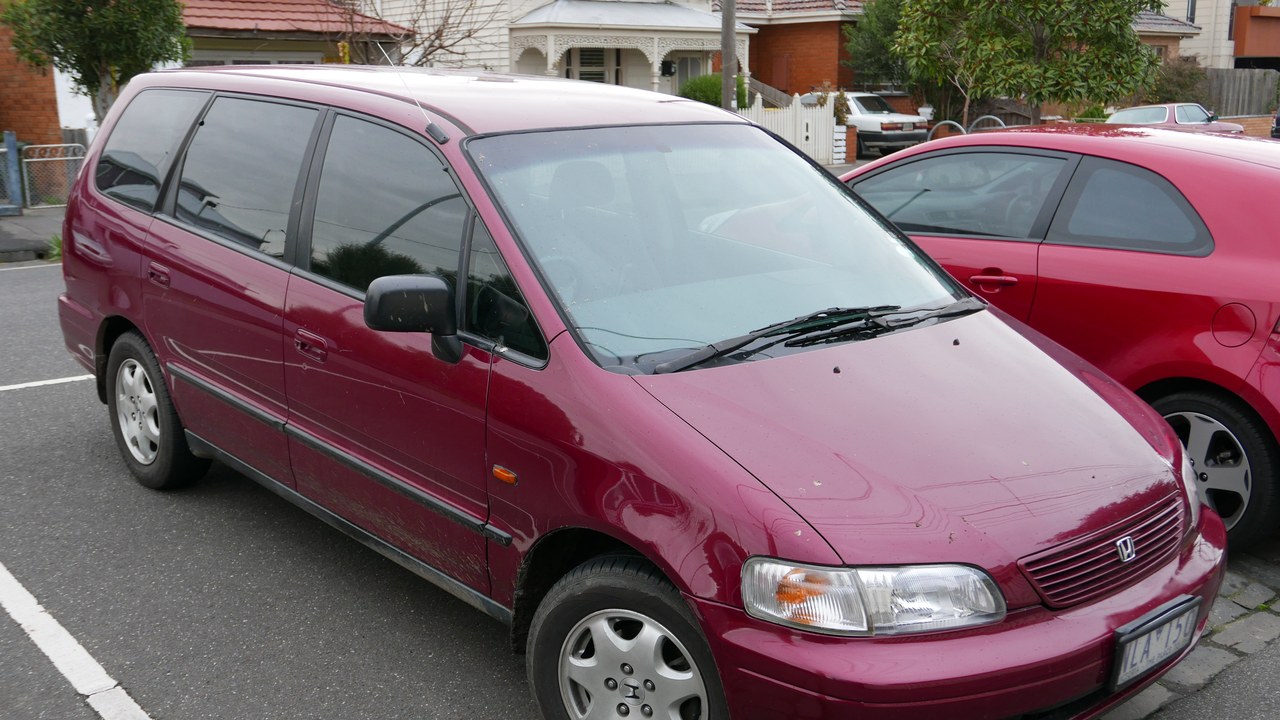
Honda’s first minivan arrived in 1994 with seven-passenger seating on an Accord platform, as the Honda history article describes.
Building the Odyssey on a car platform gave it a more car-like driving feel than many early minivans. That decision set the tone for the family vehicles that followed and gave Honda an entry in a major segment. Used Odysseys were popular family vehicles, and buyers of older models should check the transmission and maintenance record carefully before purchasing.
5. Honda CR-V: America’s SUV Leader
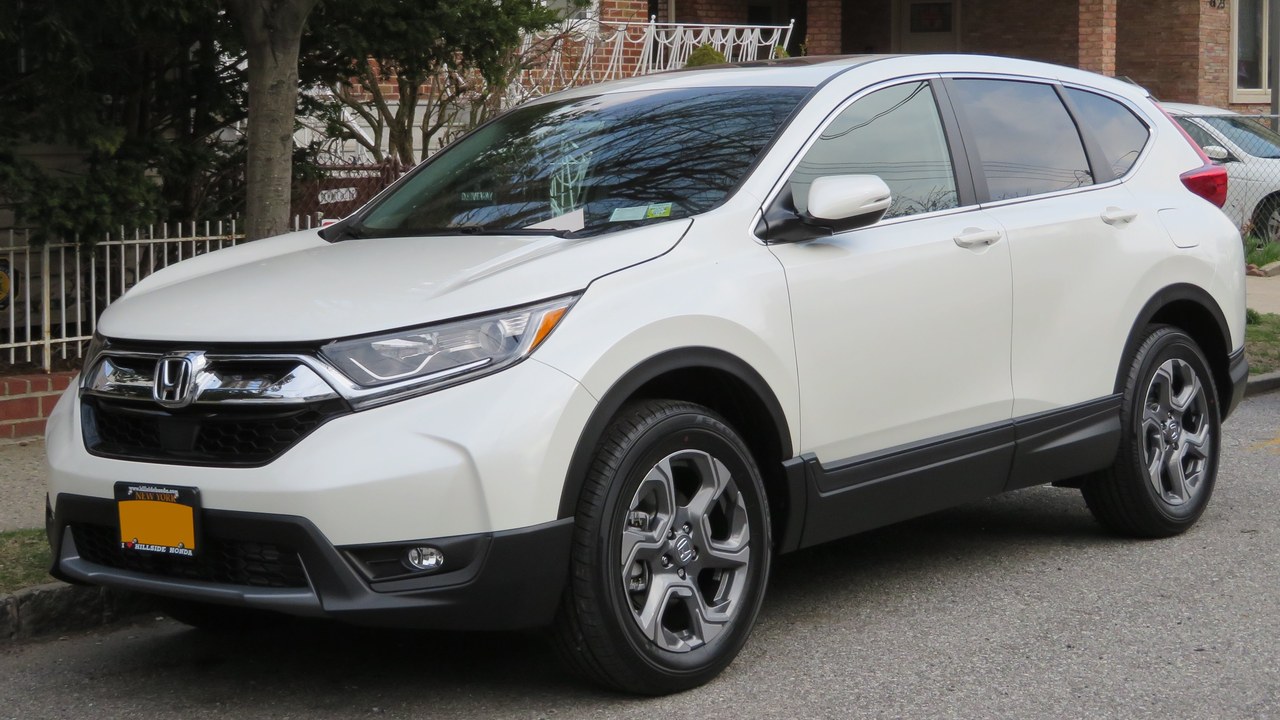
The CR-V sold one million in the United States by 2005 and became America’s best-selling SUV for the first time in 2007.
The CR-V helped define the compact crossover for families who wanted utility without a truck-based vehicle. Its sales milestones show how quickly the segment grew and why nearly every major brand now offers a rival. The result reflects a long record of strong sales and reliability, and it explains why the CR-V remains one of the most visible Hondas on the road.
6. Honda Insight: First Hybrid in America
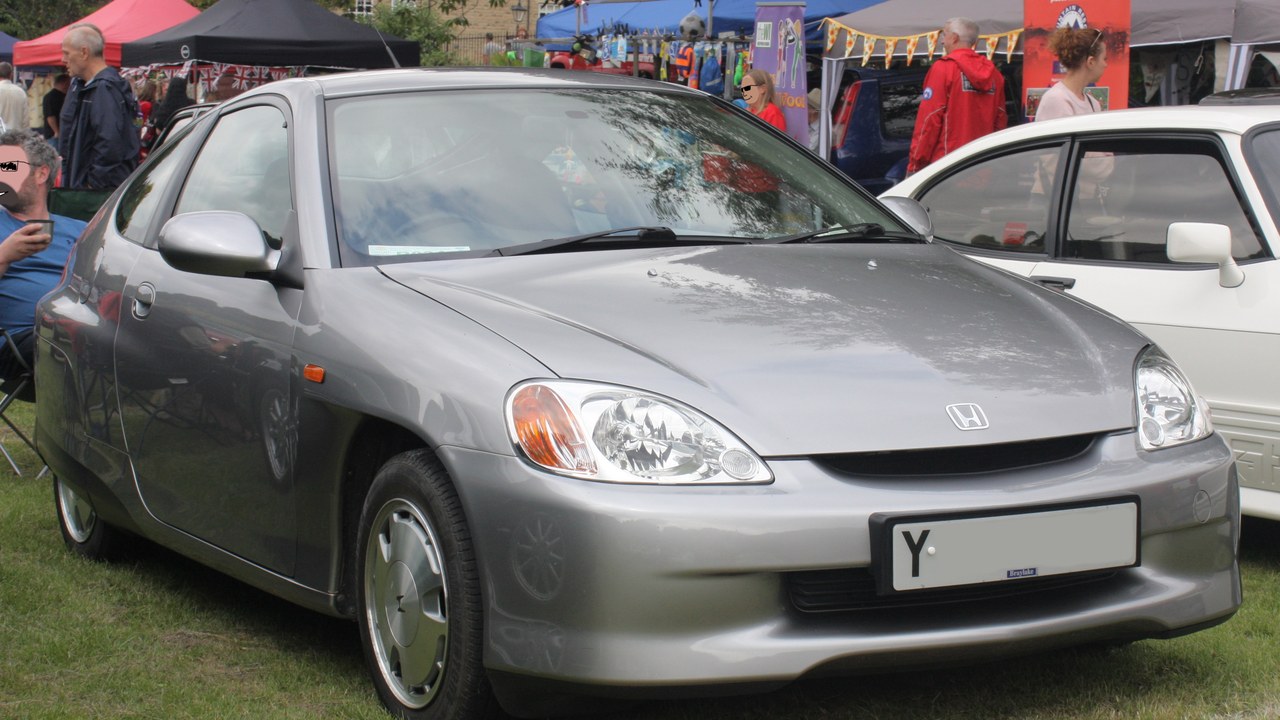
The 1999 Insight was the first gasoline-electric hybrid offered in the United States, according to Autoweb’s Honda history.
The Insight was a small, aerodynamic two-seater designed around efficiency. Its arrival introduced American buyers to hybrid technology before the idea became familiar, and it preceded later and more mainstream hybrid models. Early Insights are now curiosities, valued by hybrid enthusiasts, though buyers should check the condition of the battery and the car as a whole.
7. Honda S2000: Roadster Farewell

Over 65,000 S2000s were sold in the United States from 1999 through its final 2009 model year, according to Honda’s announcement.
The S2000 was a rear-drive roadster known for a high-revving engine and sharp handling. The sales total shows a modest but passionate market, and its discontinuation left enthusiasts without a direct Honda successor. Clean examples have become collectible, and the car’s reputation for sharp handling explains why enthusiasts continue to hold onto them.
8. Honda Element: Boxy Debut Year
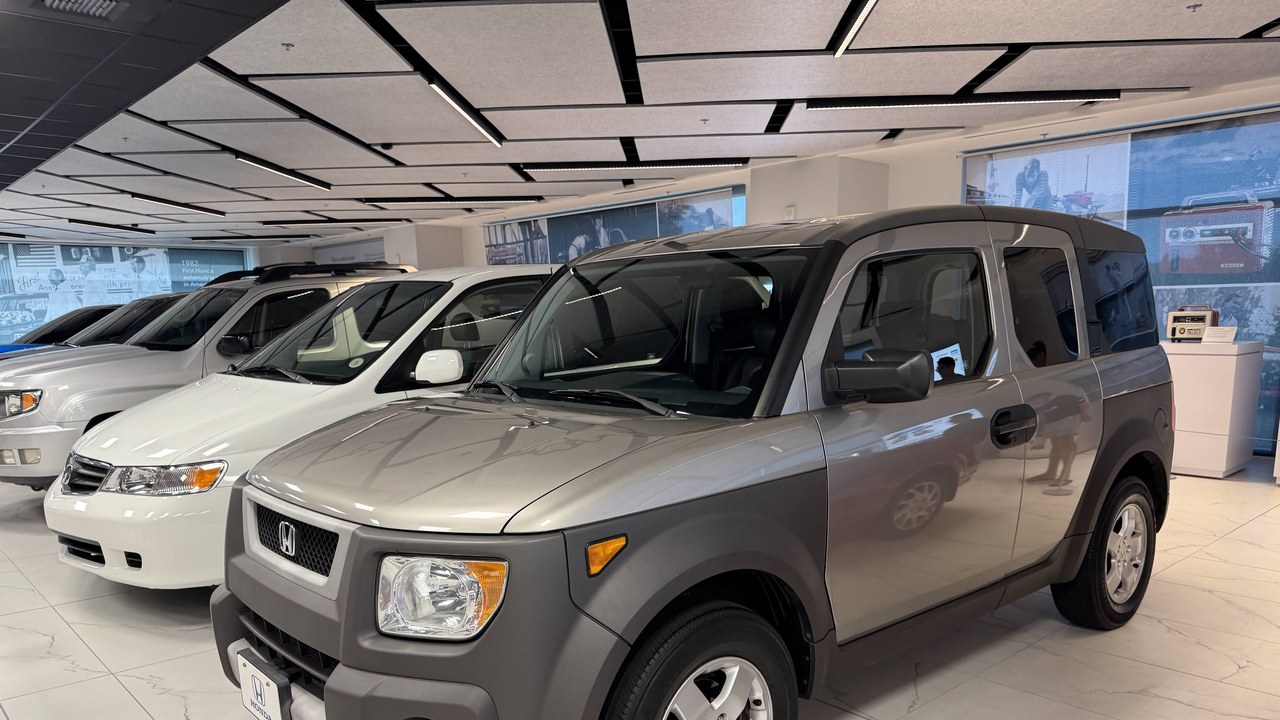
The boxy Element sold 67,478 in 2003, according to the Element article.
The Element’s squared shape and washable interior were aimed at buyers with active lifestyles. Its first year of sales shows strong initial interest, even if the unusual design later proved less enduring. Used Elements are popular with buyers who like practical, unusual vehicles, and their cult following keeps interest in them strong. Because the model came from an unusual idea, it also illustrates how Honda was willing to experiment outside its core sedan business.
9. Honda Pilot: Pilot Hits Its Peak
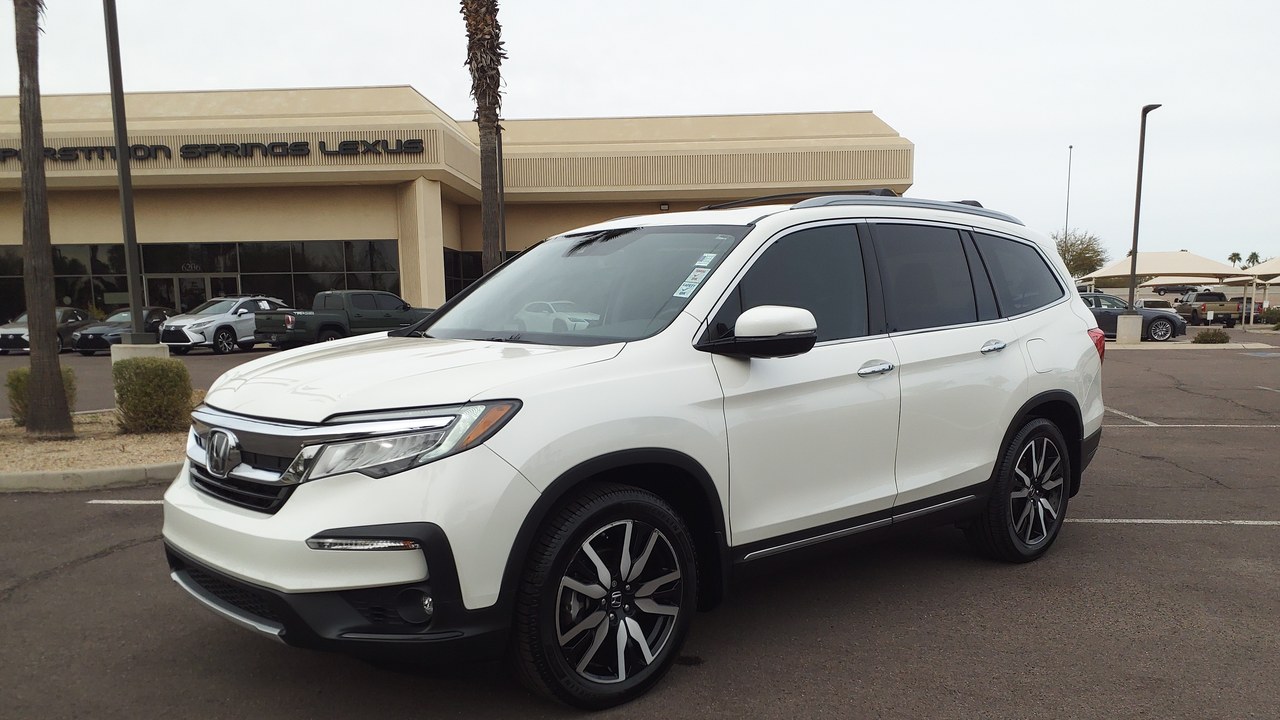
Honda’s largest SUV peaked at 183,901 United States sales in 2009, according to the Pilot article.
The Pilot is a three-row family SUV, so the figure reflects the strong demand for seating and cargo space. It stands as the high-water mark for a model that has remained central to Honda’s American lineup. Buyers considering a used Pilot can find a wide range of years and trims, which makes a careful look at maintenance history especially valuable.
10. Honda Ridgeline: Trunk in the Bed
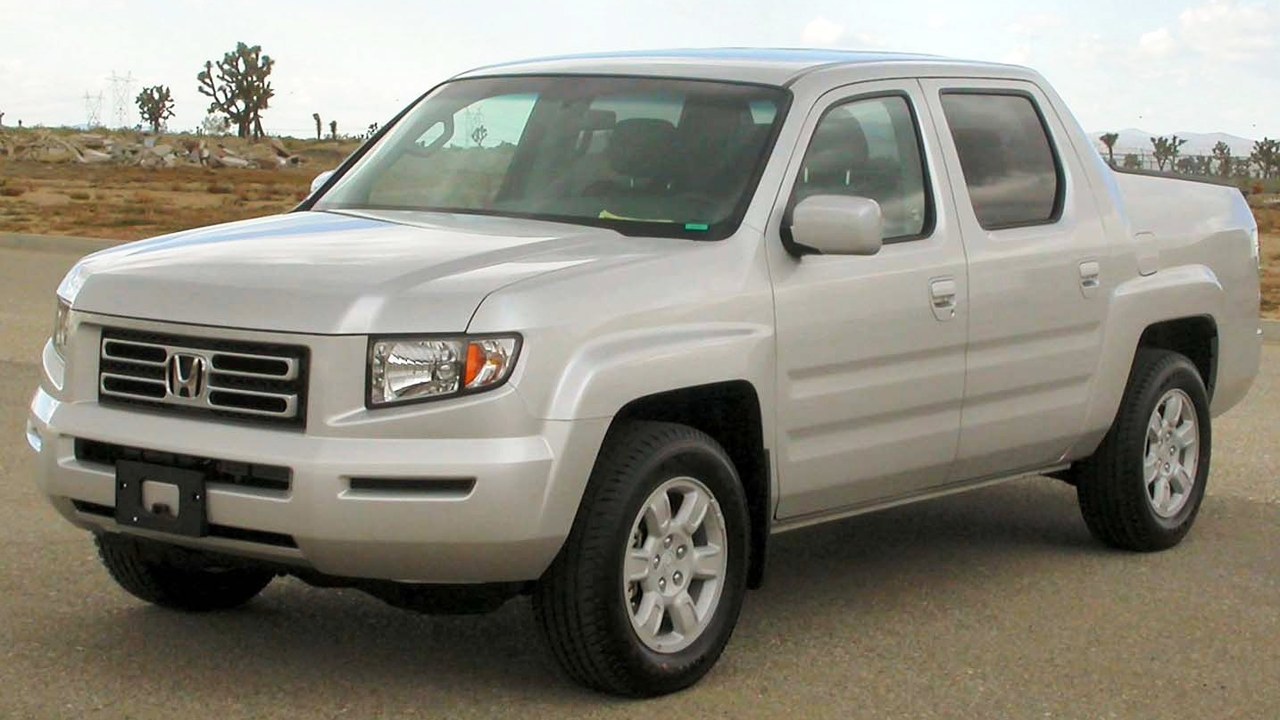
Honda’s first light truck, the Ridgeline launched in 2005 with the world’s first in-bed trunk.
The Ridgeline uses a car-like unibody design rather than a traditional truck frame. The hidden storage compartment under the bed was a distinctive idea that gave the pickup a practical advantage over conventional rivals. The feature remains a talking point for owners, and it shows how Honda tried to bring car-like thinking to a segment filled with conventional designs.
11. Honda Passport: Two Different Passports
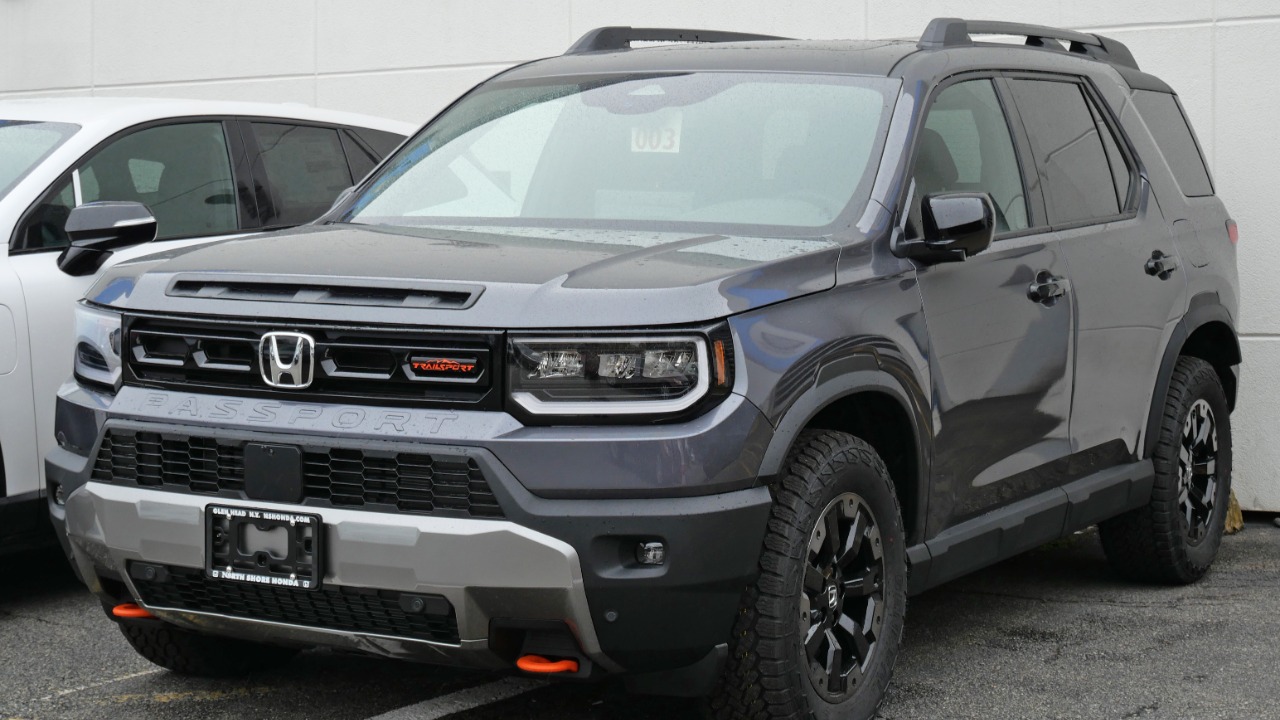
The Honda Passport was body-on-frame from 1994 to 2002 and unibody from 2019, according to the Passport article.
The name has therefore belonged to two very different vehicles with a long gap between them. Buyers searching for a used Passport should check which generation they are looking at, since the construction differs. The distinction explains why the name appears twice in Honda’s history, with the modern version aimed at a different kind of buyer than the original.
12. Honda Fit: Fit Fades Away
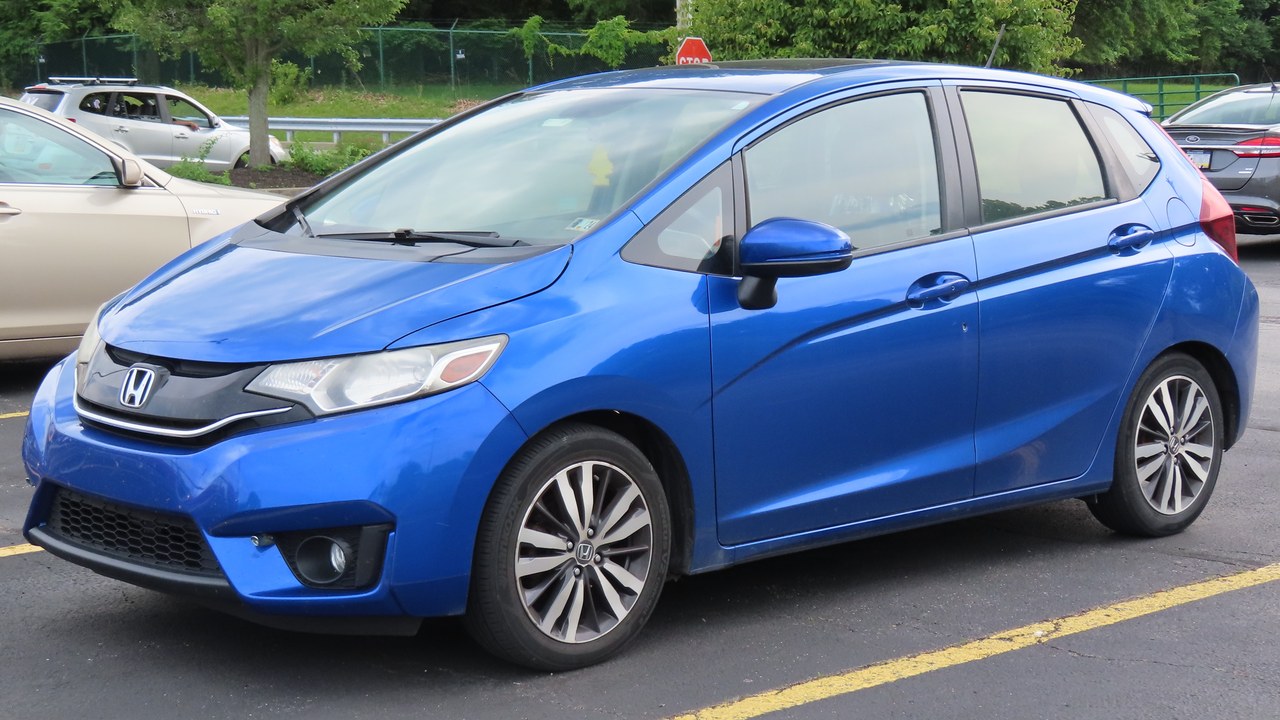
Honda sold the Fit in the United States, with 56,432 in 2007, and later dropped it in North America as sales declined, as the Fit article explains.
The Fit was a small hatchback prized for clever interior packaging. Its departure reflects the broader market shift toward crossovers, which left little room for subcompact hatchbacks. Used Fits remain popular with drivers who want small size and flexible cargo space, and the car’s absence from new showrooms has only added to that interest.
The day in tech, in one email: Get TLDR →
We may earn a commission if you sign up.
More from Morning Overview
- The NSA says three phone features should be off whenever you aren’t using them
- Hurricane Hunter radar shows four warning signs that a tropical cyclone is about to strengthen, a University of Miami study found
- Tropical Storm Rachel is dumping up to 12 inches on four Mexican states on its way to major hurricane strength
- The FTC says Lens.com doubled the price shoppers saw in Google ads
