
Some lakes break every expectation of what a body of water should look like, with colors, chemistry and temperatures that seem borrowed from another planet. They range from searing hot and caustic pools to shallow red expanses and basins of striking turquoise. Here are twelve of the strangest, each with the detail that earns it a place on the list.
Read next on Morning Overview: Debris from the Greenacres Learjet crash landed on Florida rooftops, and the NTSB wants it
1. Lake Natron: Alkaline Extremes
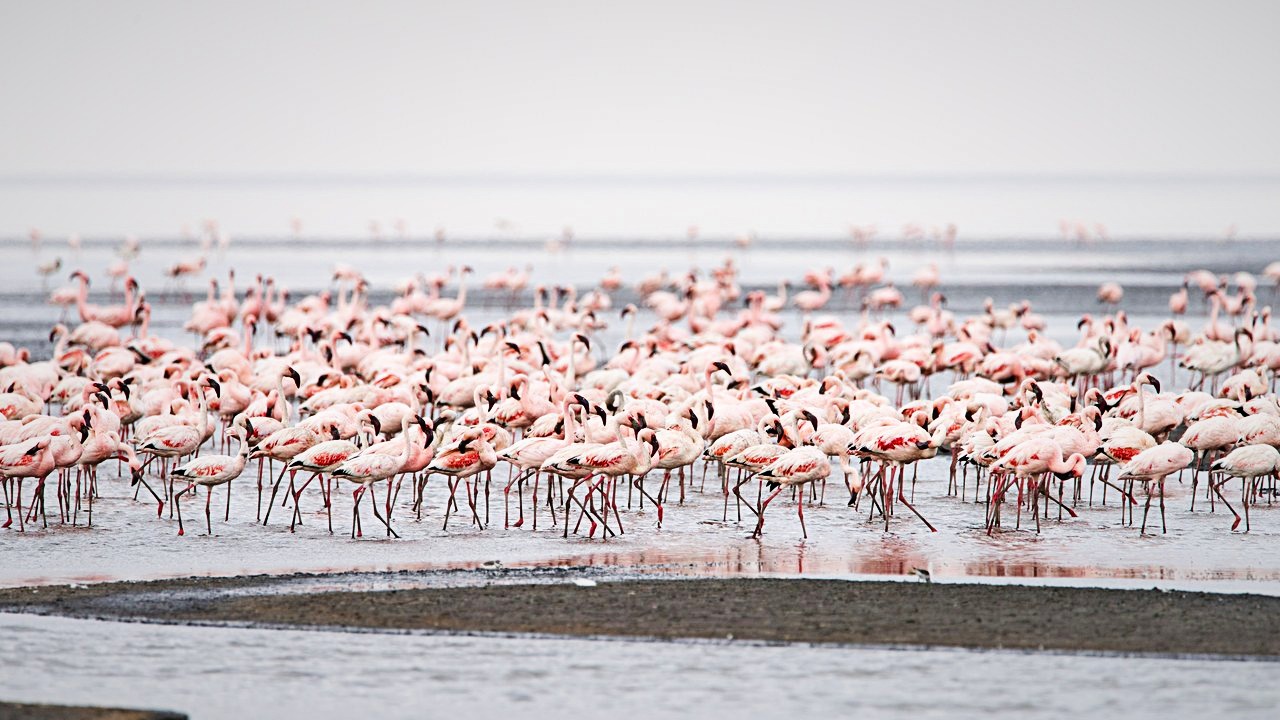
Lake Natron in Tanzania is reported to reach temperatures up to 140°F (60°C), with a caustic pH of 10.5. The chemistry is harsh enough that birds which land on the water are preserved as if turned to stone, an eerie result that gives the lake much of its reputation among travelers and photographers.
Anyone drawn to the lake for its unusual look should treat it as an environment to admire from a distance. The same conditions that preserve animals make the water a hazard for people, and the temperature figure comes from a travel-oriented source rather than a laboratory measurement.
2. Boiling Lake: A Hike to the Simmer
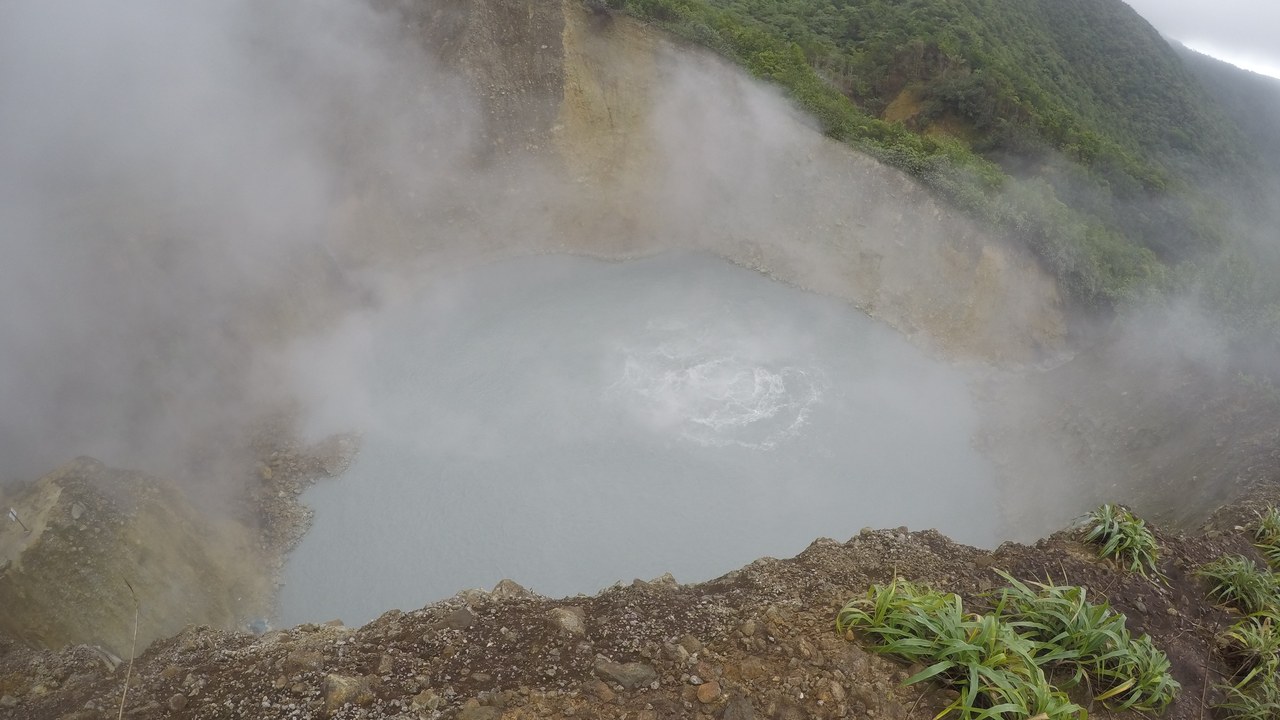
Boiling Lake in Dominica measures roughly 200 feet across, and its edge temperatures are reported at 180-197°F (82-92°C). The lake sits in volcanic terrain and is reached on foot by a trail that takes about six to eight hours to complete, which keeps it far from casual sightseeing.
Visitors planning the trip should treat it as a full-day commitment, with fitness, footwear and weather all mattering. The temperatures describe the margins of the lake, so the figure should not be read as a reading from the center, which the source does not give.
3. Kawah Ijen: Acid With a Blue Glow

Kawah Ijen in Indonesia is a crater lake with a pH of 0.5, a level that earns it the label of most acidic lake on Earth. Sulfuric gases escaping the volcano burn with blue flames at night, which is why the site draws visitors who come after dark.
The superlative is the source’s own claim, so it is best read as a widely repeated description rather than a ranking from a formal survey. Acidity at that level and the sulfur gases make the crater a place where protective gear and local guides matter more than the view.
4. Spotted Lake: Pools That Appear in Summer
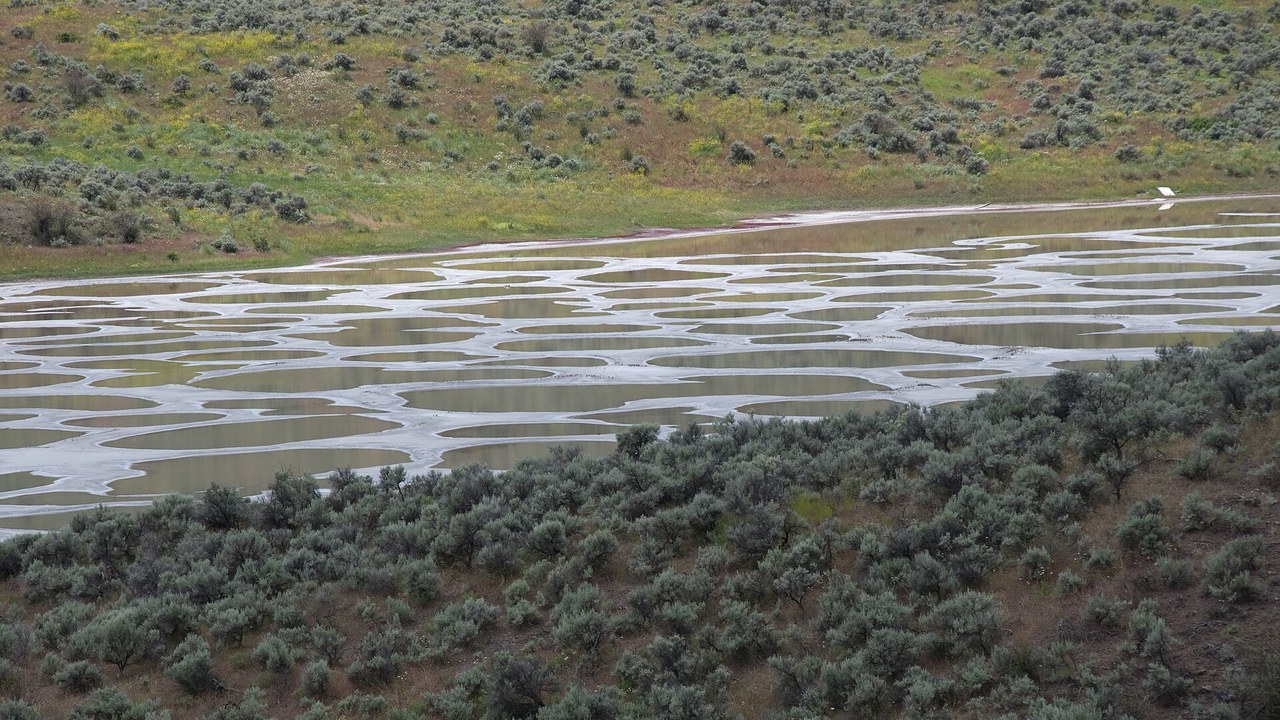
Spotted Lake in Canada looks ordinary for part of the year, but summer evaporation leaves hundreds of colored pools across its surface. The mineral-rich deposits include magnesium sulfate, calcium and sodium, and the different concentrations give each pool its own tint.
The spotted pattern is a seasonal effect, so a winter or wet-weather visit would show something quite different from the photographs. The source describes the chemistry only in broad terms, and exact mineral proportions vary from pool to pool.
5. Lake Hillier: Bubblegum on the Coast
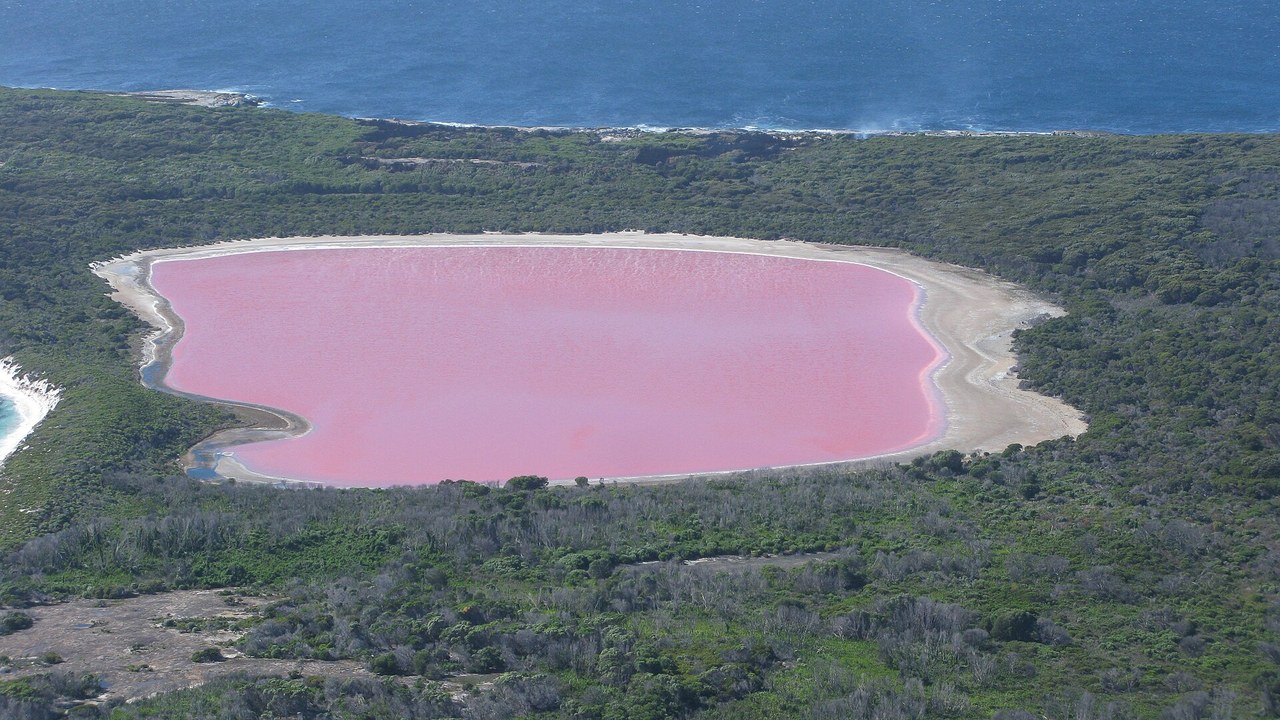
Lake Hillier in Australia is known for water that appears bubblegum pink and is ten times saltier than the ocean. The color is the reason the lake turns up on so many lists of natural oddities, and photographs of it often look edited even when they are not.
Explanations for the color differ between sources, with some pointing to algae and halobacteria and another calling the cause unknown, so the cause is best left as an open question. The salinity figure is the detail on which the sources agree.
6. Five Flower Lake: Jewel Tones in the Valley
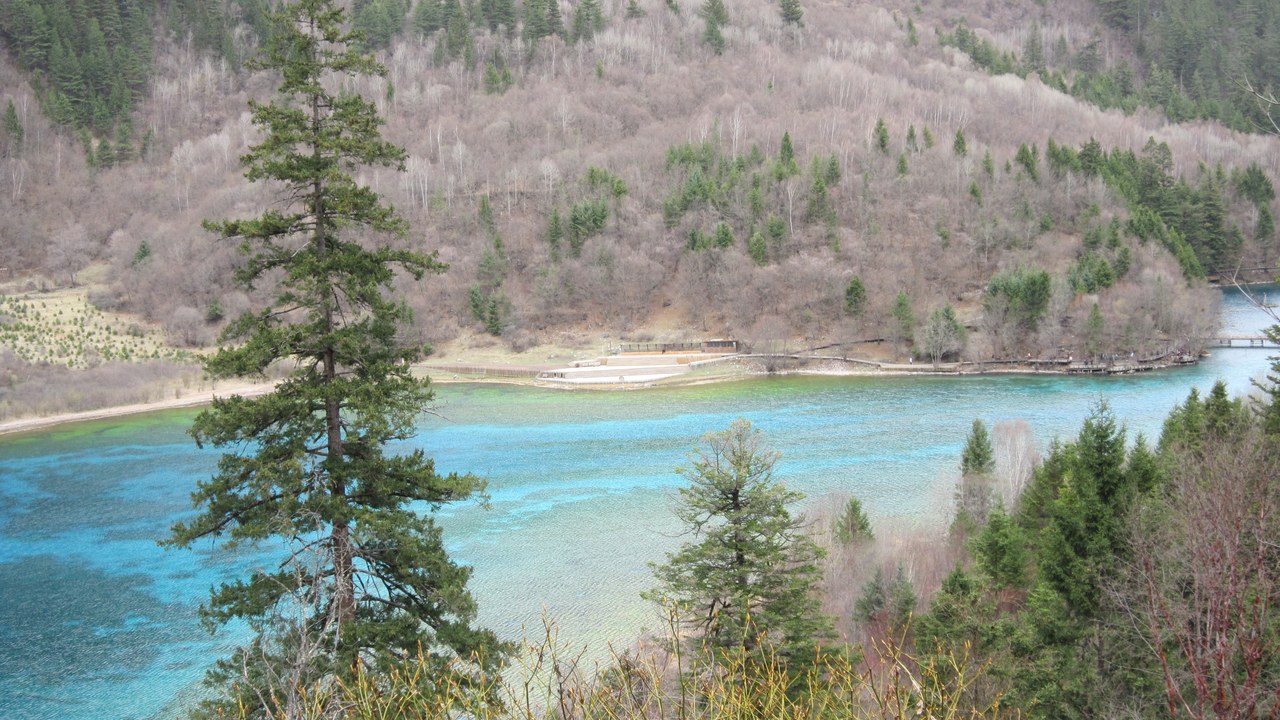
Five Flower Lake in Jiuzhaigou, China, shows a palette of ambers, corals, sapphire blues and deep greens in a single body of water. The colors are attributed to calcium carbonate in the water together with multicolored hydrophytes growing beneath the surface.
The mix of mineral and plant causes explains why the lake looks different in different light and at different depths. Visitors should expect the shades to shift with conditions, so a photograph captures only one version of a lake that is never quite the same twice.
7. Laguna Colorada: The Shallow Red Lake
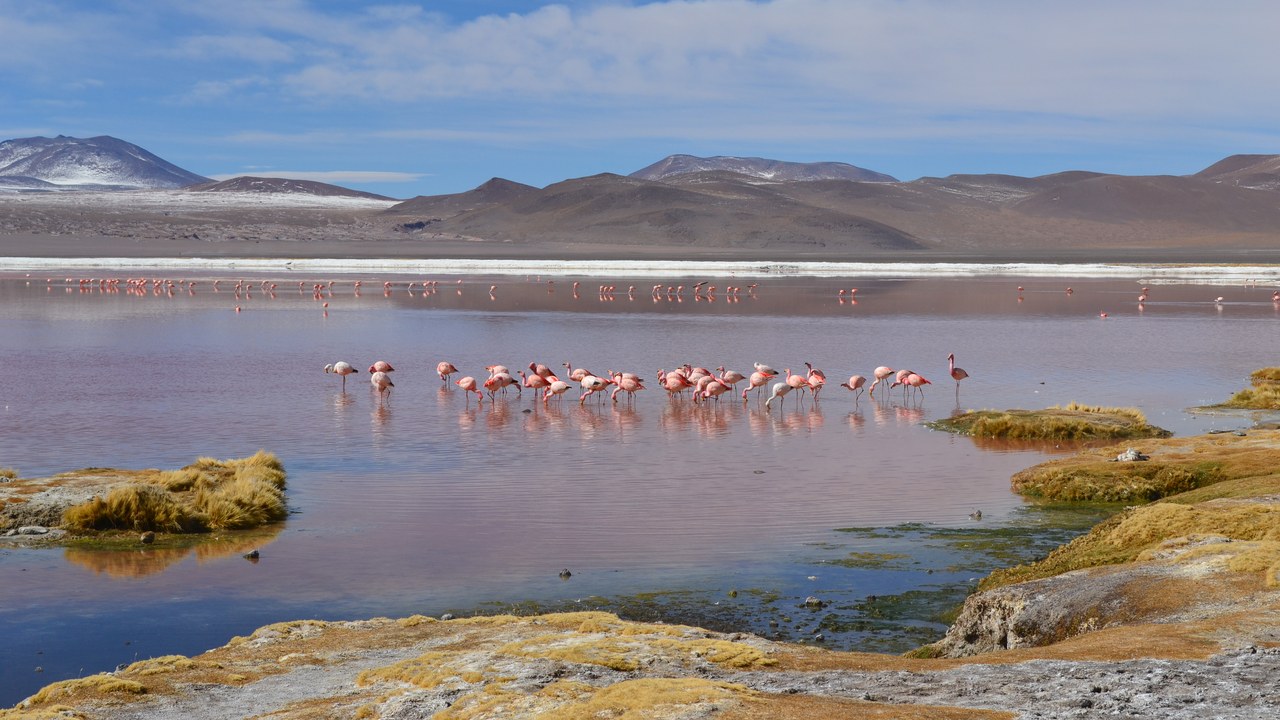
Laguna Colorada in Bolivia is a rosy-red lake covering more than 20 square miles, yet only five feet deep at its deepest point. White borax islands dot the surface, and they stand out sharply against the reddish water.
The combination of enormous area and tiny depth is what makes the lake unusual, since most bodies of water this wide are far deeper. The source does not explain the red color in detail, so the cause should not be assumed beyond what the text states.
8. Lake Tekapo: Milk From Melted Ice
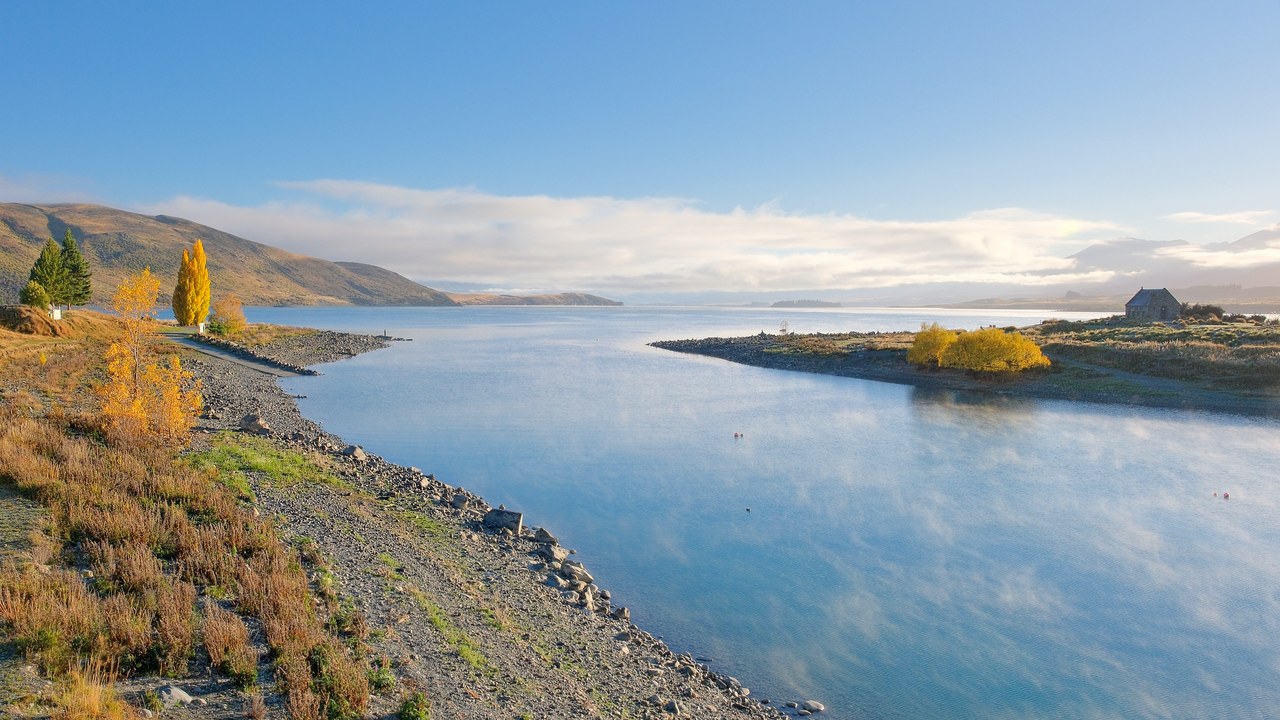
Lake Tekapo in New Zealand owes its turquoise water to glacial flour, the particles of eroded glaciers carried into the lake. Suspended in the water, the fine rock dust scatters light and gives the surface a bright, milky blue tone.
The effect is a reminder that color in a lake can come from rock as much as from water. Because the particles arrive with glacial meltwater, the shade depends on how much sediment is flowing in, and it will not look identical in every season.
9. Kelimutu: Three Lakes, Three Colors
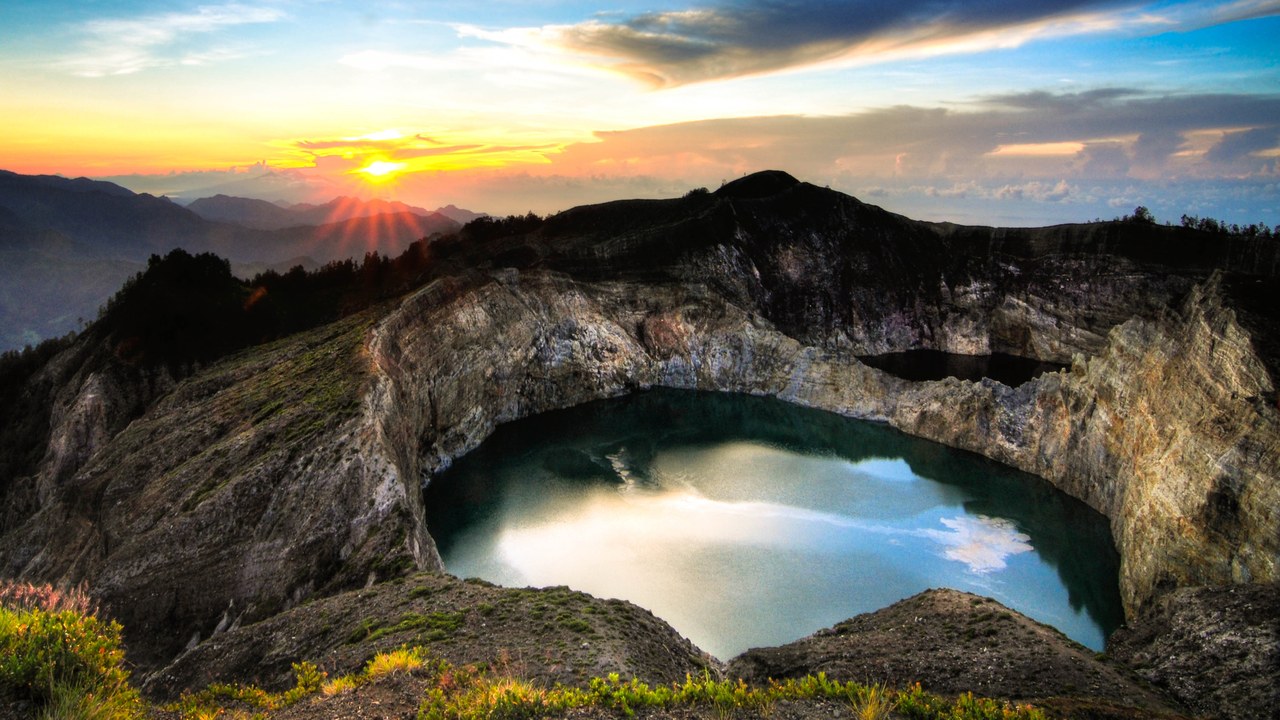
Kelimutu in Indonesia holds three lakes in one crater on the mountain of the same name, and each is a different color. The colors shift over time between blue, bright green and dark brown or red, so the volcano never presents a fixed palette.
Because the hues change, any single photograph shows only one moment in the lakes’ history. The source does not say what drives the shifts, so the explanation is better left to volcanology references than inferred from the summary.
10. Dead Sea: Lowest Water on Land
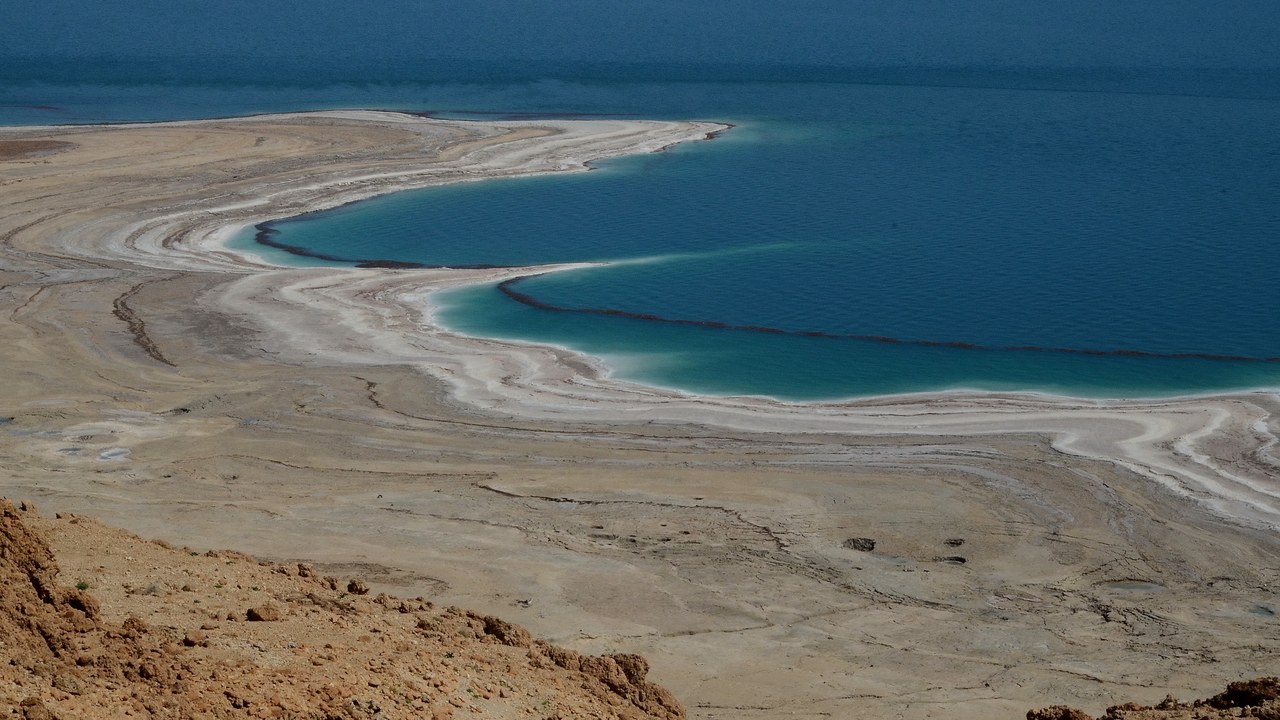
The Dead Sea, shared by Israel and Jordan, sits 1,412 feet below sea level and is ten times saltier than the ocean. Its position at such depth and its high salt content make it one of the most recognizable bodies of water in the world.
The famous buoyancy that swimmers experience follows from the salinity, though the source itself stresses only the elevation and salt figures. Both numbers are given as approximate descriptions, and the lake’s level has been changing over time, so current measurements may differ.
11. Jellyfish Lake: Jellyfish in Isolation
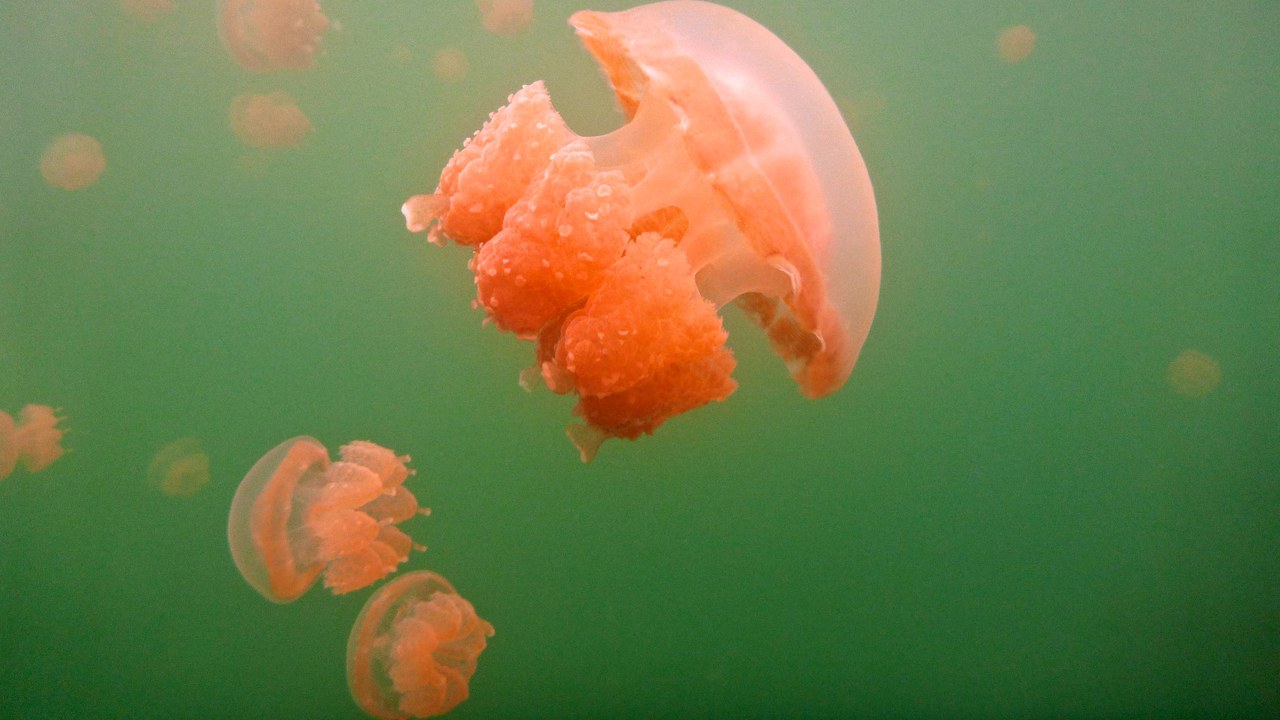
Jellyfish Lake in Palau is home to millions of golden jellyfish that have been isolated for about 12,000 years. Cut off from the open sea, the population has lived in the lake for thousands of years without the usual ocean surroundings.
The long isolation is the reason the lake is of interest to people curious about how animals adapt when cut off. The source gives the time span only as approximate, so the figure reads best as a rounded estimate and not a precise date.
12. Lake Baikal: The Deepest of Them All
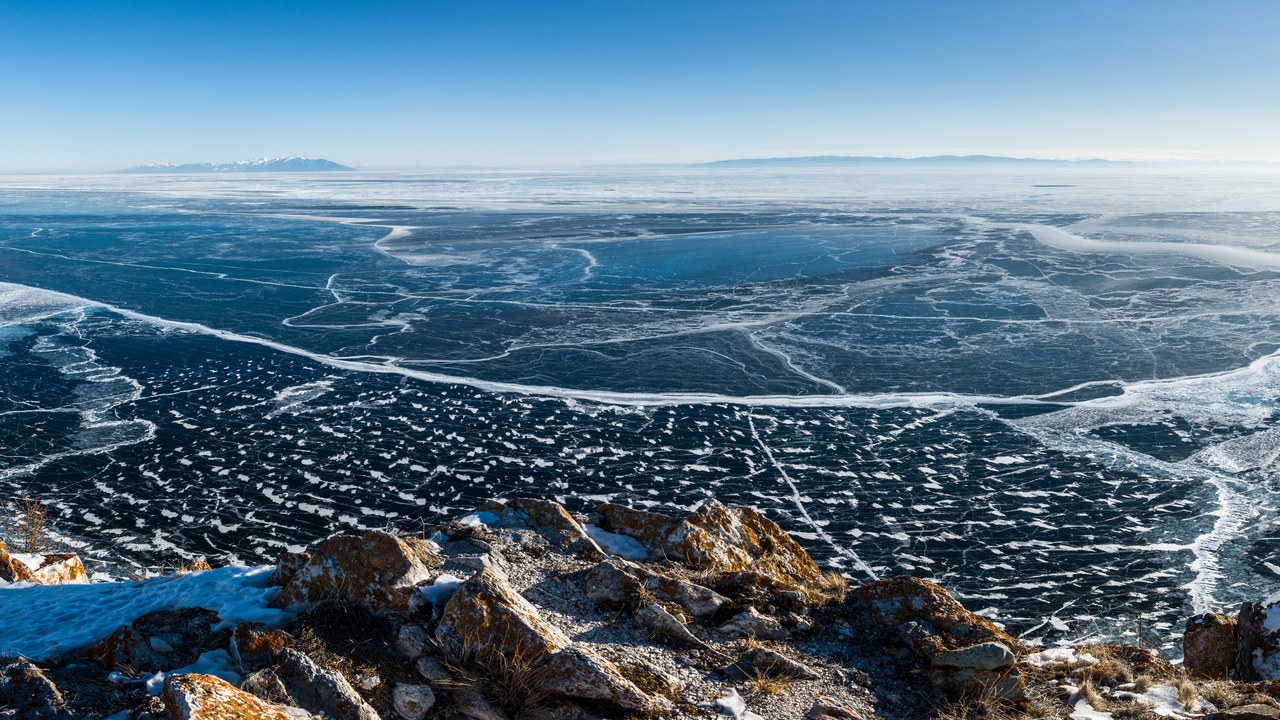
Lake Baikal in Russia is the deepest lake in the world at 1,700 meters, and it holds 20% of Earth’s unfrozen fresh water, according to UNESCO. That share makes the lake a central reservoir in global terms, far beyond what its place on a map might suggest.
As the only item in this set backed by an institutional source, Baikal anchors the list with figures that are easier to verify than the travel-site descriptions elsewhere. Depth and volume together explain why it is treated as a world heritage site.
More from Morning Overview
- Czech Skyfox jets could become Ukraine’s cheap answer to Shahed attack drones
- Tesla’s Cybercab has already crashed 8 times, and the worst one came at highway speed
- Hidden card skimmers on gas pumps and ATMs can be exposed with one quick shake
- Hidden wear was found inside a New Jersey nuclear reactor during its outage
