
Long before steel container ships and cruise liners dominated the seas, wooden clippers, iron cargo haulers, and early ocean liners carried passengers, cargo, and whalers across the world’s oceans. A handful of these vessels escaped the scrapyard and now sit permanently moored as museums, hotels, or working ships open to public tours. Here are ten historic ships that visitors can still walk aboard, including the oldest ship still sailing.
1. RMS Queen Mary: Wartime Legend Turned Hotel
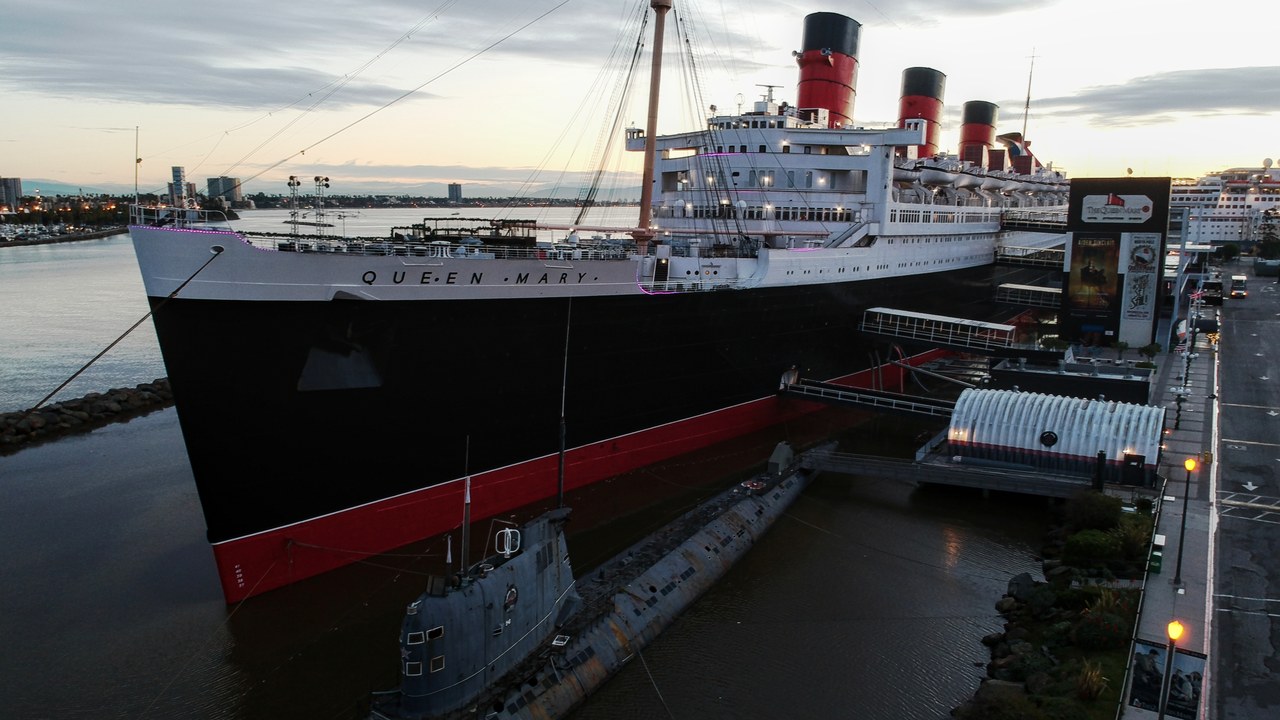
The RMS Queen Mary departed Southampton on her maiden voyage in 1936, entering service as one of the grandest ocean liners of the era before the outbreak of the Second World War abruptly rewrote her purpose. Refitted for trooping duty rather than luxury crossings, the liner went on to ferry 810,000 military personnel across the Atlantic during the war, a chapter the ship’s own official history still treats as its defining moment.
Since being permanently docked in Long Beach, California, the retired liner has operated as a hotel and floating museum that an estimated 50 million visitors have toured, giving it one of the largest cumulative audiences of any preserved ocean liner anywhere.
2. Cutty Sark: Last Tea Clipper Standing
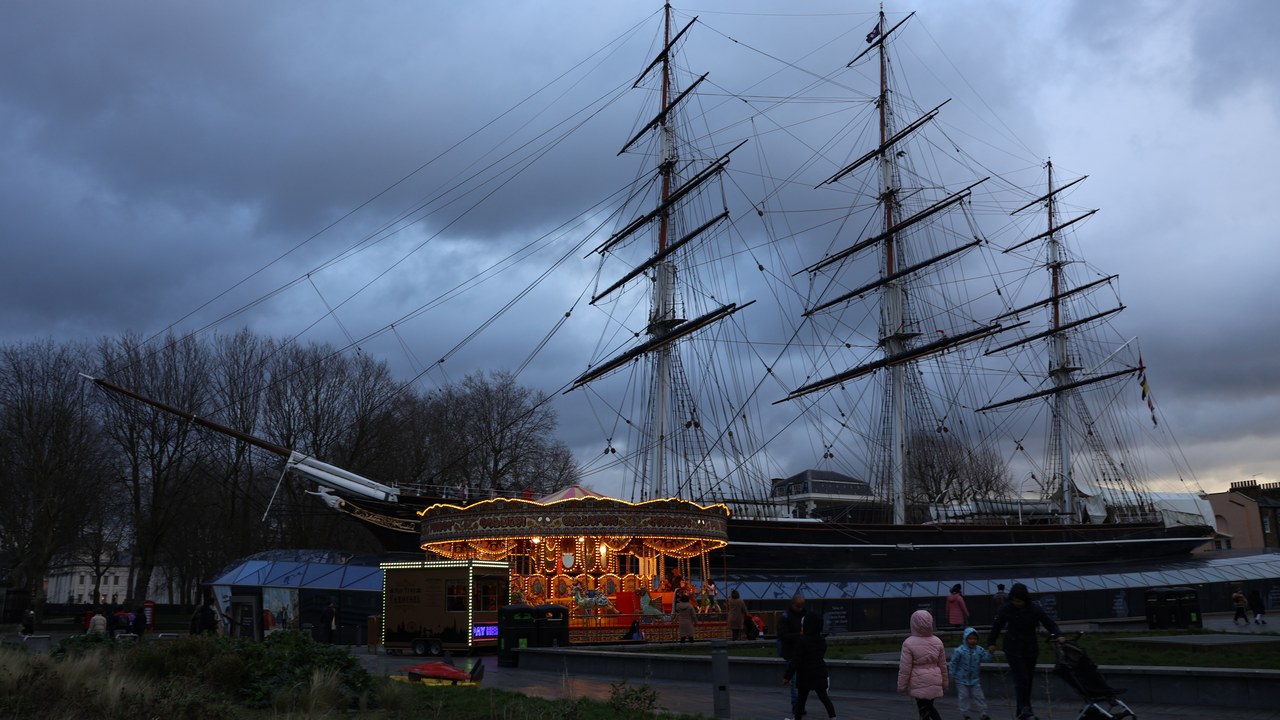
The Cutty Sark is the world’s only surviving tea clipper, a distinction that also made her the fastest ship of her era when she raced cargo home from China and other Asian ports under towering sails built for speed rather than comfort. That legacy is preserved today at dry dock in Greenwich, where Royal Museums Greenwich maintains the ship as a permanent exhibit.
Visitors can step aboard the main deck and then descend to walk directly beneath the hull itself, an unusual vantage point that lets them examine the copper-sheathed underside no working clipper of comparable speed was ever built to display to the public.
3. Star of India: Oldest Ship Still Sailing
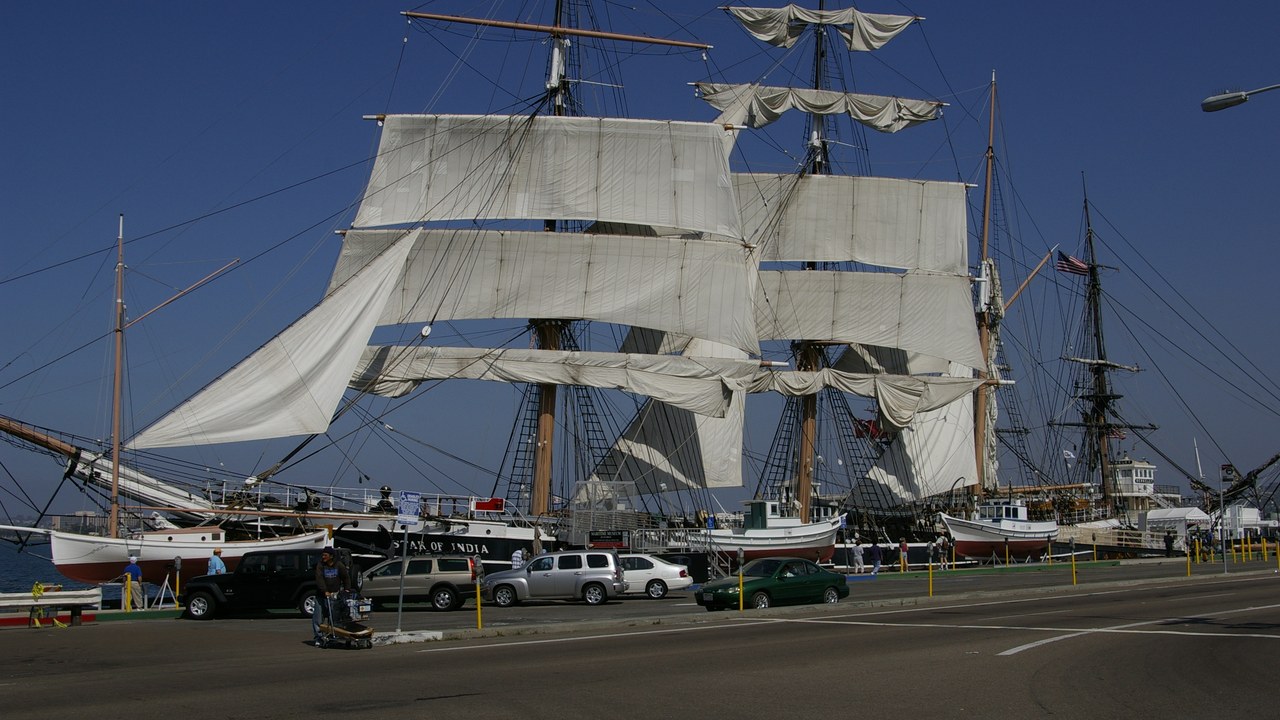
Launched in 1863 under the name Euterpe, the Star of India survived more than a century of cargo runs, emigrant voyages, and fishing seasons before settling into her current role, and she is recognized today as the oldest ship still sailing regularly rather than sitting as a static relic, according to her Wikipedia entry.
She also holds the separate title of oldest iron-hulled merchant ship still afloat, a double distinction that sets her apart from every other vessel on this list and explains why crews still take her out to sea each year.
4. Charles W. Morgan: Last American Whaling Ship
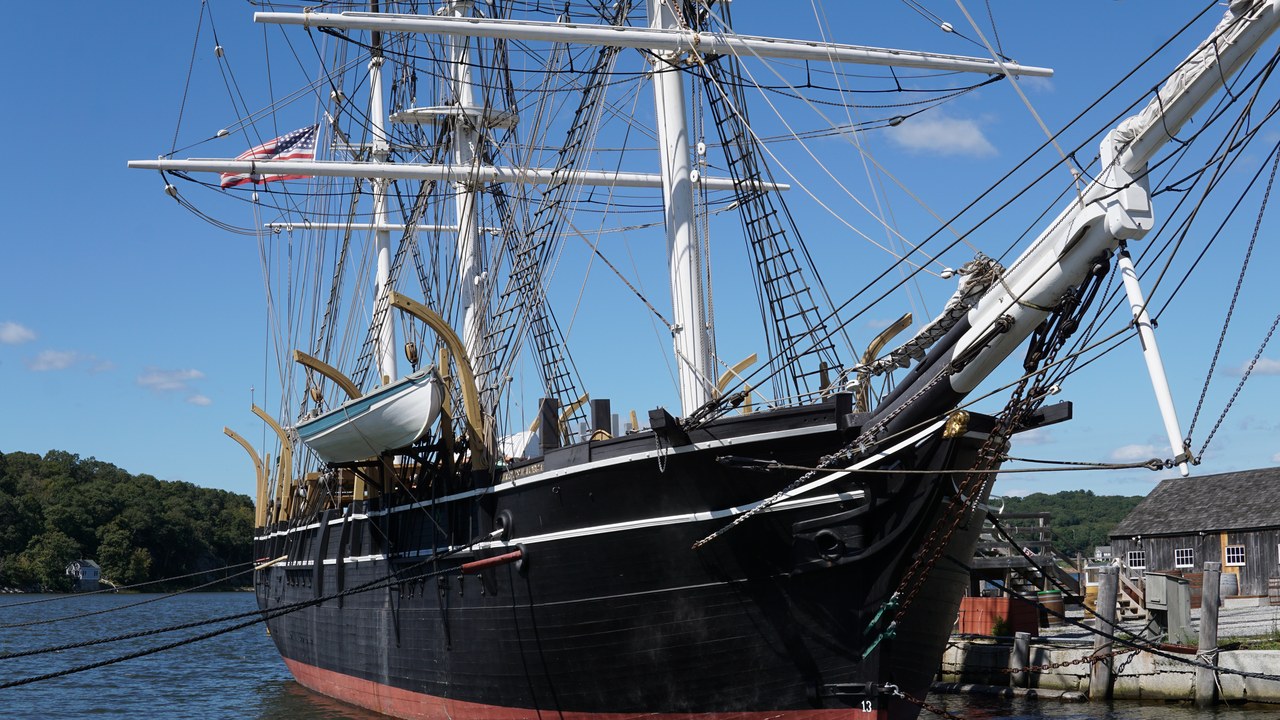
The Charles W. Morgan is the last surviving ship from the once-vast American whaling fleet, a wooden-hulled vessel that spent decades hunting whales across the Pacific before making her final voyage to the South Seas in 1924, closing out a career that spanned nearly the entire history of American commercial whaling.
Her survival lets visitors trace an entire vanished industry through a single hull, from the harpoon-era whaling grounds of the nineteenth century to the quiet museum berth where she now rests as a preserved landmark.
5. Balclutha: Steel Hull From The Clyde
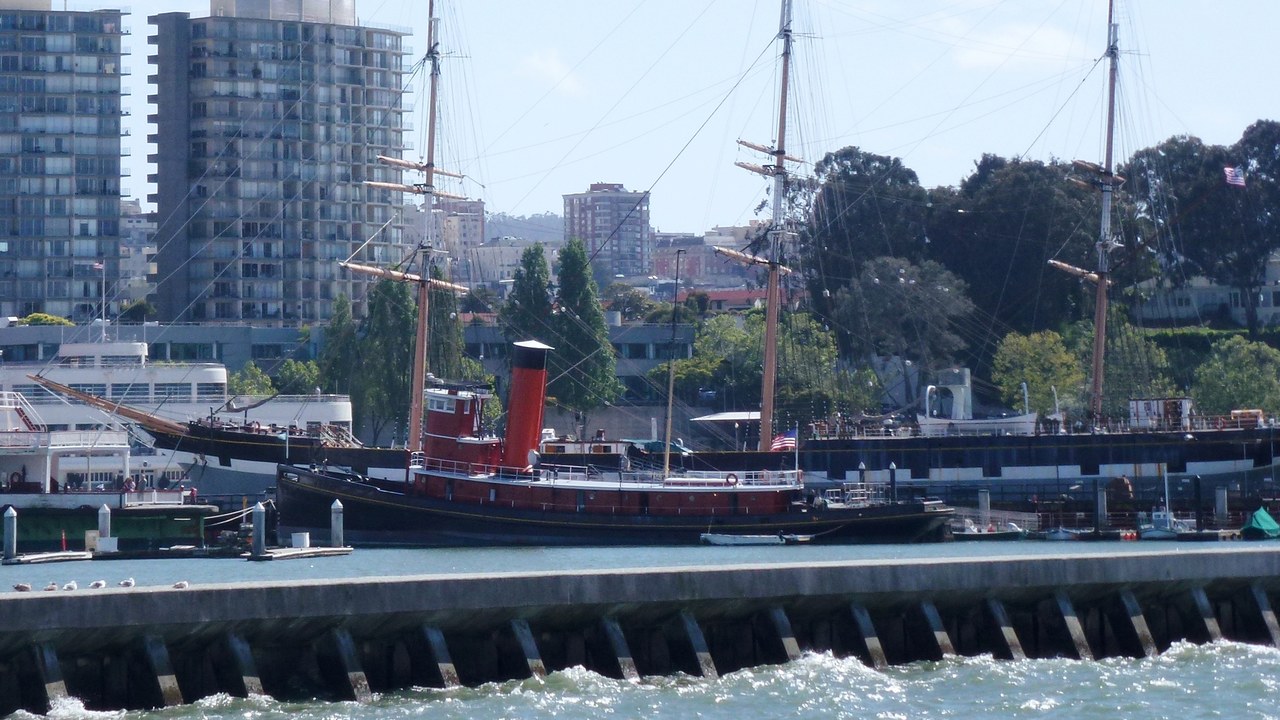
Balclutha is a three-masted, full-rigged ship with a steel hull that was launched near Glasgow, Scotland, in 1886, built specifically for the kind of long, punishing ocean cargo runs that steel construction was only just beginning to make routine for shipbuilders of that era, according to her ship profile.
The steel frame marks a clear turning point away from the wooden and iron hulls used earlier in the century, a transition that visitors can trace firsthand by examining the riveted plating still visible along her sides.
6. Wavertree: Wrought Iron Full-Rigger
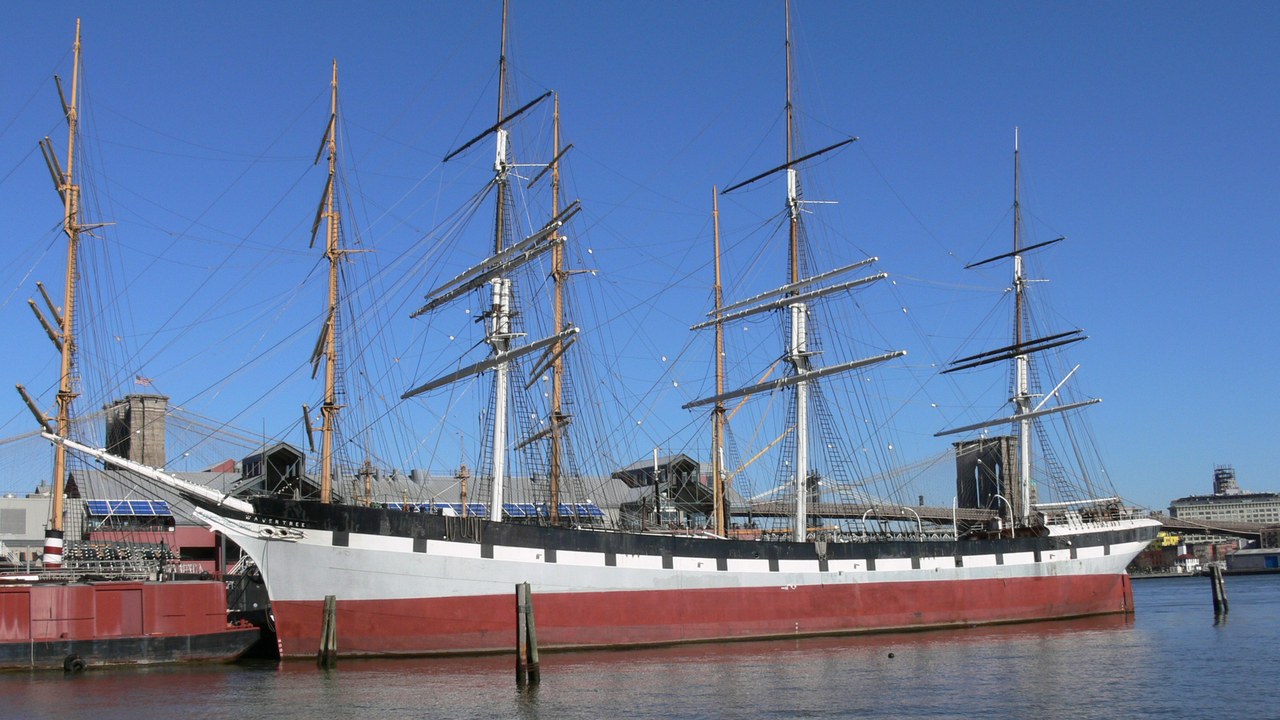
Wavertree was built in Southampton, England, in 1885 as a three-masted, full-rigged ship constructed of wrought iron, a material choice that sat squarely between the wooden clippers of earlier decades and the steel-hulled cargo carriers that would soon replace her class entirely, per her ship history.
Her wrought-iron hull makes her a rare surviving example of a construction method that shipbuilders largely abandoned within a single generation, adding an unusual engineering footnote to an already long working career at sea.
7. SS Great Britain: Steamship Home Again
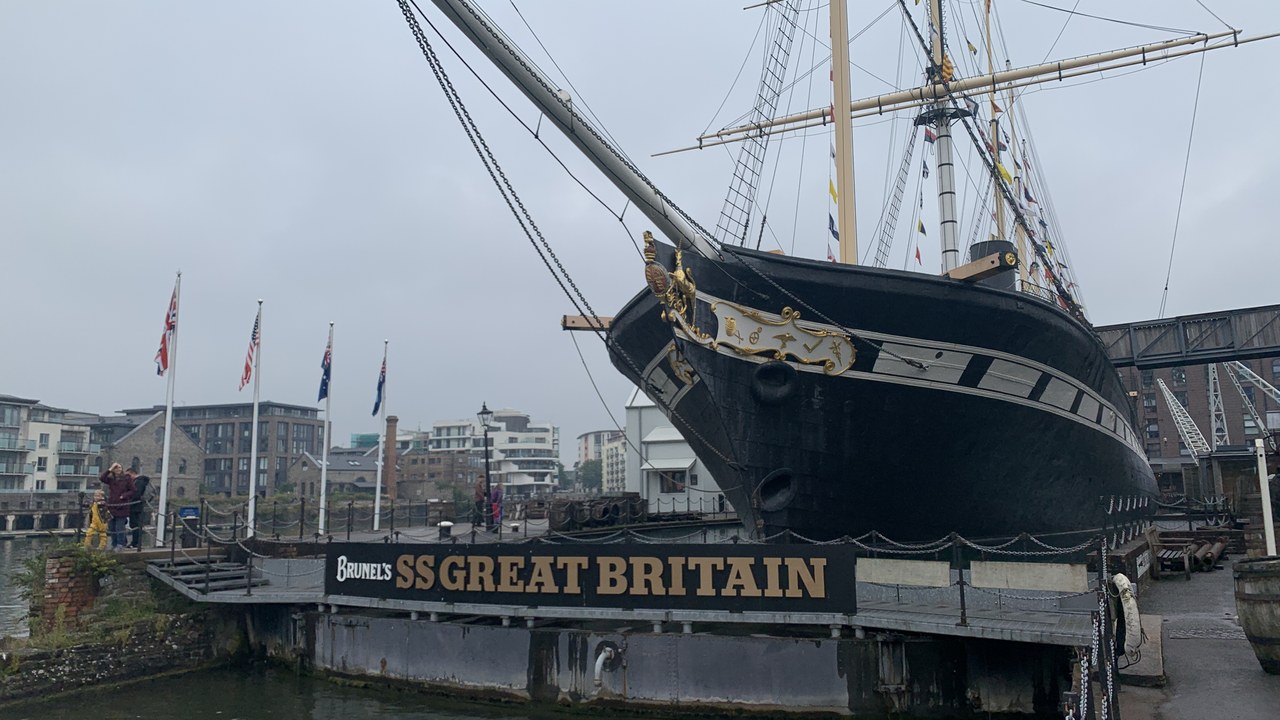
SS Great Britain is an 1843 steamship now preserved in Bristol Harbour, the very dock where she was originally built, a homecoming that places her among the entries logged on the list of museum ships compiled from records around the world.
Returning to her birthplace lets the ship serve simultaneously as a maritime museum and as a physical marker of Bristol’s own shipbuilding heritage, a pairing few preserved vessels elsewhere are able to offer visitors in quite the same way.
8. Hikawa Maru: Ocean Liner In Yokohama
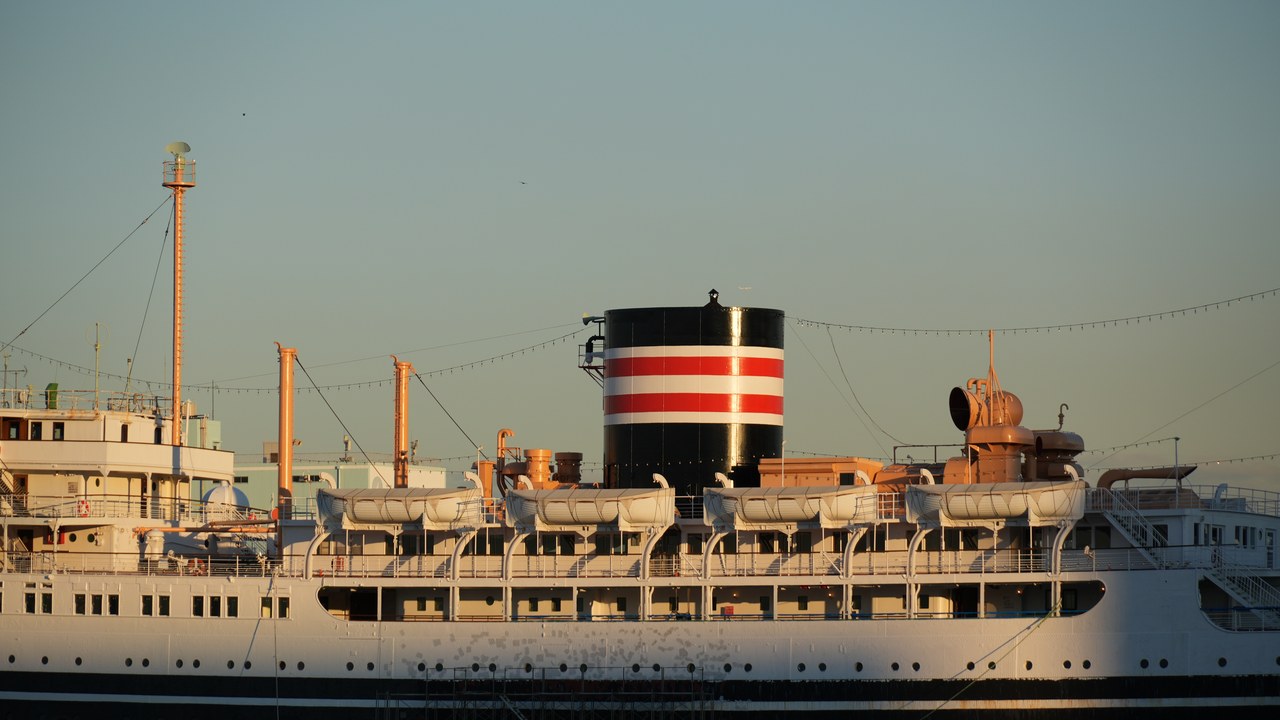
Hikawa Maru is a 1929 ocean liner preserved as a museum ship in Yokohama, Japan, one of the entries recorded on the list of museum ships that catalogs surviving liners, tenders, and cargo vessels still open to the public around the world today.
Her interwar-era design offers a rare, tangible look at passenger travel from a period before jet aircraft made transoceanic ocean liners largely obsolete, a vantage point few other preserved ships from the same decade can still provide, given how few interwar liners of any nationality survived long enough to be preserved this way.
9. Fram: Polar Schooner Under Glass
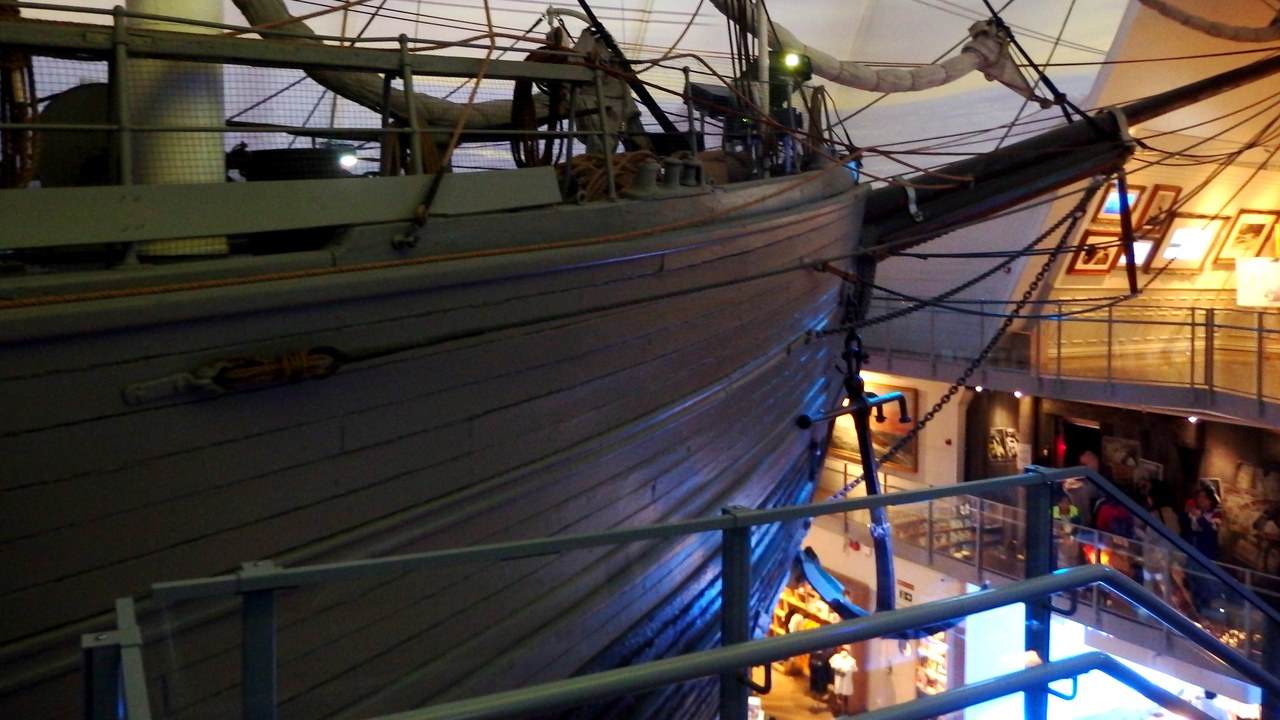
Fram is an 1892 polar schooner housed indoors at the Fram Museum in Oslo, Norway, a sheltered berth confirmed by the list of museum ships that tracks preserved sailing ships, steamships, and polar exploration vessels still open for public viewing across several continents.
Keeping the schooner under a roof protects a hull that was purpose-built to survive being crushed by Arctic pack ice, a specialized design requirement that almost none of the other ships on this list ever had to contend with.
10. SS Nomadic: Belfast’s Surviving Tender
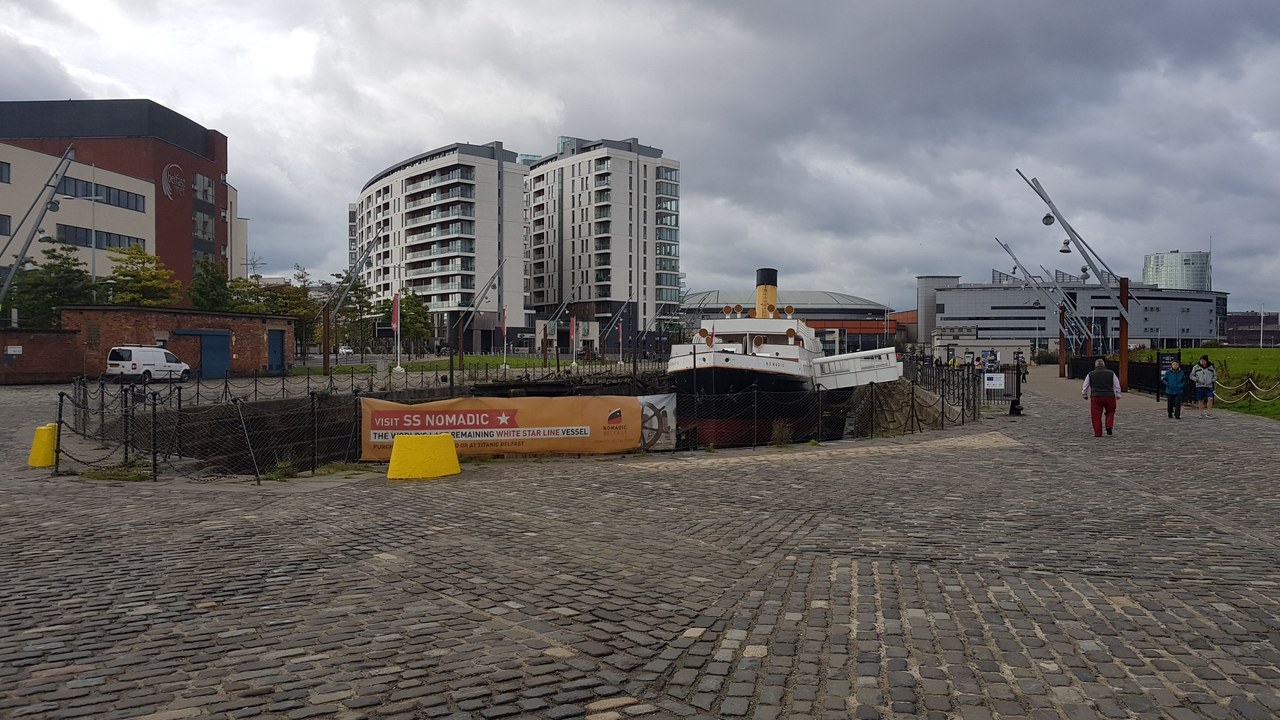
SS Nomadic is a 1911 tender preserved as a museum ship in Belfast, Northern Ireland, according to the list of museum ships that documents surviving vessels from that era still accessible to the public.
As a small vessel originally built to ferry passengers out to larger liners waiting offshore, her survival gives visitors a rare look at the modest support ships an entire era of ocean travel quietly depended on, since most vessels of her modest size and utilitarian purpose were scrapped long before anyone thought to preserve them.
More from Morning Overview
- General Motors is switching on cameras that record inside your vehicle by update
- A geomagnetic storm is forecast to hit Earth today, pushing the northern lights unusually far south
- A recalled pill hid a stimulant dose linked to heart attacks and death
- Four U.S. startups fired up their first small nuclear reactors, aiming to power AI data centers on-site
