
Electric cars are often compared by range, but efficiency tells a different story about what each mile actually costs. The EPA’s combined MPGe ratings and kWh-per-100-miles figures show which models squeeze the most distance out of their batteries. Here are twelve of the most efficient electric models on sale for the 2026 and 2027 model years.
Help yourself and the planet: The Cool Down makes it easy to help yourself while helping the planet, with smart, simple changes to save more and waste less in your everyday life.
We may earn a commission if you sign up.
1. Lucid Air: Efficiency Champion
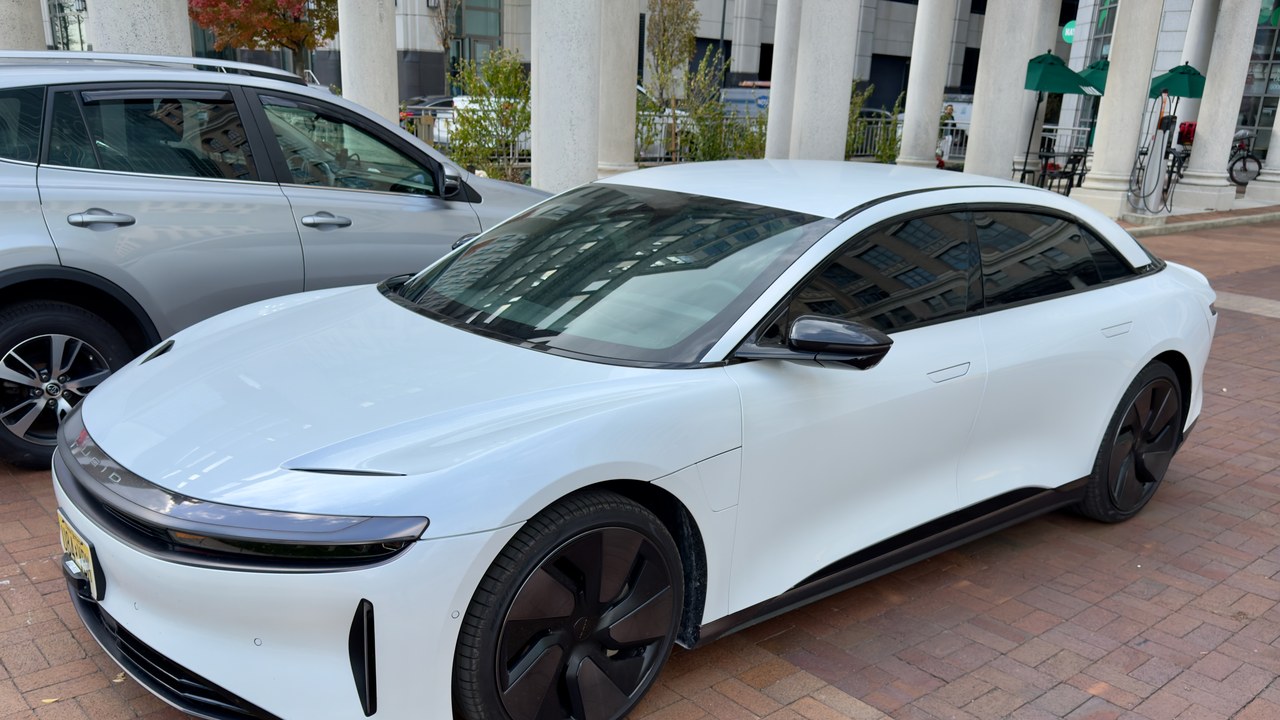
The 2026 Lucid Air Pure RWD on 19-inch wheels is the most efficient vehicle in the EPA’s 2026 top-ten list, rated 146 MPGe combined, according to the EPA’s top-ten list. Recurrent’s ranking of EPA data puts it first as well, at 23 kWh per 100 miles.
MPGe measures how far a car travels on the energy in a gallon of gasoline, so it describes efficiency rather than range. For owners, a higher figure means lower electricity bills per mile, and the Air leads on that measure.
2. Tesla Model 3: Tesla’s Efficient Sedan
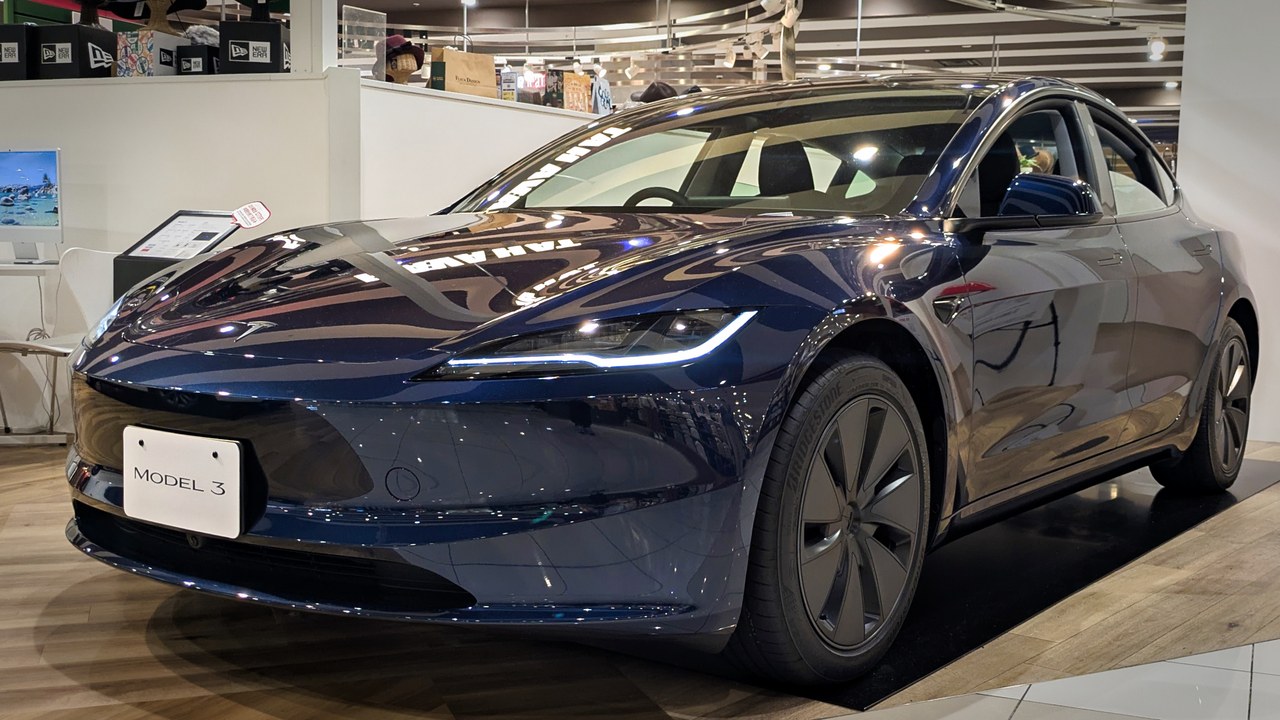
The 2026 Tesla Model 3 Standard RWD is rated 139 MPGe combined, second on the EPA’s list, as the EPA’s top-ten list shows. Only the Lucid Air Pure RWD ranks ahead of it among the cars the agency rates.
The Model 3 pairs that efficiency with a far more familiar size and badge than the Lucid. Buyers focused on running costs get most of the benefit of the top spot in a compact sedan.
3. Tesla Model Y: Crossover With Sedan Numbers
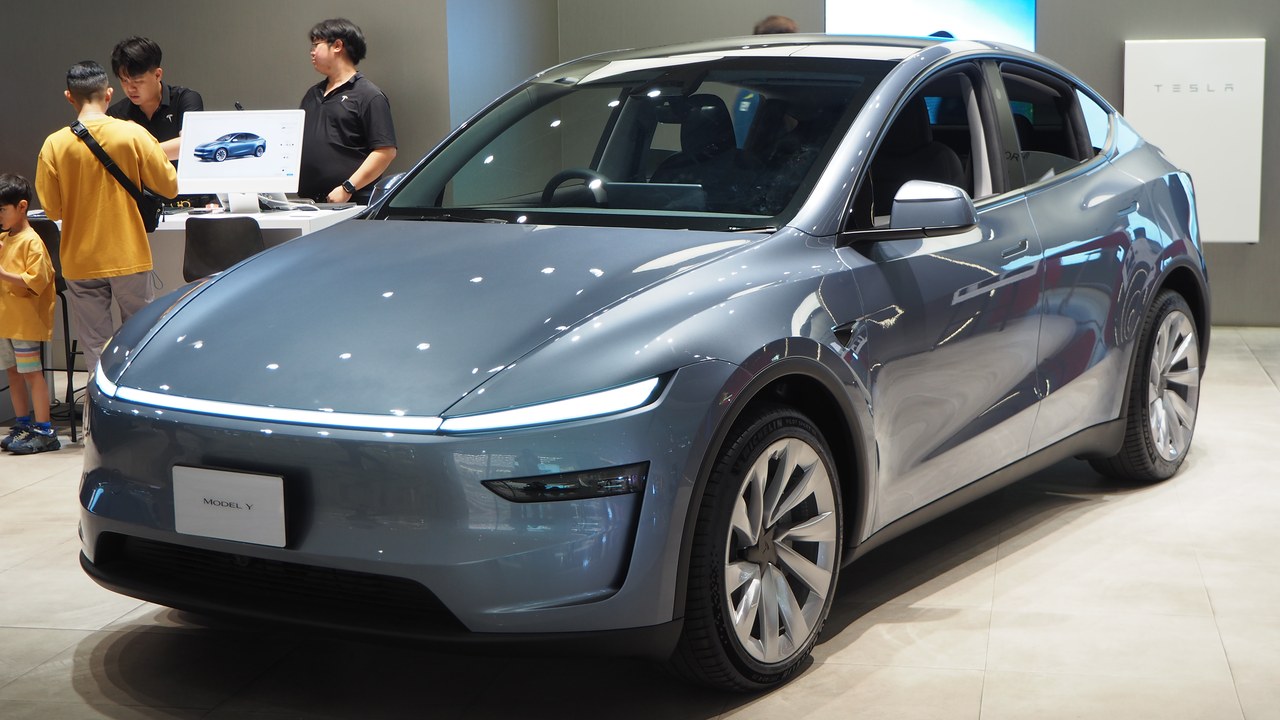
The 2026 Tesla Model Y Standard RWD on 18-inch wheels is rated 138 MPGe combined, based on the EPA’s top-ten list. That is just one MPGe behind the Model 3, even though the Model Y is a taller crossover.
Wheel choice matters here, since the rating applies to the 18-inch configuration. Shoppers comparing trims should check the specific rating for the wheels they want, because larger wheels can lower efficiency.
4. Hyundai Ioniq 6: Sleek and Sparing
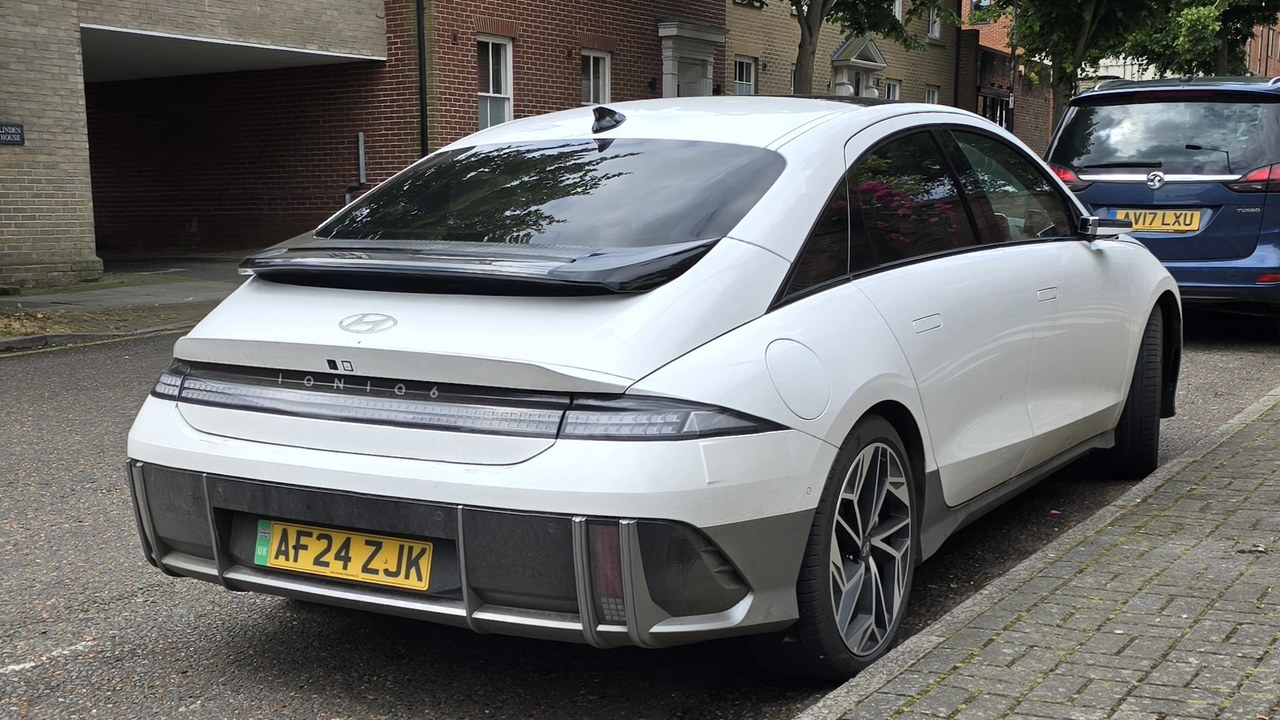
The Hyundai Ioniq 6 uses 25 kWh per 100 miles, equal to 134.8 MPGe, in Recurrent’s efficiency ranking of EPA figures. The ranking was published in 2026 and sorts cars by combined kWh per 100 miles.
A lower kWh figure means less energy drawn from the grid for each mile driven. For owners, that translates to cheaper charging, and the Ioniq 6 stands among the most frugal cars with a fully electric powertrain.
5. Toyota bZ: Toyota’s Quiet Overachiever
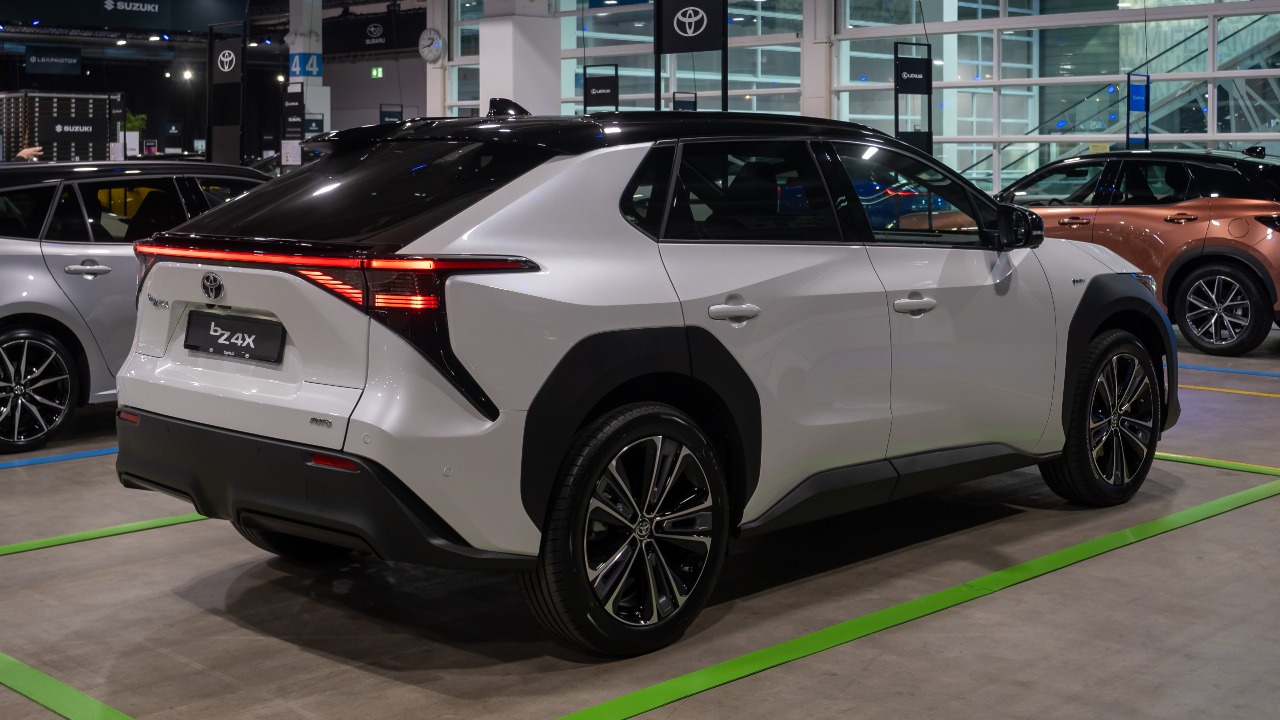
The 2026 Toyota bZ with a 191 Ah battery is rated 131 MPGe combined, according to the EPA’s top-ten list. Recurrent’s ranking lists the Toyota bZ at 25.5 kWh per 100 miles, near the top of its table.
The bZ is the successor to the bZ4X name, and its efficiency places it ahead of many better-known rivals. Buyers should note the rating is tied to the specific battery configuration named by the EPA.
6. Mercedes-Benz CLA: Best Compact on Paper
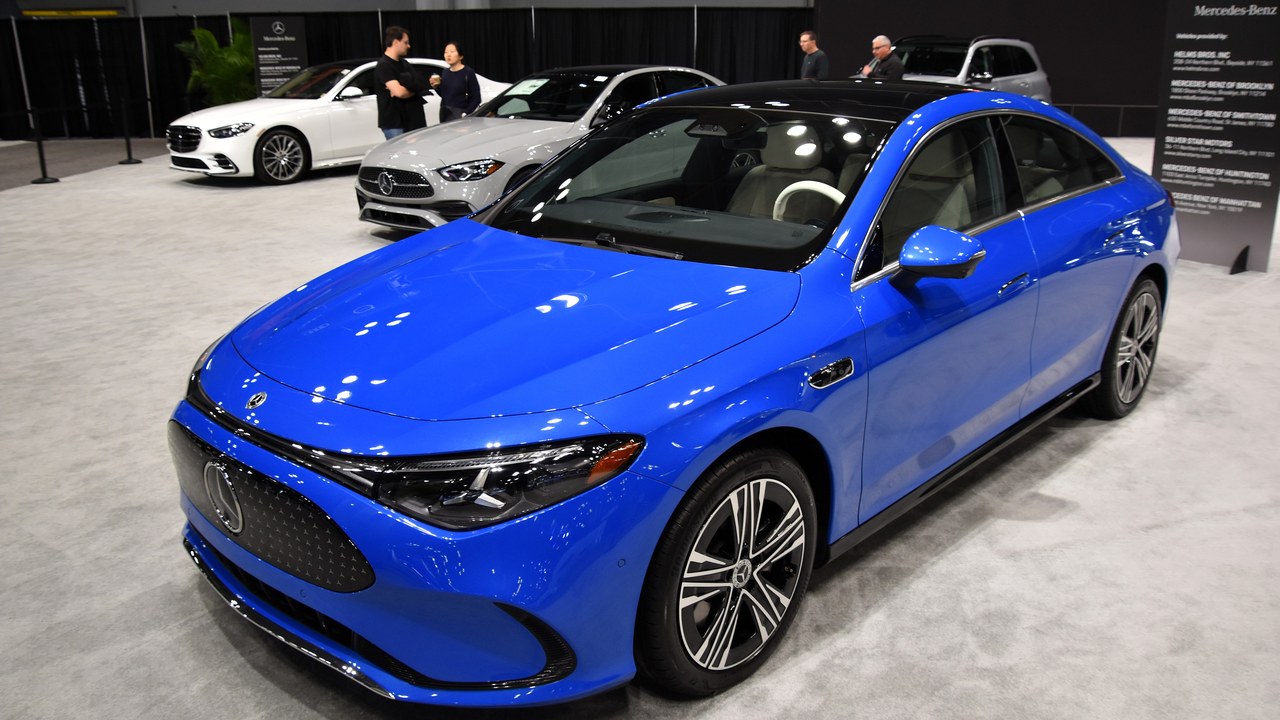
The electric Mercedes-Benz CLA 250+ is the most efficient compact car for 2026 in the EPA’s class ranking, at 126 MPGe, based on the EPA’s best and worst list. It tops every other compact in the agency’s tables for that model year.
Luxury sedans are not usually the efficiency leaders, so the CLA stands out. Owners get a premium badge with energy costs that compare well against far humbler cars, which makes the CLA an easy case to make for buyers weighing luxury against thrift.
7. Nissan Leaf: Leaf Tops the Wagons
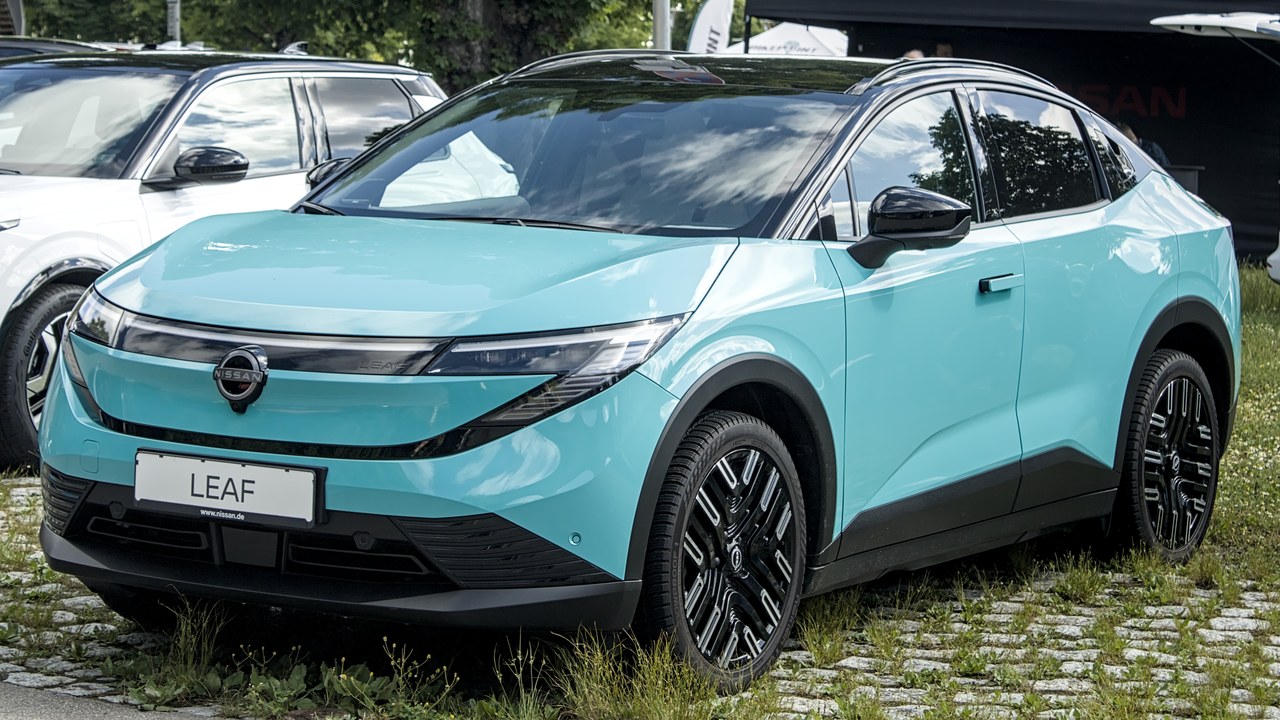
The 2026 Nissan Leaf 75 kWh on 18-inch steel wheels leads the EPA’s small-wagon class at 121 MPGe, per the EPA’s best and worst list. The Leaf is among the longest-running mass-market electric cars, and the class title reflects its small, light wagon-style body.
The steel wheels are part of why the rating is so high, since smaller, simpler wheels can reduce drag and weight. Buyers choosing other wheel options should expect a somewhat different figure, so the trim and wheel size deserve a look before ordering.
8. Chevrolet Bolt: Bolt’s Return
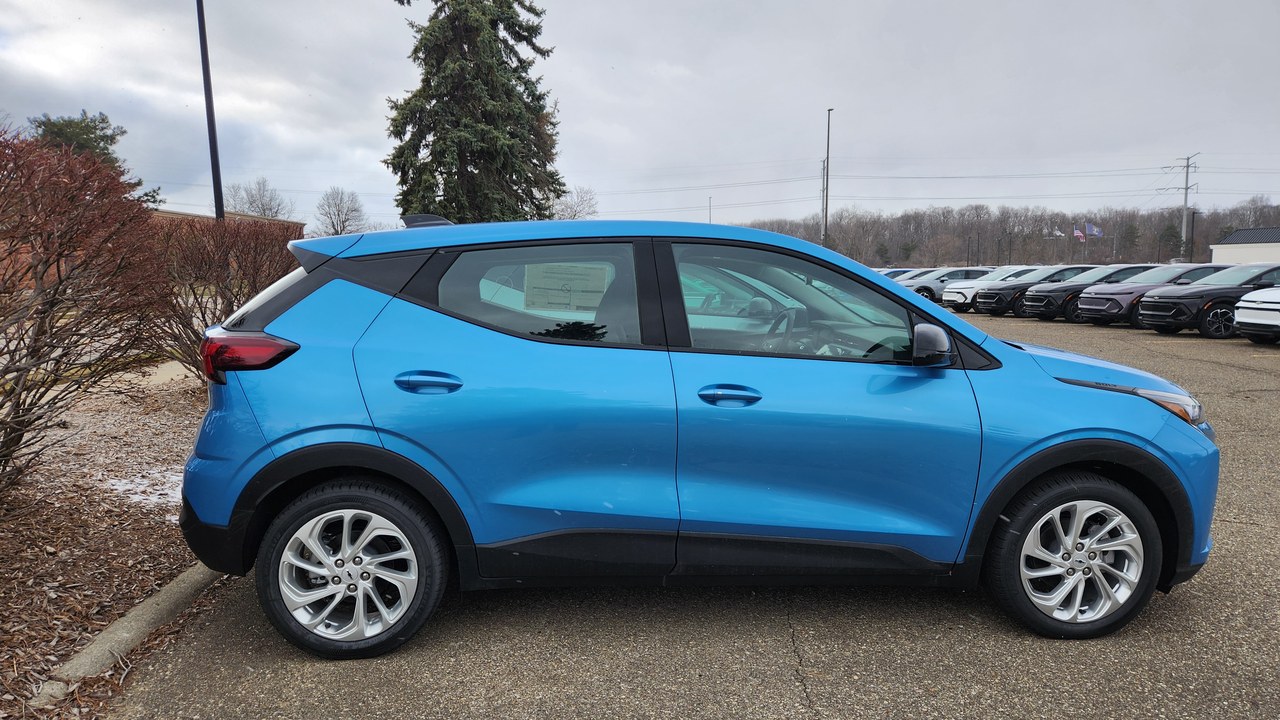
The 2027 Chevrolet Bolt is EPA-rated at 120 MPGe combined with 262 miles of range, according to MPG Buddy’s Bolt page. The listing breaks the figure into 134 MPGe in the city and 106 on the highway.
The Bolt pairs reasonable efficiency with enough range for most daily driving. The same page estimates annual fuel cost at $650, which gives shoppers a rough sense of ownership costs. As with any estimate, actual spending will depend on local electricity prices and how the car is driven.
9. Subaru Solterra: Subaru’s Electric Crossover
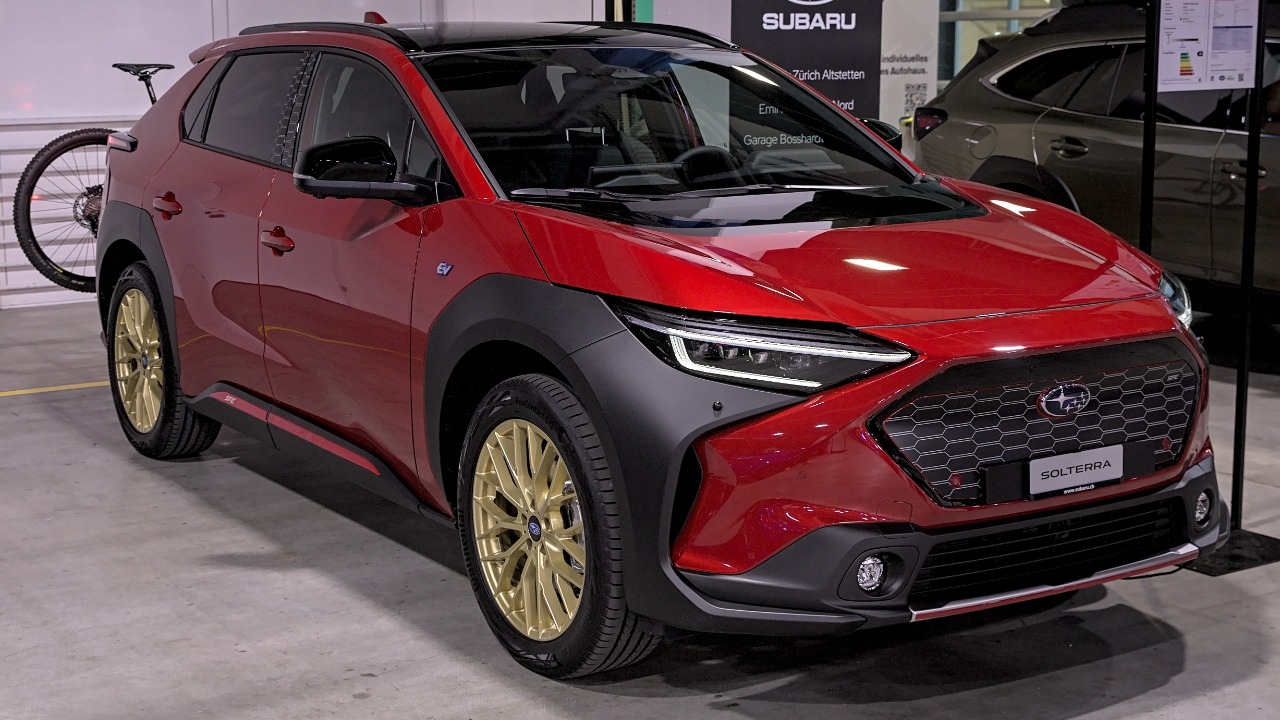
The 2026 Subaru Solterra uses 28 kWh per 100 miles, equal to 120.4 MPGe, according to Recurrent’s efficiency ranking. That puts it level with the 2026 Nissan Leaf in the same data.
The Solterra shares its platform with the Toyota bZ, and Subaru buyers get all-wheel-drive credentials. The tradeoff is a lower efficiency figure than the Toyota in the same Recurrent table, where the bZ lists 25.5 kWh per 100 miles against the Solterra’s 28.
10. Hyundai Kona Electric: Kona Keeps It Lean

The Hyundai Kona Electric uses 28.6 kWh per 100 miles, equal to 117.8 MPGe, and Recurrent’s efficiency ranking lists it as a runner-up. That places the small crossover among the more frugal electric vehicles sold today.
Buyers weighing the Kona against larger EVs may find its modest size contributes to the efficiency. Compared with the 2026 average of 37.5 kWh per 100 miles in the same data, the Kona uses noticeably less energy.
11. Kia EV3: Kia’s Long-Legged Compact
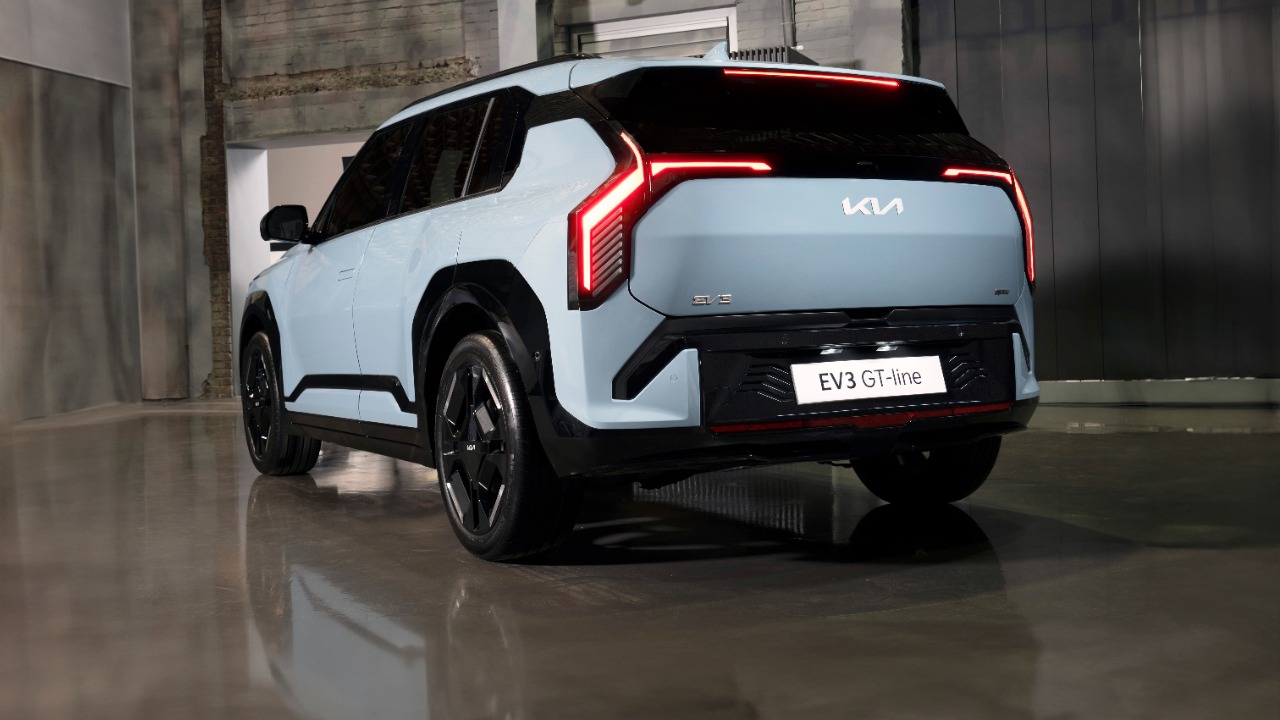
The 2027 Kia EV3 Long Range FWD is EPA-rated at 117 MPGe with 321 miles of range, according to MPG Buddy’s EV3 page. It is one of the longer-range cars on this list.
Efficiency and range are different measures, and the EV3 shows both can be strong together. Shoppers who value long trips without frequent charging stops may find that combination attractive, since efficient cars also tend to need less time plugged in for each mile of range they add.
12. Hyundai Ioniq 5: Ioniq 5 Rounds It Out
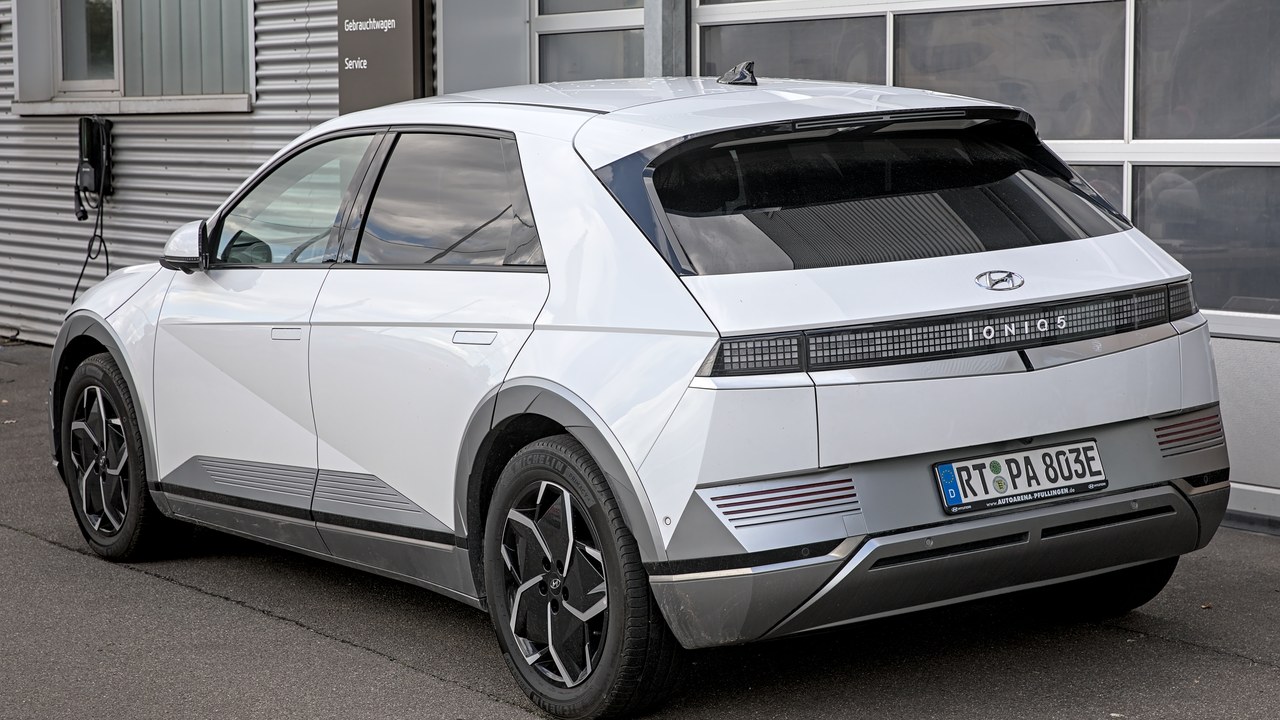
The Hyundai Ioniq 5 uses 29 kWh per 100 miles, equal to 116.2 MPGe, and Recurrent’s EPA-based ranking lists it as a runner-up. The BMW i4 posts the same figure in that table.
The Ioniq 5 is larger and roomier than several cars above it, which helps explain a slightly higher energy appetite. For families wanting space, the efficiency penalty is small against the 2026 average of 37.5 kWh per 100 miles, which the Ioniq 5 beats by a wide margin.
Help yourself and the planet: Get The Cool Down →
We may earn a commission if you sign up.
More from Morning Overview
- Two passengers died at an Ohio toll plaza, and the NTSB now wants the cash lanes shut
- Long use of a common prostate pill is tied to a higher chance of glaucoma
- Ford is recalling 223,472 F-150 pickups because the fuel tank can leak or detach
- Hybrids have 15% fewer problems than gas cars, while EVs and plug-in hybrids have about 80% more, Consumer Reports finds
