
Cargo space decides a lot of family-vehicle purchases, and the biggest numbers often come from unexpected places. This ranking measures maximum room behind the first row, from full-size trucks to a compact wagon. Eleven models make the list, each with a figure that shows how much a seat-folding SUV can really carry.
Save more, waste less: The Cool Down’s newsletter sends smart, simple changes that help you and the planet in your everyday life.
We may earn a commission if you sign up.
1. Chevrolet Suburban: Full-Size Champion
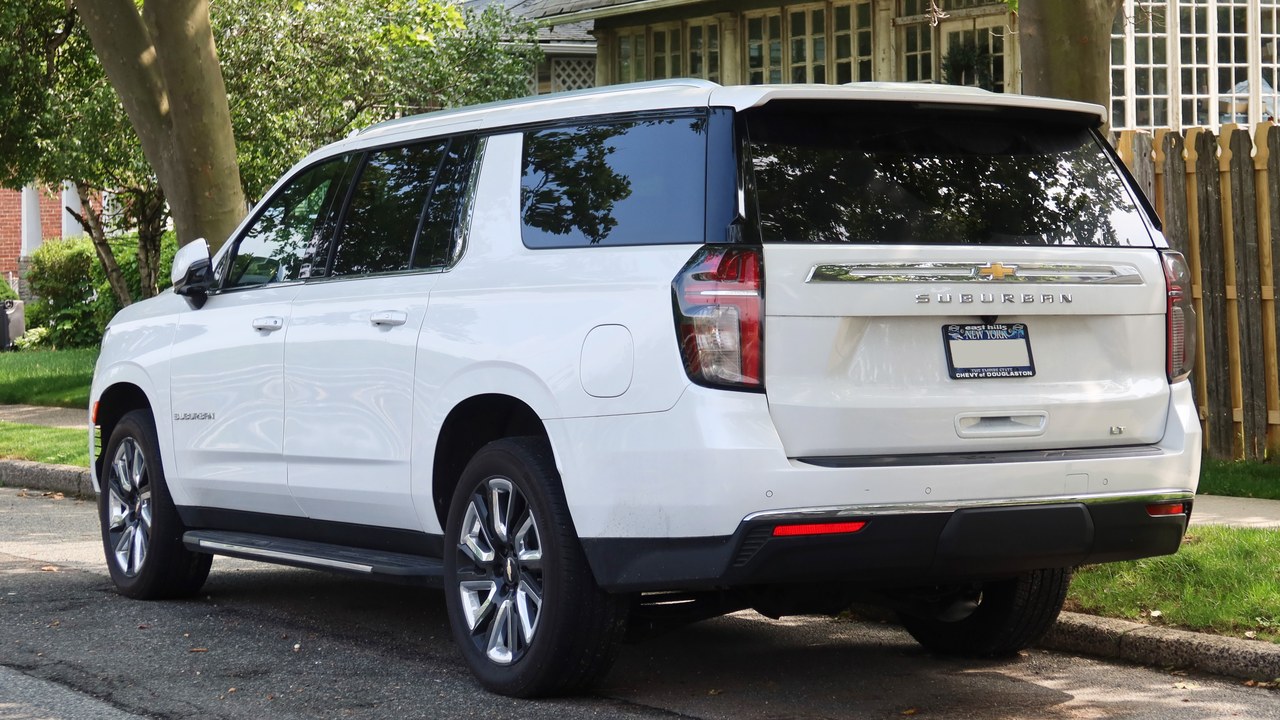
With all seats folded, the Suburban opens up 144.7 cubic feet of cargo room behind the first row, the largest number in this lineup. A separate measurement shows 41.5 cubic feet still available behind the third row when it stays upright, so seven passengers can travel with real luggage space in back.
That split matters for families that haul people most days and gear only occasionally. The long body lets one vehicle swing between a seven-seat shuttle and a near-van cargo hauler without a trailer.
2. Cadillac Escalade ESV: Luxury Stretch
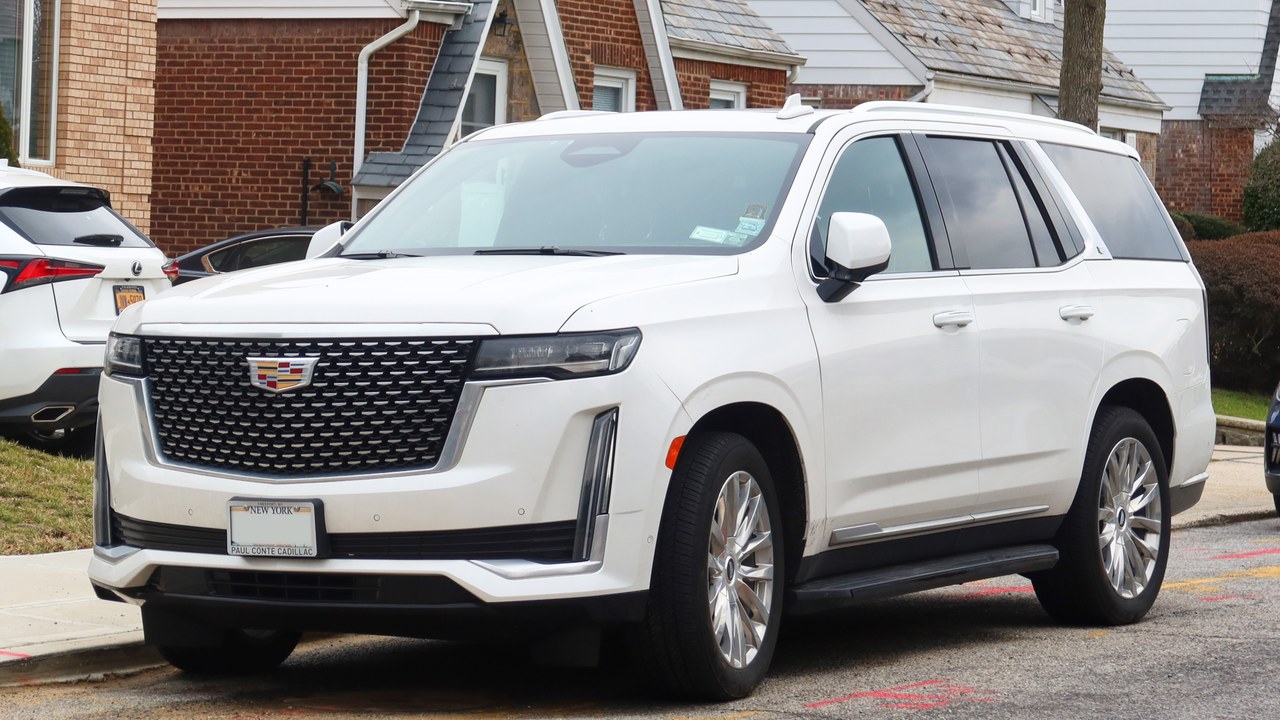
The extended-length Escalade ESV logs 142.2 cubic feet of space behind the first row, finishing just behind its Chevrolet cousin. The measurement is taken with the rear seats stowed, which turns the lengthy body into a flat, deep load area suited to bulky freight.
Buyers in this segment pay for leather and technology first, so the cargo result works as a bonus rather than the main pitch. Still, the margin separating it from the Suburban is small enough to vanish in daily use.
3. Jeep Wagoneer L: Wagoneer Stretched
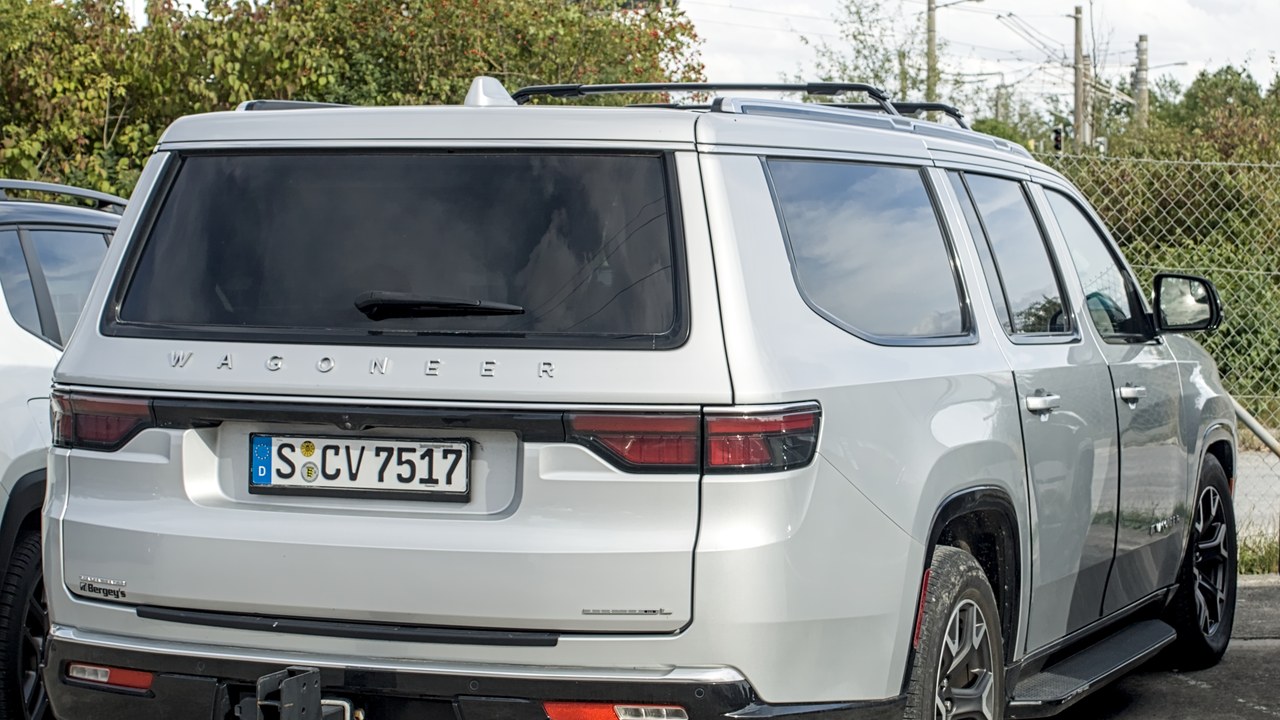
The long-wheelbase Wagoneer L provides 130.9 cubic feet of room behind the first row, placing it third in the group. That is a large figure for a model competing directly with the two General Motors giants ahead of it on the list.
Third place still leaves a clear gap to the leaders. Shoppers who value towing and a boxy, upright cabin may find the trade acceptable, since the extended body adds usable volume that a shorter version cannot match.
4. Cadillac Escalade IQL: Electric Outlier
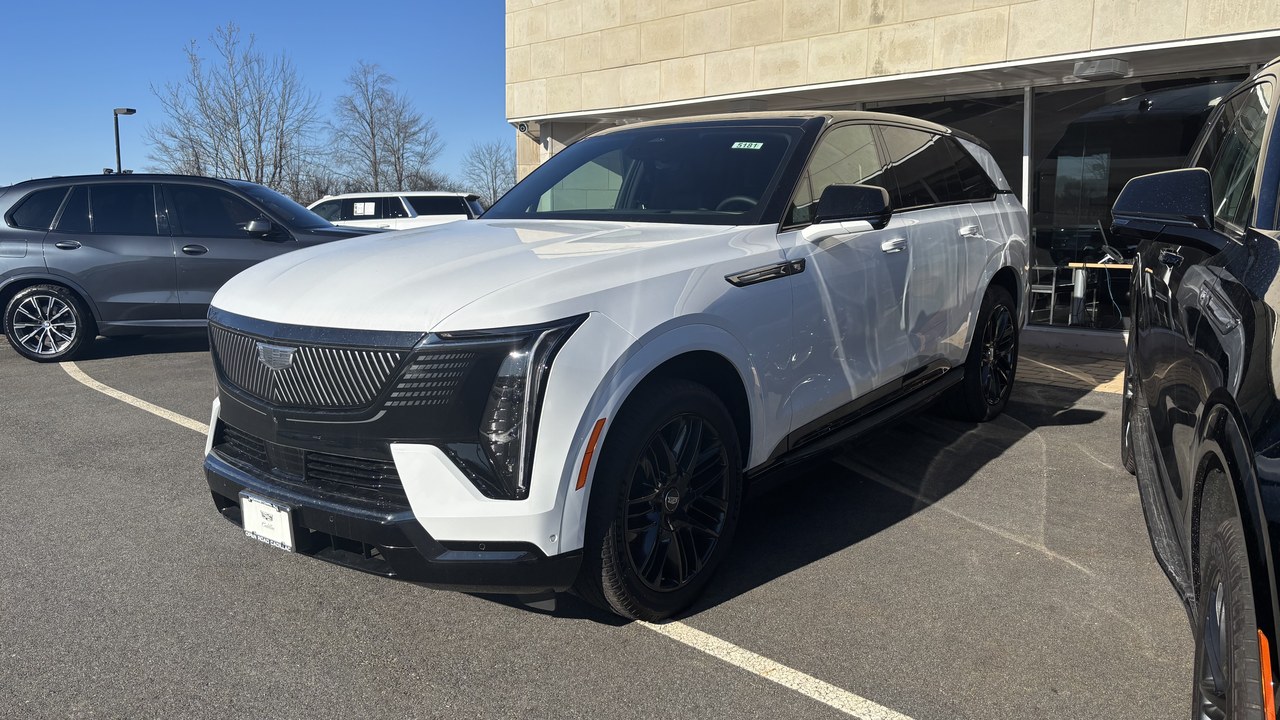
Battery packs usually eat into cargo room, yet the long-wheelbase Escalade IQL manages 125.2 cubic feet, the most of any electric SUV in the group. The result stands out because electric underfloors typically cost space that gas-powered rivals keep.
The figure shows that a very large body can absorb the hardware of an electric drivetrain and still beat many combustion crossovers. Buyers weighing a switch to electric power get a rare case where cargo does not suffer.
5. Honda Pilot: Mainstream Family Pick
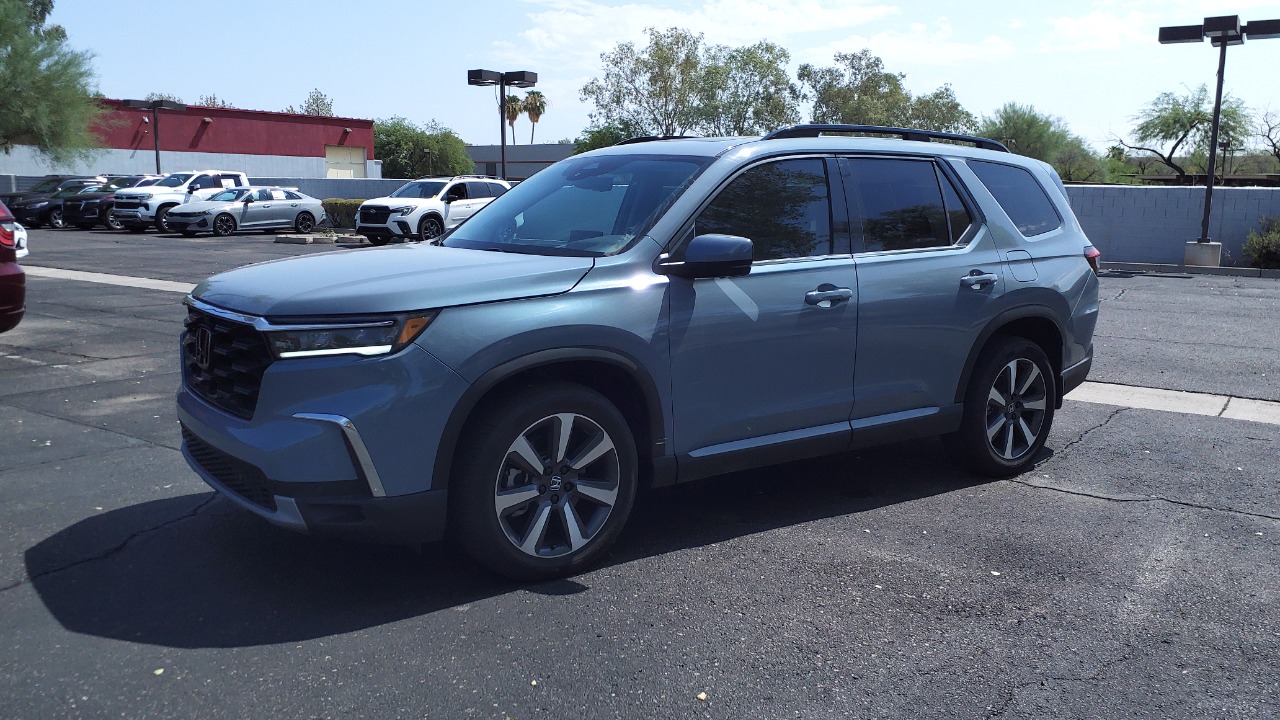
Moving down to everyday price points, the Honda Pilot lists 112.4 cubic feet behind the first row. That places a mainstream three-row crossover well ahead of most vehicles in its class, though it trails the full-size body-on-frame trucks by a wide stretch.
For households that never need to tow a large trailer, the Pilot offers a sensible middle path. The drop from the luxury giants is steep, but daily parking and fuel costs tend to be far kinder.
6. Chevrolet Traverse: Value Hauler
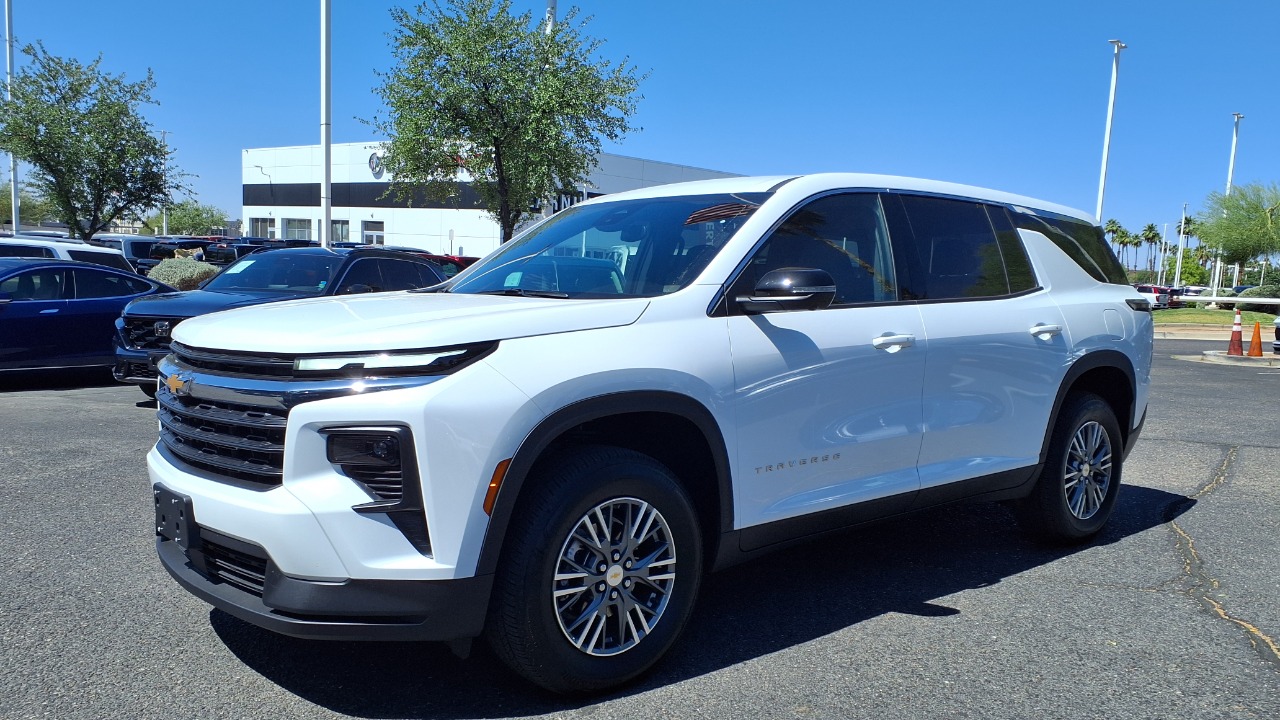
Among affordable options, the Traverse delivers 97.6 cubic feet behind the first row, plus 22.9 cubic feet behind the third. SlashGear includes it in a ranking of spacious models priced under fifty thousand dollars.
The third-row figure is the larger of the two three-row family models at this price, so the extra seats suit older children and even some adults. Folded flat, the layout opens a generous cargo bay for weekend loads.
7. Toyota Grand Highlander: Roomy Newcomer
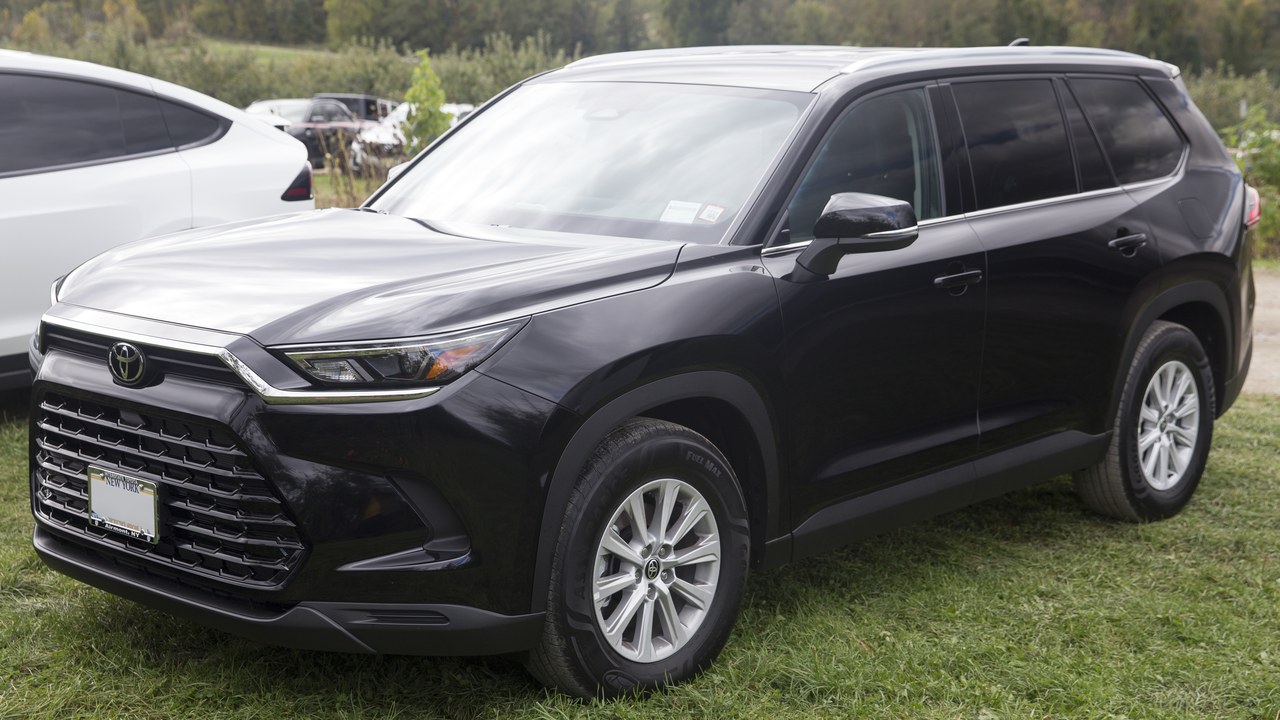
Toyota’s three-row Grand Highlander posts 97.5 cubic feet behind the first row and 20.6 cubic feet behind the third. The two numbers sit within a hair of the Traverse, which makes the pair close competitors for family buyers on a budget.
The tight spacing between them means cargo alone rarely settles the choice. Seating comfort, fuel economy and reliability reputation will usually decide which of the two earns the driveway spot.
8. Infiniti QX80: Premium Three-Row
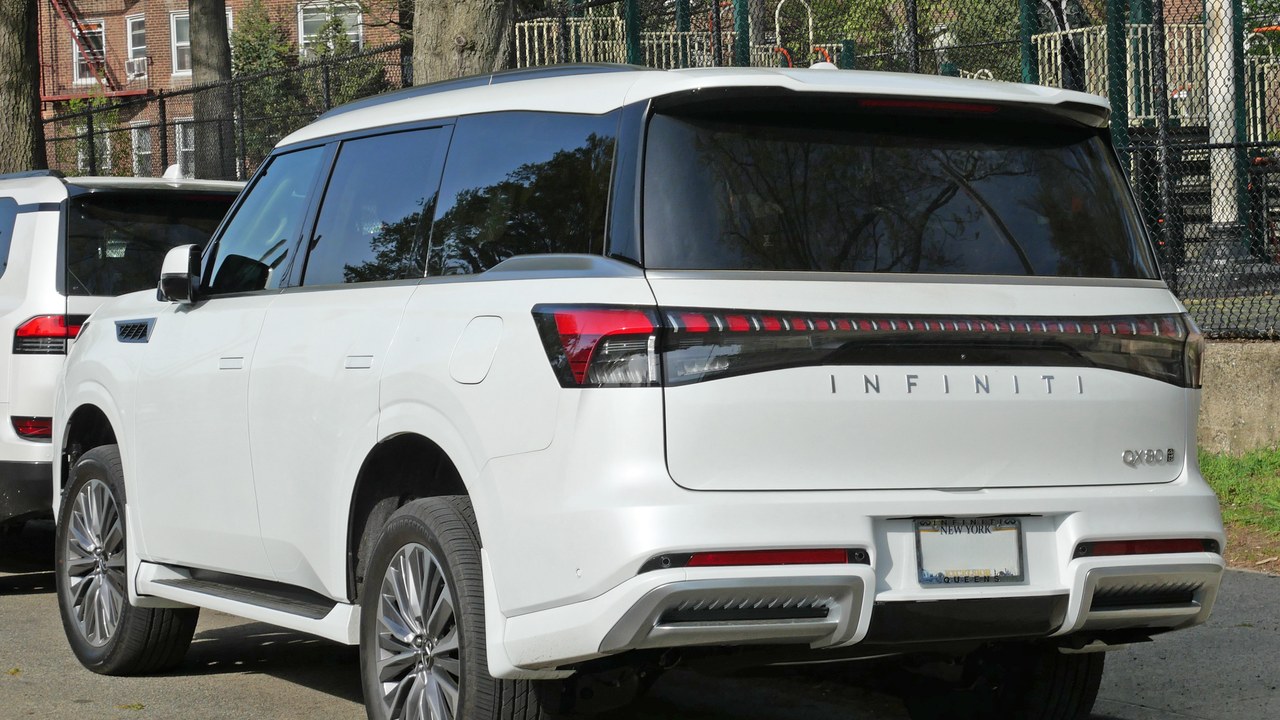
Infiniti’s flagship QX80 offers 97.1 cubic feet behind the first row, a result Jalopnik lists alongside much pricier giants. The number lands close to the Toyota and the Chevrolet ahead of it, despite the luxury badge on the grille.
At this level the figure reads as respectable rather than record-setting. Buyers who want a plush interior and a reasonable cargo hold will find it adequate, though the full-size Chevrolet and Cadillac models offer far more.
9. Volkswagen Atlas: Practical Midsize
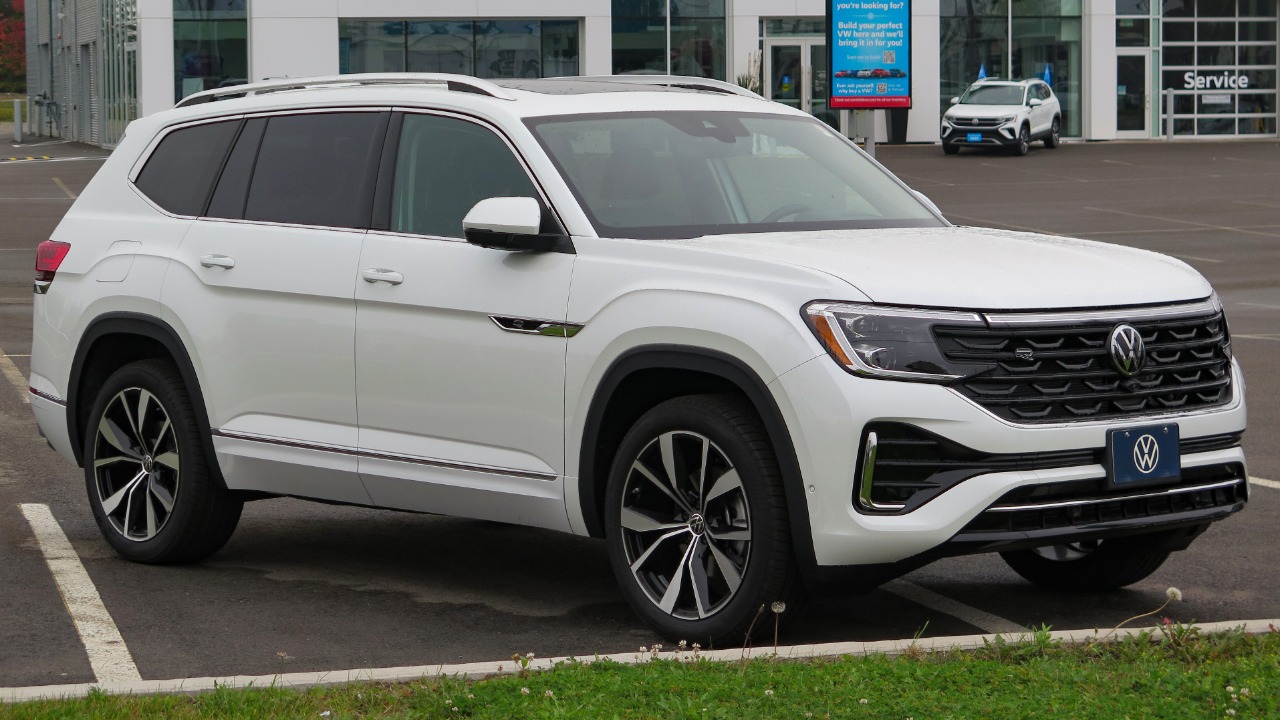
Volkswagen’s Atlas supplies 96.6 cubic feet behind the first row, a hair below the Infiniti. SlashGear counts it among the roomy vehicles that cost under fifty thousand dollars, a bracket where cabin volume is often the deciding factor.
The Atlas has long been associated with sheer size, and the data backs that reputation. A boxy roofline keeps the load area usable right up to the tailgate, which helps when bulky items must be stacked.
10. Kia Telluride: Korean Crowd-Pleaser
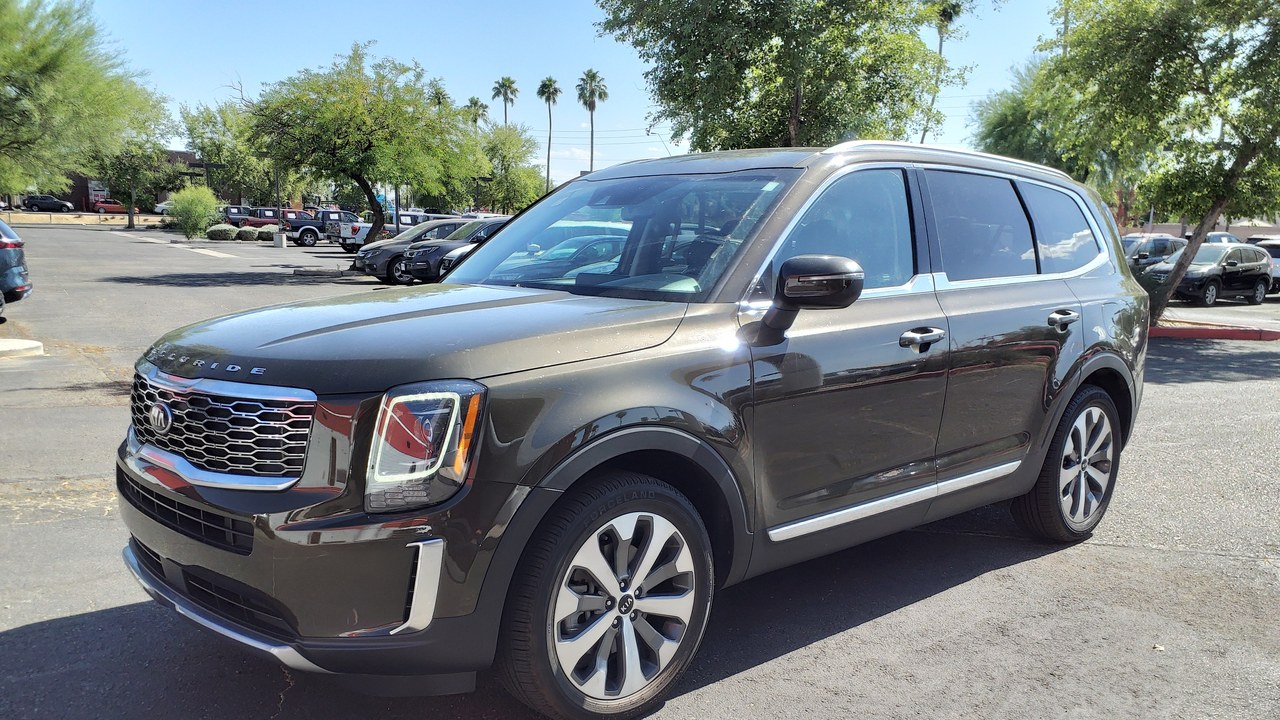
Kia’s Telluride records 87 cubic feet behind the first row and 21 cubic feet behind the third. That puts it lowest among the three-row vehicles in the ranking, though the model remains a popular choice thanks to its styling and equipment list.
Cargo is not the headline strength here. Even so, the third-row figure edges past the Grand Highlander’s, so passengers and luggage can coexist more comfortably than the overall total might suggest.
11. Subaru Outback: Wagon-Style Surprise
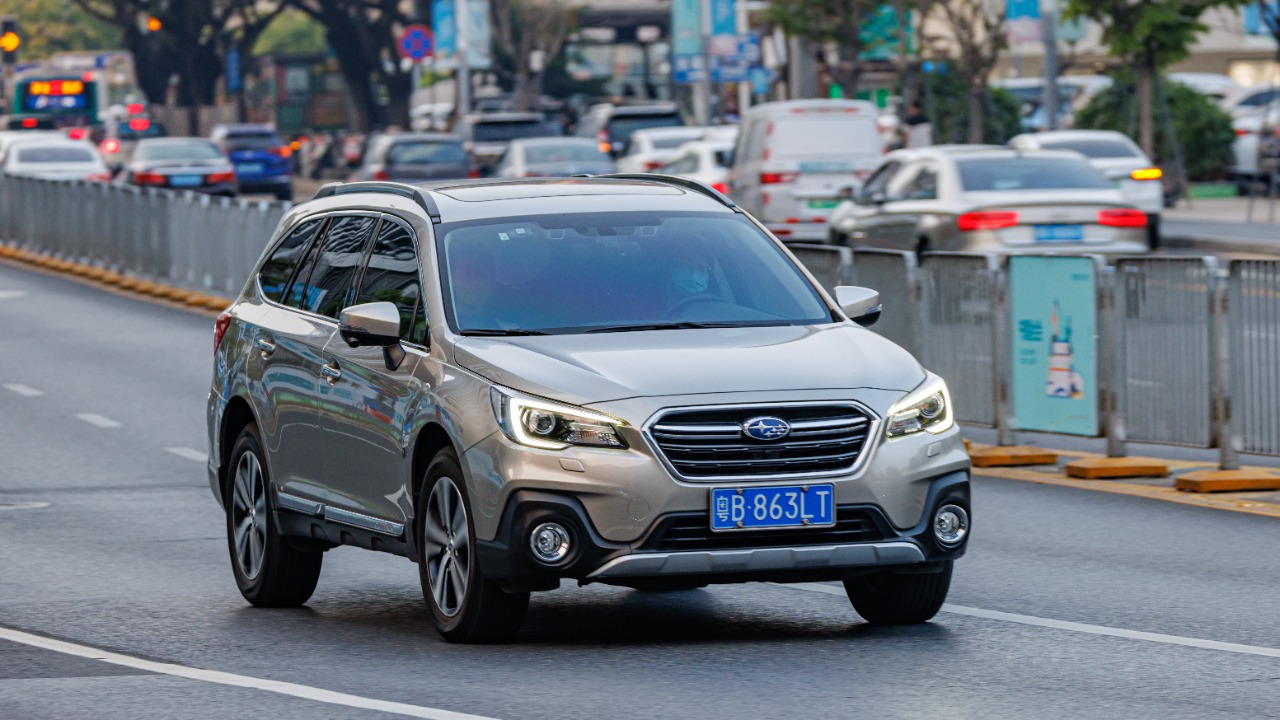
Closing the list, the Subaru Outback reaches 80.5 cubic feet, the most of any small or compact SUV. Its low-slung wagon shape and long roof deliver volume that taller crossovers in the same size class struggle to match.
The entry shows that footprint is not the only route to storage. Owners who want room for bikes, camping gear or a dog crate without stepping up to a three-row model have a clear answer.
Save more, waste less: Subscribe to The Cool Down →
We may earn a commission if you sign up.
More from Morning Overview
- Lake Powell sank to a record 3,517 feet, nearing the level that stops Glen Canyon Dam’s turbines
- Seven of Earth’s nine planetary boundaries are breached, and all seven are worsening
- The NSA says three phone features should be off whenever you aren’t using them
- Hurricane Hunter radar shows four warning signs that a tropical cyclone is about to strengthen, a University of Miami study found
