
Some engines outlive the cars they were built for, ending up bolted into chassis their factory engineers never imagined. Swap communities have spent decades pairing overbuilt Japanese sixes, drift-scene fours and American V8s with unrelated bodies, chasing reliability, power and cheap parts. Here are twelve engines that keep showing up under someone else’s hood.
1. Toyota 2JZ-GTE: Engineered With Room To Grow
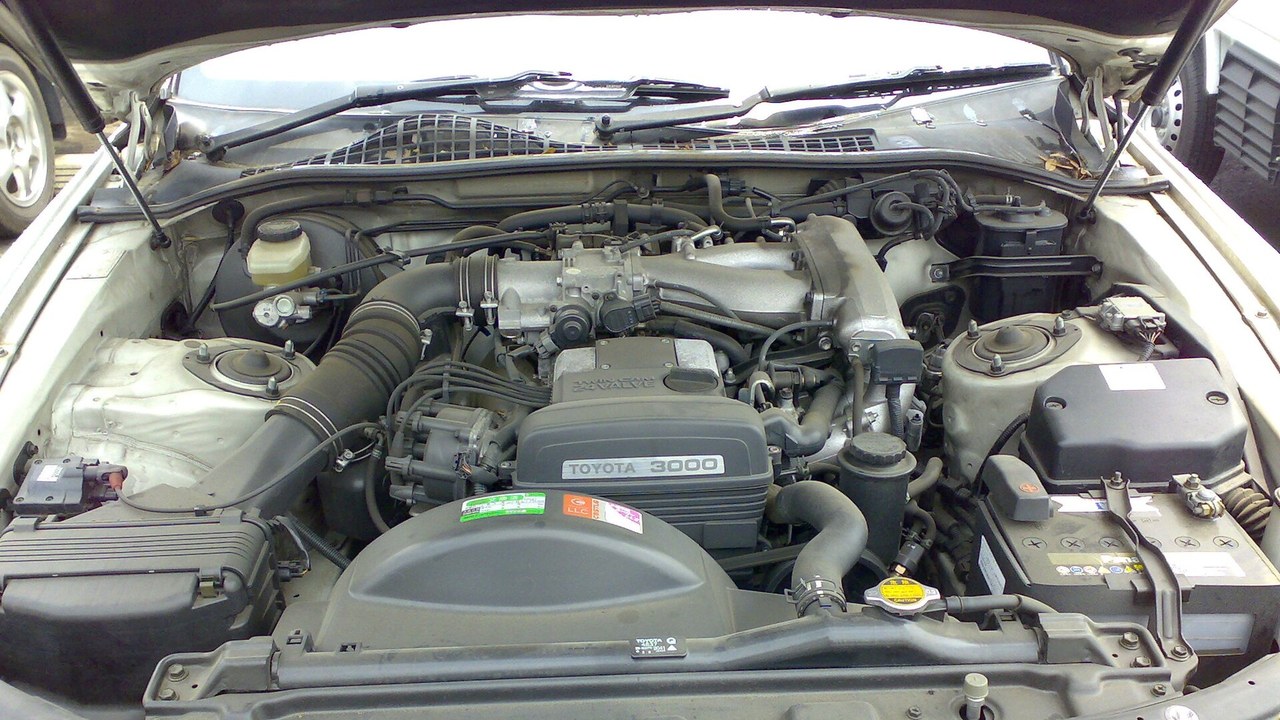
The twin-turbo inline-six shipped in the Toyota Supra Turbo rated at 320 horsepower, a number Toyota’s engineers set well below what the cast-iron block could actually survive. That built-in headroom is the entire reason for its reputation: owners can add turbos, fuel and boost without touching the internals and the block holds.
Drift cars, pickup trucks, off-road buggies and even boats have all received the swap, since the engine tolerates far more punishment than the factory rating implies. Parts support has stayed strong even as the donor car itself became a collector’s item.
2. Nissan RB26DETT: The Skyline Six Everyone Wants
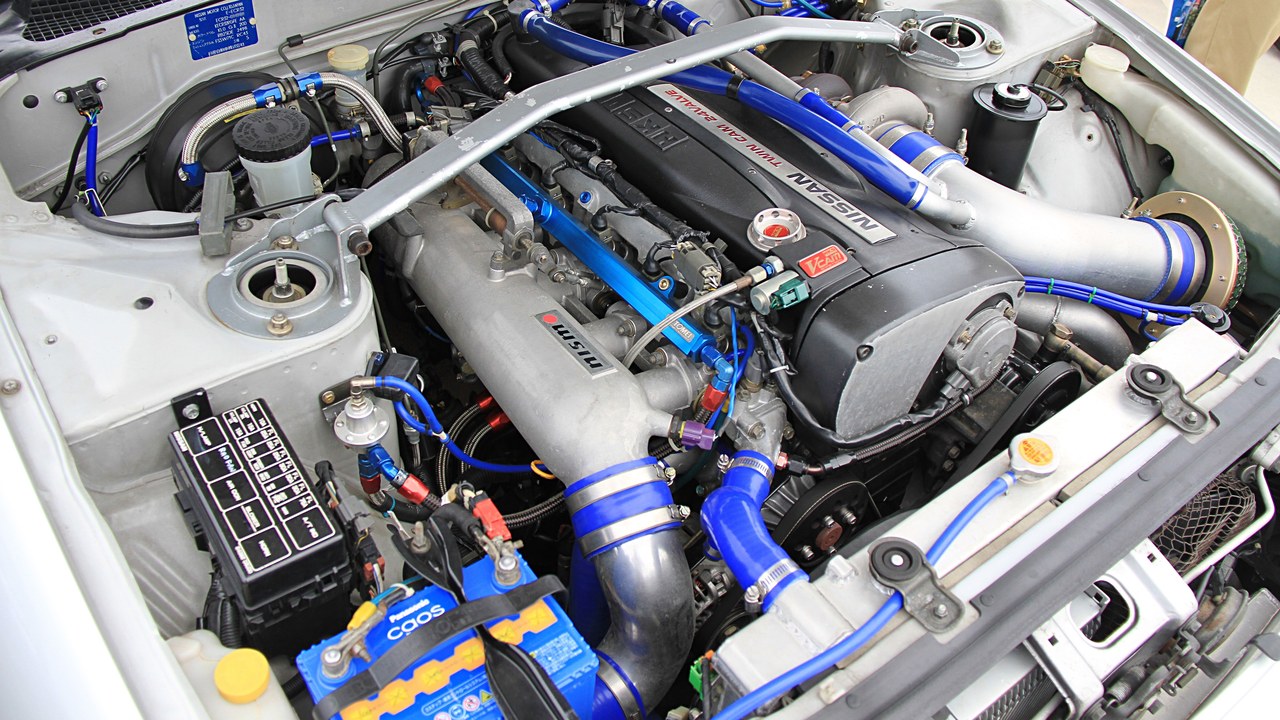
Nissan built the twin-turbo straight-six for the Skyline GT-R, and it stayed in production across the R32, R33 and R34 generations before those cars became import-restricted collectibles. Its reputation as one of the most sought-after swap engines in the tuning world only grew once the donor chassis got harder to buy outright.
Builders now chase complete RB26 drivetrains specifically to drop into unrelated Nissan chassis, chasing the six-cylinder’s proven strength and the deep catalog of aftermarket turbos and management systems built around it over three decades.
3. Mazda 13B: The Rotary That Refuses To Fit In
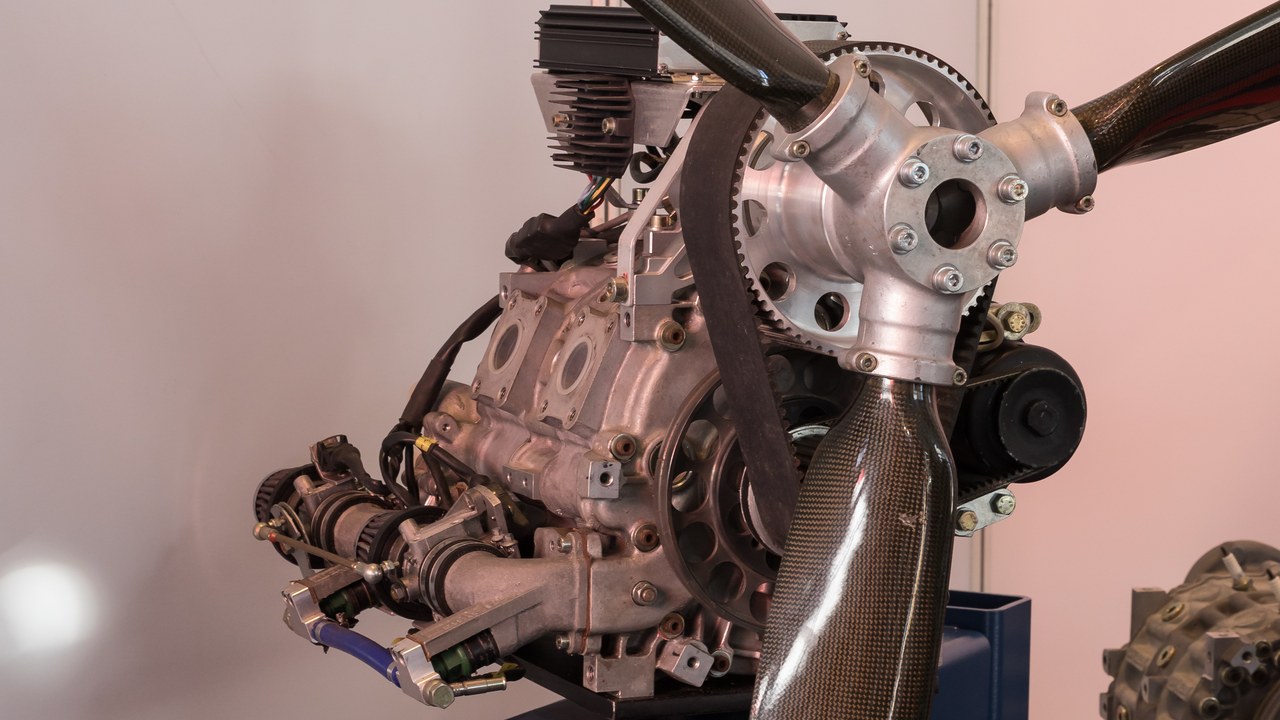
Mazda’s twin-rotor RX-7 engine works nothing like the pistons around it in a swap bay, spinning triangular rotors inside oval housings instead of pumping cylinders up and down. That mechanical oddity makes it a genuine outlier in a swap scene otherwise dominated by inline engines and V8s.
Its light weight and high-rpm nature appeal to builders chasing a distinctive sound and low mass over the front axle, even though rotary-specific tuning knowledge and rebuild intervals keep it a smaller niche than the inline sixes around it.
4. Toyota 1UZ-FE: A Lexus V8 That Never Left
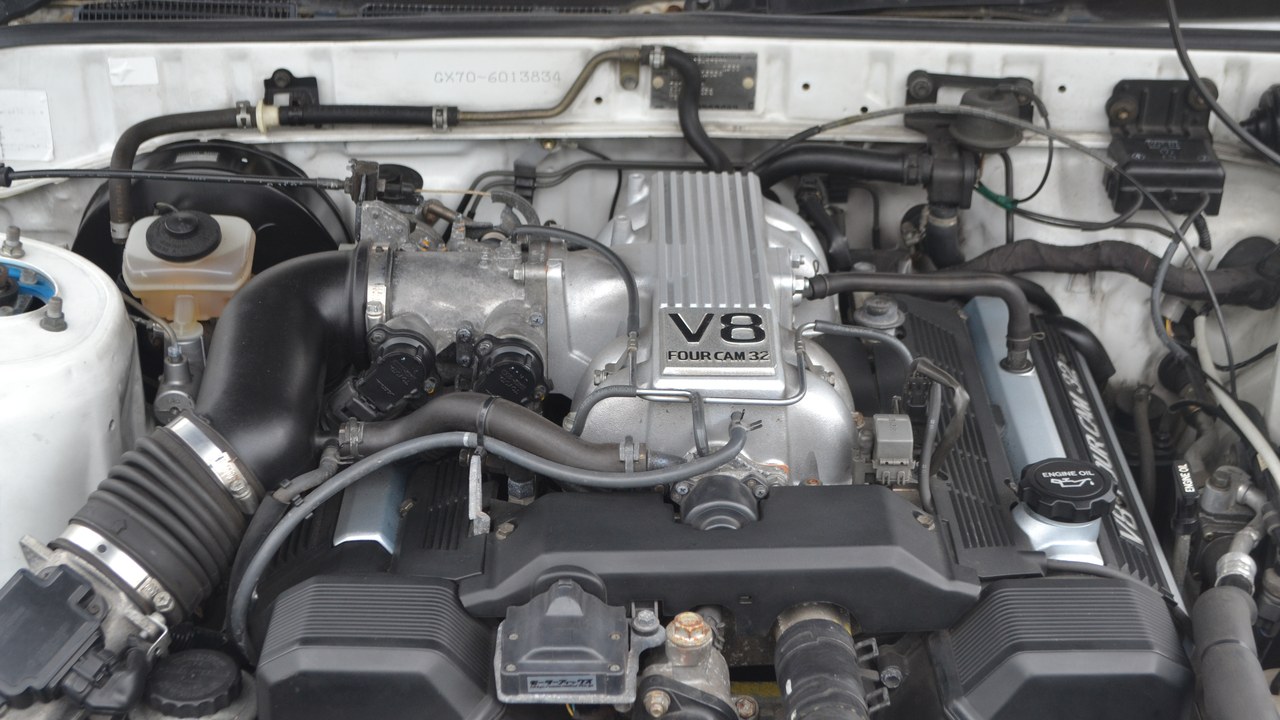
Toyota ended production of the smooth, aluminum V8 in 2002 after building it for the Lexus LS 400, but the engine never left the swap scene. Its low weight for a V8, factory reliability and relatively compact dimensions kept demand alive long after Lexus moved on to newer designs.
Drift builders favor it for the smooth power delivery and available junkyard supply, while kit-car builders like the V8 sound and output without the bulk of a domestic small-block. Parts remain plentiful despite the two-decade production gap.
5. Nissan SR20DET: The First Turbo Four Most Drifters Own
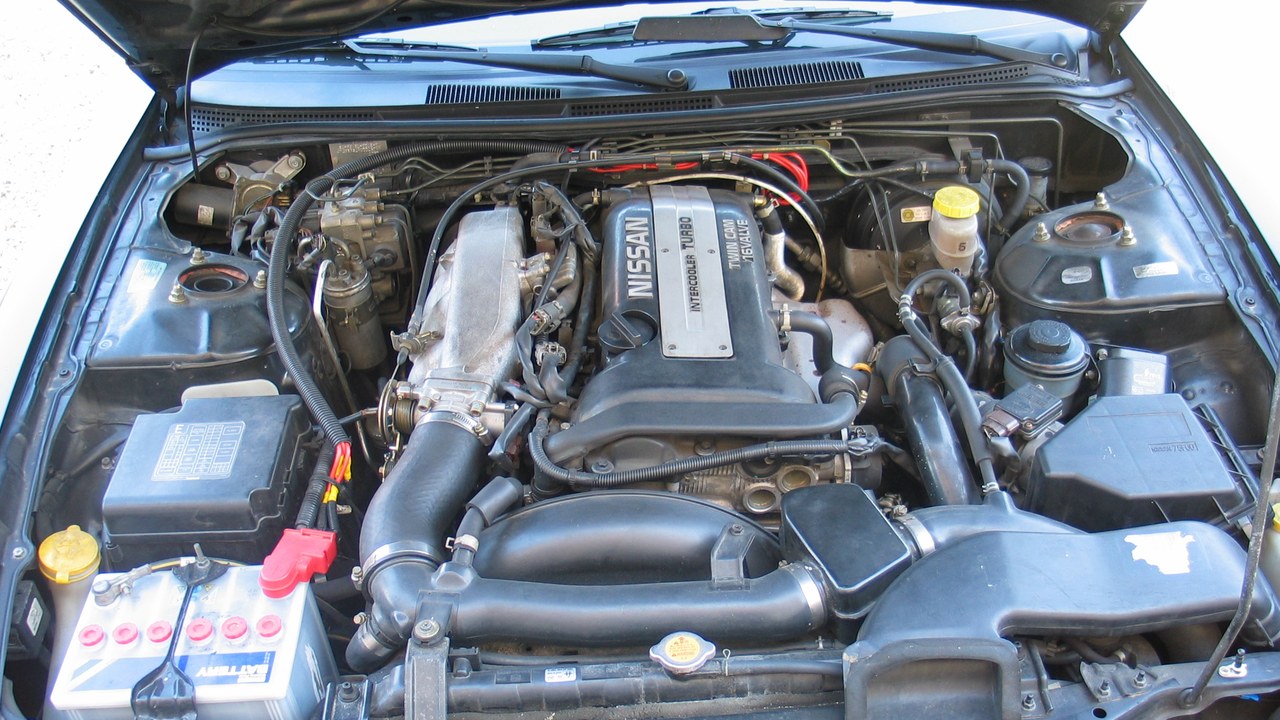
Nissan stopped building the turbocharged four-cylinder years ago, yet it remains, according to CarBuzz, the beginner drifter’s favourite swap. It originally powered the Silvia and other Japanese-market coupes, and its combination of light weight, a strong iron block and simple turbo tuning made it an easy first project engine.
Its popularity created a deep well of aftermarket support, from turbo manifolds to full standalone management, which keeps the SR20 attractive even as cleaner factory-turbo alternatives have arrived from other manufacturers over the years.
6. Honda B-series VTEC: Honda’s High-Revving Icon, Kept Alive By Others
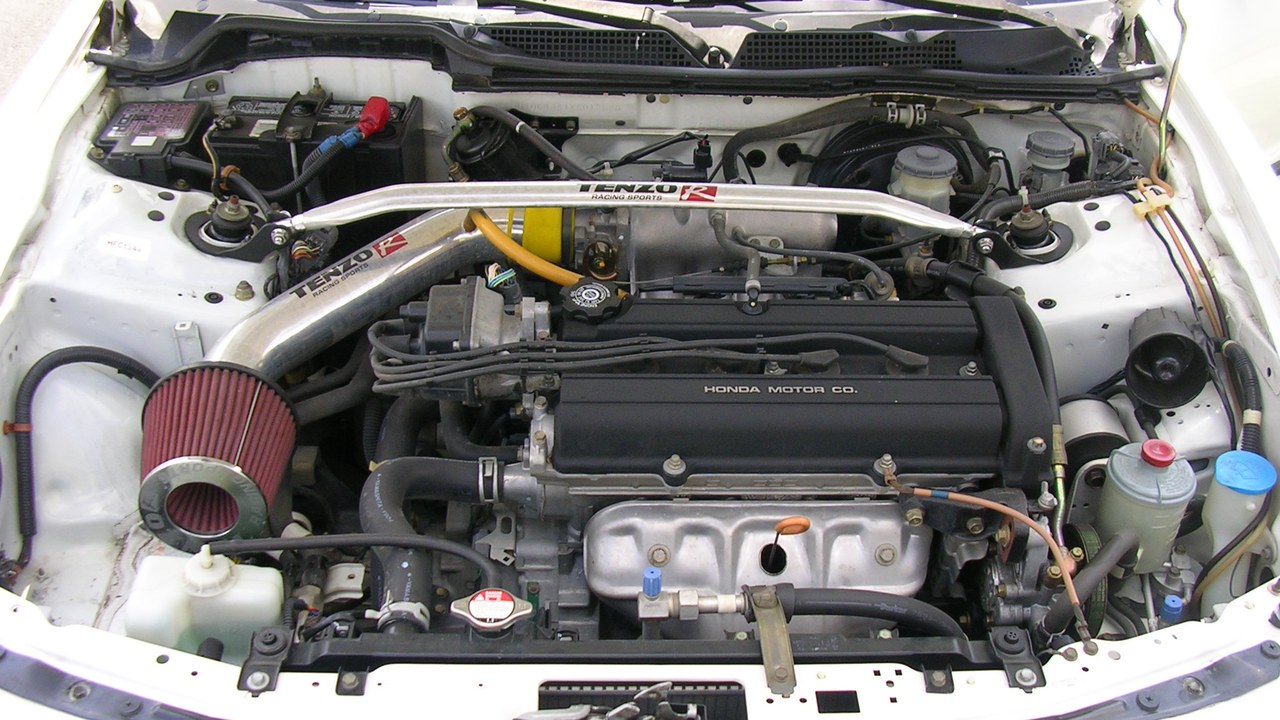
Honda has not built a new B-series VTEC engine in about 15 years, yet the aftermarket has effectively kept the platform in production through remanufactured blocks, forged internals and a huge catalog of bolt-on parts. The variable valve timing system that made it famous in the Civic and Integra still defines its reputation.
Builders prize the high-rpm power band and proven reliability enough to swap it into chassis Honda never offered it in, from lightweight kit cars to unrelated compact hatchbacks needing a dependable, tunable four-cylinder.
7. Rover V8: A British V8 With An American Past
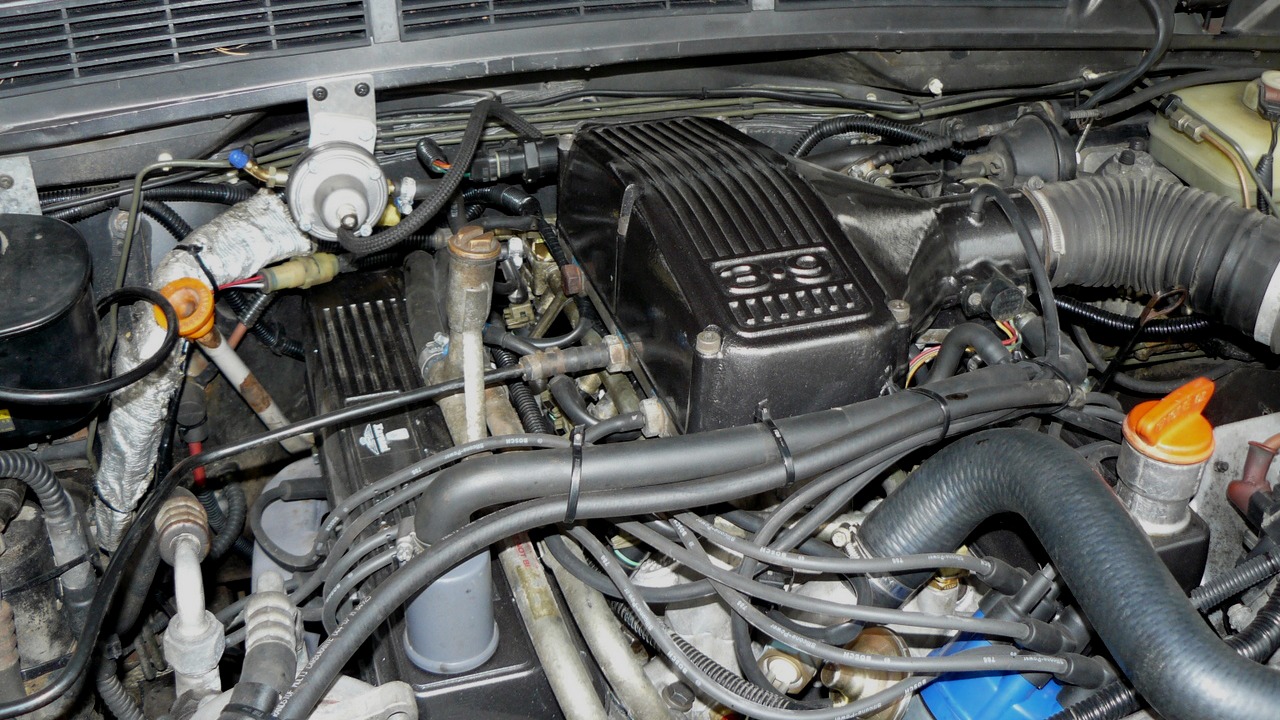
The aluminum Rover V8 traces back to a Buick design and ended up powering everything from Land Rovers to British sports cars during its long production run. Its light weight for a V8 and broad factory-fitment history made it a natural swap candidate across rear-wheel-drive projects.
A large secondhand parts supply and an established aftermarket for performance internals mean builders can drop it into kit cars, classic roadsters and off-road builds without hunting for rare components, decades after most of its factory applications ended.
8. Honda K20A: The Swap That Replaced The B-Series
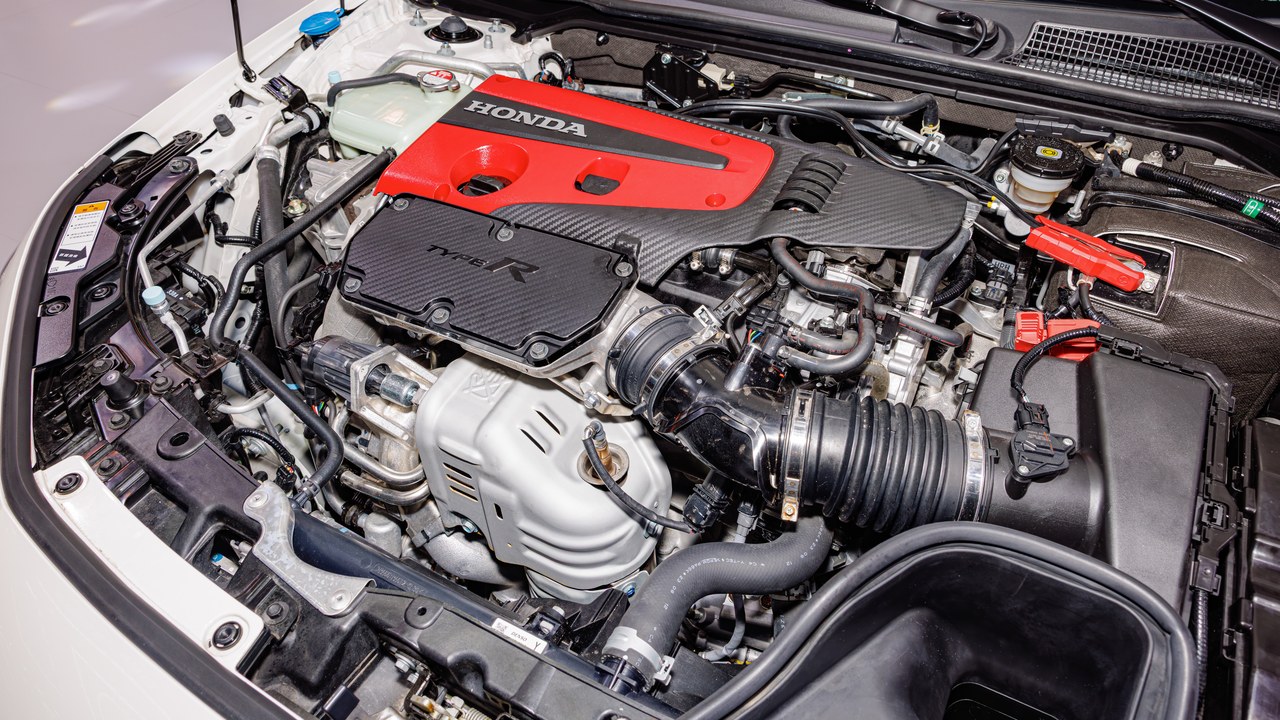
The K20A followed Honda’s B-series as the platform’s next high-revving four, and according to Wikipedia’s engine history, it grew popular with import tuners, hot rodders and kit-car builders alike. It debuted in the Civic Type R and carried Honda’s VTEC valve timing into a stiffer, more modern block.
Its combination of high specific output and factory reliability made it a favored swap into lightweight chassis, from older Hondas needing a power upgrade to kit cars built around a compact, high-revving four-cylinder from the start.
9. Toyota 4A-GE: The Corolla Engine That Outlived The Corolla
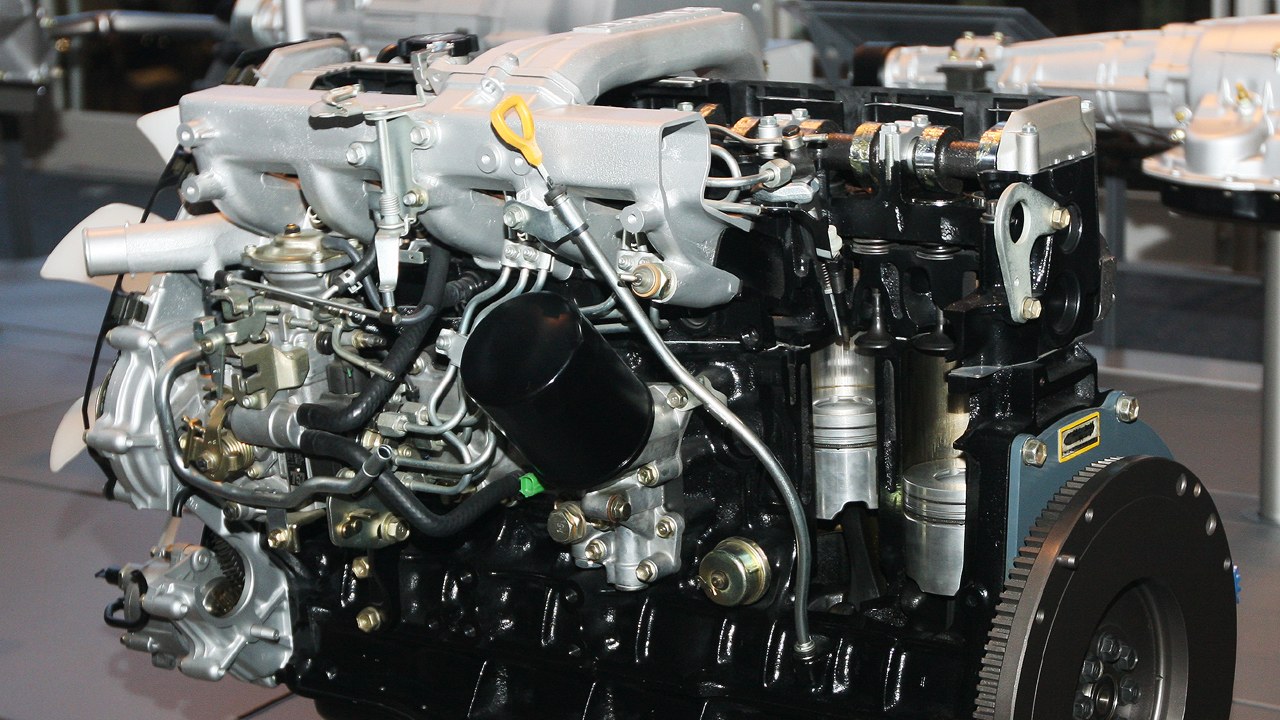
Toyota’s twin-cam four originally powered the rear-wheel-drive AE86 Corolla, and per Wikipedia’s A-engine history, it remains a popular swap into other Toyotas including the older KE70 Corolla. Parts are still sold new decades after the donor cars left production, keeping rebuilds realistic.
Its light weight and willingness to rev made it a favorite among budget-minded drift and autocross builders looking for a cheap, reliable four-cylinder that bolts into a wide range of small, rear-wheel-drive Toyota chassis.
10. Chevrolet LS1: The V8 That Redefined The Swap Scene
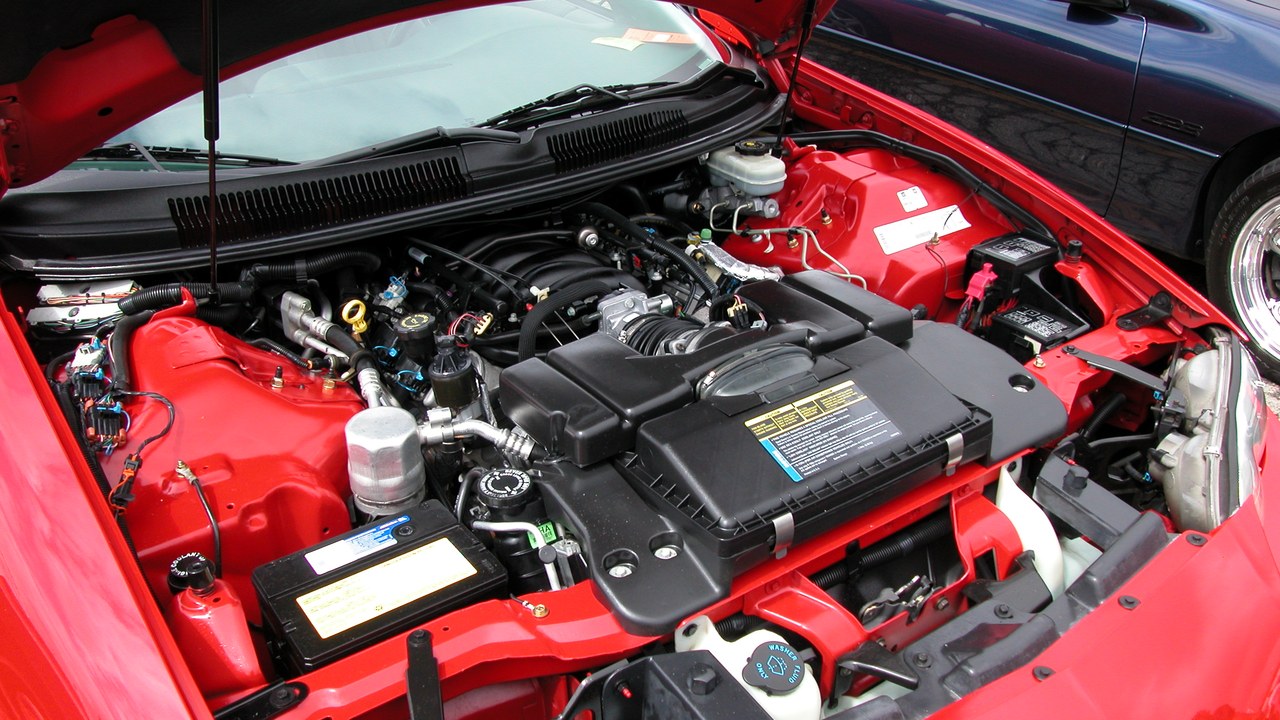
Chevrolet introduced the LS1 in the 1997 Corvette, and the aluminum small-block now carries what is widely described as the deepest aftermarket support of any modern swap engine. Compact dimensions, light weight and huge horsepower potential made it a default choice across nearly every vehicle category.
Off-road trucks, drift cars, classic muscle cars and even imports have all received LS swaps, backed by mounting kits, wiring harnesses and tuning software built specifically to make the process close to plug-and-play for builders.
11. Chevrolet 350 small-block: The Crate Engine That Never Stopped Selling
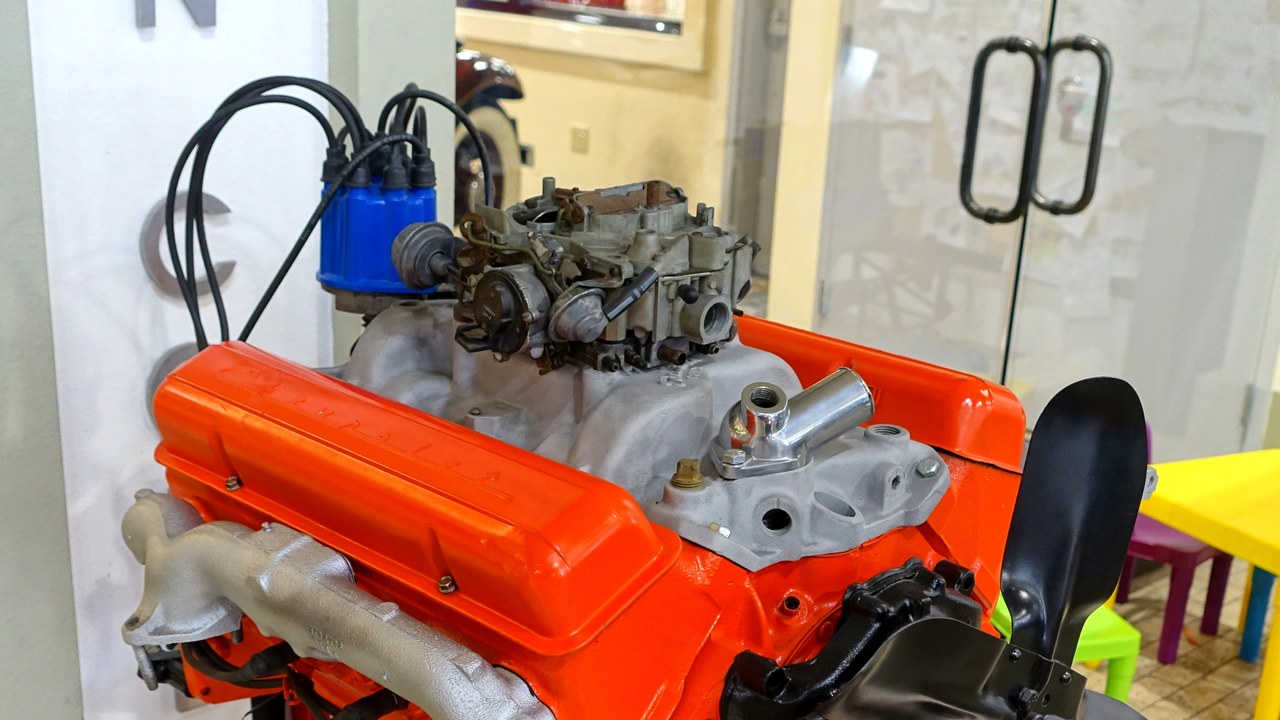
Chevrolet Performance still lists the 350 small-block as a current crate engine, decades after the design first appeared, built specifically for older project cars needing a factory-backed replacement. Its dimensions and mounting points match a huge range of classic Chevrolet and GM-based chassis without modification.
That factory support, on top of an enormous used-parts supply, keeps it the default choice for restorers and hot rodders who want proven power without designing custom motor mounts or sourcing an out-of-production block.
12. Cummins 6BT 12-valve: The Diesel Swap Builders Spend Years Chasing
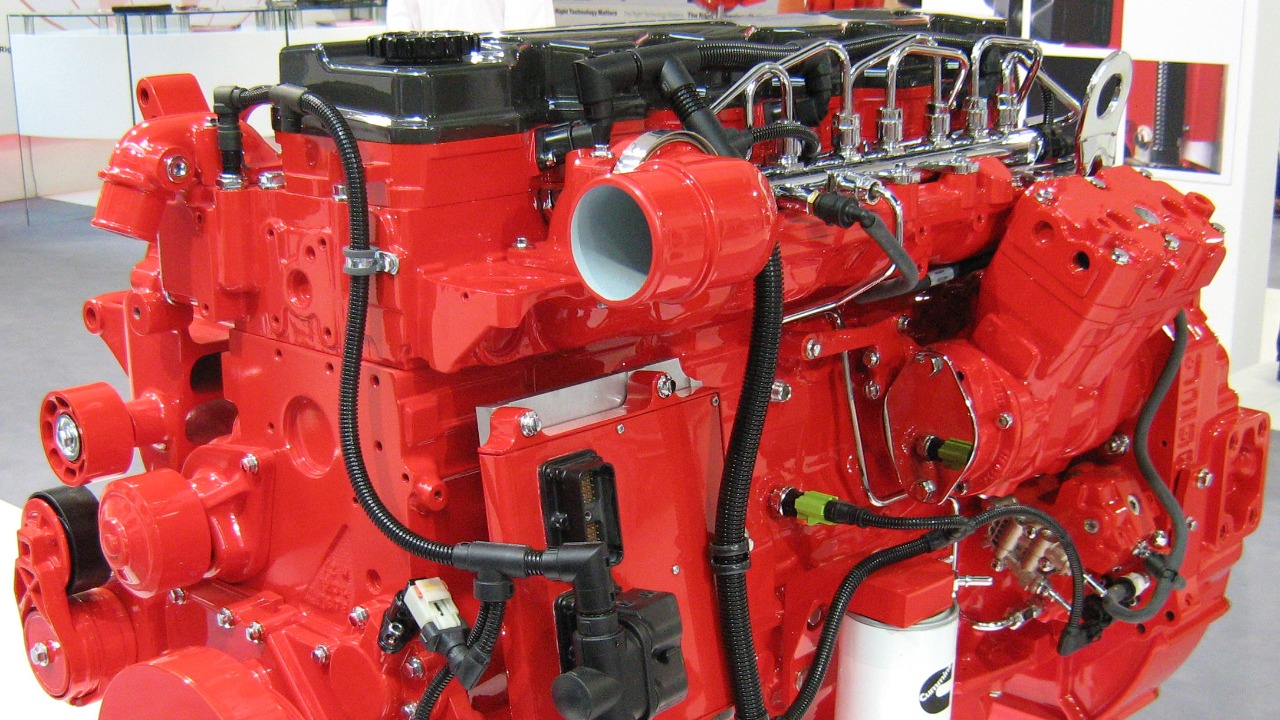
The mechanical, 12-valve 5.9-liter inline-six became a sought-after diesel swap, and Engine Builder has documented builders spending years sourcing and preparing one for trucks like the Ford F-250. Its fully mechanical fuel system, with no engine computer to fail, is the main draw for off-road and overland projects.
That simplicity makes it easy to modify and repair far from a shop, which is why builders tolerate the long search and swap it into trucks Cummins never originally offered it in.
More from Morning Overview
- Long-term use of common heartburn pills is tied to kidney and dementia risk
- A California supervolcano has bulged upward about two and a half feet since 1978
- The FTC is warning about a scam quietly draining thousands from victims
- The NSA is again telling phone owners to switch off one location setting
