
The sky puts on displays that look supernatural until scientists work out what is happening high above the clouds. Glowing ribbons, red flashes over storms and rainbow-colored ice clouds have all been studied with satellites, cameras and weather balloons. Here are nine strange lights in the sky that scientists studied.
Read next on Morning Overview: Winter weather advisories cover I-80, I-70 and the Bighorns with up to 15 inches of snow
1. STEVE: Not an Aurora After All
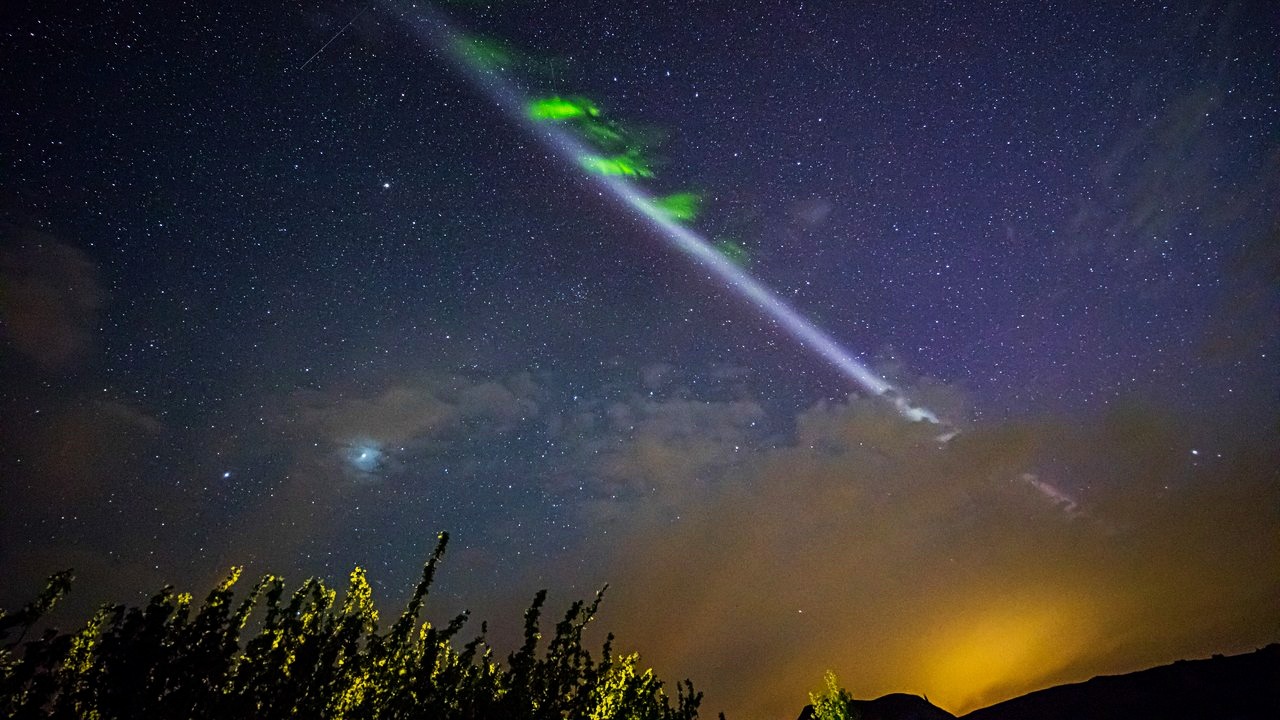
STEVE, short for Strong Thermal Emission Velocity Enhancement, is a glowing ribbon of gas hotter than 5,600 C (10,100 F) that can stretch thousands of kilometers. According to Popular Science, scientists found that it is not an aurora at all.
Amateur photographers in Canada brought STEVE to scientists’ attention, and satellite passes then measured the hot, fast-moving gas inside it. The purple ribbon is sometimes joined by a green picket-fence pattern below it. Researchers are still working out exactly how it forms, which makes it one of the newest sky mysteries.
2. Red sprites: Red Flashes Above Storms
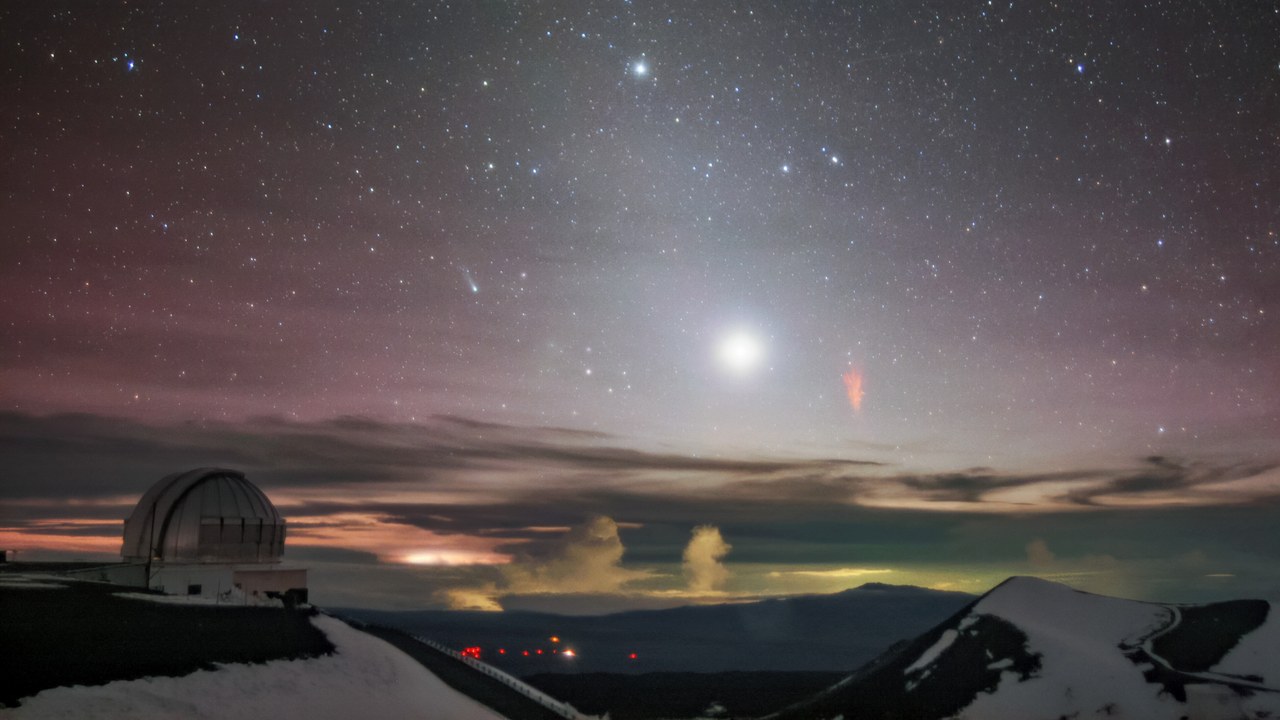
Red sprites are brief, nearly instantaneous red streaks that appear high above thunderstorms and can snake down tens of miles, according to Popular Science. They flash for only a fraction of a second.
Pilots reported strange flashes above storms for decades before cameras confirmed sprites in 1989. They are triggered by powerful lightning strikes below and occur far higher than ordinary lightning, near the edge of space, which is why they are so rarely seen from the ground. Astronauts on the space station have photographed them from above.
3. Noctilucent clouds: Clouds at the Edge of Space
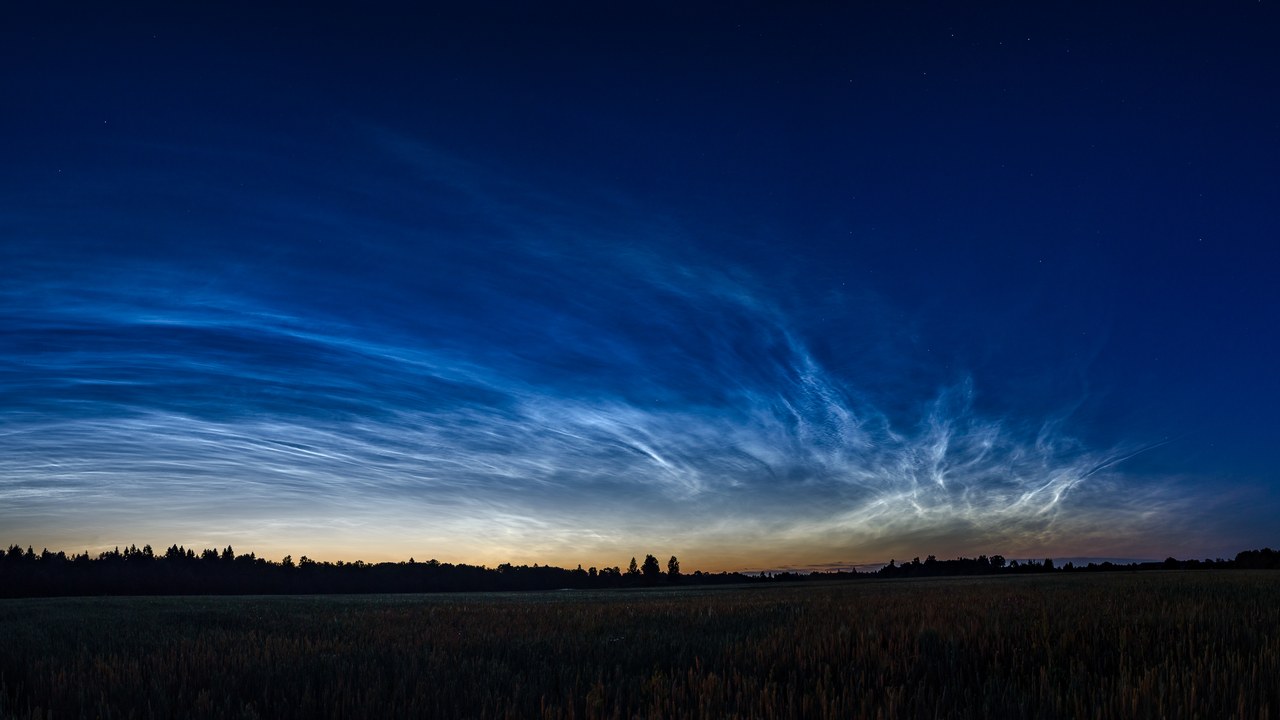
Noctilucent clouds are ice clouds that form about 50 miles above Earth. NASA’s AIM satellite recorded them between 60 and 85 degrees north, and NASA says very little is known about how they form.
They glow electric blue after sunset because they sit so high that sunlight still reaches them when the ground is dark. Sightings appear to have grown more frequent and spread farther south over the past few decades, which has drawn scientific interest. They are best seen in summer at high latitudes, about an hour after sunset.
4. Catatumbo lightning: The Lightning Capital
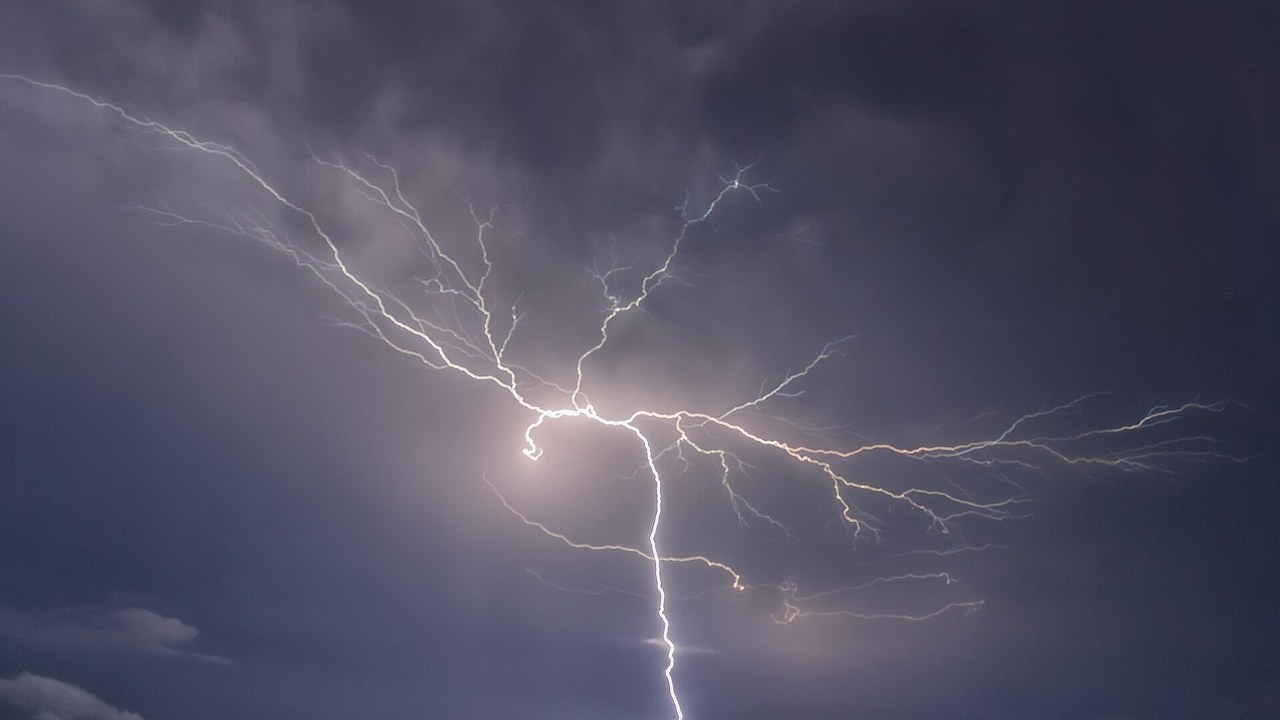
Storms over Venezuela’s Catatumbo River light up on as many as 300 nights a year. The area gets almost 250 flashes per square kilometer each year, a figure recognized by Guinness World Records as the highest concentration of lightning on Earth.
Warm, moist air from Lake Maracaibo meets cool winds off the surrounding mountains, building storms night after night. The lightning is so steady that sailors once used it for navigation, earning it the nickname the Lighthouse of Maracaibo. The storms are most active during the rainy seasons.
5. 22-degree halo: A Ring Around the Sun
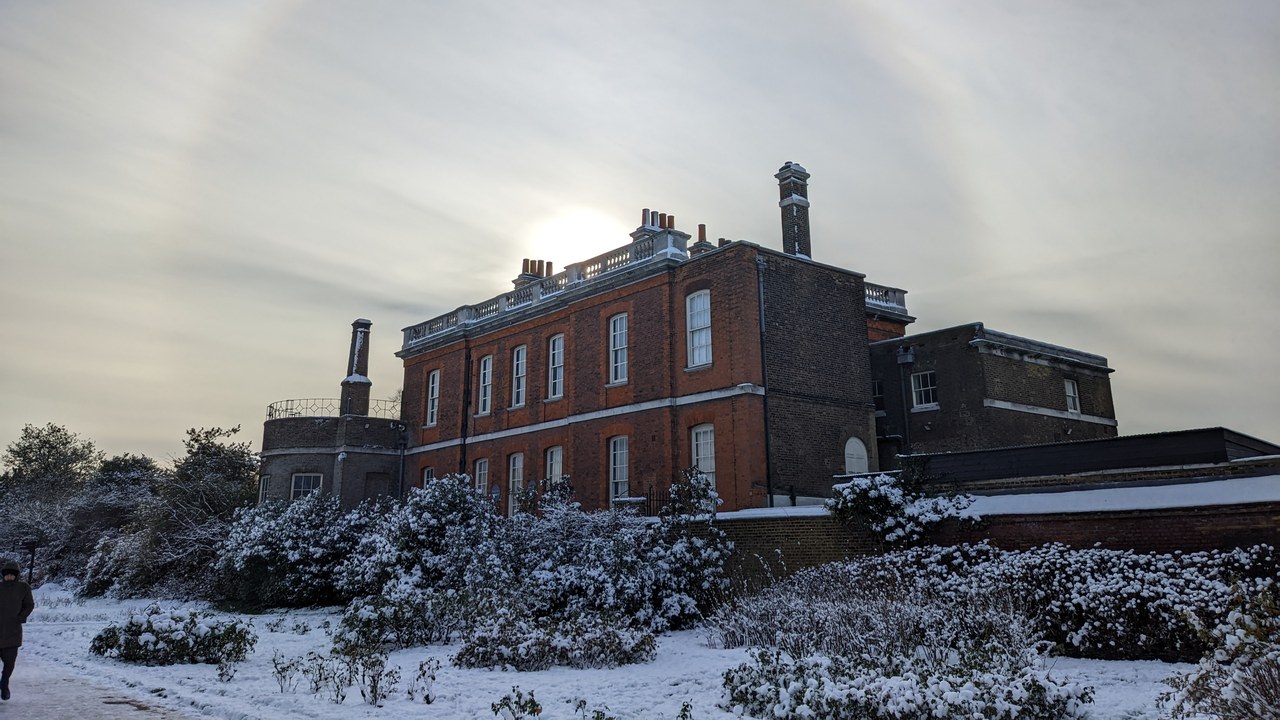
A 22-degree halo is a ring of light around the sun made when sunlight shines through millions of tiny ice crystals that are perfectly positioned in the sky, according to Live Science.
The ice crystals sit in thin, high cirrus clouds and bend the light at a precise angle, which is why the ring always appears at the same distance from the sun. Folklore holds that a halo means rain is coming, and the high clouds that create it often do arrive ahead of a storm.
6. Polar stratospheric (rainbow) clouds: Rainbow Clouds of the Stratosphere
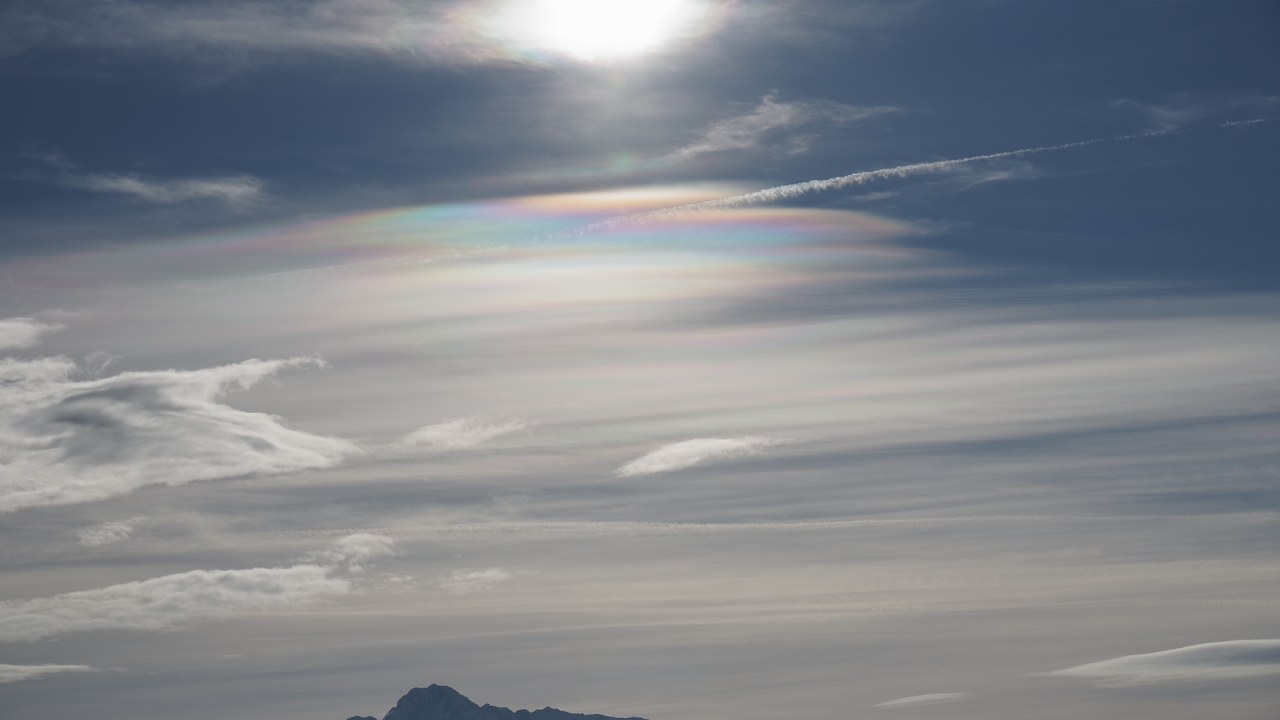
Polar stratospheric clouds, often called rainbow or mother-of-pearl clouds, form high in the stratosphere at temperatures below minus 114 F (minus 81 C), according to Live Science’s guide to sky phenomena.
Their colors shimmer like the inside of a seashell and are brightest shortly before sunrise or after sunset. The clouds also play a role in ozone loss over the poles, which gives scientists a serious reason to study them beyond their beauty. They are most often seen over Scandinavia, Scotland and Antarctica in winter.
7. Sun dogs: Bright Spots Beside the Sun
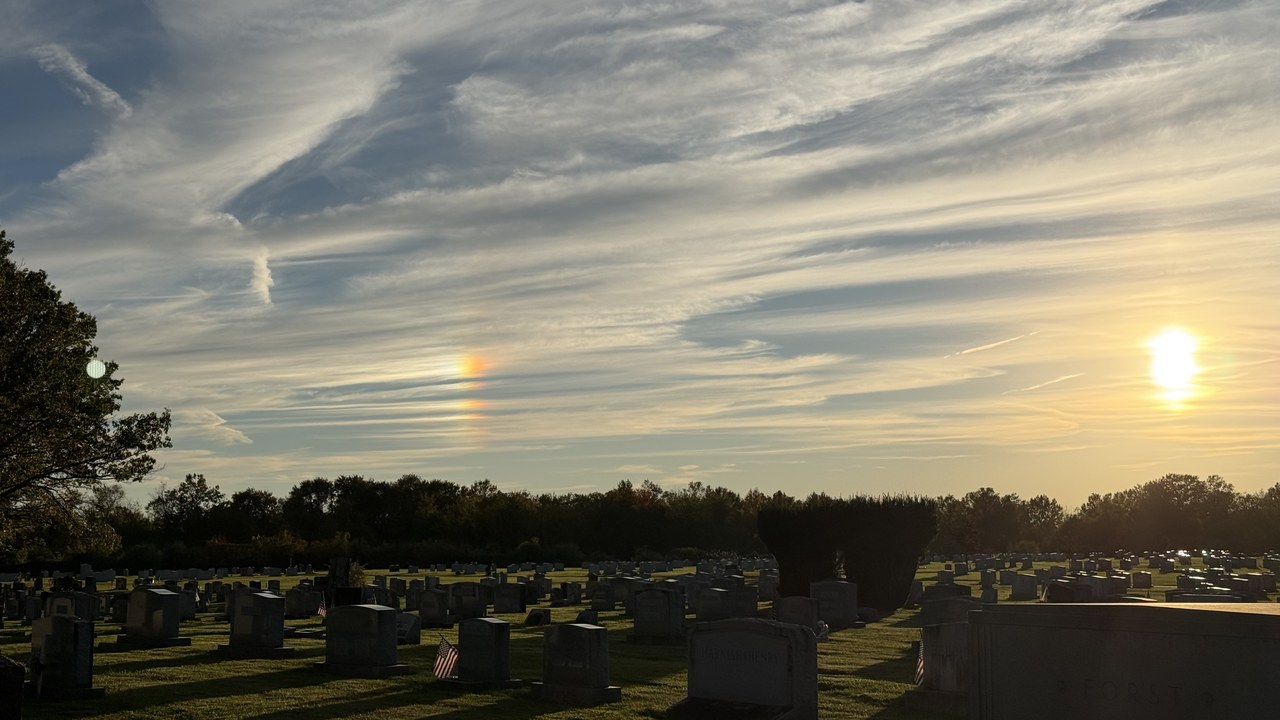
Sun dogs are colored spots of light about 22 degrees to the left or right of the sun. The National Weather Service says they form when sunlight refracts through ice crystals in the atmosphere.
They appear most often when the sun is low and thin, icy clouds are drifting overhead. Sun dogs can be as bright as the sun itself for a short time and are most common in cold climates during winter, when ice crystals are plentiful. They often appear in pairs, one on each side.
8. Sun pillars: A Shaft of Light Above the Sun
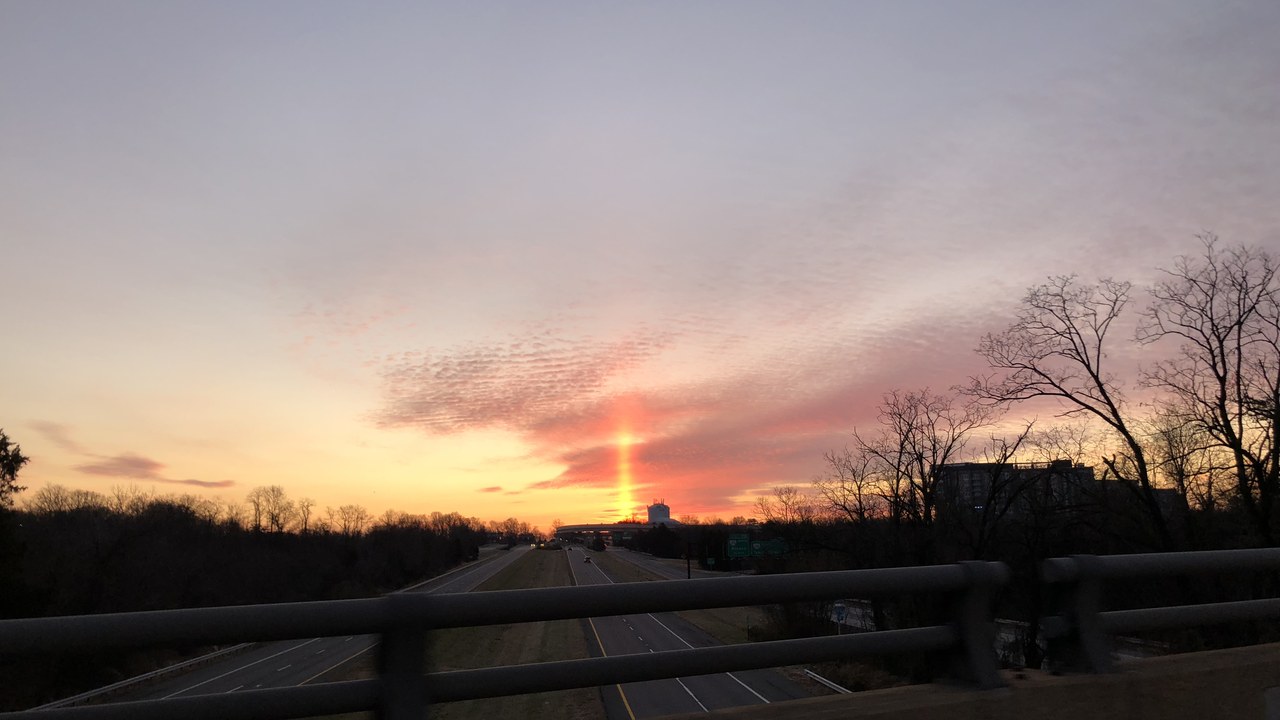
A sun pillar is a shaft of light rising straight above the sun at sunrise or sundown. According to the National Weather Service, it forms when slowly falling ice crystals reflect the sun’s rays.
The flat crystals drift down almost horizontally, acting like countless tiny mirrors. On very cold nights, similar pillars can form above streetlights and other ground-level lights, creating eerie columns that people sometimes mistake for something stranger. They are most common in winter, when the air near the ground is bitterly cold and calm, and they tend to last only a few minutes.
9. Aurora borealis: The Northern Lights
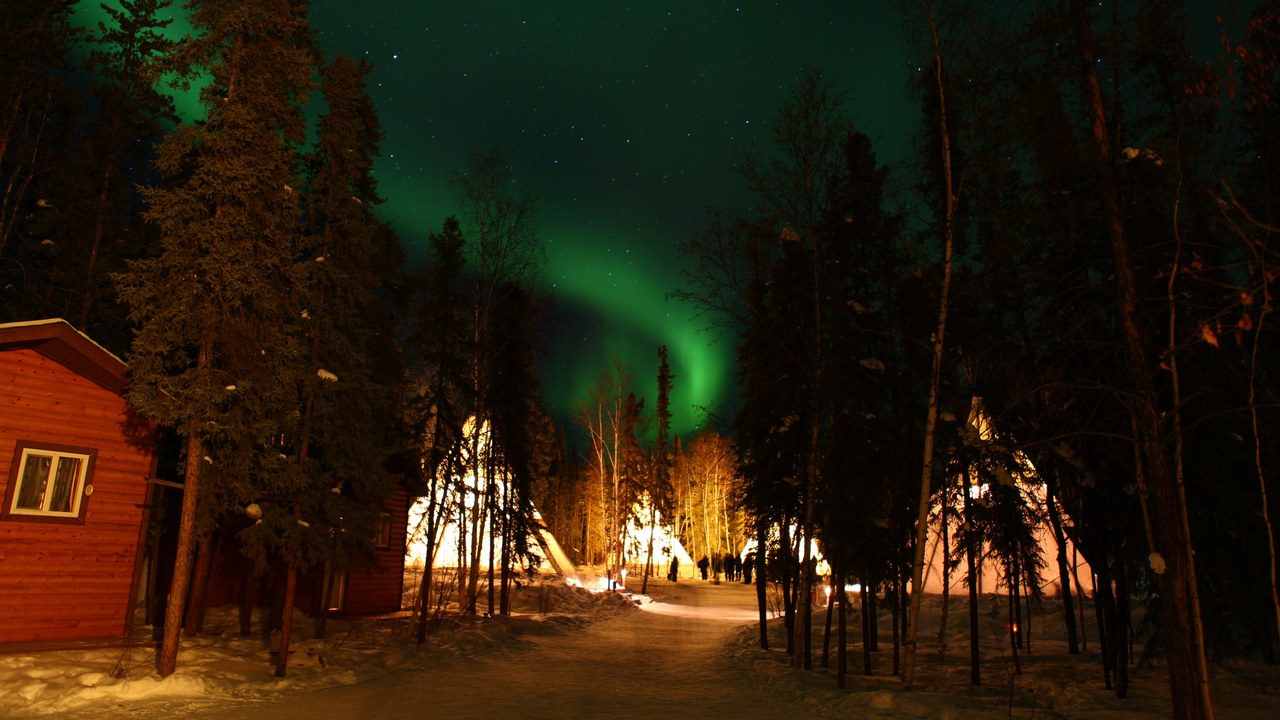
NOAA’s Space Weather Prediction Center explains that the northern lights are produced when electrons collide with Earth’s upper atmosphere. The collisions make the gas glow, mostly in green and sometimes in red or purple.
The electrons are steered toward the poles by Earth’s magnetic field after bursts of activity on the sun. During strong geomagnetic storms the aurora can be seen much farther south than usual, which happened several times during the recent peak of the solar cycle. Forecasters issue aurora outlooks. Skywatchers follow them closely.
More from Morning Overview
- Two Kentucky residents died when a small plane crashed at Missouri’s Lake of the Ozarks, and the NTSB is investigating
- A handful of car transmissions are so tough that mechanics say they almost never die
- Melting permafrost is setting off a newly identified kind of catastrophic landslide, scientists say
- Cadillac cut the price of its cheapest EV, which goes up to 317 miles on a charge
