
Chrysler spent decades selling cars that came and went from American showrooms, and several of those names are now gone for good. Some were bold experiments, others were volume sellers that faded as tastes shifted. This list walks through twelve of them, from the 1934 Airflow to the PT Cruiser that ended production in 2010.
The day in tech, in one email: TLDR is the daily newsletter with links and TLDRs of the most interesting stories in startups, tech and programming.
We may earn a commission if you sign up.
1. Chrysler Airflow: Too Far Ahead
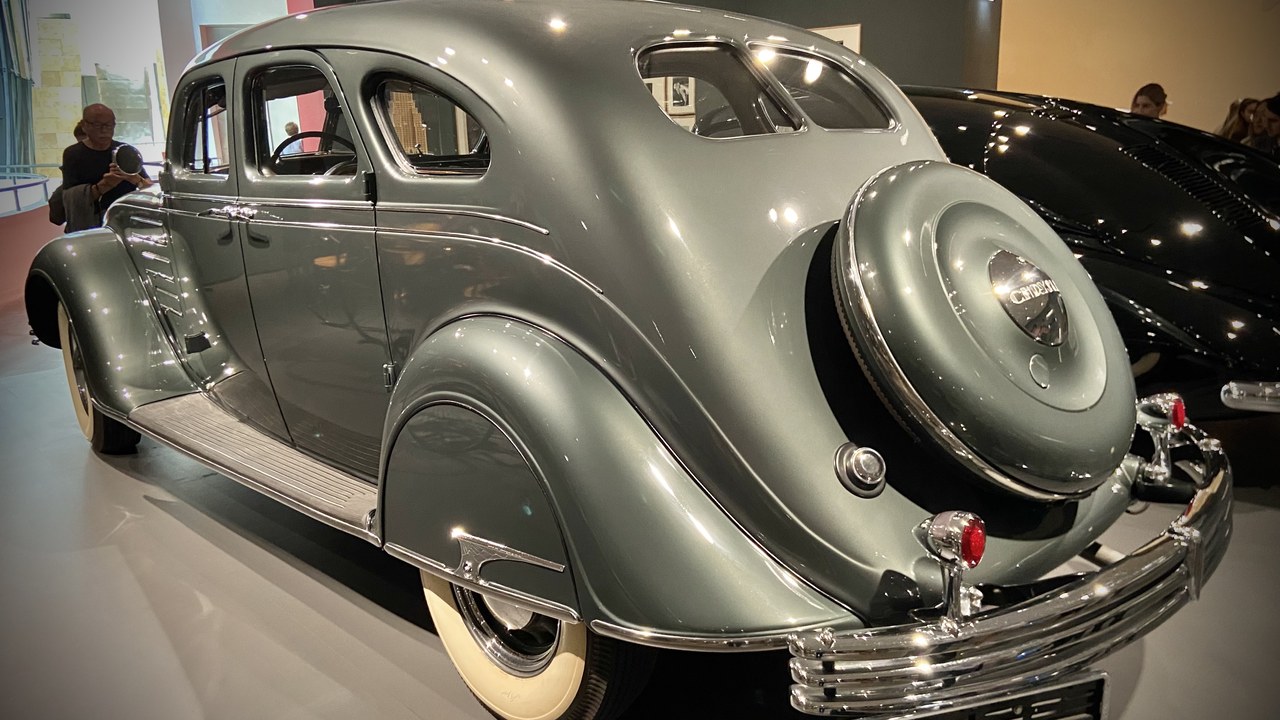
The 1934 Imperial Airflow CX, a LeBaron-bodied model, carried a price of $2,345 and moved the cabin 20 inches forward from where conventional cars of the day placed it. Buyers rejected the streamlined shape, and Hagerty describes the Hagerty analysis as a car that arrived too far ahead of its time.
The Airflow shows how a forward-thinking design can stumble when the public is not ready for it. Its rejection in showrooms is the reason the name sits at the very start of this list of lost Chrysler nameplates.
2. Chrysler Town & Country minivan: The First Luxury Minivan
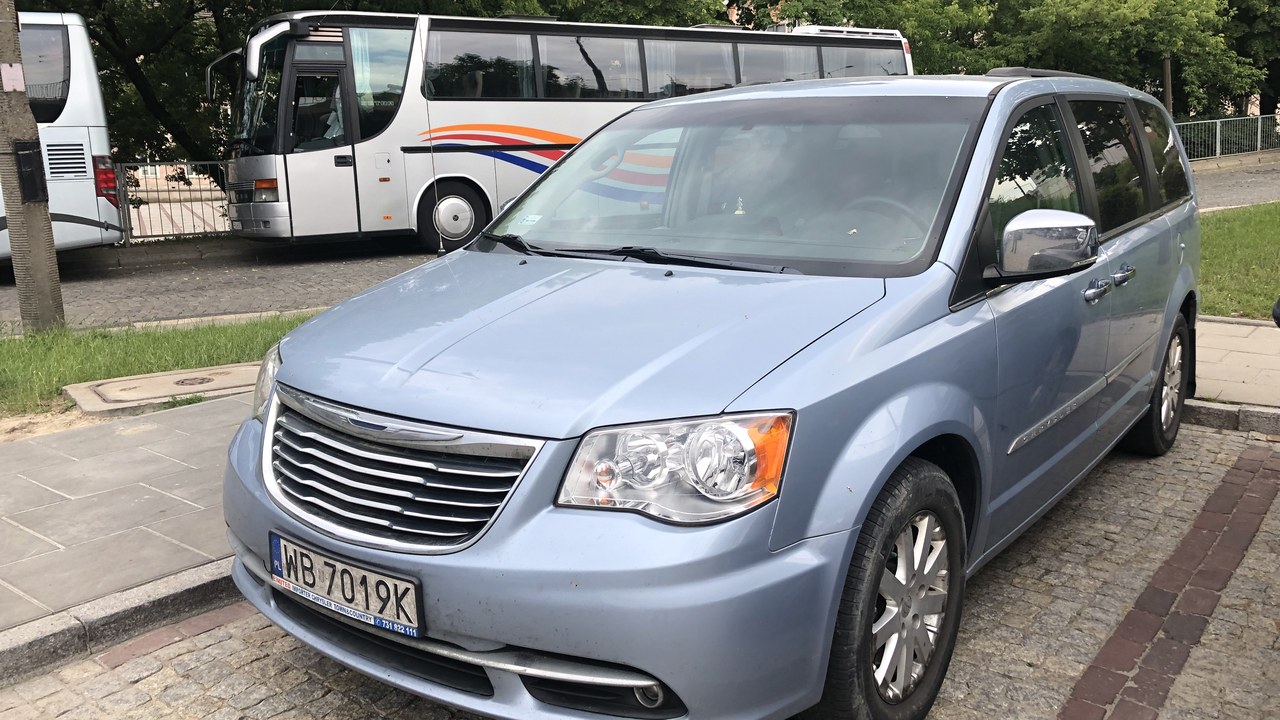
Chrysler says the 1990 model was the first luxury minivan, a claim made in its company history release on the brand’s history. The nameplate was retired for 2017, when the Pacifica replaced it in the lineup.
That handoff ended a run that began with a premium take on the family hauler and finished with a new name on the same kind of vehicle. Anyone shopping a Chrysler minivan today finds the Pacifica where the Town & Country once stood.
3. Chrysler Imperial: A Brand Within a Brand
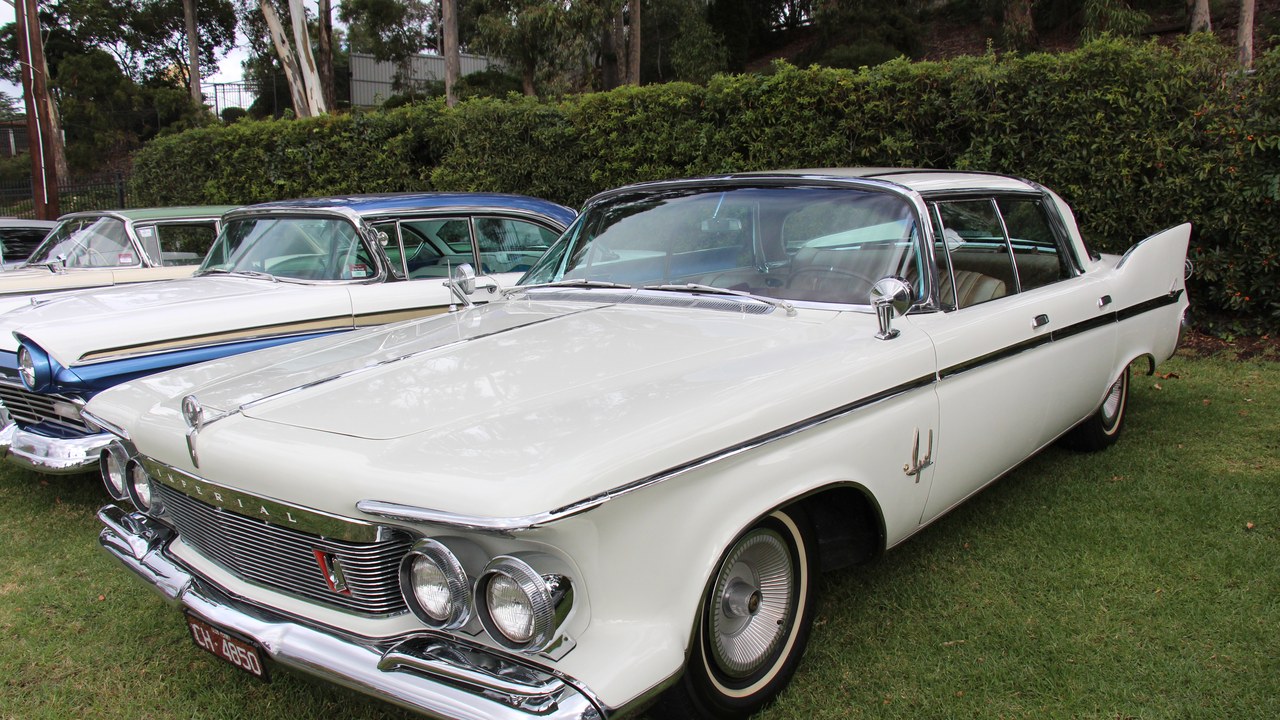
Imperial split off as its own make in 1955. According to Wikipedia’s Imperial entry, its 1956 Mopar radio was billed as the world’s first all-transistor car radio, a $150 option, and 1957 was the best year, with 37,593 sold.
Production ended on April 29, 1983, about twenty-eight years after the split. The peak came early in that stretch, so the marque spent most of its life trying to match a high point reached in its third season.
4. Chrysler Newport: Chrysler’s Entry Ticket
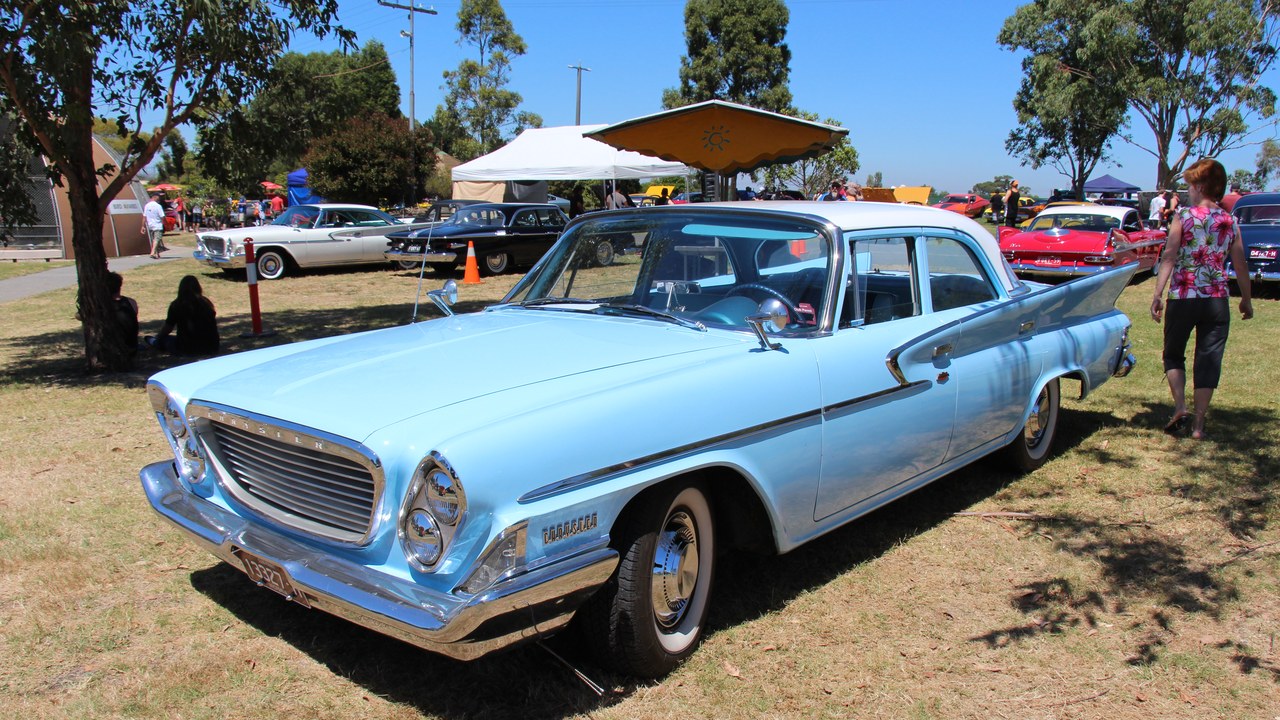
The 1961 Newport was Chrysler’s cheapest car, with a base price of $2,964 and a 265-hp 361 V8, as the Wikipedia Newport entry records. The line ran all the way to 1981.
For a buyer who wanted the Chrysler badge at the lowest price on the lot, the Newport was the doorway into the brand. That V8 horsepower figure came with the bargain tag, and sticking around until 1981 made it one of the longer-serving names on this list before it disappeared.
5. Chrysler Cordoba: Pitched by Montalban
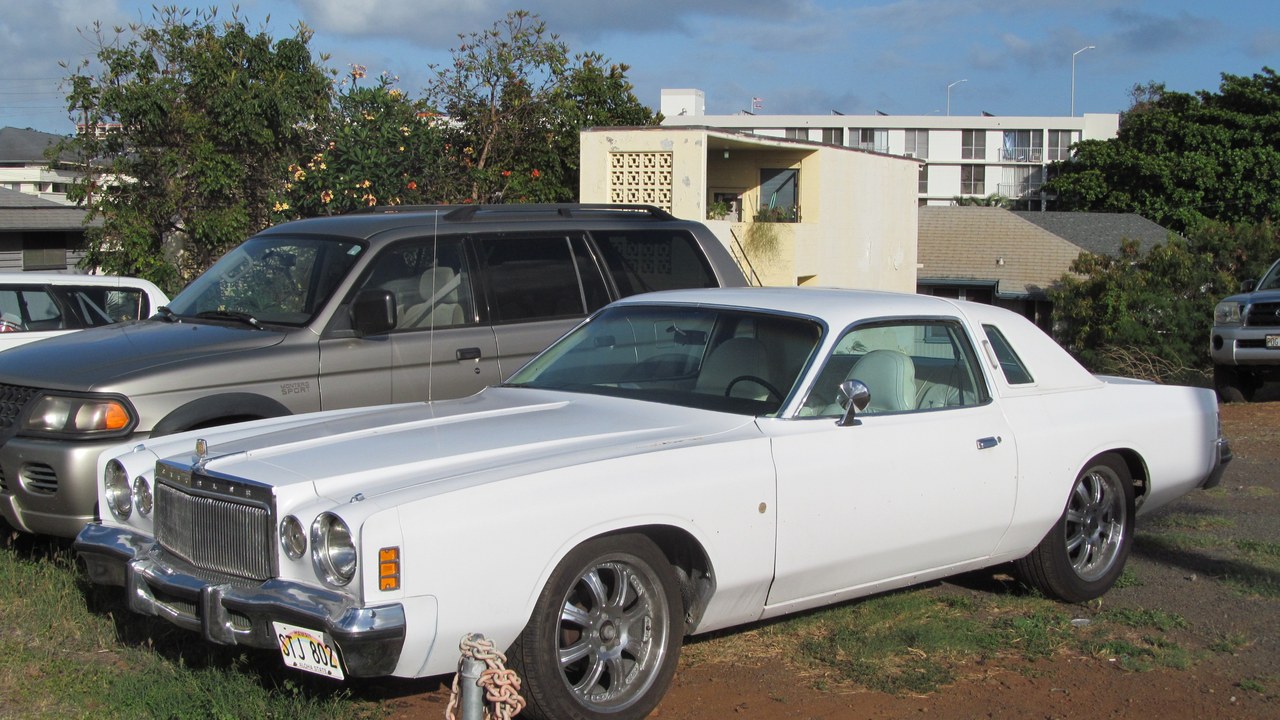
Pitched by actor Ricardo Montalban, the personal-luxury Cordoba sold over 150,000 in 1975, based on figures in the Wikipedia Cordoba entry. The model was discontinued in 1983.
Six-figure sales in 1975 made the personal-luxury coupe a clear success for the brand at that moment. The nameplate was gone by 1983, a considerably shorter life than the Newport or the Imperial enjoyed, and its celebrity-pitched image is the part most often recalled.
6. Chrysler LeBaron: The Convertible Returns
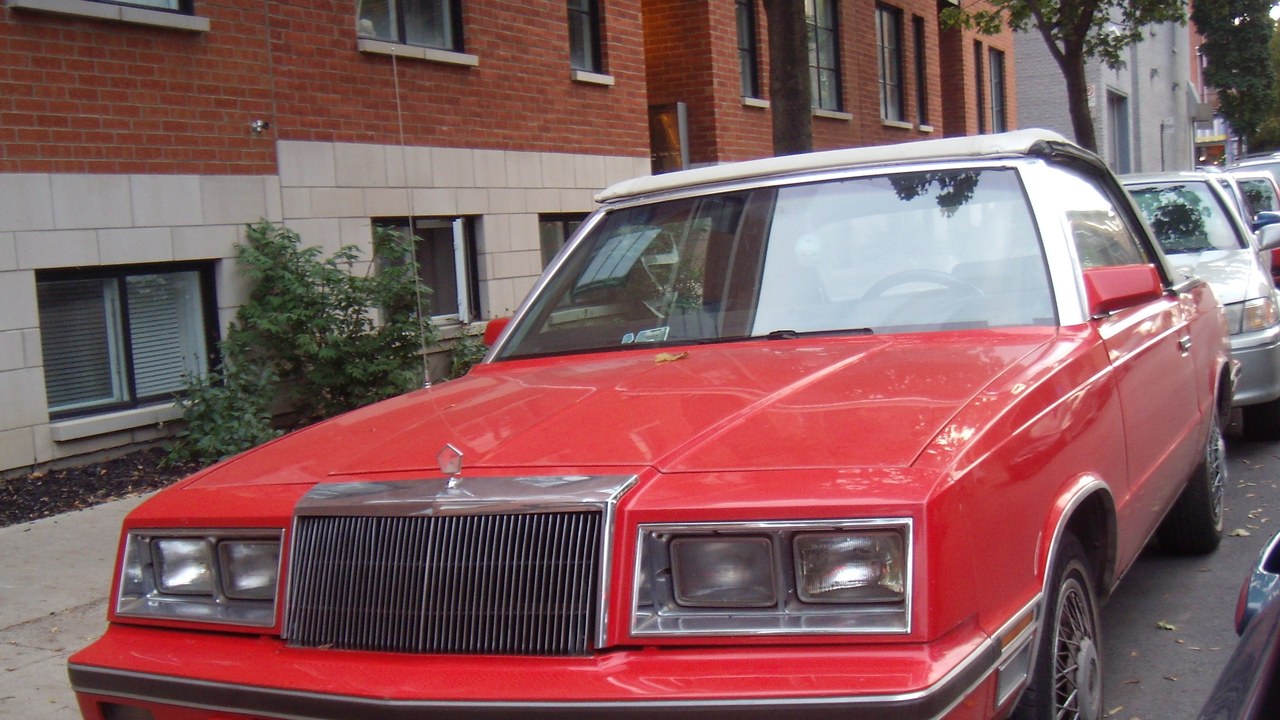
The 1982 front-drive K-car LeBaron brought back the American convertible, the first one offered in North America since 1976, according to Stellantis media release. The model enjoyed a nine-year run.
That return mattered to open-air buyers, who had gone several seasons without a domestic convertible to buy. The compact, front-drive K-car platform carried the idea back into showrooms for nine years, after which the LeBaron name was retired from the lineup.
7. Chrysler 300M: The Ten Best Sedan
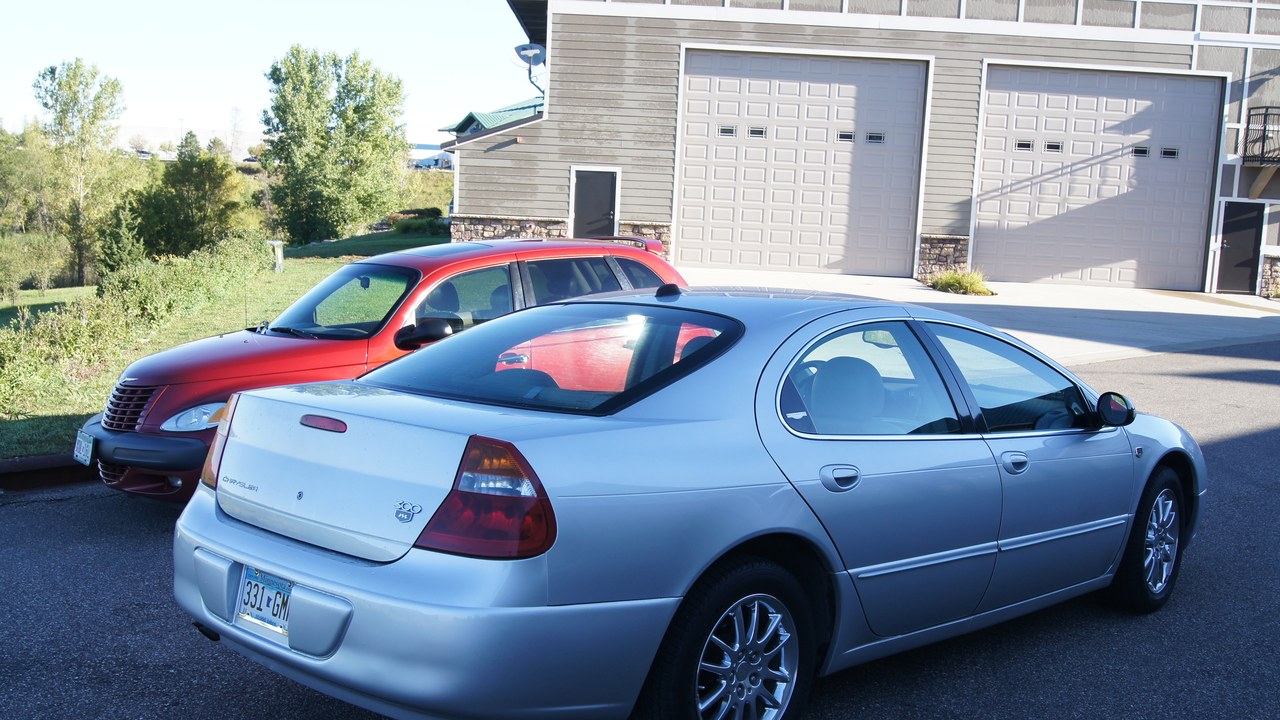
Rated at 255 hp, the 300M earned a place on Car and Driver’s Ten Best list for 1999 and 2000, per Wikipedia’s 300M entry. The 300 replaced it for 2005.
Back-to-back recognition from a major enthusiast magazine gave the sedan credibility beyond its price class. The 300M name ended with the 2005 changeover, and the plain 300 badge carried on without the M, leaving the 300M as a distinct late-1990s and early-2000s chapter.
8. Chrysler Sebring: From 93,130 to 2,380
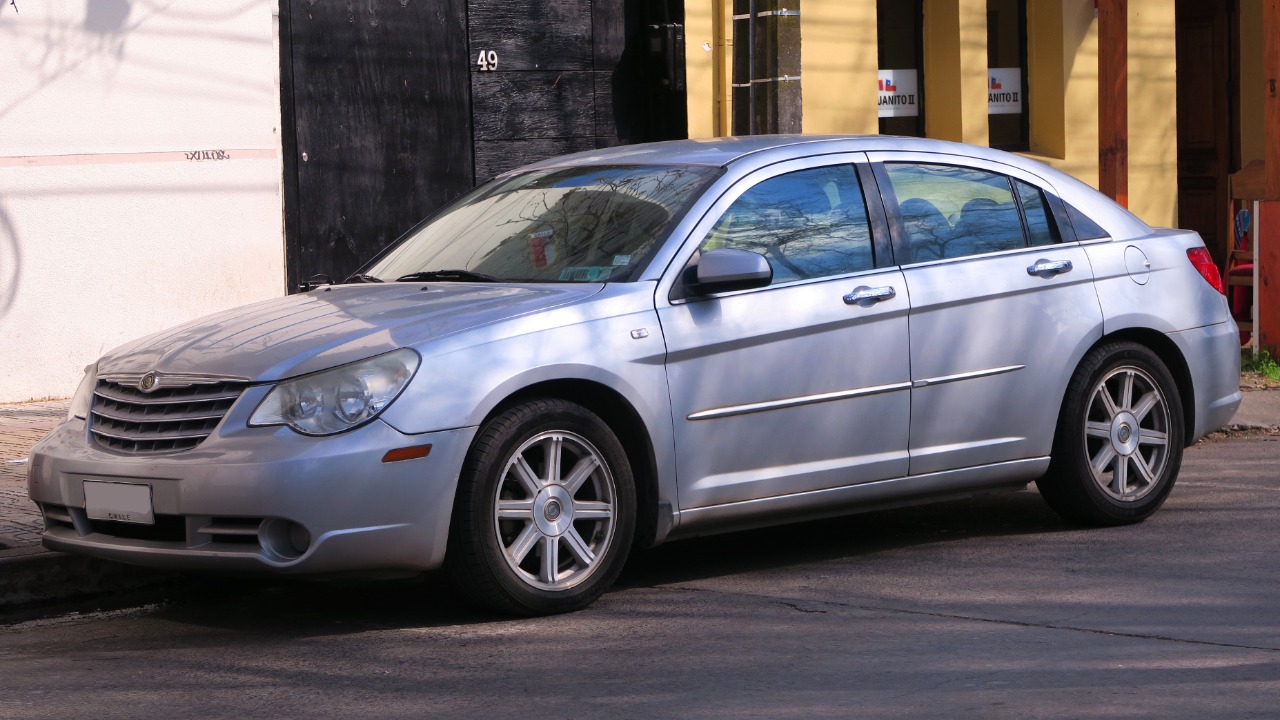
U.S. sales of the Sebring peaked at 93,130 in 2007, then fell to 71,663 in 2008, 27,460 in 2009 and 38,330 in 2010, as the Wikipedia Sebring entry documents. By 2011 only 2,380 were sold, and the Chrysler 200 took over the name slot.
The final figure is under three percent of the peak, a collapse that took just four years. A sedan that moved more than ninety thousand units in one season became close to invisible, which explains why the replacement arrived under a new name.
9. Chrysler PT Cruiser: A Million Retro Wagons
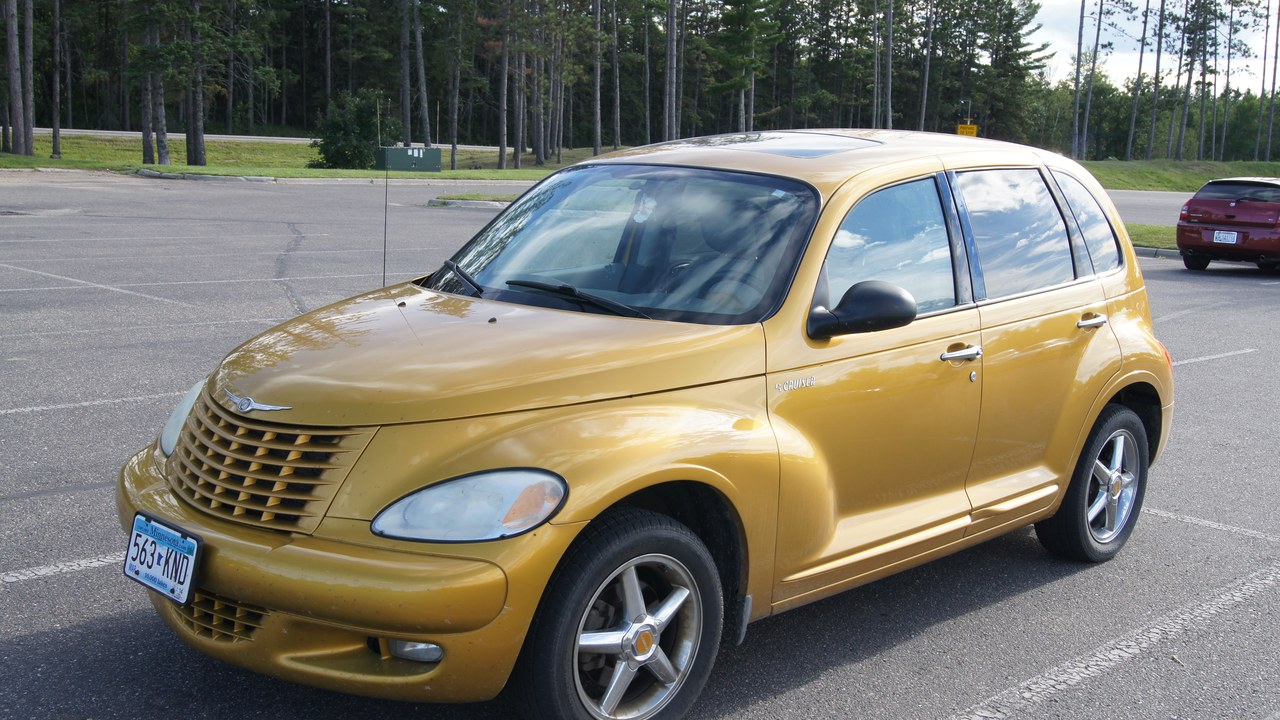
A total of 1,050,281 PT Cruisers were marketed in the U.S., a tally given in the Wikipedia PT Cruiser entry. The final one was built on July 9, 2010.
Passing the one-million mark in American sales makes the retro-styled wagon a genuine volume success for the brand. The July 2010 build date is the closing point for the whole headline, since no PT Cruiser left the line after it. Few other lost nameplates on this list can point to a sales total that large.
10. Chrysler Crossfire: Mercedes Roots
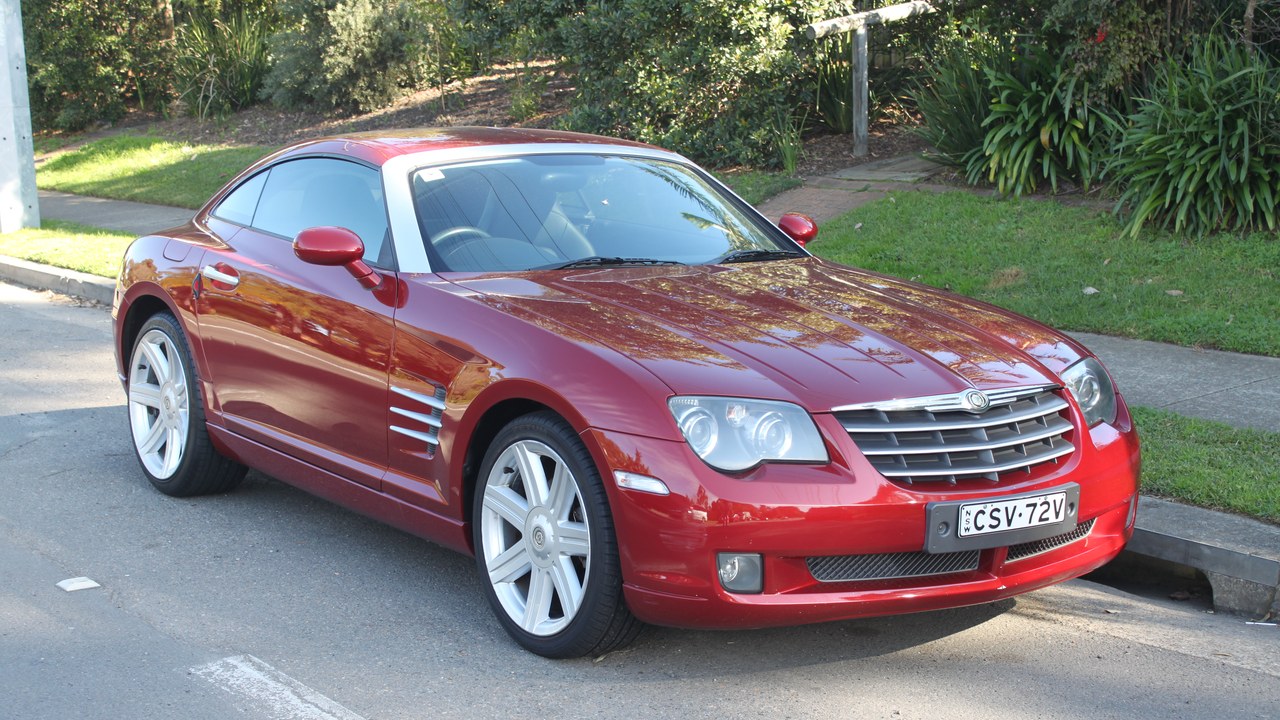
The 2004 Crossfire was a rear-drive two-seater built on the Mercedes SLK platform, according to the Stellantis history page. That layout made it a different kind of Chrysler product from the sedans and wagons around it on the sales floor.
Borrowing German underpinnings gave the roadster a distinctive place in the lineup. A rear-wheel-drive two-seater was an unusual proposition for the brand, and the Crossfire name is now listed among the lost ones.
11. Chrysler Pacifica (2003 crossover): A Crossover Before the Craze
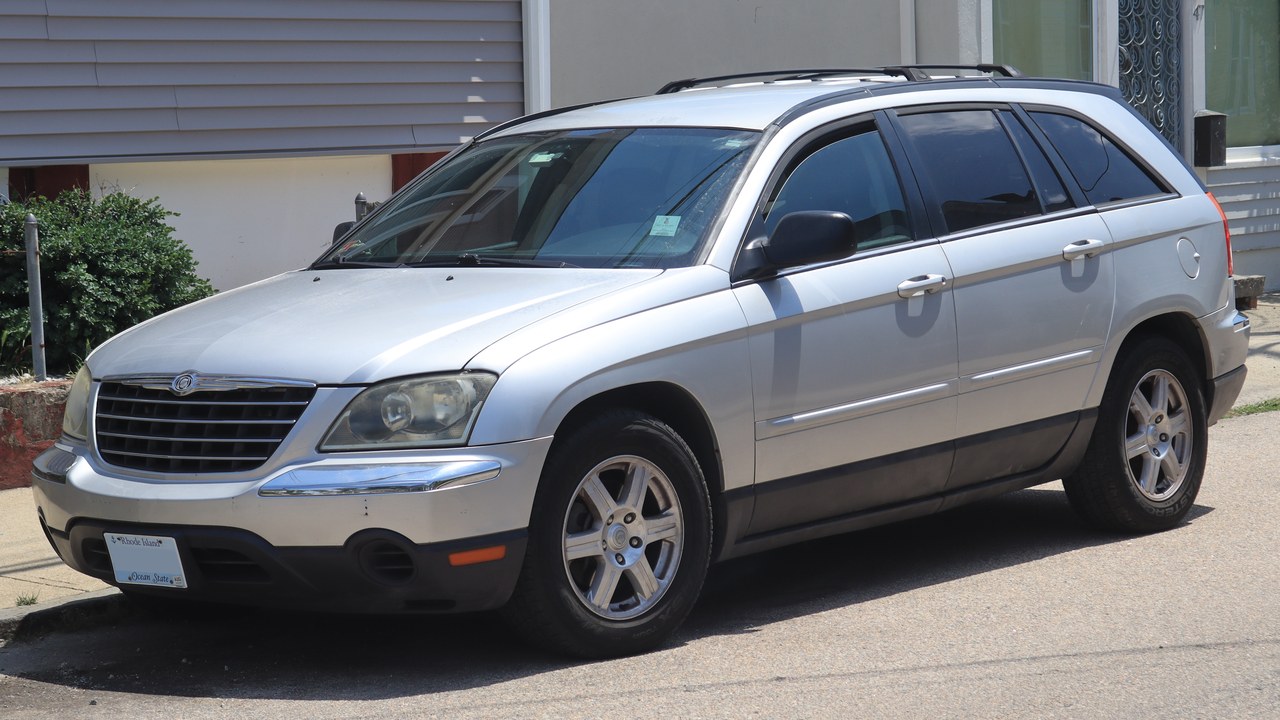
Chrysler says the 2003 Pacifica crossover was among the first in the U.S. market, a point made in a Stellantis news release by the company. The name was later reused for the 2016 minivan.
The original Pacifica therefore counts as a lost nameplate of its own generation, even though the badge returned on a very different vehicle. Shoppers who see a Pacifica today are looking at the minivan, not the crossover.
12. Chrysler 200: Short Sales Spike
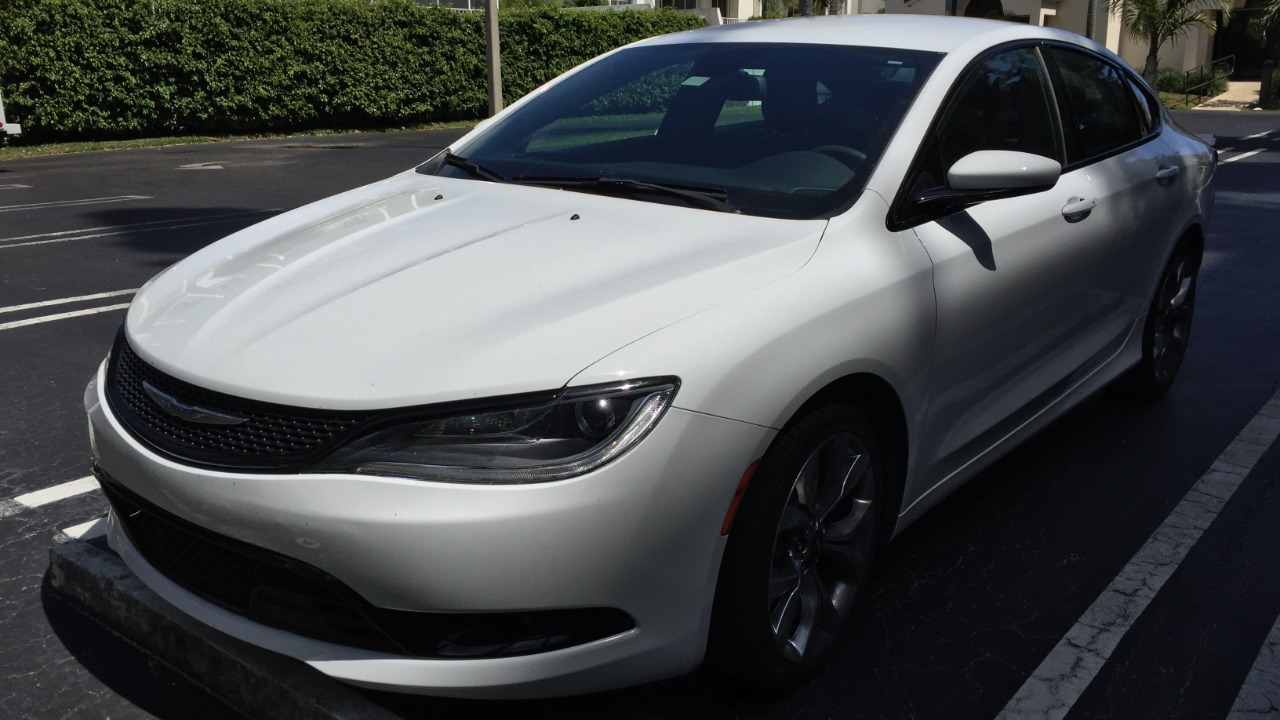
U.S. sales of the 200 hit 177,889 in 2015 and fell to 57,294 in 2016, per Wikipedia’s 200 entry. Production ended on December 2 of that year.
That drop of roughly two-thirds in a single year was abrupt for a mid-size sedan, and the fall continued the pattern set by its predecessor. The 200 had taken over the Sebring slot in 2011, and its departure ended another chapter for the brand’s family-sedan names.
The day in tech, in one email: Get TLDR →
We may earn a commission if you sign up.
More from Morning Overview
- The FBI told the rest of ShinyHunters to surrender after a 24-year-old was arrested
- Two passengers died at an Ohio toll plaza, and the NTSB now wants the cash lanes shut
- Long use of a common prostate pill is tied to a higher chance of glaucoma
- Ford is recalling 223,472 F-150 pickups because the fuel tank can leak or detach
