
American driveways changed when the minivan arrived, and the vans before and after it shaped how families hauled people and gear. This list follows that history through firsts, long production runs and a few brief experiments. Here are twelve vans that left a mark, starting with a hippie-era camper and ending with a short-lived Saturn.
Stay ahead on AI: Join 600,000+ professionals who read The Deep View, the daily newsletter that keeps you up to date with artificial intelligence.
We may earn a commission if you sign up.
1. Volkswagen Westfalia Camper: Hippie Icon With a Pop-Top
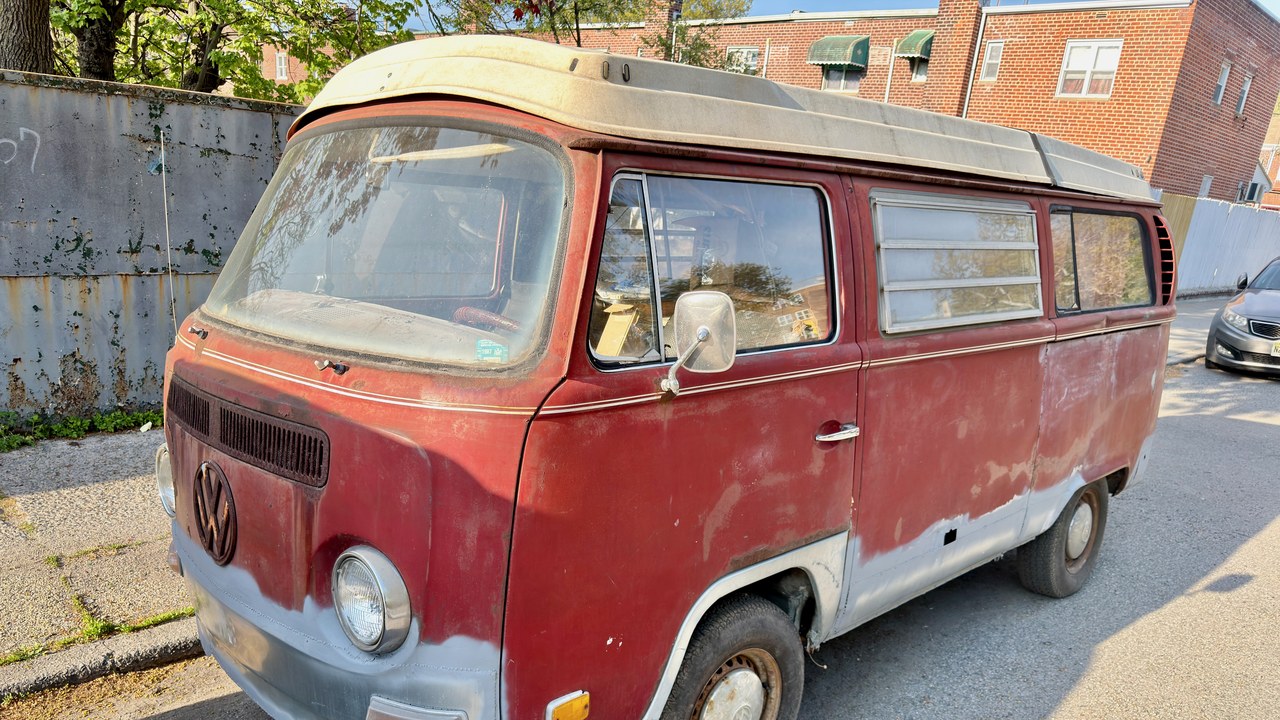
Westfalia built roughly Camper Box conversions for Volkswagen’s bus by 1958, and the camper stayed on sale until 2003. Over that span it became a symbol of hippie and surf culture, appearing wherever people wanted a bed and a kitchen on four wheels.
The long run explains why the name still resonates with American buyers. A utilitarian bus fitted for sleeping and cooking became a template for recreational vans, and its reputation in the counterculture outlasted the production line by years. Few vans have stayed on sale for that many decades.
2. Dodge Ram Van: Fifteen Seats From the Factory
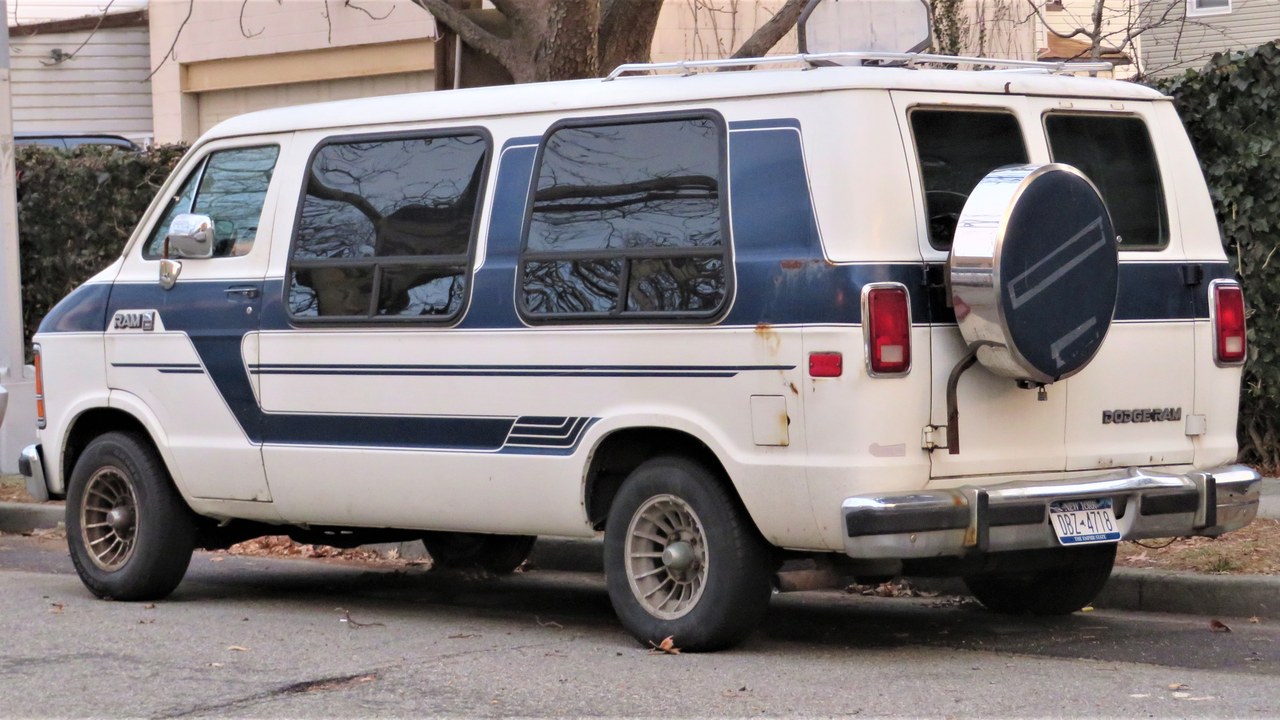
The 1971 Dodge Maxiwagon offered 15-passenger seating in the full-size van, and the Ram Van line ran through model year 2003. Unlike the minivans that followed, it was a large, boxy van aimed at buyers who needed to move big groups or heavy cargo.
That size made it a natural fit for churches, schools and large families. Its place on this list reflects how the word van covered far more than minivans, and the Ram Van carried the idea for more than three decades while smaller family haulers grew up around it.
3. Volkswagen Vanagon: The Four-Wheel-Drive Cult Favorite
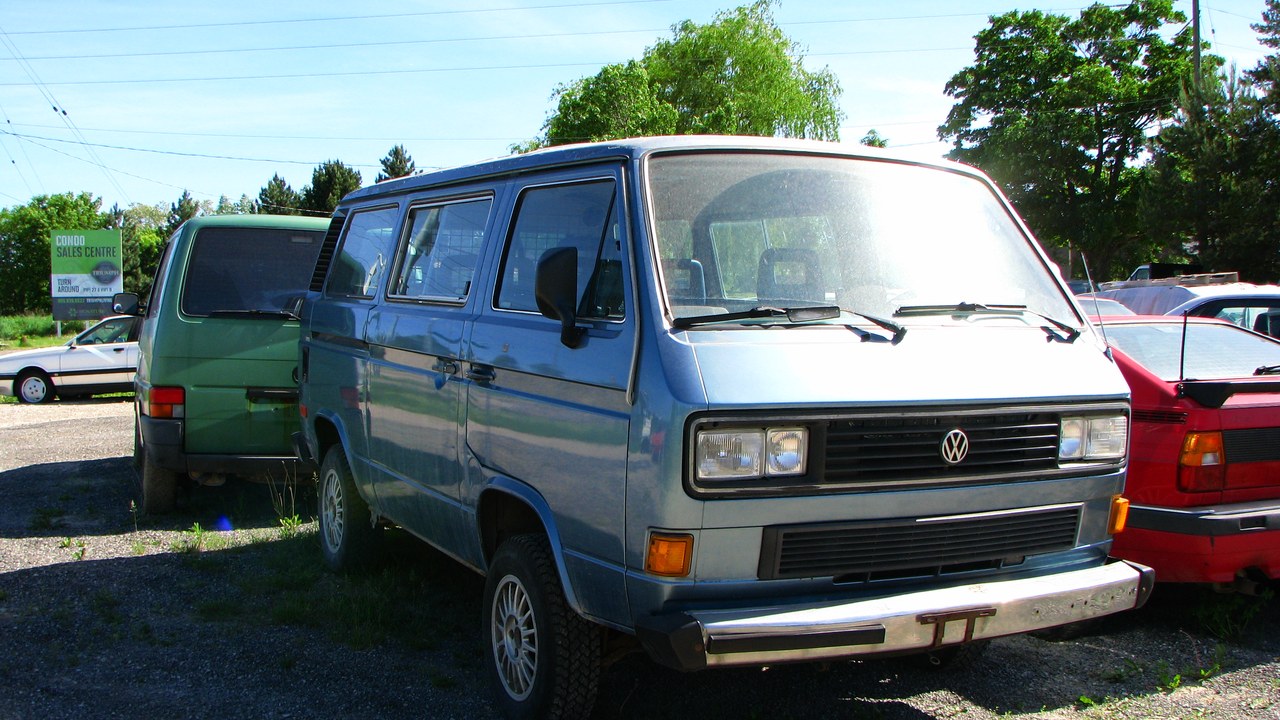
The T3 generation is remembered for Syncro four-wheel-drive Vanagons, built in limited numbers from 1984 through 1992. In the United States the T3 was replaced by the Eurovan in 1993, closing a chapter for Volkswagen’s boxy people-mover.
Because Syncro production stayed small, those four-wheel-drive examples became the version enthusiasts chase today. The Vanagon also sits between the original Westfalia-era bus and the Eurovan, linking two very different eras of Volkswagen vans sold to American families and campers.
4. Dodge Caravan: The Van That Started It
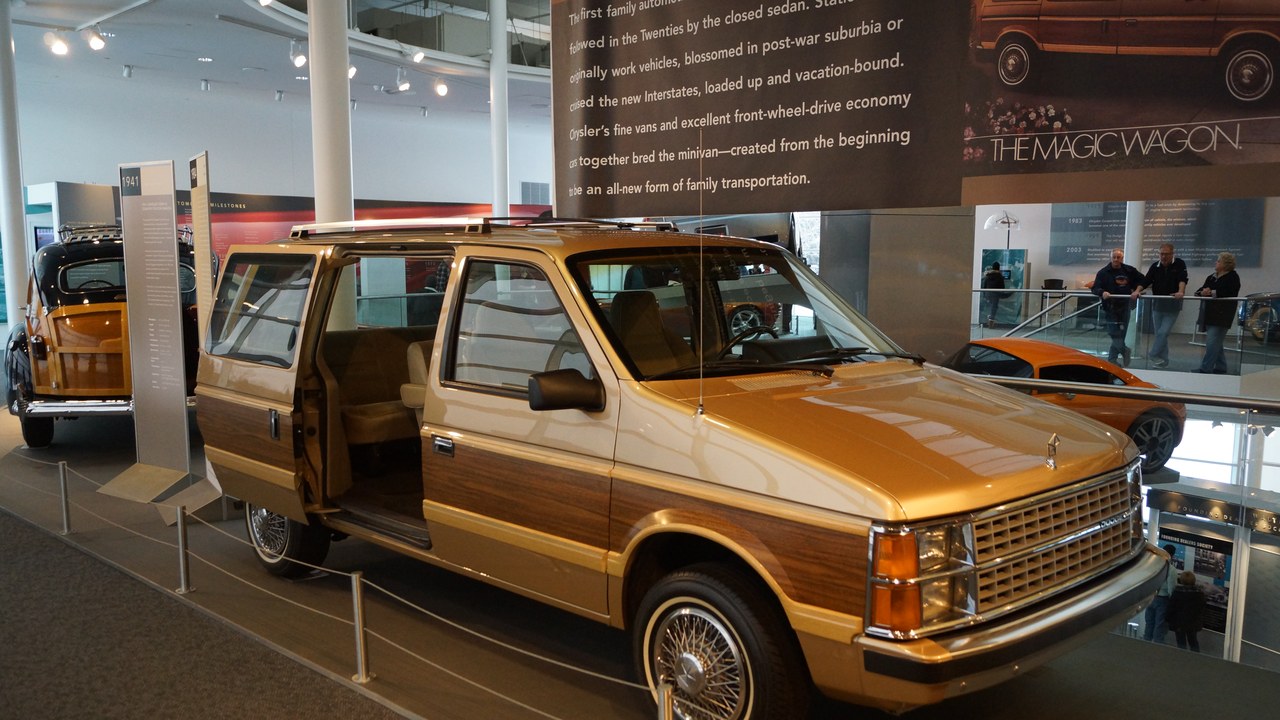
Chrysler’s first minivan rolled off the Windsor line on November 2, 1983, and Chrysler sold 210,000 of the Caravan and Voyager that first year. That figure covered the 1984 model year, the first on sale to the public.
That debut reset the family-vehicle market and gave Chrysler a hit it badly needed. Every minivan after it, whether from Detroit or Japan, has been measured against the template the Caravan set, which is why the headline number belongs at the front of this history.
5. Chevrolet Astro: Rear-Drive Workhorse With Staying Power
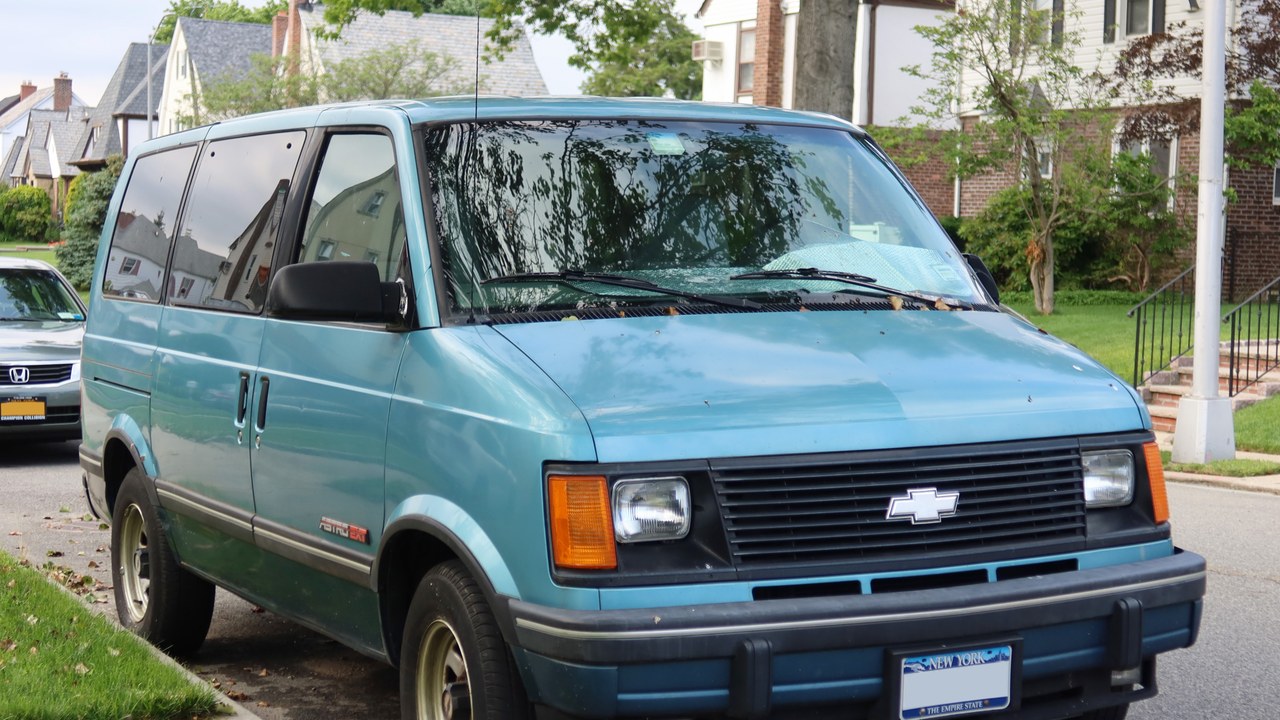
Chevrolet sold about 3.2 million Astros in the U.S. from 1985 until the Baltimore plant built the last ones in May 2005. It used rear-wheel drive, offered optional all-wheel drive and carried a tow rating above 5,000 pounds.
Those traits set it apart from front-drive rivals and kept it popular with buyers who towed trailers or boats. A run of two decades shows that a truck-style van could hold its ground against more car-like competitors, and the sales total backs that up.
6. Ford Aerostar: Luxury Arrives in the Minivan
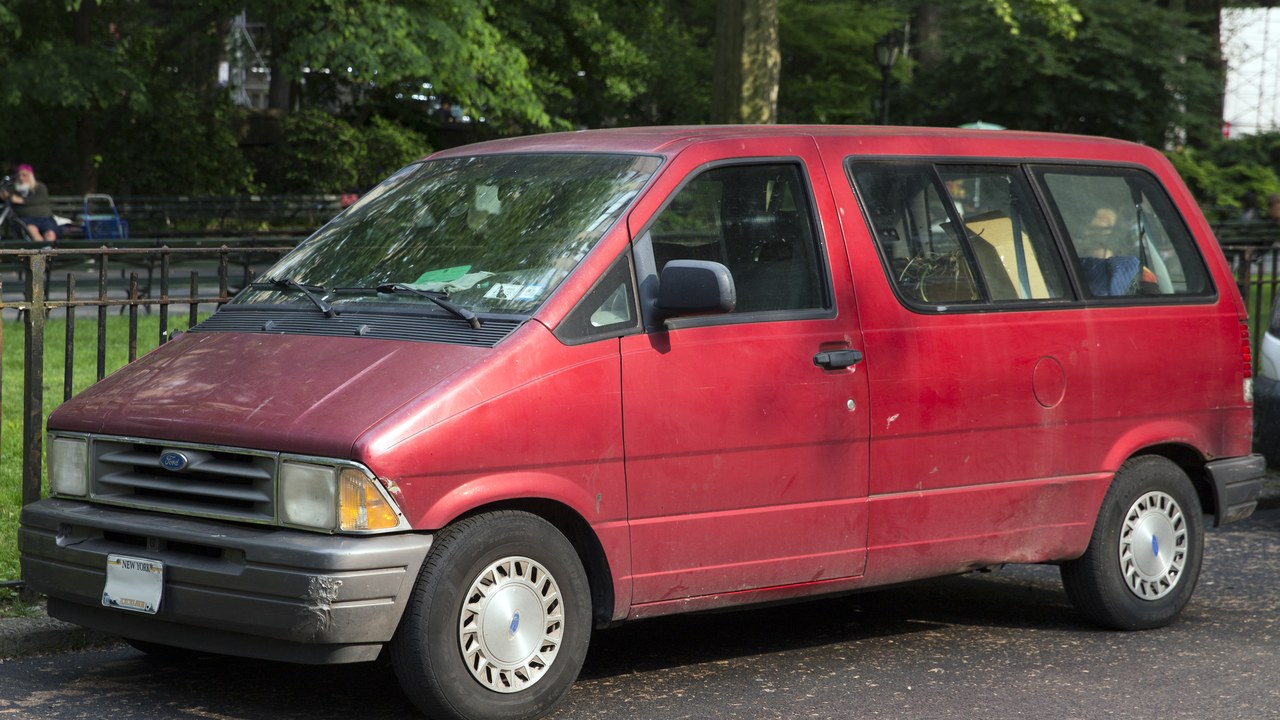
Ford’s rear-drive minivan launched in 1986 with sales near 200,000 a year within two years. It added the 1988 Eddie Bauer edition, billed as the first luxury minivan, and ended in 1997 with over 2 million examples built.
The Aerostar proved that minivans could carry trim levels and price tags once reserved for sport utilities and sedans. Its rear-drive layout was dropped when the Windstar arrived, but the premium idea stayed and has been part of the segment ever since.
7. Pontiac Trans Sport: Dustbuster Pioneer
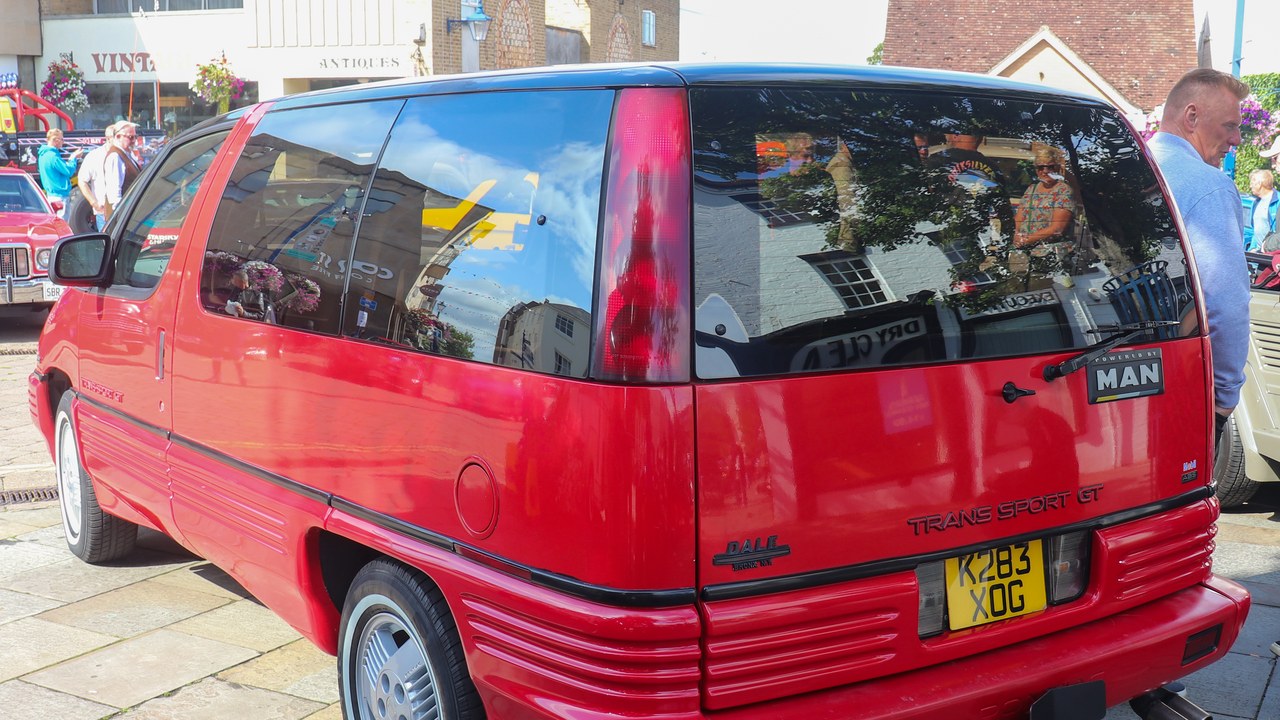
Pontiac’s first minivan, nicknamed the Dustbuster, arrived for 1990 with plastic side panels. The 1998 model became the OnStar first, offering the connected-safety service in a segment better known for sliding doors than for technology.
The odd styling drew attention at launch, yet the van also pushed new features into a segment known for practicality. That mix of risk and gadgetry is why the Trans Sport is remembered more distinctly than many of its better-selling rivals from the same decade.
8. Nissan Quest: First Japanese Minivan Built for America
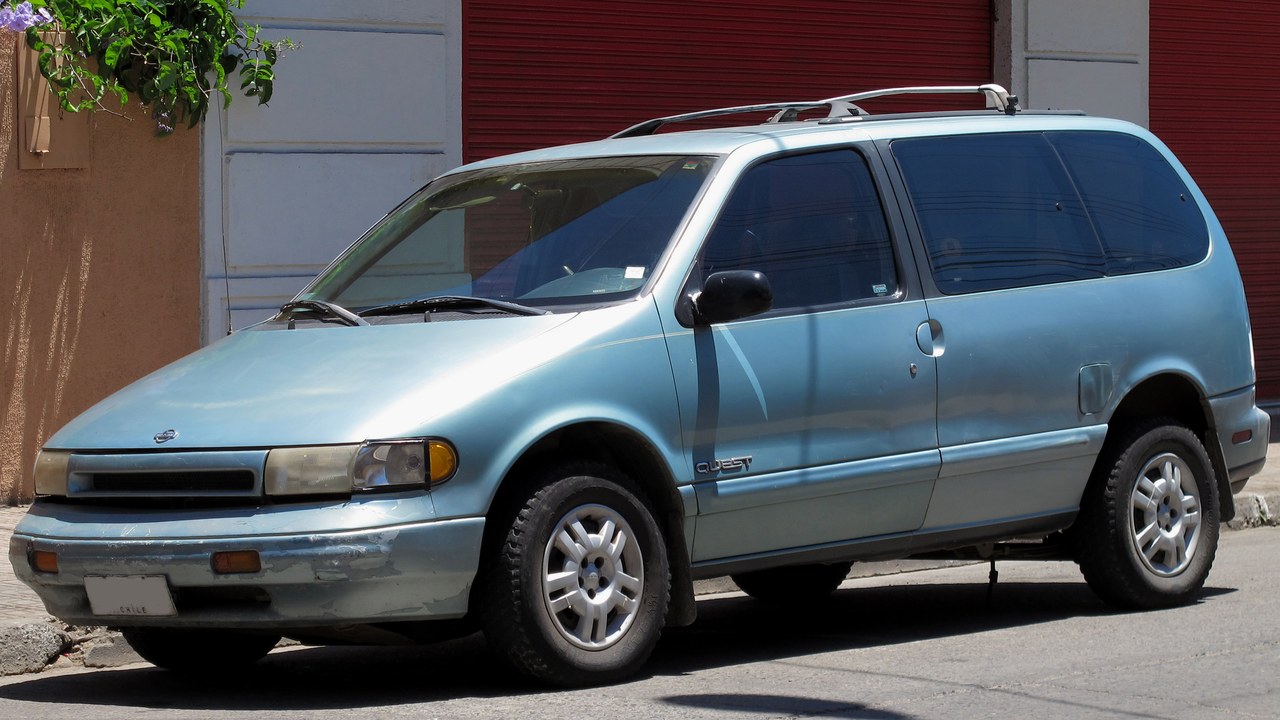
Built with Ford for the 1993 model year, the Quest was the first Japanese-brand minivan developed specifically for the North American market. Ford sold its own version of the van as the Mercury Villager, reflecting the joint effort behind the project.
The partnership showed a Japanese automaker tailoring a vehicle to American family needs rather than adapting a home-market model. That choice foreshadowed how Japanese brands would later compete directly for the minivan buyer in the United States.
9. Honda Odyssey: Honda’s Family Debut
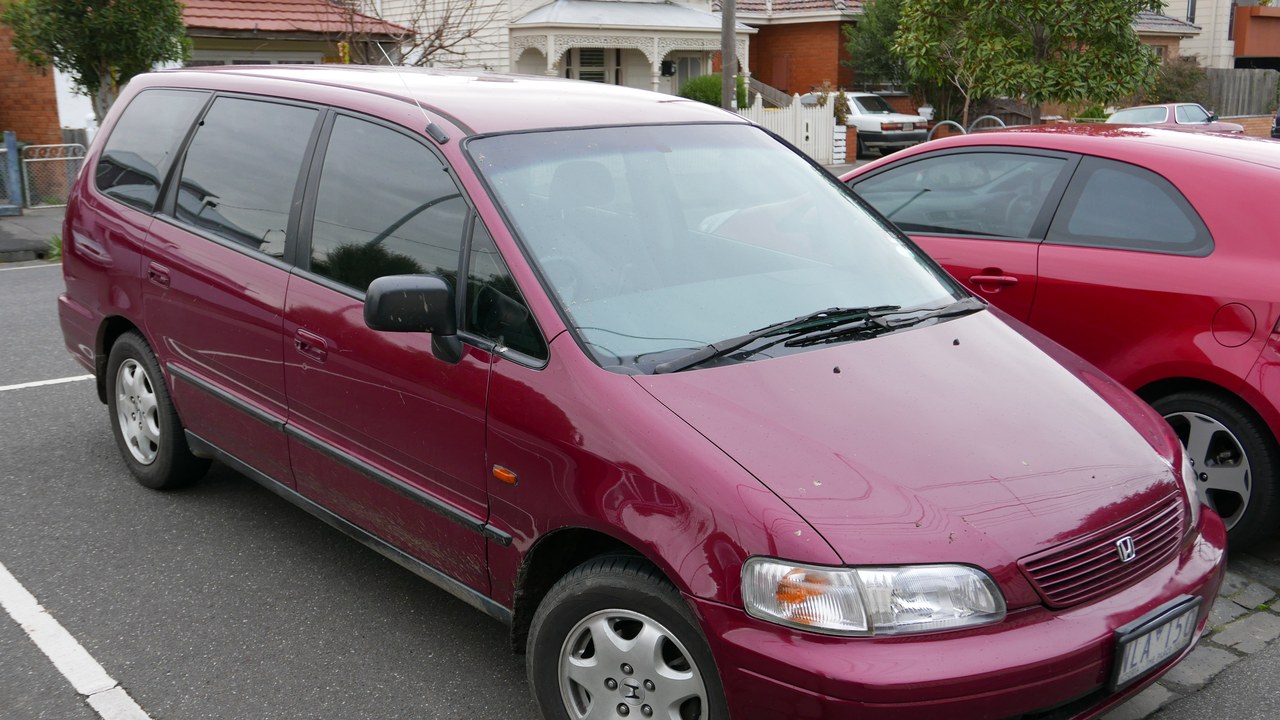
Honda introduced the 1995 Odyssey as its first minivan, then followed with a full-size 1999 Odyssey sold in the U.S. and Canada. The company’s own chronology records both steps, from the initial entry to the larger replacement.
The redesign grew the van to better suit North American expectations of space and power. Honda’s route from a first attempt to a larger replacement shows how quickly the segment rewarded vehicles sized for American families.
10. Ford Windstar: Front-Drive Successor
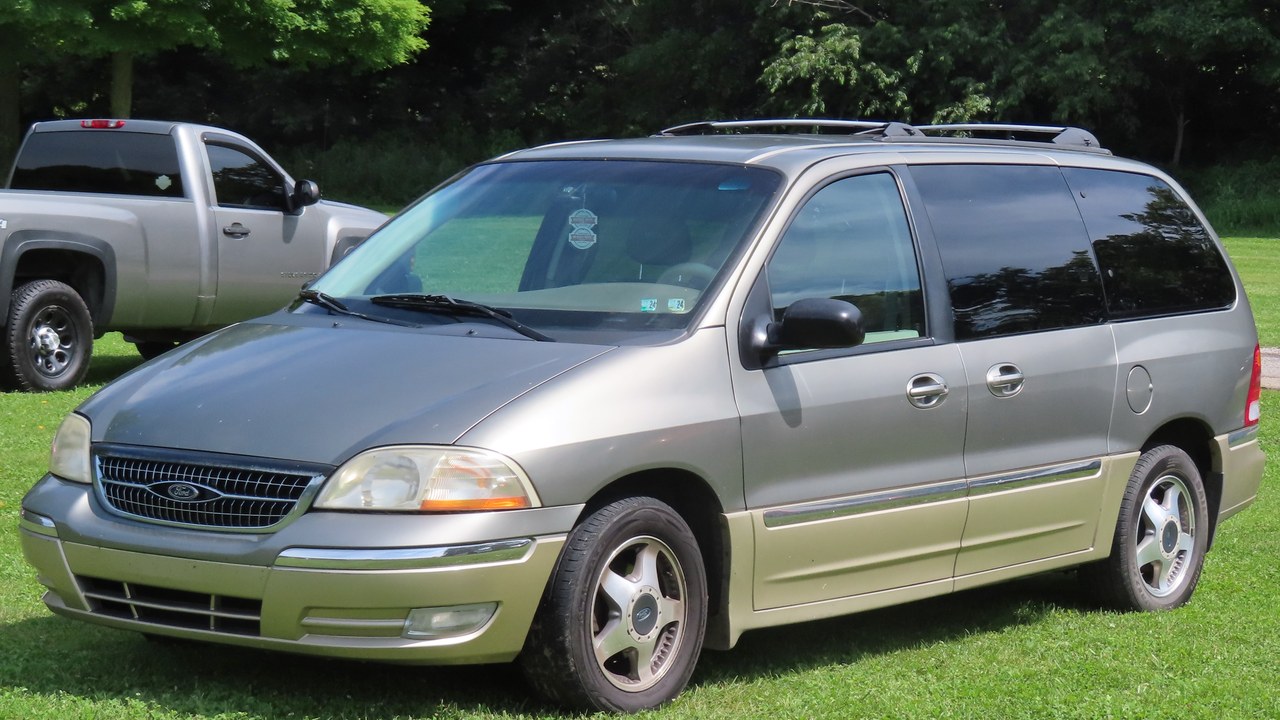
The front-drive Windstar replaced the Aerostar for 1995, with 1,704,786 Windstars built through 2003. The 1995 U.S. total stood at 222,147, a strong opening year for the replacement.
That first-year volume put Ford firmly back in the family-van race after the rear-drive Aerostar. The count covers only the Windstar and leaves out the Freestar and Monterey that followed, so the nameplate family’s real contribution to Ford’s minivan story was larger still.
11. Toyota Sienna: The Camry of Minivans
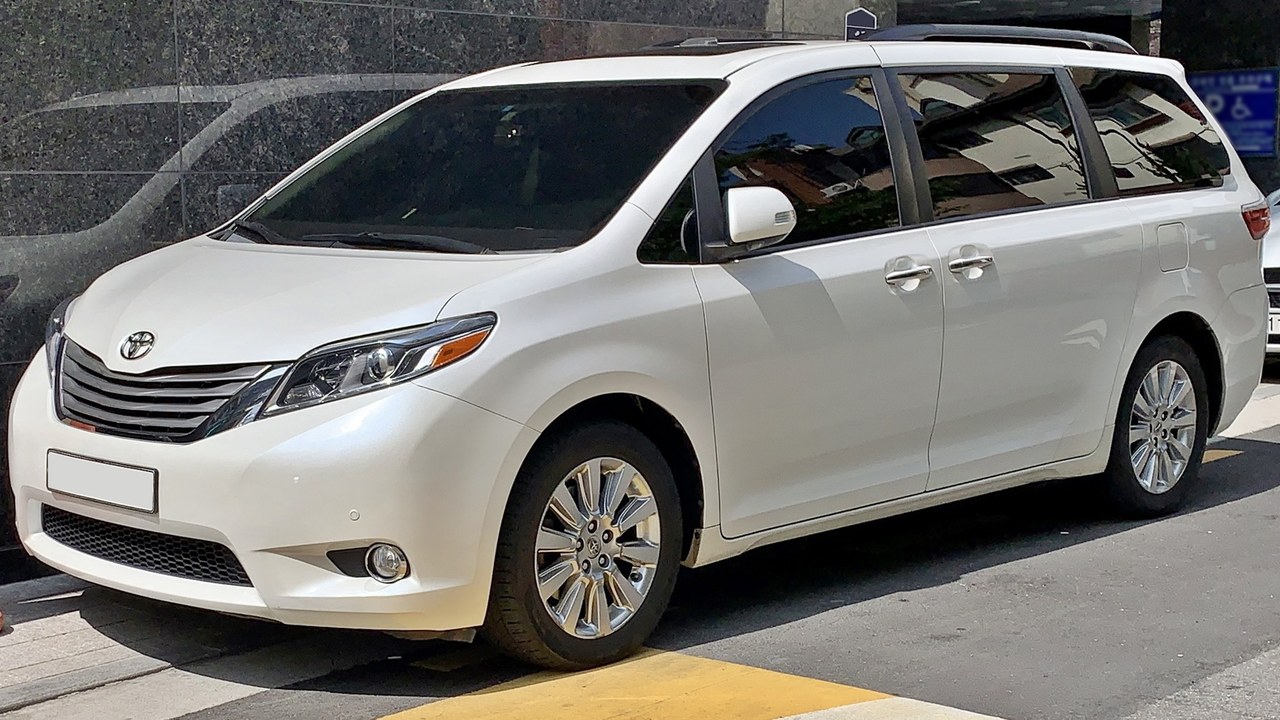
Introduced for 1998 as the Camry of minivans, the Sienna has sold more than 2.2 million in the U.S. since 1997. It was also the top-selling minivan in America in 2021, more than two decades after its debut.
The total comes from Toyota’s 25th anniversary announcement, so the number has likely grown since. Few nameplates in the segment have kept such steady appeal across multiple generations, which is why the Sienna anchors the sales-record side of this list.
12. Saturn Relay: Short-Lived Saturn Sibling

Saturn’s minivan lasted only model years 2005-2007, with 15,758 sold in the U.S. in 2005. The last Relay was built November 17, 2006, ending the nameplate after a very brief run.
The brief run makes the Relay the cautionary footnote of the group. Where the Caravan and Sienna built decades-long franchises, Saturn’s entry vanished within three model years, a reminder that a crowded segment could be unforgiving even for a known brand.
Stay ahead on AI: Subscribe to The Deep View →
We may earn a commission if you sign up.
More from Morning Overview
