
Few nameplates have shaped the American SUV market like the Ford Explorer. From its 1991 launch to the latest performance trims, the family has grown through new generations, spin-offs and cousins built on the same underpinnings. Here are twelve Explorers, and relatives, that tell the story.
Tech news in one quick read: Get the most interesting stories in startups, tech and programming, each with a short TLDR, in one daily email from TLDR.
We may earn a commission if you sign up.
1. 1991 Ford Explorer (first generation): Seventh Place Out of the Gate
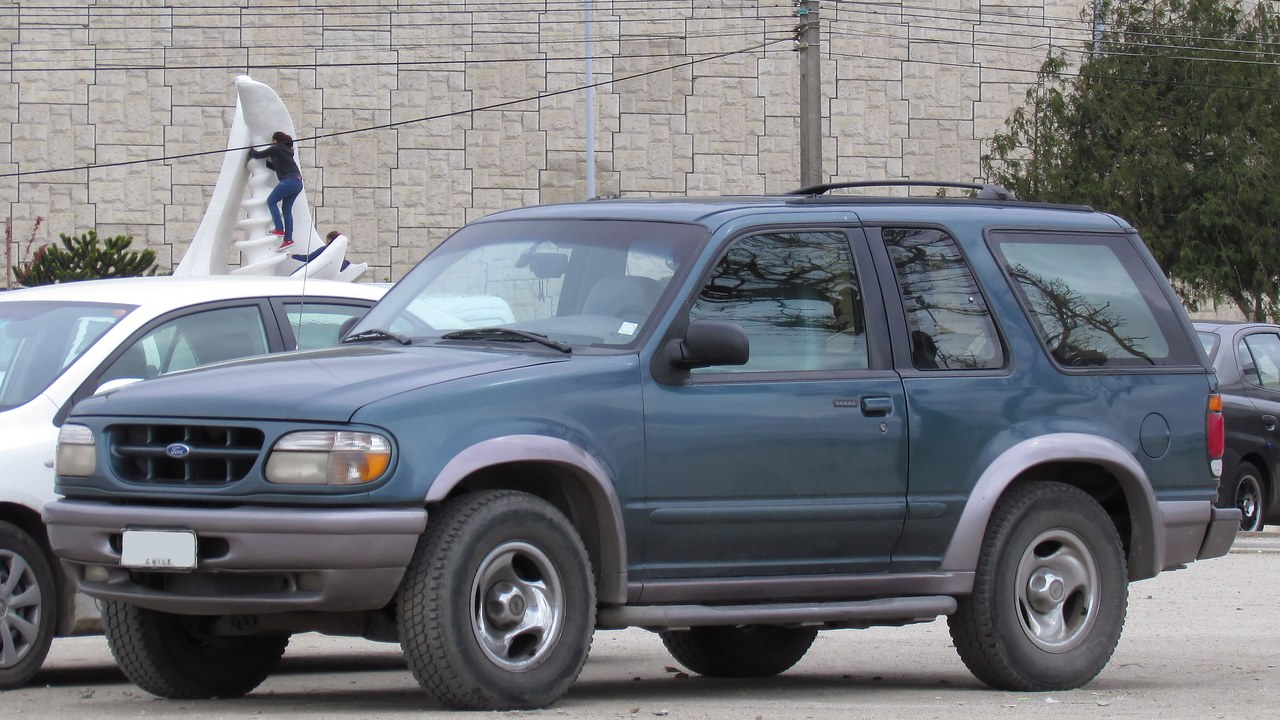
Ford’s own history credits the first Explorer with a strong 1991, its first full year on sale, when sales rose 38 percent to more than 250,000 units. That made it the first SUV to break into the top 10 best-selling vehicles in the United States, ranking seventh.
The first Explorer came off the Louisville line on Valentine’s Day 1990, and the quick jump into the national top ten showed how much demand existed for the new kind of vehicle. Everything that followed on this list grew out of that early success.
2. 1995 Ford Explorer (second generation): The Tire Recall Generation
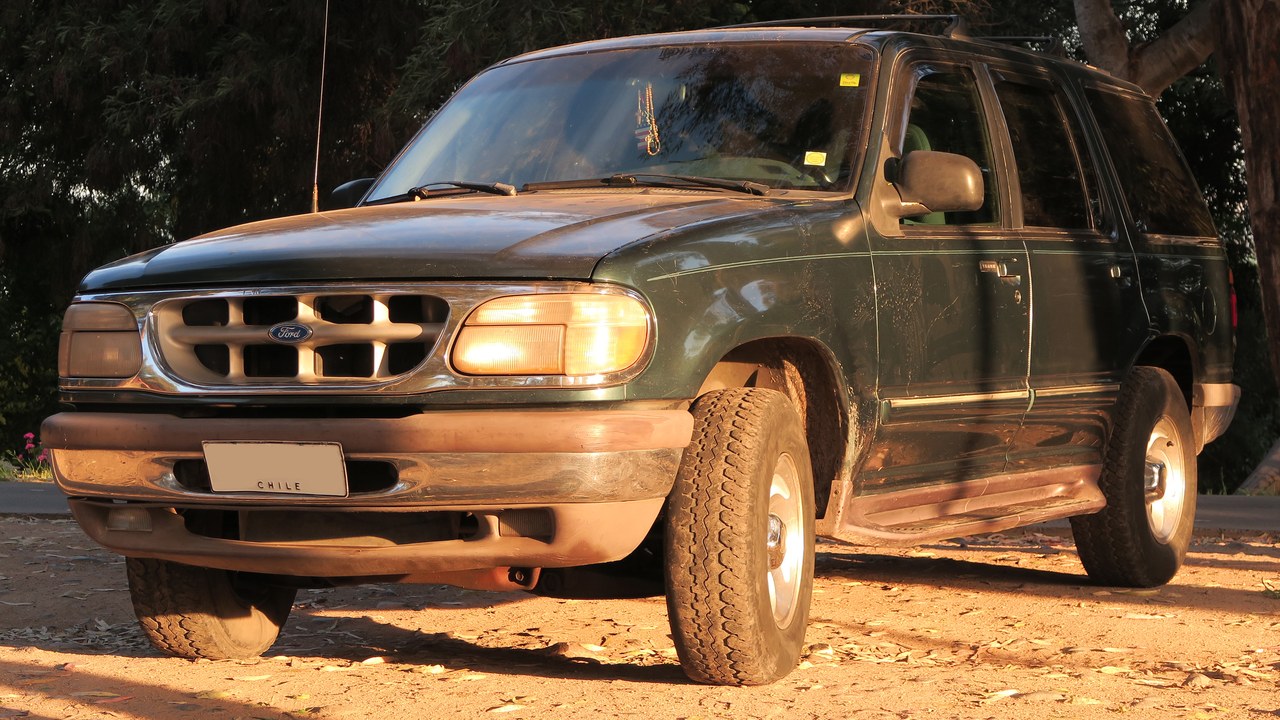
The second-generation Explorer is tied to a defining safety story. The 2000 Firestone tire recall covered approximately 14.4 million tires with a safety-related defect, fitted as original equipment on certain Explorer, Mercury Mountaineer and Ford Ranger models.
Announced on August 9, 2000, the recall involved P235/75R15 ATX, ATX II and Wilderness AT tires from the Decatur plant. It left a lasting mark on the Explorer’s reputation, even as the nameplate kept its place among America’s popular SUVs.
3. Ford Explorer Sport Trac (2001): Ford’s First Midsize Pickup
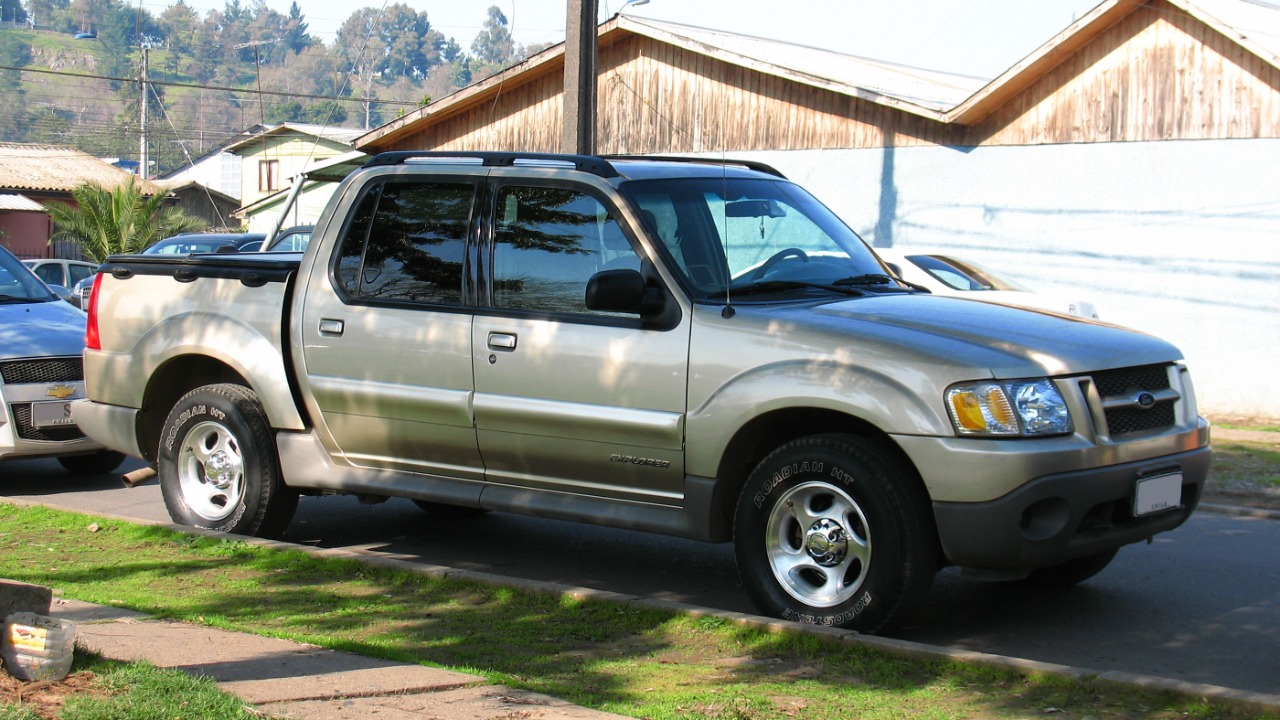
Ford built the Sport Trac on Explorer underpinnings, and the first mid-sized pickup the company ever produced was assembled in Louisville, Kentucky. It ran from 2001 to 2005 and again from 2007 to 2010.
Buyers who wanted Explorer comfort with an open bed could choose a 4.6-liter V8 making up to 292 hp. The truck showed how flexible the Explorer platform was, spawning a body style the regular SUV could never offer.
4. Mercury Mountaineer (1997): The Explorer’s Mercury Twin
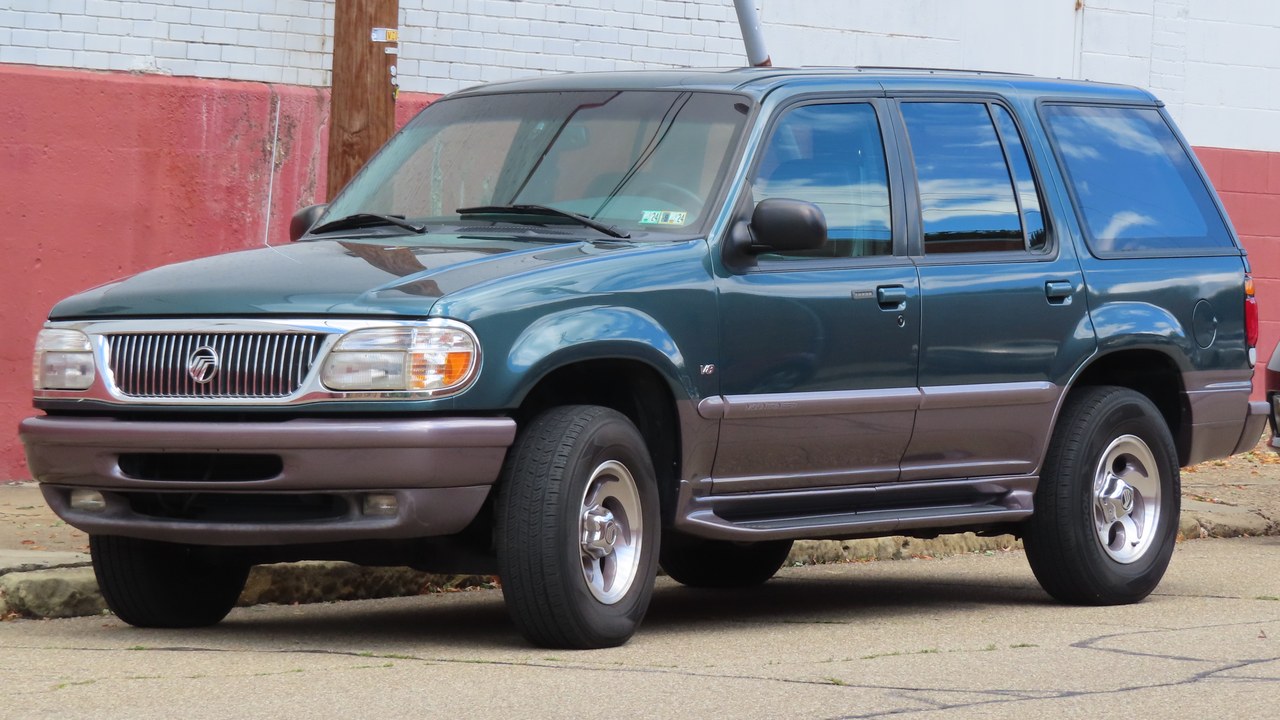
Mercury’s take on the Explorer sold about 510,276 units in total from 1996 through 2010. Sales peaked at 49,692 in 2003, the strongest single year for the badge-engineered sibling.
The Mountaineer shared its basic design with the Ford, adding Mercury styling and trim for shoppers who wanted something slightly more upscale. Its steady volume across more than a decade of sales shows how much of the Explorer’s appeal carried over to a second showroom.
5. 2002 Ford Explorer (third generation): Independent Rear Suspension Arrives
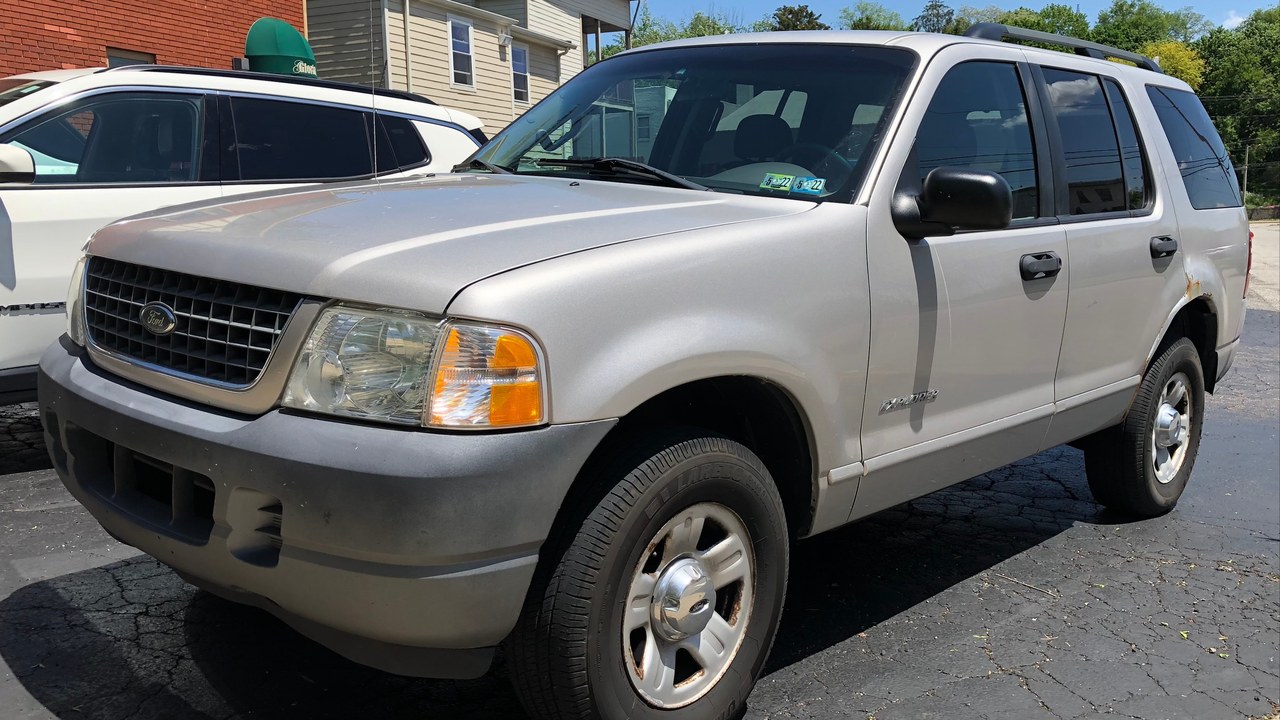
The 2002 redesign brought independent rear suspension, a first for a Ford truck or an American-market SUV apart from the Hummer H1. A 239 hp 4.6-liter V8 sat among the engine choices.
The change targeted ride and handling, two areas where body-on-frame SUVs of the era often felt dated. For the third generation, the rear suspension upgrade was the headline engineering story rather than any single power figure. The Hummer H1 was the only other American-market SUV the source names as having it, an unusual comparison for a mainstream family model.
6. Lincoln Aviator (2003): Luxury Cousin With a 302 hp V8
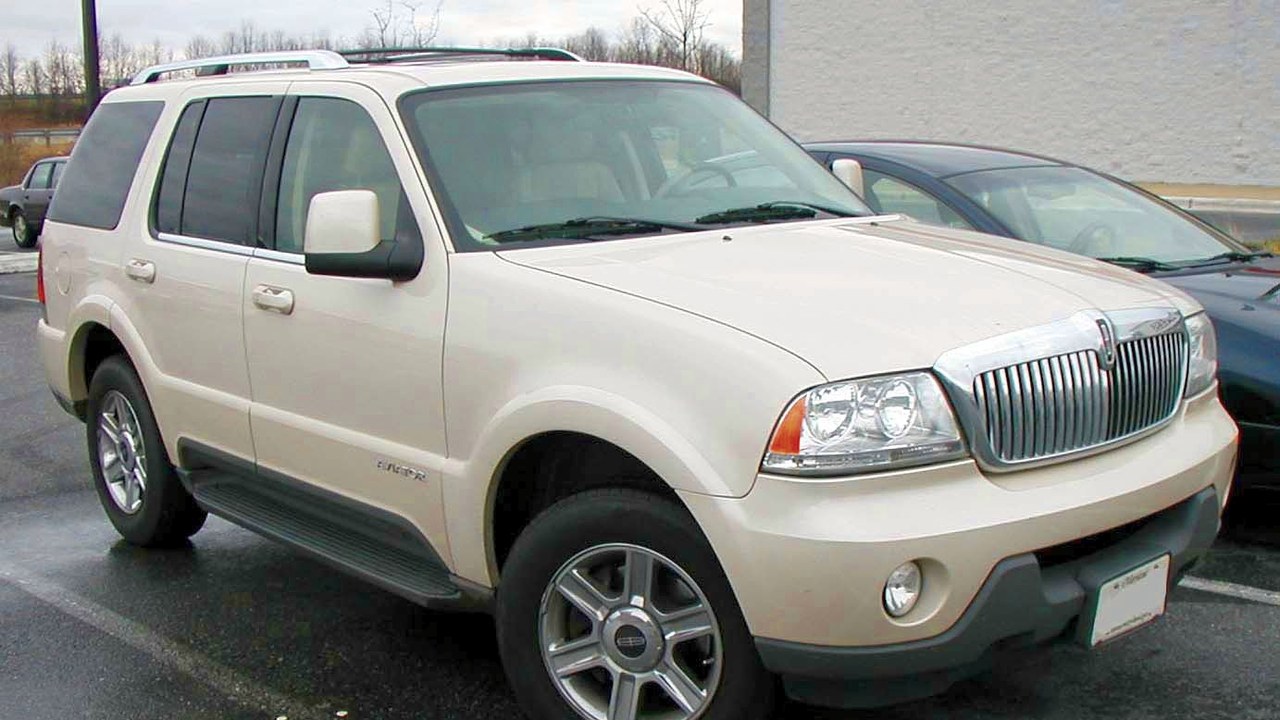
Lincoln’s Aviator was the Explorer’s luxury sibling, powered by a 4.6-liter V8 rated at 302 hp. U.S. sales were 29,517 in 2003, then 23,644 in 2004 and 15,873 in 2005.
That steady decline shows how hard it was for the upscale cousin to hold buyers after a promising first year. Even so, the Aviator proved the Explorer’s architecture could carry a premium badge and a considerably stronger engine. At 302 hp, the Aviator’s V8 outpaced the 239 hp and 292 hp versions of the same displacement used in the Ford models of the period.
7. 2006 Ford Explorer (fourth generation): Last of the Body-on-Frame
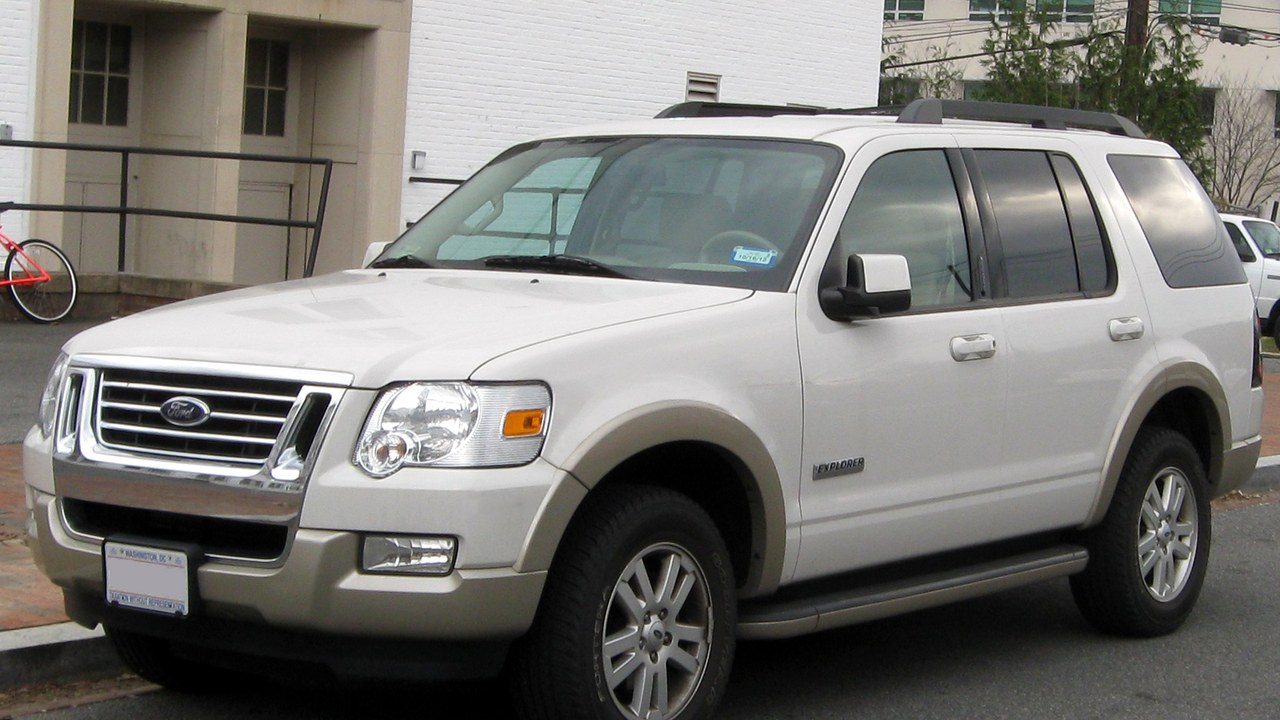
The fourth-generation Explorer was the last body-on-frame Explorer, offered with a 292 hp 4.6-liter V8. The final example was built on December 16, 2010.
That date closed an era of traditional truck-style construction for the nameplate. The next redesign would take the Explorer in a very different direction, trading the separate frame for a more car-like structure. The 292 hp V8 remained the top engine of that final truck-based design, making it a fitting send-off for the original formula.
8. 2011 Ford Explorer (fifth generation): Seven Million and Counting
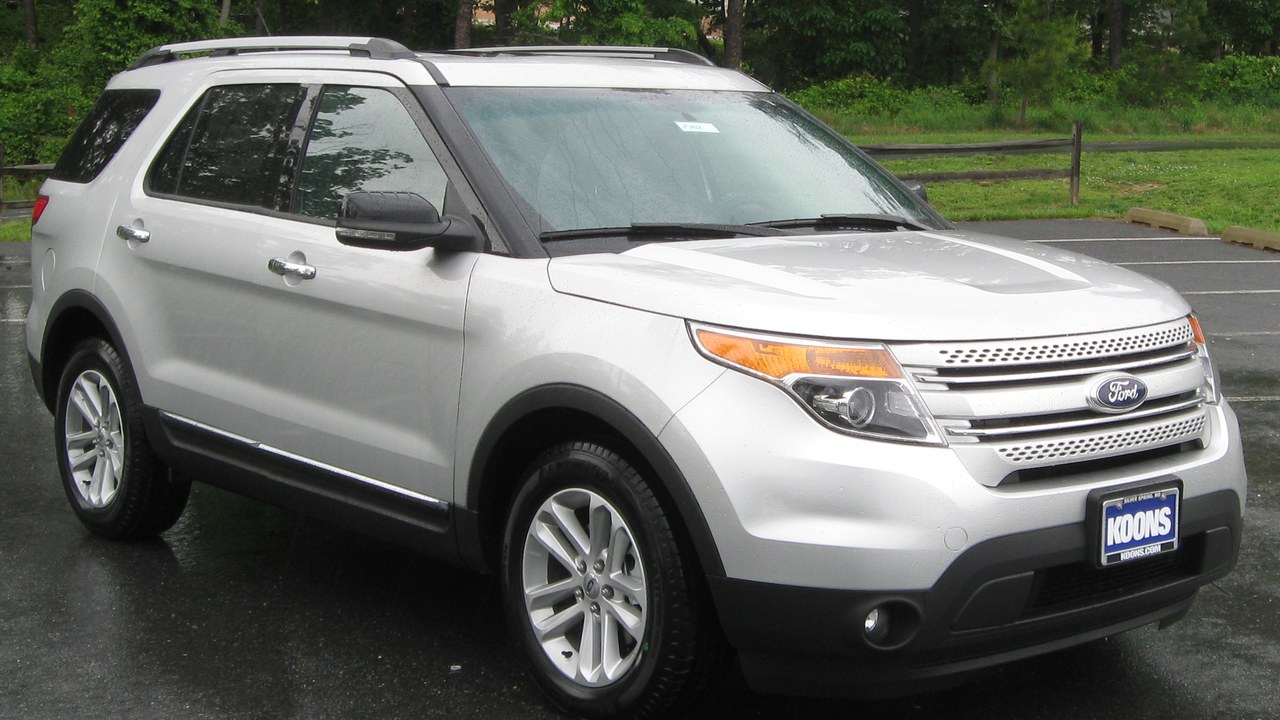
After the 2011 unibody redesign, Ford sold its 7-millionth Explorer by November 2014, counting from the 1991 model year. In 2013, fleets registered 51,314 of them.
The milestone captured how far the nameplate had come in under a quarter-century. Fleet registrations of that size also point to commercial buyers as a meaningful part of the fifth generation’s customer base. That 7 million total spans every generation since the 1991 launch, so the figure reflects the whole run rather than any single redesign.
9. Ford Police Interceptor Utility (2013): Policing the Nation’s Roads

Built on the Explorer, the Police Interceptor Utility became a fixture of law enforcement fleets. Ford said it represented 52 percent of all sales to law enforcement in 2017.
That share shows how thoroughly the Explorer’s platform moved from family driveways into patrol duty. The figure comes from a Ford press release, so it reflects the manufacturer’s own reporting of its position in the police market. The Police Interceptor Utility dates to 2013, giving the Explorer platform a second career alongside its civilian role.
10. 2020 Ford Explorer (sixth generation): Back to Rear-Drive Underpinnings
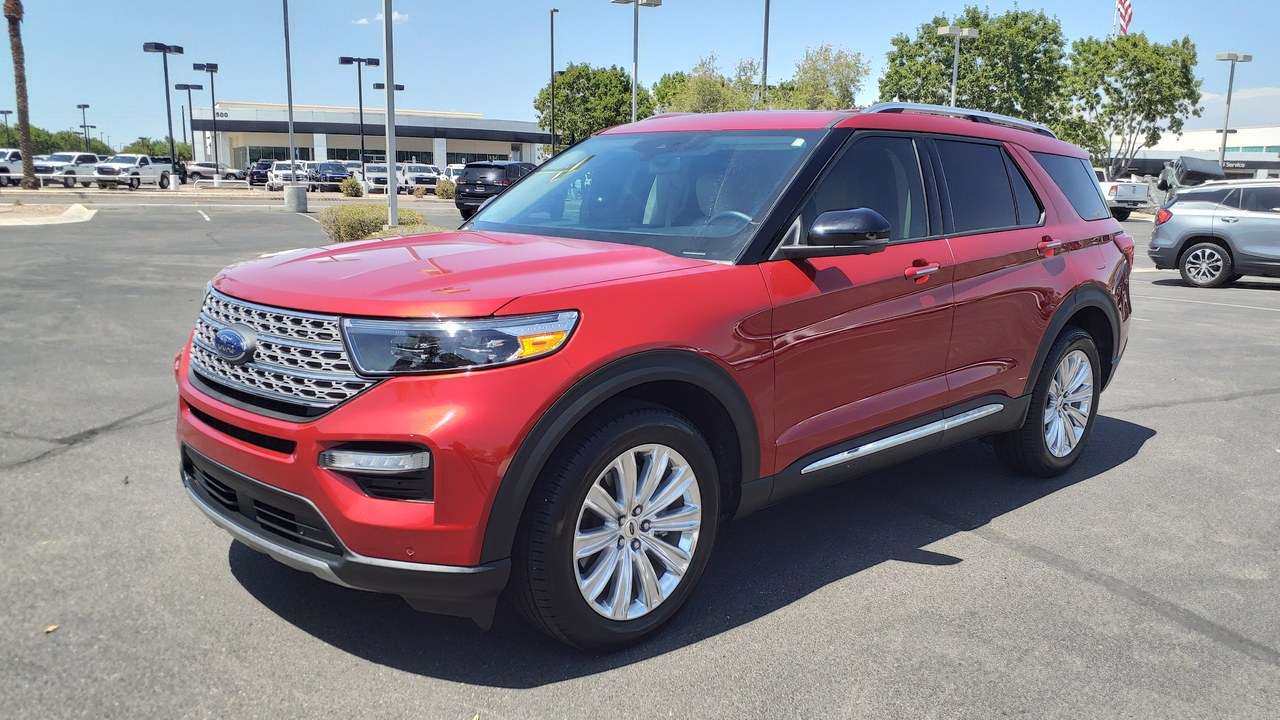
The 2020 redesign moved the Explorer back to rear-drive-based underpinnings, a notable shift for the sixth generation. A 318-hp hybrid with a 3.3-liter engine was offered, with the figure given as combined system horsepower.
Pairing an efficiency-minded powertrain with a platform change signaled that Ford wanted the Explorer to compete on both capability and economy. The hybrid gave shoppers a choice well beyond the traditional gasoline engines. The 318 system horsepower figure is a combined output, counting the electric motor and the 3.3-liter engine working together.
11. 2020 Ford Explorer ST: The 400 hp Flagship
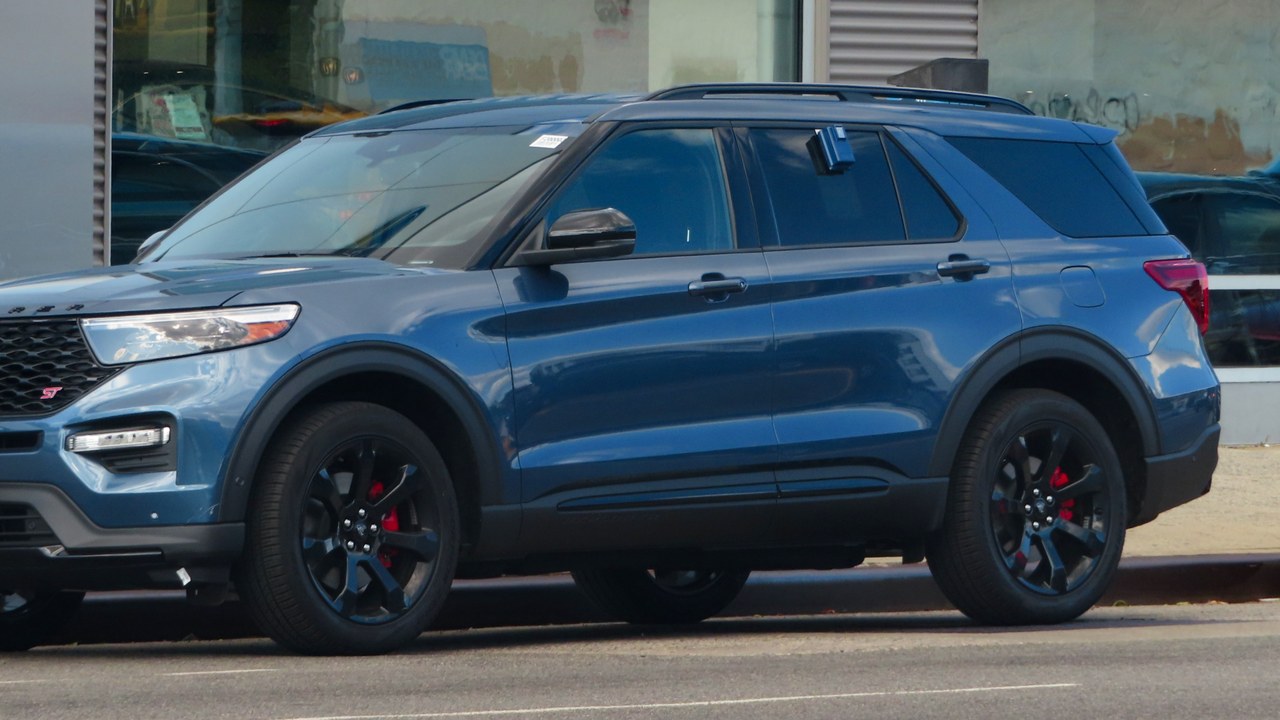
The ST sits at the top of the lineup as the most powerful Explorer. Ford projected 400 horsepower and 415 lb-ft of torque from its 3.0-liter twin-turbo EcoBoost V6.
Those numbers were projections at launch, as stated by Ford. Even so, they set the performance high-water mark for a nameplate that began with a modest V6 truck and now offers sports-sedan-level output. With 415 lb-ft of torque on offer, the ST trades the practical image of earlier generations for genuine performance credentials.
12. 2021 Ford Explorer Timberline: Off-Road Trim With 8.7 Inches
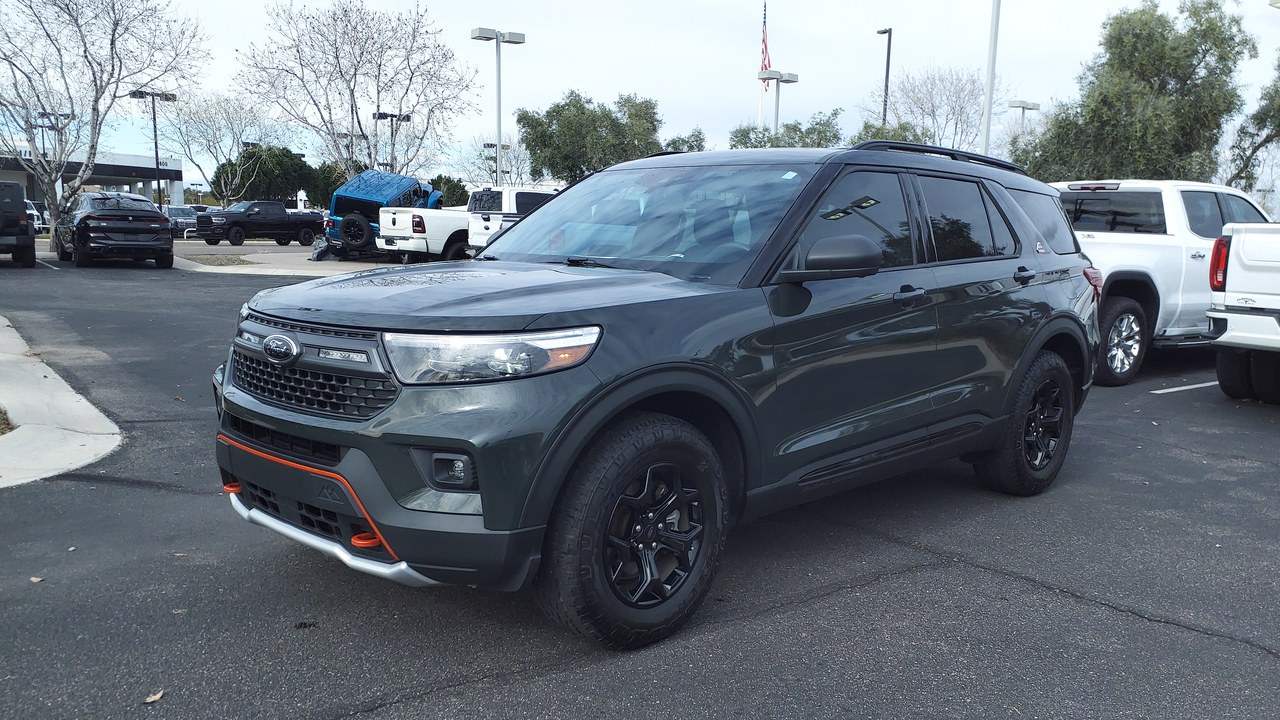
Revealed on May 5, 2021, the Timberline gave the Explorer an off-road personality. It packed a 300-hp turbo 2.3-liter four-cylinder and 8.7 inches of ground clearance.
The trim shows the nameplate stretching toward trail use after decades of mainly paved duty. Its smaller four-cylinder engine also contrasts with the V6 power of the ST, underlining the range of the modern Explorer family. Both versions of the sixth generation share the same basic body, yet their ground clearance and power figures aim at very different buyers.
Tech news in one quick read: Subscribe to TLDR →
We may earn a commission if you sign up.
More from Morning Overview
- NOAA now gives this winter a 75% chance of the strongest El Nino since 1950
- Doctors warn a silent liver disease now affects one in three American adults
- The FBI told the rest of ShinyHunters to surrender after a 24-year-old was arrested
- Two passengers died at an Ohio toll plaza, and the NTSB now wants the cash lanes shut
