
Some of the most memorable vehicles from Detroit were never meant to be common. Racing homologation rules, brand shutdowns, and company collapses all kept production low or ended it after only a few years. These twelve cars and trucks range from individually numbered runs to short-lived experiments that vanished within a few model years.
The day in tech, in one email: TLDR is the daily newsletter with links and TLDRs of the most interesting stories in startups, tech and programming.
We may earn a commission if you sign up.
1. Plymouth Superbird: Wings For The Track
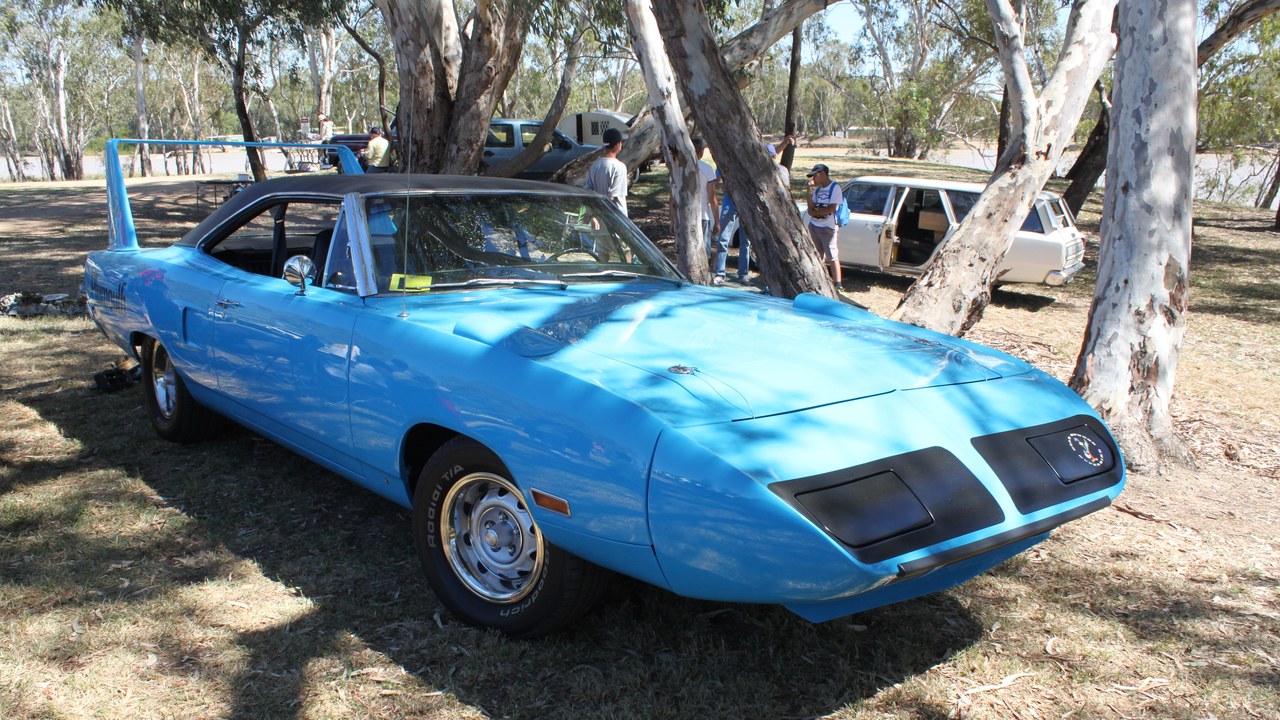
Plymouth had to build 1,920 Superbirds to put the winged car on the track, a requirement that turned a racing homologation rule into a showroom oddity. According to 1,920 Superbirds, Richard Petty won a season-leading 18 of 40 races in 1970 with the model.
That production floor was the entire reason the Superbird reached dealers. The result was a limited run built to satisfy the rules of stock-car racing, and a car whose competition record now defines its reputation among collectors of Detroit performance history.
2. Buick GNX: Numbered One By One
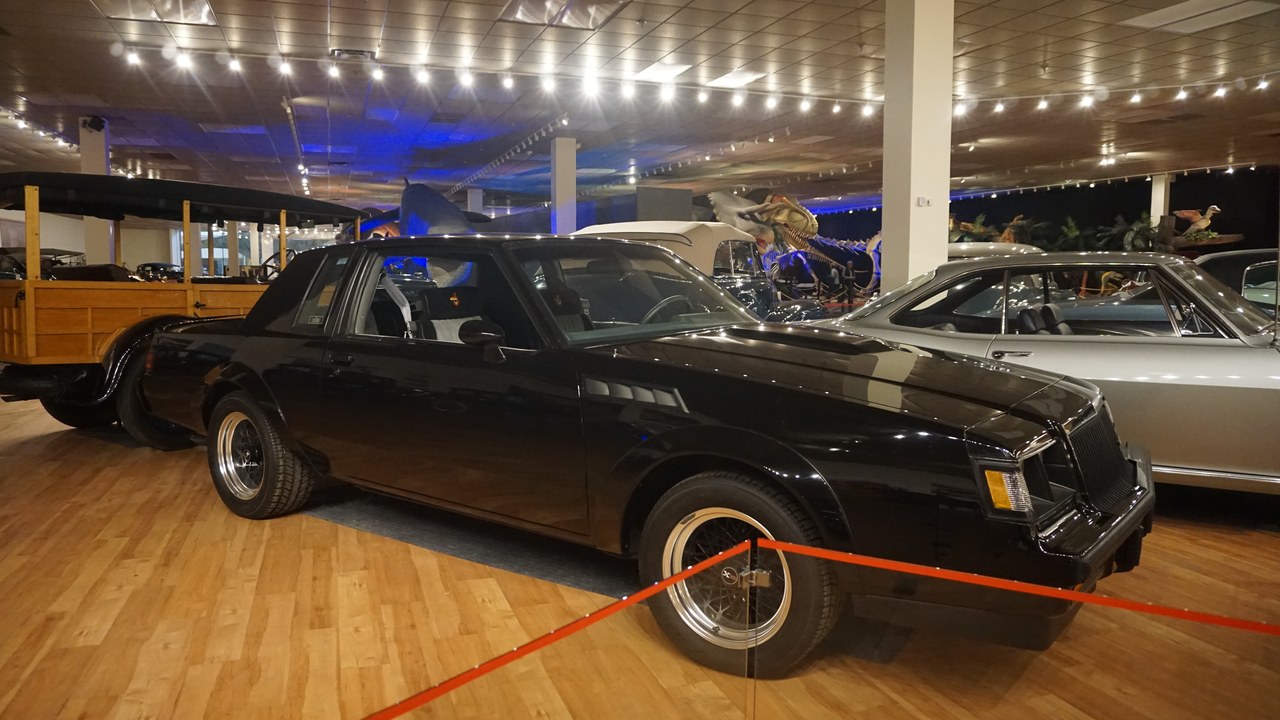
Buick released just 547 GNXs, each numbered from #001 to #547, as laid out on Buick’s GNX page. Every car in the run therefore had its own place in a fixed sequence, and the count stops at that last number.
The tight, individually numbered run is a large part of why the GNX stands apart from ordinary Buicks of its day. A buyer considering one is looking at a specific numbered unit, and that number is part of how the car is identified and valued.
3. GMC Syclone: The Quick Pickup
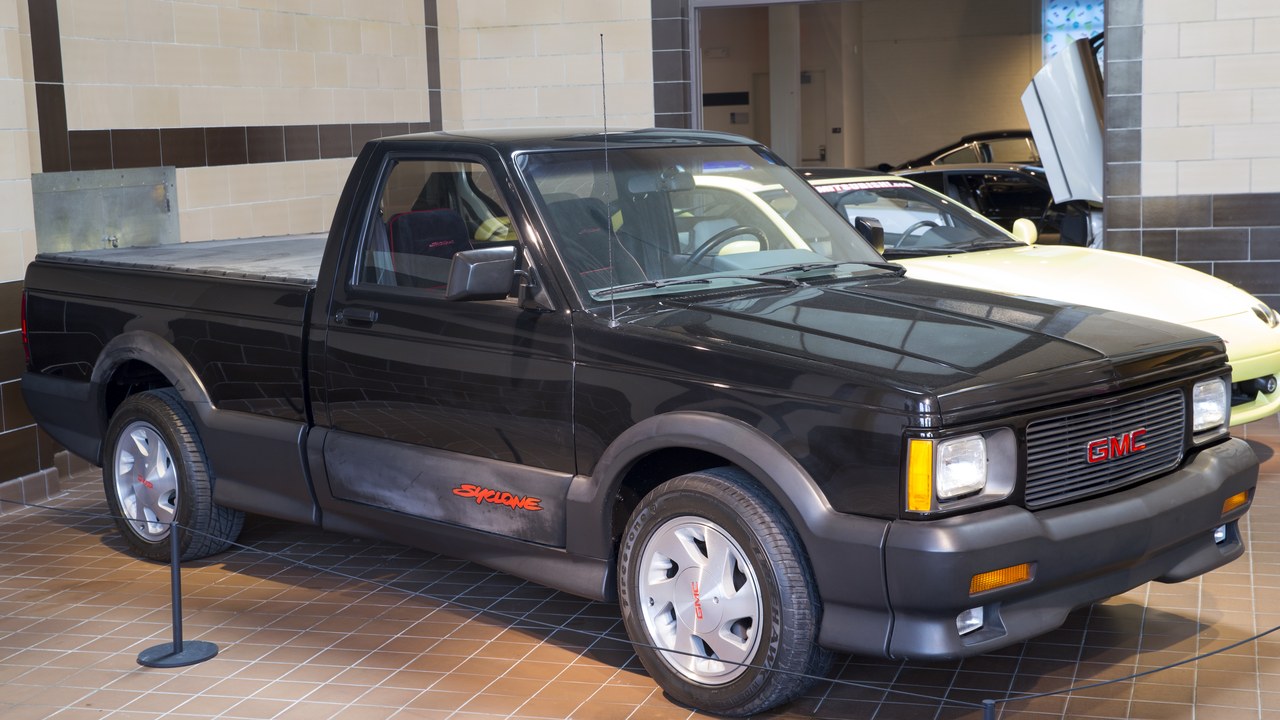
GMC built 2,998 Syclones, a 280-hp pickup that reached 60 mph in 5.3 seconds and was the first production truck with four-wheel ABS. Those figures put a small GMC truck in territory normally associated with sports cars.
A total below three thousand explains why the Syclone is remembered as a rarity rather than a mainstream product. The combination of quick acceleration and a safety first for production trucks gave a short-run vehicle an outsized place in truck history.
4. GMC Typhoon: The SUV Sibling
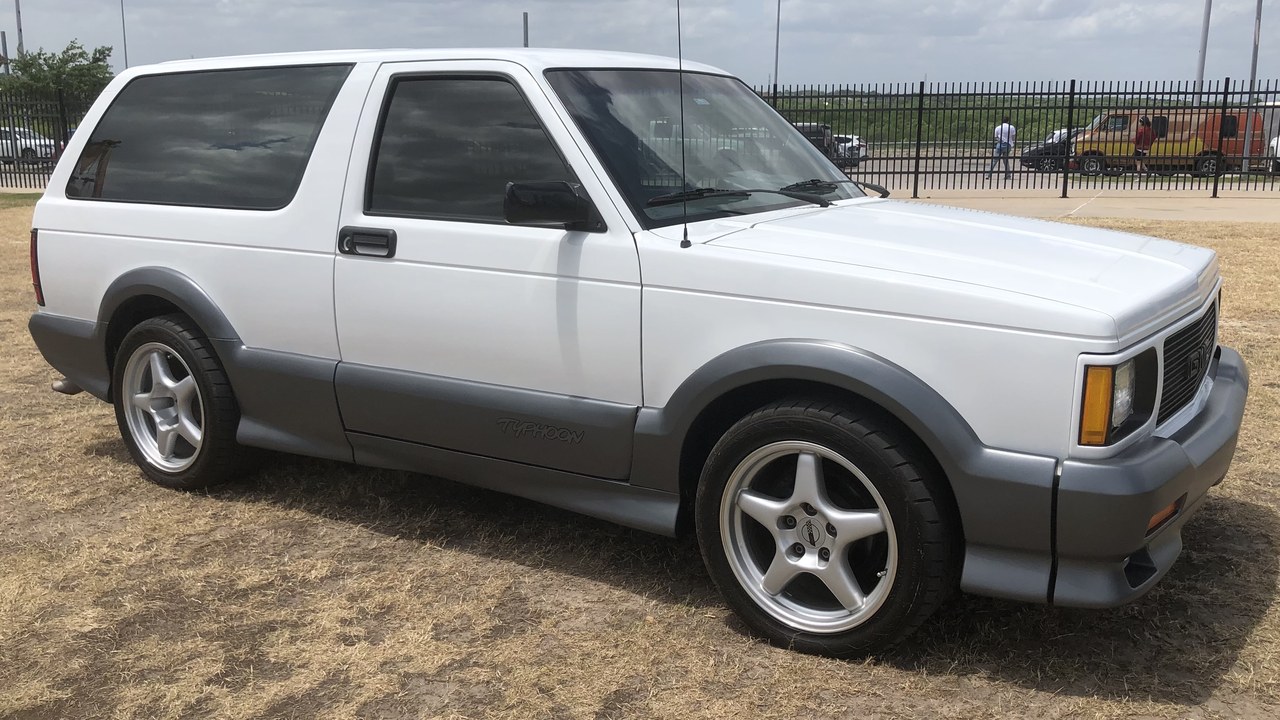
The Typhoon was the Syclone’s SUV sibling, built only in 1992-1993 on the GMC Jimmy platform. It carried the same performance theme into a wagon body instead of a pickup bed, which made it a companion to the truck rather than a replacement for it.
A production window of just two years keeps the Typhoon scarce, and its identity is closely tied to the pickup that shared its name family. Together the pair marked a brief GMC effort to sell performance in both truck and utility form.
5. Ford Torino Talladega: Built For The Superspeedways
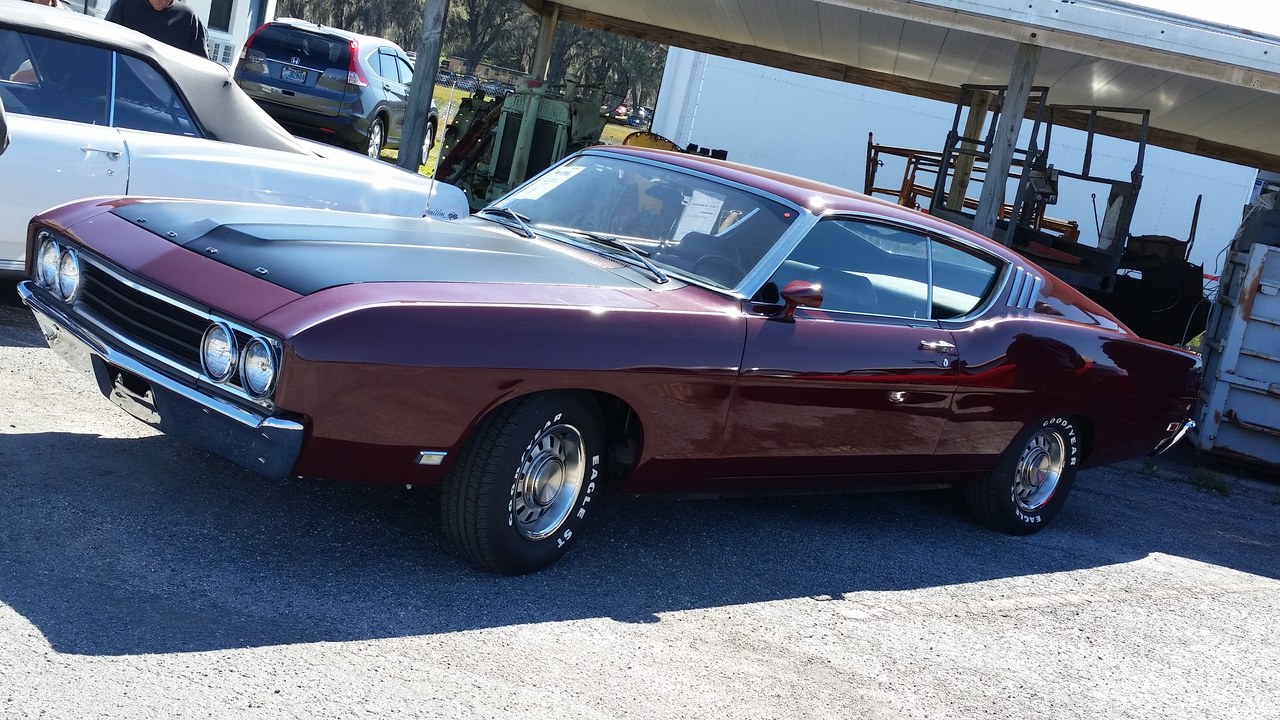
Ford built an estimated 754 Talladegas in January-February 1969, and the model won 29 Grand National races in 1969-70, as Wikipedia’s Talladega entry records. The window for building them lasted only about two months.
Such a short build period makes the Talladega one of the most compact production runs on this list. It existed to give Ford a competitive stock-car entry, and its racing results are the main reason it is still discussed today.
6. Chevrolet SSR: The Retro Roadster Truck
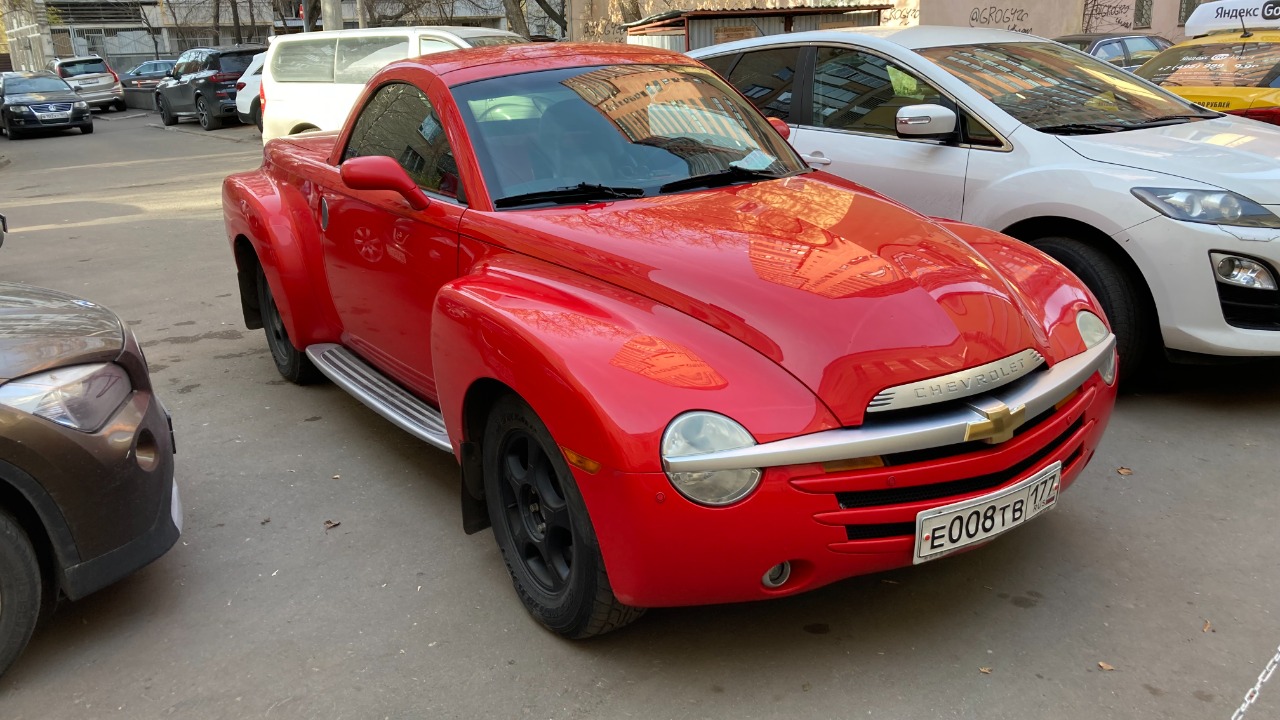
Chevrolet built the retractable-hardtop SSR pickup only from 2003 to 2006, with the final one built March 17, 2006. The pickup paired a folding hardtop with a truck bed, an unusual combination for a vehicle sold by a mainstream brand.
A production life of roughly four model years makes the SSR a brief chapter in Chevrolet truck history. Its mix of retractable roof and pickup bed was distinctive, and the date of the last build is precisely recorded, which gives the model a clear end point.
7. Pontiac G8: Pontiac’s Final Model
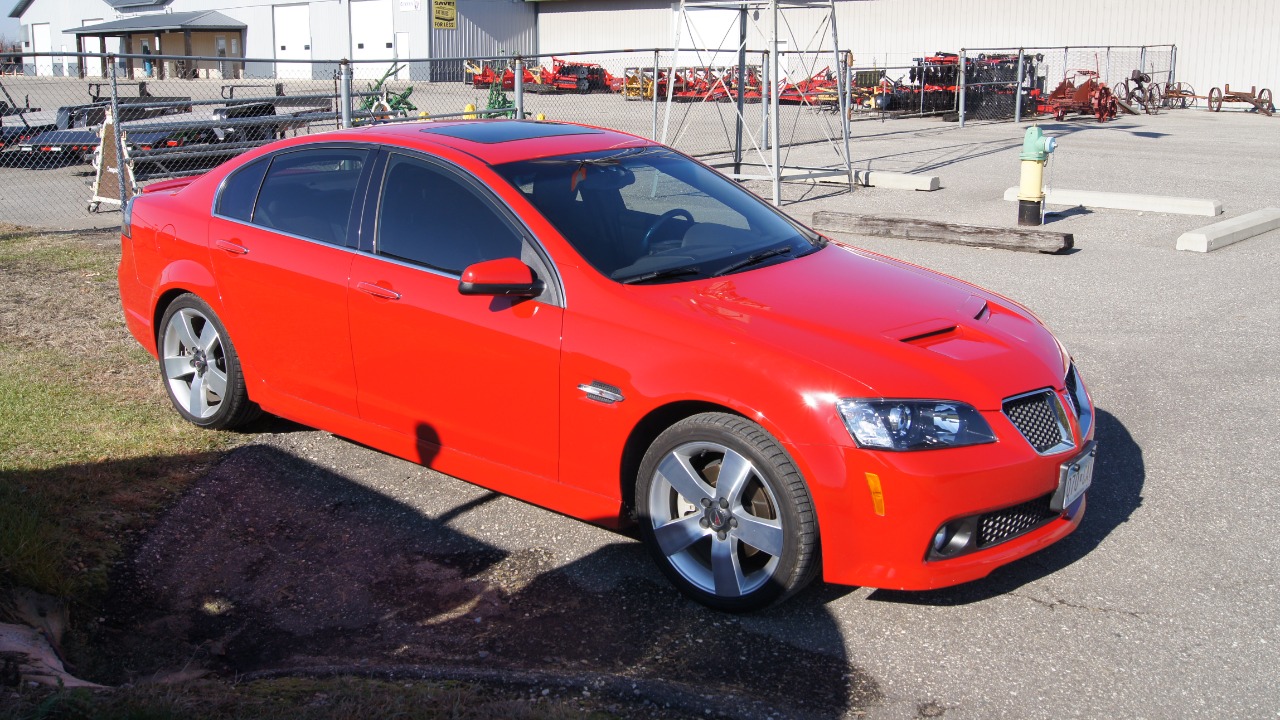
Pontiac’s last model, the G8, totaled 12,036 in 2008 and 26,368 in 2009, including just 1,829 V8 GXPs, according to Hagerty’s history of the car. The sedan was sold during the final stretch of the Pontiac brand.
The V8 GXP made up only a small slice of the total, which leaves it as the scarcer version for anyone shopping the car today. As Pontiac’s closing model, the G8 carries extra significance despite an unusually brief time on sale.
8. Dodge Rampage: A Car With A Bed
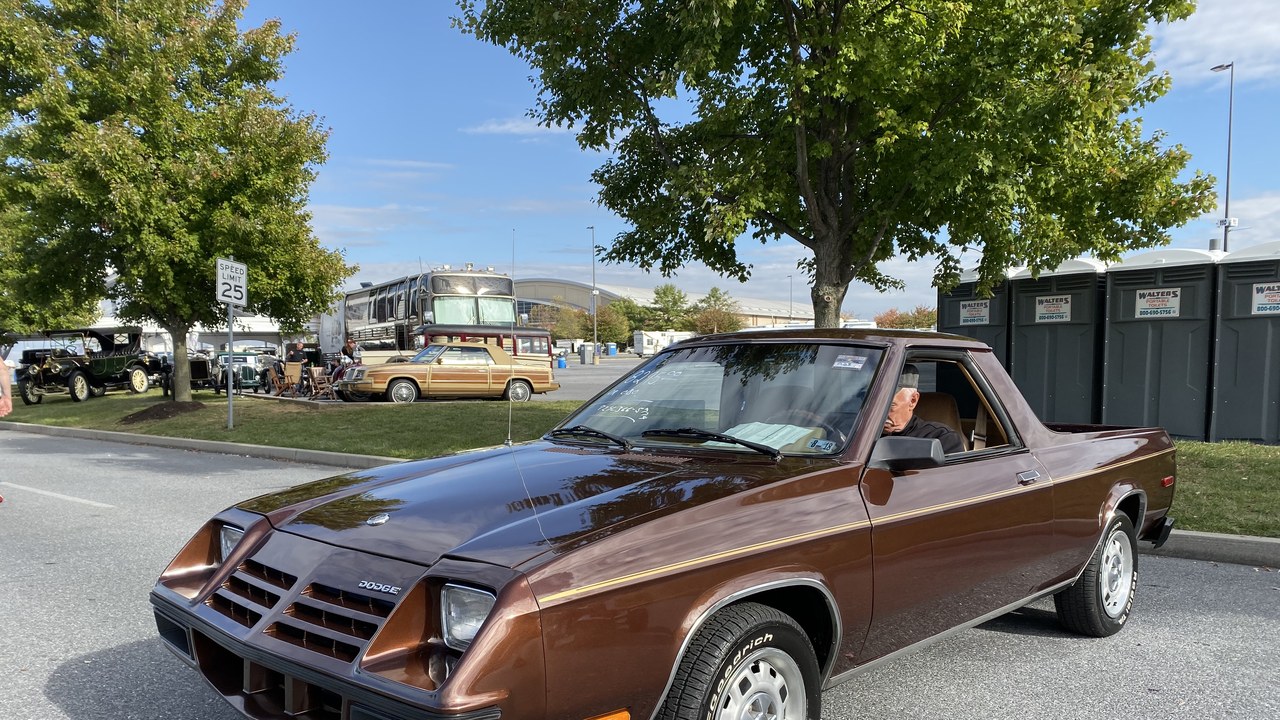
Dodge sold the Rampage car-pickup only for the 1982-1984 model years, at 17,636, 8,033 and 11,732 a year. The vehicle blended a car-based design with a small pickup bed, a layout that set it apart from conventional trucks of the early 1980s.
Three model years and annual totals that dropped after the first year made the Rampage a short-lived experiment. Its short run and mixed car-and-truck concept keep it among the more unusual vehicles Dodge ever offered, and the yearly figures show how quickly demand shifted.
9. Dodge Ram SRT-10: Viper Power In A Pickup

Dodge built 9,527 Ram SRT-10 pickups with a 500-hp Viper V10 that set a 154.587-mph Guinness record for fastest production pickup, based on a Capital One buying guide. The truck put supercar-level engine output into a full-size body.
Wikipedia lists a slightly higher total of 10,046 over the three-year run, so the exact count depends on the source used. Either figure is small for a full-size Dodge truck, which helps explain the SRT-10’s standing among performance pickups.
10. Tucker 48: The Short-Lived Dream Sedan
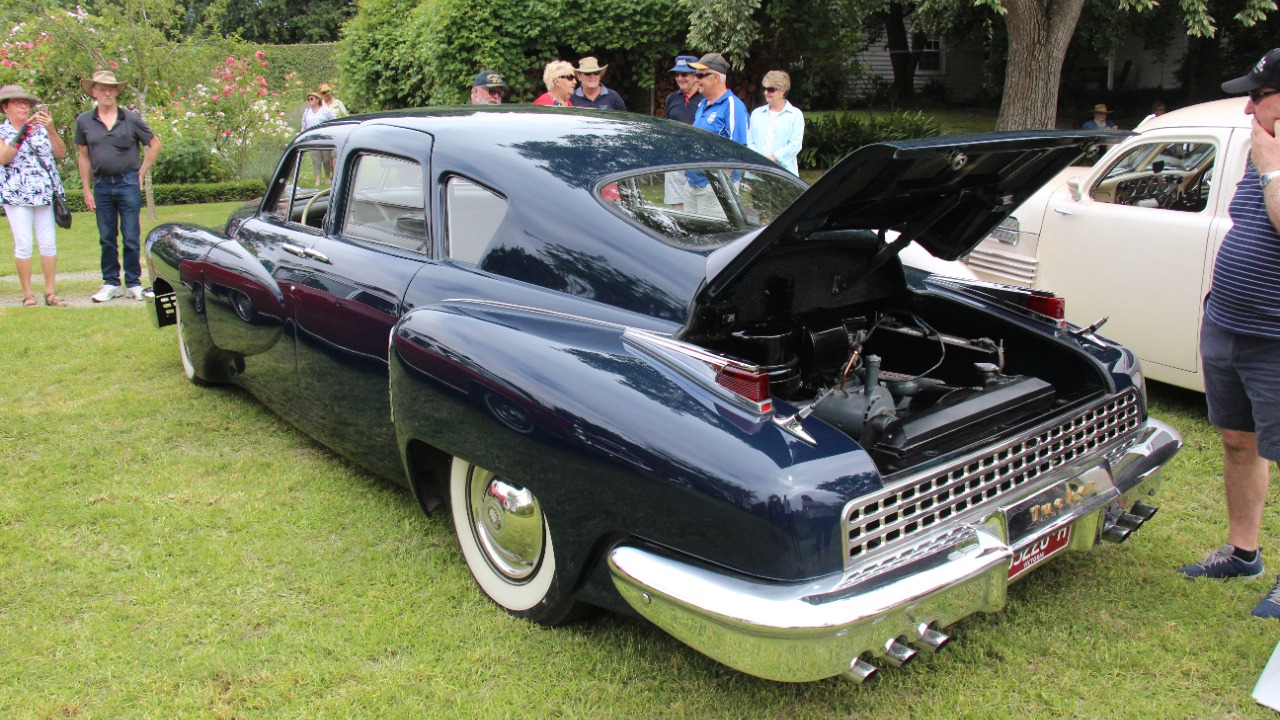
Only 51 Tuckers were ever built before federal investigations and lawsuits sank the company by 1950. The 48 sits at the center of what the Drivers Foundation registry describes as the rise and fall of the Tucker Corporation between 1947 and 1950.
That tiny total keeps the Tucker among the best-known short-run American cars, remembered as much for its collapse as for the sedan itself. Surviving examples are treated as significant artifacts of a company that lasted only a few years.
11. Pontiac Solstice: The Roadster With A Short Run
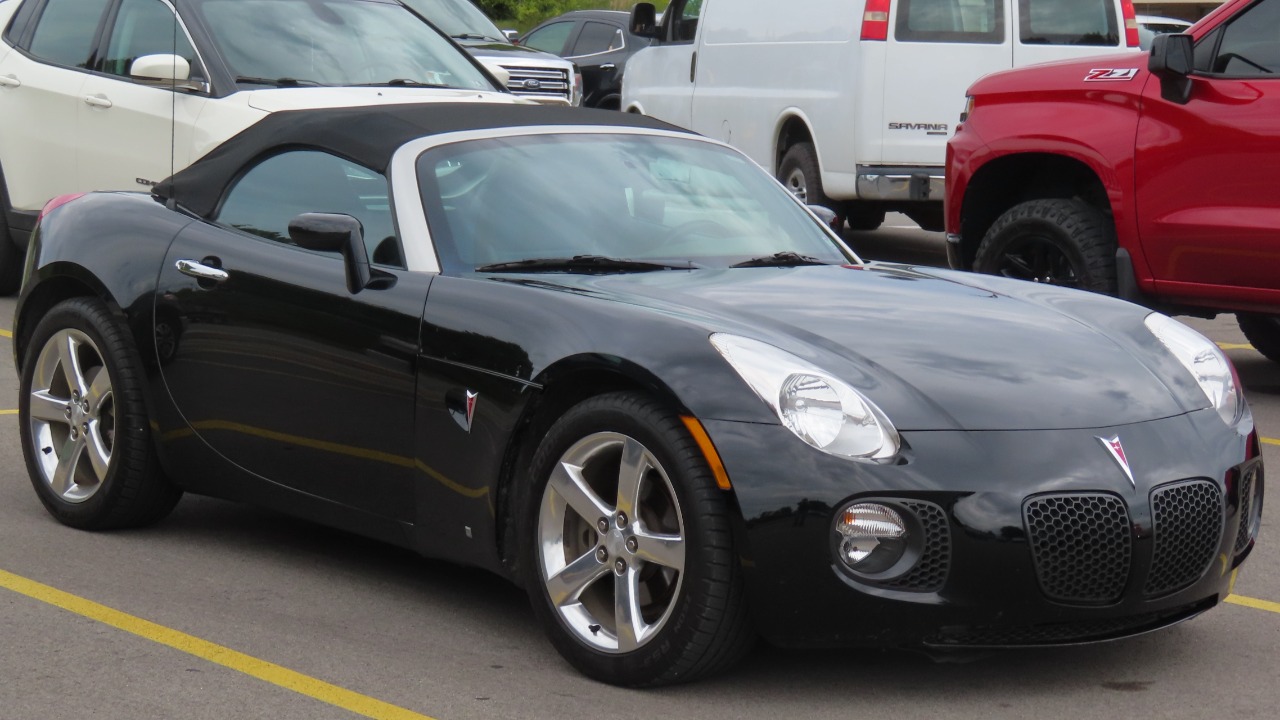
Pontiac’s Solstice roadster totaled nearly 66,000 cars, about 1,200 of them coupes, and the plant closed in July 2009 after 20 cars with 2010 VINs, per Hagerty’s Solstice overview. The two-seater ran for only a handful of model years.
The coupe is the scarce body style, a small fraction of everything the plant built. The handful of 2010-VIN cars at the very end are a footnote that shows how abruptly production wound down.
12. AMC AMX: The Record-Setting Two-Seater
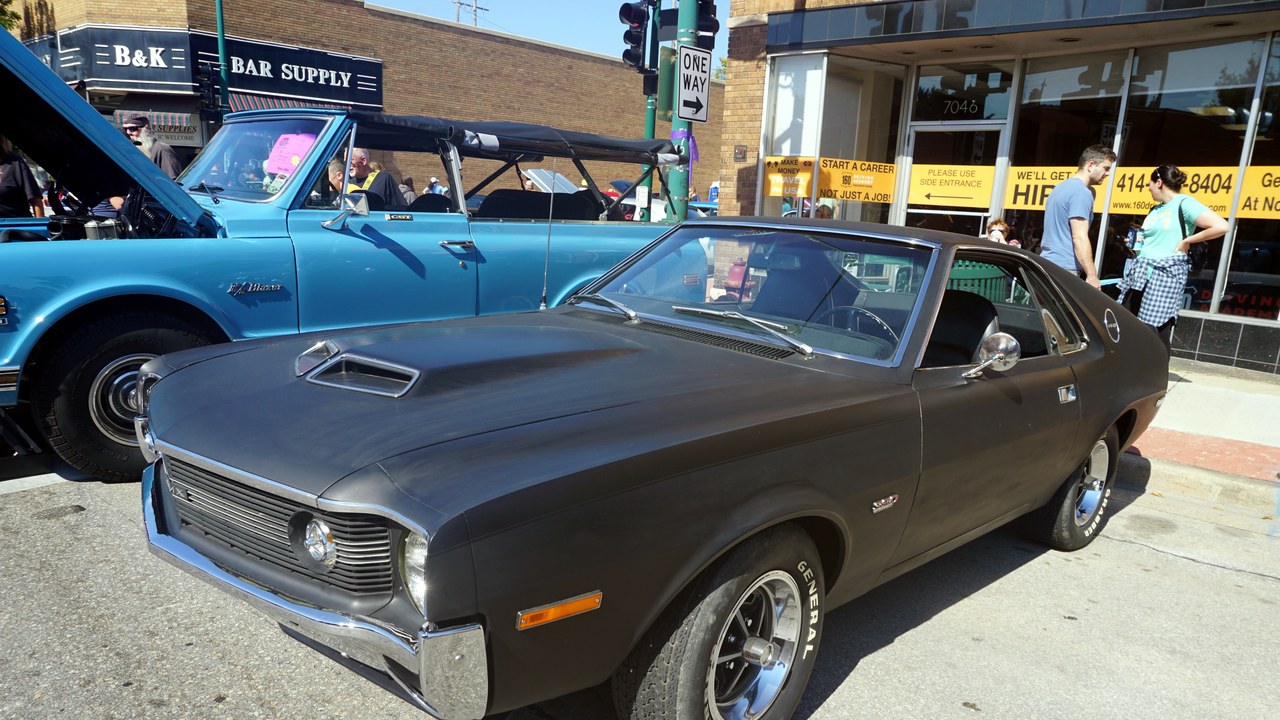
AMC built 19,134 two-seat AMXs in total from 1968 to 1970, and the car set 106 world speed and endurance records, according to Wikipedia’s AMX article. Few American performance cars of the period were offered as true two-seaters.
A three-year span makes the AMX a short chapter in American Motors history, with every example built between 1968 and 1970. The record tally gave a modest-volume car a competition reputation well beyond what its production numbers would suggest.
The day in tech, in one email: Get TLDR →
We may earn a commission if you sign up.
More from Morning Overview
- Two passengers died at an Ohio toll plaza, and the NTSB now wants the cash lanes shut
- Long use of a common prostate pill is tied to a higher chance of glaucoma
- Ford is recalling 223,472 F-150 pickups because the fuel tank can leak or detach
- Hybrids have 15% fewer problems than gas cars, while EVs and plug-in hybrids have about 80% more, Consumer Reports finds
