
Hidden headlights gave cars a clean, low nose and a touch of mechanical theater, and they appeared in very different forms over several decades. Some lamps were cranked, some popped up on motors, and some simply sat behind grilles or trim until needed. Here are twelve cars that used the idea, from the earliest to the last.
The tech news worth your time: 400,000+ professionals from Google, Apple and OpenAI read Techpresso, a daily email with the most interesting tech news and insights.
We may earn a commission if you sign up.
1. Cord 810: Hand-Cranked Pioneer
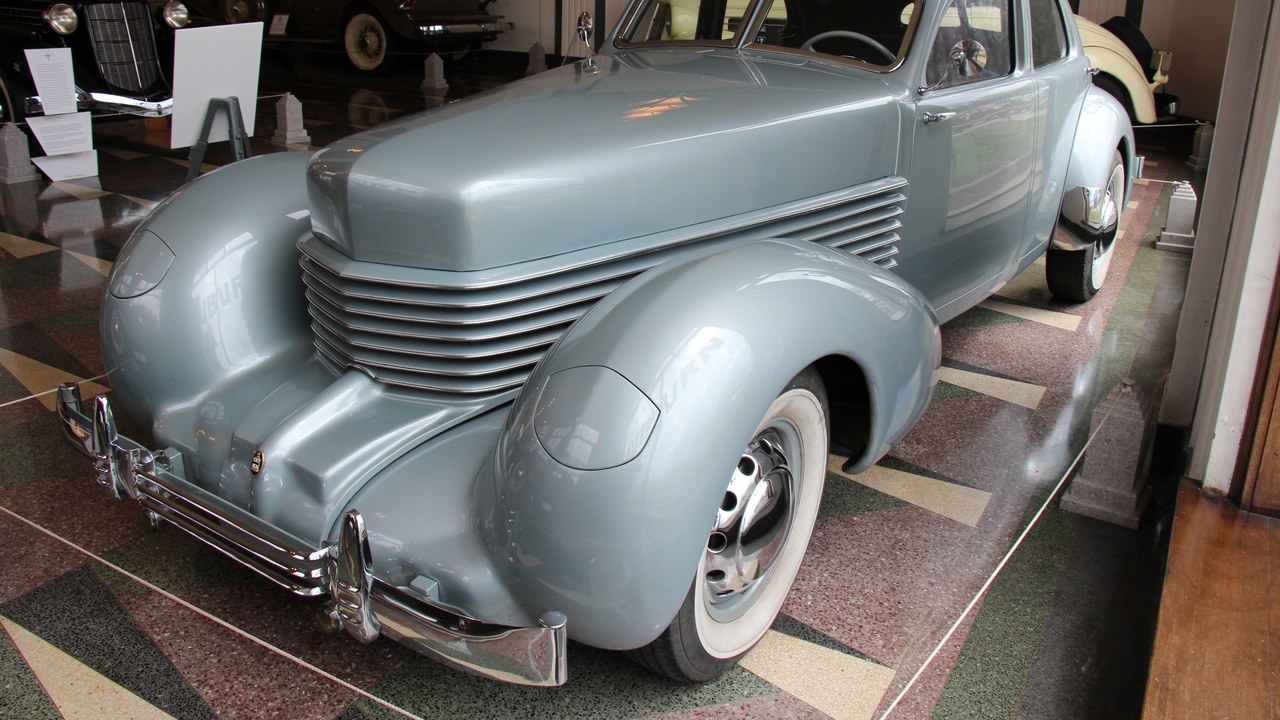
Gordon Buehrig fitted Stinson retractable airplane landing lights to the 1936 Cord 810, which Hagerty identifies as the first production car with hidden headlights. Unlike every later pop-up, these lights had to be cranked up and down by hand.
That manual operation makes the Cord the most mechanical entry on the list. Borrowing a part from aviation gave the sedan a smooth nose, and it set the starting point for a design idea that would run for nearly seven decades before fading out.
2. Chevrolet Corvette C4: Pop-Ups Through 1996
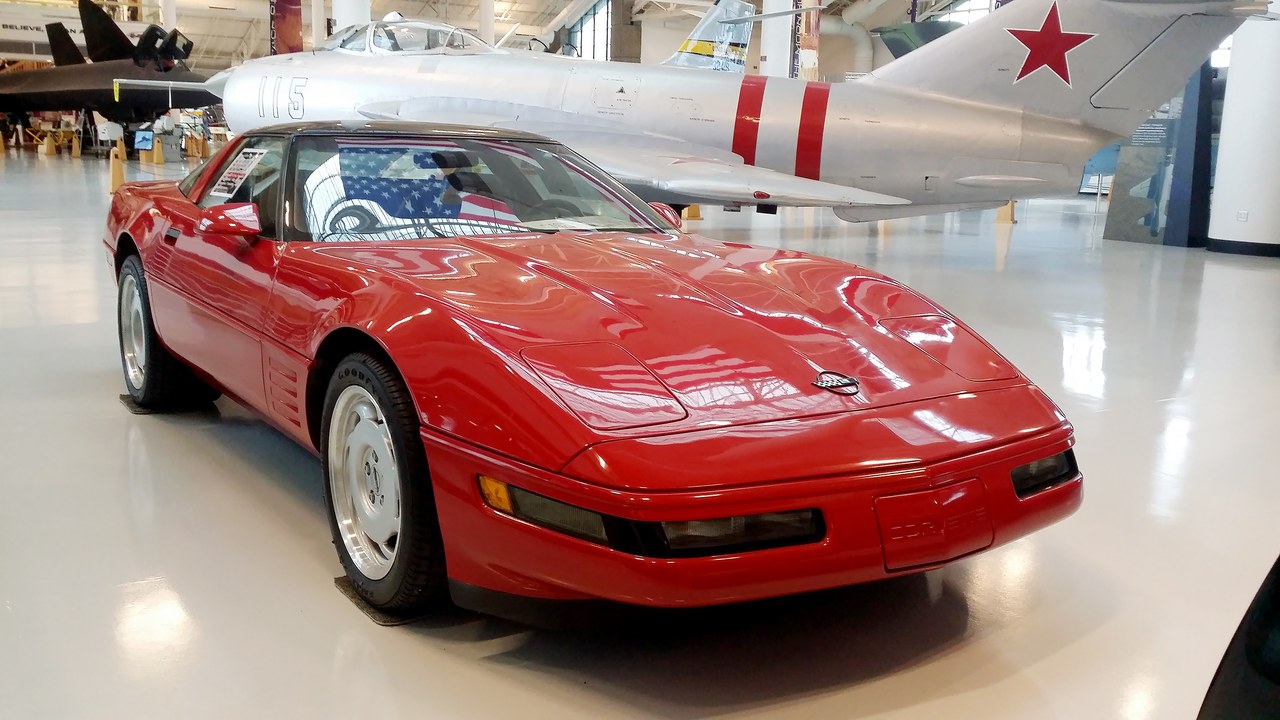
Chevrolet built 358,180 fourth-generation Corvettes starting January 3, 1983, and the C4 Corvette run carried hidden headlamps all the way through 1996. That run included 6,939 Lotus-engineered ZR-1 models, the performance flagship of the generation.
The long production span means hidden lamps stayed on America’s best-known sports car for well over a decade. A C4 from any year of that stretch shows the same low nose, which is why the car works as the benchmark for 1980s and early 1990s pop-up design.
3. Pontiac Fiero: Mid-Engine Budget Coupe
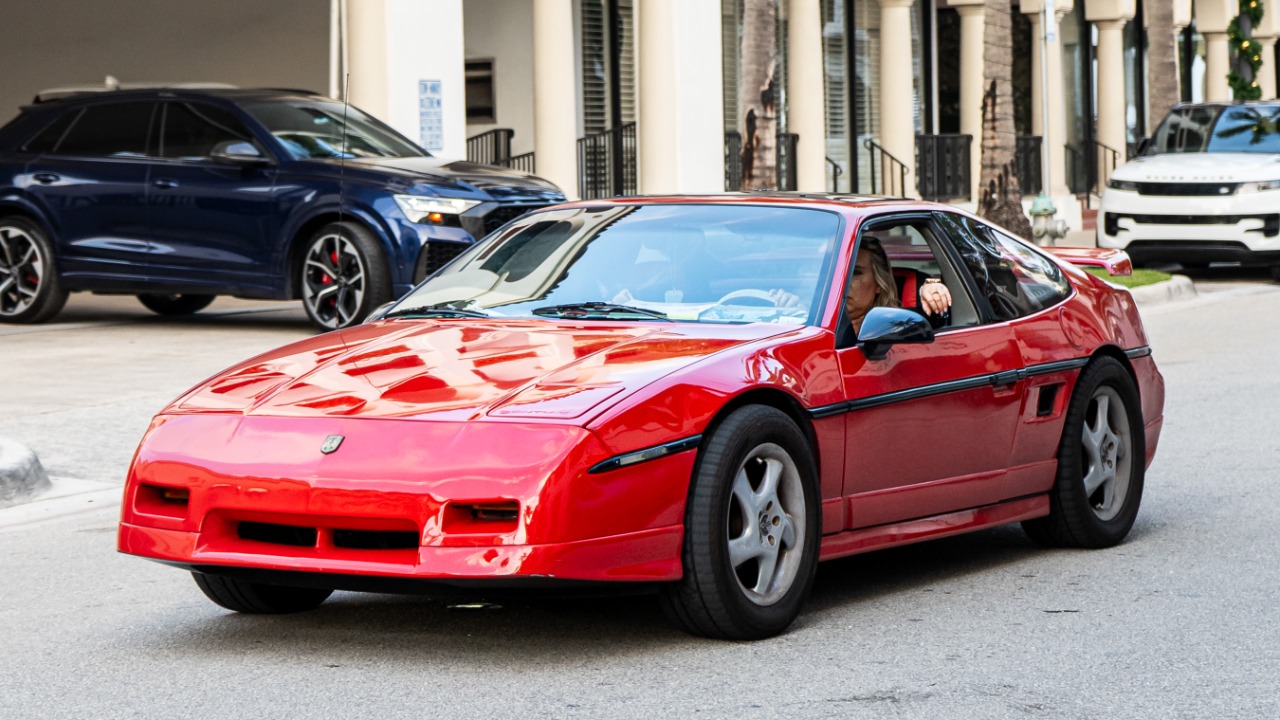
GM’s two-seat Fiero was the first mass-produced rear mid-engine American car, and Pontiac built 370,168 of them before the last one was assembled on August 16, 1988. Its pop-up headlights fit the car’s wedge-shaped, low-nosed look.
The Fiero sold in far larger numbers than most cars on this list, so pop-up lamps reached a wide audience through a single Pontiac. Its short life ended just as the 1980s pop-up boom was peaking.
4. Porsche 944: Porsche’s Family Trick
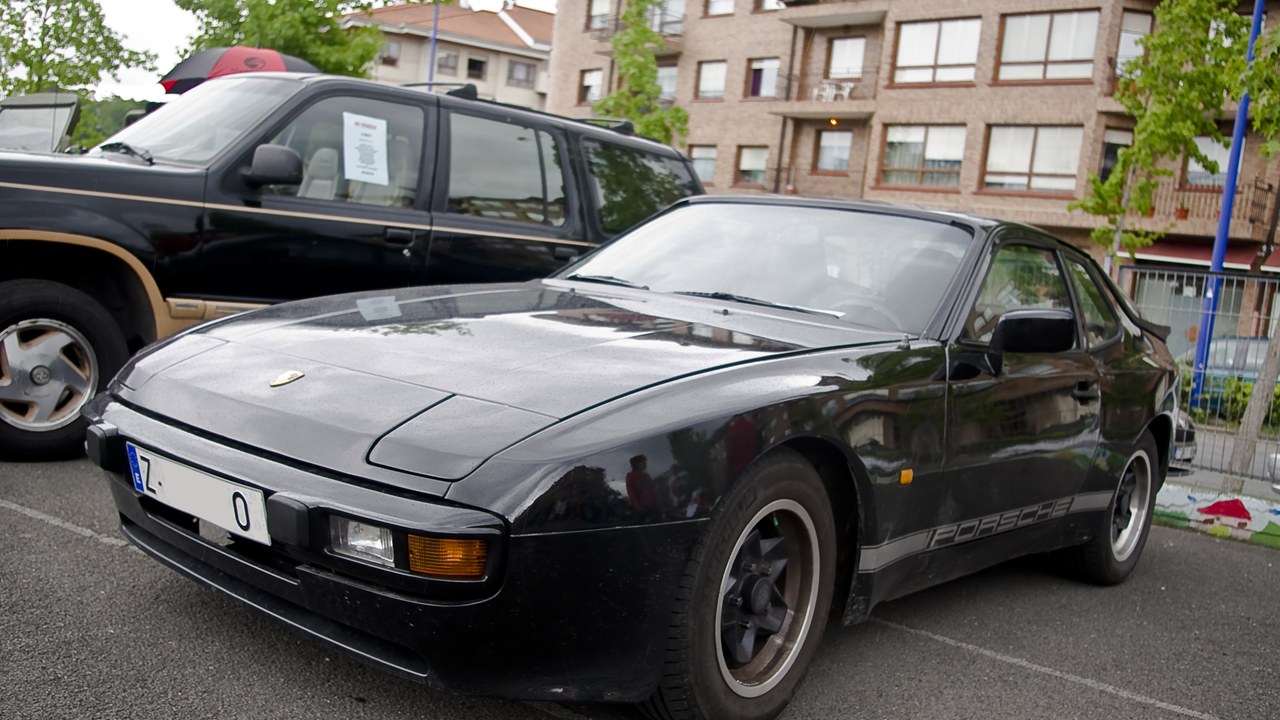
Porsche’s 944 family totalled 163,192 cars in the 944 family from 1982 to 1991, and many of those cars used the pop-up lamps Porsche had pioneered on the 914. The coupe carried the idea into a decade when it was everywhere.
Porsche’s earlier use of hidden lights on the 914 gave the 944 a ready-made look, and the sizable production run means the car is among the most numerous Porsche pop-up designs. HotCars also lists the 944 among affordable pop-up cars worth buying.
5. Pontiac Firebird Trans Am (1982): The Eighties Wedge
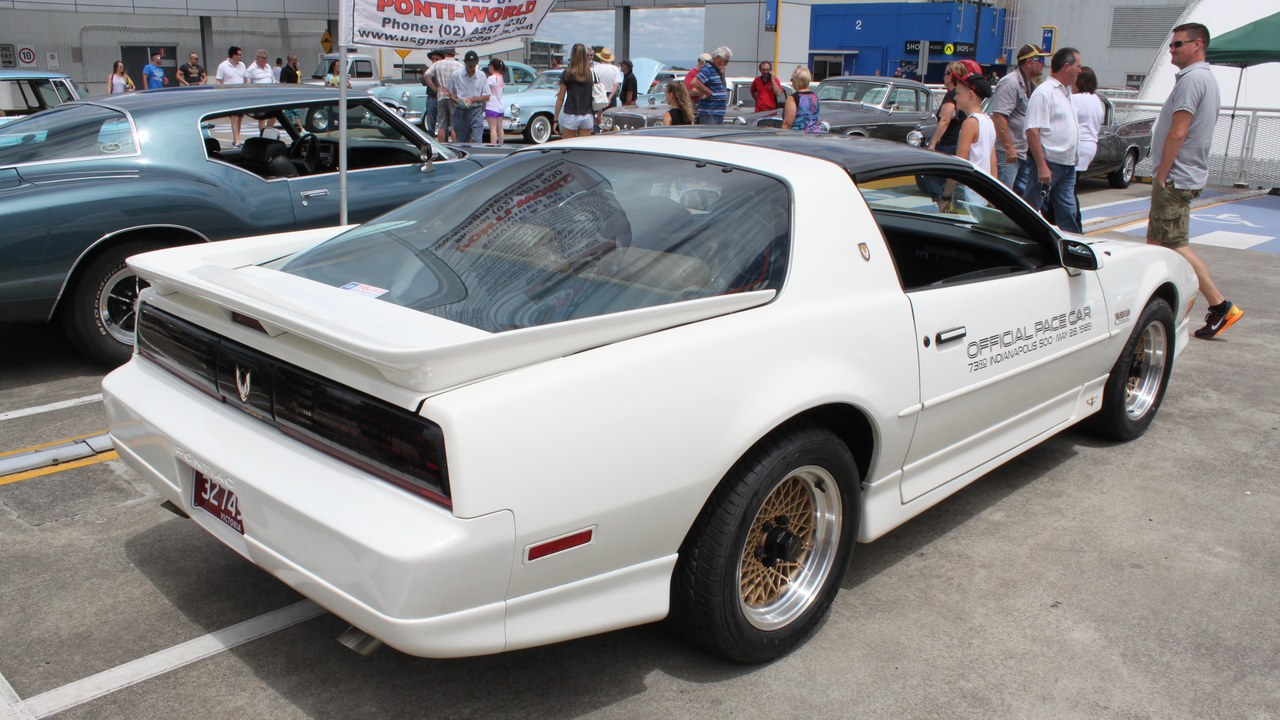
The third-generation Trans Am of 1982 carried pop-up headlights, and Hagerty notes that more cars with pop-ups were produced in the 1980s than in any other decade. The Firebird sits right in the middle of that boom.
That context explains why so many cars from this period share the look: pop-ups were the fashionable way to get a low nose. This Trans Am also overlaps with the Fiero, another Pontiac from the same pop-up decade, so the brand accounts for two of the twelve entries.
6. Mazda MX-5 Miata (first generation): Roadster With Eyelids
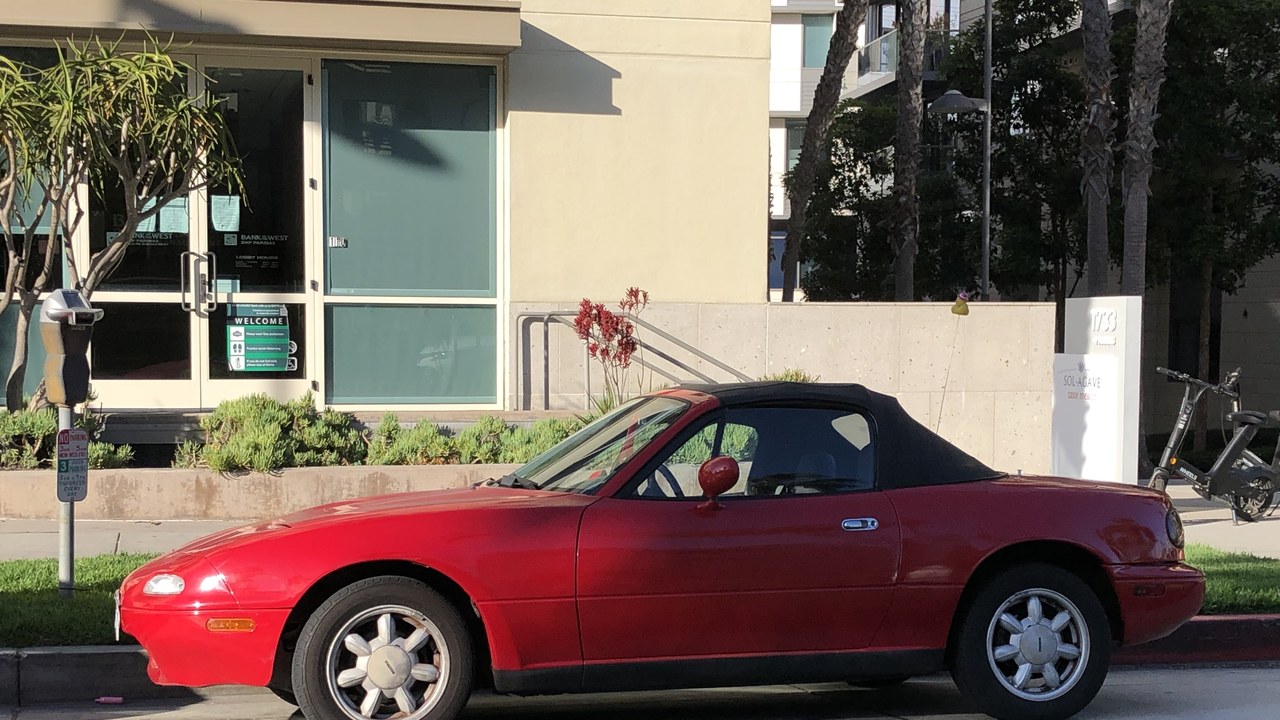
The 1989-1997 Miata is among the pop-up sports cars, and the HotCars list says it sold over 400,000 units. Its lamps rose from the hood line and gave the little roadster much of its personality.
That sales figure is large for a two-seat roadster, which is part of why first-generation cars are still common at weekend meets. The pop-ups also place the Mazda squarely in the late-1980s wave of affordable sports cars that made the design familiar to ordinary buyers.
7. Honda Prelude (1987-1991): Coupe in Disguise
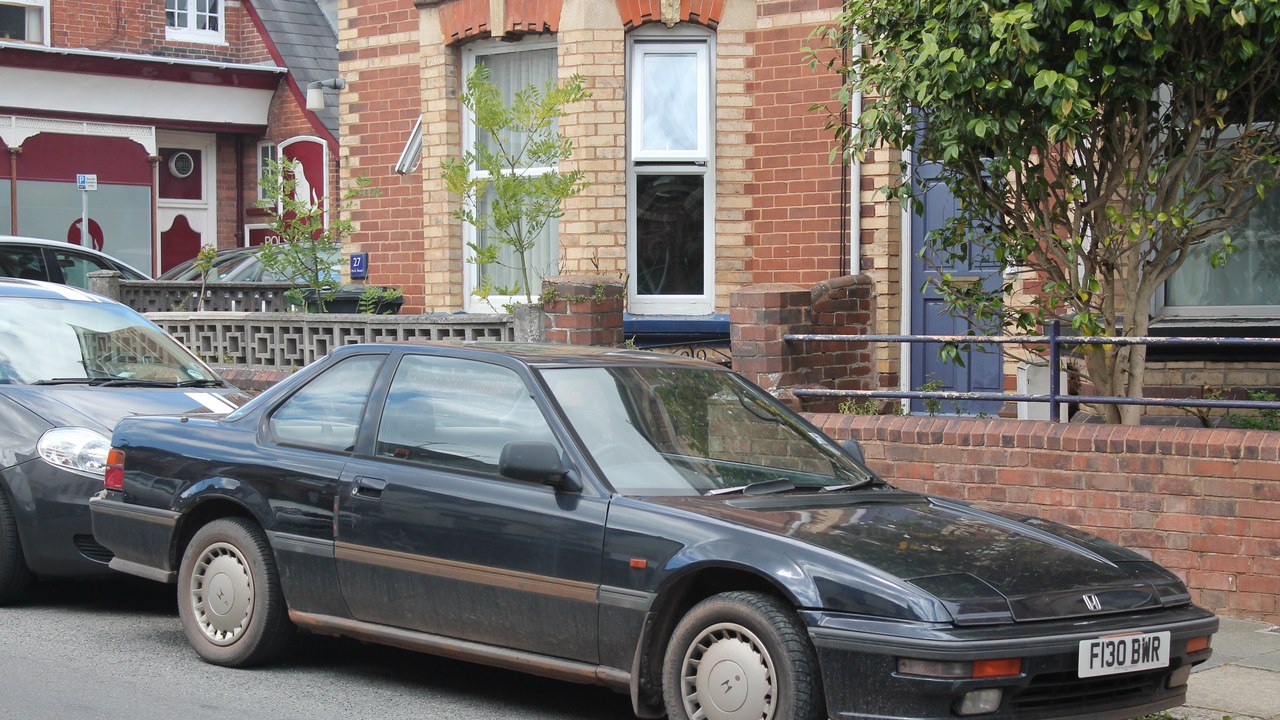
The 1987-91 Prelude is one of the 1980s pop-up coupes, and in 1991 Si trim its 2.1-liter four made 140 horsepower, a decent output for the time. Hidden lamps kept the front of the Honda coupe low.
The Prelude shows that pop-ups were not just an American or European fashion, since a Japanese coupe wore them as well. Its modest power figure was typical of the sporty-but-sensible approach many buyers wanted in that period.
8. Lotus Esprit: The Last Holdout
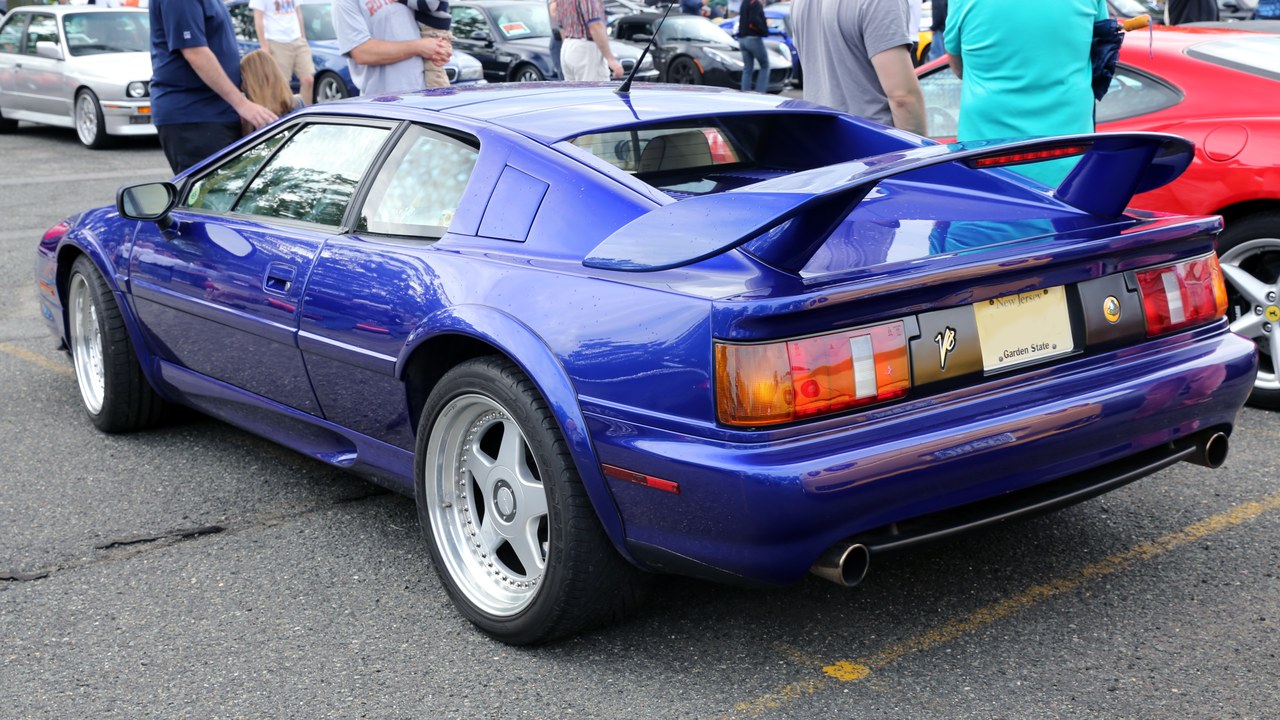
Motor1 names the Lotus Esprit among the last pop-up cars, and Motor1 says European pedestrian-protection rules were the final nail for the design. The Lotus Esprit ended production in 2004, making it among the last cars to wear pop-up lights.
Raised lamps create sharp, protruding edges that are costly to engineer around, so designers moved on to fixed units. The Esprit therefore stands at the end of the timeline that begins with the hand-cranked Cord, and no simple U.S. law is said to forbid pop-ups outright.
9. Chevrolet Camaro Rally Sport (1967-69): Doors That Opened on Demand
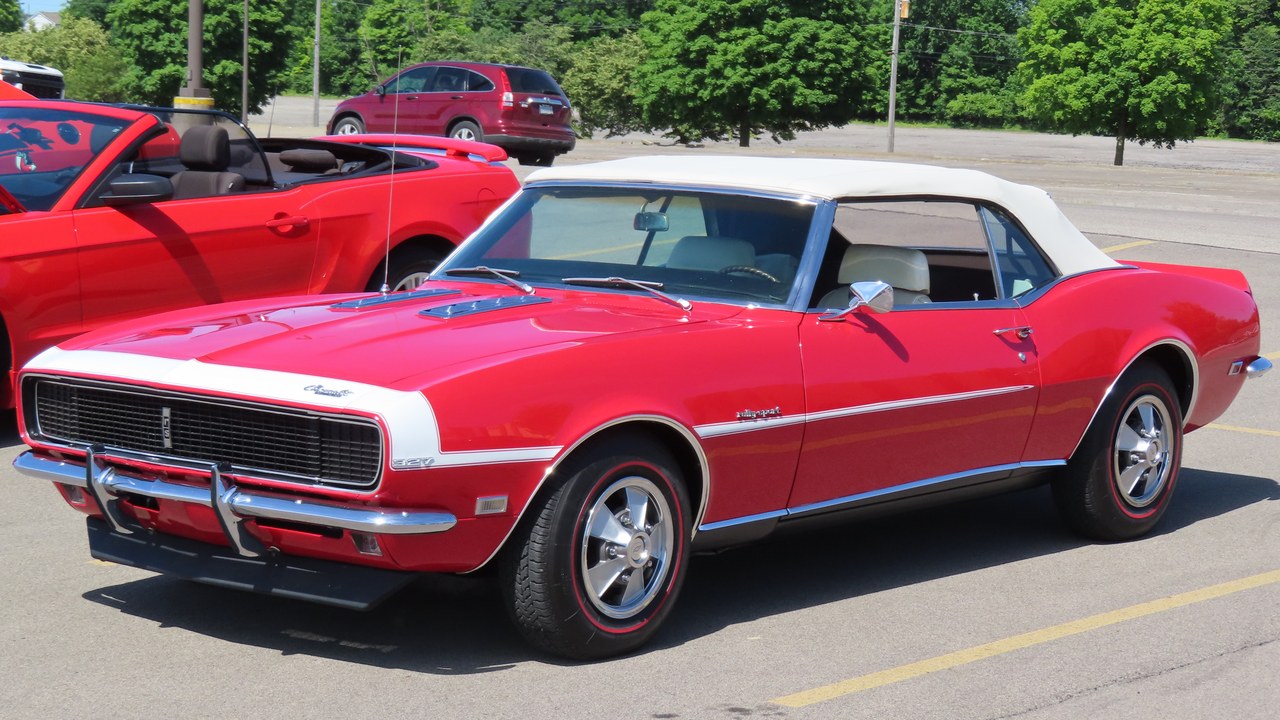
The 1967-69 Camaro Rally Sport hid its headlights behind vacuum-operated doors that opened only when the lights were switched on. Hagerty lists the arrangement among its favorite hidden-headlight designs.
Unlike a true pop-up, the lamps stayed in place and only their covers moved, which is why this entry counts as a hidden-headlight car rather than a literal pop-up. It shows the concealment idea predates the 1980s wedge shapes by well over a decade and reached ordinary muscle cars.
10. Dodge Charger (1968-70): Lights Behind the Grille
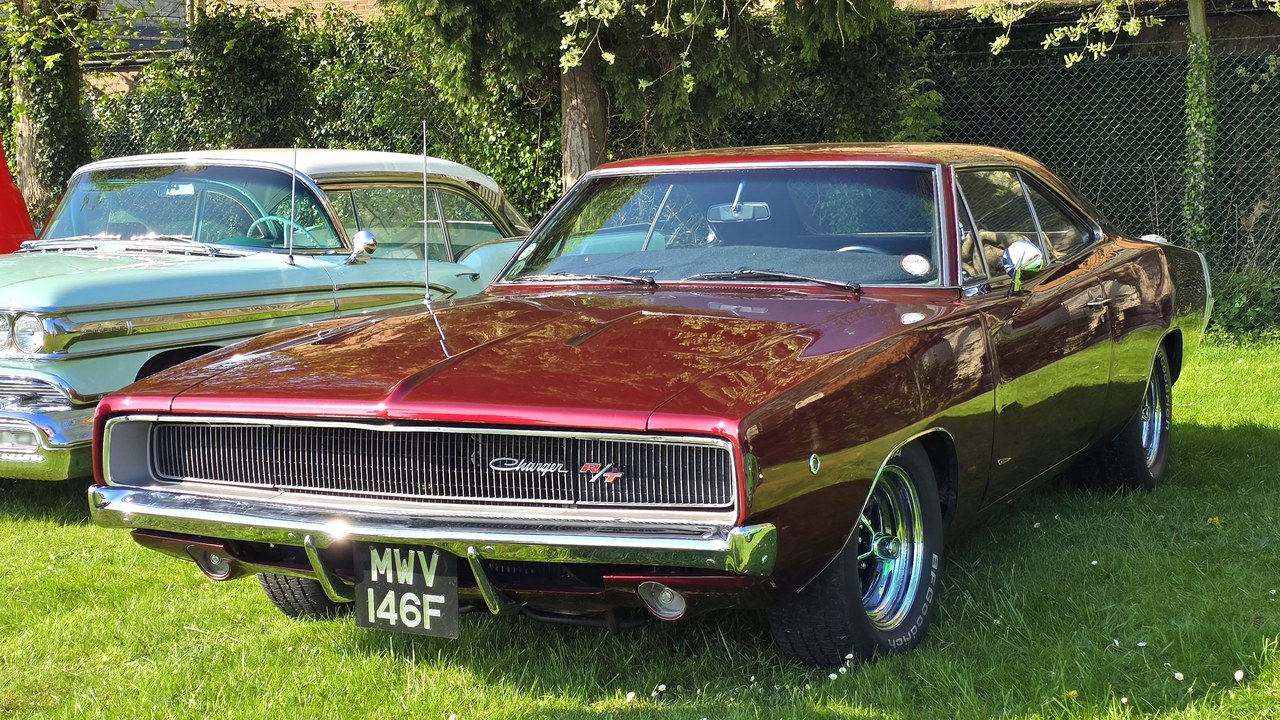
The 1968-70 Charger disguised four headlights behind a slim, full-width grille, according to Hagerty. Nothing popped up or rotated, so the look relied purely on camouflage.
That grille treatment gave the Dodge an unbroken front end and explains the headline’s careful wording, since not every hidden-headlight car used a pop-up mechanism. The design remains among the most recognized muscle-car faces of the late 1960s and appears alongside the Camaro on Hagerty’s list.
11. Buick Riviera (1965): Concealed in the Fender
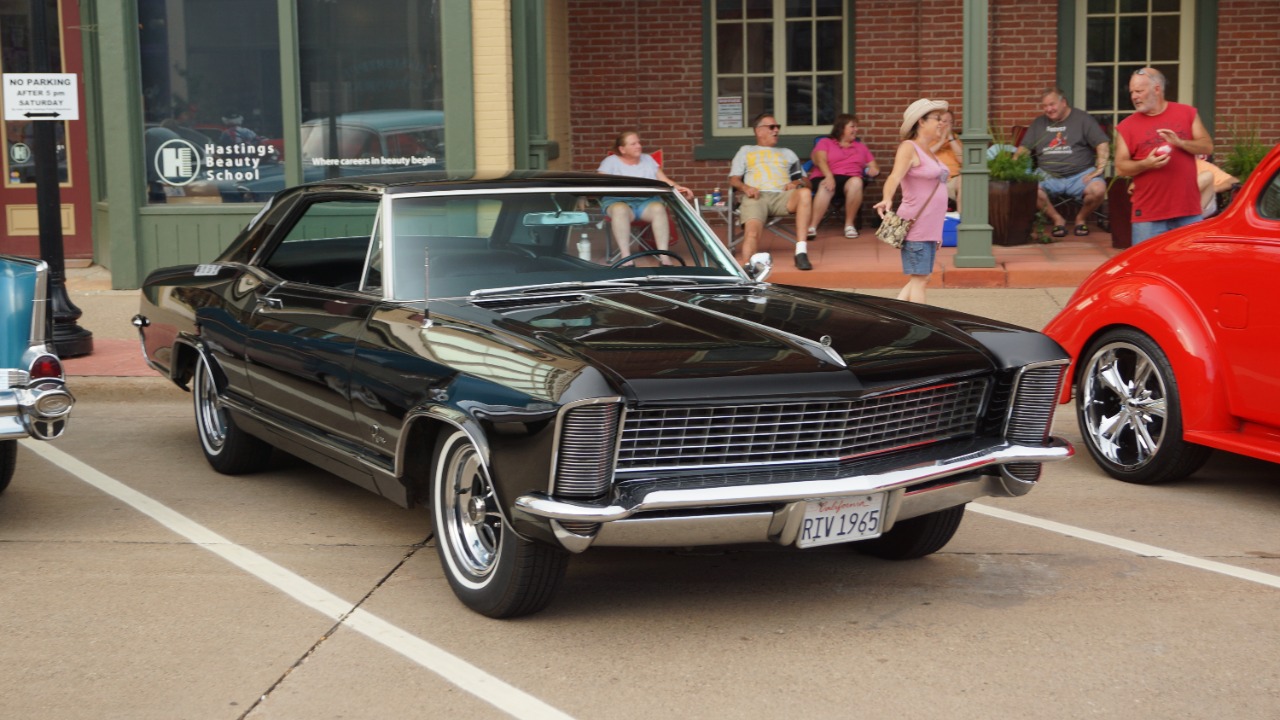
The 1965 Riviera hid its stacked headlamps behind trim at the leading edge of the fender, as Hagerty describes the design. The concealed arrangement kept the front of the Buick clean and unbroken.
Like the Charger, the Riviera relied on trim rather than a pop-up mechanism to conceal the lamps. Hagerty includes it among its favorite hidden-headlight cars, which shows the concealment idea in the mid-1960s was already moving well beyond the Cord’s hand crank.
12. Opel GT: Small Coupe, Big Following
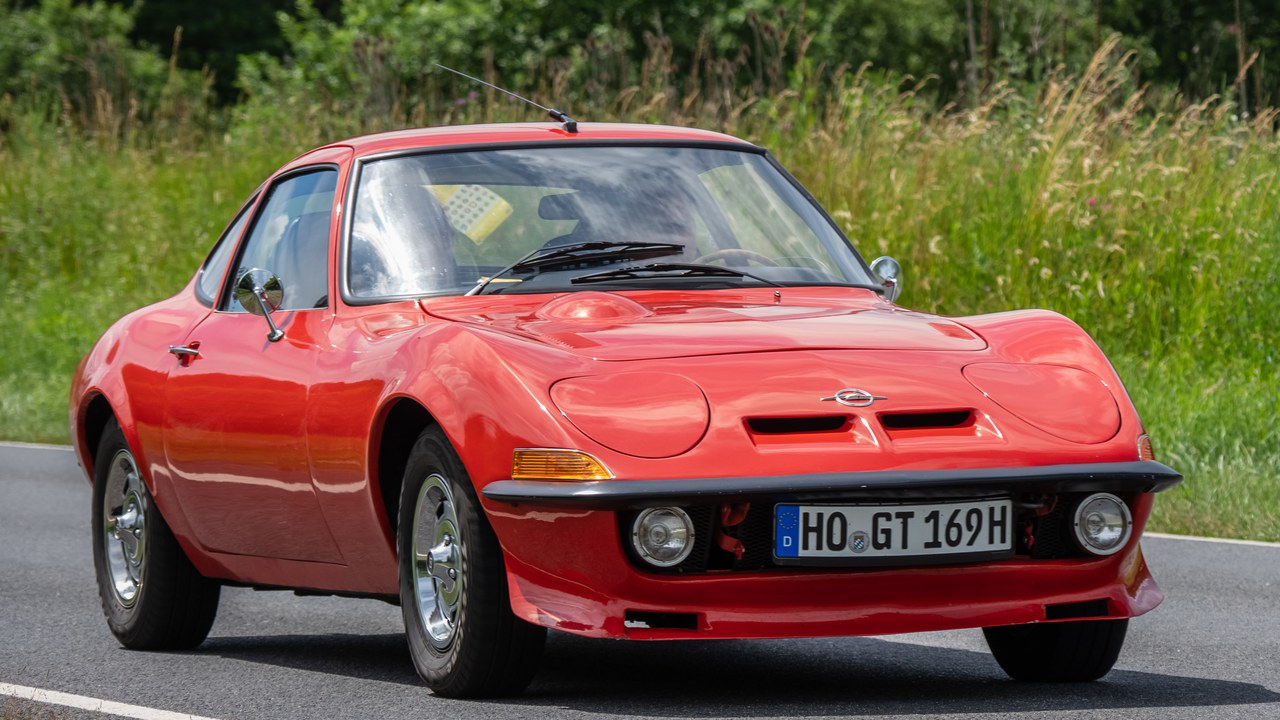
The 1968-1973 Opel GT is called a must-have for pop-up lovers by HotCars, which singles out the first generation. The small German coupe is a pop-up car in the classic mold.
Its compact shape resembled a scaled-down sports car and offered a pop-up experience at an affordable price, a point HotCars stresses in its list of cheap pop-up cars. Of the three cars drawn from the HotCars list, it is the oldest.
The tech news worth your time: Subscribe to Techpresso →
We may earn a commission if you sign up.
More from Morning Overview
- Ford is recalling 223,472 F-150 pickups because the fuel tank can leak or detach
- Hybrids have 15% fewer problems than gas cars, while EVs and plug-in hybrids have about 80% more, Consumer Reports finds
- Regulators cleared the first U.S. small modular reactor, 4 months early
- Lake Powell sank to a record 3,517 feet, nearing the level that stops Glen Canyon Dam’s turbines
