
The 2010s reshaped what ordinary cars could do, from battery range to raw horsepower to the way trucks and SUVs were built. Each model here is tied to a documented figure, such as a range rating, a power output or a weight cut. Together, these twelve vehicles show how the decade changed the cars on the road.
AI, explained every day: The Deep View is the go-to daily newsletter for 600,000+ founders, knowledge workers and professionals who want to stay up to date with artificial intelligence.
We may earn a commission if you sign up.
1. Nissan Leaf (2011): Range Anxiety Gets a Number
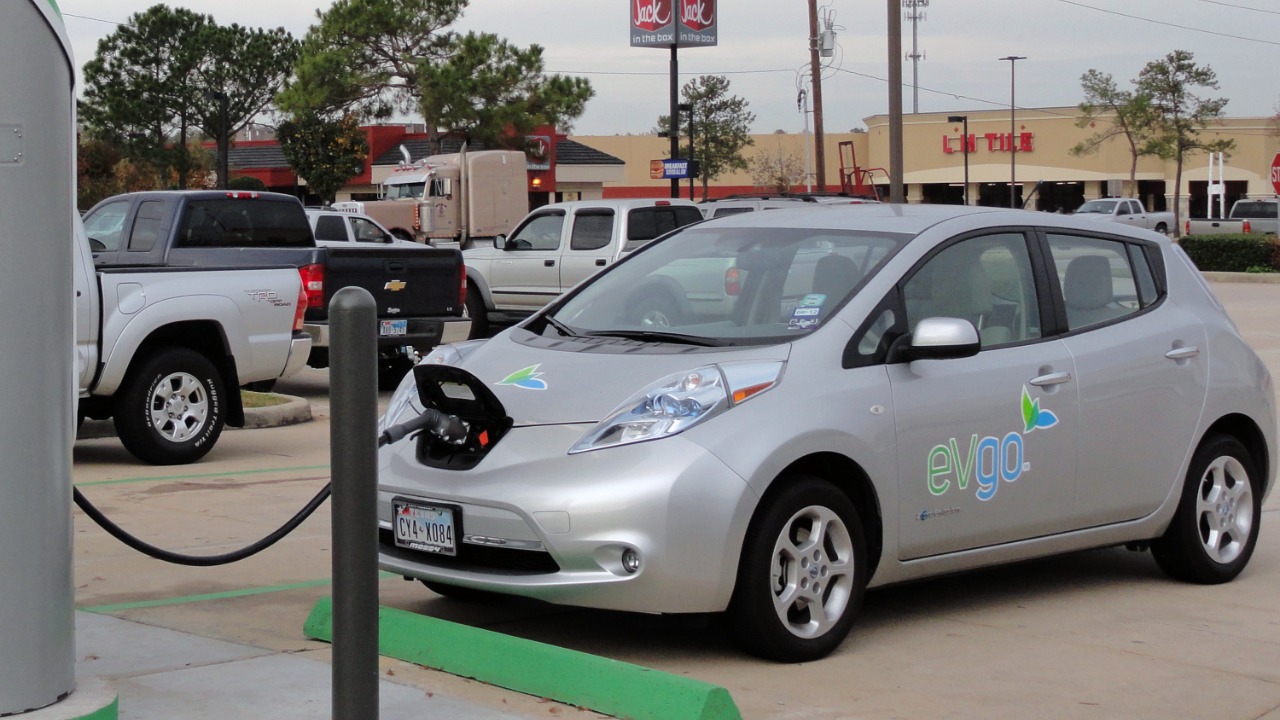
Nissan’s own release described the 2011 Leaf as carrying an EPA label of 99 MPGe combined and a driving range of 73 miles, per its EPA label announcement. Charging on a 240-volt supply took about seven hours, and the car was pitched as a mass-market electric debut.
Seventy-three miles is modest by later standards, yet it was a published, government-rated figure for a car ordinary buyers could order. That label set the baseline against which every later EV range number in this decade was measured.
2. Chevrolet Volt (2011): The Plug-In With a Backup
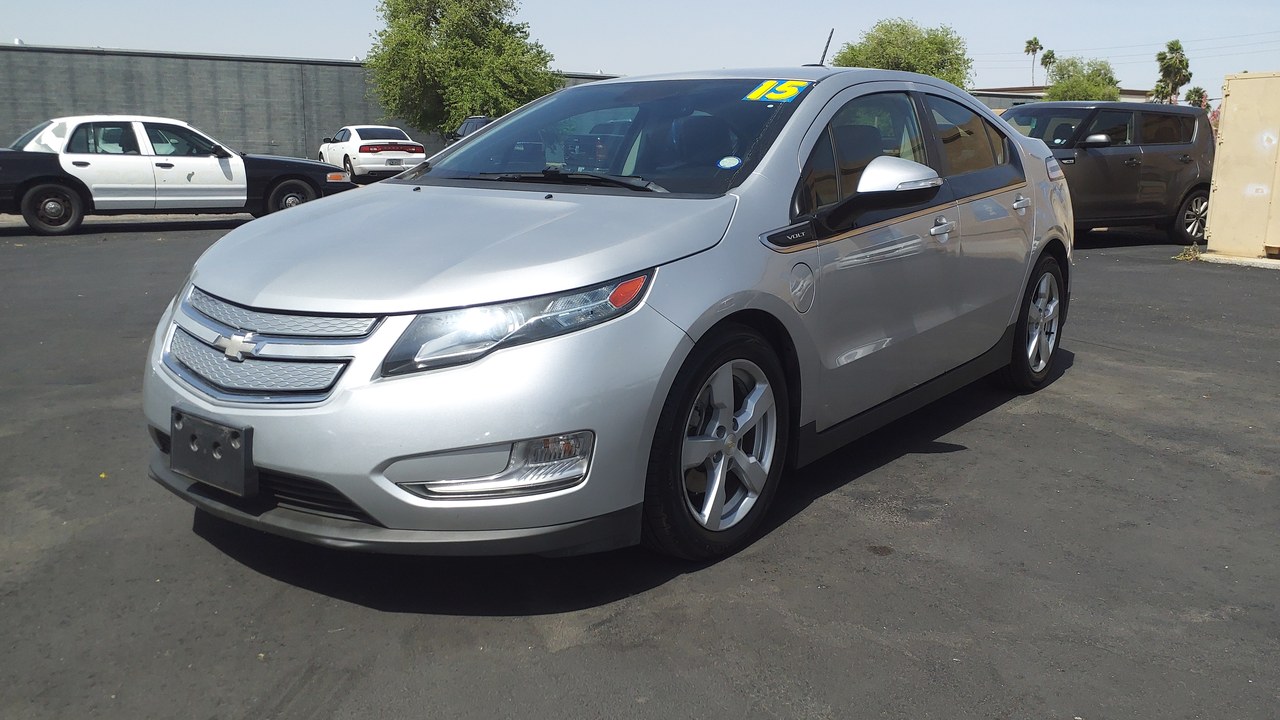
The first-generation Volt was rated for 35 EPA miles on battery in the 2011 and 2012 model years, with 93 MPGe in electric mode, according to the first-generation Volt entry. A gasoline engine extended total range to roughly 380 miles.
That pairing eased the stranded-driver worry that dogged early EVs, since the engine took over when the battery ran down. Later model years stretched the electric range to 38 miles, but the original 35-mile figure defined what the car promised at launch.
3. Tesla Model S (2012): The Luxury EV Arrives
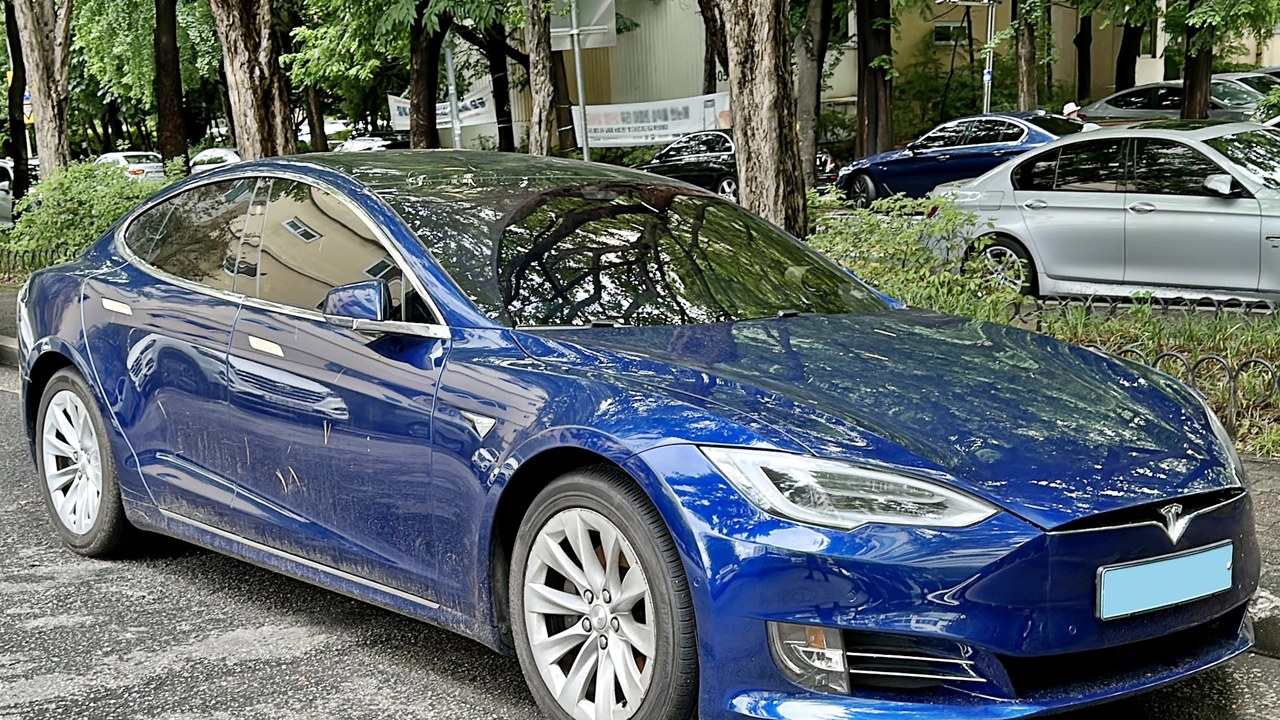
Deliveries of the Model S began in June 2012 with an estimated 265 miles of range and 89 MPGe, as Cars.com delivery coverage reported. The first ten Signature cars were priced from $95,400 to $107,850.
At that range, a battery sedan stopped looking like a commuter curiosity. The price kept it firmly in luxury territory, but the 265-mile figure was more than triple the Leaf’s 73 miles and reset expectations for what an electric car could do on a single charge.
4. Jeep Cherokee (KL, 2014): The Nine-Speed Crossover
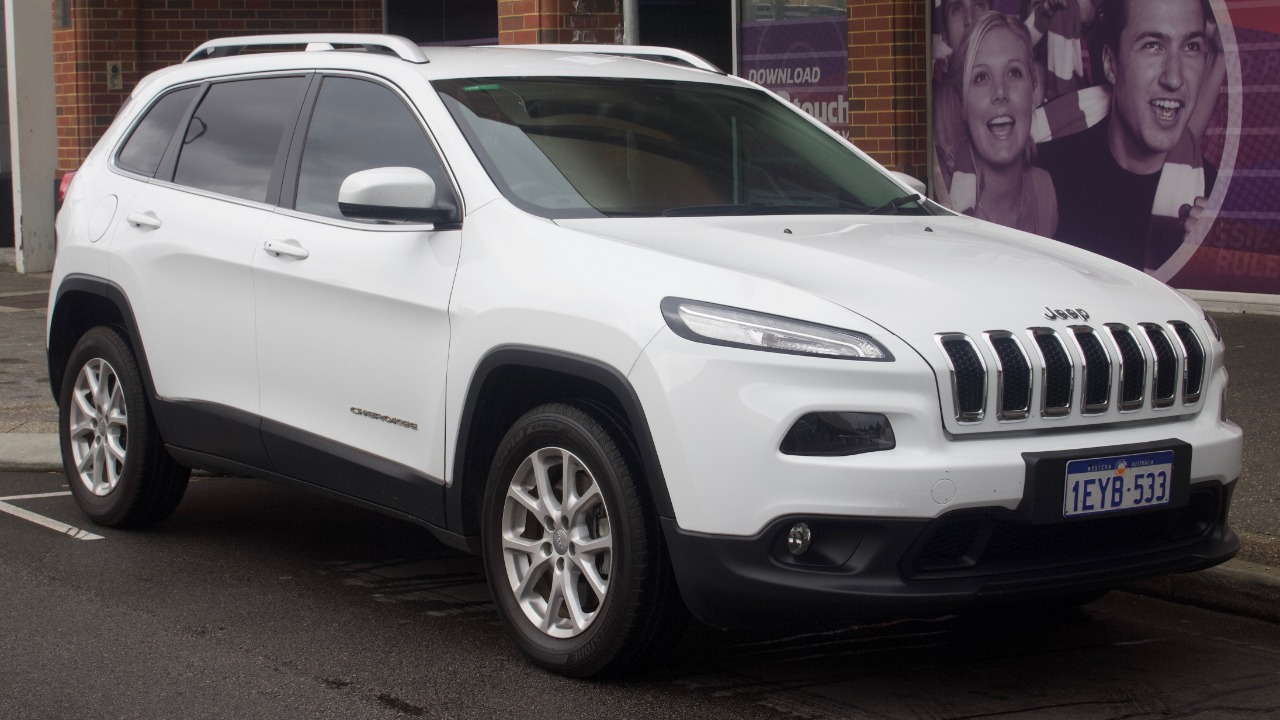
When the 2014 Cherokee arrived, it became the first vehicle to market with ZF’s new nine-speed automatic transaxle, according to its Wikipedia article on the KL. The KL generation marked a fresh start for the nameplate under the Jeep badge.
The bet paid off in volume, with U.S. sales peaking at 239,437 in 2018. That total shows how thoroughly crossovers had taken over showrooms by the end of the decade, and how much of the shift involved new transmission hardware.
5. Dodge Challenger SRT Hellcat (2015): Seven Hundred Horses
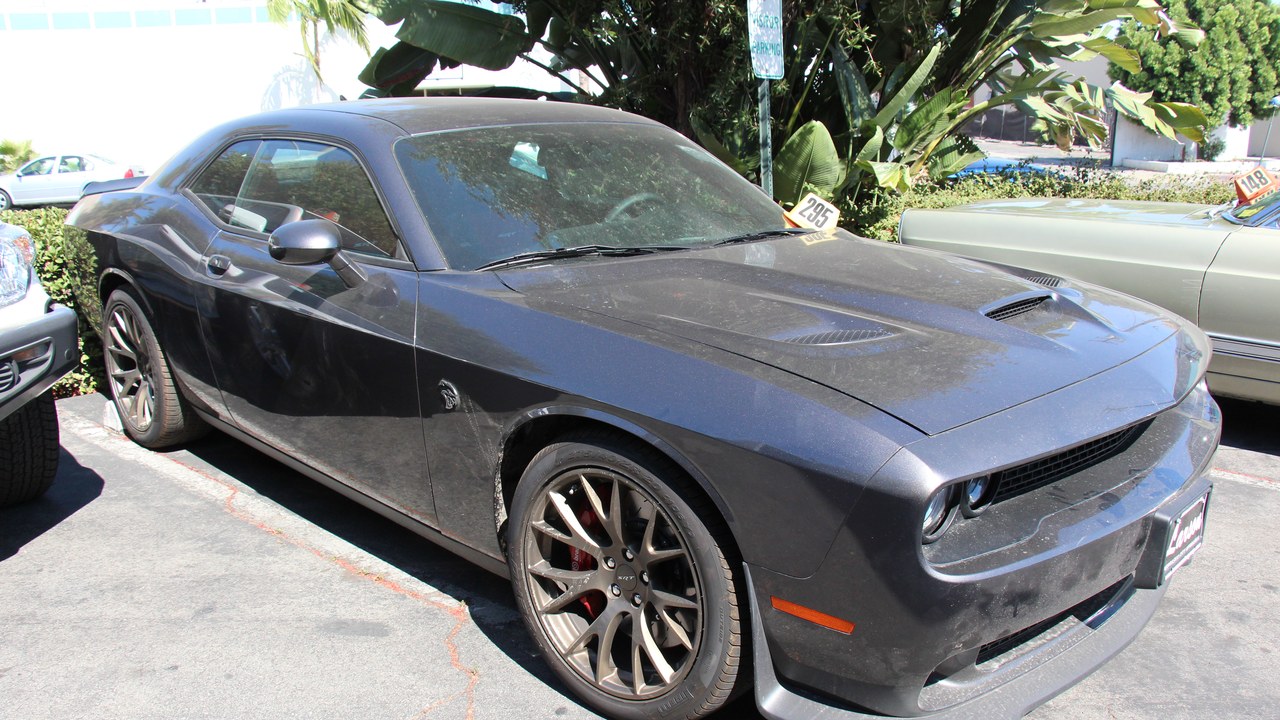
Chrysler’s 2014 announcement for the Challenger SRT Hellcat promised 707 horses hurrying from a 6.2-liter supercharged HEMI V-8, in the Stellantis media release. The 2015 model carried that number into showrooms.
Seven hundred horsepower in a car sold through dealers, with a warranty, rewrote the horsepower race. Rivals spent the rest of the decade answering a figure that would have seemed absurd only a few years earlier, and the Hellcat became shorthand for the era.
6. Chevrolet Corvette (C7) Stingray: The Seventh-Generation Stingray
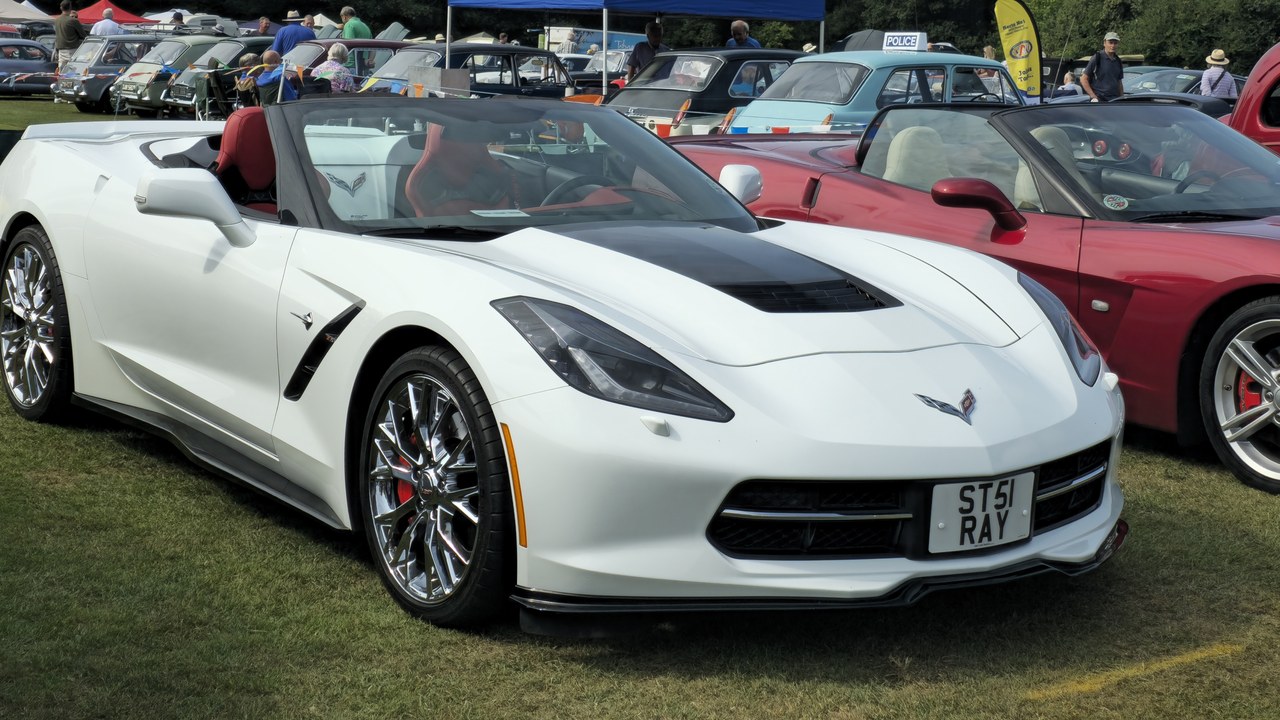
The C7 Corvette Stingray, built for the 2014 through 2019 model years, produced 455 horsepower and 460 pound-feet of torque without the performance exhaust, according to the Corvette C7 entry. The ZR1 version later reached 755 hp.
The jump from 455 to 755 hp within a single generation shows how far the decade’s power escalation went. Even the base Stingray, at 455 hp, carried a figure that would have impressed in almost any earlier decade.
7. Honda Civic (tenth generation, 2016): The Turbo Compact
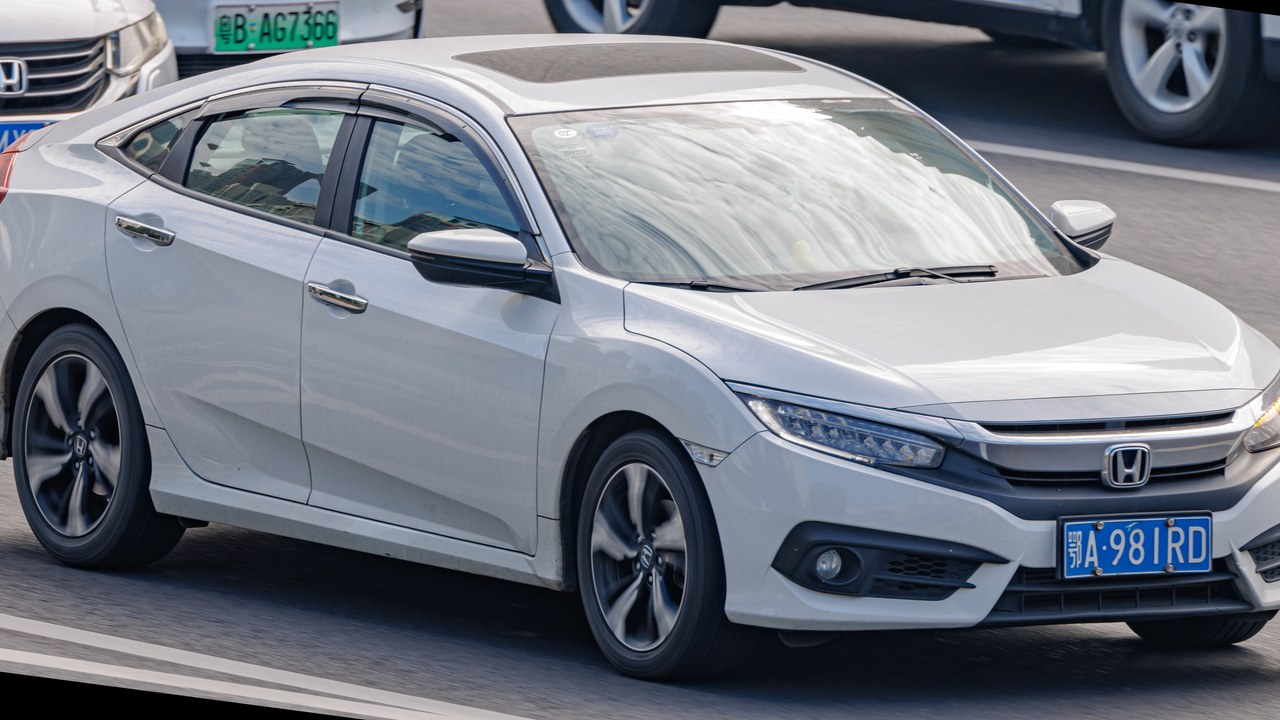
The tenth-generation Civic for 2016 offered a 174-horsepower 1.5-liter turbocharged engine, per the tenth-generation Civic page. A 2.0-liter sedan carried an EPA-estimated 31 mpg city, 40 highway and 34 combined.
Putting a turbocharged small four-cylinder in one of the best-known compacts signaled that downsized boost had gone fully mainstream. Buyers could choose between the turbo and the 2.0-liter, with fuel economy figures that stayed competitive for an everyday sedan, which helped the turbo engine reach a wide audience.
8. Chevrolet Bolt EV (2017): The Affordable Long-Range EV
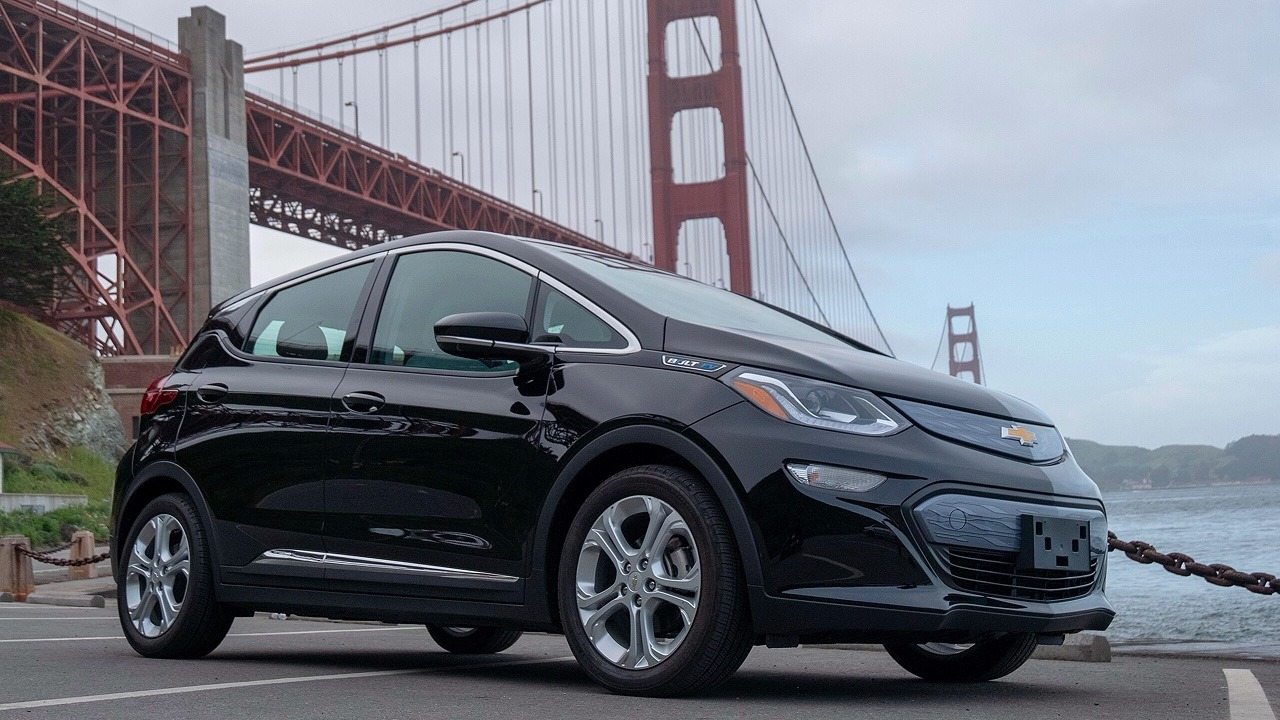
Argonne National Laboratory’s vehicle data lists the 2017 Bolt EV at 238 miles of combined electric range and 119 MPGe combined, as shown on the Argonne vehicle data. City range was 255 miles and highway 217.
Those figures made a long-range battery car look like a normal compact hatchback. The 238-mile rating was more than triple the Leaf’s launch label of 73 miles, and the 119 MPGe beat the Leaf’s 99 by a clear margin within the same decade.
9. Tesla Model 3 (2017): The Reservation Rush
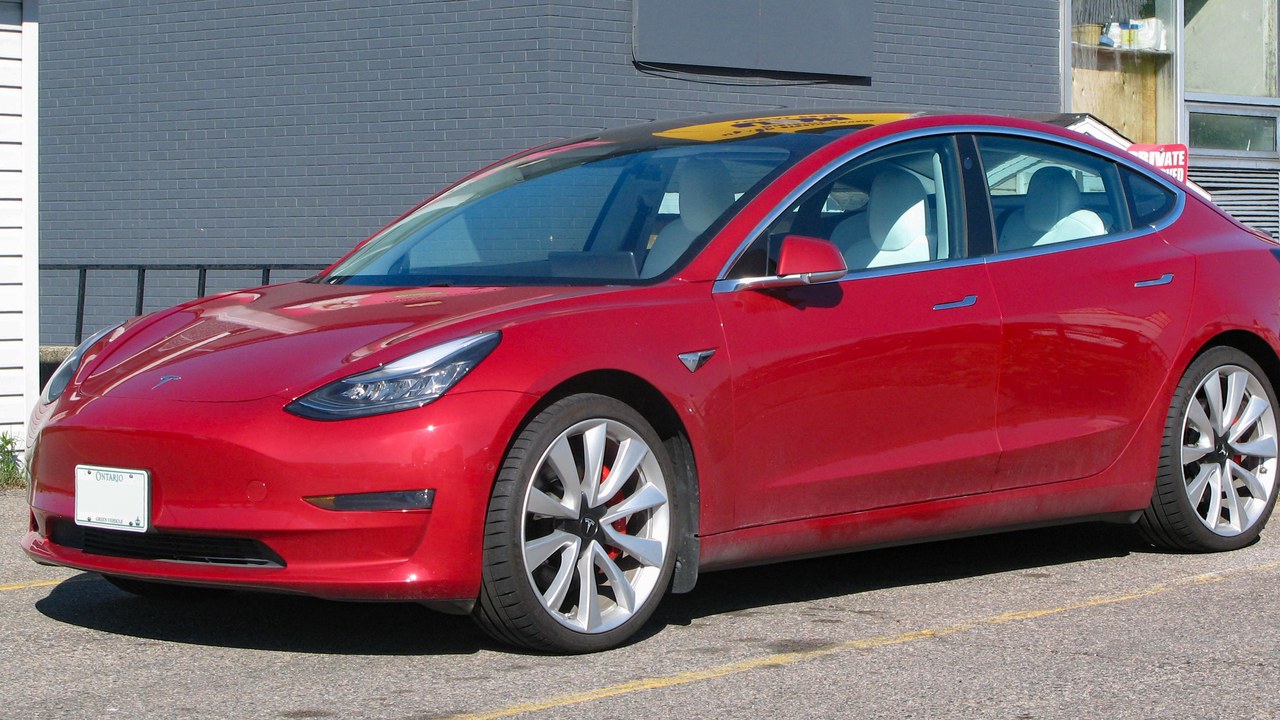
Tesla handed over the first 30 Model 3s in July 2017, and CNN Money reported reported more than half a million net reservations. The car started at $35,000.
A base price well below the Model S, backed by that many reservations, showed real appetite for a mainstream electric sedan. Turning those deposits into steady production became the central challenge for the company in the years that followed, and the 30 cars delivered that July were only the start.
10. Ford GT (2017): The Supercar With a V6
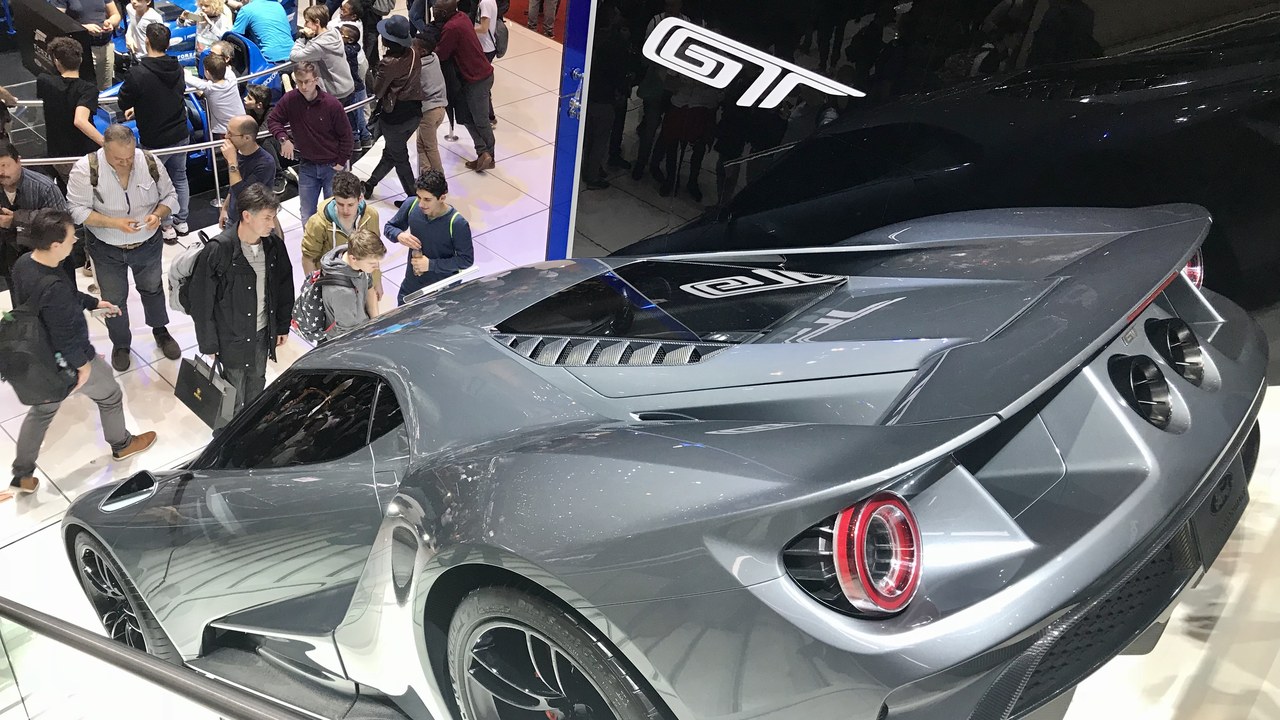
Ford rated the 2017 GT at 647 horsepower and 550 pound-feet from a twin-turbo EcoBoost V6, with a top speed of 216 mph, as detailed in the Ford Media Center release. The figures were SAE-rated for the U.S. specification.
A V6 powering a halo supercar showed how far turbocharging had advanced during the decade. Compact boosted engines now stood in for the large eight- and twelve-cylinder units that once anchored cars at this level of performance.
11. Jeep Wrangler (JL, 2018): The Turbo Four Trail Rig
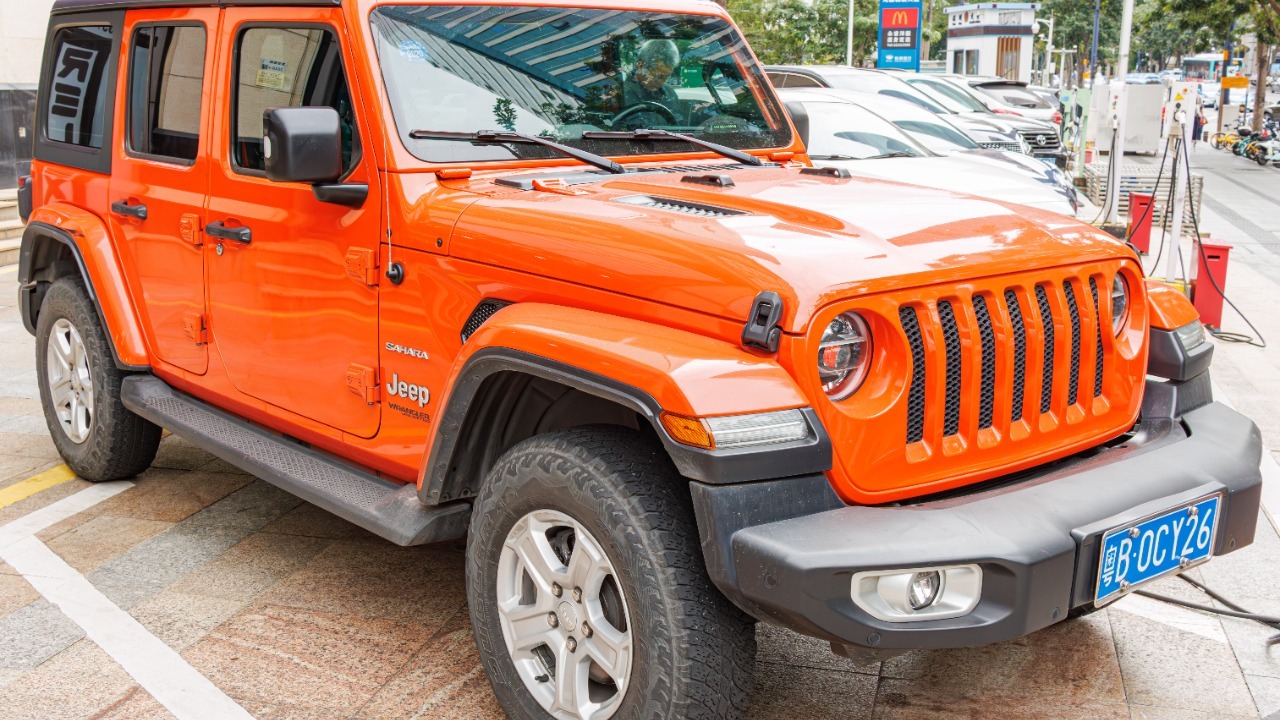
Stellantis described the all-new 2018 Wrangler as offering a 270-horsepower, 295 lb-ft 2.0-liter turbo four with eTorque, rated best in class, or a 285-horsepower 3.6-liter V-6, in its Wrangler engine blog post.
A turbocharged four with mild-hybrid assistance in the most rugged Jeep marked a break from tradition. The off-road icon quietly joined the decade’s push toward smaller, boosted engines while keeping a V-6 on the menu for buyers who preferred it.
12. Ram 1500 (2019): The Lighter Pickup
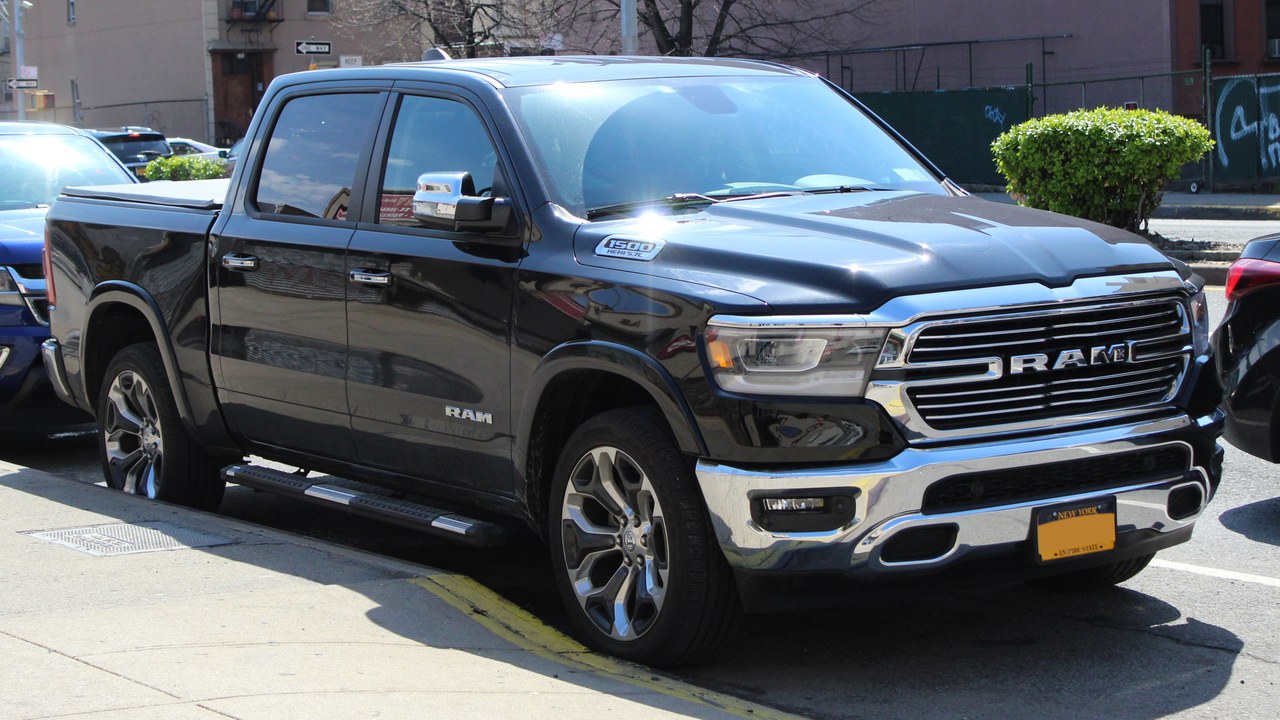
The 2019 Ram 1500 shed 225 pounds, or 102 kilograms, according to the Stellantis release on weight. It also added a 12-inch touchscreen and an eTorque mild-hybrid system, and could tow up to 12,750 pounds.
Cutting weight while raising towing capacity showed that full-size pickups were being engineered with the same attention to efficiency as passenger cars. Technology once associated with luxury sedans, from big screens to hybrid assist, had moved into the work-truck aisle.
AI, explained every day: Get The Deep View →
We may earn a commission if you sign up.
More from Morning Overview
- The FBI told the rest of ShinyHunters to surrender after a 24-year-old was arrested
- Two passengers died at an Ohio toll plaza, and the NTSB now wants the cash lanes shut
- Long use of a common prostate pill is tied to a higher chance of glaucoma
- Ford is recalling 223,472 F-150 pickups because the fuel tank can leak or detach
