
Badge engineering rarely stops at sheet metal, and plenty of famous names have hidden a rival’s powertrain under the hood. Some deals were open secrets among enthusiasts, while others only surfaced once owners cracked open a service manual. Here are twelve cars that quietly share an engine with a rival brand.
1. Toyota GR Supra: A BMW Heart Under Toyota Badges
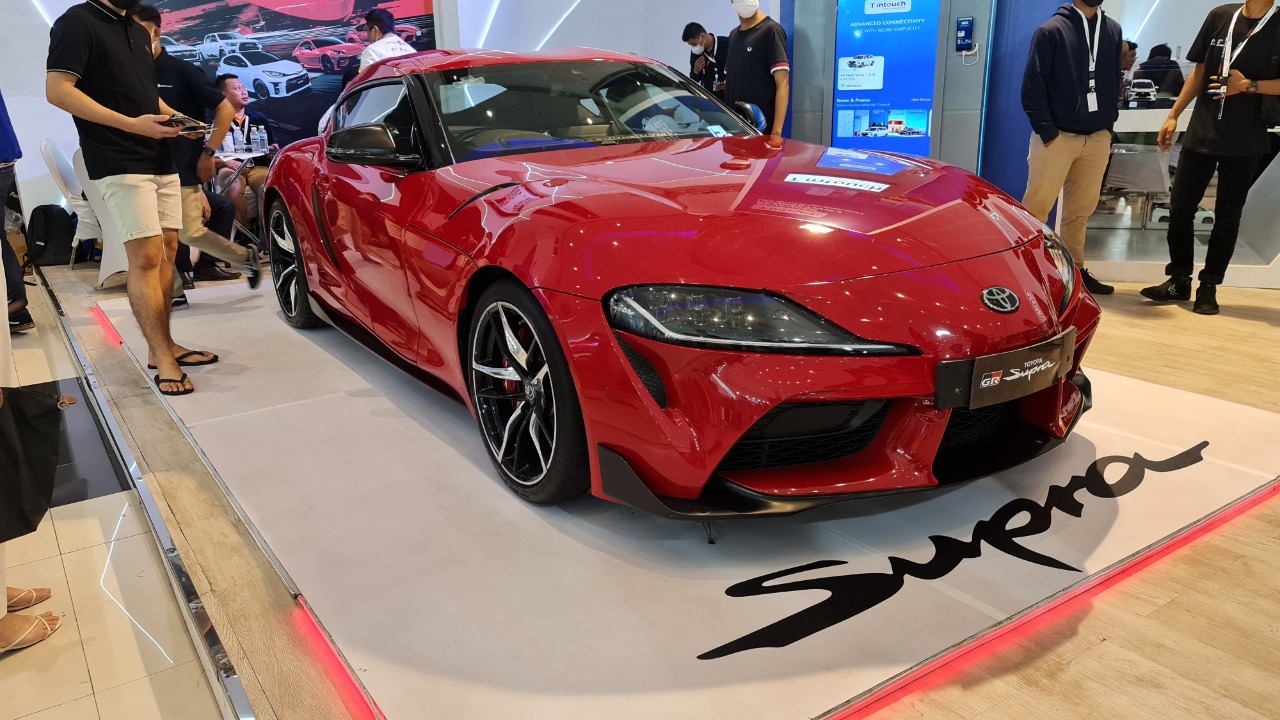
The fifth-generation Supra is powered by a 382-hp turbocharged inline-six sourced directly from BMW, the same architecture found in the Z4. Toyota engineered the chassis tuning and exterior styling on its side of the joint program, which the two automakers formally announced back in 2012 after years of internal debate over reviving the Supra nameplate.
The finished car is assembled on the same Magna Steyr production line in Austria as its BMW sibling, meaning a Supra and a Z4 can roll off the line minutes apart, sharing far more than a simple parts-supply relationship between two rival brands.
2. Subaru BRZ: One Boxer, Two Brands
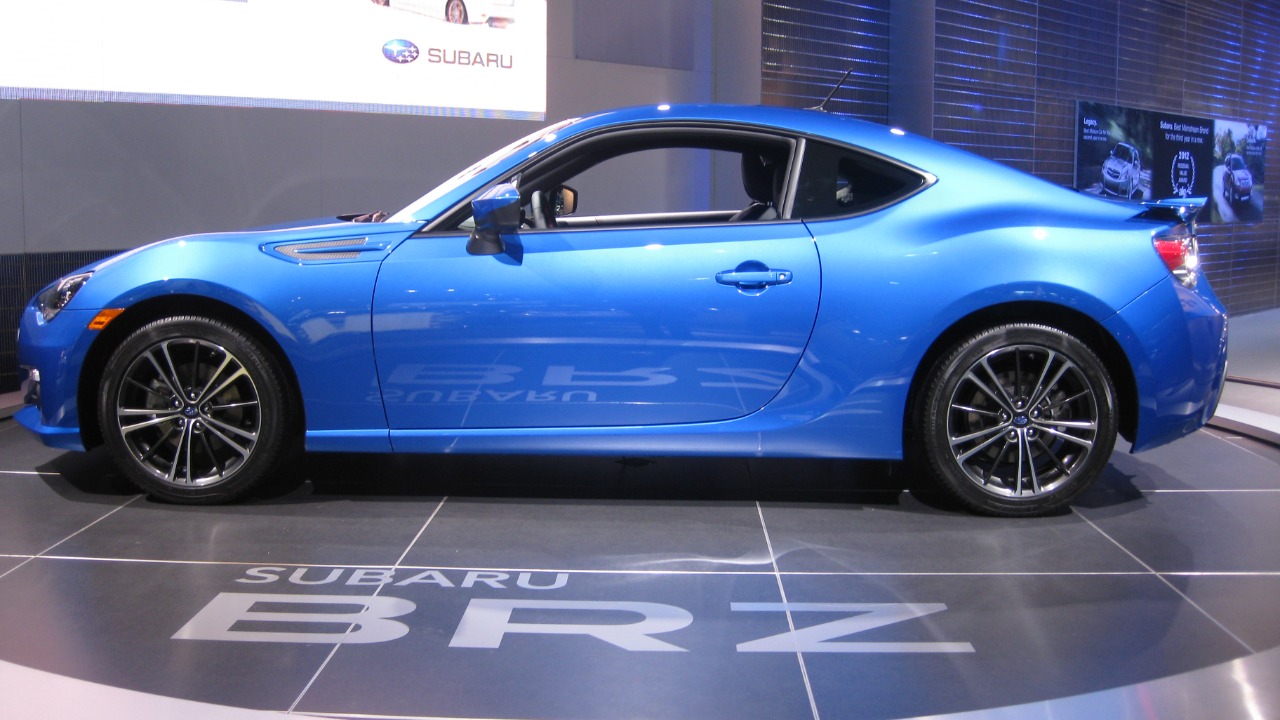
The BRZ runs a 2.4-litre Subaru boxer four that also sits under the hood of the badge-swapped Toyota GR86, a lightweight rear-drive coupe pairing enthusiasts nicknamed the “Toybaru” from its first generation onward.
Subaru handled most of the mechanical engineering and builds both cars at its own factory, while Toyota manages styling, marketing, and its own dealer network, a joint-development split that has now carried through two full generations of the twinned coupes.
3. Aston Martin DB11 V8: AMG Power In A British Grand Tourer
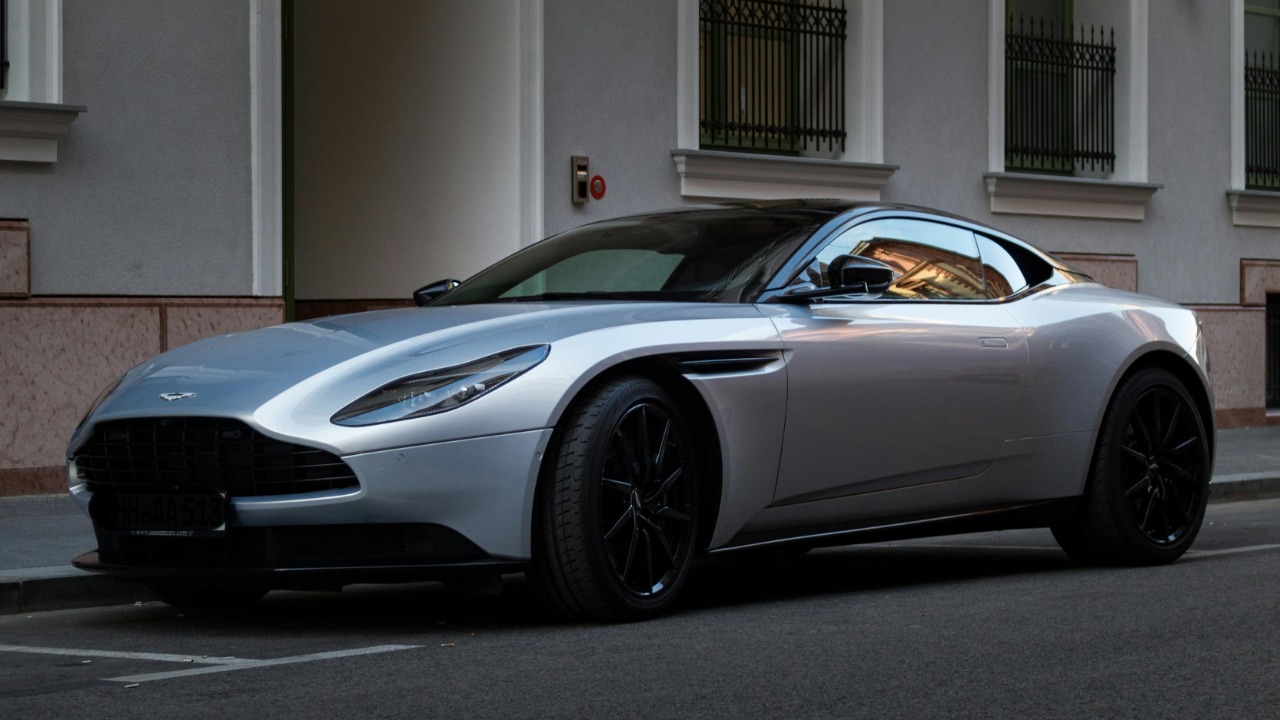
The DB11 V8 uses a 510PS twin-turbo V8 built by Mercedes-AMG, the same unit found in the AMG GT S, and Aston Martin added it as a lighter, lower-cost alternative to its own in-house V12 engine.
The arrangement grew out of a technical partnership formalized when Daimler took a minority equity stake in Aston Martin in 2013, letting the smaller British automaker offer a modern turbocharged engine and electronics suite without funding either from scratch on its own.
4. Lotus Evora: A Camry Engine, Mid-Mounted
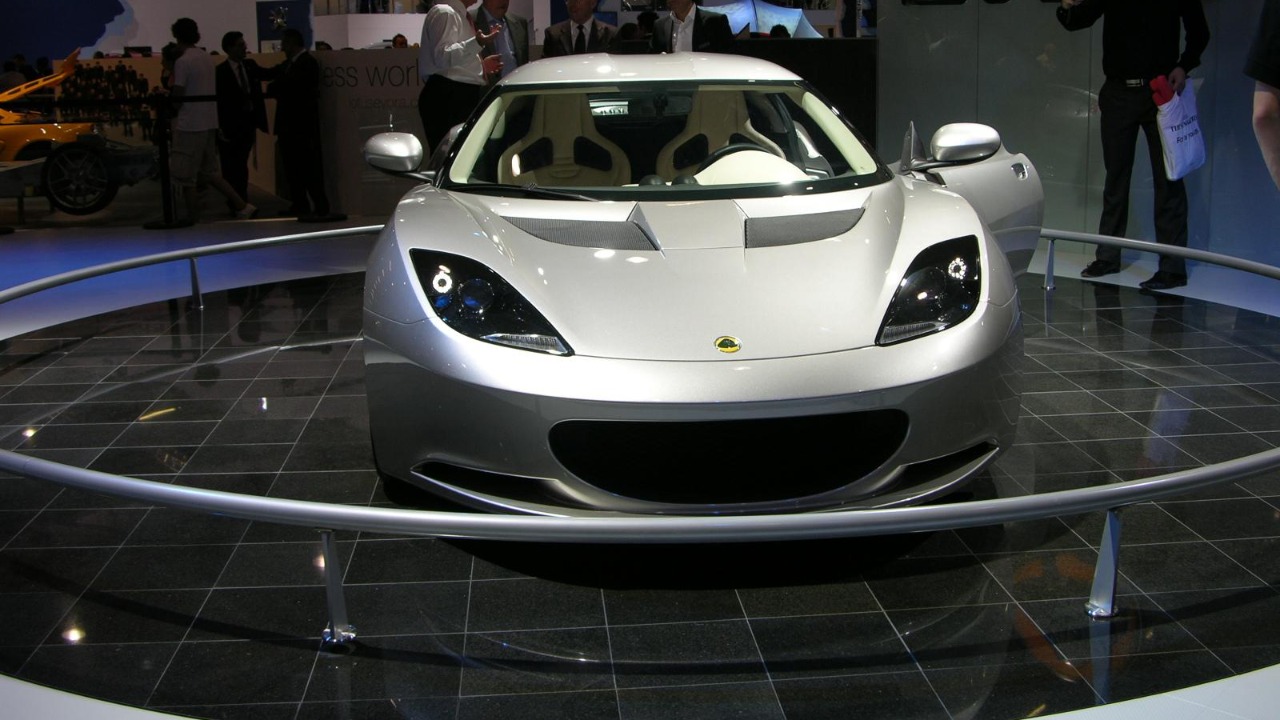
Behind the seats of the Evora, launched in 2009 as Lotus’s first new model in over a decade, sits a 3.5-litre Toyota 2GR-FE V6, the same basic engine family Toyota fits to a Camry.
Lotus has long borrowed proven Toyota running gear across several models to keep development costs manageable, then adds its own suspension geometry and lightweight aluminum chassis engineering to turn a mundane, reliable engine into genuine sports-car material.
5. Chrysler Crossfire: Built On A Mercedes Roadster
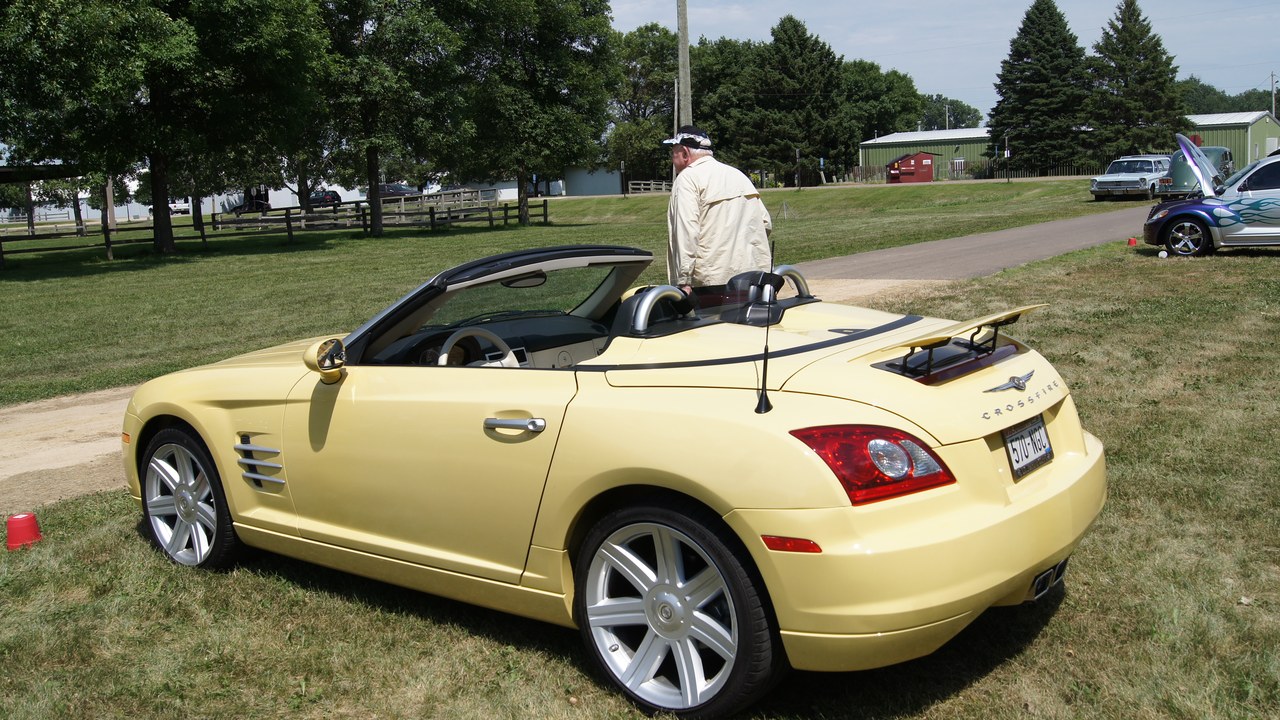
The Crossfire, built from 2004 to 2008, runs Mercedes-Benz’s M112 3.2-litre V6, carried over almost entirely from the previous-generation SLK320 roadster platform it was built on.
The sharing dated from the DaimlerChrysler merger years, when Chrysler engineers reused the outgoing SLK’s chassis, suspension, and drivetrain to build an inexpensive two-seat coupe for its own American showrooms, with final assembly handled by longtime contractor Karmann in Osnabruck, Germany, rather than a Chrysler plant.
6. Jeep Grand Cherokee CRD: A Mercedes Diesel Under A Jeep Badge
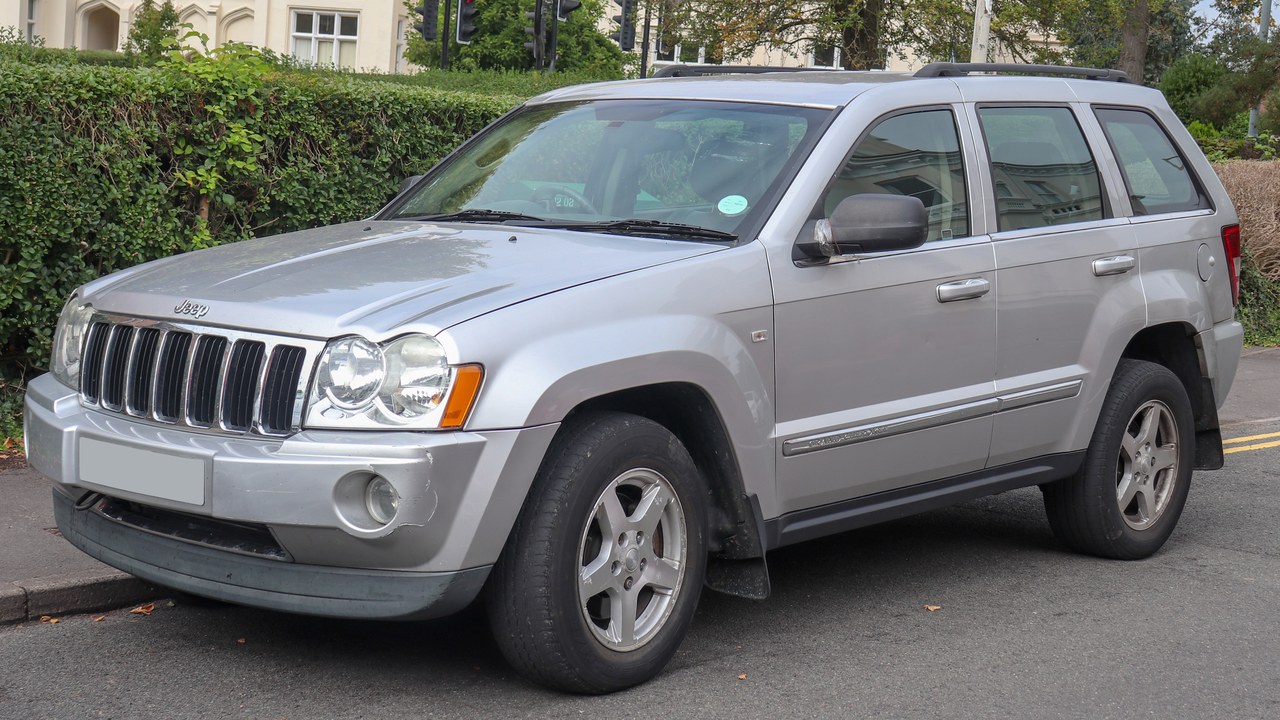
MotorWeek noted the WK-generation Grand Cherokee CRD’s 3.0-litre turbo-diesel V6, badged the OM642, is essentially all Mercedes-Benz engineering wearing a Jeep grille and badge.
The diesel came directly from the corporate parts bin during the DaimlerChrysler merger, which lasted from 1998 to 2007, giving American SUV buyers access to a torquey European diesel engine they otherwise would have had almost no realistic way to get through a domestic Jeep dealer’s lot.
7. Pontiac Vibe: A Toyota Matrix In GM Clothes
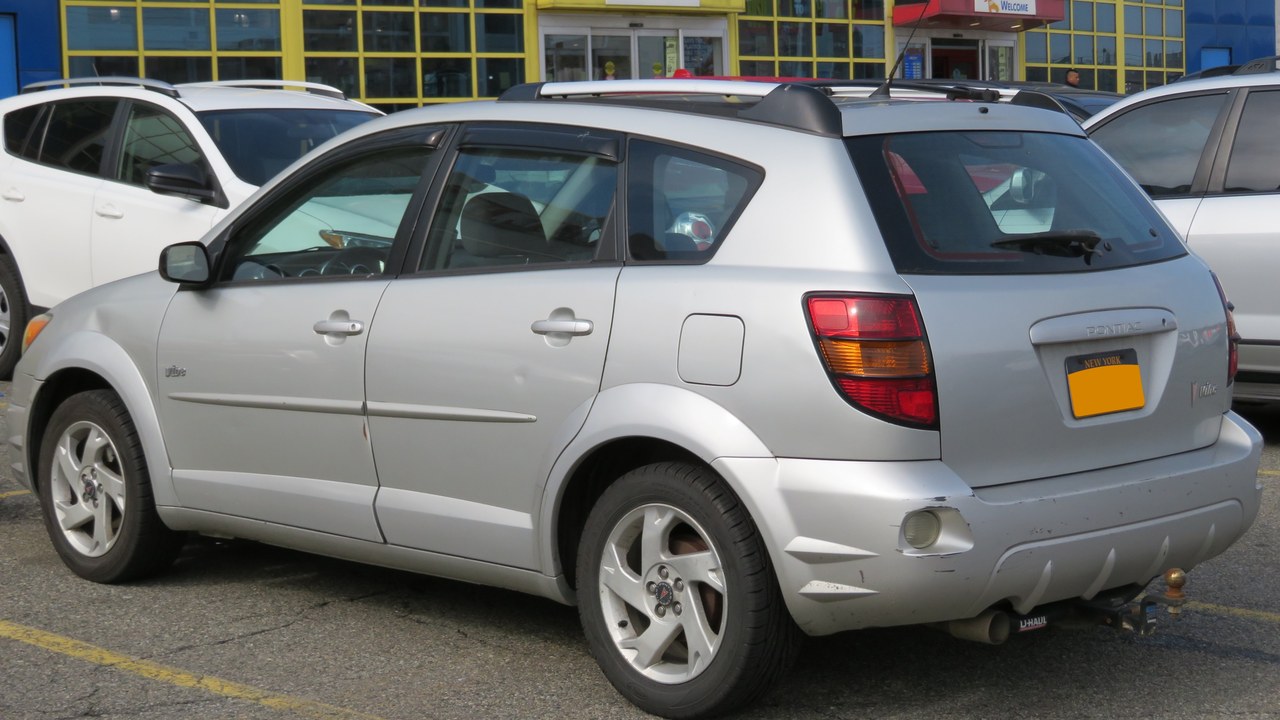
Car and Driver has detailed how the Vibe, built from 2002 to 2010, shares its architecture and Toyota-built powertrains with the Toyota Matrix hatchback sold at Toyota dealers.
Both hatchbacks came off the same NUMMI assembly line in Fremont, California, a joint venture General Motors and Toyota had operated since 1984, letting GM sell a genuine Toyota underneath with only styling, badges, and a Pontiac grille changed for its own dealer network.
8. Saab 9-2X: A Swedish Badge On A Subaru
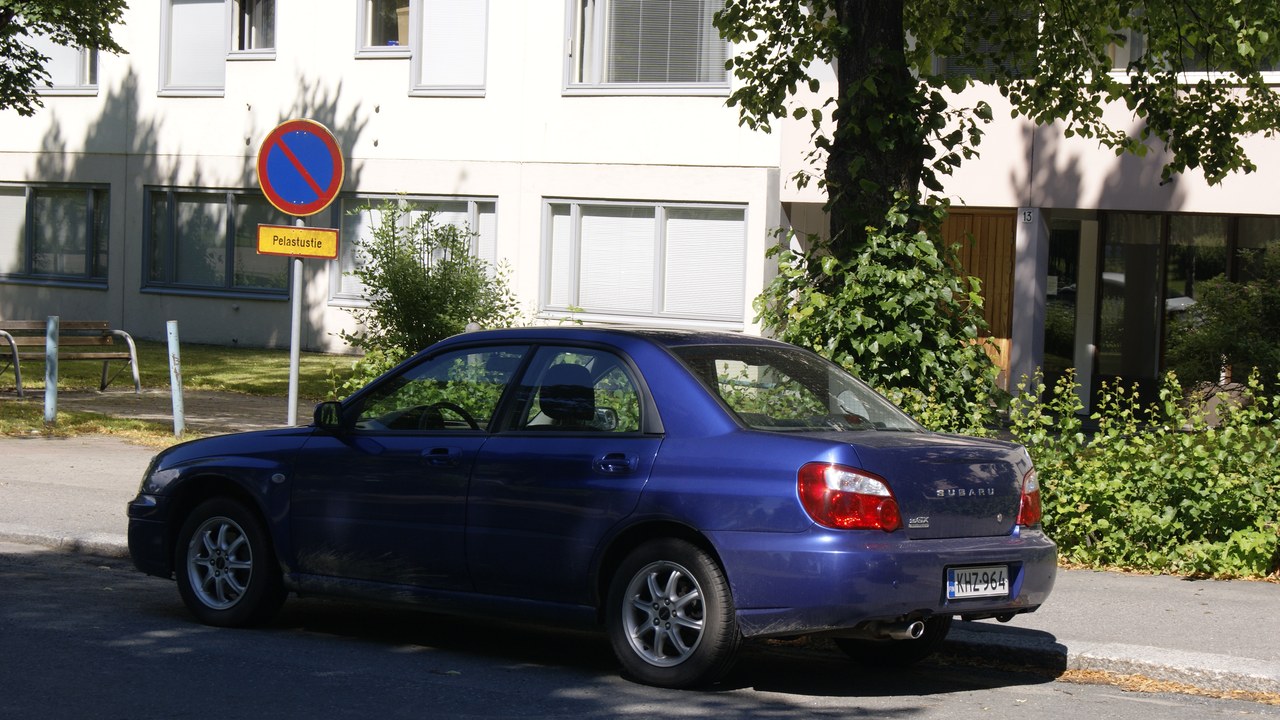
The Autopian describes the 9-2X, sold only for the 2005 and 2006 model years, as a rebadged Subaru Impreza, with the Aero trim running the WRX’s 227-hp turbo flat-four engine.
General Motors, which then owned stakes in both Saab and Subaru, greenlit the swap so Saab could offer an all-wheel-drive compact without funding a ground-up development program of its own, earning the low-volume, short-lived model the lasting enthusiast nickname “Saabaru.”
9. Mini Cooper S (R56): A Shared BMW-Peugeot Turbo
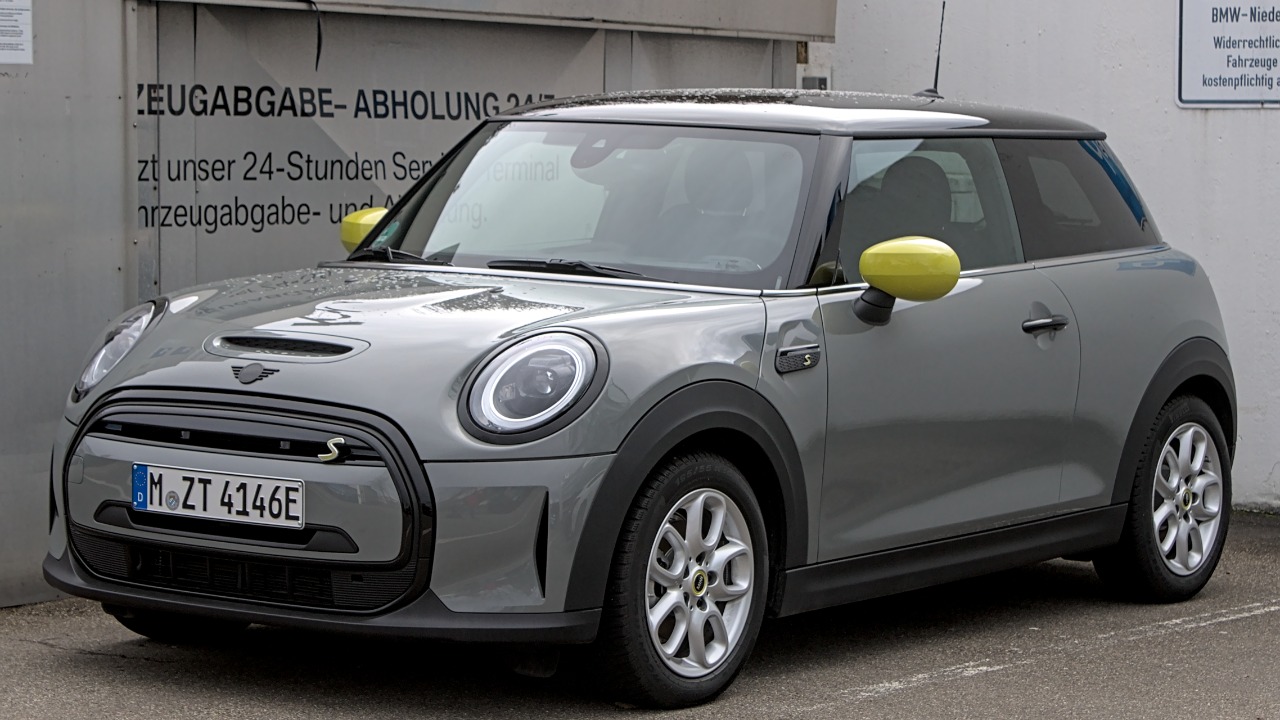
Motor Authority reported that the R56-generation Cooper S’s 1.6 turbo, produced from 2006 to 2013, is the BMW-PSA “Prince” engine family, also fitted across several Peugeot models.
BMW and the French PSA group co-developed the four-cylinder under a partnership announced in 2002 to split engineering and tooling costs, so the same basic engine block ended up powering a British-styled premium hot hatch and ordinary mainstream Peugeot hatchbacks alike across Europe.
10. McLaren F1: BMW Motorsport Built Its V12
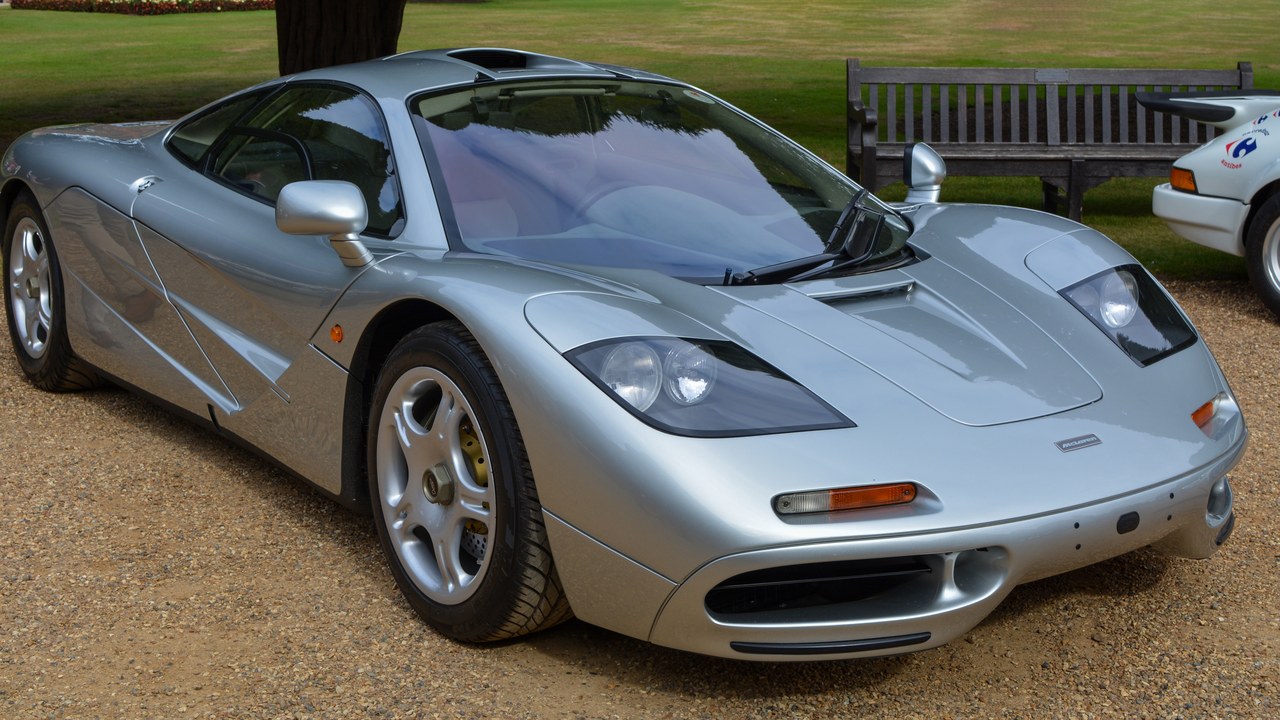
Jalopnik has documented that the F1’s 627-hp 6.1-litre V12, the S70/2, was engineered and hand-built by BMW Motorsport for the roughly 106 examples produced between 1992 and 1998.
McLaren approached several manufacturers before BMW agreed to design a bespoke naturally aspirated V12 to designer Gordon Murray’s strict weight and packaging demands, producing what is still widely regarded today as one of the most celebrated road-car engines ever built by any manufacturer.
11. Pagani Zonda: Every Zonda Runs AMG Power
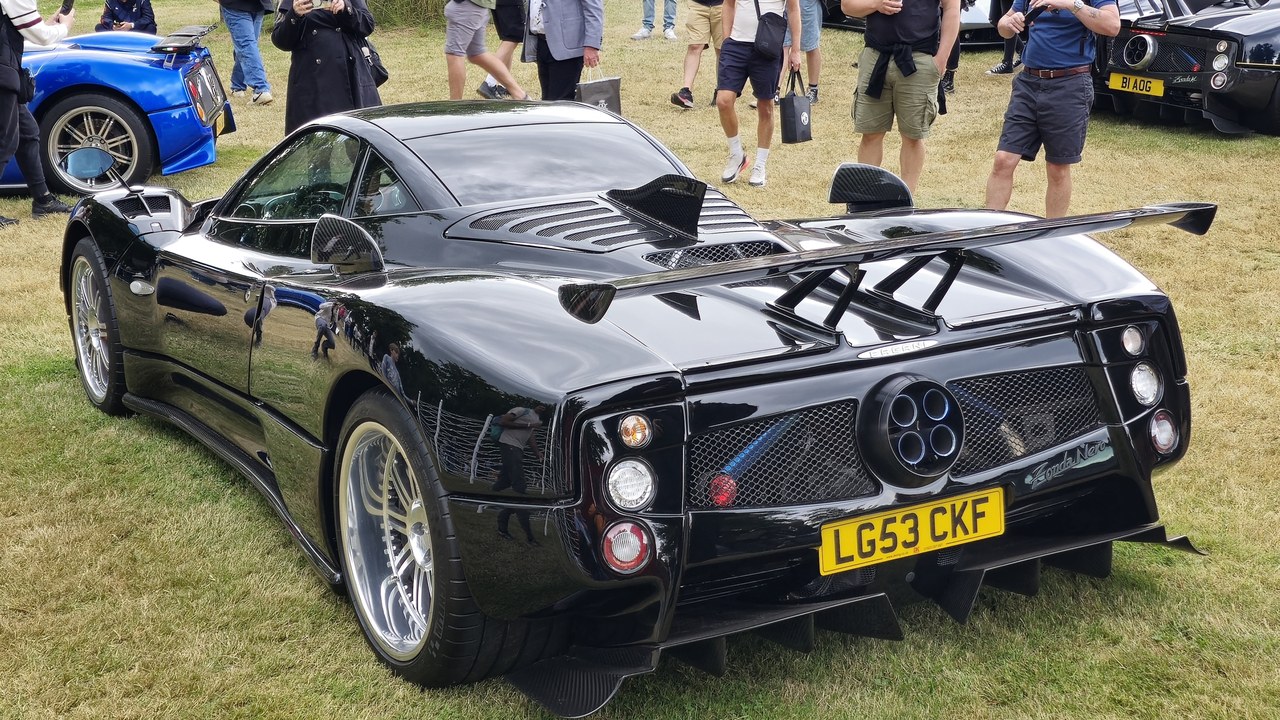
Every Zonda variant since its 1999 debut has been powered by a Mercedes-AMG V12, beginning with the 6.0-litre M120 and growing larger in later, more powerful special-edition versions.
Founder Horacio Pagani built a personal relationship with Mercedes-AMG’s engineers years before the Zonda launched, while he was still working as a composites specialist at Lamborghini, and that partnership has continued through every successor model since, including the Huayra that eventually replaced the Zonda entirely.
12. Volvo XC90 V8: Yamaha Engineered This Volvo V8
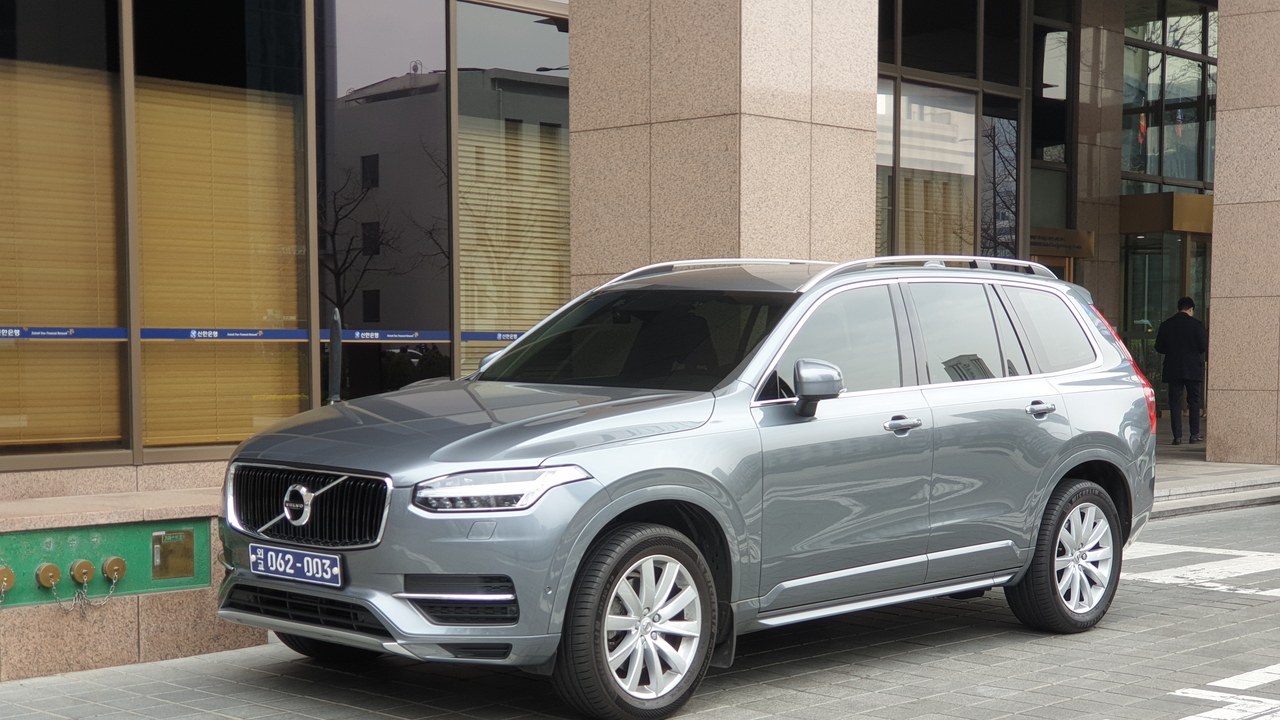
The first-generation XC90, sold from 2002 to 2014, offered an optional 4.4-litre B8444S V8 that was engineered and manufactured entirely in Japan by Yamaha for Volvo.
Volvo lacked the resources to design its own V8 engine in-house, so it turned to Yamaha’s engine division, which had a long history of quietly building high-end engines for other automakers on a contract basis, to fill the performance gap in its own SUV lineup.
More from Morning Overview
