
Boeing built much of the modern airline era, and its jetliners range from the first big American jet to widebodies still waiting for their first customer. The numbers behind each type tell a story of production, service and regulation. Here are twelve Boeing jetliners, beginning with the 707 that started the jet age for the company.
Stay ahead on AI: Join 600,000+ professionals who read The Deep View, the free daily newsletter that keeps you up to date with artificial intelligence.
Subscribe to The Deep View free →
We may earn a commission if you sign up.
1. Boeing 707: Jet Age Pioneer
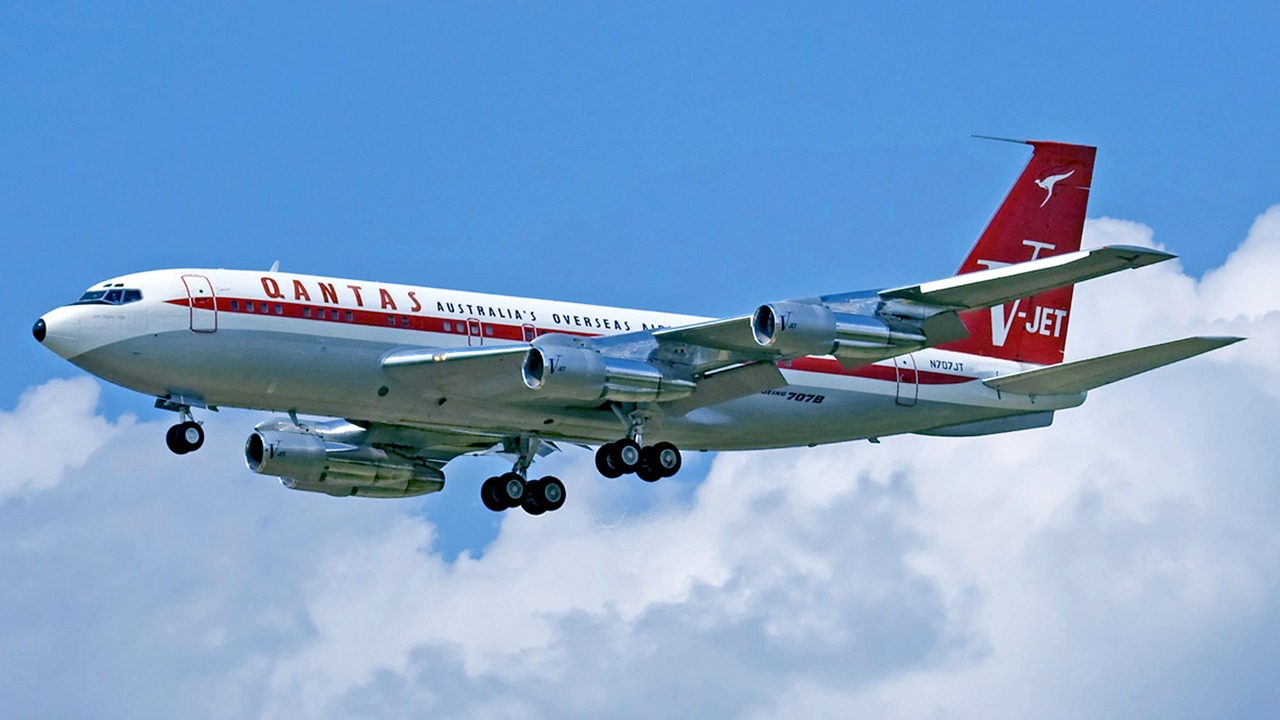
The 707-120 first flew on Dec. 20, 1957, and Boeing delivered 856 Model 707s in all versions between 1957 and 1994, each seating up to 181 passengers.
That delivery total excludes the 154 Model 720s, so it counts only the 707 itself. The figure shows how a single design stayed in production for decades and set the template that later Boeing jetliners would follow. Readers tracing the company’s history can treat it as the starting point for everything else here.
2. Boeing 727: Three Engines, One Tail
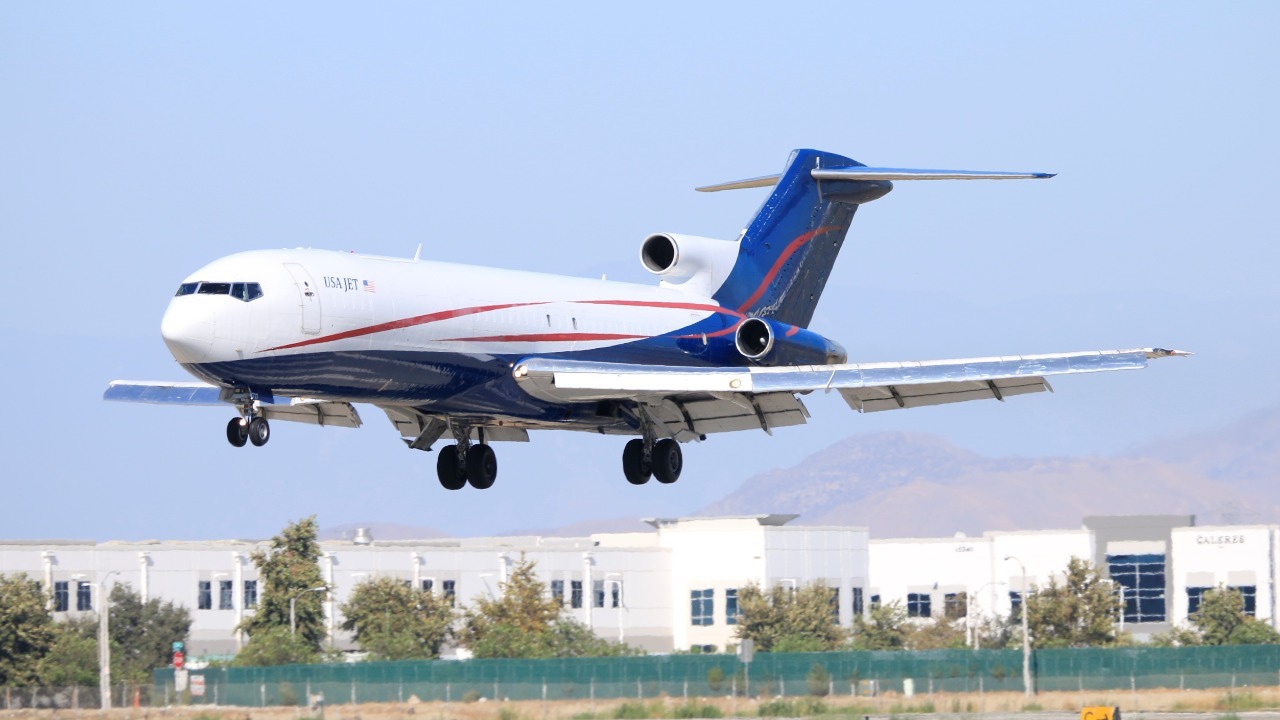
The trijet 727 first flew on Feb. 9, 1963, and a total of 1,832 were produced at Boeing’s Renton, Washington, plant.
Putting three engines at the rear gave the 727 a look that is easy to recognize in old airport photographs. Renton built them all, which ties the type to the same factory that later turned out so many of the narrowbody jets that followed. Its trijet layout also set it apart from the twin-engine airliners that dominate today.
3. Boeing 737 (original): The Small One
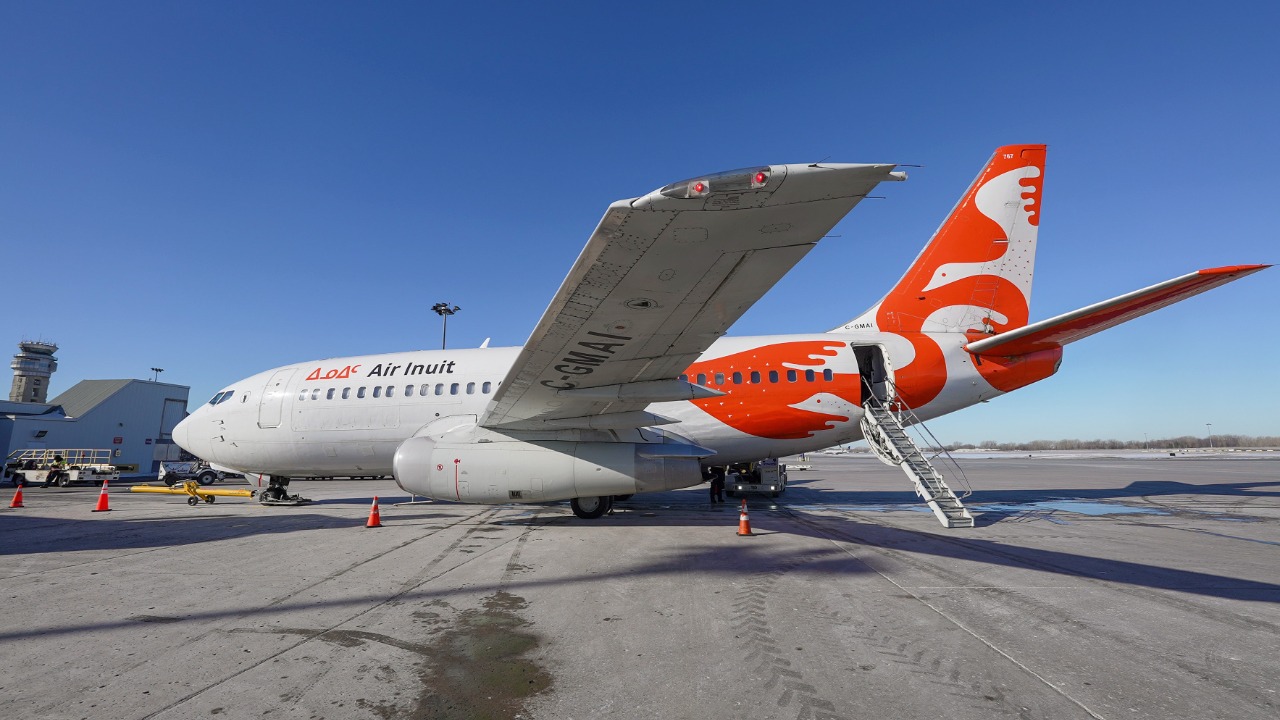
The first 737 flew on April 9, 1967, seating up to 107 passengers in its -100 and -200 versions. Boeing assembled the 10,000th 737 in Renton in March 2018.
Reaching ten thousand airplanes is a rare milestone for any jetliner family. The early versions carried far fewer people than later models, a reminder that the 737 grew up gradually from a modest short-haul design into a pillar of the industry.
4. Boeing 747: Original Jumbo
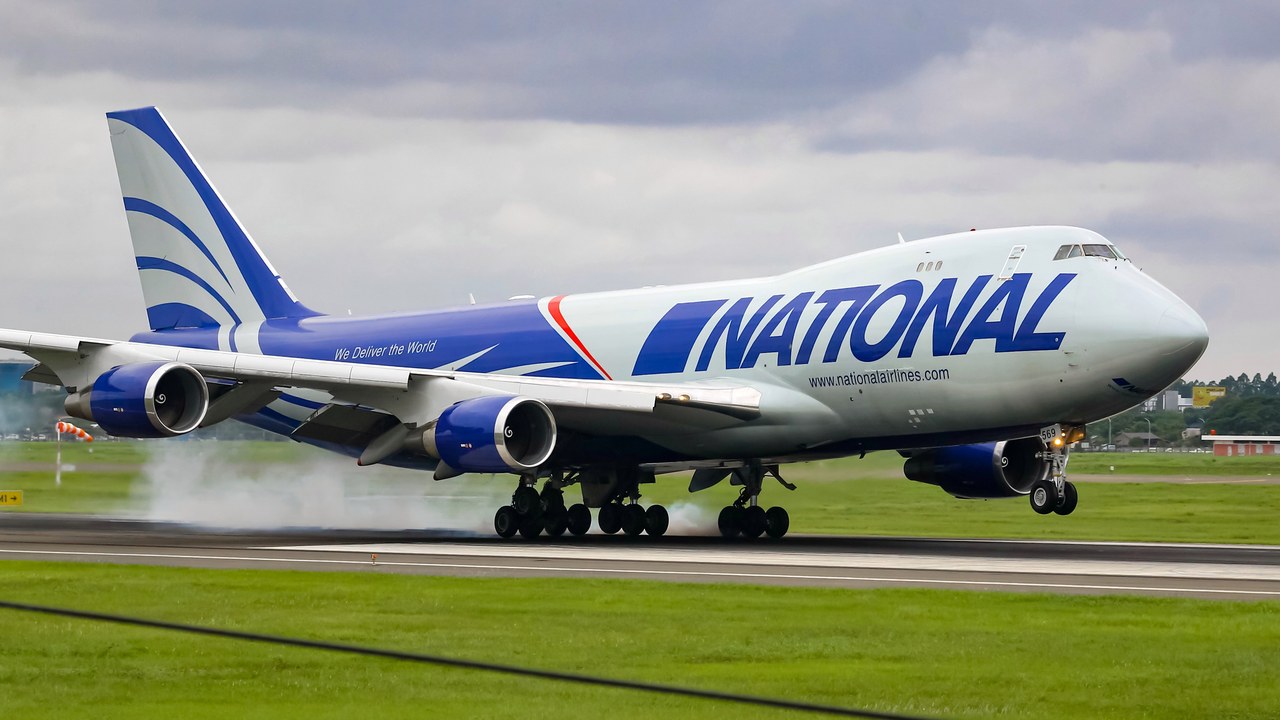
The original jumbo jet first flew on Feb. 9, 1969, and Boeing delivered the 1,500th 747 off the production line on June 28, 2014.
Plenty of aircraft are praised for size, but the 747 earned its reputation by staying in production for so long. Reaching 1,500 deliveries by 2014 shows how the type kept finding buyers decades after the first one took off. Few other airliners can point to such a long stretch of continuous manufacturing.
5. Boeing 747-8: Last Jumbo Standing
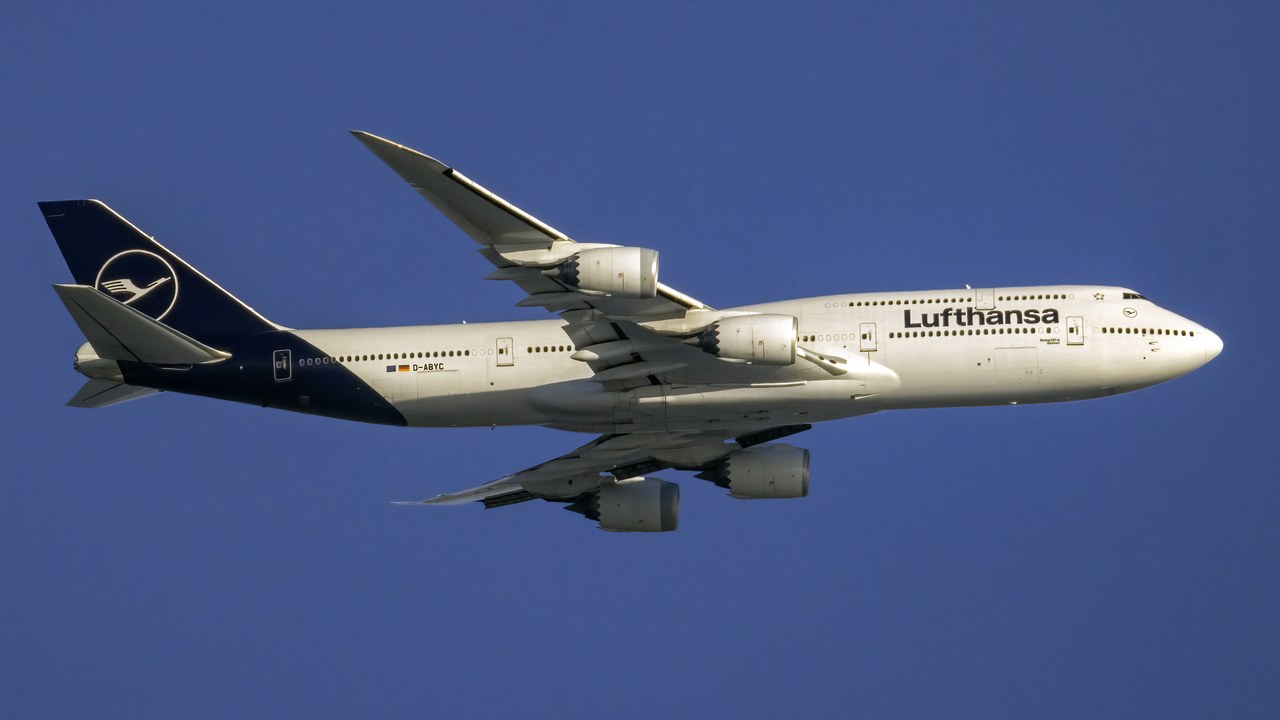
The stretched 747-8 was the jumbo’s last version: 155 were built, 107 freighters and 48 passenger jets. The final one went to Atlas Air on January 31, 2023.
Freighters outnumbered passenger versions by more than two to one, so cargo operators shaped the end of the line. For enthusiasts, that January 2023 delivery marks the close of a production story that began with the first 747 in the late 1960s.
6. Boeing 757: Narrowbody With Reach
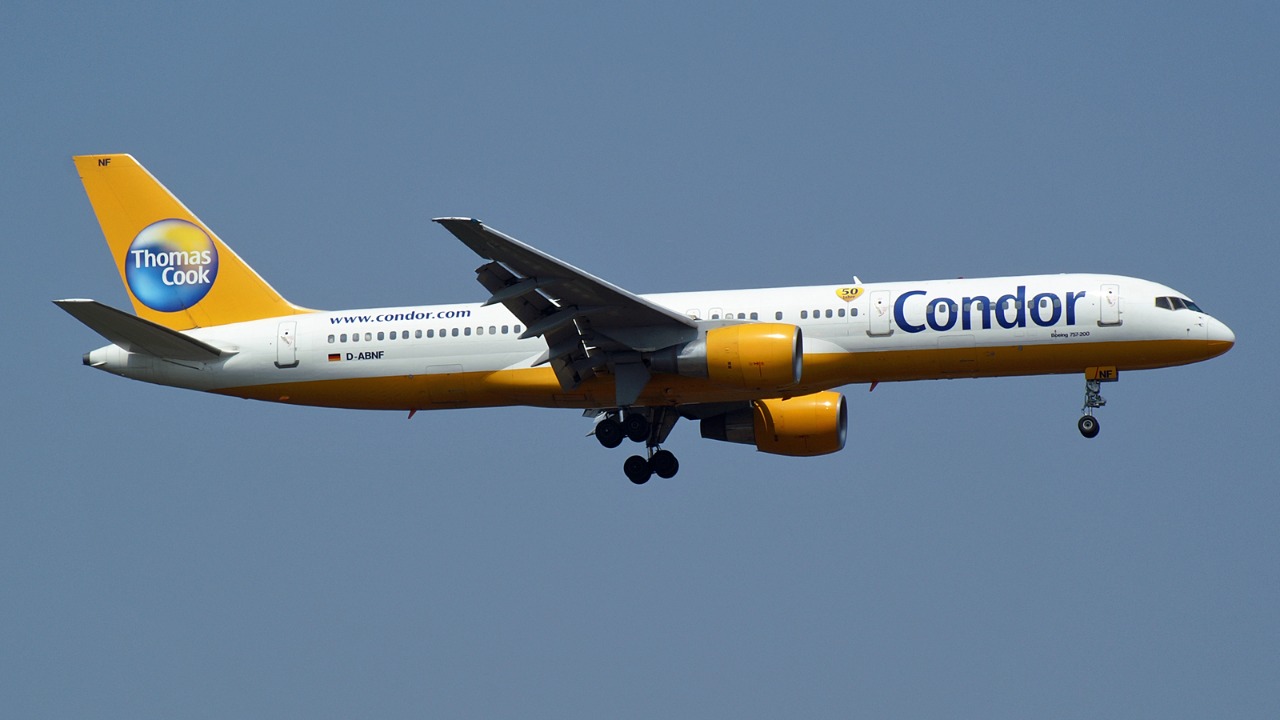
All 1,050 757s have been delivered, and 37 stretched 757-300s remain on the U.S. registry. The FAA ordered fuselage-frame crack checks effective Nov. 5, 2026.
The directive shows that the type still matters to regulators, since inspections apply to aircraft still flying in the country. The effective date falls after this issue’s publication, so the work is still ahead for operators. Operators of the longer 757-300 face the checks, while the overall total of 1,050 confirms that production is finished and the fleet is aging.
7. Boeing 767: Twin-Aisle Workhorse
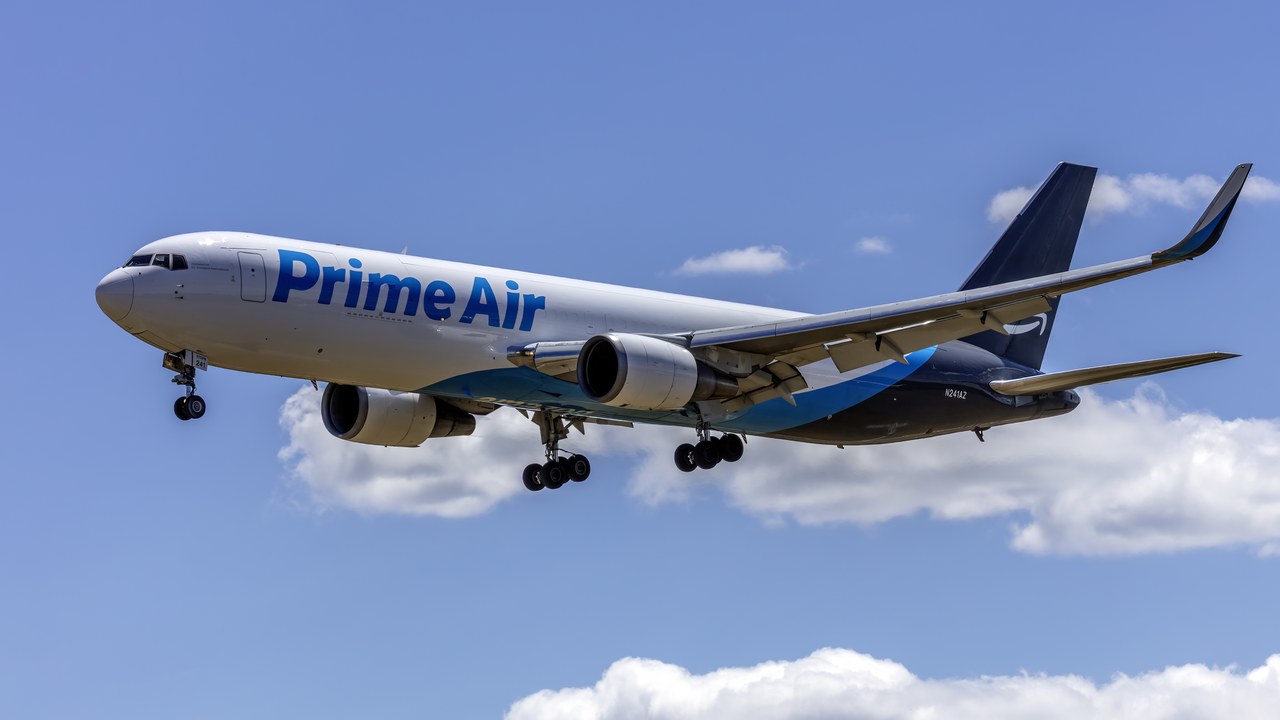
The 767 first flew on September 26, 1981. Boeing’s order book shows 1,430 ordered and 1,341 delivered, with freighter and tanker versions still in production.
Few jetliners from the early 1980s are still being built, so the 767 stands out for its late-career work. Freighter and tanker demand has kept the line open, giving the design a second act well after most passenger airlines moved on to newer types. For anyone following cargo aviation, the 767 remains a familiar sight.
8. Boeing 777: Long-Haul Twin
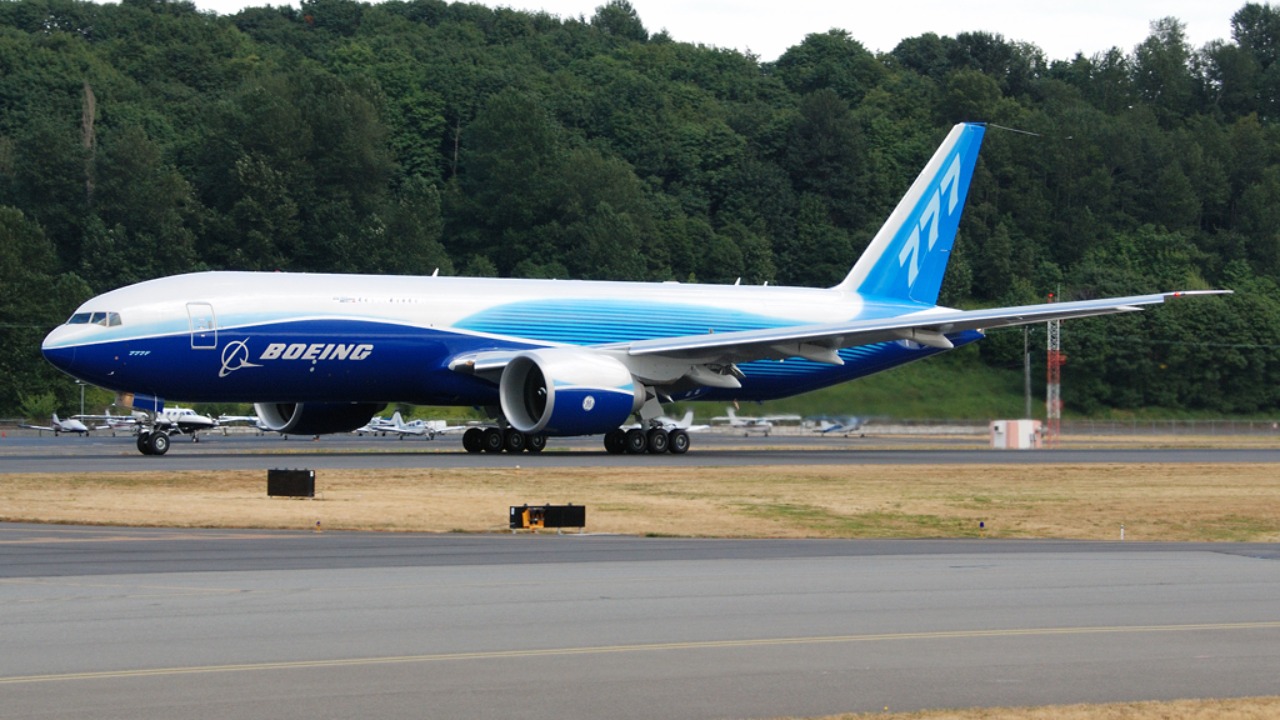
The FAA counts 334 U.S.-registered 777s across the 777-200, -200LR, -300, -300ER and 777F in its September 2026 directive on landing-gear-bay pump fires.
That range of variants shows how wide the 777 family became, from passenger models to the freighter. The directive is a maintenance matter for operators rather than a verdict on the type, and it gives a useful snapshot of how many are flying in American hands. Readers should not take the number as a global fleet count, because it covers only aircraft on the U.S. registry.
9. Boeing 717: The Quiet Record
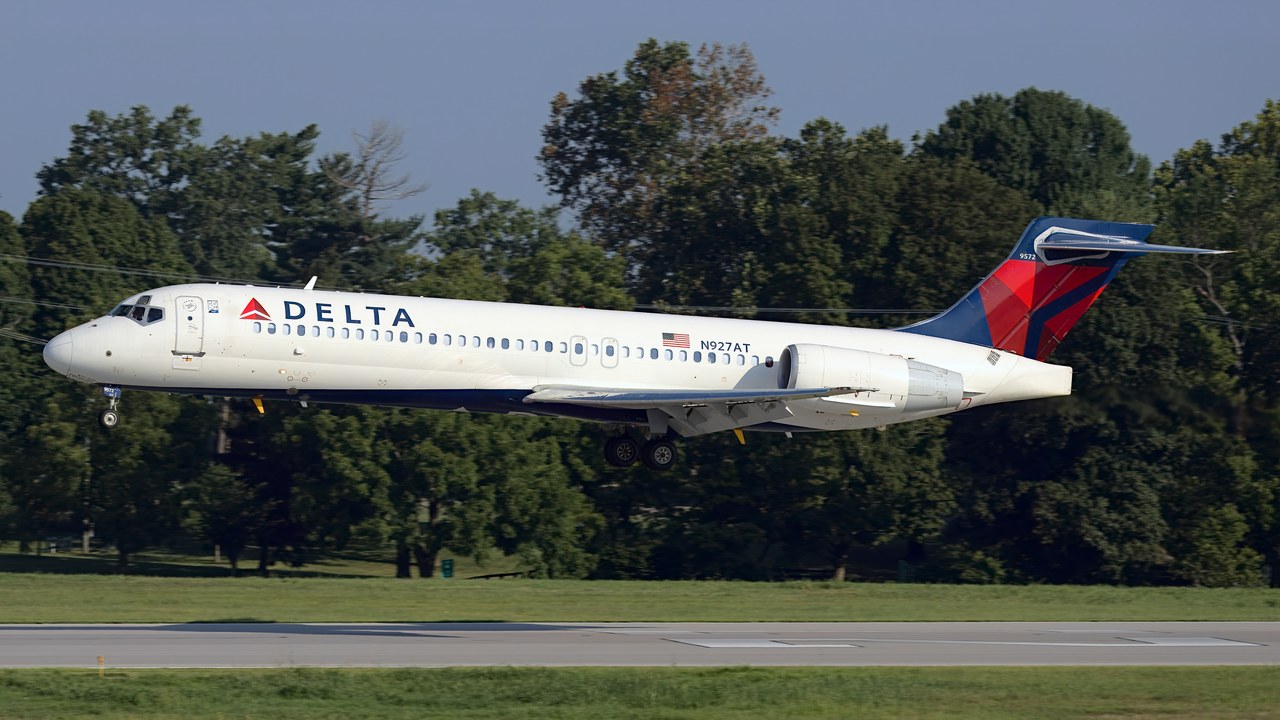
Boeing’s 717 is among the jetliner types with zero fatal hull-loss accidents in the company’s 1959-2025 statistical summary, alongside the 787 and 747-8.
A clean record in a long-running safety summary is not common, and it puts the small 717 in notable company. Travelers curious about safety history can note that the list includes both a modest twinjet and two much larger widebodies. The summary covers a long span, beginning in 1959, which makes the absence of fatal hull losses more meaningful.
10. Boeing 787 Dreamliner: Composite Dreamliner
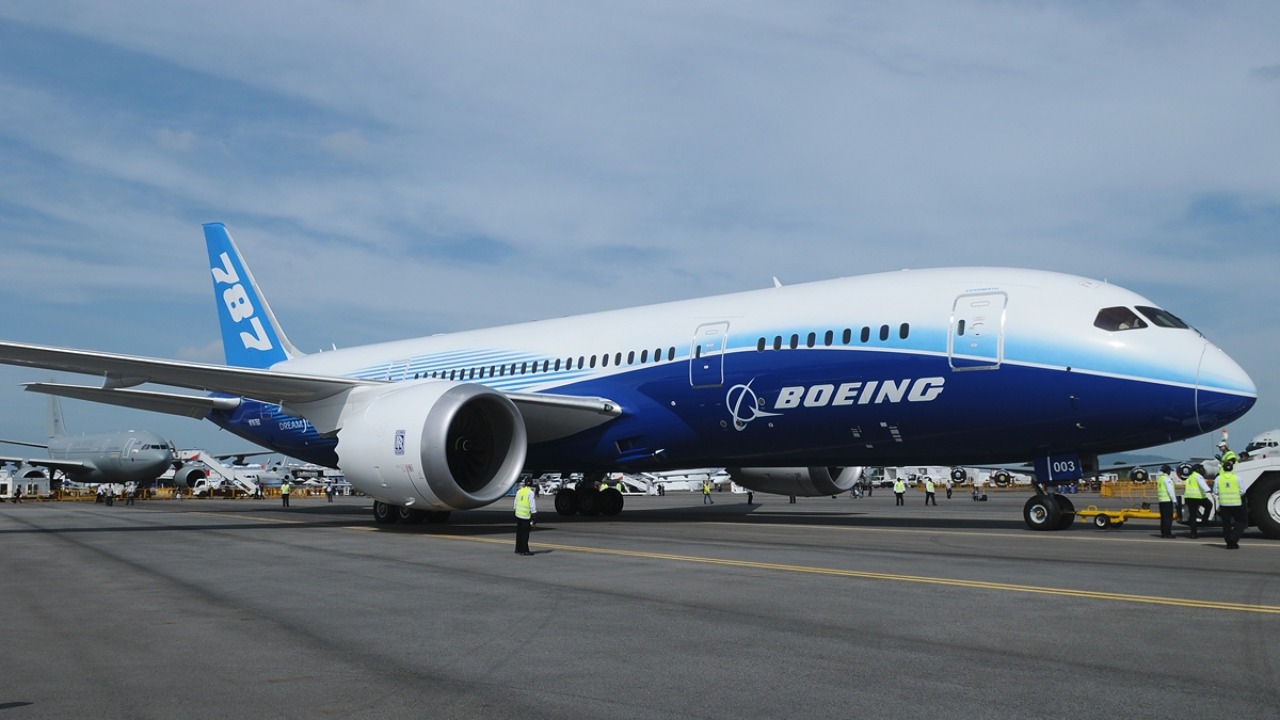
The 787 first flew on December 15, 2009. Boeing data through September 2025 show 2,270 ordered, 1,222 delivered and 1,048 still unfilled.
More than a thousand airplanes remaining on the books means years of production ahead. The Dreamliner is now a major part of Boeing’s widebody business, and the backlog suggests airlines still want it well over a decade after its first flight. The mix of delivered and unfilled orders shows a program that is well into its life but far from finished.
11. Boeing 737 MAX: MAX Backlog
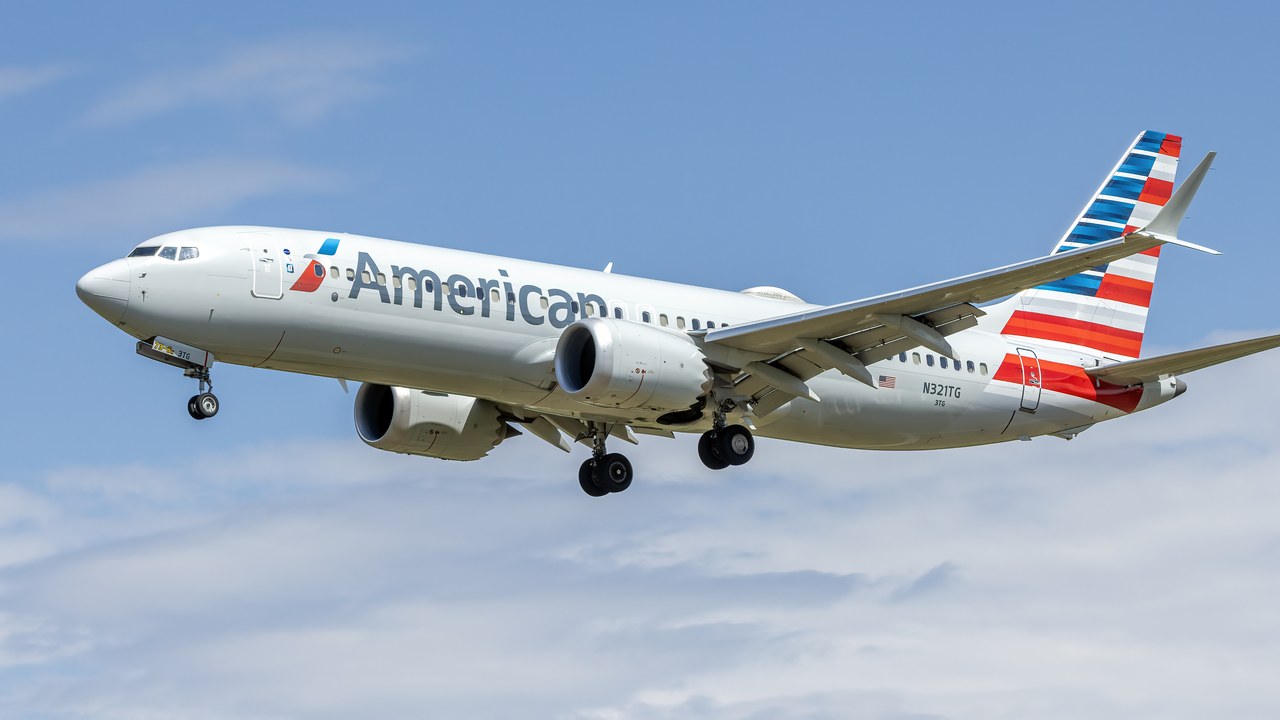
Boeing’s 737 MAX had 6,813 orders and 2,005 deliveries through September 2025, leaving 4,808 to build. The MAX 7 and MAX 10 are expected in 2027.
The backlog is large enough to keep factories busy for a long time. The two remaining versions have yet to enter service, so buyers and passengers will not see them until the expected 2027 timeline, if it holds. The scale of the order book also shows how much of Boeing’s near-term output depends on this single family of narrowbody jets.
12. Boeing 777X: Still Waiting
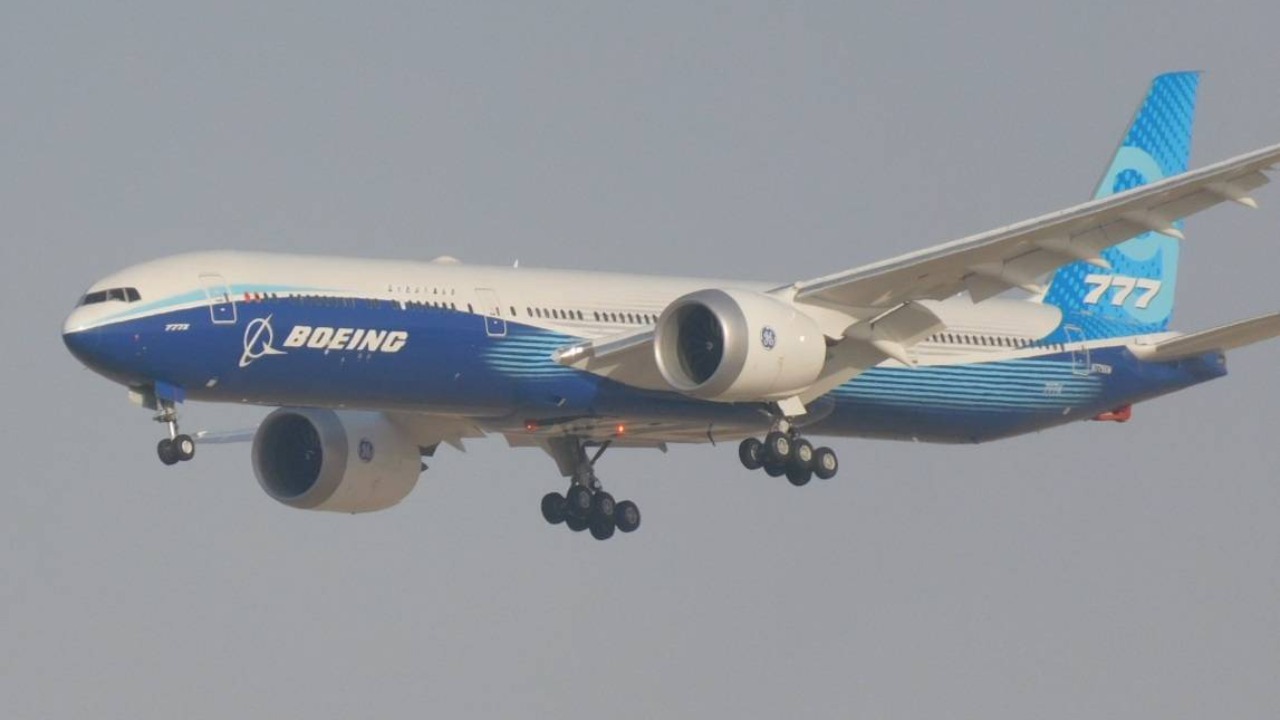
The 777X had 565 orders and no deliveries through September 2025, with entry into service expected in 2027.
Every one of those orders remains unfilled, which leaves the 777X without a single delivery in the data. It closes the list as a reminder that Boeing’s story is still being written, with timelines that can shift. Until the first delivery happens, the 777X remains a promise supported by a substantial order book rather than a type in daily airline service.
More from Morning Overview
