
Where the engine sits changes how a car looks, drives and sells. These cars put it behind the rear axle or just behind the driver, from a flat-six American compact to an Italian supercar and even a minivan. Here are eleven of them, each tied to a specific figure or claim.
Stay ahead on AI: Join 600,000+ professionals who read The Deep View, the daily newsletter that keeps you up to date with artificial intelligence.
We may earn a commission if you sign up.
1. Chevrolet Corvair: Rear-Engine Pioneer
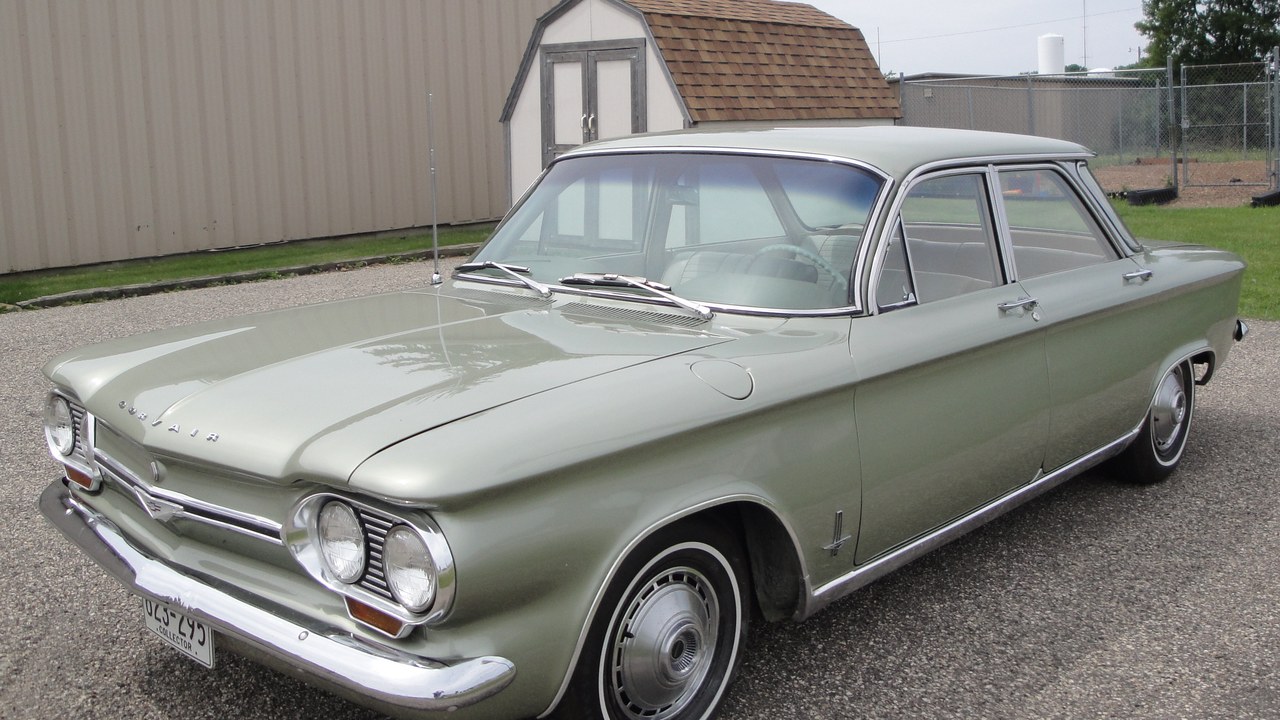
Chevrolet built the Corvair around an air-cooled, horizontally opposed flat-six mounted in the rear, with many major components made of aluminum. Production ended on May 14, 1969, after 1,835,170 Corvairs had been built, a large number for such an unconventional layout from an American maker.
The car’s reputation took a hit from Ralph Nader’s 1965 book, which branded it unsafe. A 1972 federal study of 1960 to 1963 cars, however, found no abnormal potential for loss of control or rollover.
2. Volkswagen Beetle: The People’s Rear Engine
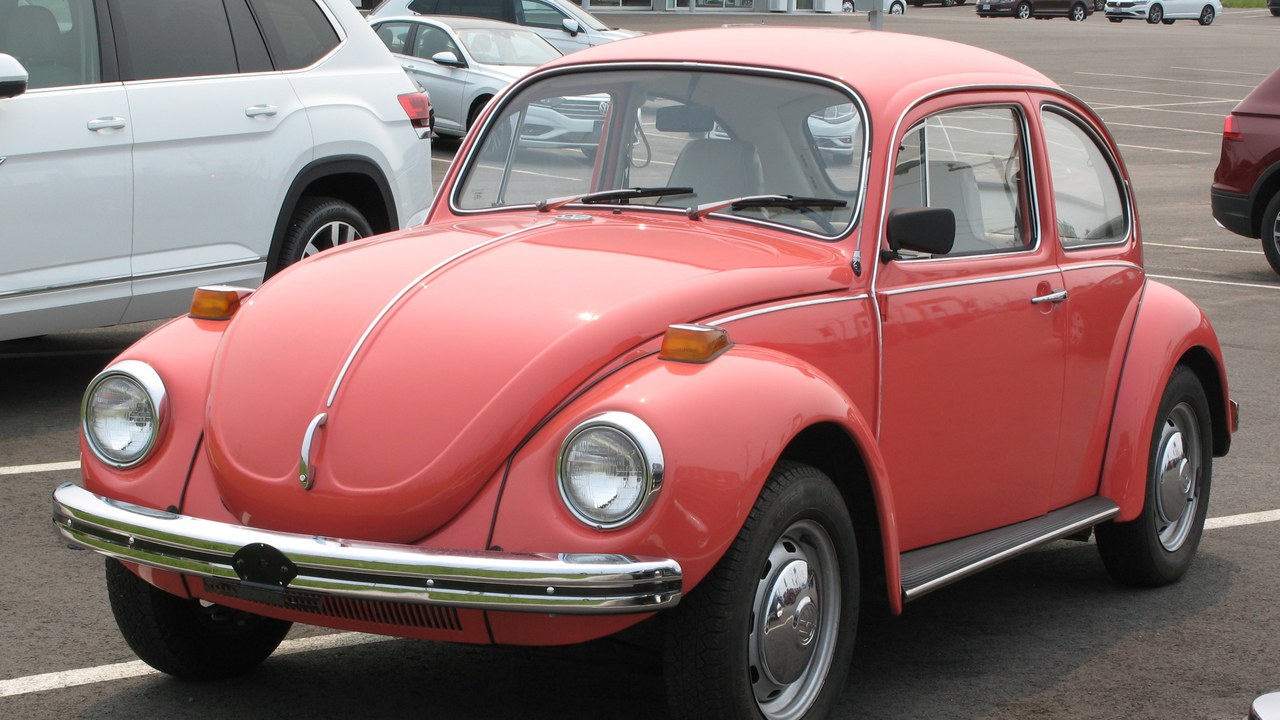
Few cars show the layout at scale like the Beetle. Its rear-located, air-cooled four-cylinder boxer engine drove the rear wheels, and 21,529,464 Beetles were eventually built over the model’s long life.
That sheer volume makes the Beetle the best-known example of putting the engine behind the rear axle. Compact, simple and cheap to build, the layout became inseparable from the car’s identity worldwide. Wikipedia’s entry also notes rear-wheel drive, so the engine sat directly over the driven wheels, a tidy arrangement for a small, simple car.
3. Porsche 911: Rear-Mounted Flat-Six Icon
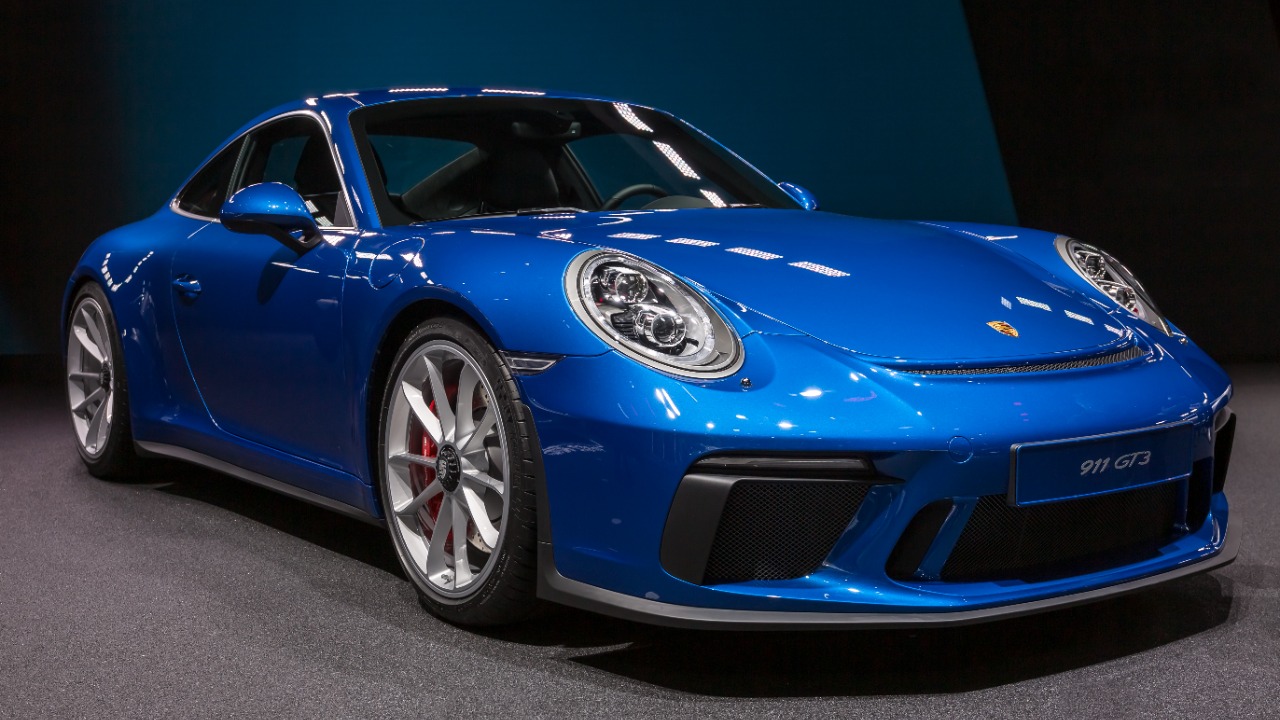
Porsche has kept the engine hanging behind the rear axle for decades. All 911s carry a rear-mounted flat-six, and the 911 lineup has stayed in production since September 1964, a run measured in decades.
The layout gives the car its distinctive character and its traction off the line. Porsche has refined rather than abandoned the formula, so every generation shares the same basic engine placement. That continuity is the point of the list entry: the engine position has never moved in more than half a century.
4. Pontiac Fiero: America’s First Mid-Engine Production Car
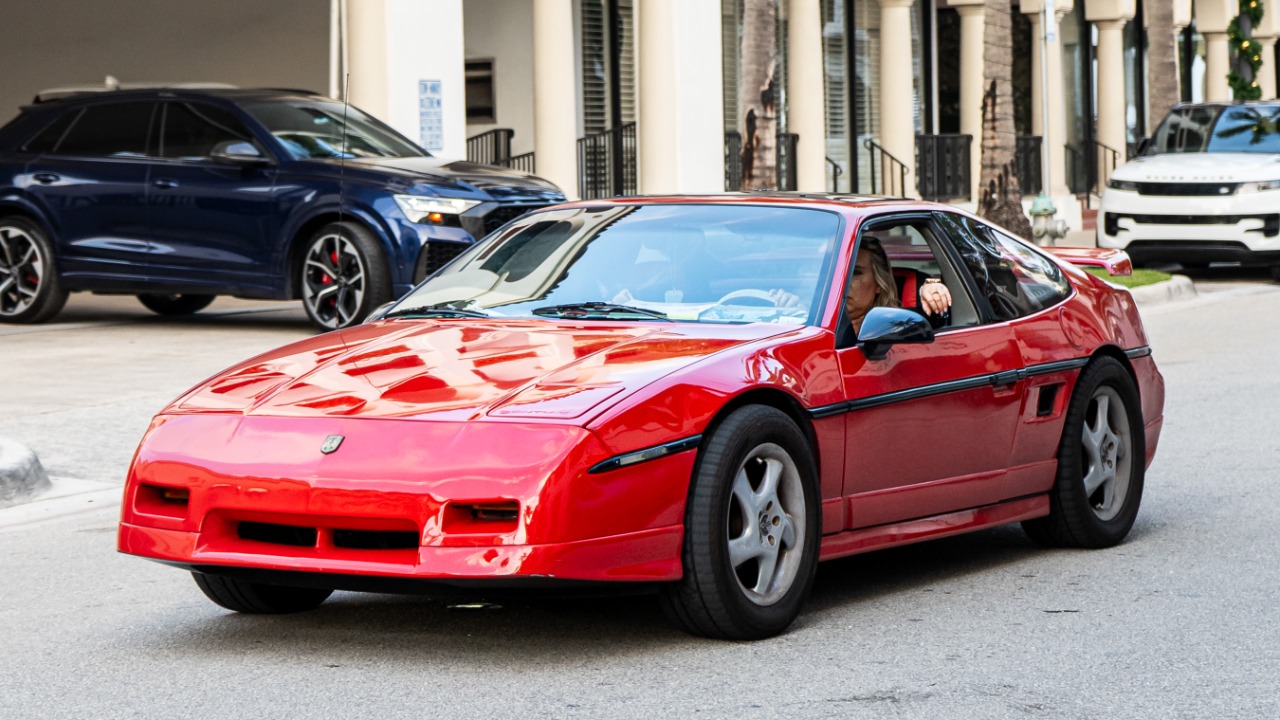
Pontiac’s two-seater broke new ground for Detroit. The Fiero was the first mass-produced rear mid-engine car by any American manufacturer, and 370,168 of them were built.
Its reputation suffered from engine fires, which occurred in one of every 508 cars sold. The Fiero remains a landmark for the mid-engine layout in the United States despite that history. Sales of 370,168 show the car found a real audience before that reputation caught up with it, and the numbers still stand as a benchmark for American mid-engine production.
5. Chevrolet Corvette (C8): The Mid-Engine Turn
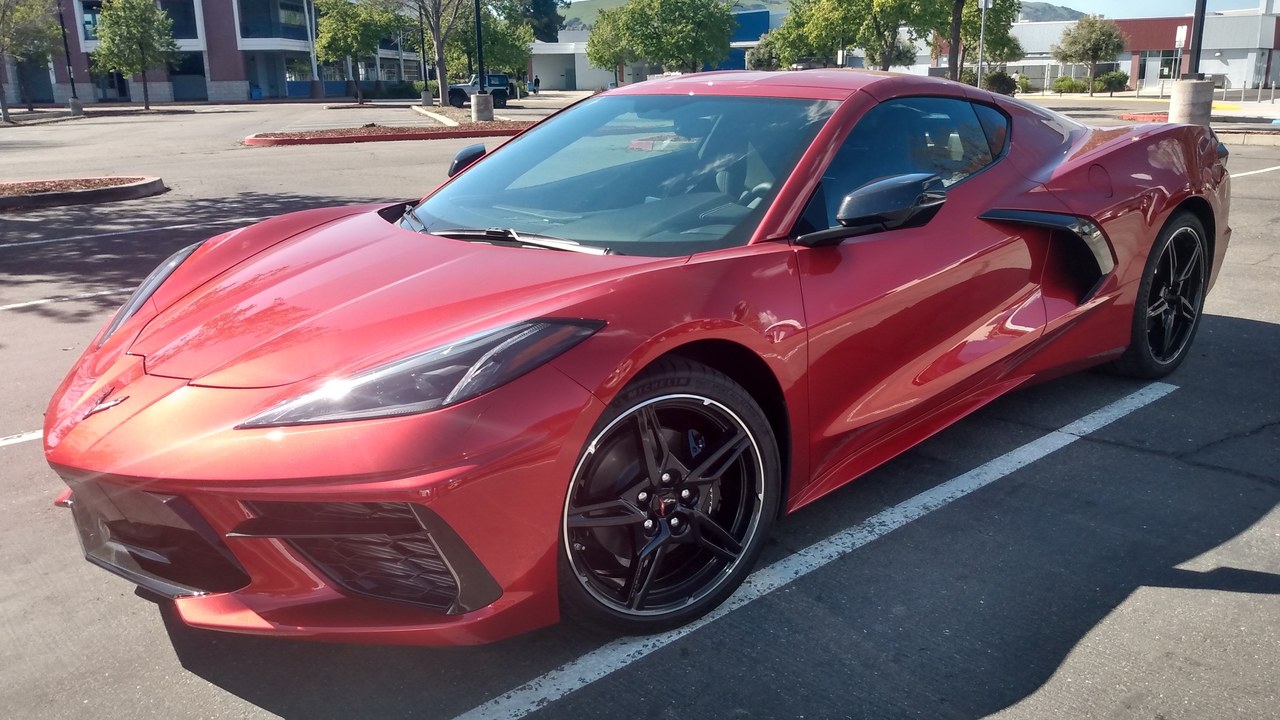
For decades Corvettes kept the engine up front, until the 2020 Stingray changed that. It was the first rear mid-engine Corvette, rated at 490 or 495 hp, depending on the exhaust, with a 0 to 60 mph time of 2.9 seconds in Z51 trim.
The base price for the 2021 model was $60,995. That put mid-engine performance within reach of buyers who would never consider an exotic Italian supercar. Mid-engine placement is the headline change, and the figures cited here show how much performance Chevrolet extracted from it in the first model year.
6. Toyota MR2: Affordable Mid-Engine Fun
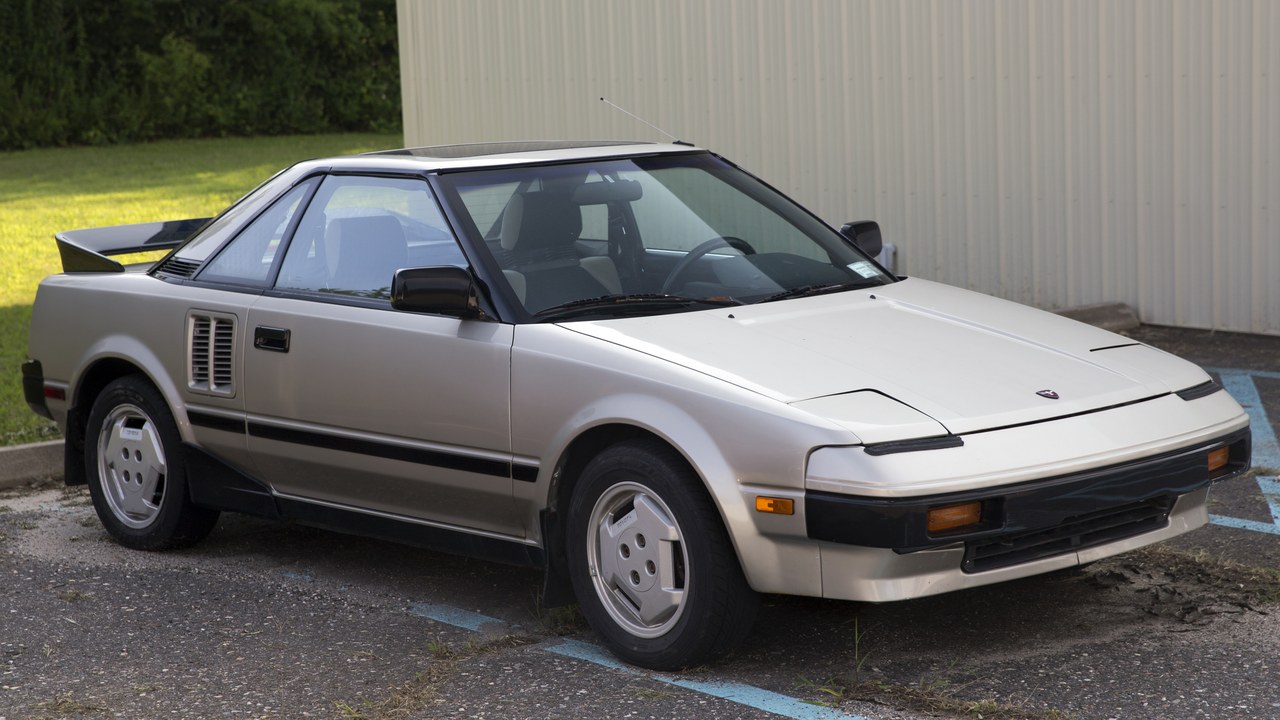
Toyota showed that the layout did not have to be exotic. The MR2 sandwiched its four-cylinder engine between the driver and the rear axle, a placement that Driving Line includes among affordable mid-engine sports cars that pre-date the Corvette C8.
Priced in the mid-teens, the little coupe offered the handling benefits of a mid-engine design to ordinary buyers. It stands as a reminder that the layout once belonged to modest cars as well as expensive ones.
7. Acura NSX: Honda’s Mid-Engine Supercar
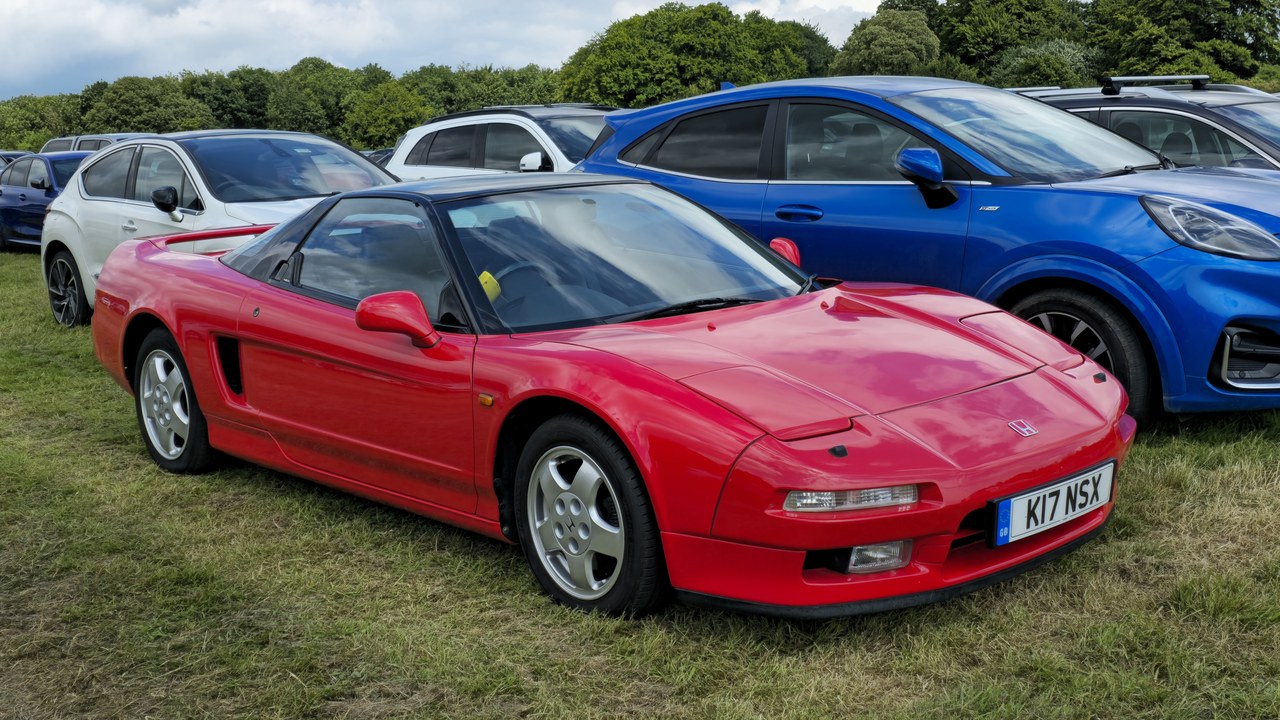
Honda entered the supercar world with a mid-engine design sold as the Acura NSX. Driving Line describes the first-time supercar from Honda as costing $62,000 in 1991, compared with about $90,000 for a base Ferrari 348.
That price gap defined the car’s appeal. Buyers could get the mid-engine layout associated with exotic marques at a much lower sticker price than the Italian rival of the day. For readers weighing layouts, the NSX shows the mid-engine formula could arrive from a mainstream maker rather than a boutique Italian one.
8. Fiat X1/9: Bertone’s Budget Mid-Engine
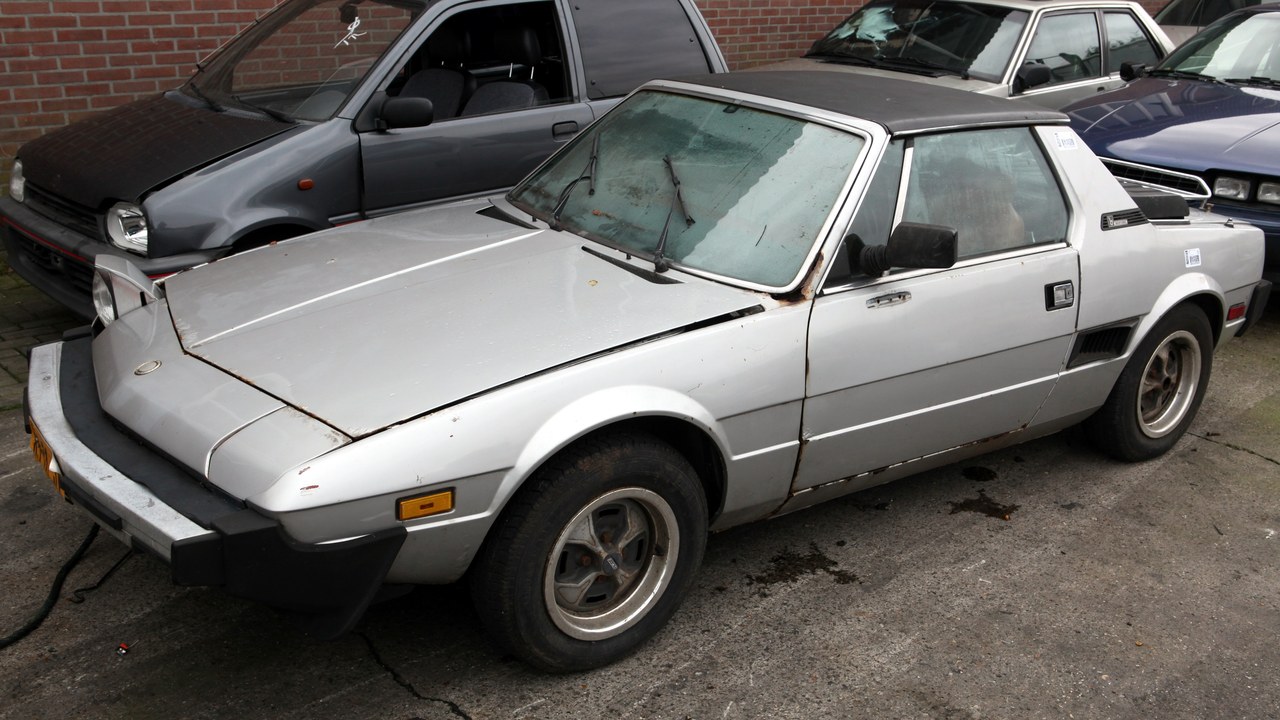
Fiat took an inexpensive route to the layout. Driving Line calls the X1/9 a unique and inexpensive way to sample mid-engine design, and its price in the early 1970s was about that of an import family sedan.
The cheap entry price put mid-engine handling within reach of everyday buyers. Among the cars in this list, the Fiat is one of the most modest in both cost and ambition. Like the MR2 earlier in the list, it paired mid-engine design with an everyday price instead of a supercar one.
9. Toyota Previa: The Mid-Engine Minivan
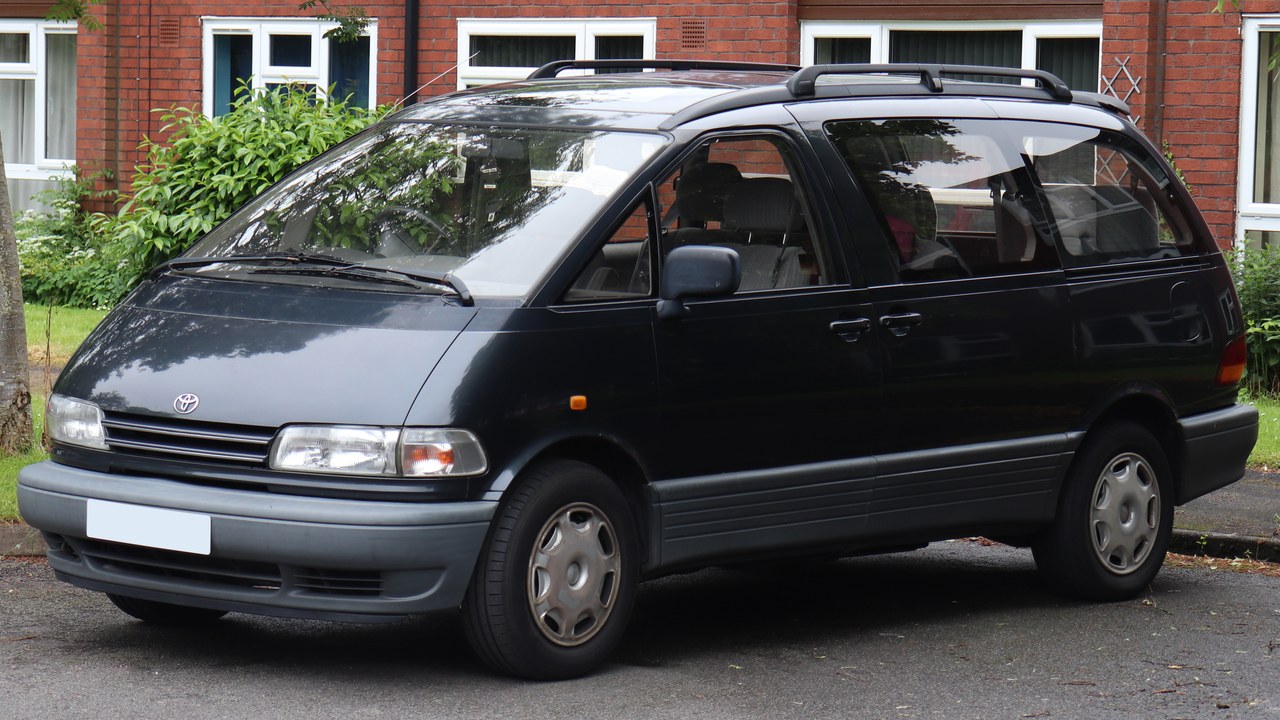
Not every mid-engine car is a sports car. Toyota’s Previa is billed as the first mid-engine MPV, a minivan whose engine sits under the floor instead of under a long hood.
The claim comes from a Toyota history page, so it reflects the company’s own framing. It still shows how the layout spread well beyond two-seat coupes into family transport. Putting the engine under the floor is an unusual packaging choice for a van, which is why the Previa stands apart from other minivans.
10. Lamborghini Miura: The First Mid-Engine Supercar
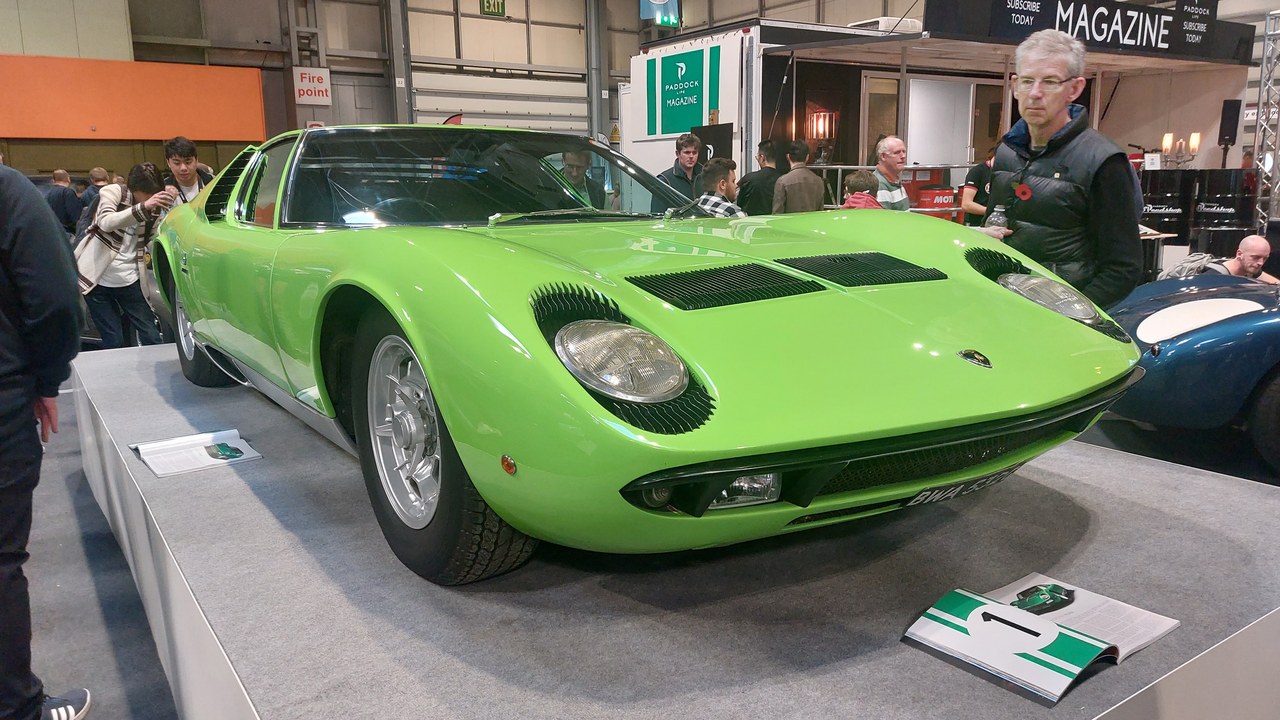
Lamborghini turned the layout into a status symbol. Launched in 1966, the Miura is generally regarded as the first mid-engined supercar, according to Classic and Sports Car.
Its arrival set the template that later exotic cars would follow. The Miura is a less mainstream name than the Corvette or the 911, but its influence on supercar design is hard to overstate. The car arrived in 1966, long before any American maker built a mid-engine production model, and the Miura remains the car most often cited as the start of the mid-engine supercar.
11. Ferrari Dino 246: Enzo’s Mid-Engine Start

Ferrari came late to the layout, and it began small. When Enzo Ferrari wanted a mid-engined model, Auto Express reports, he started with a smaller rival to the Porsche 911.
The Dino 246 therefore marked a first step away from the front-engined cars that built the company’s name. The rival it was aimed at, the 911, appears elsewhere in this list with its engine in the opposite place. Enzo’s choice to begin with a compact model rather than a flagship also shows that the first step was a modest one.
Stay ahead on AI: Subscribe to The Deep View →
We may earn a commission if you sign up.
More from Morning Overview
- Ford is recalling 223,472 F-150 pickups because the fuel tank can leak or detach
- Hybrids have 15% fewer problems than gas cars, while EVs and plug-in hybrids have about 80% more, Consumer Reports finds
- Regulators cleared the first U.S. small modular reactor, 4 months early
- Lake Powell sank to a record 3,517 feet, nearing the level that stops Glen Canyon Dam’s turbines
