
New York’s yellow cabs have changed shape repeatedly over the past several decades. The city’s fleet has moved from boxy Checkers and full-size American sedans through early hybrids, a purpose-built van and, most recently, electric crossovers. Here are ten taxis that mark each stage of that long transition.
AI, explained every day: The Deep View is the go-to daily newsletter for 600,000+ founders, knowledge workers and professionals who want to stay up to date with artificial intelligence.
We may earn a commission if you sign up.
1. Checker Marathon: The Cab That Outlived Its Factory
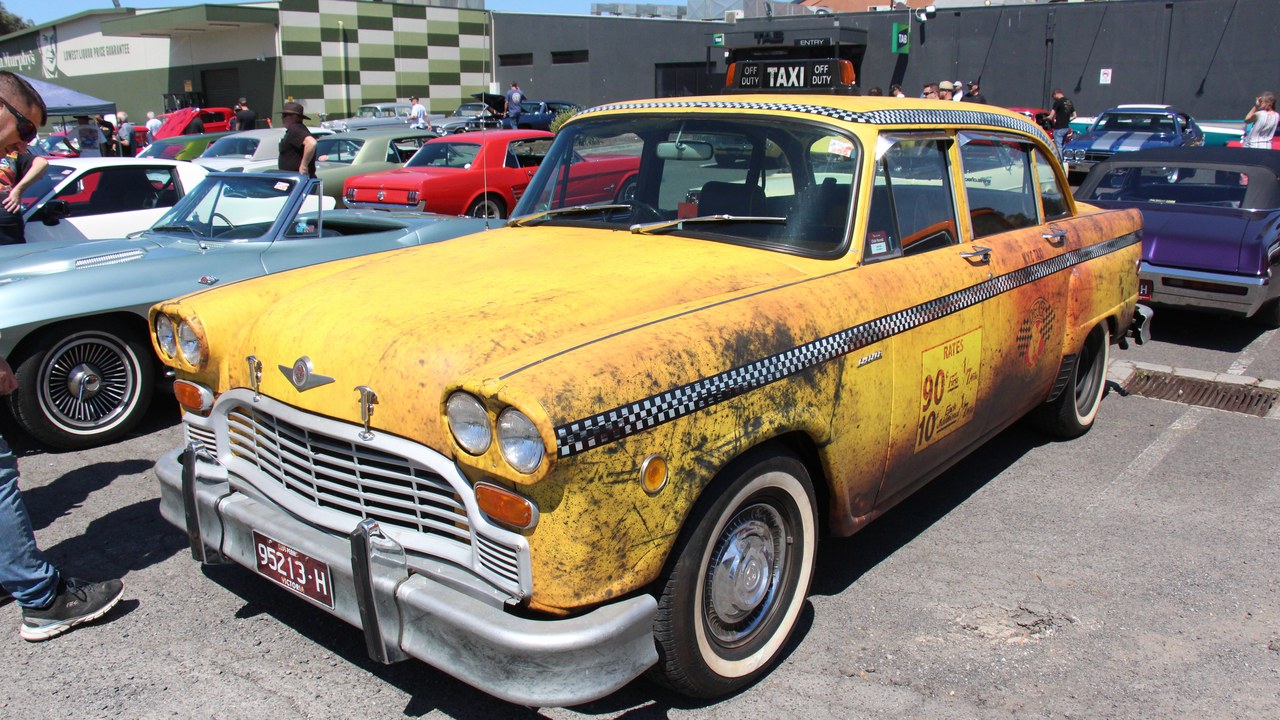
The last Checker rolled out of the factory in 1982, and only two were still working as New York cabs in 1999. Earl Johnson’s final one went to auction at Sotheby’s that November and sold for $134,500.
That price turned a retired taxi into a collector’s item. The boxy Marathon had carried the city’s yellow-cab identity for decades, and its departure ended an era in which a purpose-built cab was a common sight. Production stopped in 1982, so every Checker cab still running in 1999 was at least seventeen years old.
2. Chevrolet Caprice: The Workhorse Before the Crown Vic
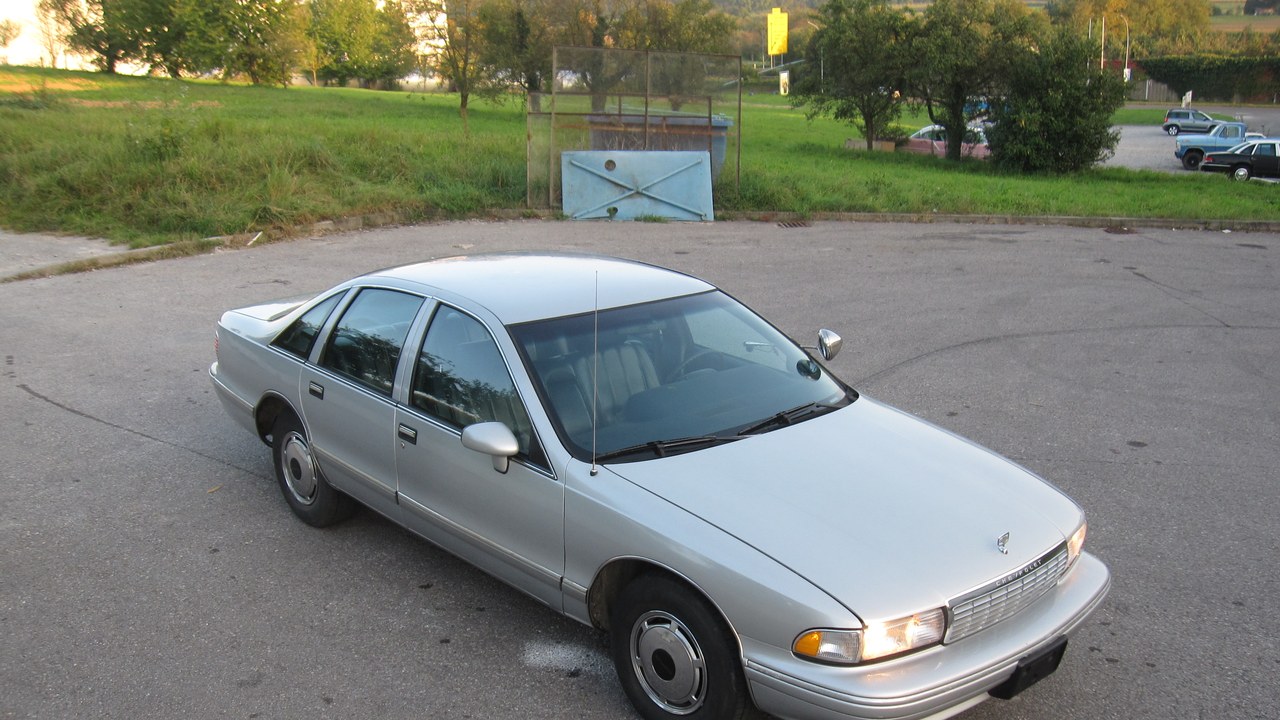
The fleet’s workhorse by the mid-1990s was the Chevrolet Caprice, a large, durable sedan that suited the punishing daily routine of city hacking. When its discontinuation was announced in late 1996, the city’s operators faced a gap in the market.
That gap is what opened the door for the Ford Crown Victoria, which then became the main cab on New York streets. The Caprice therefore marks the handoff between two generations of full-size American taxis. The retirement of the model came while it was still the workhorse of the fleet.
3. Ford Crown Victoria: The Last of the Old Guard
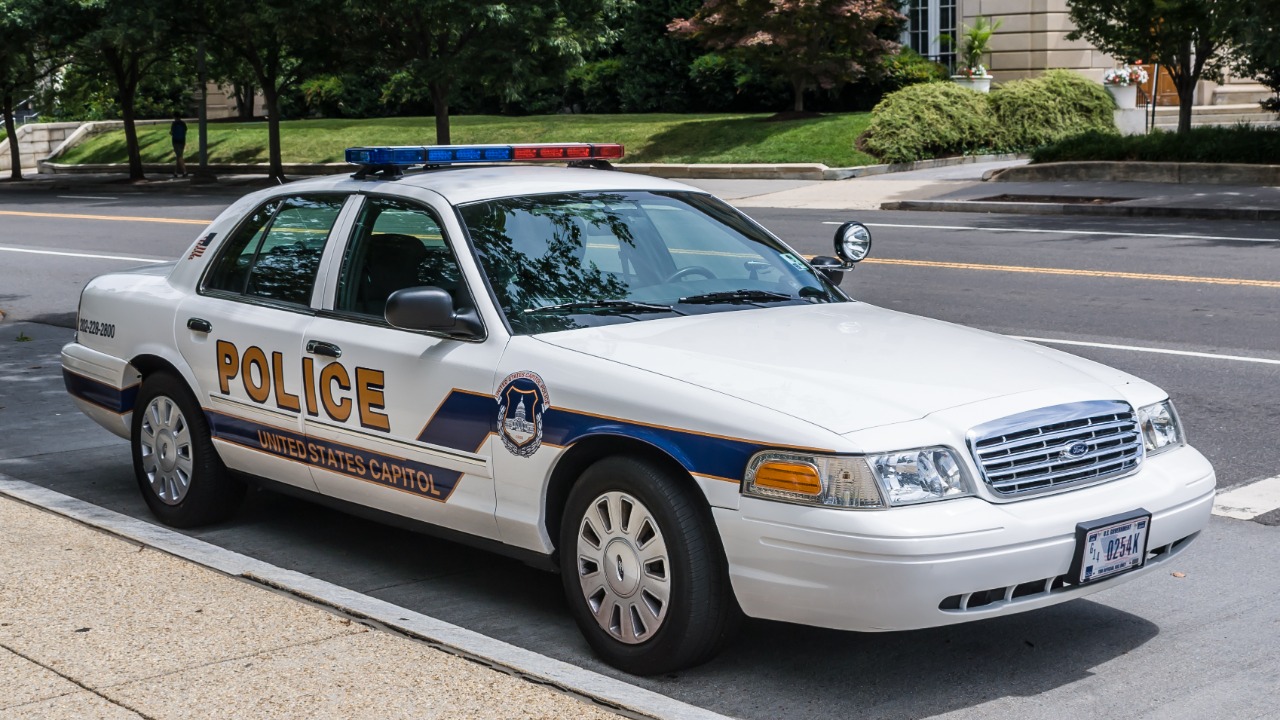
Only two Crown Victoria taxis remained on city streets as of November 2023, according to a New York Times count cited by Jalopnik. Ford ended production of the car in 2011.
The Crown Victoria was long the default yellow cab, and its near-disappearance shows how thoroughly newer models replaced it. A 2001 change added seven inches to the chassis. Because Ford ended production in 2011, no new examples could join the fleet afterward, and the remaining cabs were steadily aging out.
4. Ford Escape Hybrid: The Hybrid That Beat Its Rival
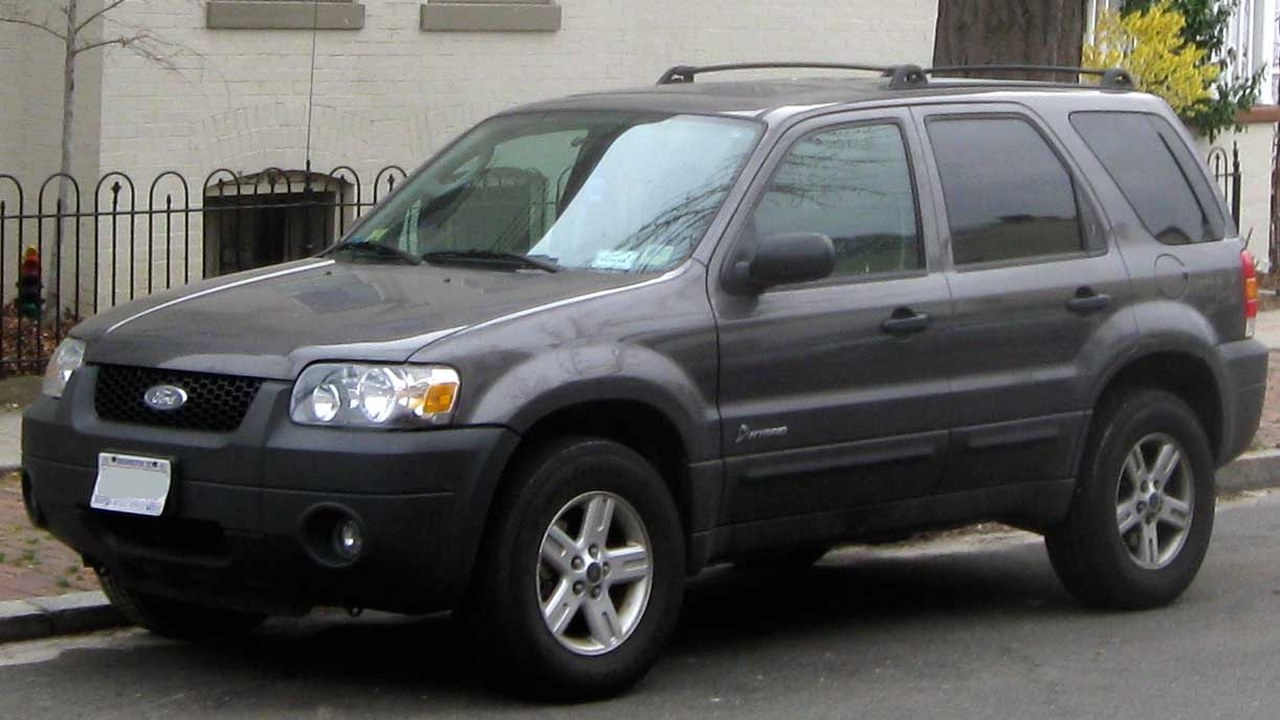
Permitted as a cab in 2005, the Ford Escape Hybrid became the second most common taxi in New York by 2010. It was rated at 34 mpg, against 18 mpg for the Crown Victoria.
That gap, nearly double the mileage, is the figure that drove fleet owners toward hybrids. For a vehicle that idles and crawls through traffic all day, fuel savings of that size added up quickly across thousands of cabs. The Escape was the second most common cab by 2010, a striking rise for a vehicle permitted only five years earlier.
5. Nissan NV200: The Taxi of Tomorrow
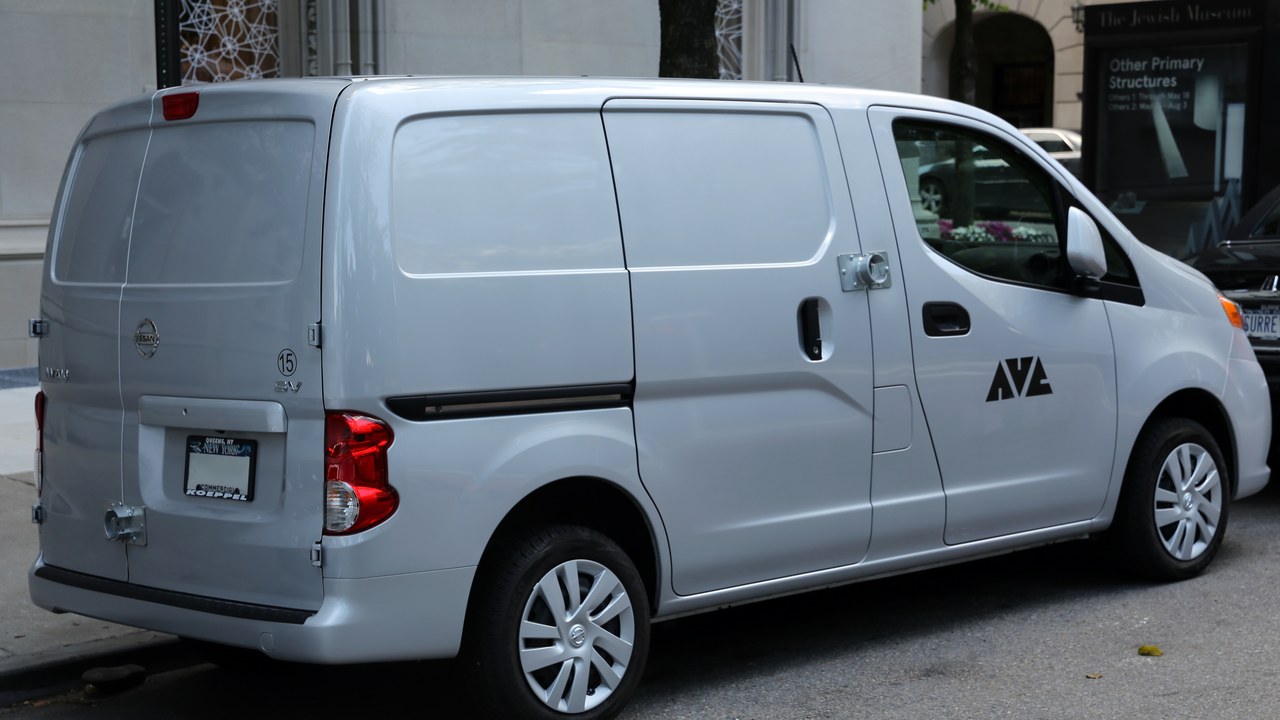
The Nissan NV200 won the city’s bid to become the Taxi of Tomorrow in 2011. The plan was to replace roughly 13,000 yellow cabs over five years starting in 2013, with the vans built in Cuernavaca, Mexico.
The van was designed around passengers instead of adapted from a family sedan. Its selection as the city’s official cab marked a sharp break from the sedan tradition that had dominated the fleet for decades. Replacing 13,000 cabs on that schedule would have remade most of the fleet within a single five-year window.
6. Toyota Prius: The Early Hybrid Favorite
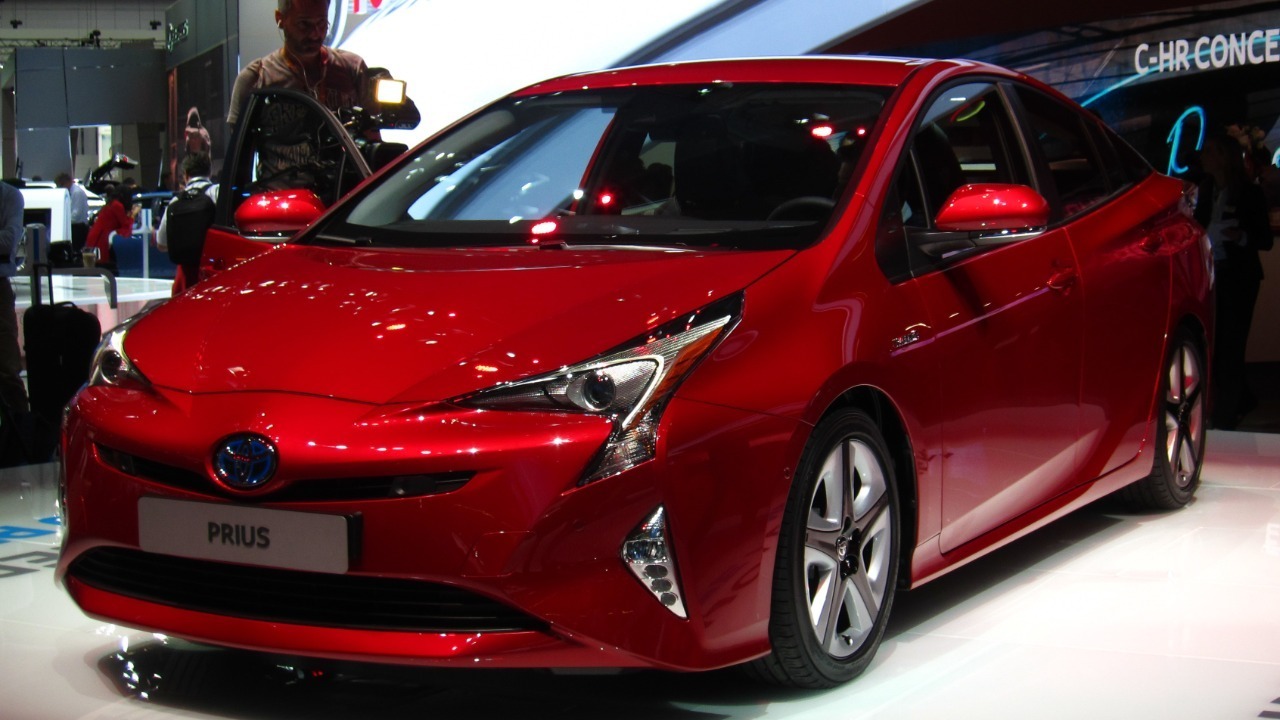
A popular hybrid cab, the Toyota Prius was later followed by the Prius v, a larger version. The Prius v was listed at $26,650, about $3,000 less than the NV200.
That price difference mattered to operators weighing the official Taxi of Tomorrow against alternatives already proven in service. The Prius family showed that a compact hybrid could handle the city’s grind at a lower purchase cost. The Prius was thus both an early hybrid cab and a price benchmark for the vans that followed.
7. Toyota Camry Hybrid: The Hybrid Sedan Takeover
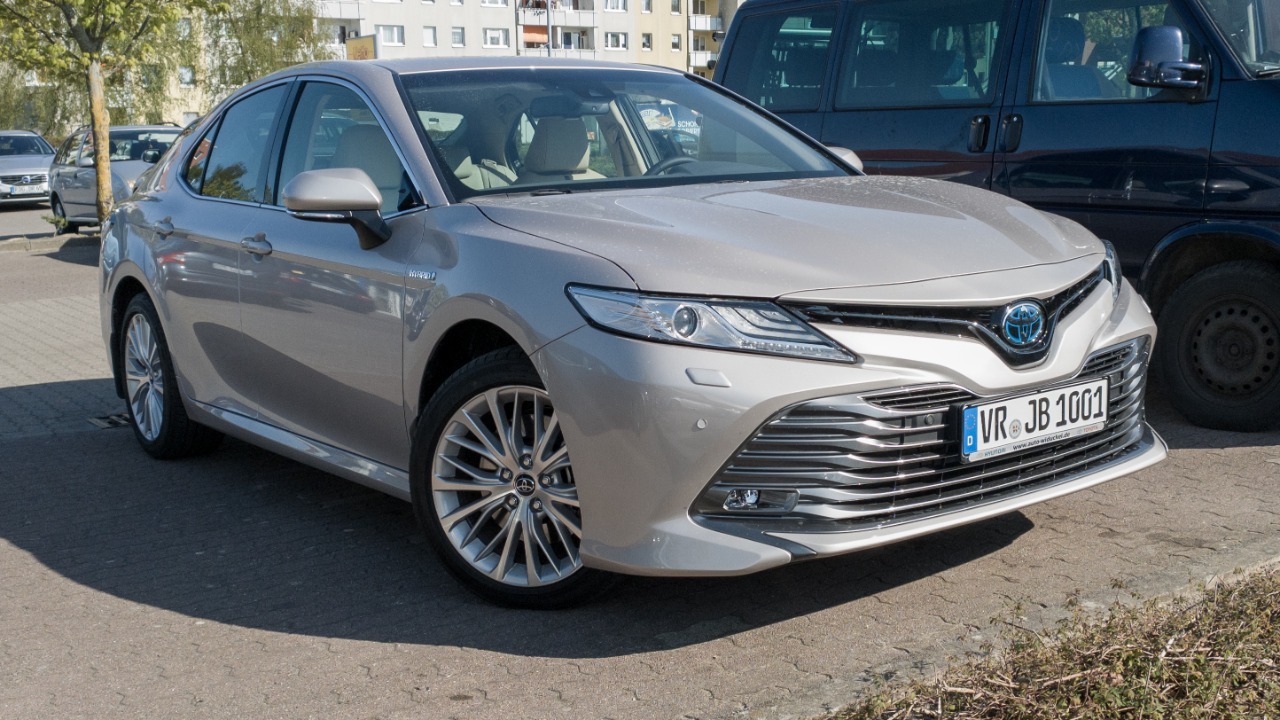
The Toyota Camry Hybrid entered New York taxi service from 2010 and had become a dominant model by the mid-2010s. Its rise cut into the share held by the Crown Victoria.
A mainstream midsize sedan with a hybrid drivetrain gave owners a familiar, relatively roomy car with lower fuel costs. Its success helped confirm that the future of the yellow cab would not be a purpose-built body. Its arrival in 2010 came five years after the Escape Hybrid was permitted, extending the hybrid wave into midsize sedans.
8. Toyota Highlander Hybrid: The Pricey Hybrid SUV
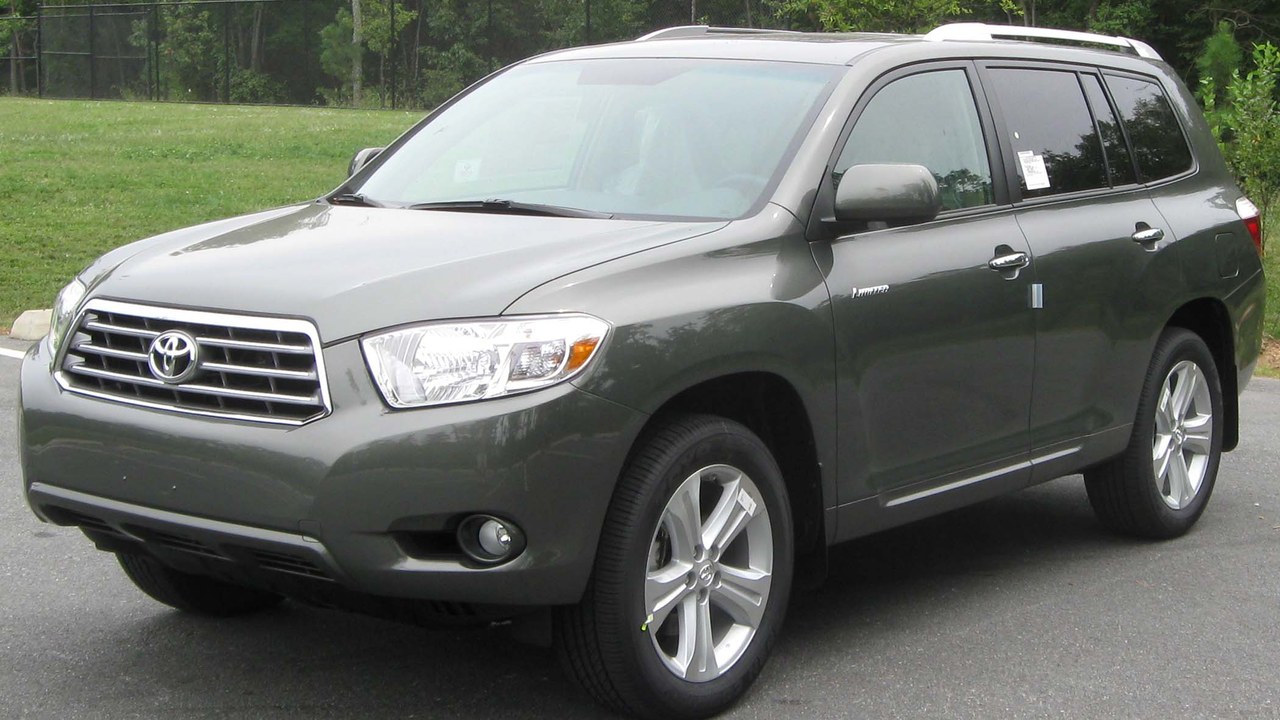
The Highlander Hybrid, priced at $41,410, was one of the few hybrids able to meet the city’s requirement of 130 cubic feet of interior volume.
The interior rule explains why a three-row SUV appeared on a list of taxi candidates at all. Its price was well above the Prius v, which illustrates the trade-off between passenger space and purchase cost. The 130-cubic-foot rule therefore acted as a filter on which hybrids could realistically serve as cabs. Few hybrids offered that much room, which kept the Highlander in the conversation despite its premium price.
9. Tesla Model Y: The Electric Newcomer
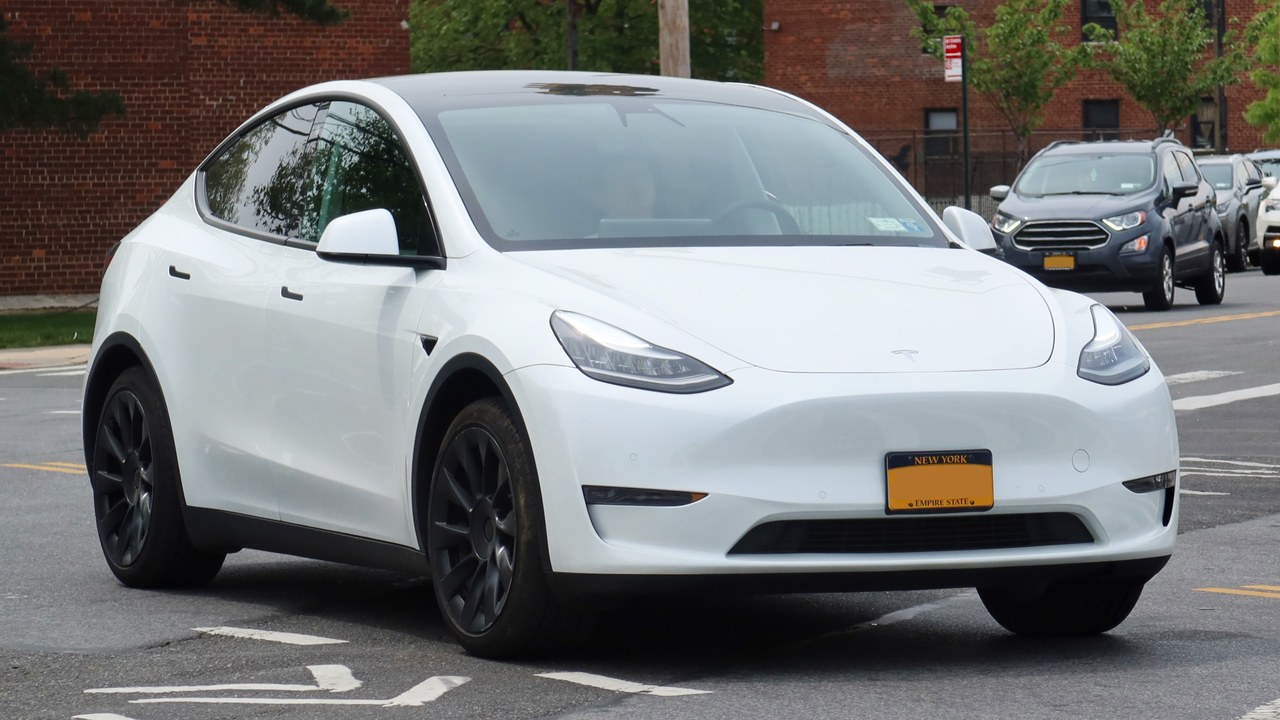
Authorized for taxi service in 2022, the Tesla Model Y was among the first electric vehicles approved to work as a New York cab. It joined the Ford Mustang Mach-E in receiving that clearance.
The approval signaled a shift from hybrids toward fully electric cabs. Whether the Model Y can match hybrids for daily fleet use depends on charging access and shift length, which the source does not quantify. Authorization in 2022 came well over a decade after hybrids first won approval in 2005.
10. Ford Mustang Mach-E: The Electric Crossover Cab
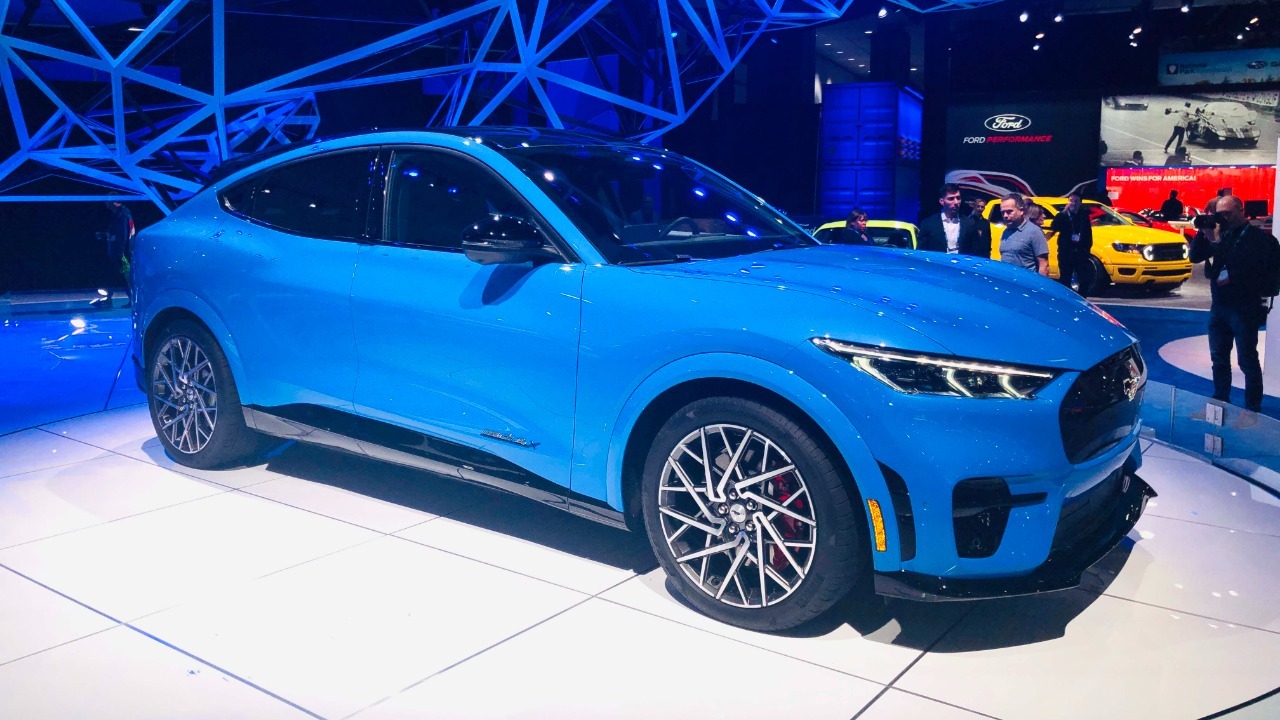
Approved for taxi use in 2022 alongside the Tesla Model Y, the Ford Mustang Mach-E brought a second electric crossover into the city’s yellow-cab ranks. Both vehicles gained clearance in the same year.
Having two electric models authorized gave fleet owners a choice of brands, not a single option. The Mach-E also carried a famous muscle-car name onto a taxi roster that once relied on the humble Crown Victoria. Approval does not guarantee adoption, and the source gives no count of how many Mach-E cabs actually operate.
AI, explained every day: Get The Deep View →
We may earn a commission if you sign up.
More from Morning Overview
- Lake Powell sank to a record 3,517 feet, nearing the level that stops Glen Canyon Dam’s turbines
- Seven of Earth’s nine planetary boundaries are breached, and all seven are worsening
- The NSA says three phone features should be off whenever you aren’t using them
- Hurricane Hunter radar shows four warning signs that a tropical cyclone is about to strengthen, a University of Miami study found
