
Plenty of familiar trucks and SUVs began life as tools for armies and public agencies rather than as showroom products. Their rugged proportions and four-wheel-drive hardware trace straight back to those original orders. Here are ten of them, starting with the Willys MB and ending with the Hummer H1.
Help yourself and the planet: The Cool Down makes it easy to help yourself while helping the planet, with smart, simple changes to save more and waste less in your everyday life.
We may earn a commission if you sign up.
1. Willys MB: Pentagon Price Tag
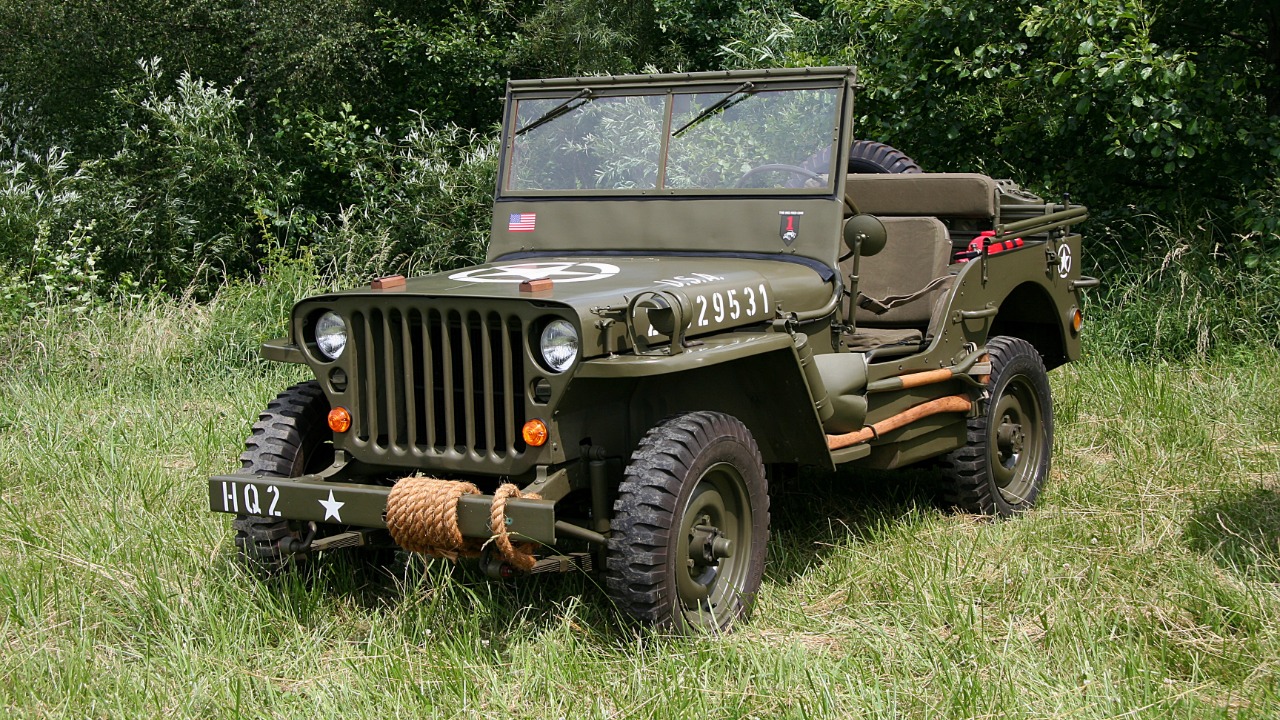
The Army’s July 1941 order covered 16,000 revised MB models at a unit price of $738.74 apiece. Willys-Overland went on to build more than 368,000 of the type, and Ford added roughly 277,000 more, so the MB became one of the most widely produced military vehicles of the war.
Those wartime volumes put a huge number of light four-wheel-drive vehicles into service and, afterward, into public awareness. That scale is why the MB is treated as the root of the category, and the contract price remains a striking benchmark for how little a capable 4×4 once cost.
2. Jeep CJ-2A: First Civilian Jeep
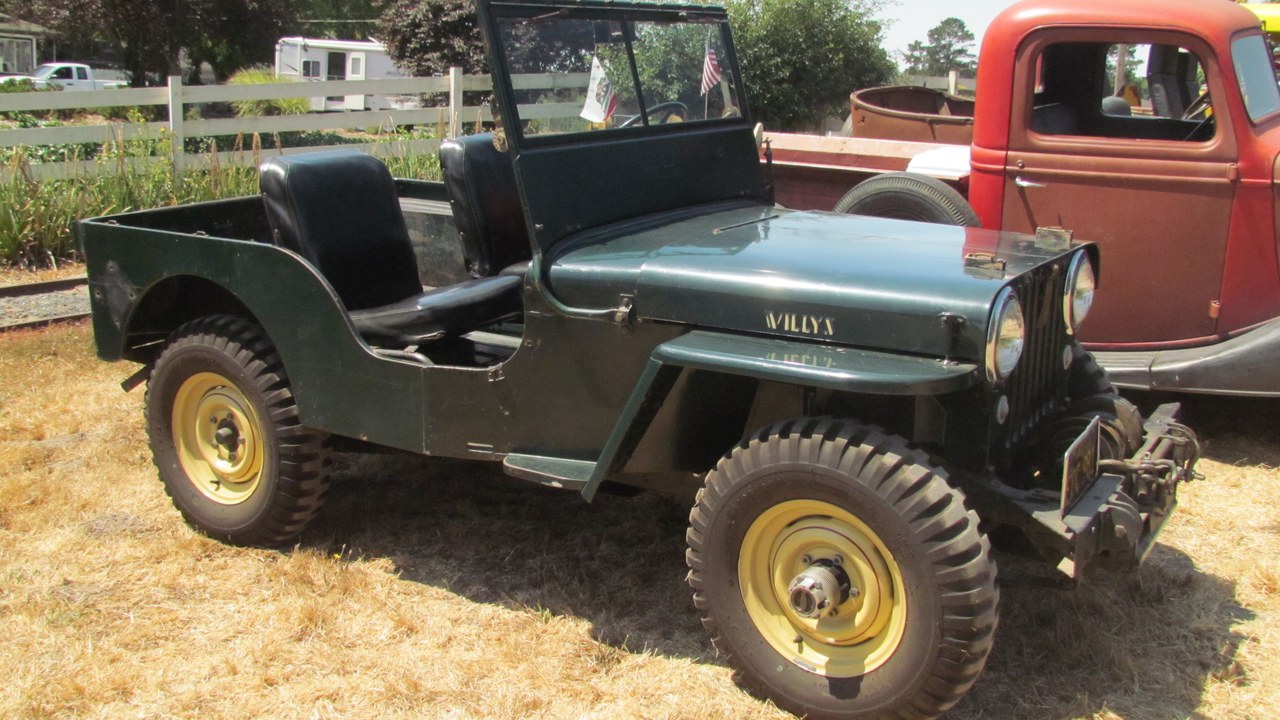
Once the war wound down, Willys turned a soldier into a salesman, and the 1945 CJ-2A carried an MSRP of $1,090. The earliest civilian Jeep had been produced in 1944, primarily for agricultural use, so the CJ-2A was the first one sold widely.
That farm-first positioning shows how directly the civilian model was repurposed from military hardware. Buyers were offered a general-purpose working tool rather than a family vehicle, a character that still defines the CJ lineage and everything that followed it.
3. Jeep Wrangler: Direct Descendant
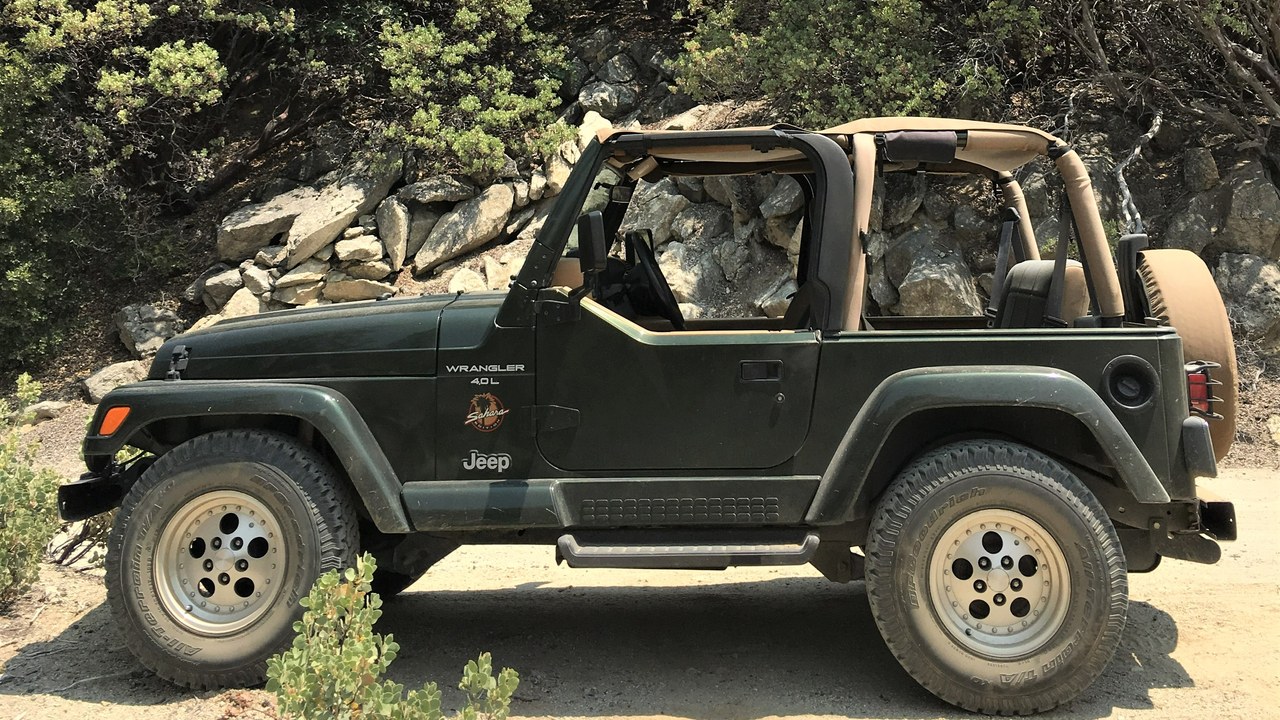
Few modern vehicles trace their ancestry as plainly as the Wrangler, which according to Wikipedia is a direct progression from the World War II Jeep through the CJ, or Civilian Jeep. Willys, Kaiser-Jeep and American Motors Corporation all built the CJ from the mid-1940s onward, passing the formula from owner to owner.
Each corporate steward handed the design along, so the current Wrangler carries a lineage that begins with the World War II Jeep. That bloodline is central to the model’s identity and helps explain its enduring boxy, utilitarian character in a market of softer crossovers.
4. Dodge Power Wagon: Army Truck Turned Civilian
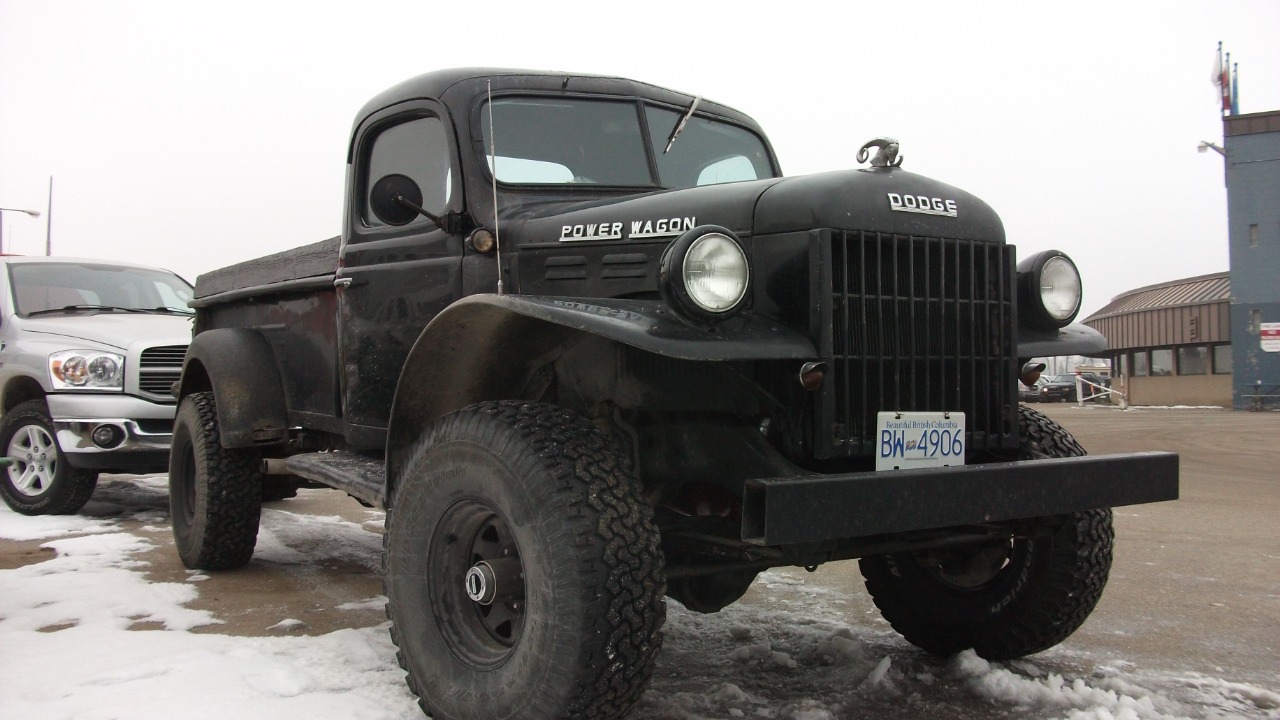
Dodge launched the civilian Power Wagon in 1946, and according to a Military.com history, it was largely unchanged from the U.S. military’s WC series. Dodge had produced over 255,000 military trucks of that type for WWII, so the design was thoroughly proven by the time civilians could buy it.
Early Power Wagon buyers therefore received a battle-tested work truck with very little civilian softening. The history makes the model a clear example of a government contract design finding a second life on farms, ranches and job sites after the war.
5. Toyota Land Cruiser: From Jeep Request To Icon
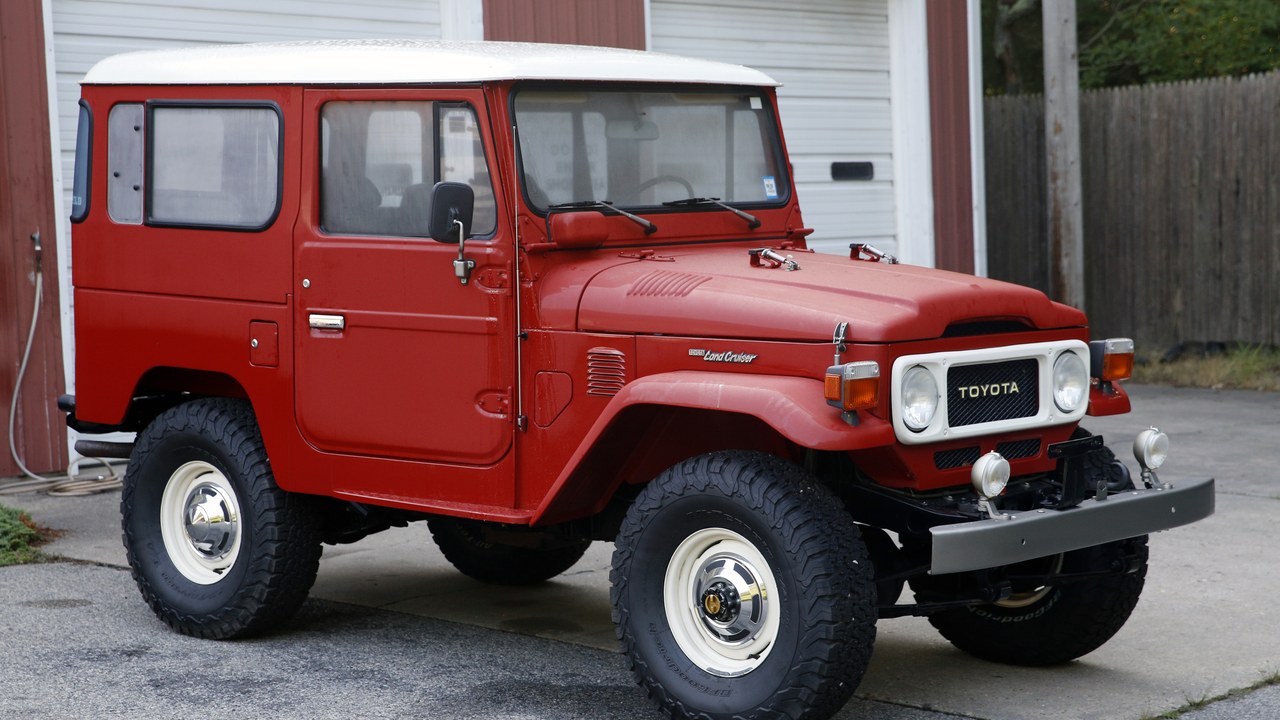
The story began in August 1950, when Toyota received a request to produce for prototypes of a 1/4-ton, four-wheel-drive truck of the Jeep type. The truck was renamed Land Cruiser in June 1954, a few years after that first prototype assignment.
A specification modeled on the Jeep therefore shaped one of the most recognizable off-roaders in the world. The roughly four-year gap between the original request and the nameplate shows how a utilitarian project grew into a brand of its own.
6. Land Rover Series: Jeep Chassis Beginnings
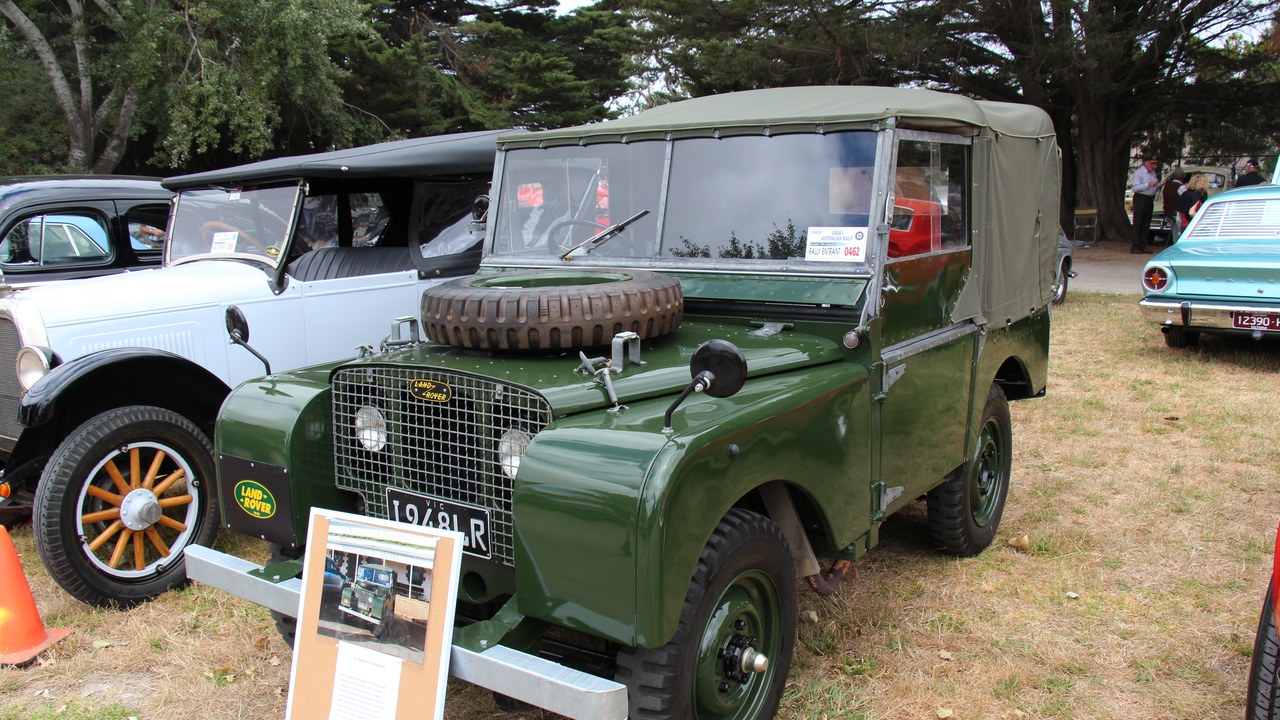
The first Land Rover prototype began as a Jeep-chassis special, and the Series was introduced in 1948. Hagerty places the truck on its list of rugged classics with military origins, alongside several other vehicles that began as tools of war.
Borrowing the chassis of the Jeep gave the new British maker a head start on a layout that had already proved itself in service. The Series that followed was a working vehicle first and a nameplate second, a heritage the later Defender name echoed.
7. Hummer H1: Humvee In Civilian Clothes
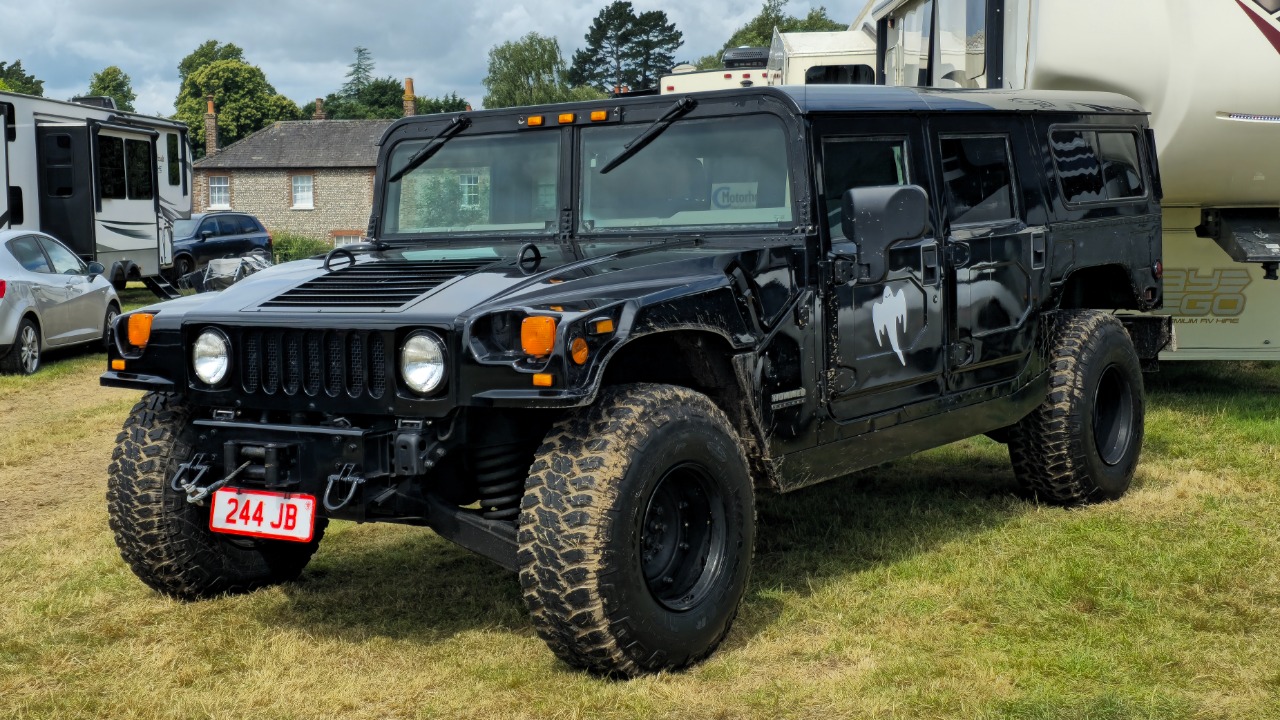
The civilian Hummer H1 came from AM General’s Humvee, and, as the autoevolution list notes, it was produced until 2006. The road-going version carried the military truck’s identity into showrooms, and the company that built the original made the civilian model too.
Nothing about the H1 was subtle, because its roots lay in a vehicle designed for armed forces rather than commuters. The 2006 end of production closes the story, leaving the H1 as a clear example of a battlefield design repackaged for private owners.
8. Mercedes-Benz G-Class: Shah’s Rugged Request
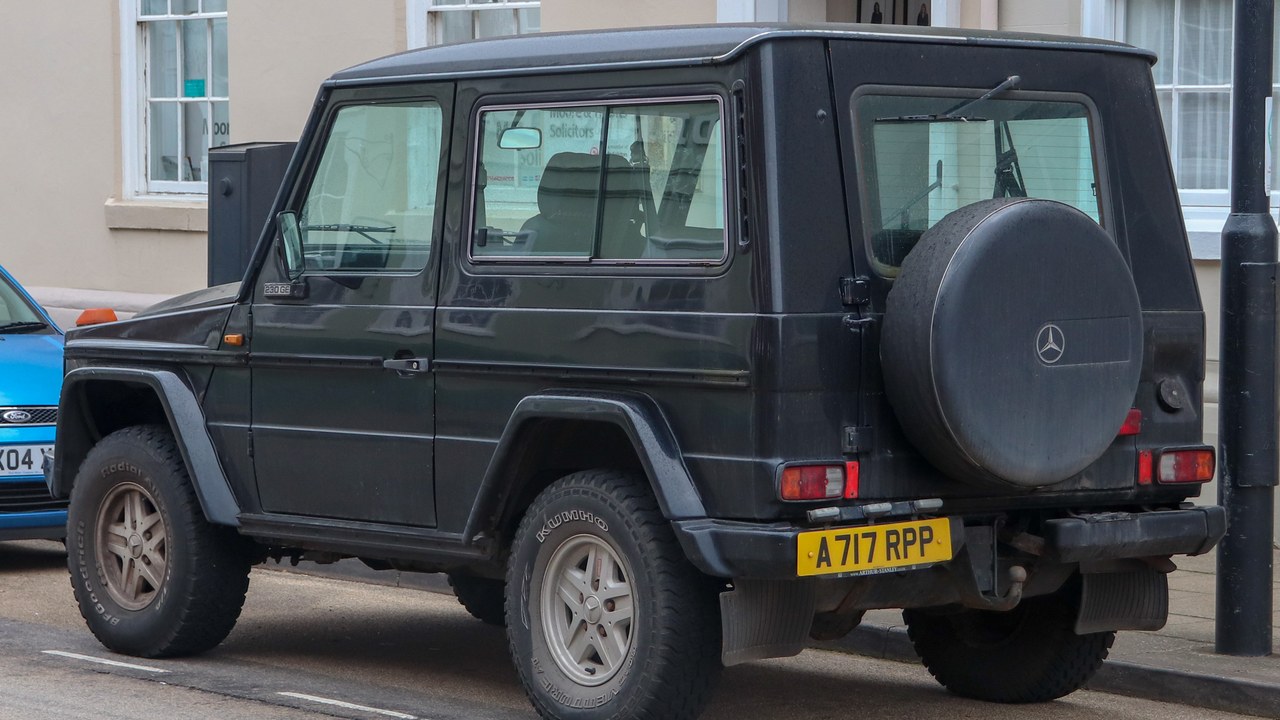
The G-Wagen began as a military vehicle that the Shah of Iran commissioned Mercedes-Benz to create, with the brief calling for rugged, off-road capability. Production of the model began in 1979, which anchors the start of the long-running G-Class lineage.
That military commission explains the angular, no-nonsense body that has stayed recognizable for decades. A vehicle conceived for hard government use eventually became a familiar sight in far more refined settings, while the original purpose still shows in its upright shape.
9. Chevrolet Suburban: Carryall For The Guard
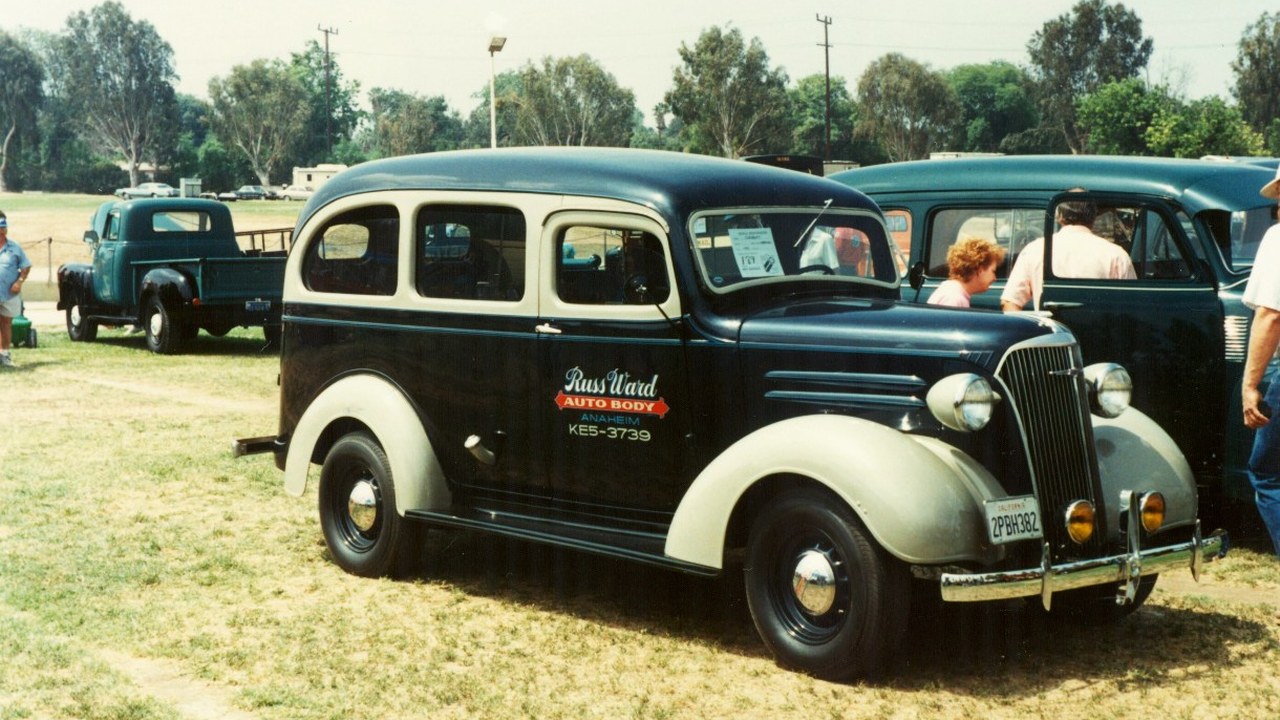
The wood-bodied Suburban carryall was introduced to the Civilian Conservation Corps and National Guard before the public Carryall arrived in 1935. Government customers therefore came first, and the general public only followed once the body style had proved itself with those groups.
This origin is government rather than strictly combat service, which is why the headline says military or government. It still makes the Suburban an early example of the roomy people-and-cargo wagon that later became the standard SUV format.
10. Volkswagen Thing: Kubelwagen Disciple
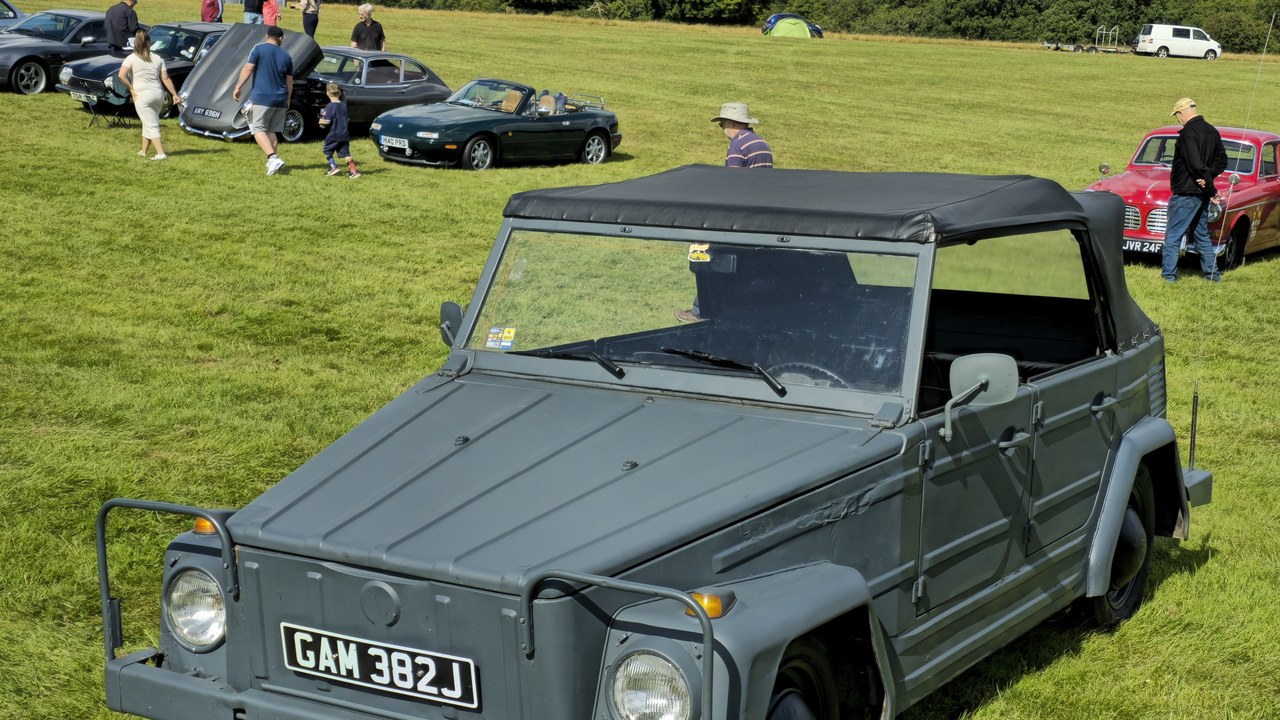
The Type 181 Thing was a civilian-made disciple of WWII’s German Type 82 Kubelwagen, and the vehicle was intended for the West German Army in 1968. That makes the Volkswagen another entry whose design came from military requirements rather than consumer demand.
Reported civilian production years vary between sources, so the exact calendar of the Thing’s American sales is best left aside. What stays consistent is the army heritage behind its flat panels and utilitarian layout, which later made it a quirky favorite.
Help yourself and the planet: Get The Cool Down →
We may earn a commission if you sign up.
More from Morning Overview
- Long use of a common prostate pill is tied to a higher chance of glaucoma
- Ford is recalling 223,472 F-150 pickups because the fuel tank can leak or detach
- Hybrids have 15% fewer problems than gas cars, while EVs and plug-in hybrids have about 80% more, Consumer Reports finds
- Regulators cleared the first U.S. small modular reactor, 4 months early
