
Automakers have long borrowed names from horses, birds, insects, snakes and rabbits to suggest speed, toughness or attitude. The cars behind those names range from record-setting best sellers to low-volume specials, and each has a sourced figure that explains its place. Here are eleven animal-named cars, each paired with the number that defines it.
Save more, waste less: The Cool Down’s newsletter sends smart, simple changes that help you and the planet in your everyday life.
We may earn a commission if you sign up.
1. Ford Mustang: Pony Car Phenomenon

Hagerty counts 680,969 Mustangs sold in 1965, the car’s second model year. That is the headline number for a nameplate that borrowed its identity from a wild horse, and it frames the Mustang as the sales leader of this list.
The count comes from Hagerty’s own profile of the car, so it reflects how that publication tallies the year rather than a factory ledger. Even with that caveat, the figure sets the high-water mark that every other entry here is measured against.
2. Chevrolet Impala: Million-Seller Year
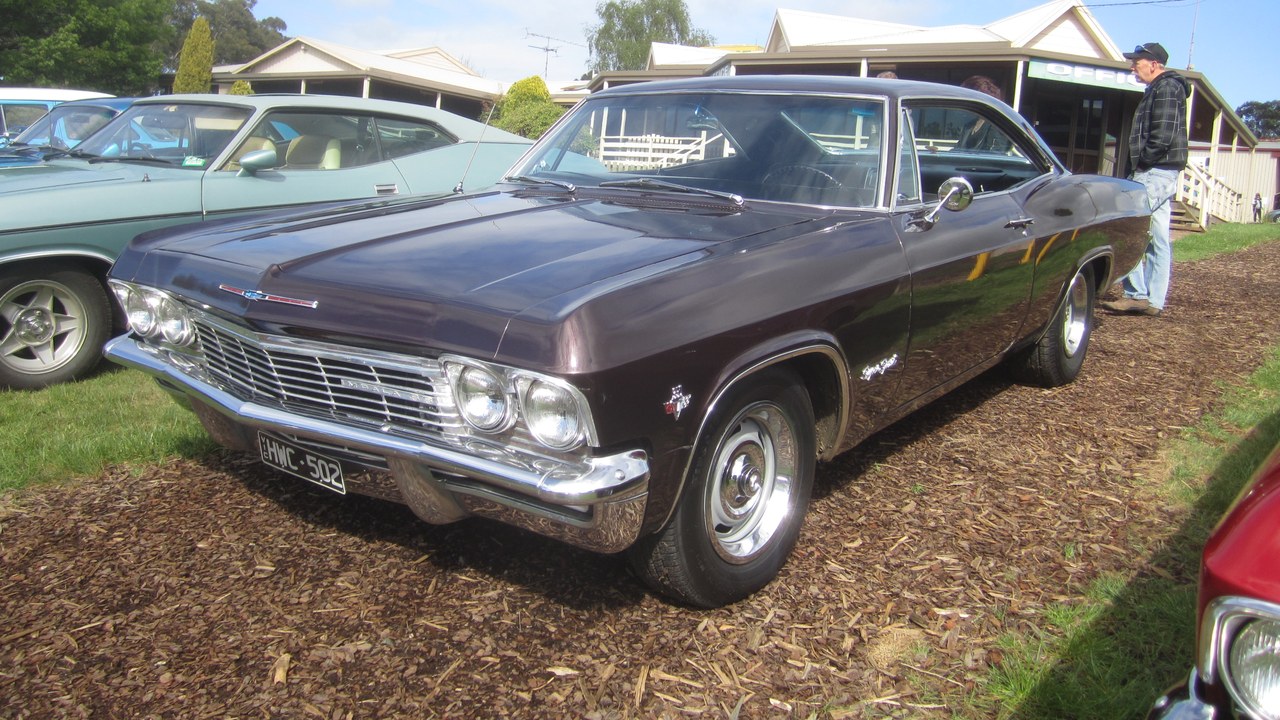
Chevrolet says annual Impala sales topped 1 million in 1965. The Impala took its name from an antelope, and the figure puts the model in a class that few single nameplates have reached in one calendar year.
The wording is the manufacturer’s own, so it describes the model line as Chevrolet frames its legacy and gives no exact total. It still places the Impala alongside the Mustang as one of the two volume leaders on this list.
3. Dodge Viper: Long-Running Snake
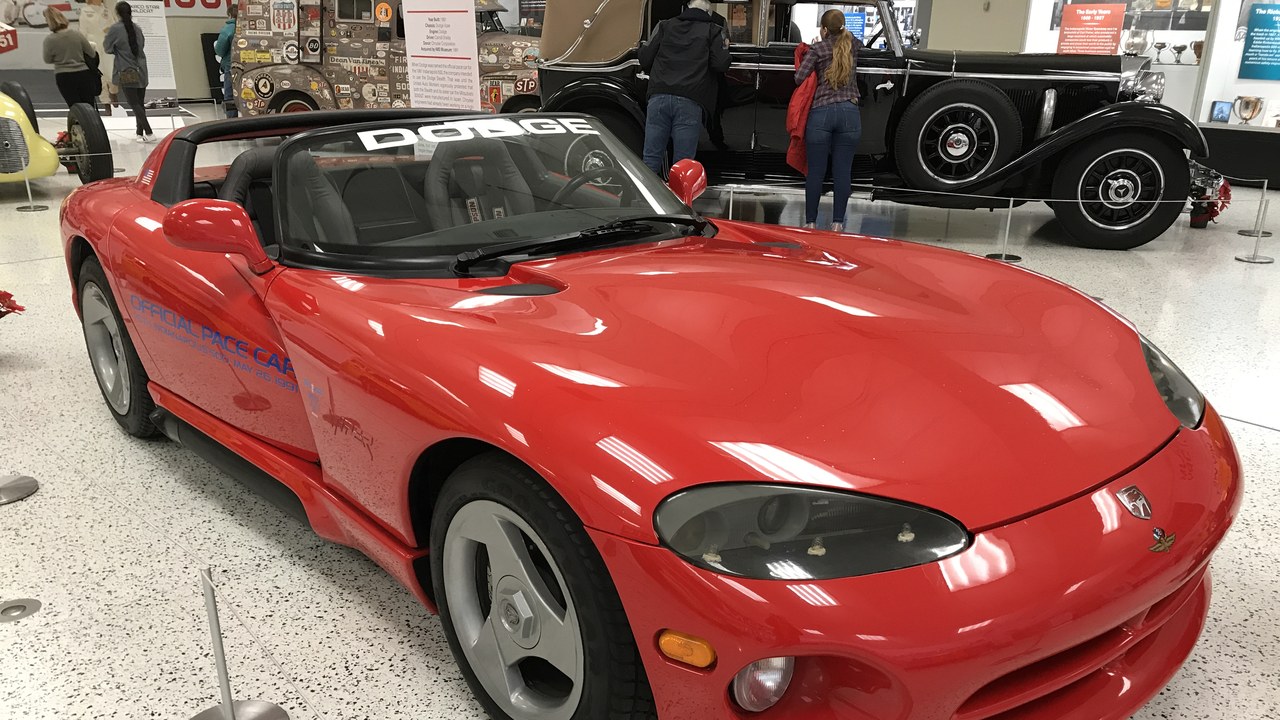
About 32,000 Vipers were built over 26 years of production, according to Wikipedia. Set against the Mustang or Impala in a single season, that is a small number, spread across more than two decades of production.
The figure is approximate, and it spans every generation of the model rather than one version. That makes the Viper the clearest low-volume example among the snake, horse and antelope names on this list.
4. Hudson Hornet: Stock-Car Stinger
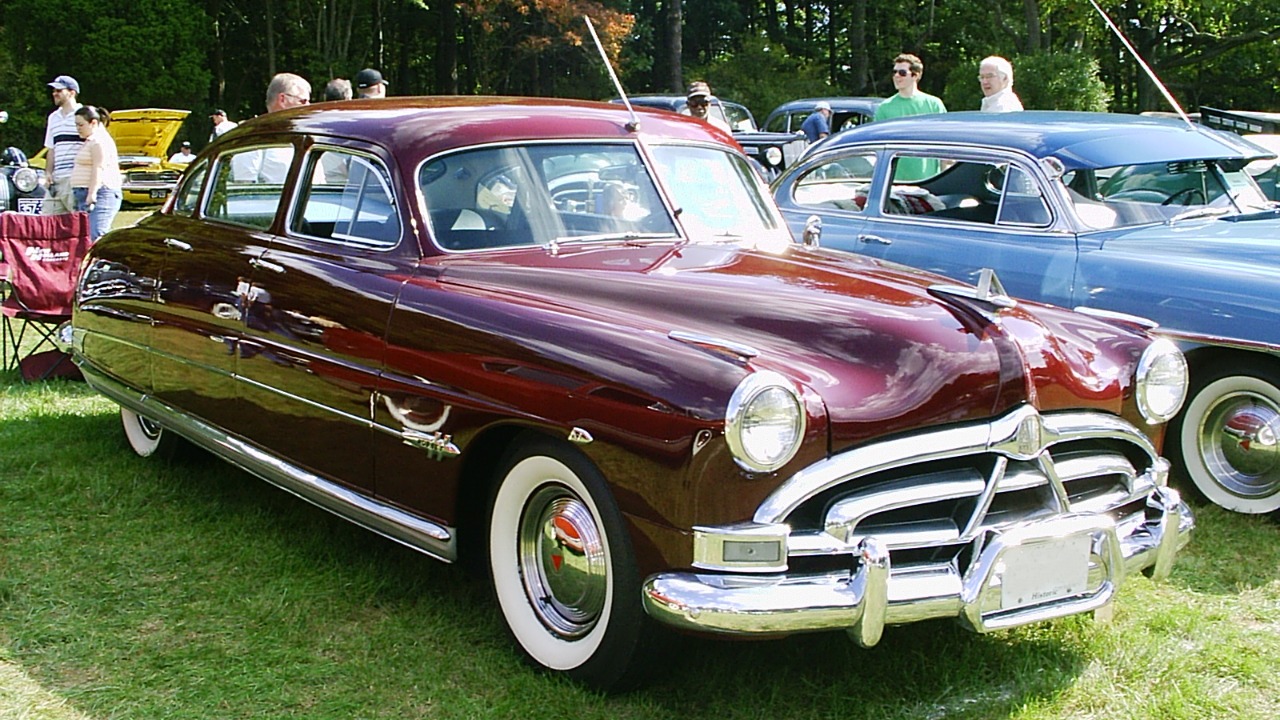
A Hudson Hornet won 22 of 37 races in 1953, according to Wikipedia. The Hornet carried the name of a stinging insect, and the result gives the name a competition record to go with it.
The tally covers the 1953 season only, so it should not be read as a lifetime total or as a count of sales. It does explain why the Hornet is remembered for racing results as much as for anything its owners drove on the street.
5. Ford Pinto: Recall Landmark
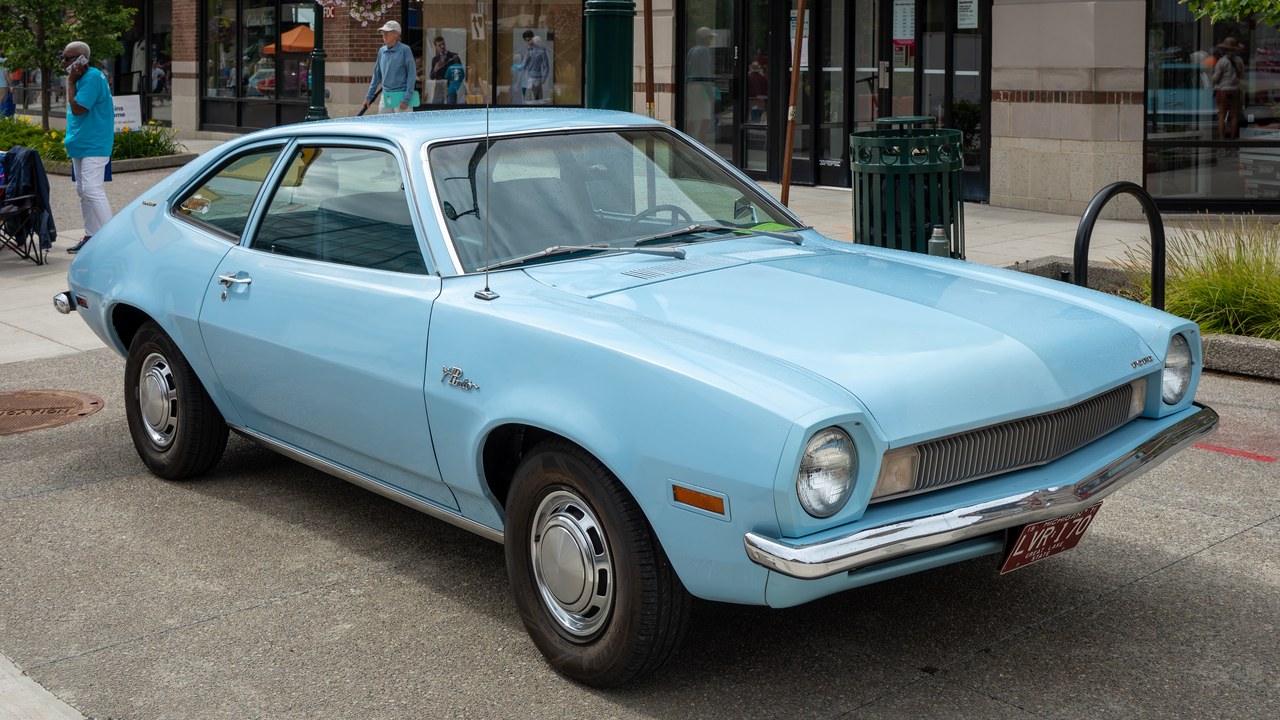
Ford’s 1978 recall of about 1.5 million Pintos and Bobcats was the largest recall at the time, according to Wikipedia. The Pinto, named for a spotted horse, is the one entry whose defining figure is a safety action.
The number is approximate, and it combines the Pinto with the Bobcat rather than counting one model alone. It measures a recall rather than demand, which sets it apart from most of the sales and production figures here.
6. Pontiac Firebird Trans Am: Firebird Bestseller
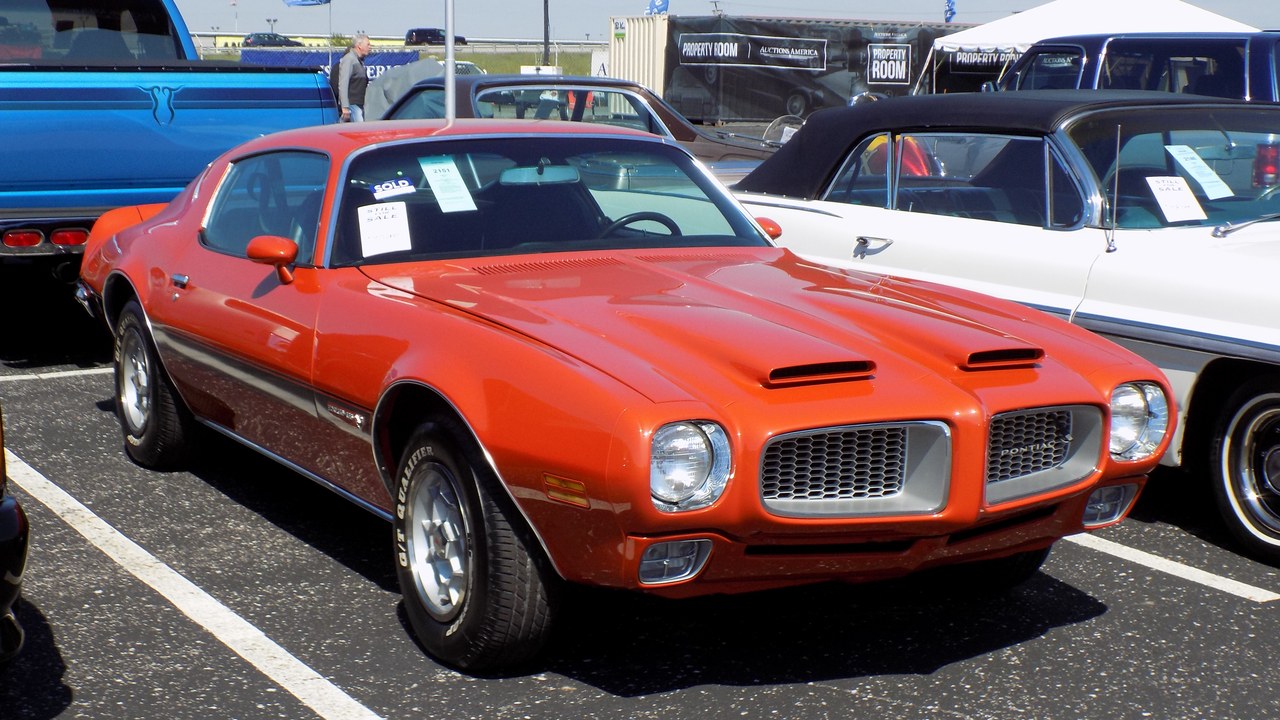
Pontiac sold 116,535 Trans Ams in 1979, a figure Wikipedia records for the performance version of the Firebird. A mythical bird supplied the base name, and the Trans Am trim was the part of the range buyers most associated with it.
The count applies to the Trans Am alone, not the entire Firebird range, so total Firebird sales that year were a different and larger matter. The number shows how strongly the model sold at the close of the 1970s.
7. Ford Thunderbird: Mythic Bird
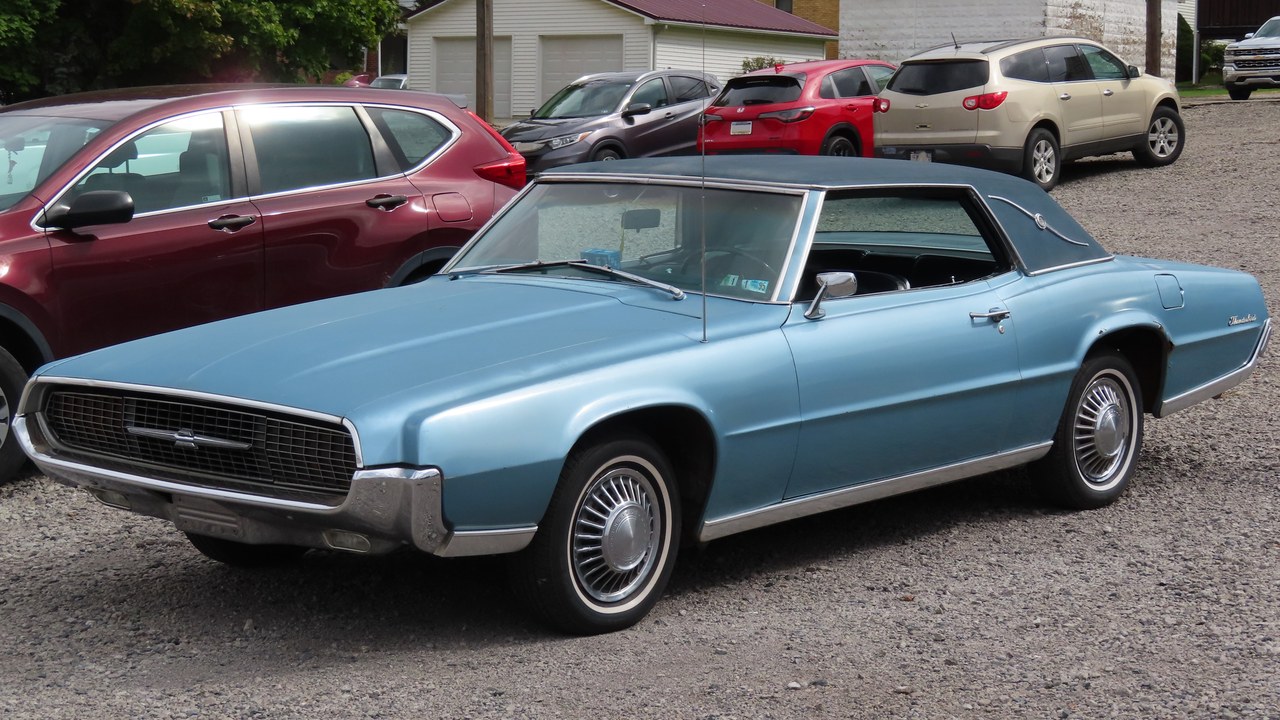
Ford’s Thunderbird name comes from the mythological thunderbird, a supernatural bird of great power and strength, according to Wikipedia. That makes it an animal name drawn from legend rather than from anything found in the wild.
This is the only entry on the list whose creature is not a real animal, and its payoff is a name origin rather than a sales or production figure. It stands as the clearest case here of a name chosen for symbolism and strength.
8. Ford Bronco: Original Bucking Utility
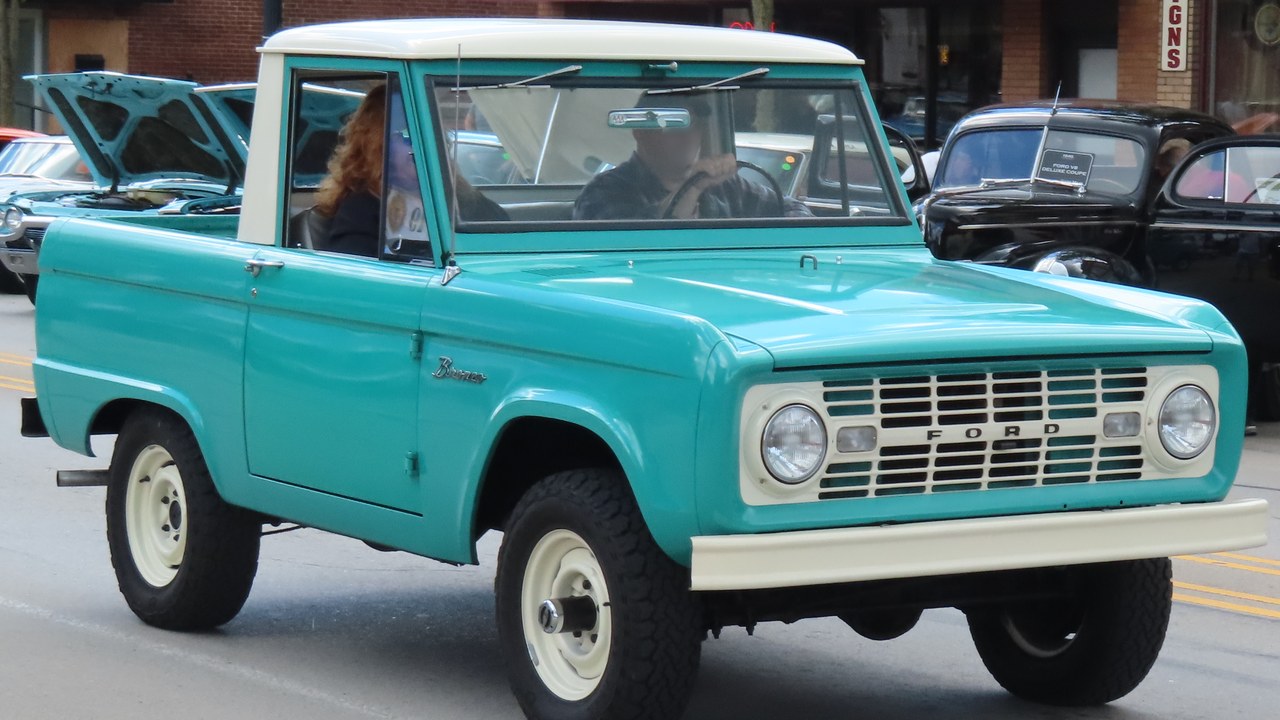
Ford built 23,776 first-generation Broncos in 1966, according to Wikipedia. The Bronco takes its name from an untamed horse, and the figure is one model year of the original generation rather than a running total.
The total covers a single year of the first generation, so it says nothing about later Broncos or about the nameplate’s lifetime output. Next to the Mustang’s 1965 sales, it is a modest number for a vehicle that remains widely recognised.
9. Dodge Super Bee: Rare Stinger
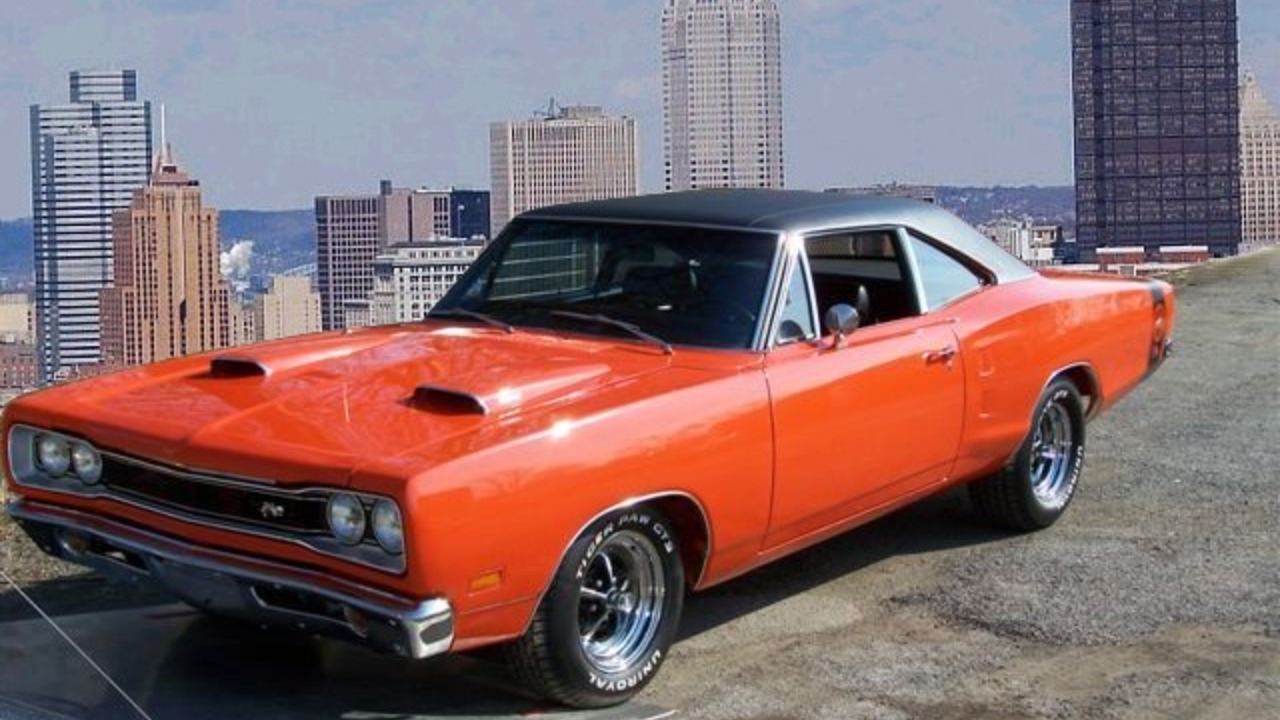
Dodge built 420 of the 440+6 Super Bee coupes for US dealers in 1969, and only 267 had a four-speed, according to RM Sotheby’s. The Super Bee carries a stinging-insect name and one of the smallest counts on this list.
The auction house describes this specific engine package for a single year, not every Super Bee that Dodge built. Counts as low as these help explain why a particular configuration gets singled out when a car crosses the block.
10. Plymouth Superbird: Winged Racing Special
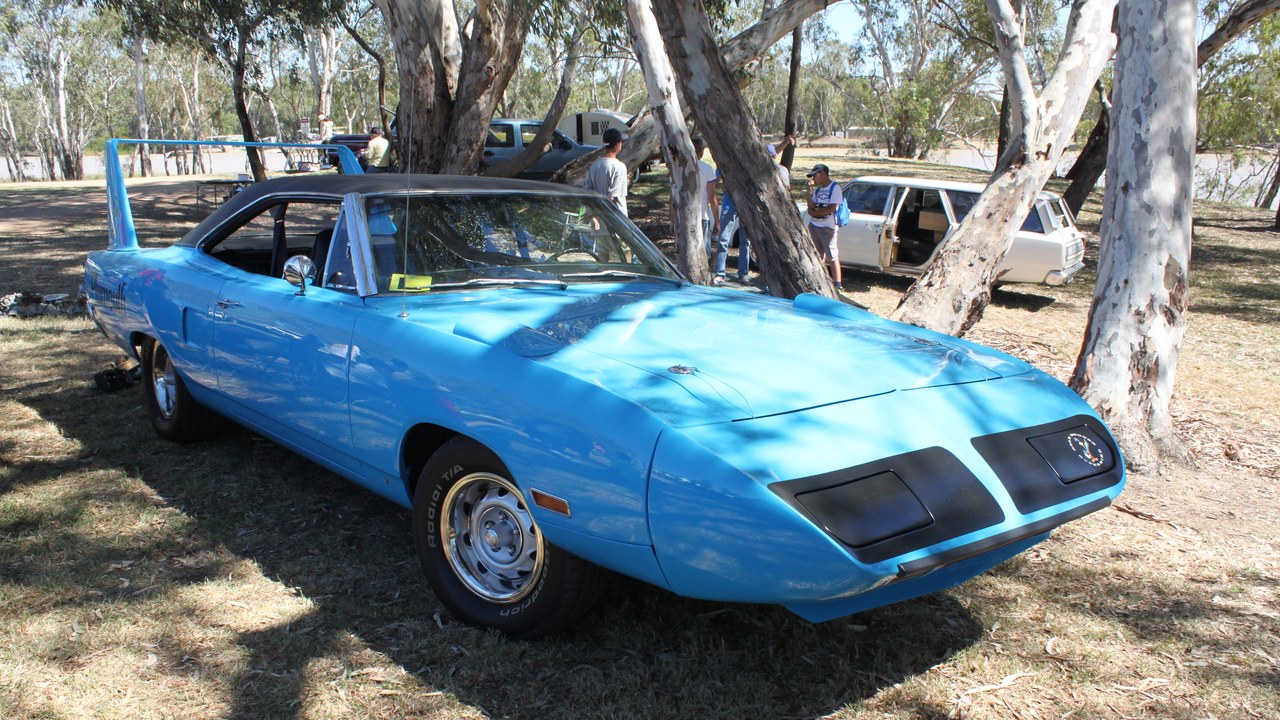
Plymouth had to build 1,920 Superbirds, and Richard Petty won 18 of 40 races in one in 1970, according to Wikipedia. The Superbird takes its name from a bird, and it paired a small production run with a strong season on the track.
The build figure and the race tally are separate numbers, one describing the cars made and the other Petty’s results in one of them. Together they show a model produced in small numbers and remembered mainly for what it did in competition.
11. Volkswagen Rabbit: Pennsylvania-Built Hare
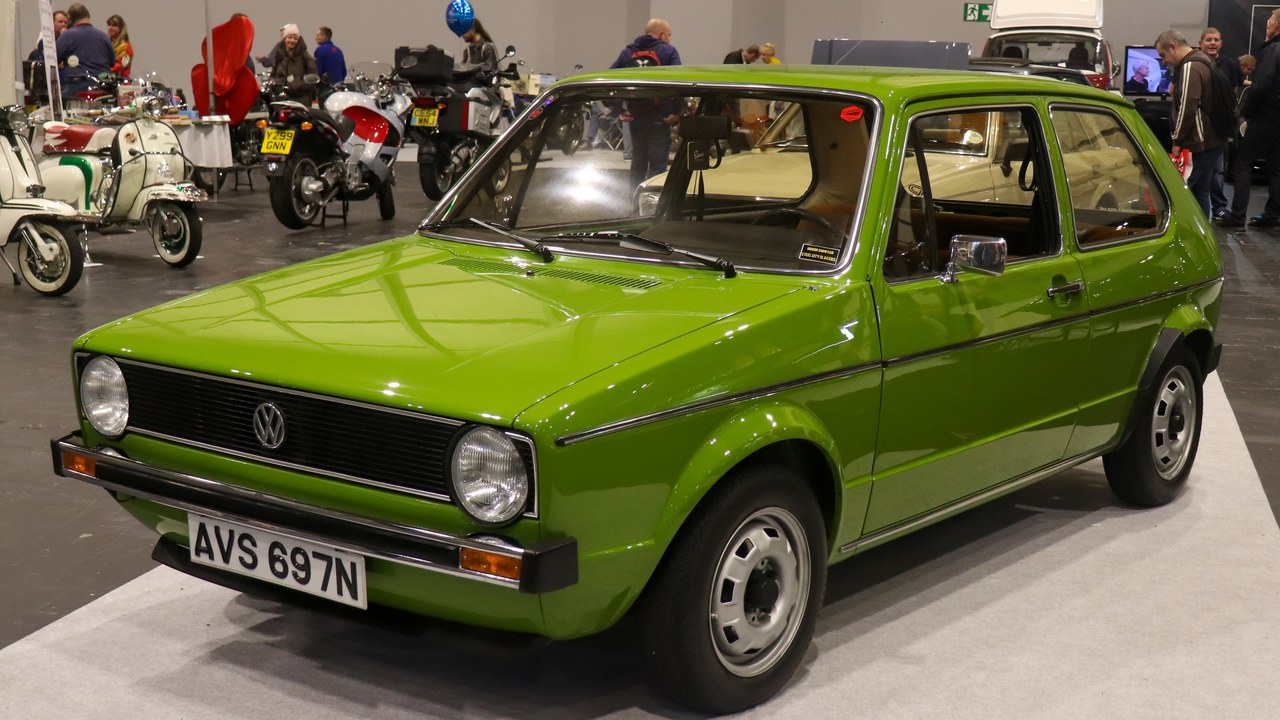
Volkswagen’s Westmoreland, Pennsylvania plant turned out well over a million Rabbits between 1978 and 1987, according to Hagerty. The Rabbit was the name the American market gave the Golf, and the hare suggested a small, quick car.
Hagerty gives the production as a broad total rather than an exact count, and the figure covers that one plant, not all Rabbits sold worldwide. Even so, it is a reminder that animal names were not reserved for muscle cars and sports models.
Save more, waste less: Subscribe to The Cool Down →
We may earn a commission if you sign up.
More from Morning Overview
- NOAA now gives this winter a 75% chance of the strongest El Nino since 1950
- Doctors warn a silent liver disease now affects one in three American adults
- The FBI told the rest of ShinyHunters to surrender after a 24-year-old was arrested
- Two passengers died at an Ohio toll plaza, and the NTSB now wants the cash lanes shut
