
Americans have never bought two-seat sports cars in huge numbers, yet the segment keeps producing cars people remember. Some sold by the tens of thousands, while others barely reached a few hundred buyers. Here are twelve of them, from a hand-built Corvette to a battery-powered Tesla.
AI, explained every day: The Deep View is the go-to daily newsletter for 600,000+ founders, knowledge workers and professionals who want to stay up to date with artificial intelligence.
We may earn a commission if you sign up.
1. Ford Thunderbird (1955): Ford Cracks The Segment
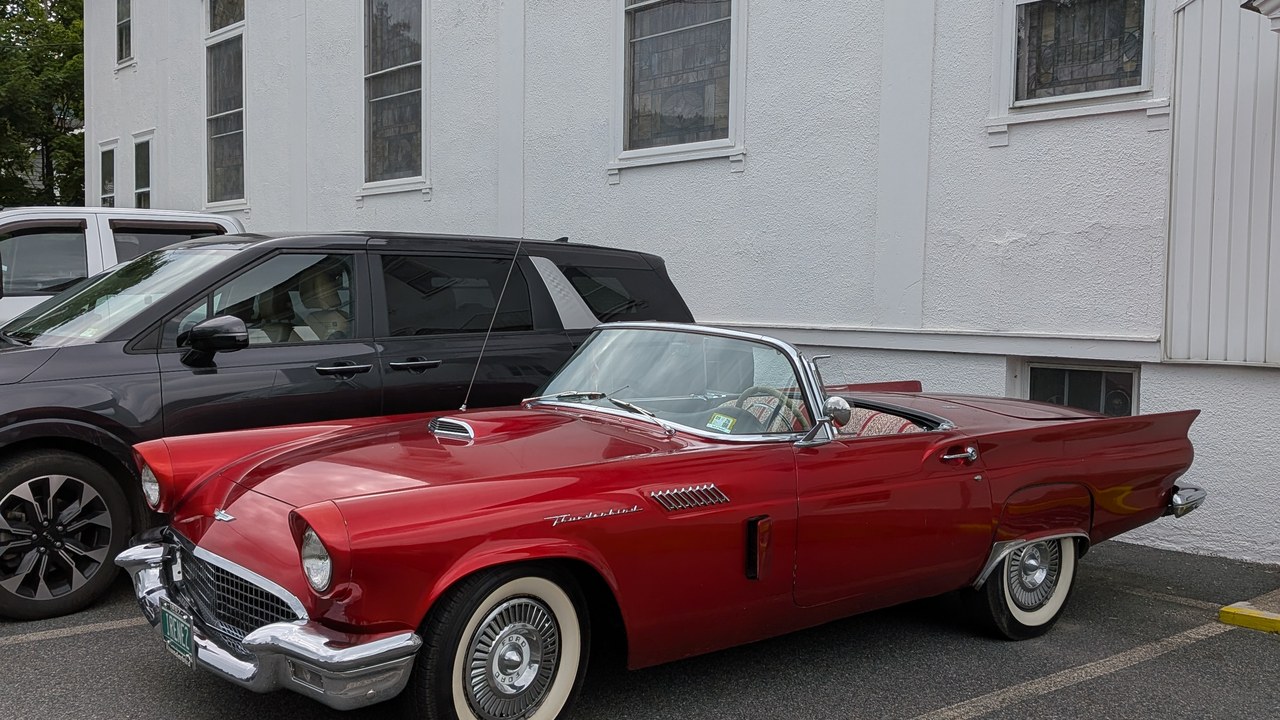
Ford’s 1955 Thunderbird total reached a total of 16,155 cars, set against only 700 Corvettes in the same model year. That lopsided count made the two-seat Thunderbird an early commercial success in a corner of the market that American automakers had only just begun to test.
The comparison matters because it shows how much more buyers embraced Ford’s approach than the Chevrolet it was measured against. Early two-seaters did not all find audiences, and this pairing is the clearest numerical illustration of that divide.
2. Chevrolet Corvette (1953): Hand-Built Beginnings
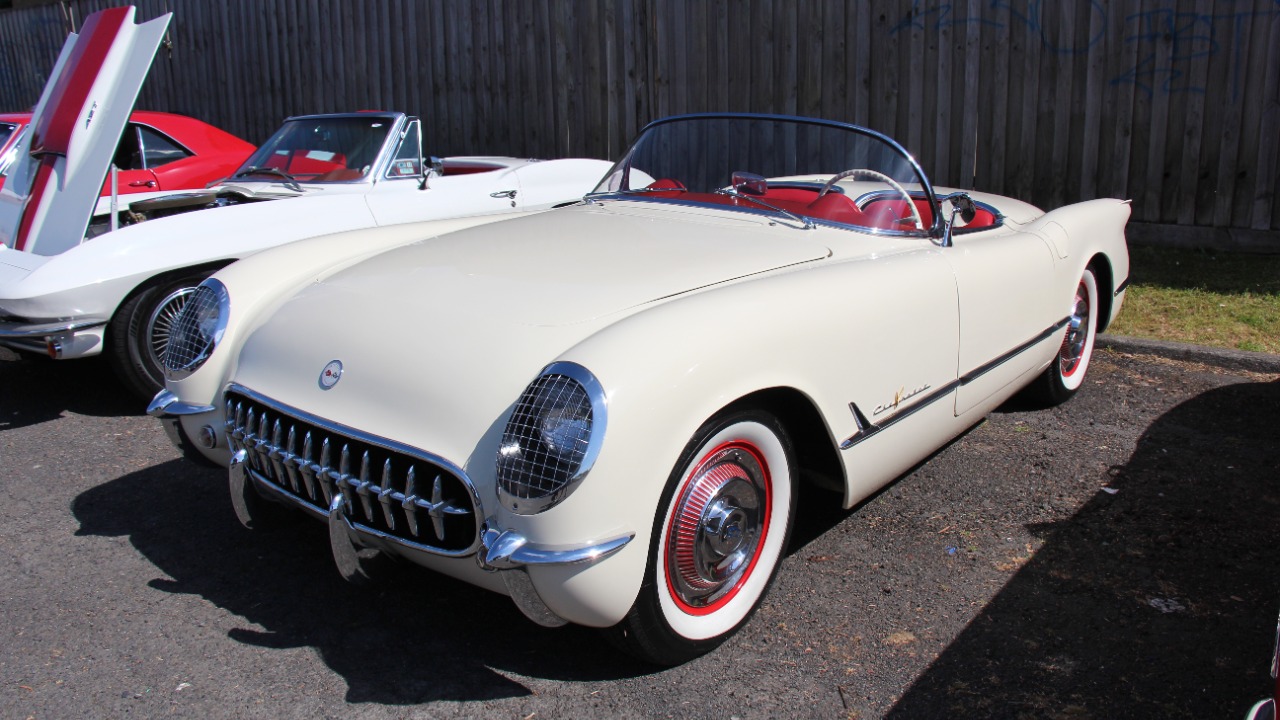
General Motors produced just 300 Corvettes in 1953, all hand-assembled by the company in a delivery garage off Van Slyke Road in Flint, Michigan. The first-year run was tiny by Detroit standards, closer to a pilot project than a showroom staple.
Those few hundred cars launched a nameplate that would outlast nearly every rival on this list. The small start also explains why the Thunderbird’s much larger 1955 tally looked so striking next to the Chevrolet’s early output.
3. Mercedes-Benz 300 SL: Gullwing Money
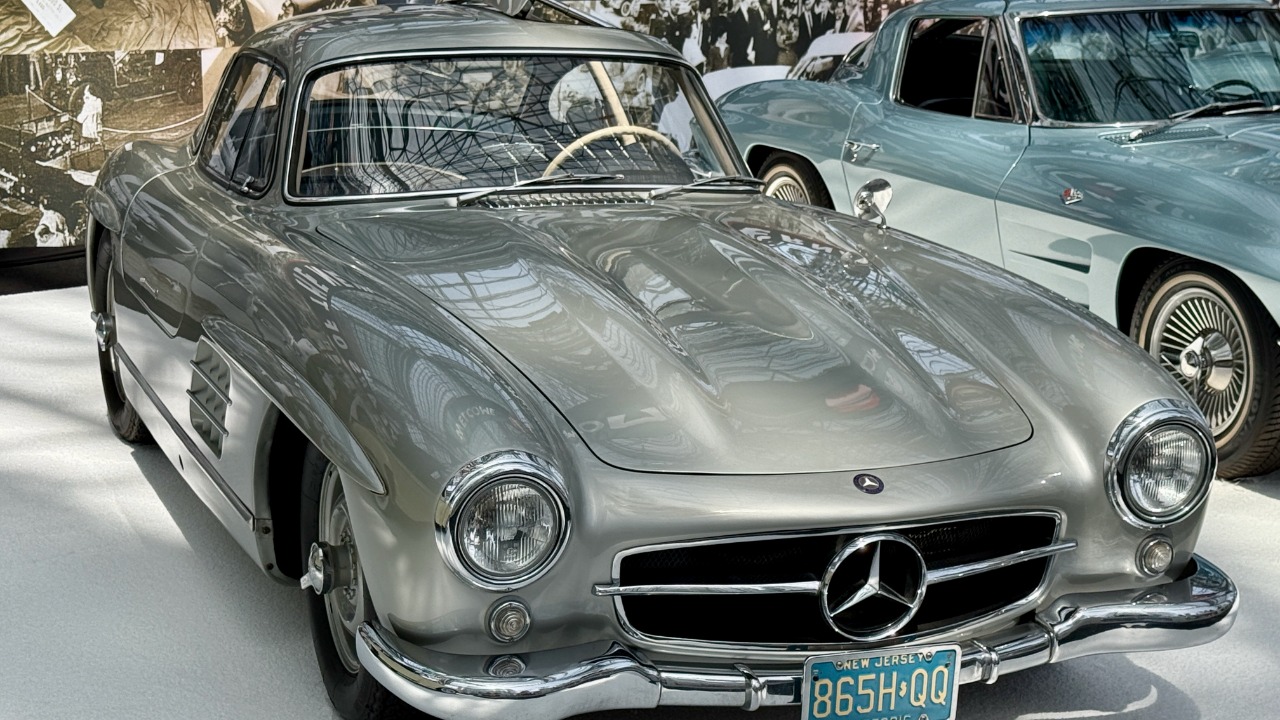
The Mercedes-Benz 300 SL carried a US list price of $6,820 in the United States and could reach up to 162 mph. Both figures set it apart from nearly anything an American dealer sold at the time.
That price put a German two-seater far above the domestic competition, making it a car for a narrow circle of wealthy buyers. Its place here reflects how imported performance shaped what American drivers came to expect from a sports car.
4. Nash-Healey: Le Mans Credentials
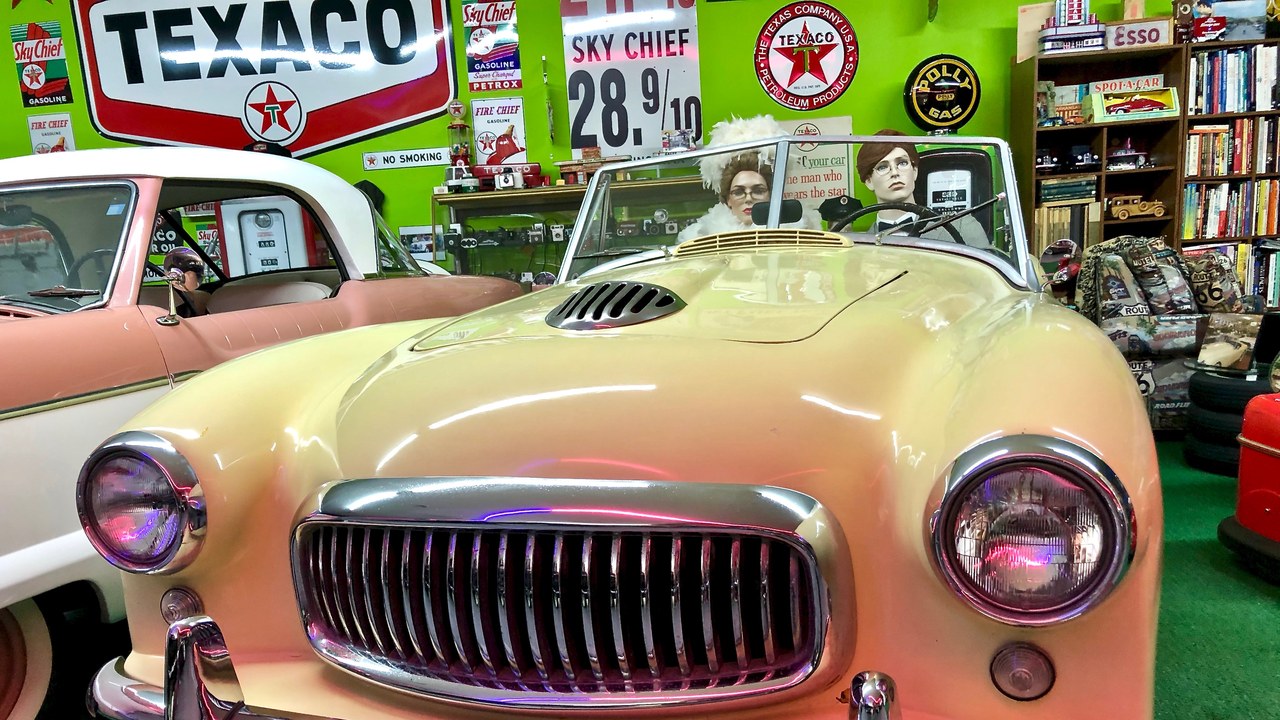
Only 506 Nash-Healeys were built, and one earned third overall at Le Mans in 1952. It remains one of the more unusual entries in postwar American sports car history.
Such a low production count makes the roadster a rarity today, and its racing result gave a small independent maker a notable moment on an international stage. Few Americans of the era saw one outside a showroom or a magazine page, which adds to its curiosity value now.
5. Datsun 240Z: Z Car Takes Off
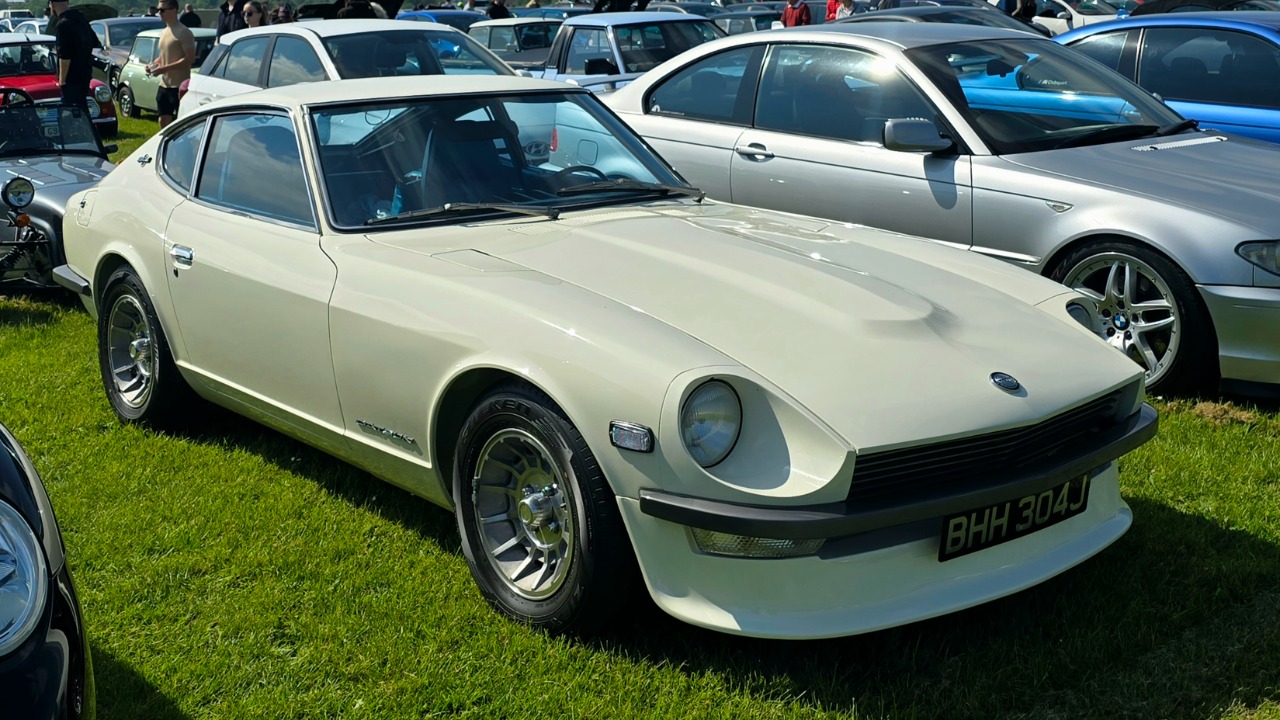
The Datsun 240Z sold over 45,000 units through the 1971 model year, an early sign of how fast American demand for the car grew. Its arrival put an affordable, stylish Japanese two-seater in front of buyers who had long looked to Britain or Detroit.
That figure covers only the earliest stretch of a long-running Z lineage. The 240Z helped establish Japanese sports cars as a credible choice in the United States, a shift that later models in the lineage would build on.
6. Dodge Viper: Snake In The Showroom
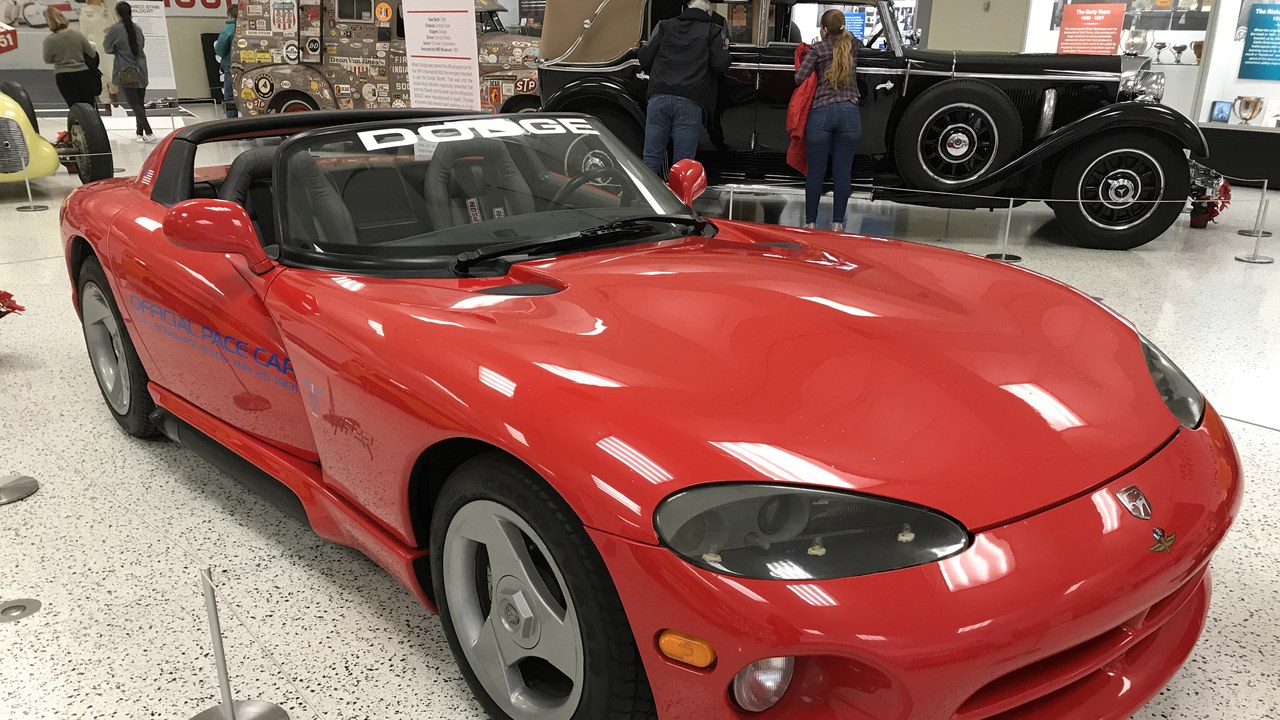
About 32,000 Vipers were built over 26 years, and the first ones sold for a starting price of $52,000 in 1992. Dodge made the model a brash, no-compromise sports car that stood apart from the rest of its lineup.
The total spans the entire production run, so the yearly average stayed modest compared with mainstream models. That scarcity, combined with the car’s reputation for raw performance, keeps the Viper a favorite among American enthusiasts.
7. Mazda MX-5 Miata: Still On Sale
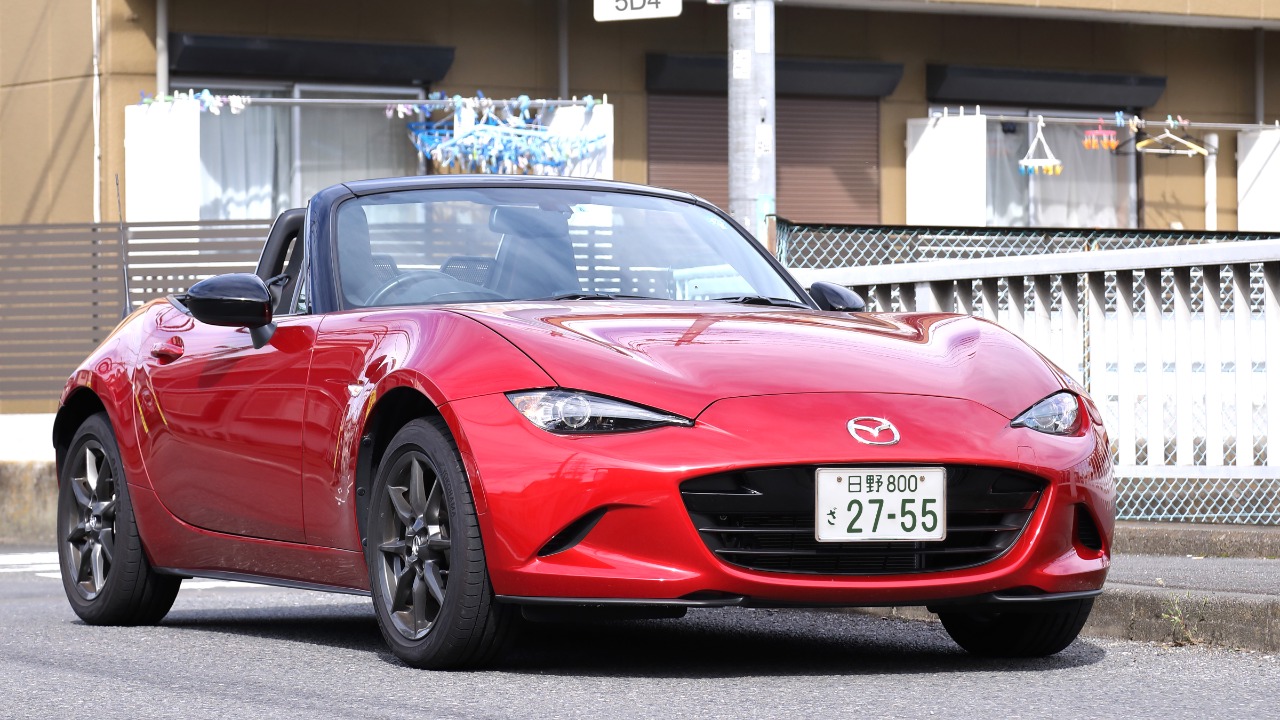
Kelley Blue Book lists the current Miata at 181 hp and ranks it among the best convertibles. Of all the cars here, it is the one whose story is still being written in current showrooms.
The modest power figure underlines the car’s appeal, which rests on light weight and simple driving fun rather than headline numbers. Its continued presence on this list shows the two-seat roadster has never fully left the American market.
8. Porsche Boxster: Porsche’s Lifeline
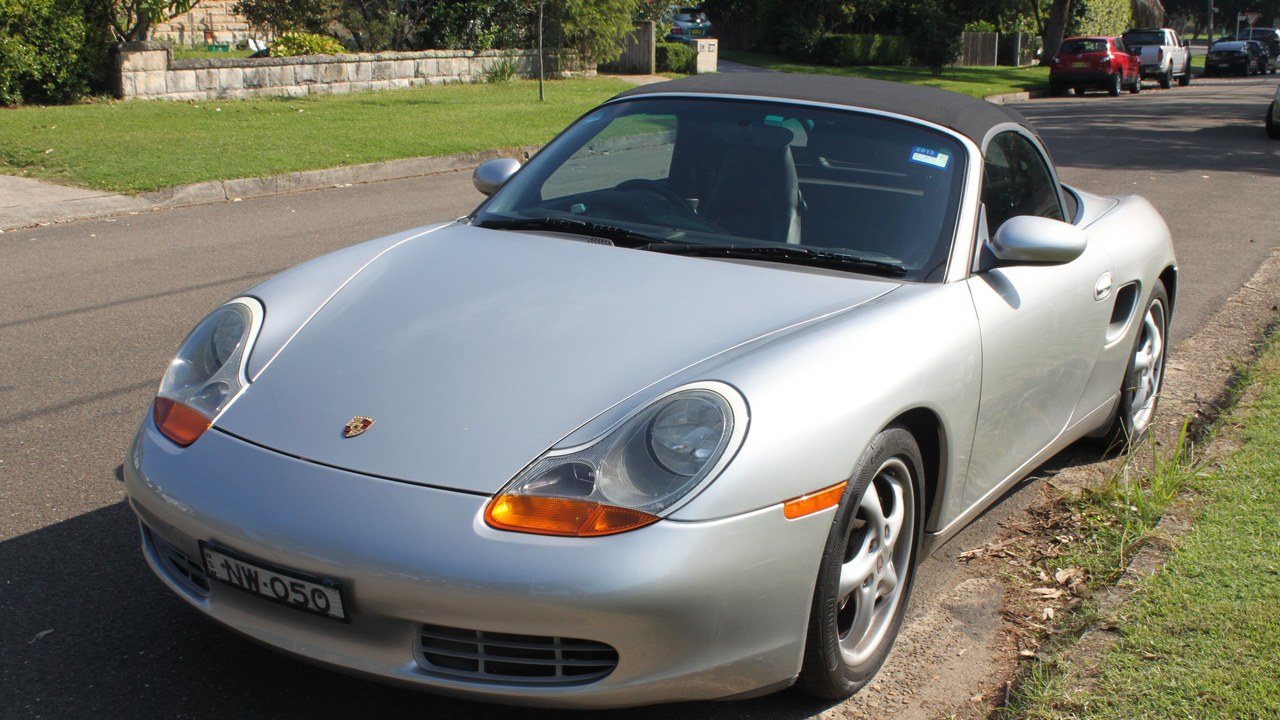
Porsche sold 146,874 Boxsters worldwide by 2004, after sales of just 15,000 cars in 1992. Hagerty credits the model with rescuing the company, which had struggled through a difficult stretch before it arrived.
The roadster gave buyers a less costly way into the Porsche brand, and the sales figure shows how well that strategy worked. For American drivers, it became a far more accessible way to own a mid-engine Porsche than anything the company had sold before the model arrived.
9. Pontiac Solstice: Pontiac’s Last Hurrah
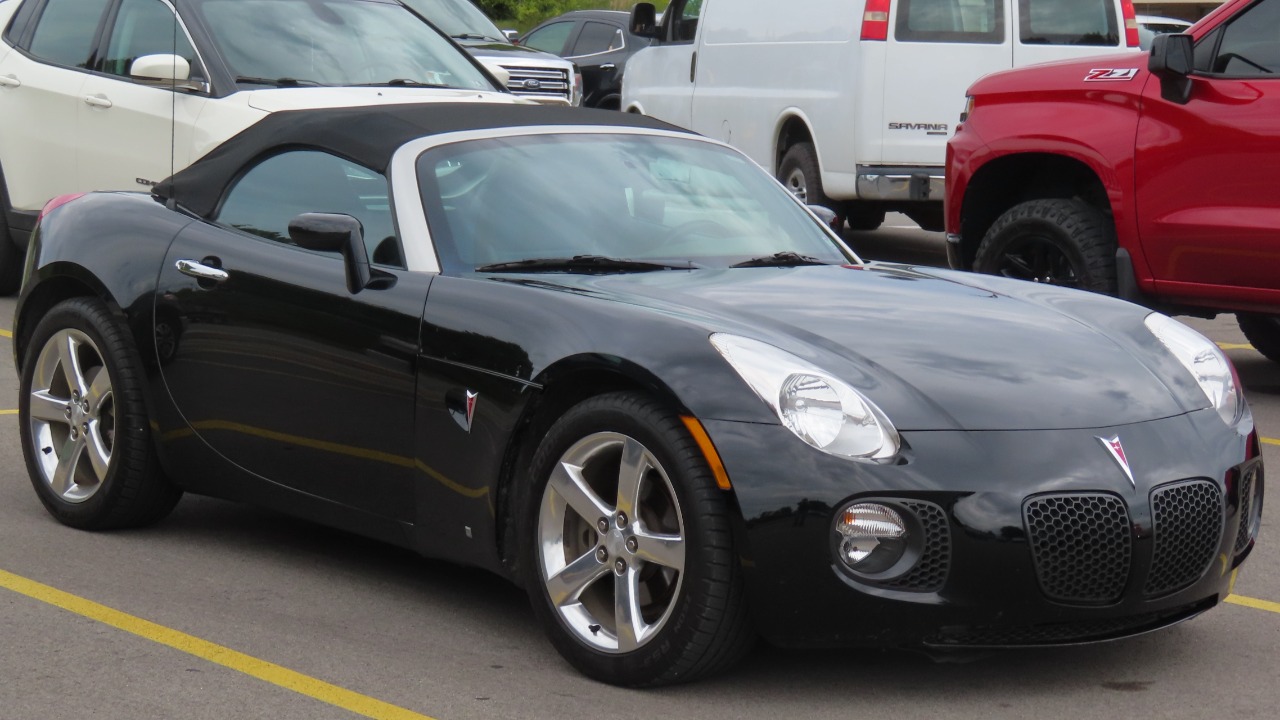
Pontiac built nearly 66,000 Solstices, which hit showrooms starting at 20 grand. The roadster arrived as a stylish, relatively affordable two-seater from a division better known for family cars and muscle than for open-top roadsters.
Only around 1,200 of those cars were coupes, so the open car dominated the lineup. That count makes the Solstice one of the more common cars on this list, though it still ran for only a short time and left buyers with a clear sense of what a modern American roadster could be.
10. Saturn Sky: Short-Lived Sibling
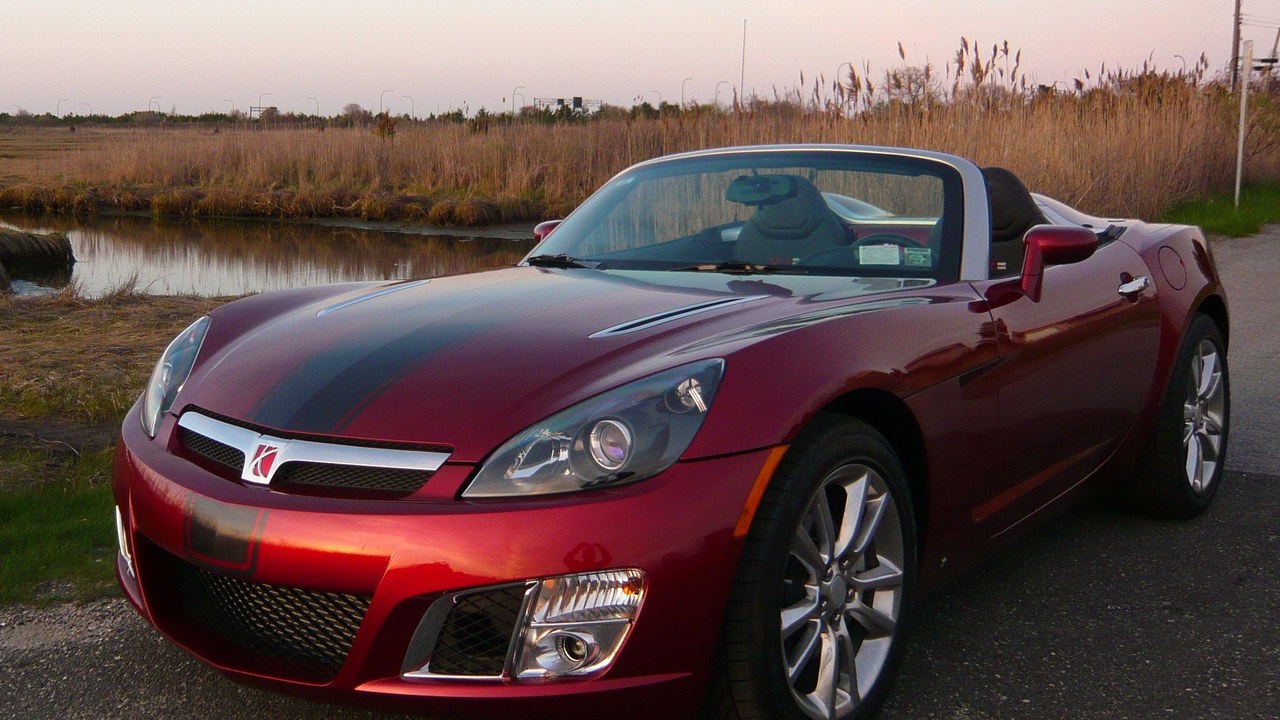
A total of 34,415 Saturn Skys were built over the model’s all-too-brief production run. Saturn used the two-seat roadster to add some flair to its lineup, giving buyers a sportier reason to walk into a showroom.
The modest total, roughly half the Solstice’s output, shows how quickly the roadster faded when the brand itself disappeared. Buyers who want a rare modern American roadster now find the Sky an interesting and relatively unusual choice.
11. Tesla Roadster (2008): Electric Pioneer
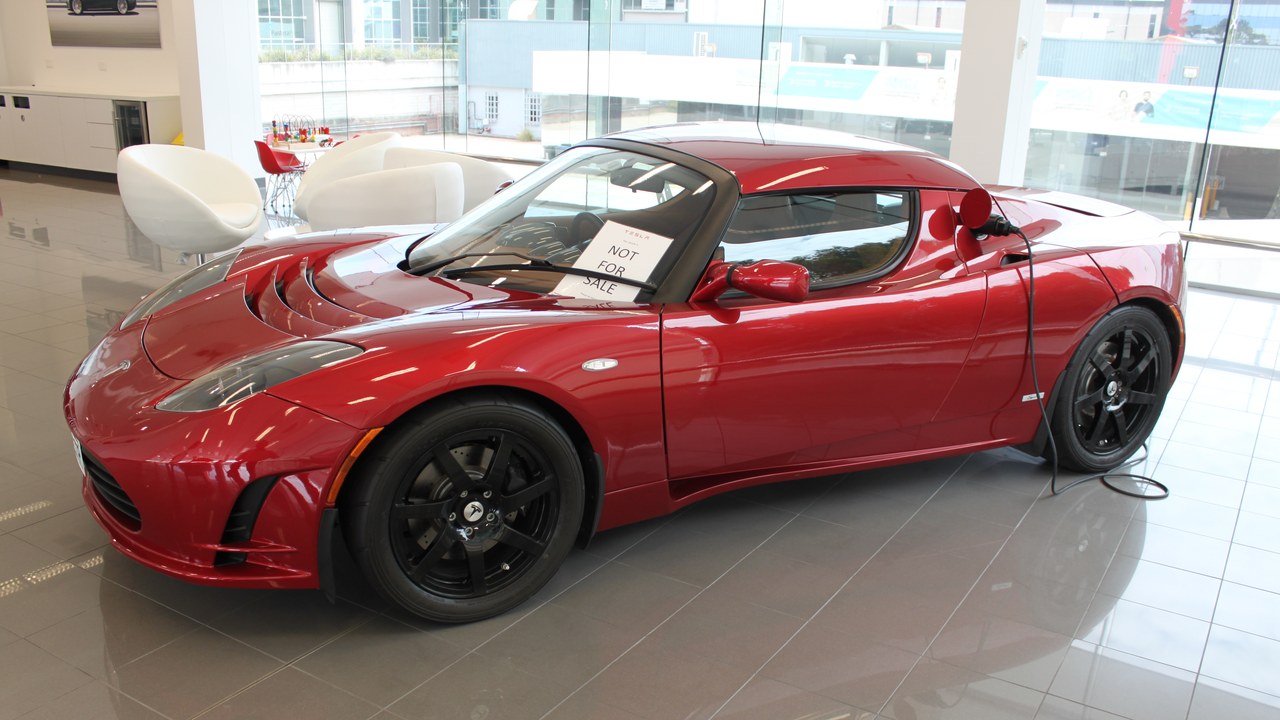
Tesla sold about 2,450 Roadsters in more than 30 countries, with a rated range of 244 miles on a charge. The electric two-seater gave an early glimpse of what a battery-powered sports car could offer American buyers.
Its small production run makes it a footnote compared with later Teslas, yet the figures proved a battery-powered two-seater could cover real distances. American buyers who wanted an electric sports car had almost no other option at the time.
12. Shelby Cobra: Carroll Shelby’s Bruiser
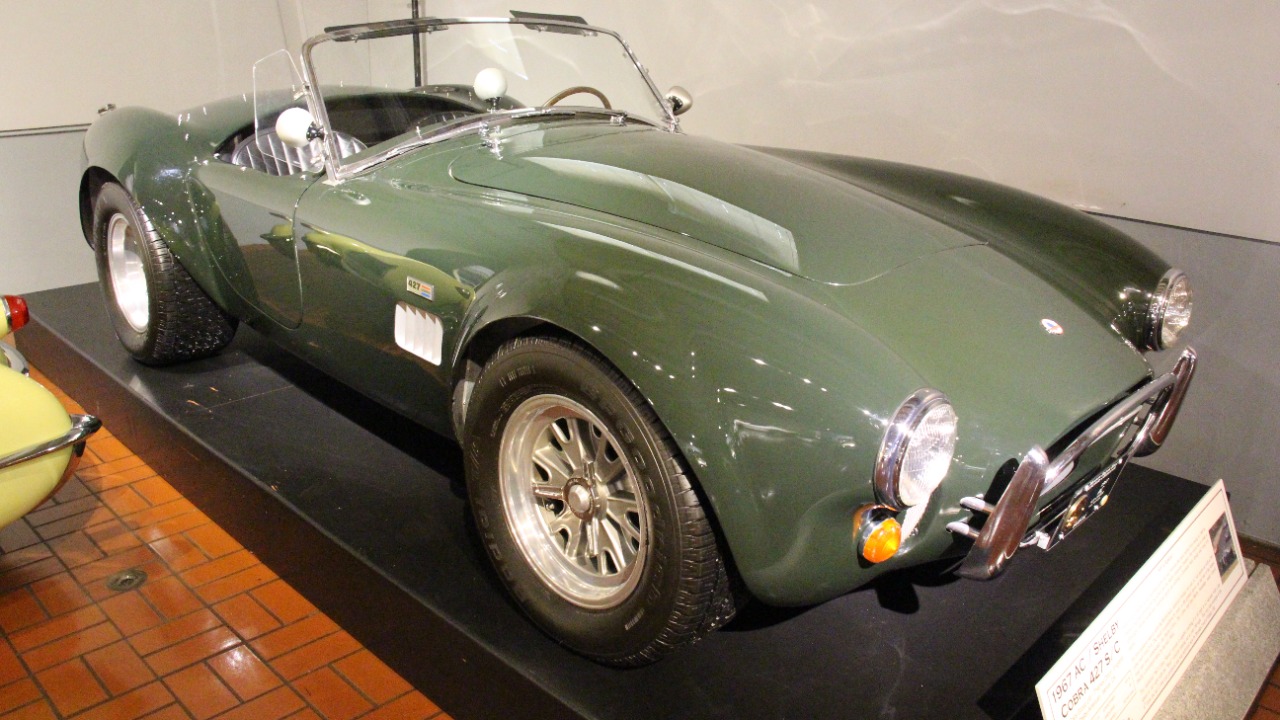
The Cobra Mk1 run totaled just 126 cars, a remarkably small number for a model that became one of America’s best-known sports cars. Carroll Shelby’s name remains tied to the car decades later, and that small run still defines the Cobra’s mystique.
That scarcity helps explain why originals command such attention and why replicas are so common. The Cobra closes this list as a reminder that low volumes and lasting fame often go hand in hand, a pattern that runs through many of the cars above.
AI, explained every day: Get The Deep View →
We may earn a commission if you sign up.
More from Morning Overview
- Doctors warn a silent liver disease now affects one in three American adults
- The FBI told the rest of ShinyHunters to surrender after a 24-year-old was arrested
- Two passengers died at an Ohio toll plaza, and the NTSB now wants the cash lanes shut
- Long use of a common prostate pill is tied to a higher chance of glaucoma
