
Winter does not send every animal south, and many North American species simply power down instead. Their strategies range from frozen hearts and near-stopped breathing to heavy fat stores burned through months of rest. Here are eleven animals whose shutdown tactics turn a frozen season into a long, quiet pause.
1. Wood frog: Frozen Solid Until Spring
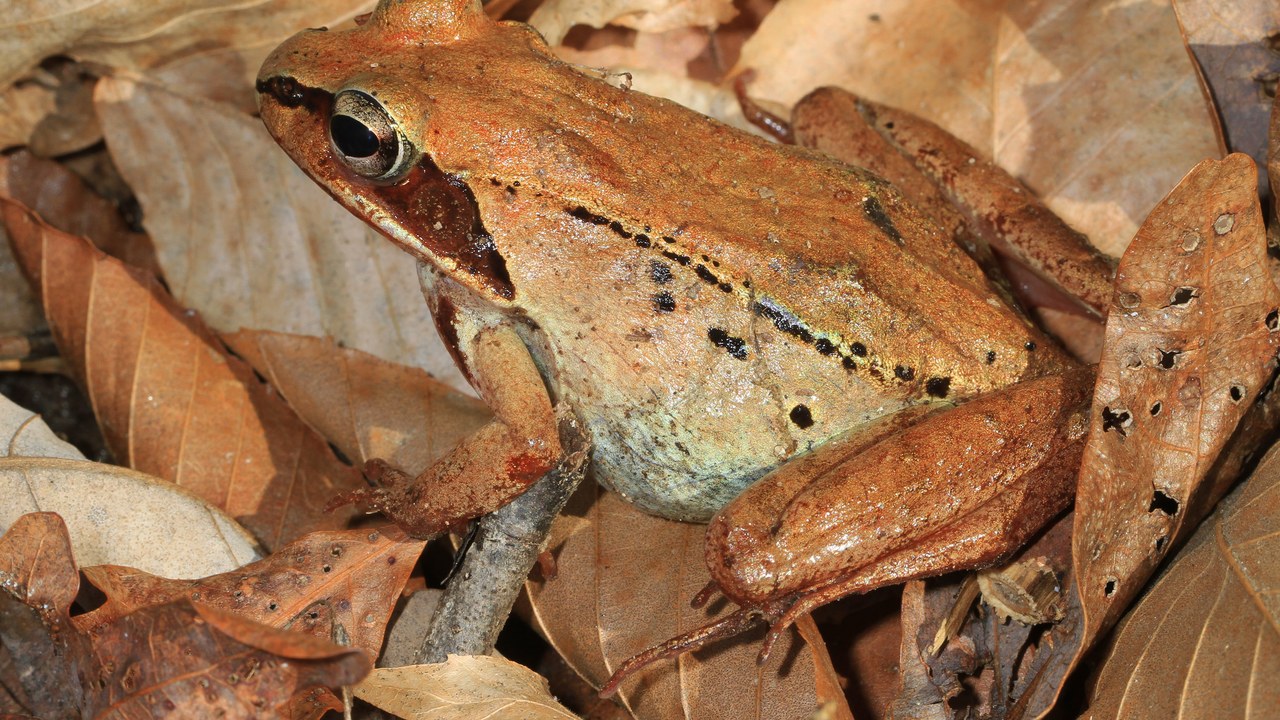
Few animals push shutdown as far as the wood frog, which can stay frozen solid for up to eight months, with its heart and breathing stopping until spring.
Wood frogs live across much of North America, and the species shows that a body can pause completely and still restart. For anyone turning leaves in a backyard woodland, a still, ice-stiff frog in winter is not dead. It is simply waiting out the cold in a state that few vertebrates ever reach, and thaw brings it back to life.
2. Arctic ground squirrel: The Coldest Body Temperature
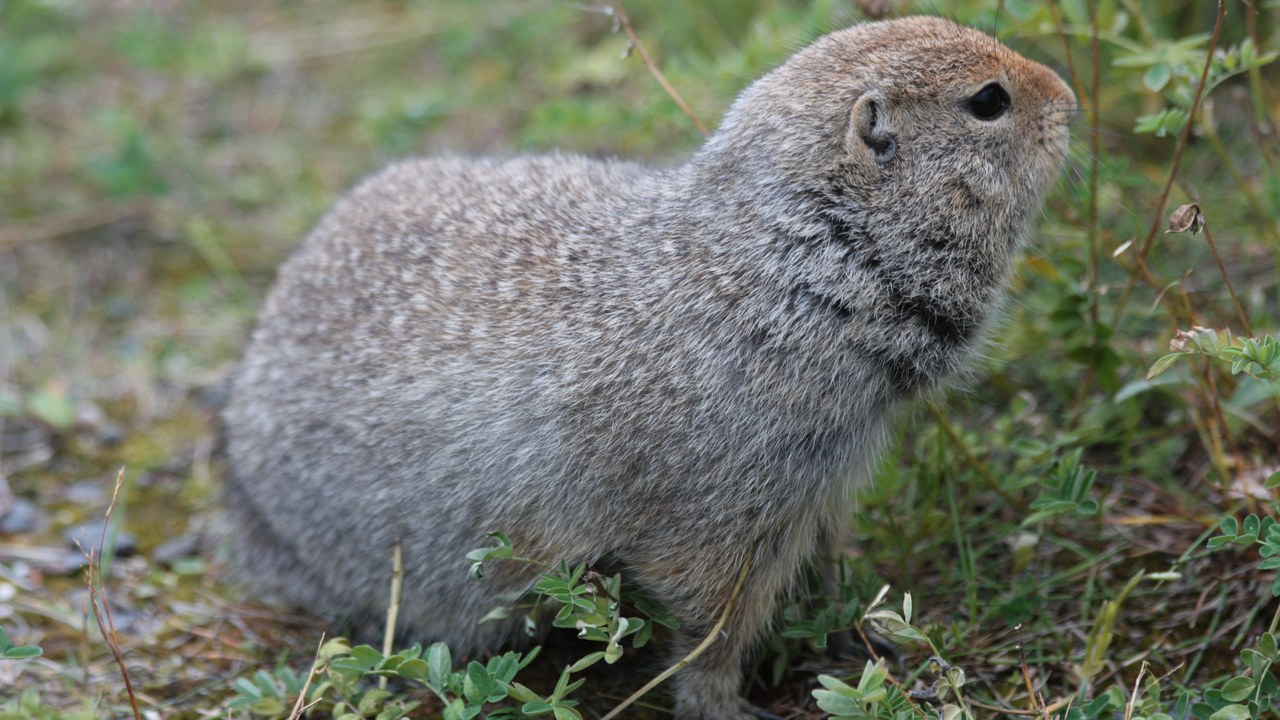
The Arctic ground squirrel holds a striking record, since its body temperature can fall as low as around 26 degrees Fahrenheit, while its metabolism drops to just 2 percent of normal.
That combination makes the species a favorite subject for researchers studying how mammals survive extreme cold. Medical scientists watch such hibernators for clues about slowing the body safely, because the squirrel manages a deep chill without apparent harm. The practical lesson is that torpor is a controlled, reversible strategy rather than a slide toward failure.
3. Common poorwill: The Bird That Hibernates
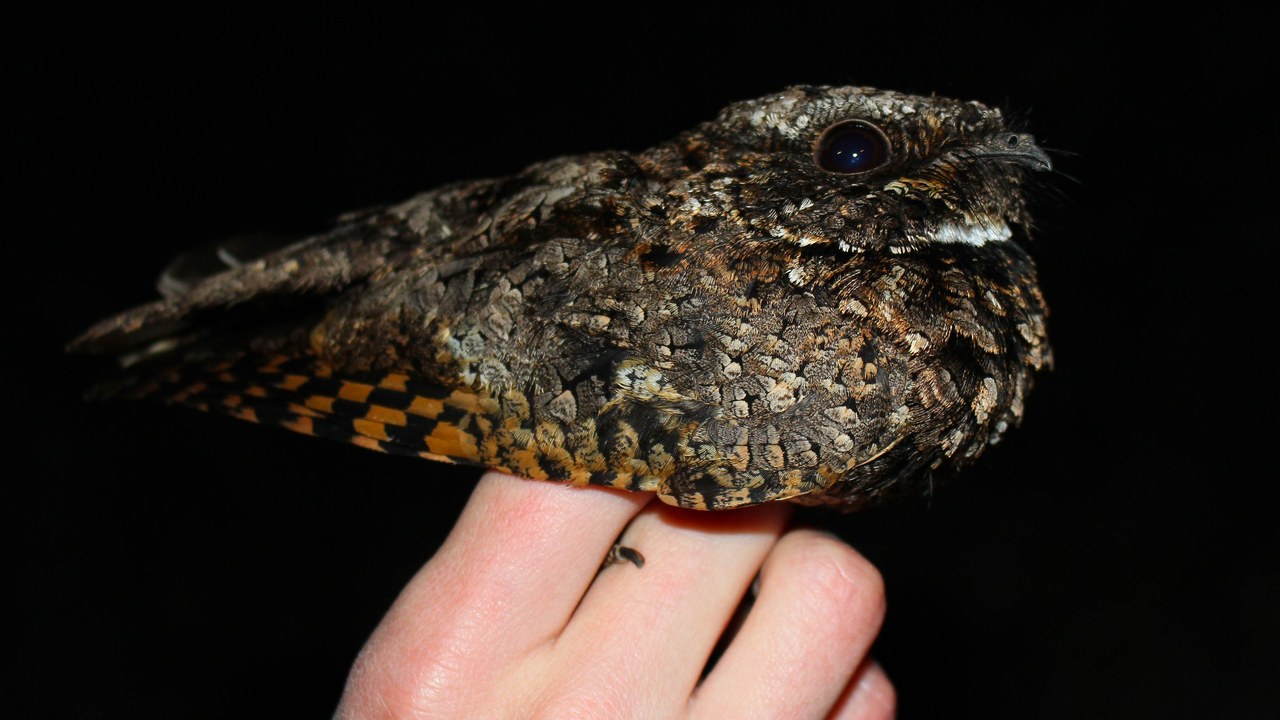
Birds are not supposed to hibernate, yet the common poorwill is described as the only bird known to hibernate, and it can stay asleep up to 100 days straight.
This small, nocturnal bird of western North America turns the usual rule on its head. Where most birds flee winter by flying south, the poorwill tucks into a sheltered spot and lets its body idle. Observers who find one apparently lifeless in cold weather should leave it alone, since it may be perfectly healthy.
4. Groundhog: Fat Reserves Do the Work
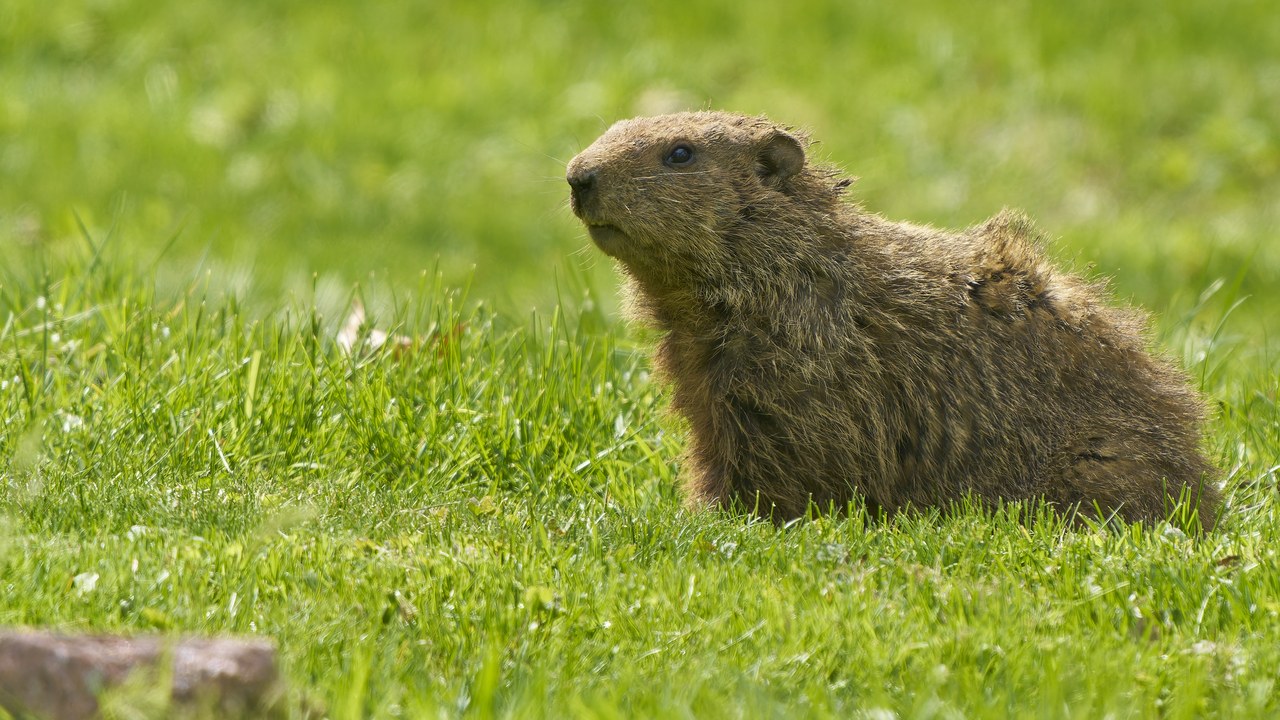
Groundhogs head into winter carrying fat that makes up about one-third of a groundhog’s fall weight, and their body temperature can fall as low as 43 degrees.
Those reserves are the fuel supply for months without food, burned slowly while the heartbeat and breathing slow down. The groundhog is among the best-known hibernators, and the numbers explain why a plump animal in autumn is a healthy one. A thin groundhog heading into cold weather has far less margin for error.
5. Big brown bat: Breathing Pauses Included
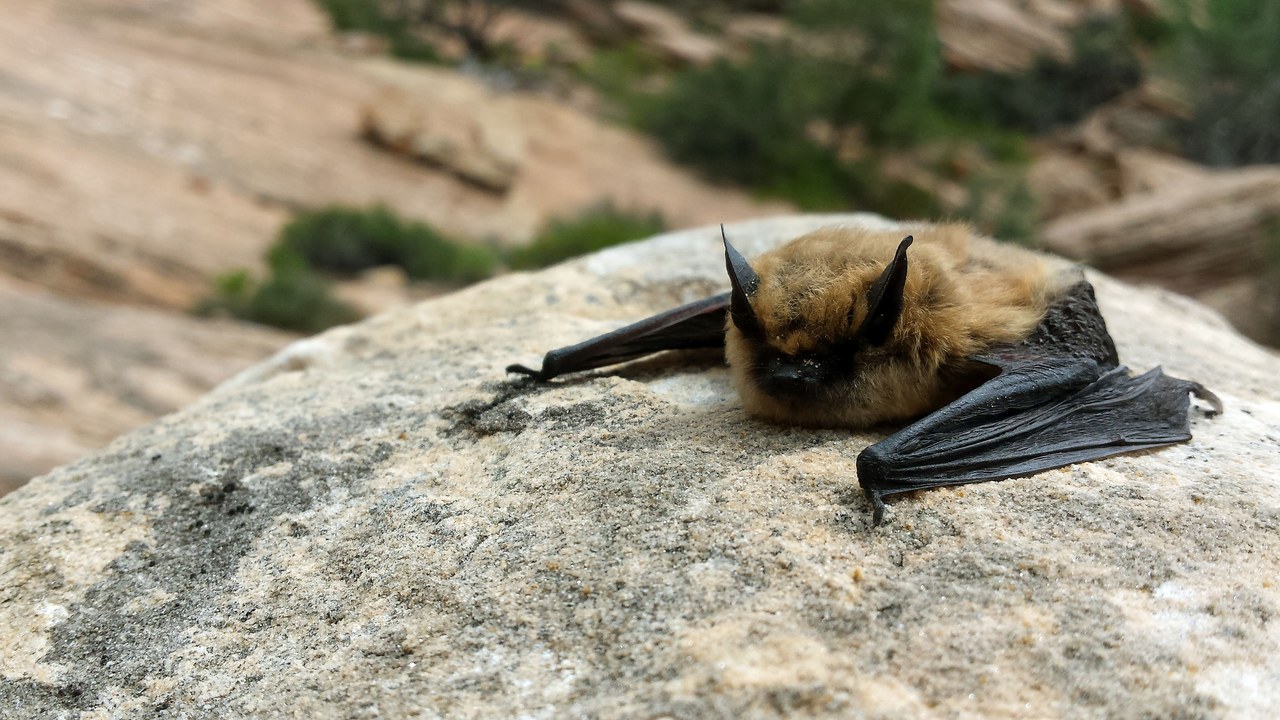
The big brown bat breathes about 200 times a minute when active, then enters long periods with no breathing at all in hibernation.
That swing, from rapid breathing to near stillness, shows how completely a bat can power down. Roosting bats in caves, attics or similar sheltered sites rely on that stillness to stretch their energy through the cold months. Because every disturbance forces a costly wake-up, people who find hibernating bats are better off leaving them undisturbed.
6. Little brown bat: Half an Hour Without a Breath
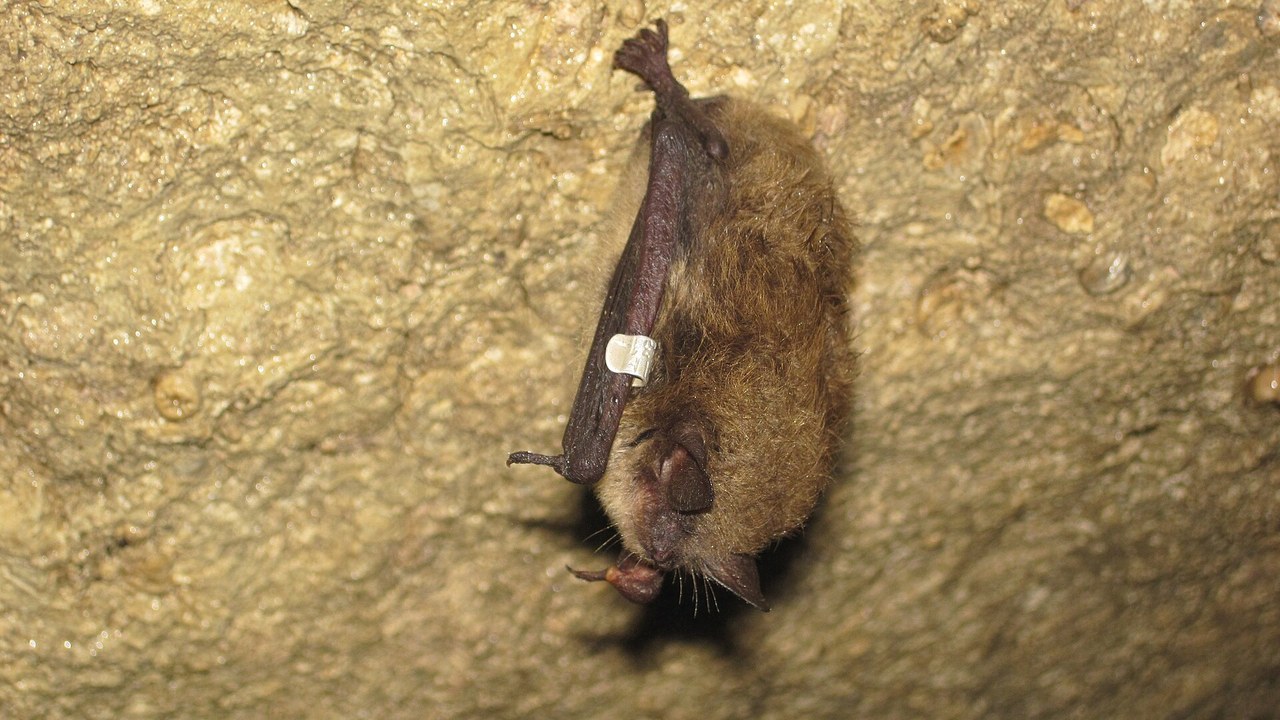
In its deepest torpor, the little brown bat might go half an hour without taking a breath, a pause that would be alarming in an active mammal.
Hanging motionless in a cave or mine, the bat spends the winter living off stored fat. The long breathing gaps are part of a deliberate slowdown rather than distress. Anyone entering a hibernation site risks rousing animals that cannot afford the energy of waking, so quiet and distance are the kind choices.
7. American black bear: Five Months Under Cover
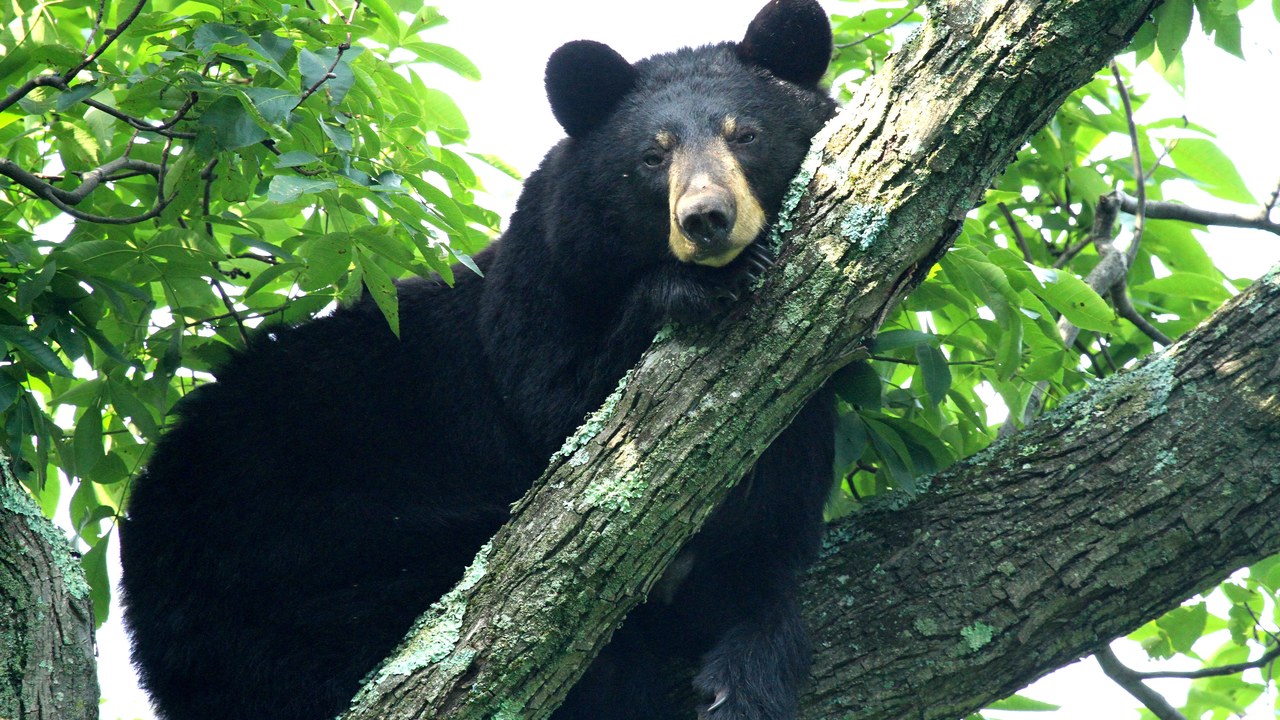
The American black bear hibernates for about five months and loses only about 25% of its strength, a surprisingly small loss for so long a rest.
Muscle normally wastes away after weeks of inactivity, so the black bear’s modest decline is remarkable. Scientists studying muscle loss and bed rest take notice for that reason. For anyone sharing woodland with bears, the takeaway is practical: a den in late autumn is normal behavior, and a bear emerging in spring is hungry but still strong.
8. Grizzly bear: Doubling Up Before the Cold
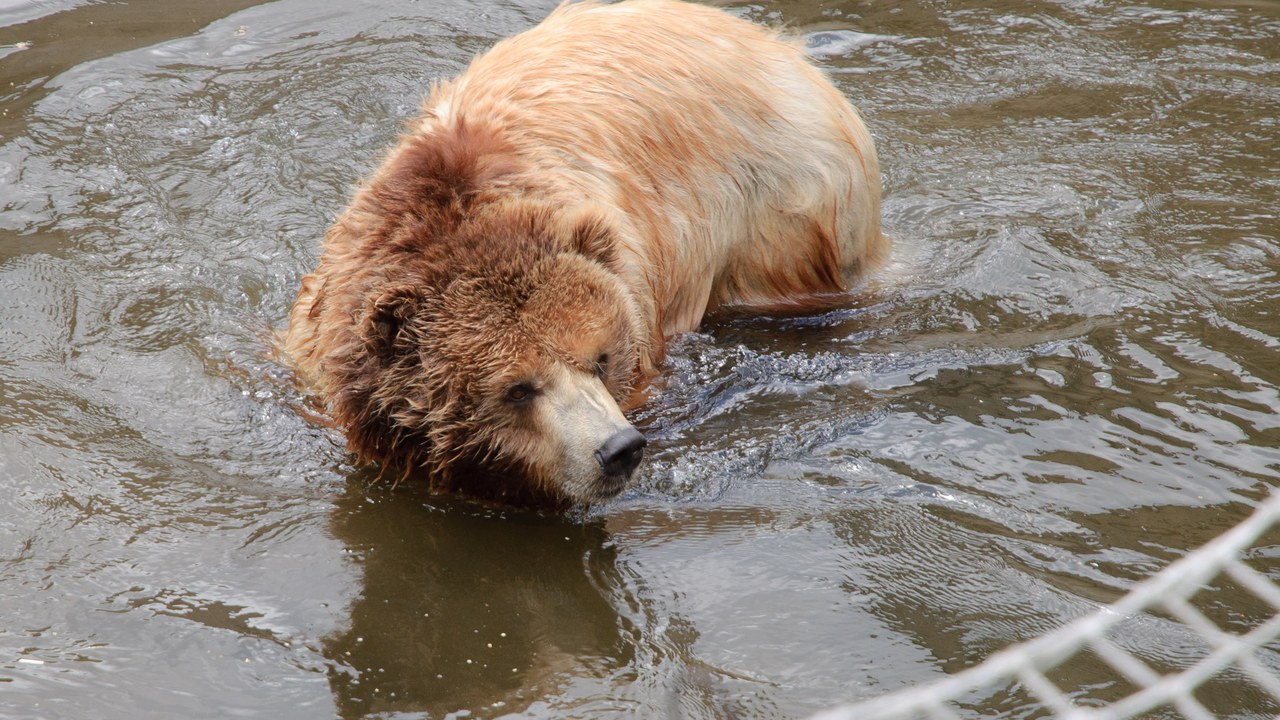
Before denning, the grizzly bear roughly doubles its body weight in fall, and then a 4-5 degree C temperature drop cuts its energy needs by 75 percent.
That mix of heavy feeding and a mild chill lets the grizzly last through winter without eating. The drop in temperature looks small, yet the energy savings are large. Hikers in bear country meet the fattest, hungriest animals in autumn, which is one reason food storage rules matter as the season turns.
9. Striped skunk: Dozing, Not Deep Sleeping
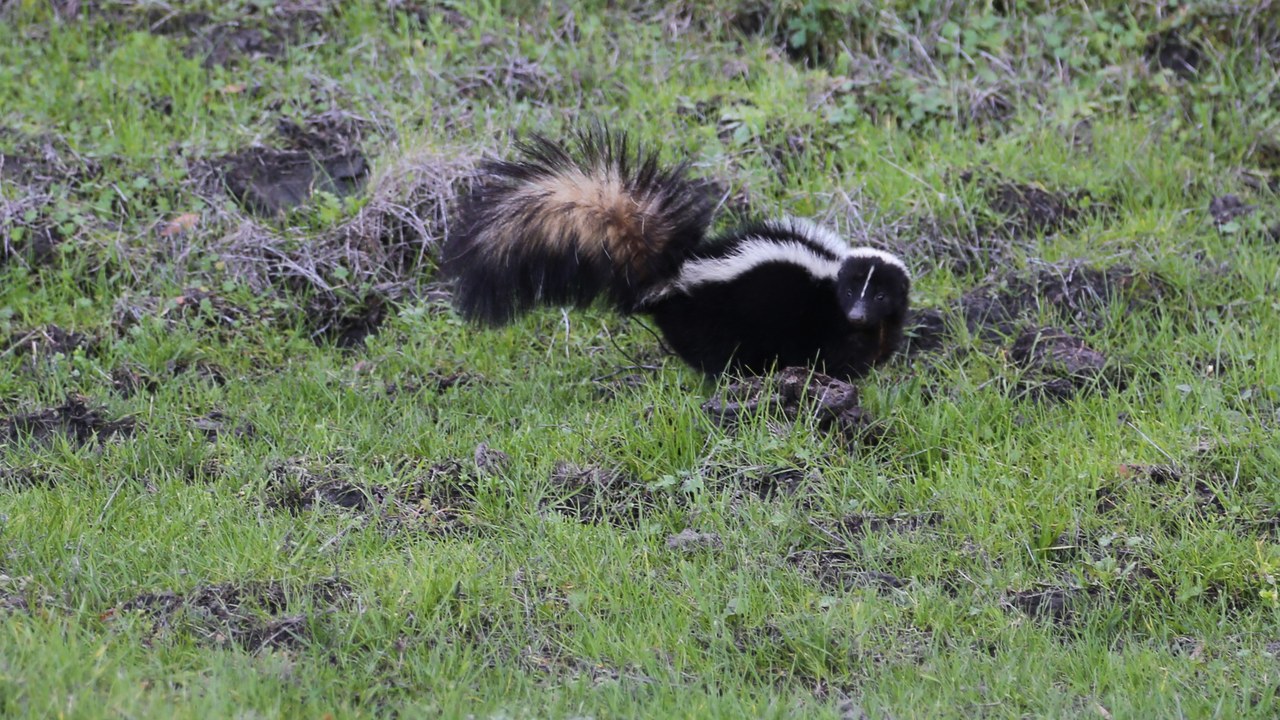
The striped skunk enters a torpor lasting a few months, and it wakes now and then to forage.
This lighter style of winter rest sits between true hibernation and ordinary sleep. A skunk can retreat into a burrow during the worst cold, then venture out on milder days. Homeowners who spot tracks in a thaw are seeing that routine, and sealing off crawl spaces in autumn is the easiest way to avoid unwanted winter tenants.
10. Painted turtle: Breathing Through the Mud
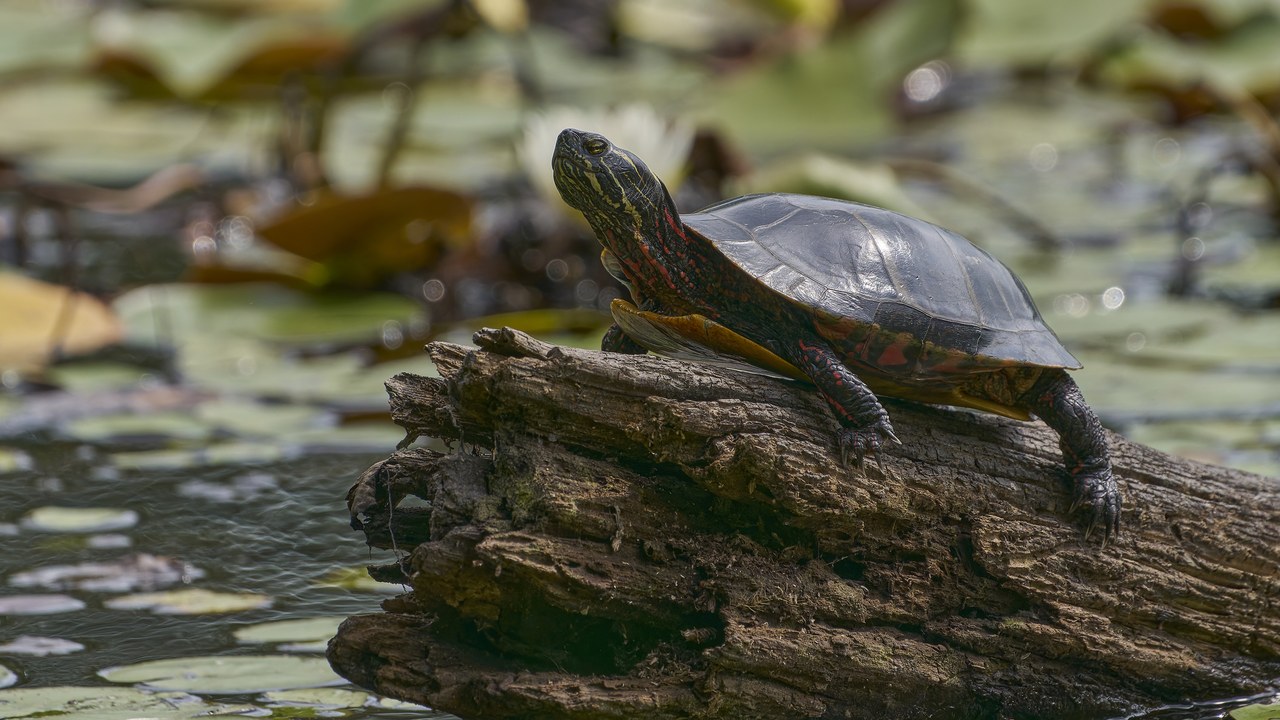
The painted turtle spends winter under mud or frozen water, taking oxygen from the water through cloacal respiration.
That odd form of breathing lets the turtle stay submerged for months without surfacing. A frozen pond may look lifeless, yet painted turtles can be resting at the bottom, running on a tiny oxygen supply. Pond owners and anglers have good reason to protect wetland edges, since the mud and shallow water are the turtle’s winter home.
11. Garter snake: Dens With Thousands of Snakes
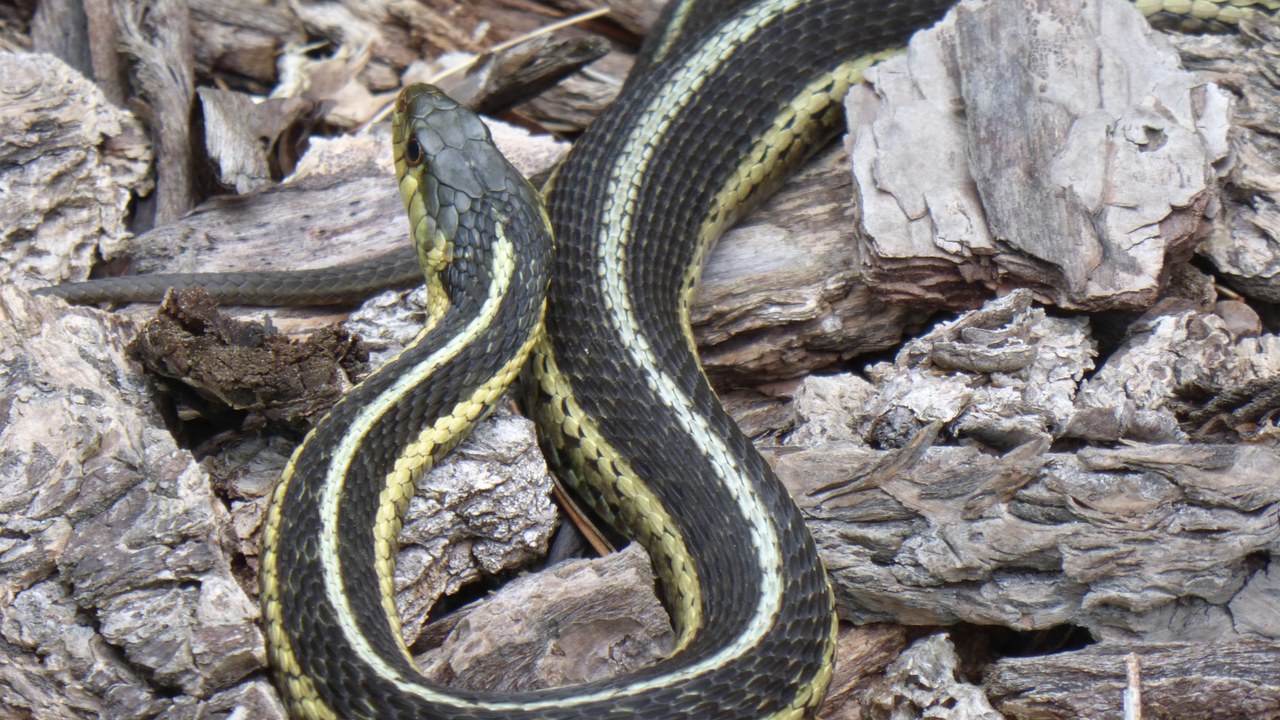
The garter snake brumates, the reptile version of hibernation, in dens that might house up to 20,000 snakes.
Such gatherings turn an ordinary, familiar backyard snake into a participant in one of the continent’s most crowded winter assemblies. The huddle offers shelter and warmth during cold months, and the snakes disperse when spring warms the ground. Visitors to known den sites in spring should watch their step and let the animals move on without handling.
More from Morning Overview
- Ford is recalling 223,472 F-150 pickups because the fuel tank can leak or detach
- Hybrids have 15% fewer problems than gas cars, while EVs and plug-in hybrids have about 80% more, Consumer Reports finds
- Regulators cleared the first U.S. small modular reactor, 4 months early
- Lake Powell sank to a record 3,517 feet, nearing the level that stops Glen Canyon Dam’s turbines
