
Birds of prey range from record-setting divers to patient night hunters, and each one has a trait that sets it apart. Park Service and state wildlife agency sources supply the speeds, wingspans and prey that define them. Here are ten raptors found across America, each with the detail that earns its place.
1. Peregrine falcon: Fastest Thing With Feathers
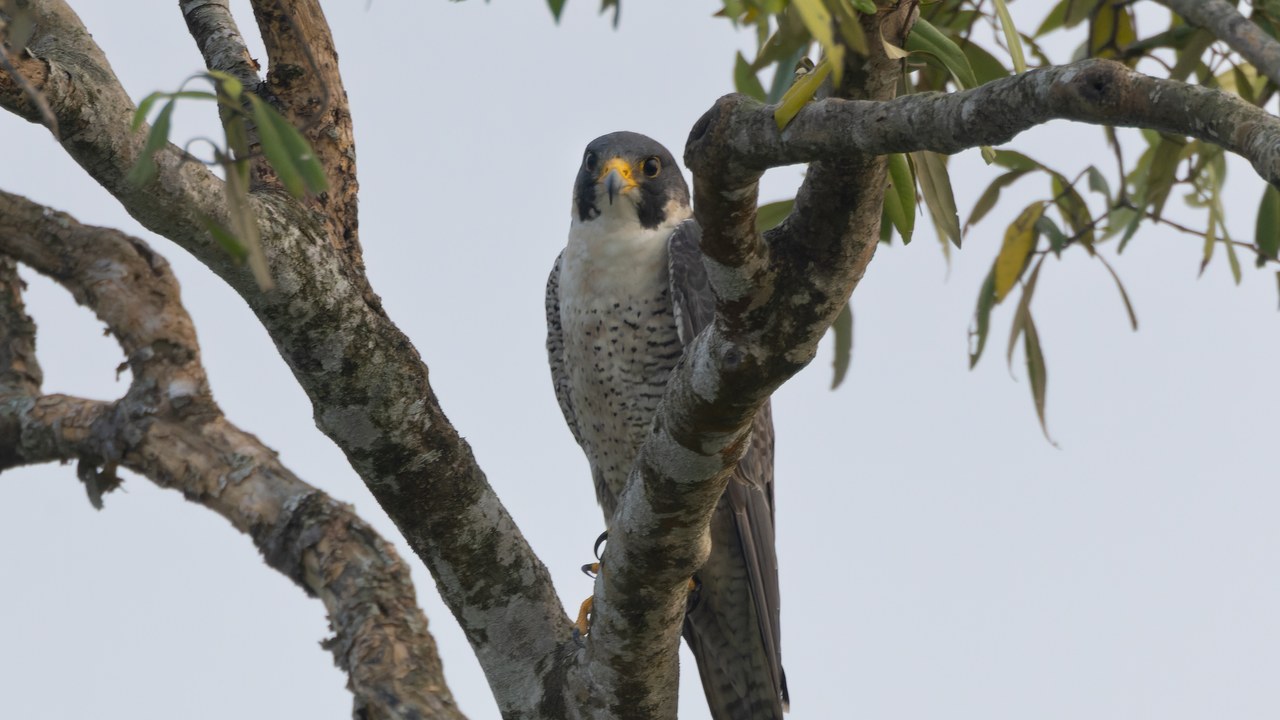
Park Service raptor notes put the peregrine’s stooping dive at park service dive figures, and they list 450 North American species as documented prey. That combination of velocity and variety explains why the falcon sits at the top of any speed ranking.
A bird that fast needs open sky and plentiful targets, so peregrines favor cliffs, towers and bridges with a clear drop beside them. Anyone hoping to spot one should scan tall ledges near open ground, where the falcon waits above its prey before committing to the dive.
2. Golden eagle: Heavy Lifter of the West
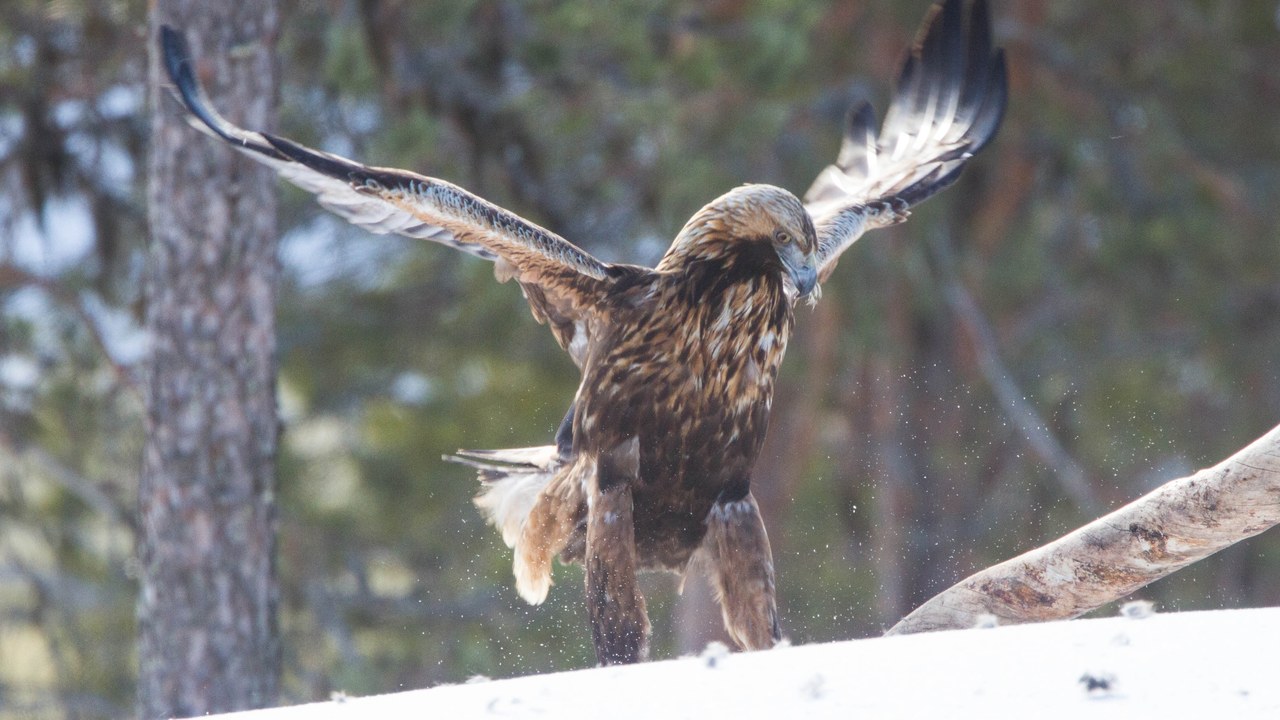
According to Park Service raptor guidance, a golden eagle can swoop at speeds up to 200 miles per hour and carry up to 8 pounds during flight. Few raptors combine that much speed with that much lifting strength.
The load figure matters because it sets the size of quarry the eagle can haul back to a perch or nest instead of eating on the spot. Open country with updrafts suits the species, which is why sightings cluster around canyons, ridgelines and wide grasslands.
3. Great horned owl: Skunk Hunter After Dark
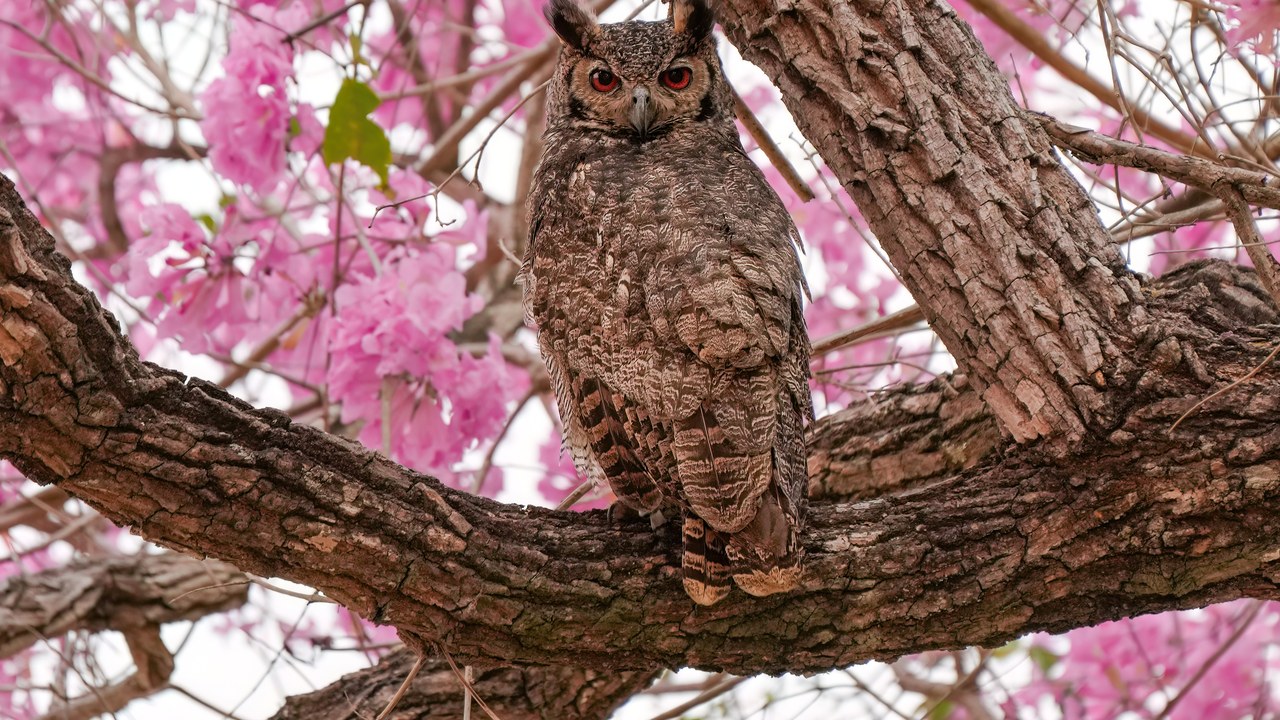
Illinois’ largest resident owl, the great horned owl spreads a 48 to 62 inch wingspan, and state wildlife agency profile lists prey ranging from small owls, hawks and waterfowl to skunks and squirrels. Few predators take such a broad menu.
The skunk detail owes much to the owl’s weak sense of smell, which leaves a spray largely unnoticed. Because it tolerates suburbs, farms and woodlots, the species is the owl most likely to be heard hooting on a winter night near almost any neighborhood.
4. Bald eagle: Comeback Symbol With a Huge Reach
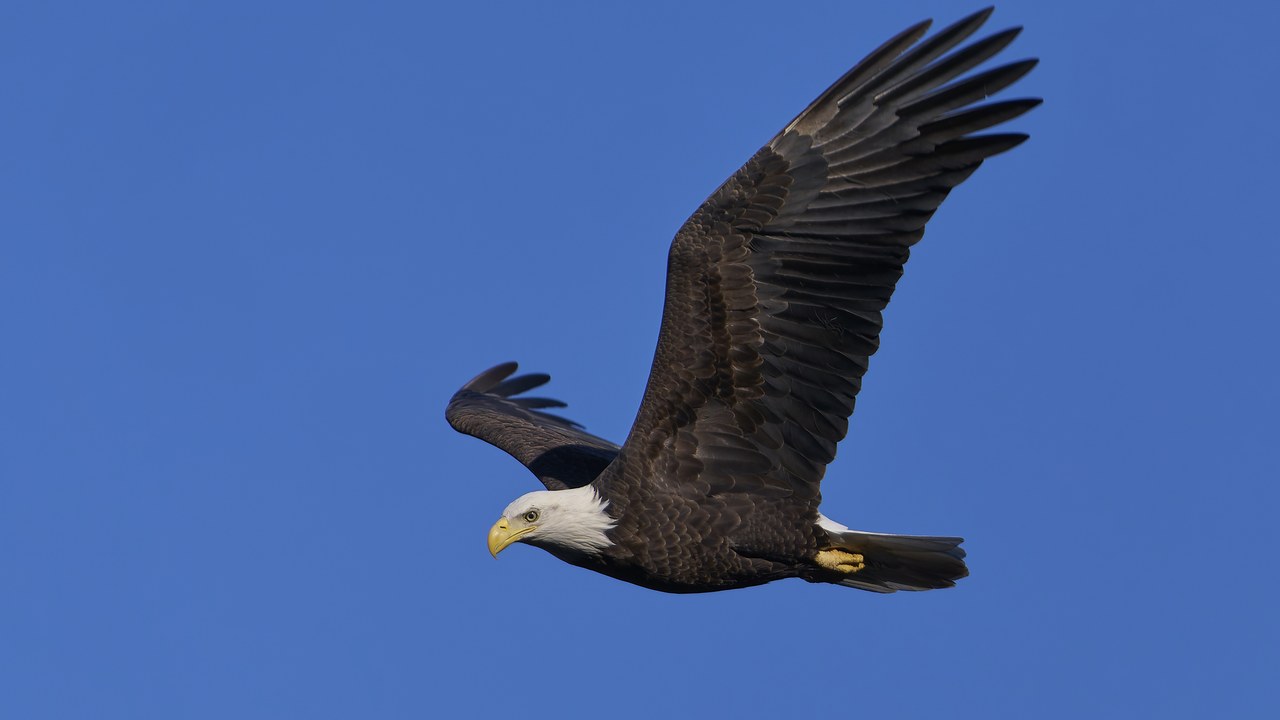
A bald eagle measures a 70 to 90 inch wingspan, according to Illinois conservation profile, which also notes the species was removed from the Illinois endangered and threatened list in 2000. That delisting marks one of the state’s clearest conservation recoveries.
Wingspan on that scale makes an adult easy to separate from hawks and vultures at a distance. Winter gatherings along open rivers and below dams give the best viewing, since the birds concentrate where moving water keeps fish within easy reach.
5. California condor: North America’s Largest Flier
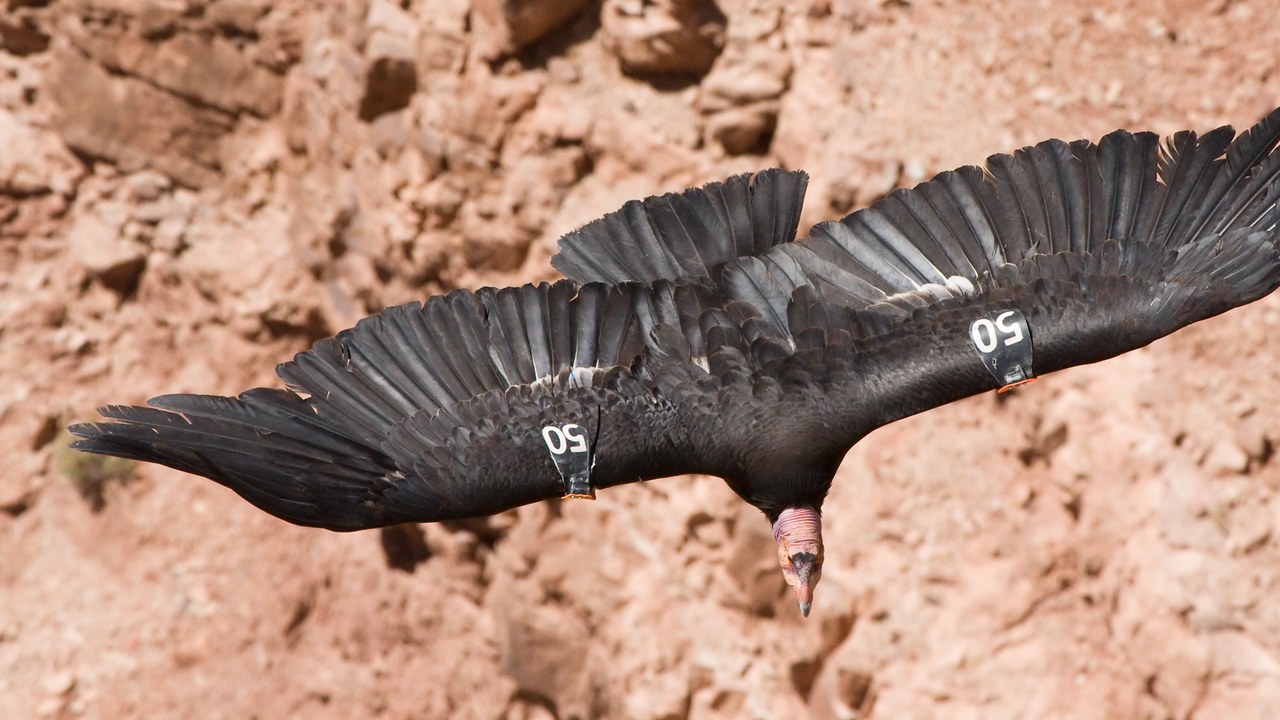
The Grand Canyon’s raptor page calls it Grand Canyon condor description: the largest bird in North America, with a 9.5-foot wingspan, and still a critically endangered species. Few animals on the continent carry both distinctions at once, and the pairing defines the bird’s story.
That span lets condors ride thermals for long distances with barely a wingbeat, which is how they patrol canyon country. Because the population remains fragile, spotting one in the wild is a notable event that visitors should treat with distance and quiet, leaving the bird undisturbed.
6. Osprey: The Fish Hawk That Goes Under
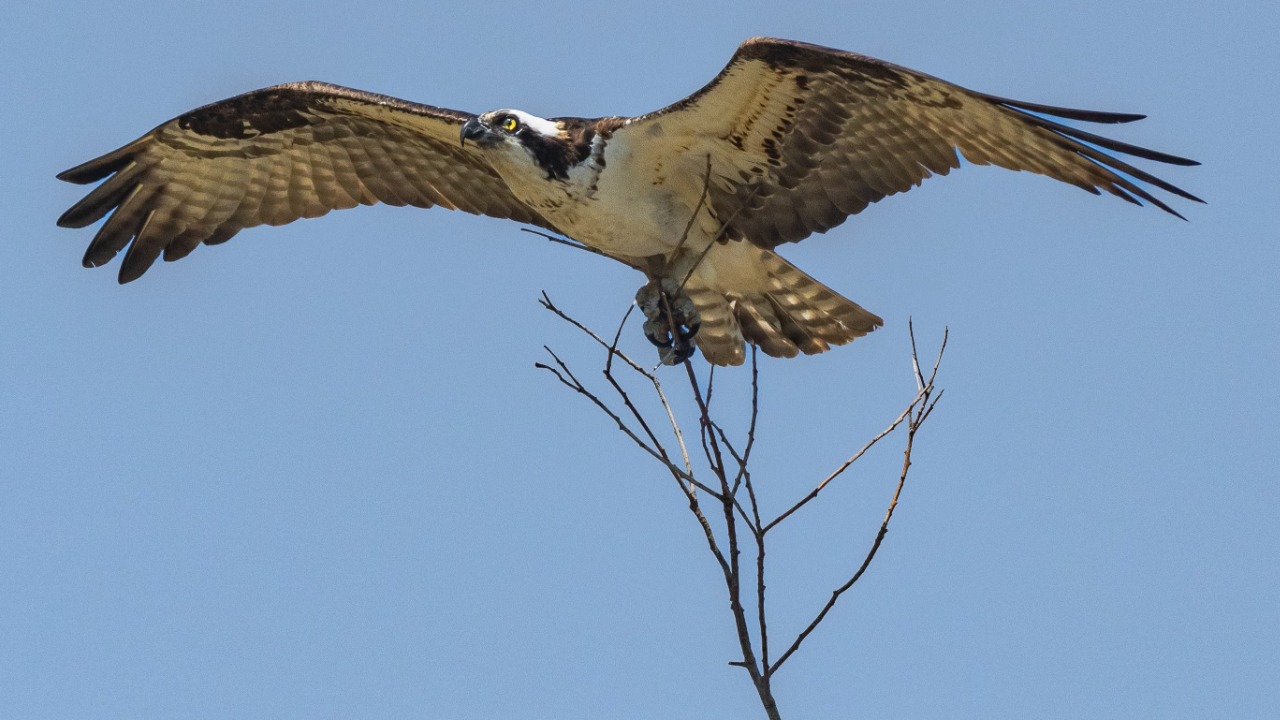
An osprey dives after fish and, as the state raptor profile notes, can go completely under water to catch them. Few raptors commit their whole body to a plunge that way, and the habit sets the fish hawk apart.
The specialization shapes where the bird lives, since nests concentrate near lakes, reservoirs, rivers and coasts with clear, shallow water. Anglers and boaters often see one hovering and then folding into a dive, a reliable sign that fish are feeding close to the surface.
7. Red-tailed hawk: Eyesight Eight Times Sharper
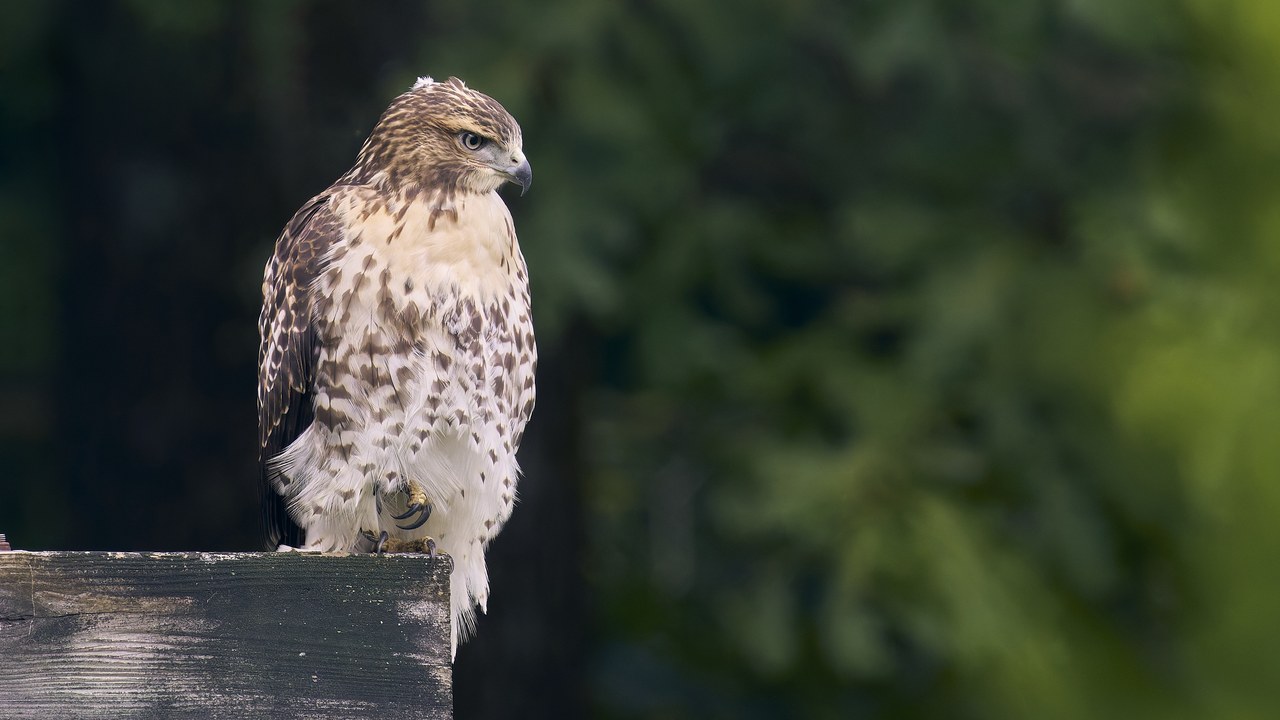
Park Service materials claim that the vision of the red-tailed hawk is about eight times more powerful than a human’s, per hawk eyesight comparison. That acuity lets the hawk pick out small movement in grass from a perch or a slow circle overhead.
Highway fence posts and utility poles make ideal lookouts, which is why this species is the hawk most drivers notice along open roadsides. Its adaptability across fields, deserts and edges of towns keeps it one of the continent’s most familiar raptors.
8. Barn owl: Serrated Talon, Silent Flight
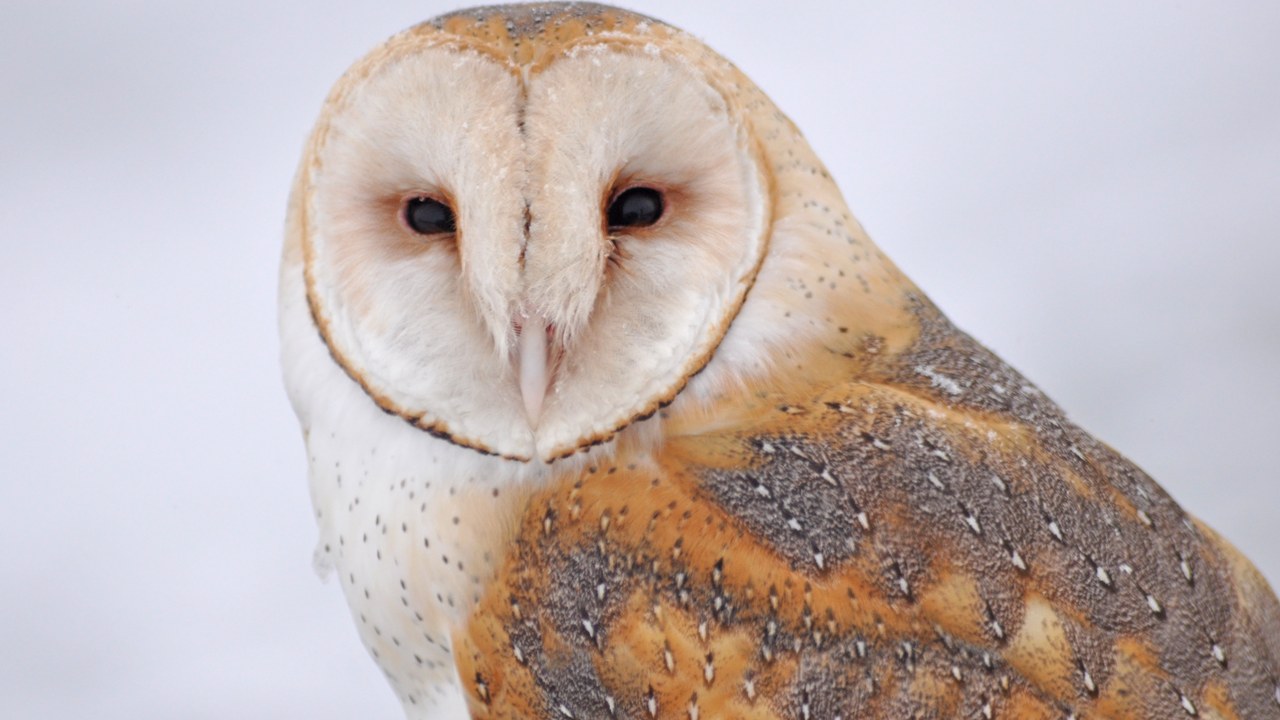
A barn owl hunts mice, voles and ground squirrels, and the middle talon on each foot is serrated, according to Illinois owl description. That comb-like edge is a rare detail among raptors, and it likely helps the owl grip struggling prey.
The pale, heart-shaped face channels sound toward the ears, so the owl can strike prey it cannot see in darkness. Because it feeds so heavily on rodents, a barn owl around farm buildings serves as a natural form of pest control for growers and ranchers.
9. Northern harrier: Low-Flying Hunter of Open Marsh
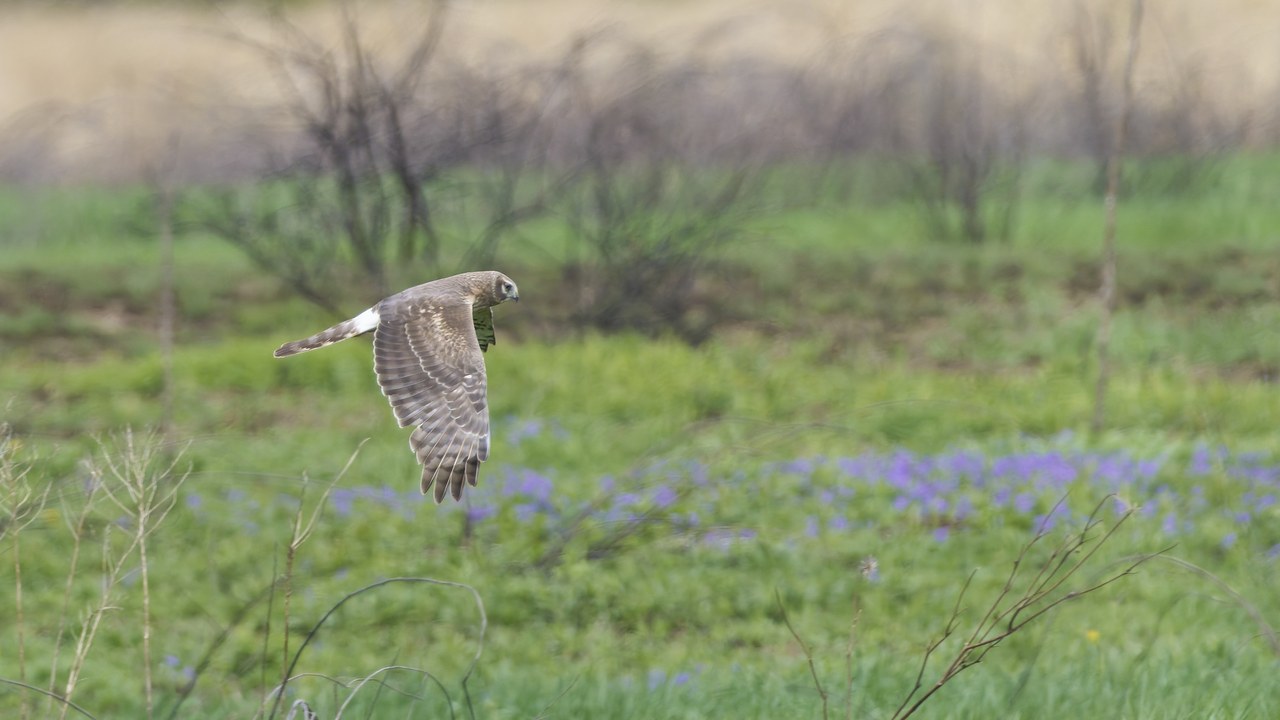
The northern harrier carries a wingspan of 3 feet 6 inches, and its prey runs up to rabbits and ducks, based on park raptor listing. That is a sizable menu for a slim, long-tailed hawk.
Harriers skim low over marshes and grasslands rather than perching high, tipping from side to side as they search. Birders looking for one should watch open fields at dusk or dawn for a gliding raptor with a white patch at the base of its tail.
10. Turkey vulture: Strictly a Carrion Specialist
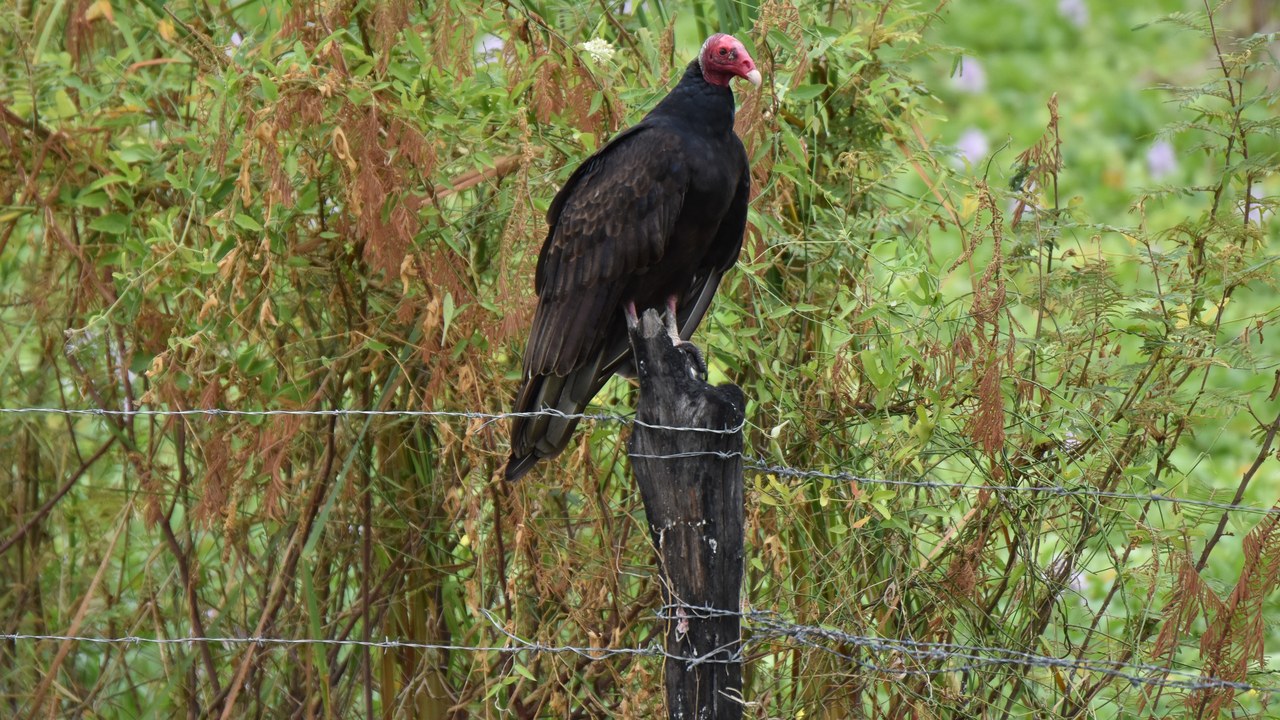
Unlike most birds in this list, the turkey vulture is a scavenger that feeds only on animals that are already dead, as the Grand Canyon scavenger note makes clear. It never captures live prey, which sets it apart from every hunter beside it here.
That habit makes the bird a quiet cleanup crew, removing carcasses from roadsides and fields before they spread disease. Its soaring, rocking flight on broad wings is easy to recognize, and large groups circling overhead usually signal something recently dead somewhere below on the ground.
More from Morning Overview
- Long use of a common prostate pill is tied to a higher chance of glaucoma
- Ford is recalling 223,472 F-150 pickups because the fuel tank can leak or detach
- Hybrids have 15% fewer problems than gas cars, while EVs and plug-in hybrids have about 80% more, Consumer Reports finds
- Regulators cleared the first U.S. small modular reactor, 4 months early
