
Electric vehicles earn their reputation at the plug, and federal ratings turn that into a single comparable number. The models below span crossovers, luxury sedans and compact hatchbacks from Tesla, Toyota, Subaru, Audi, Mercedes-Benz, BMW, Volvo, Kia and Hyundai. Here are twelve electric models that clear the efficiency bar and what each rating actually covers.
1. Tesla Model Y: Efficiency Benchmark
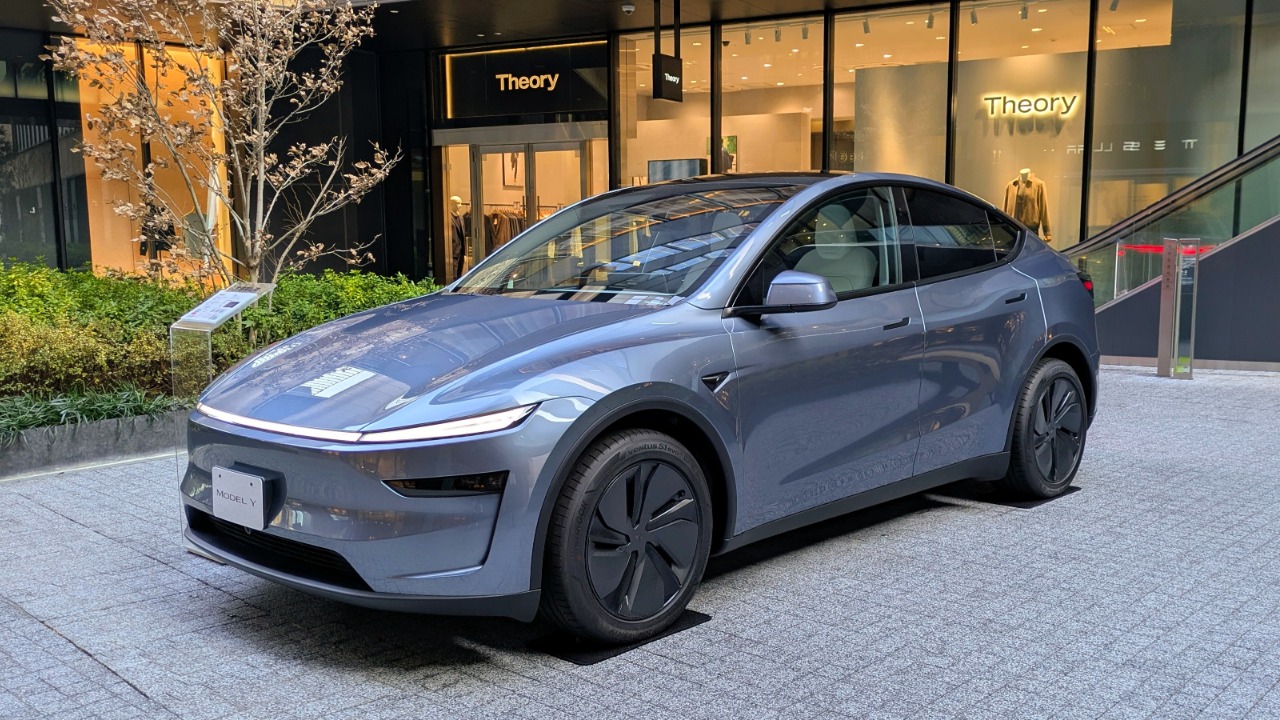
fueleconomy.gov’s 2026 top-ten list places the Model Y Standard RWD on 18-inch wheels at 138 MPGe combined, split into 148 city and 129 highway. That rear-drive configuration, rather than the heavier all-wheel-drive trims, is the one earning the rating, and it is the highest figure among the crossovers in this group.
Buyers chasing the best efficiency number should note that wheel size and drivetrain matter; larger wheels and a second motor typically pull the rating below the published 138, so the trim chosen shapes real electricity costs over years of ownership.
2. Toyota bZ: Quiet Overachiever
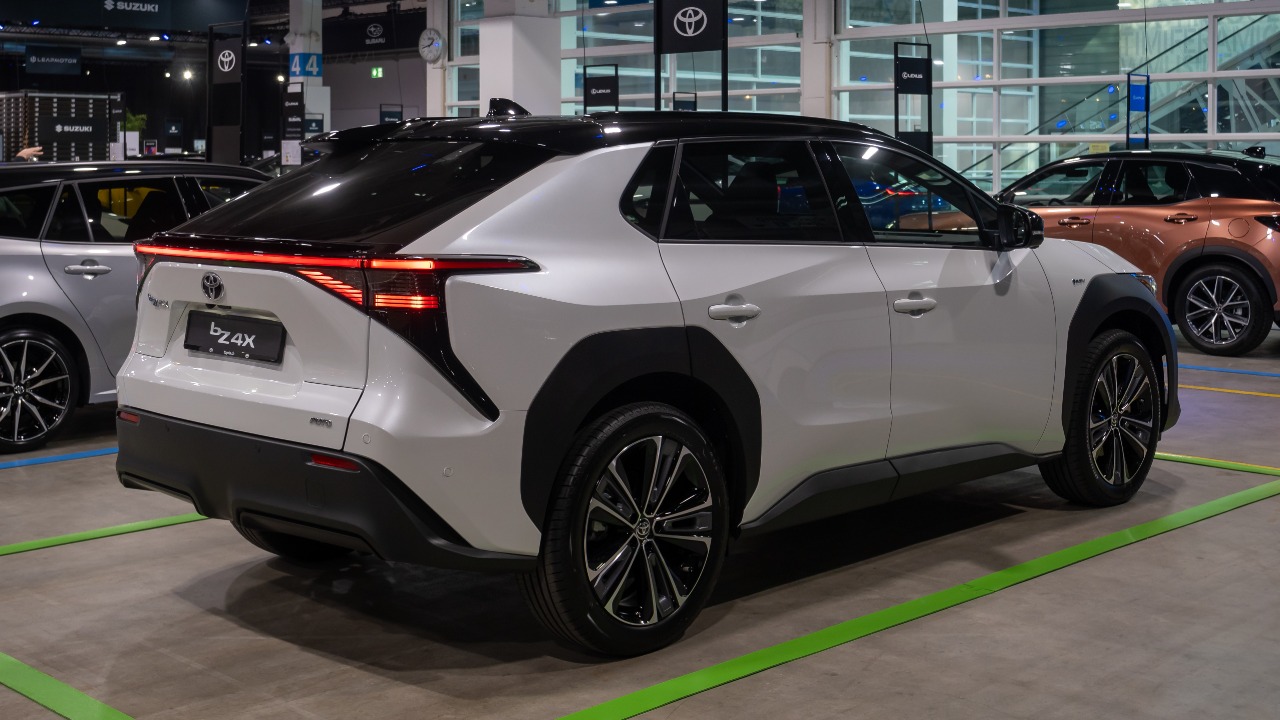
federal top-ten ranking lists the Toyota bZ with the 191 Ah battery at 131 MPGe combined, made up of 143 city and 119 highway. The city figure is notably higher than the highway one, which is typical for electric drivetrains that recover energy during low-speed stop-and-go driving.
Drivers who spend most of their miles in town stand to see results close to the city rating, while frequent freeway commuters should expect consumption nearer the lower highway number and plan charging stops accordingly.
3. Subaru Uncharted: Subaru’s Efficient Newcomer
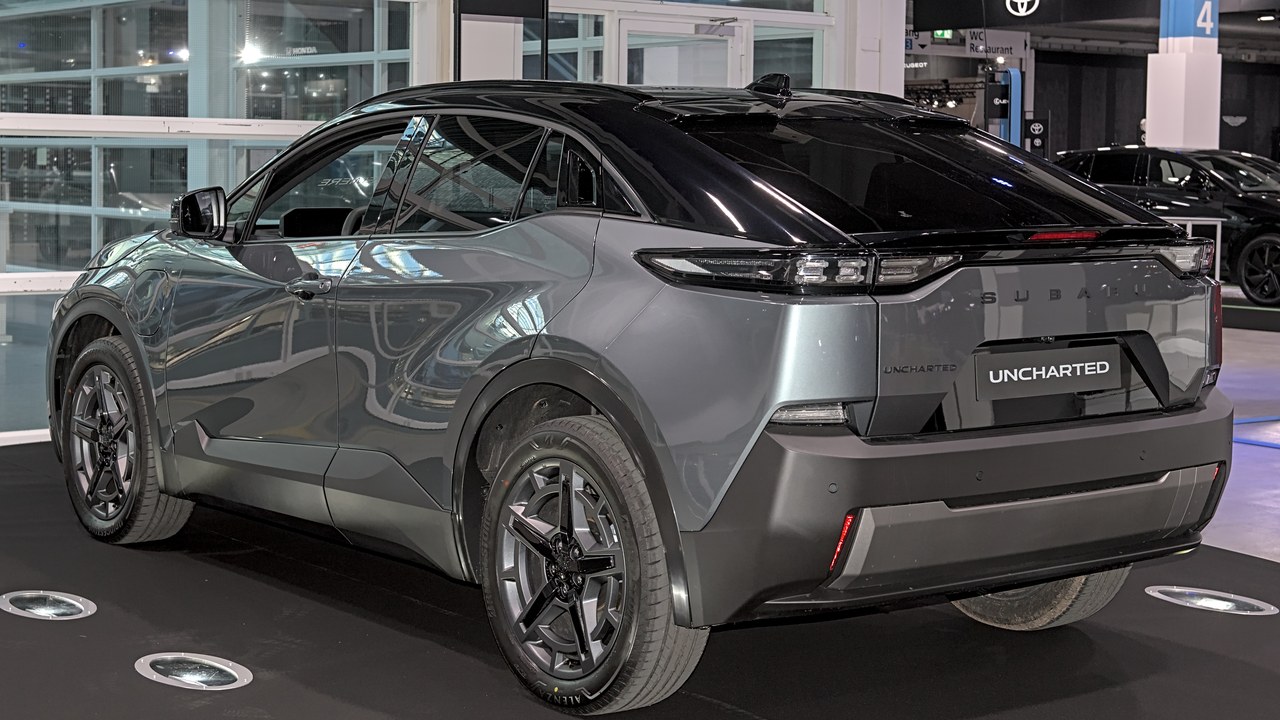
2027 efficiency rankings report the Uncharted at 129 MPGe, which puts Subaru’s electric crossover just behind the two leaders on the federal top-ten list. The figure is a combined rating for the 2027 model year and sits comfortably above the 115 MPGe floor used for this group. The rating splits into 140 city and 118 highway, at about $600 a year to charge and 308 miles of range.
Shoppers weighing Subaru’s all-weather reputation against efficiency can treat the rating as evidence that the brand did not sacrifice running costs, though trim, wheels and driving conditions will move the real-world result.
4. Audi A6 e-tron: Luxury With Low Running Costs
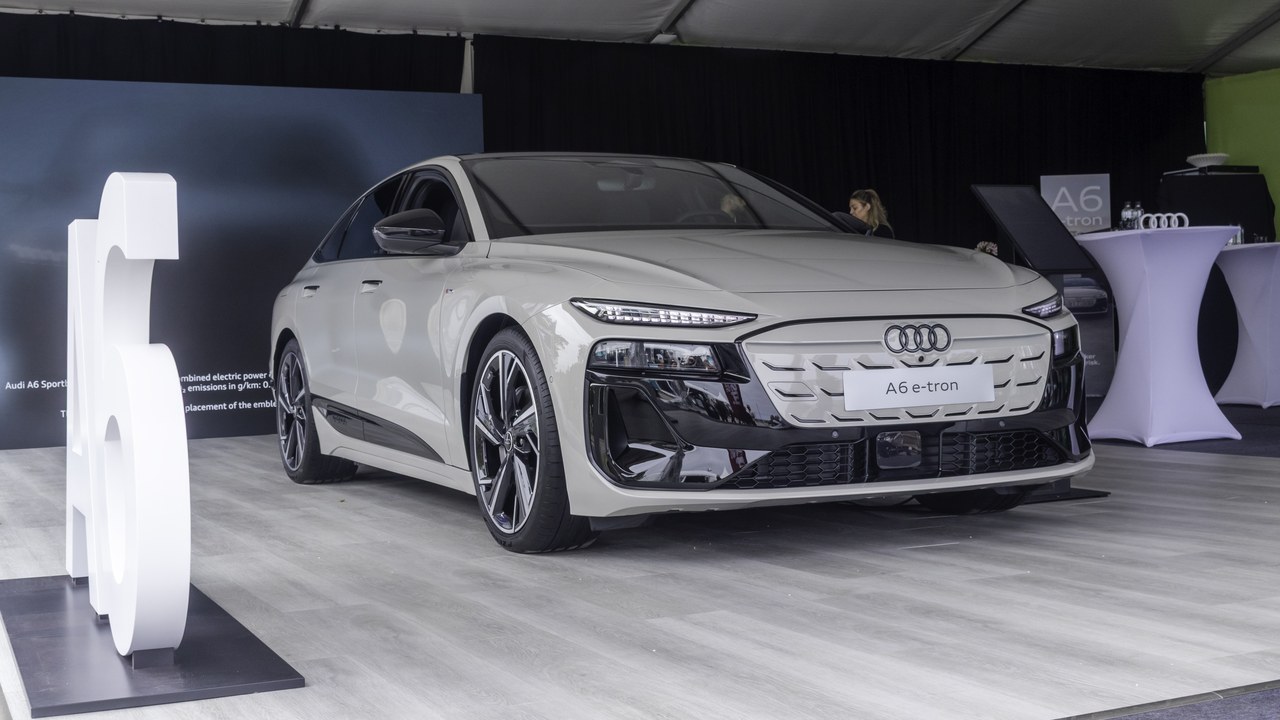
2027 efficiency list credits the A6 e-tron ultra with 127 MPGe and estimates about $600 a year to charge. The ultra designation signals an efficiency-focused version of Audi’s sleek Sportback-style electric sedan, a detail worth confirming at purchase.
Owners should read the ultra badge as the key: other A6 e-tron variants are not covered by this rating, so a buyer chasing the 127 MPGe number needs to confirm the exact trim on the window sticker.
5. Mercedes-Benz GLC electric: Electric Compact Luxury
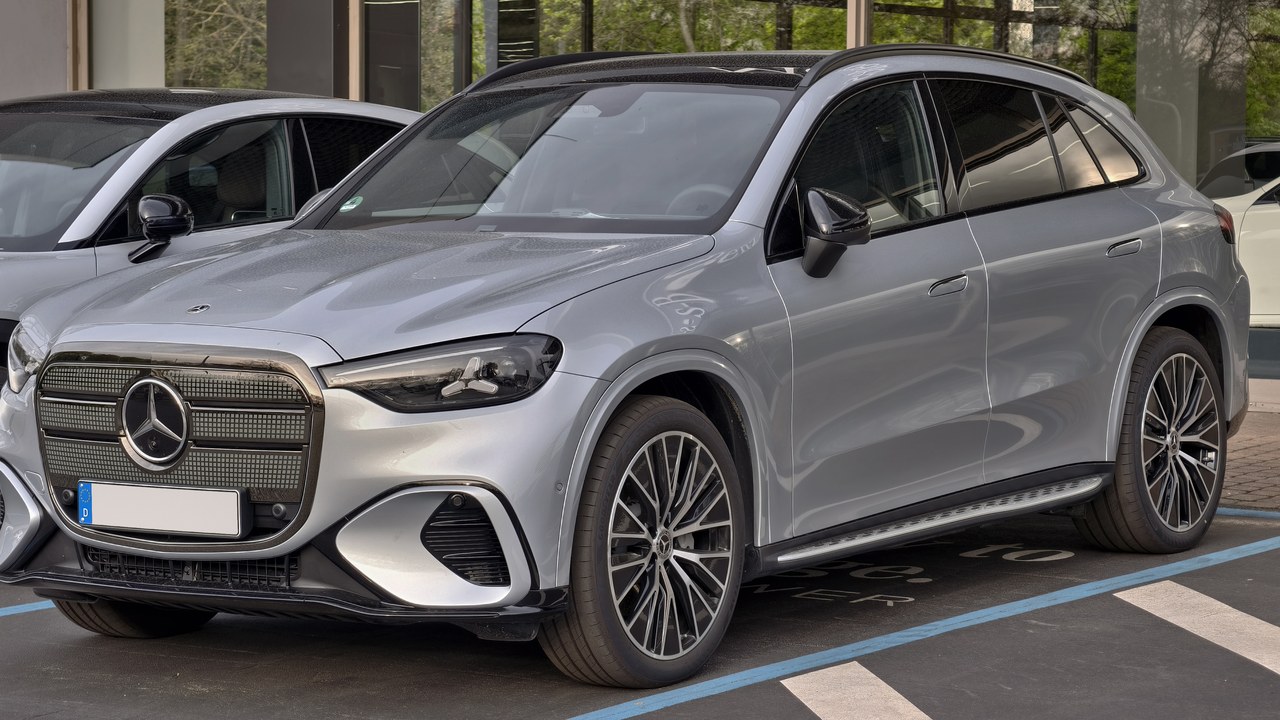
fuel-economy roundup rates the 2027 GLC 400 4matic electric at 119 MPGe, with annual charging costs of about $650. The all-wheel-drive configuration is the one measured, and it carries the Mercedes-Benz badge into a segment dominated by gasoline compact SUVs.
The rating gives gasoline GLC owners a concrete comparison point when considering a switch: the same nameplate now covers a vehicle whose energy costs are published as a fixed annual estimate rather than a fluctuating pump price.
6. BMW iX3: Neue Klasse Debut
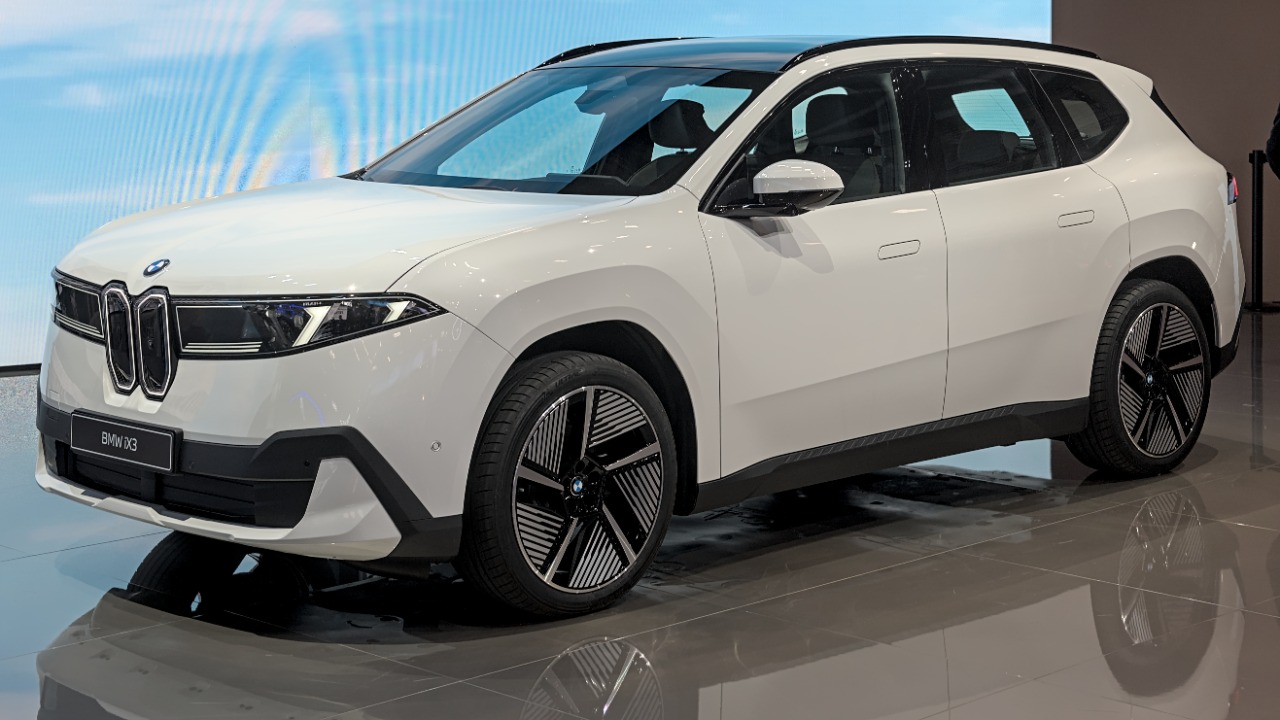
2027 efficiency data lists the iX3 50 xDrive on 20-inch summer tires at 118 MPGe. The tire detail is part of the rating itself, flagging that BMW’s new electric SUV was tested in a performance-oriented setup rather than with the most efficiency-focused wheels. It splits into 125 city and 110 highway, at about $650 a year to charge and 434 miles of range.
Buyers who choose smaller wheels or all-season rubber could see different consumption than the published number, so the 118 MPGe figure is best treated as a reference point for the specific sticker configuration.
7. Volvo EX60: Scandinavian Newcomer
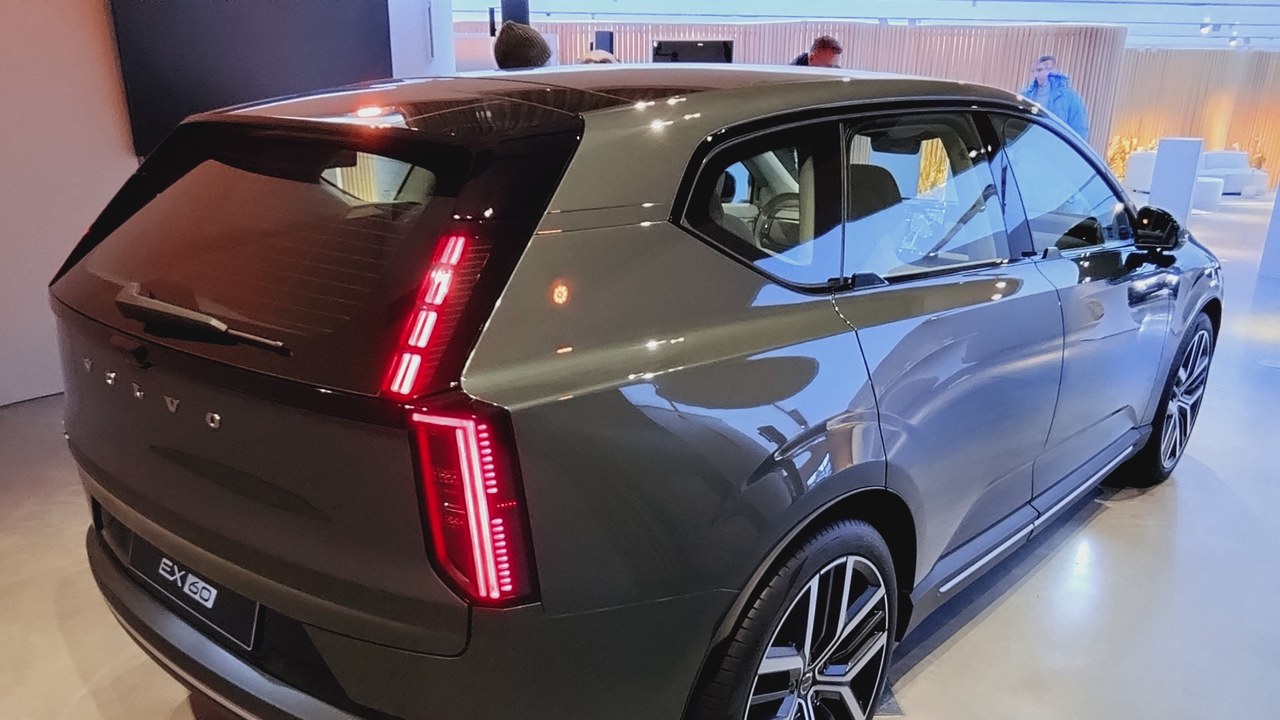
2027 fuel-economy ranking gives the EX60 P6 electric a rating of 118 MPGe and a yearly charging estimate of $650. It is Volvo’s entry in the list, carrying the brand’s Scandinavian design into the efficiency conversation.
The P6 designation matters: the rating applies to that specific powertrain, so shoppers considering the more powerful variants should check the published figure for the version they intend to order rather than assume parity.
8. Kia EV3: Value-Minded Hatchback SUV
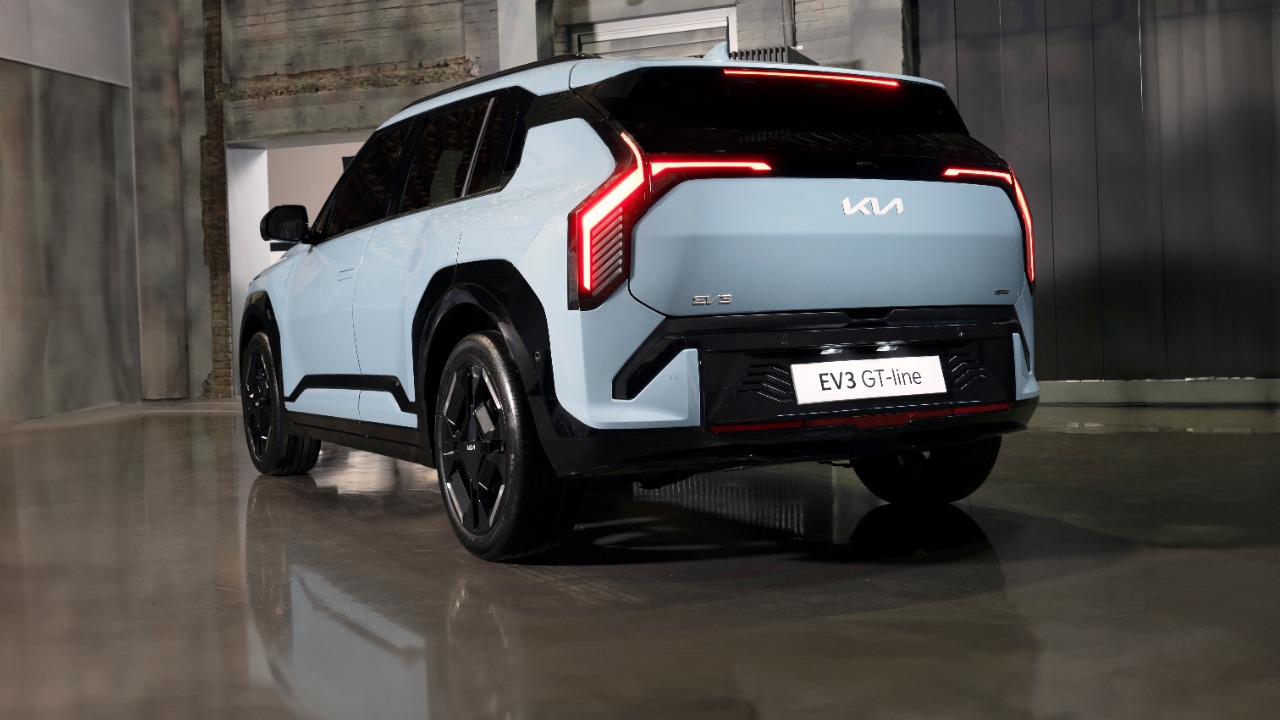
2027 EV3 listing shows the Long Range FWD at 117 MPGe, composed of 131 city and 104 highway, with a $650 annual charging cost and 321 miles of range. The range figure sits alongside the rating, giving a fuller picture of daily usability.
The 321-mile range and modest running costs make the EV3 a practical commuter, though the sizable gap between city and highway MPGe suggests steady high-speed driving will use noticeably more electricity.
9. Subaru Trailseeker: Rugged Electric Wagon
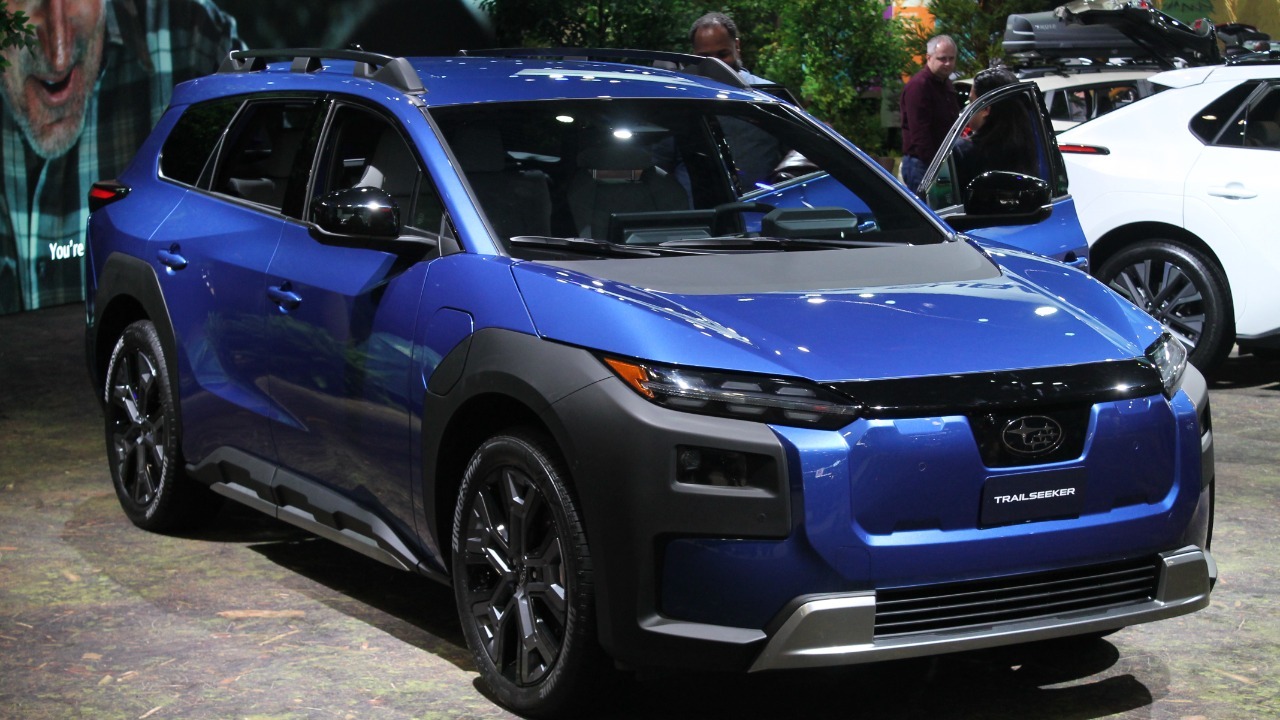
2027 efficiency data lists the Trailseeker AWD at 117 MPGe and about $650 a year to charge. The Subaru wagon-style crossover keeps all-wheel drive standard while still clearing the 115 MPGe threshold used for this group.
For buyers in snowy regions, the rating shows that standard all-wheel drive does not have to mean poor efficiency, although cold weather itself can reduce real-world range regardless of the published figure, and winter charging typically takes longer as well.
10. Toyota C-HR (electric): Electric Reinvention
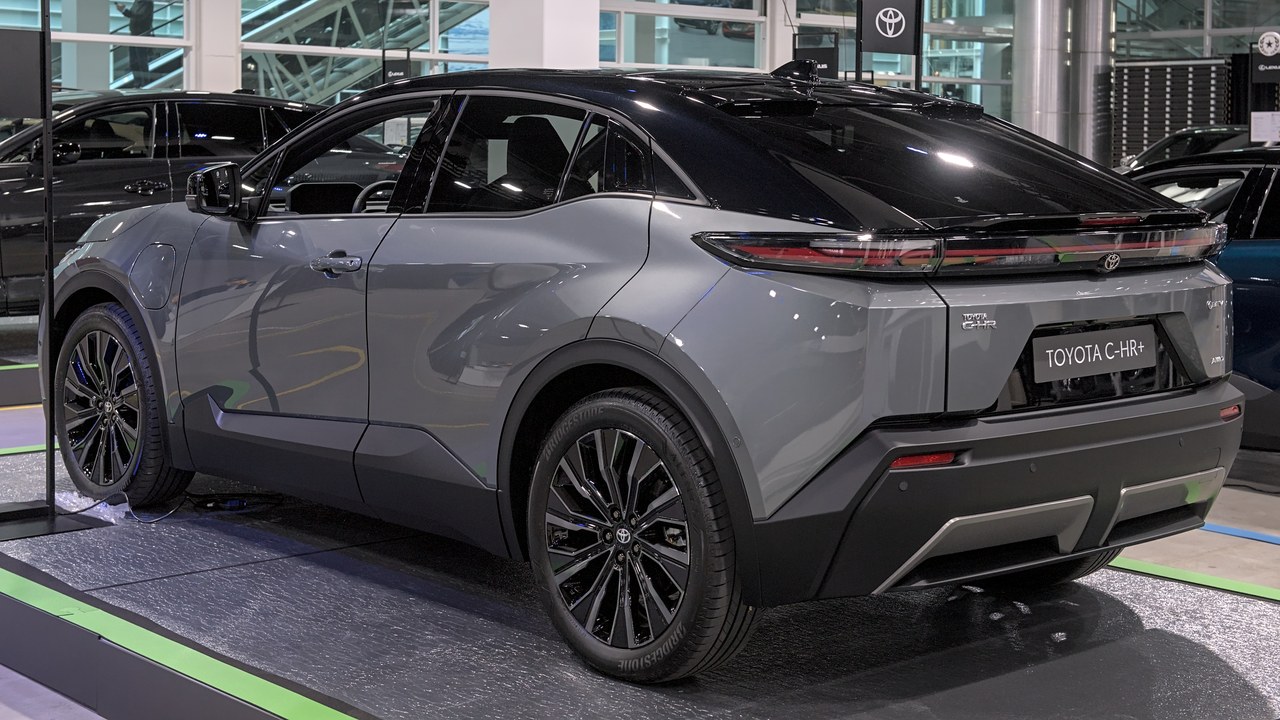
2027 Toyota ratings put the electric C-HR AWD on 18-inch wheels at 117 MPGe. The name previously belonged to a gasoline and hybrid crossover, and the new version is a fully electric model with its own distinct styling. The rating splits into 127 city and 107 highway, at about $650 a year to charge and 287 miles of range.
Shoppers familiar with the old nameplate should treat it as an entirely different vehicle, with all-wheel drive and a rating that compares directly with other electric crossovers rather than with hybrid fuel economy.
11. BMW i5: Midsize Electric Sedan
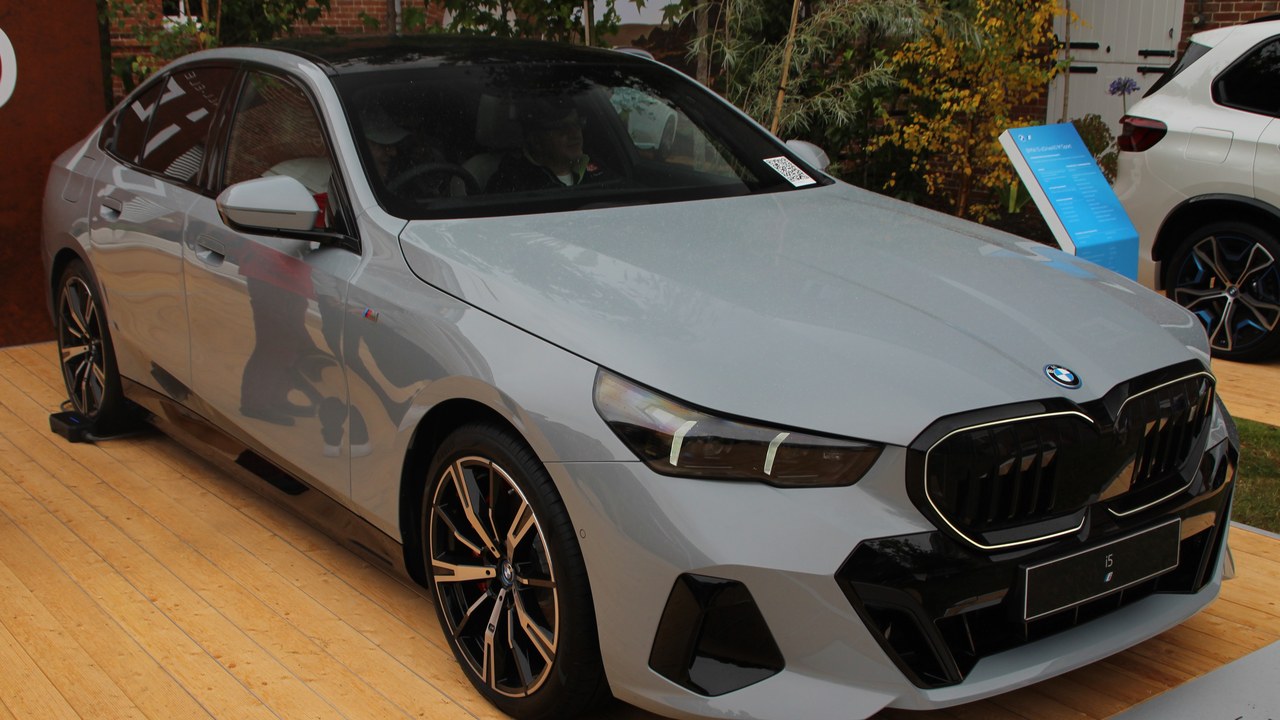
MPG Buddy rating credits the 2027 i5 eDrive40 sedan on 19-inch wheels with 116 MPGe. As a rear-drive sedan, it is one of the few traditional cars in a list otherwise dominated by crossovers and SUVs. The rating splits into 120 city and 113 highway, at about $650 a year to charge and 328 miles of range.
Sedan buyers wanting low electricity use without moving into a taller vehicle will find the i5 a rare option, with the caveat that the eDrive40 trim and its 19-inch wheels are what the rating covers.
12. Hyundai Ioniq 5: Standard Range Entry

2027 efficiency figures show the Ioniq 5 Standard Range at 115 MPGe, exactly the floor for this group. Hyundai’s retro-styled hatchback closes the list as the model that only just meets the threshold. The rating splits into 131 city and 100 highway, at about $650 a year to charge and 245 miles of range.
Its placement at the bottom still reflects strong efficiency by conventional standards, and the Standard Range label is a reminder that the rating belongs to that battery size rather than to every Ioniq 5 on the lot.
More from Morning Overview
- The FBI told the rest of ShinyHunters to surrender after a 24-year-old was arrested
- Two passengers died at an Ohio toll plaza, and the NTSB now wants the cash lanes shut
- Long use of a common prostate pill is tied to a higher chance of glaucoma
- Ford is recalling 223,472 F-150 pickups because the fuel tank can leak or detach
