
Full-size vans have carried tradespeople, families, bands and delivery drivers for generations. Their design has changed from cab-forward boxes to modern high-roof haulers, and today’s crash-avoidance testing now gives a measure of the newer ones. Here are eleven vans, from the first Econoline to the one IIHS graded best in its most recent cargo van test.
Tech news worth reading: Get Techpresso, the daily email with the most interesting tech news and insights, read by 400,000+ professionals from Google, Apple and OpenAI.
We may earn a commission if you sign up.
1. Ford Econoline (1961): The Original Econoline
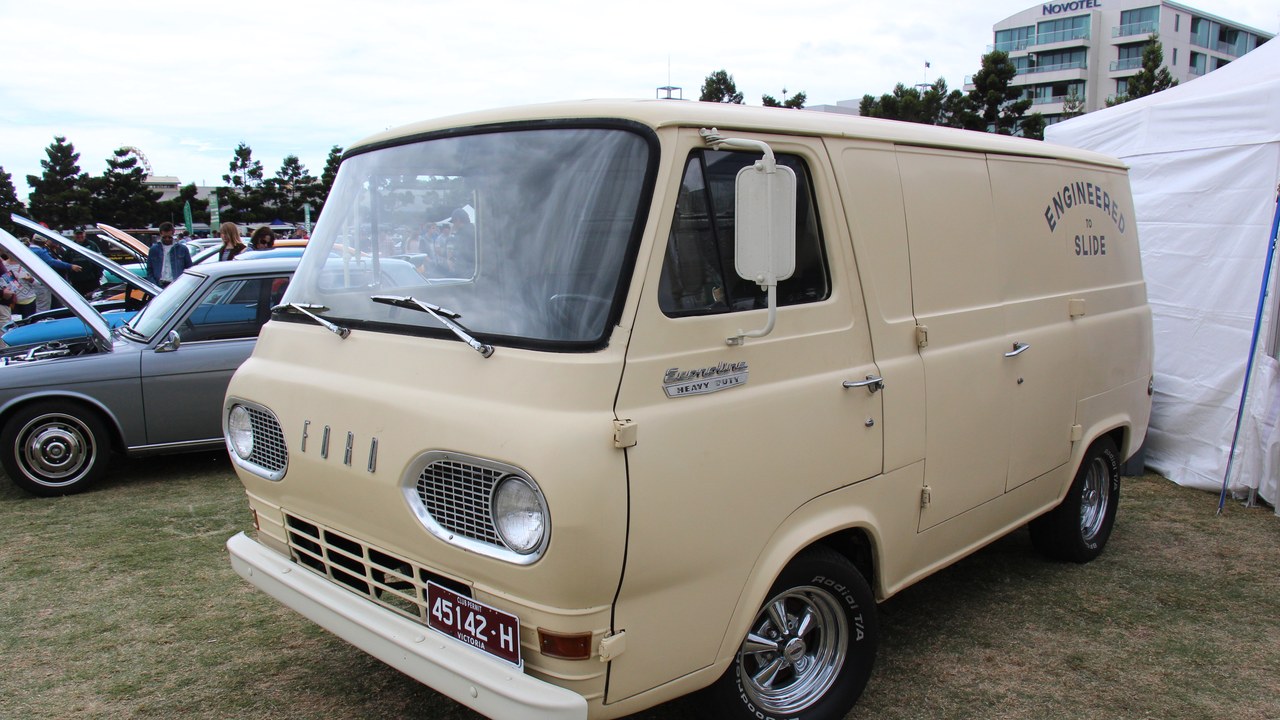
Ford introduced the Econoline for the 1961 model year, and E-Series vans have sold over 8.2 million units since.
The first Econoline set the template of a boxy work van with the engine placed within the cab. Its longevity as a nameplate helps explain how many tradespeople grew accustomed to the Ford formula. Today’s owners of vintage vans can find a strong enthusiast community and parts support, which is one reason the early Econolines remain popular for custom builds.
2. Chevrolet Van (1964): Chevy Van Era
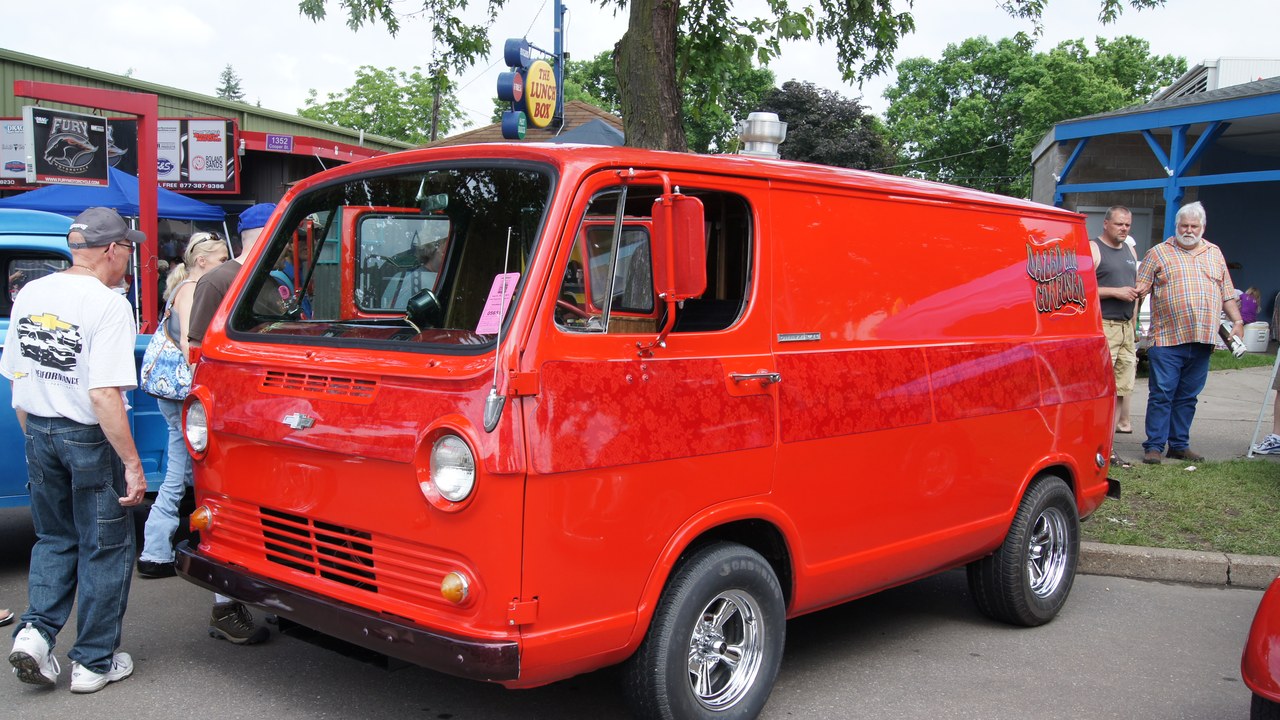
GM built the Chevy Van from the 1964 through 1996 model years, a run documented in the Chevrolet Van article.
For more than three decades the Chevy Van competed with Ford and Dodge for contractors and families. Its shape became familiar enough to define what many people picture when they think of a classic American work van. Surviving examples are popular as customized camper and show vehicles, and restored vans often attract strong interest from collectors who remember seeing them in everyday work.
3. GMC Vandura: The A-Team Star
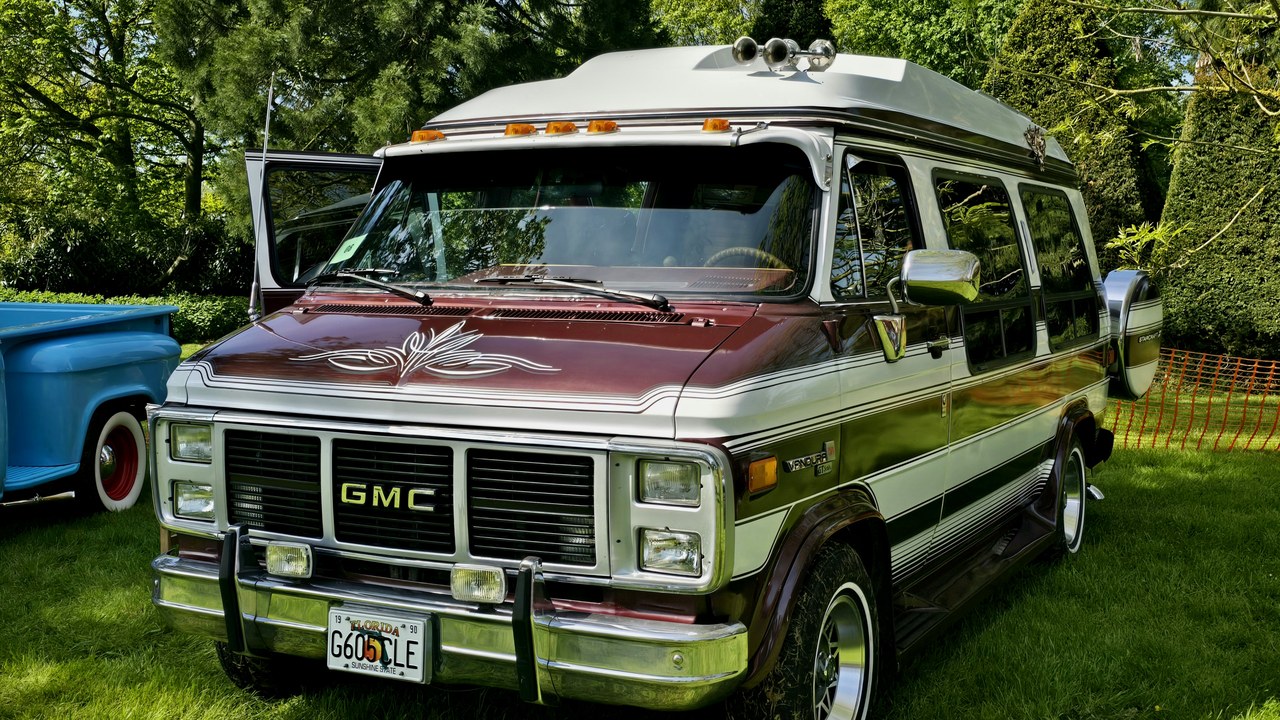
A customized 1983 Vandura became the star van of TV’s The A-Team, as the Chevrolet Van entry notes.
The Vandura was GMC’s version of the Chevy Van, and television gave it a wider fame than most commercial vehicles ever receive. The role helps explain why the badge is still recognized by people who never owned a van. Fans of the show still seek out replica vans, and the connection to popular culture gives the nameplate an appeal beyond its commercial roots.
4. Dodge Ram Van: Fifteen Seats From Dodge
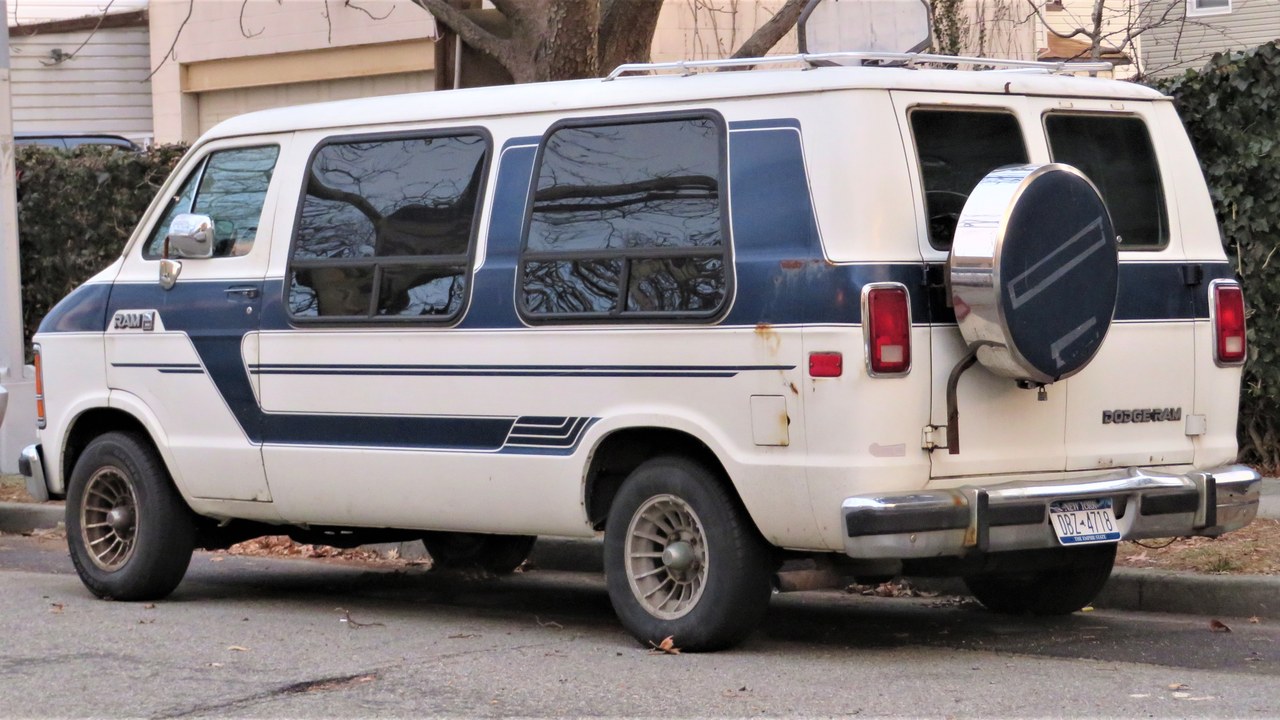
Dodge’s 1971 Maxiwagon offered 15-passenger seating, and the van ran through 2003, according to the Ram Van article.
The Maxiwagon turned the Dodge van into a people mover for churches, schools and sports teams. A run of three decades shows the design’s lasting usefulness, even as competitors updated their vans more frequently. Used examples are an option for budget-minded buyers who need passenger room, though age and a lack of modern safety technology deserve consideration.
5. Volkswagen Type 2 bus: Brazil Kept It Running

Brazil’s last factory built the T2 Volkswagen Type 2 until the end of 2013, according to the Type 2 history.
Few vehicles with roots in the postwar era stayed in production so late. The bus was an important design in the history of vans, and Brazilian output demonstrates that a simple formula could remain commercially viable far beyond its original market. Collectors prize the early buses, and the long production history means parts and community knowledge are widely available to restorers.
6. Ford E-Series (1992-2014 generation): Peak at 206,026

E-Series sales peaked at 206,026 in 1998, and passenger and cargo vans ended after 2014, as the E-Series article records.
That peak shows how dominant the Ford van was in its heyday. The later retirement of the van body style marked the end of an era, with the Transit taking over the role of Ford’s mainstream commercial van. The figure helps explain why used E-Series vans remain common on the road and why parts and service are easy to find for them.
7. Chevrolet Express: Poor Braking Marks
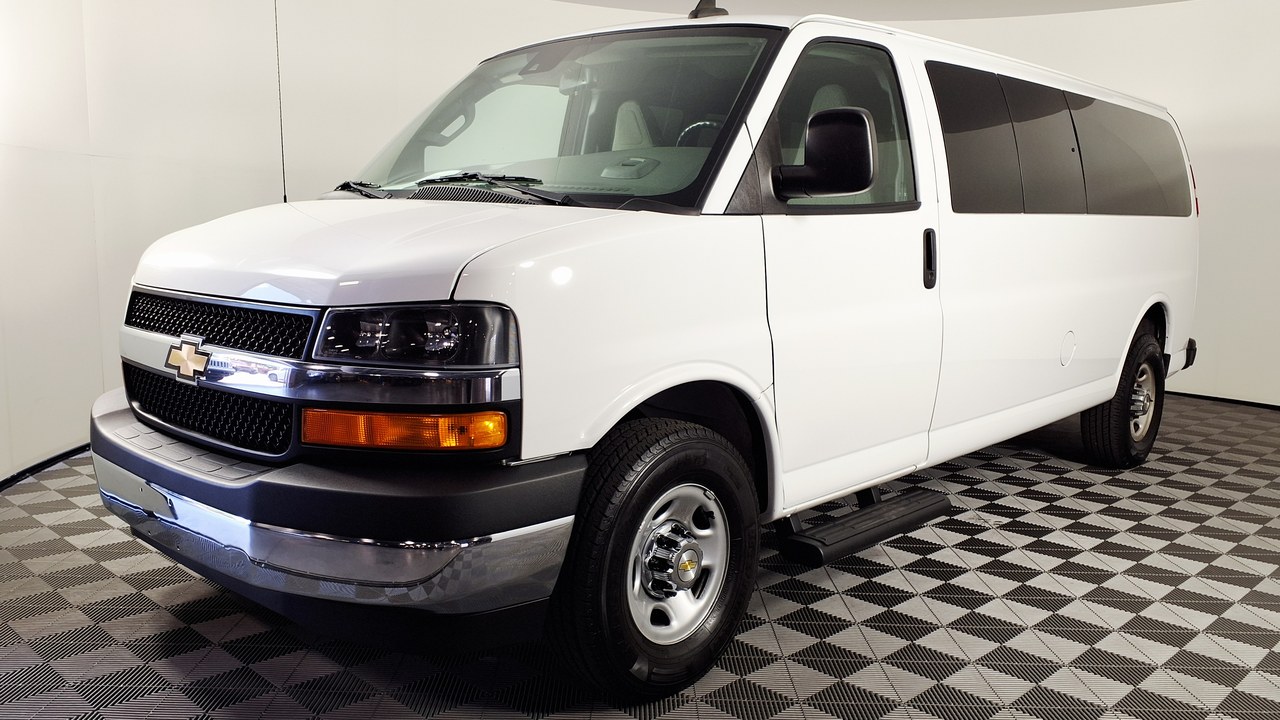
IIHS rated the Chevrolet Express 2500 poor for both vehicle-to-vehicle and pedestrian braking, and the test report notes that it lacks automatic emergency braking.
The Express is a direct descendant of the long-running GM full-size van. Fleet buyers should weigh the finding carefully, since modern crash-avoidance systems are increasingly a standard expectation for commercial vehicles. Fleet operators that still run these vans may want to ask whether upgrades or newer models would better serve drivers and the public.
8. GMC Savana: Savana Shares the Result
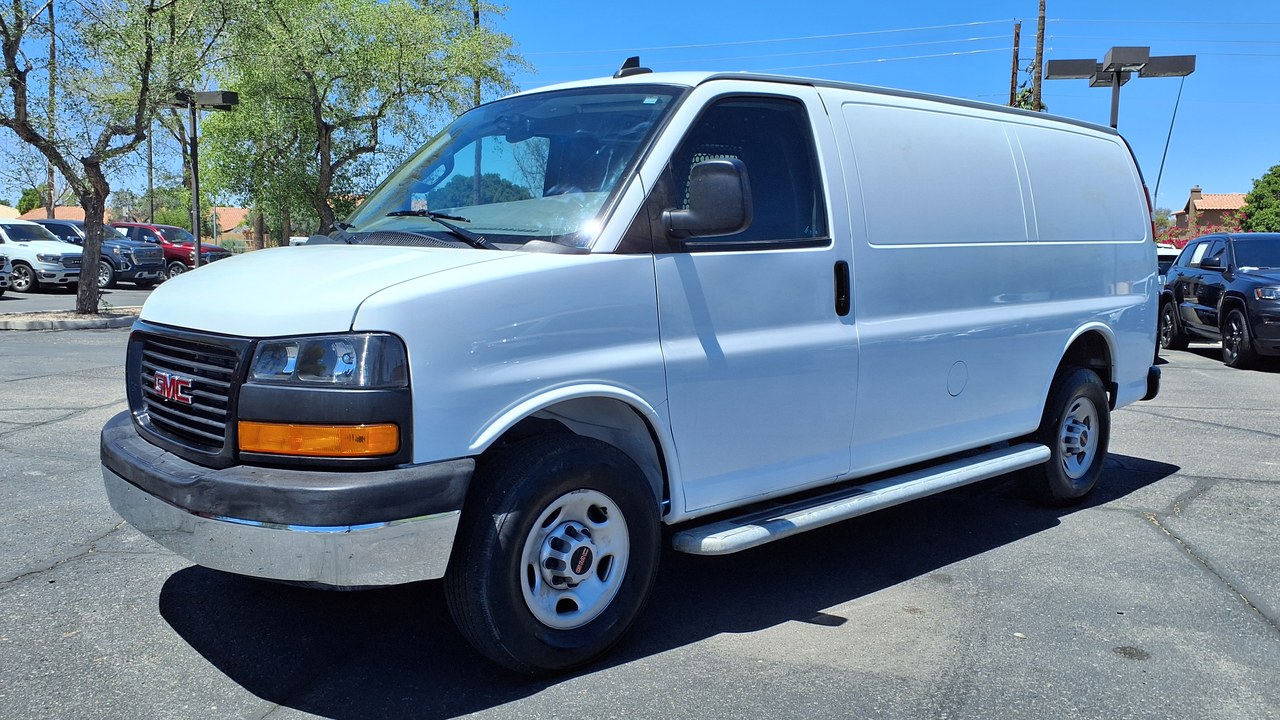
The GMC Savana 2500 also drew poor ratings in both IIHS crash-avoidance tests, as the institute’s report shows.
The Savana is the GMC twin of the Chevrolet Express, so a matching result is unsurprising. The finding applies to the tested version, but the shared design suggests buyers should look carefully at the safety technology they choose. Fleet managers considering GM vans should be aware that the result applies to the tested configuration and may change as the company updates its safety equipment.
9. Mercedes-Benz Sprinter: The Best of the Lot
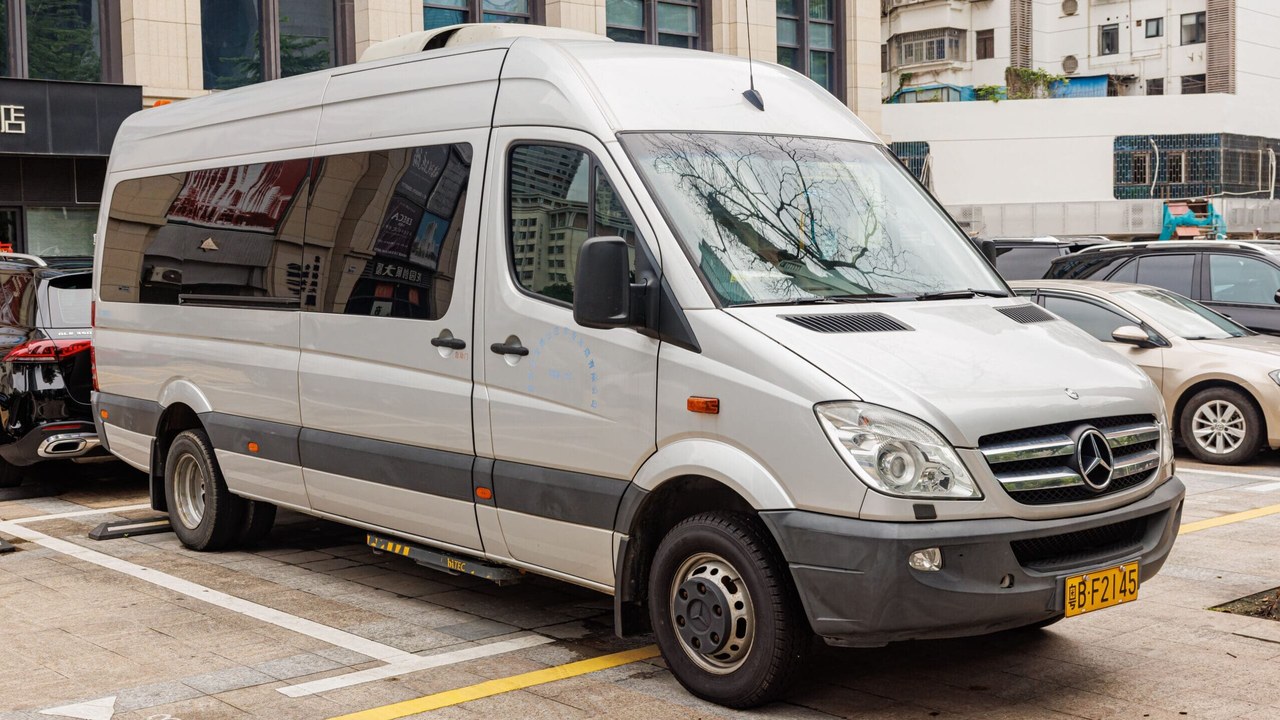
The 2025 Mercedes-Benz Sprinter 2500 was IIHS’s best-performing cargo van, earning good vehicle-to-vehicle and acceptable pedestrian ratings.
The Sprinter’s result gives it a clear advantage in a test where most competitors struggled. Fleet managers comparing vans on safety have a measurable reason to put it on the shortlist, though price and service access still matter. Even so, the Sprinter’s lead is limited to the crash-avoidance tests IIHS ran, and it remains one measure among many for a commercial buyer.
10. Ford Transit: Transit Falls Short
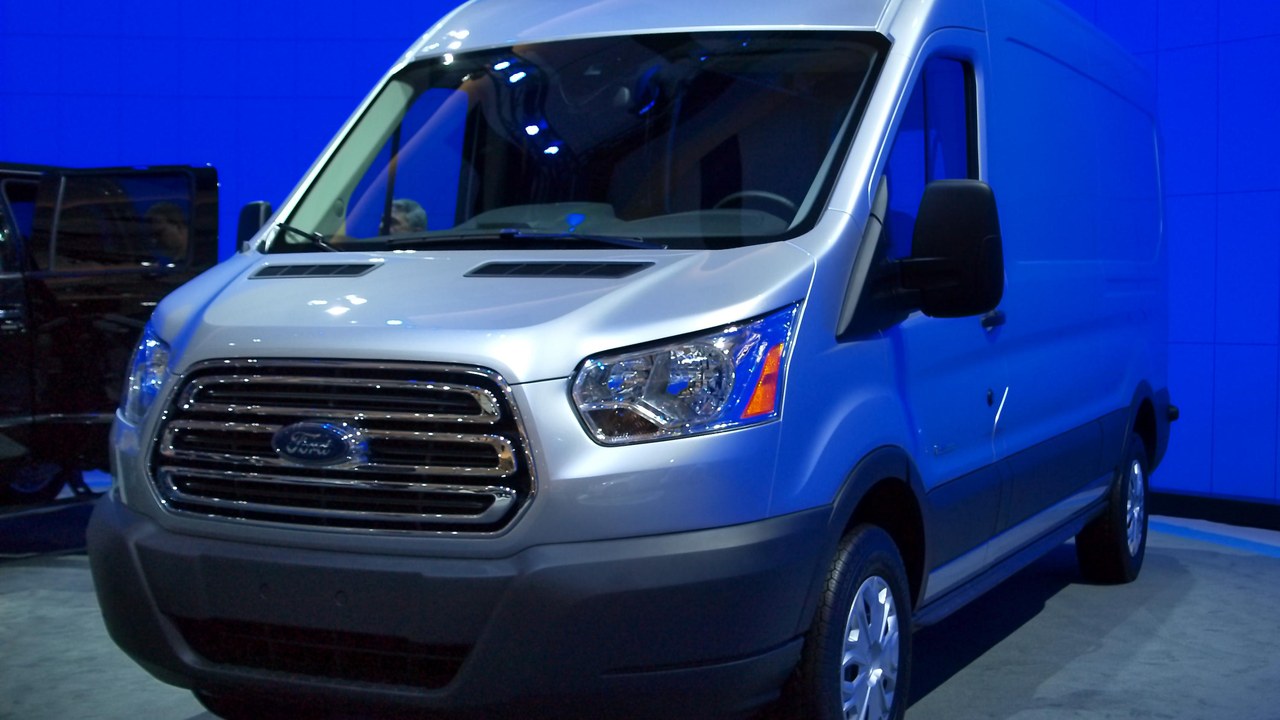
IIHS rated the 2025 Ford Transit T250 large van poor for vehicle-to-vehicle braking and marginal for pedestrians, according to its ratings page.
The Transit is among the most widely used modern vans. The finding does not erase its other strengths, but it shows that even a popular and recent design can lag in crash-avoidance performance. Fleet buyers may still pick the Transit for its range of body styles and service network, but the braking result is one point to weigh.
11. Ram ProMaster: ProMaster Also Struggles
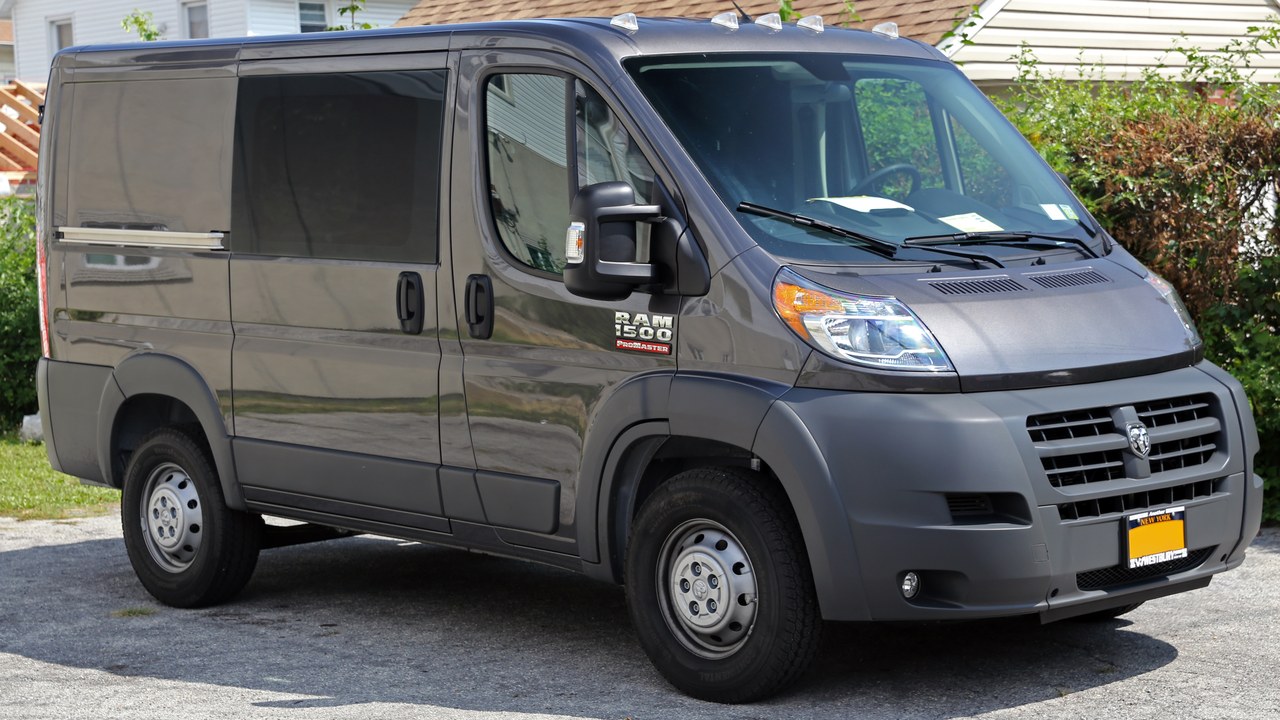
IIHS rated the Ram ProMaster 2500 poor for vehicle-to-vehicle braking and marginal for pedestrians, as its ratings detail page shows.
The ProMaster is a front-drive, tall-roof van popular with delivery fleets and conversion builders. The result matches that of the Transit, leaving the Sprinter alone at the top of the group. Fleet buyers should consider the result alongside price, interior volume and local service support, since each of those factors also affects daily commercial use.
Tech news worth reading: Get Techpresso →
We may earn a commission if you sign up.
More from Morning Overview
- Seven of Earth’s nine planetary boundaries are breached, and all seven are worsening
- The NSA says three phone features should be off whenever you aren’t using them
- Hurricane Hunter radar shows four warning signs that a tropical cyclone is about to strengthen, a University of Miami study found
- Tropical Storm Rachel is dumping up to 12 inches on four Mexican states on its way to major hurricane strength
