
Long engine life is the quiet currency of the used truck market, and a few powertrains have built reputations that outlast the trucks around them. The claims below come from owner reports and published roundups rather than controlled testing. Here are twelve pickups whose engines are widely credited with unusual staying power.
Help yourself and the planet: The Cool Down makes it easy to help yourself while helping the planet, with smart, simple changes to save more and waste less in your everyday life.
We may earn a commission if you sign up.
1. Dodge Ram W250 (1989-1993, 5.9L Cummins): Million-Mile Bragging Rights
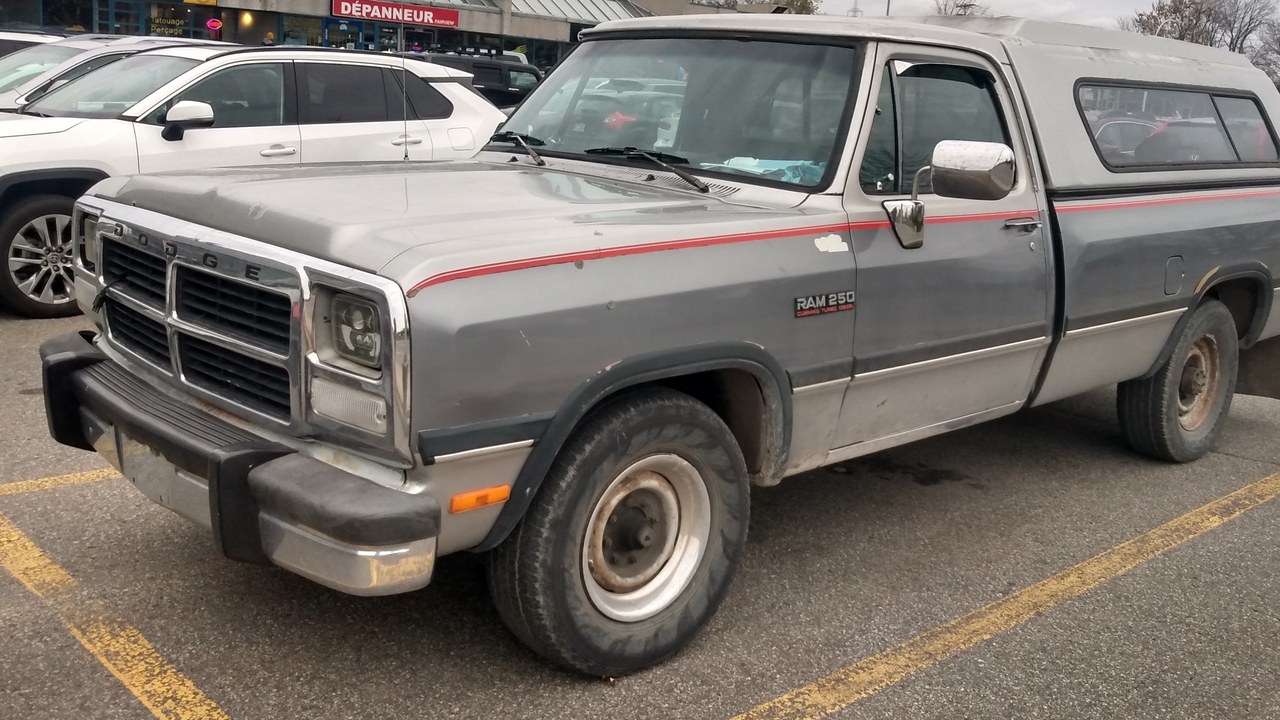
The earliest Cummins-powered Ram heavy duty makes the list because a Stacker diesel roundup says many have passed 500,000 miles, adding that 1 million miles or more is not unheard of for these trucks.
Such stories come from owners rather than lab testing, so results depend heavily on maintenance and use. Even so, the sheer repetition of high-mileage claims across enthusiast circles has kept this generation near the top of every longevity conversation. Used shoppers should treat any single mileage story as a ceiling and weigh the truck’s condition, records and rust before paying a premium for the name.
2. Dodge Ram 2500 (1994-1998, 12-valve Cummins): Quiet Climb Past Half a Million
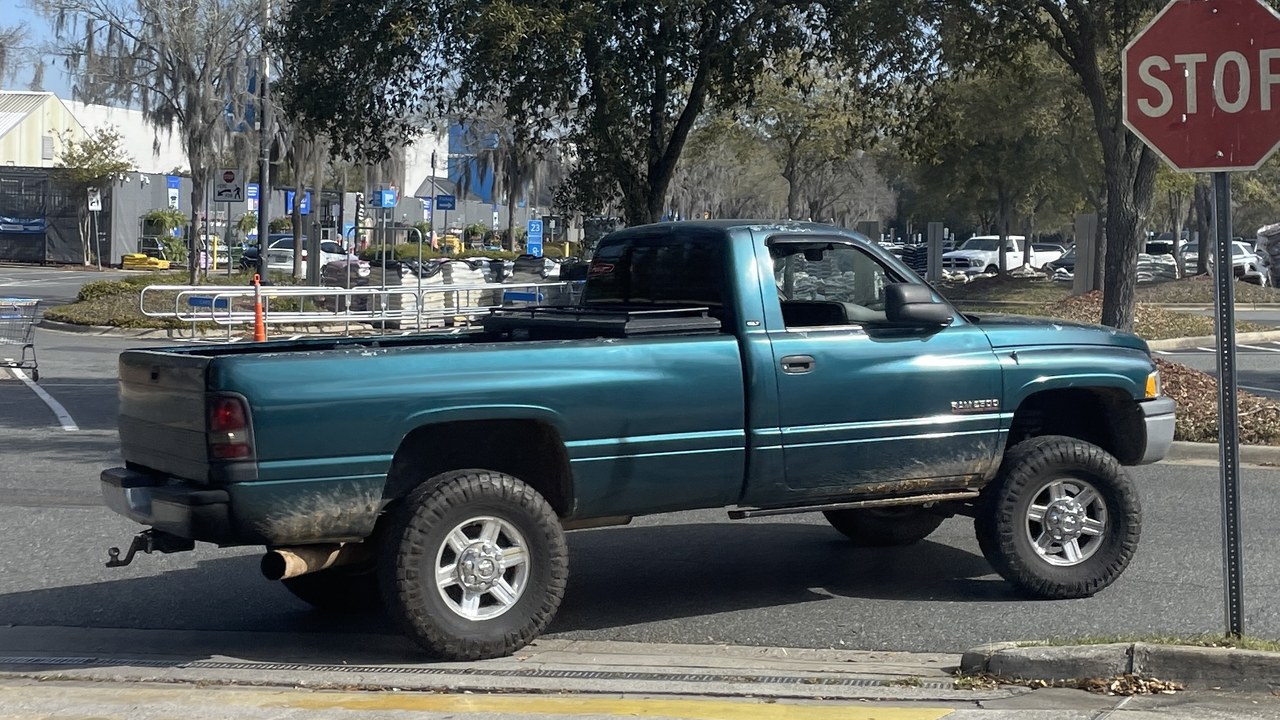
Owners of the 12-valve Cummins Ram, according to SlashGear’s diesel longevity list, could easily pass the 500,000-mile mark without significant repairs, and some trucks reportedly reached 700,000 miles.
That kind of range turns a purchase into a decades-long tool. Buyers should still expect age-related work on everything around the engine, since the long-lasting block does nothing for worn suspension, rust or tired electrical connections. Parts support and a loyal community of owners help too, because specialists still know these trucks well and can keep them on the road economically.
3. Ford F-250 Super Duty (1999-2003, 7.3L Power Stroke): Seven-Three Staying Power
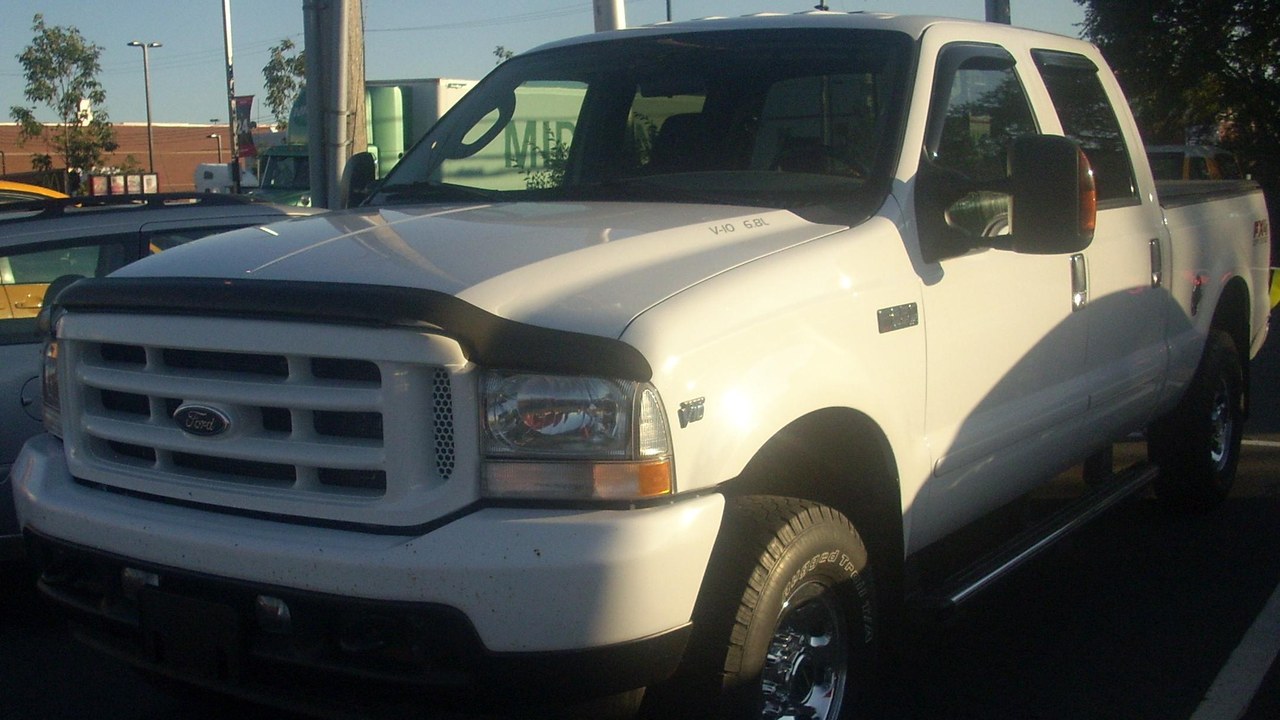
Ford’s 7.3L Power Stroke earns its spot in the same SlashGear diesel ranking, where owners report between 400,000 and 500,000 miles before significant repairs become necessary.
Those figures sit a little below the best Cummins claims, yet they are still remarkable for a truck engine that spent its working life towing and hauling. Survivors have become sought after, and prices for clean examples reflect that demand. Buyers chasing that kind of life should remember that fluids, filters and cooling system care matter as much as the badge on the hood.
4. Ford F-250 (1983-1994, 6.9L/7.3L IDI diesel): Old Indirect-Injection Grit
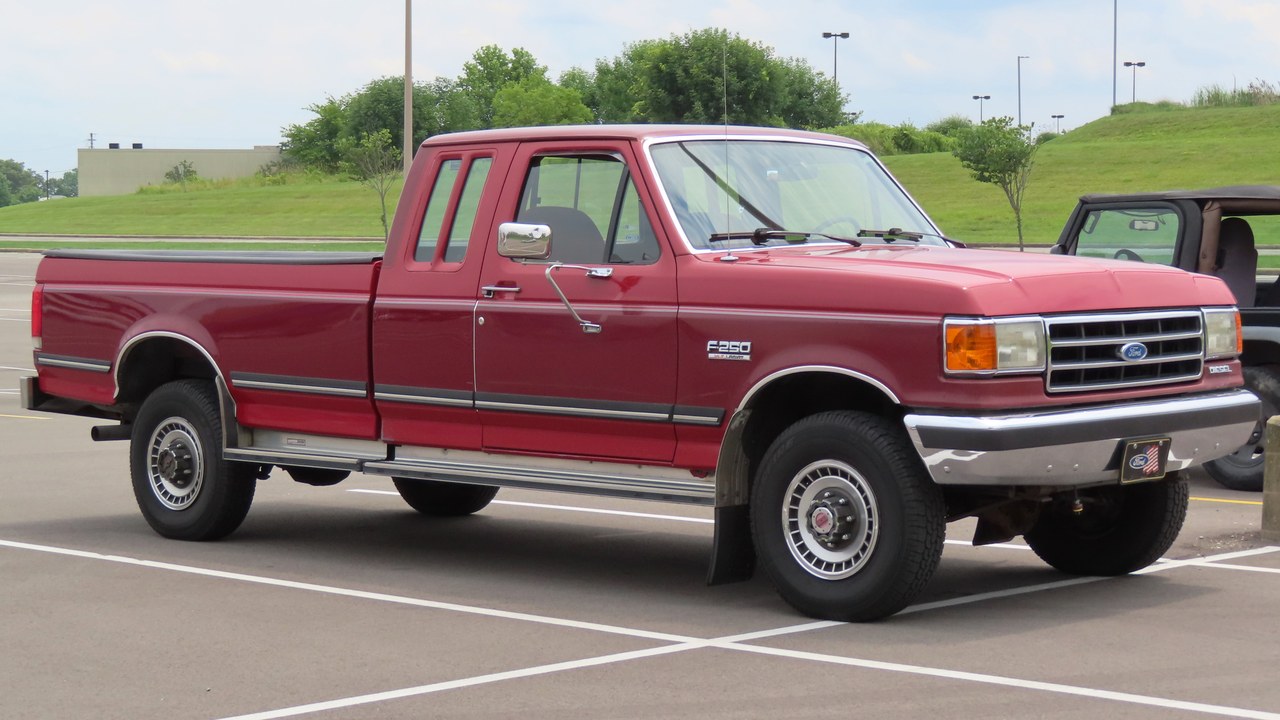
Ford’s 6.9L and 7.3L IDI diesels in the F-250 earn praise in the Stacker reliability feature, which says these engines easily surpassed 300,000 miles of service.
Slow, unhurried power was the trade for that durability, so nobody bought these for speed. The appeal today is a basic design that a patient owner can keep running with common tools and modest budgets. Rust, worn transfer cases and tired suspension are the more likely reasons these trucks leave service, not the engines that earned their fame.
5. Toyota pickup (22R-E four-cylinder): A Four-Cylinder Legend

Toyota’s 22R-E four-cylinder sits in the pickup because a SlashGear gasoline engine piece calls it one of Toyota’s one-million-mile engines, a phrase rarely applied to any small gas motor.
The engine was never fast, and that restraint is part of the story. Low stress, simple parts and conservative tuning are the traditional explanations for why so many of these small trucks refused to quit. Reliability reputations like this often grow slowly, as owners compare notes year after year and the survivors become the examples everyone cites.
6. Toyota Tacoma (second generation): The Tacoma That Kept Going
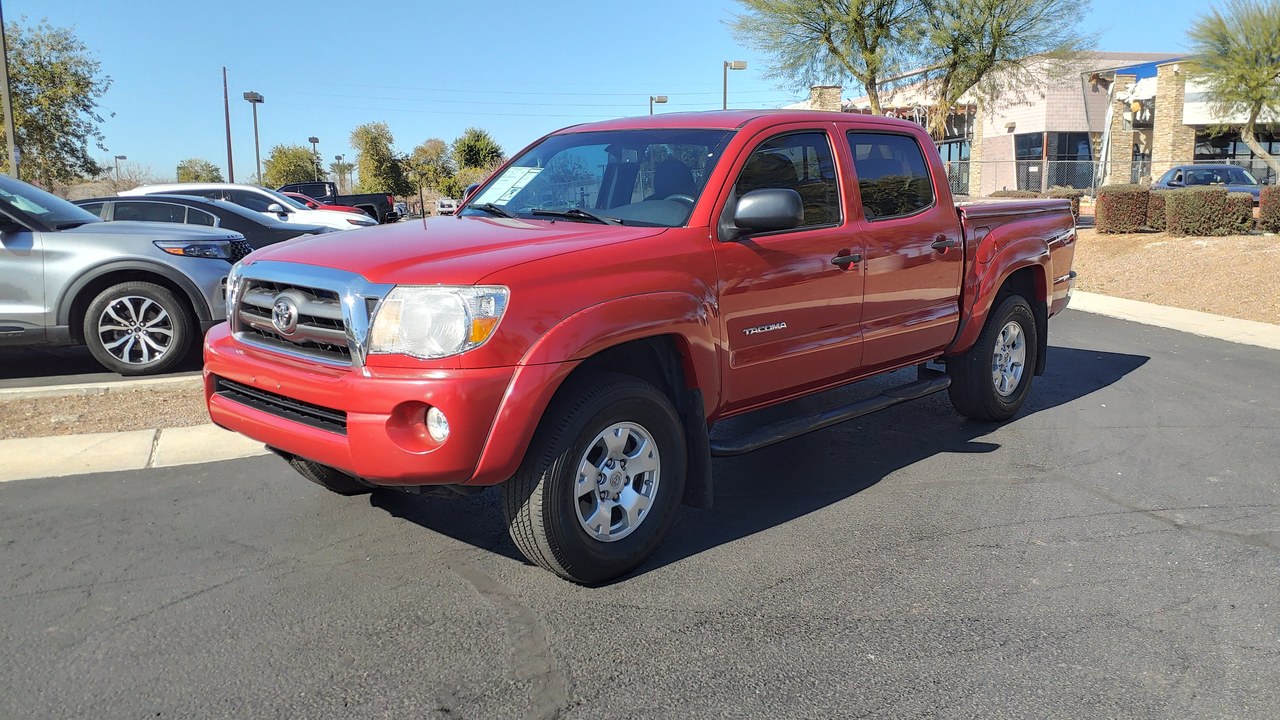
A single 2008 Tacoma stands out in a Jalopnik longevity article after logging an astonishing 1.1 million miles, a figure that outstrips almost anything else mentioned for modern midsize pickups.
One documented truck proves possibility rather than probability, and no buyer should expect the same from a random used example. It does show what steady care and a durable design can add up to over many years. Many owners rank durability above every other trait in a work truck, and a story like this explains why resale values stay firm.
7. Toyota Tundra: Odds on the Long Haul
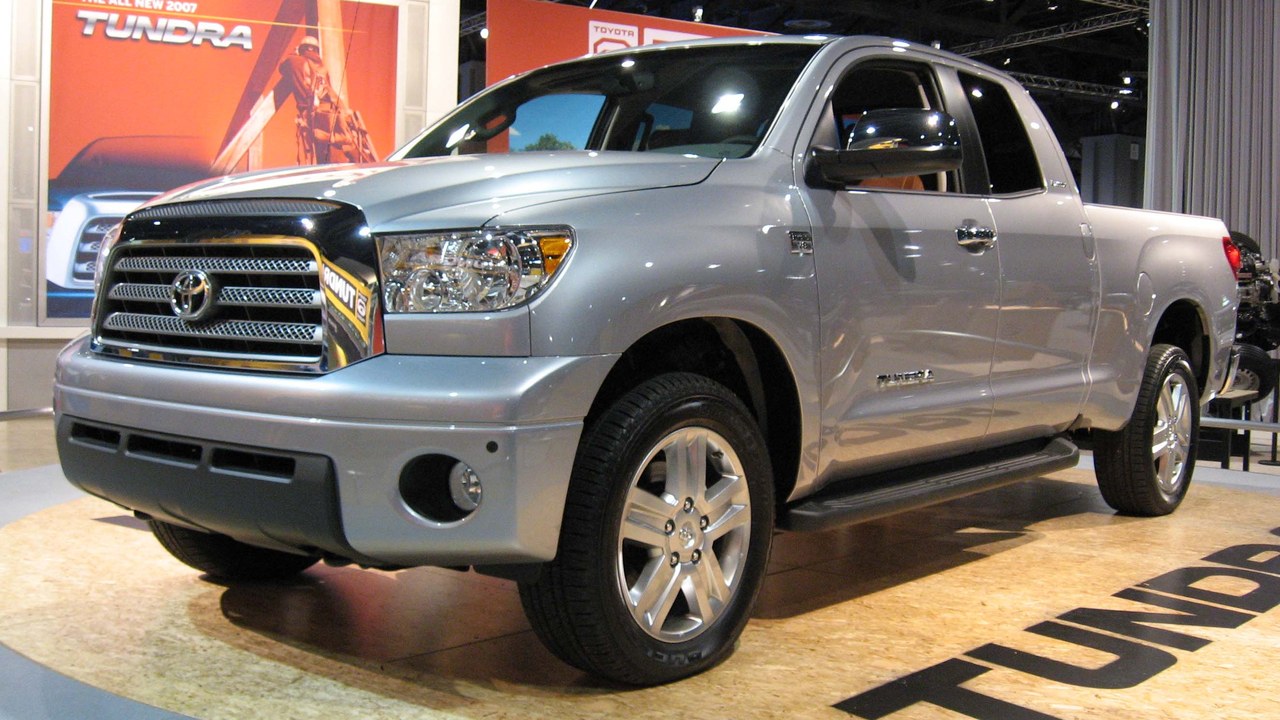
Data rather than anecdote backs the Tundra, since an iSeeCars longevity study gives it a 28.2% chance of reaching 250,000 miles, compared with an 11.1% average for trucks as a whole.
That is more than double the typical pickup, which makes the Tundra one of the safer bets for a high-mileage plan. The study looks at used vehicles, so it reflects trucks that have already survived their early years. For shoppers weighing risk, a statistical edge is more useful than a headline mileage figure, since it describes the typical truck instead of the best one.
8. Chevrolet Silverado 2500HD (2006-2007, LBZ Duramax): Mechanics Call It Indestructible
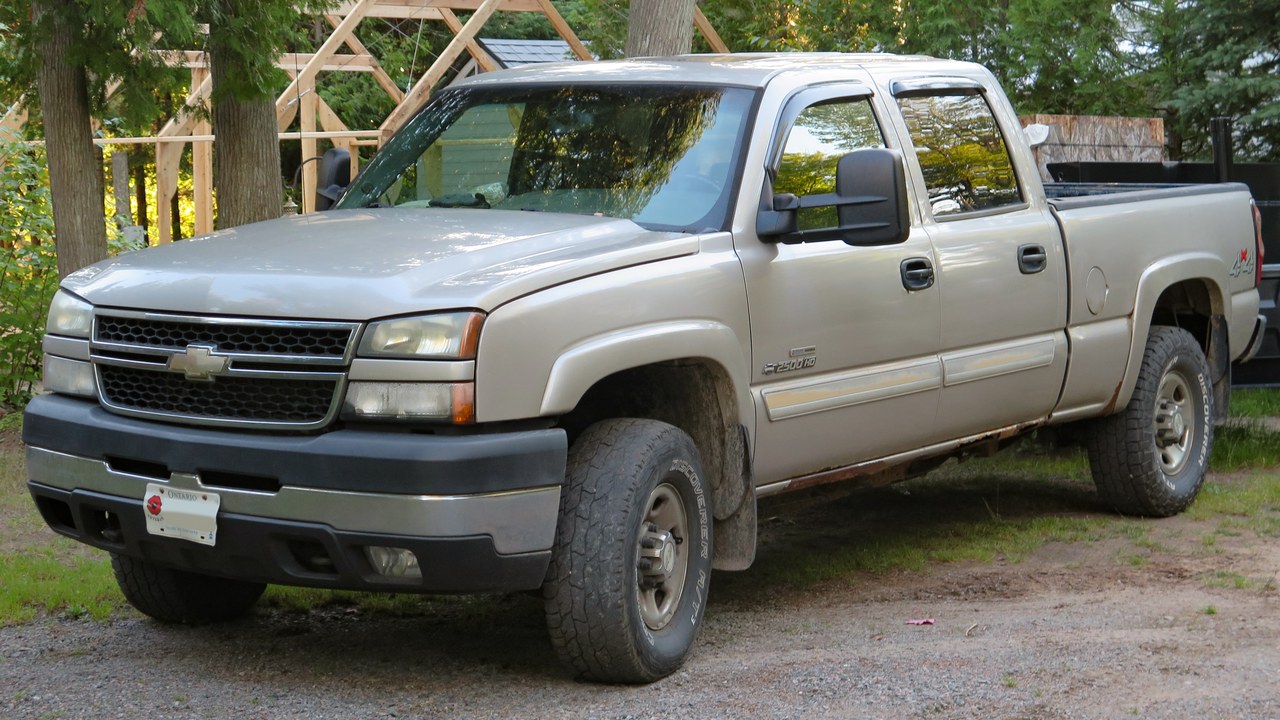
Diesel shops give the 2006-2007 Silverado 2500HD special credit, and a SlashGear engine guide relays that mechanics call the LBZ Duramax nearly indestructible.
Strong language like that tends to travel, but it reflects a consistent view among people who repair these engines for a living. Buyers should still verify service history, because even a tough diesel suffers from neglect. Any engine eventually pays for deferred maintenance, so a thick folder of receipts is still the best sign of a motor that will repeat the legend.
9. Chevrolet Silverado 1500 (Vortec 5300 LM7 V8): Small-Block With Reach
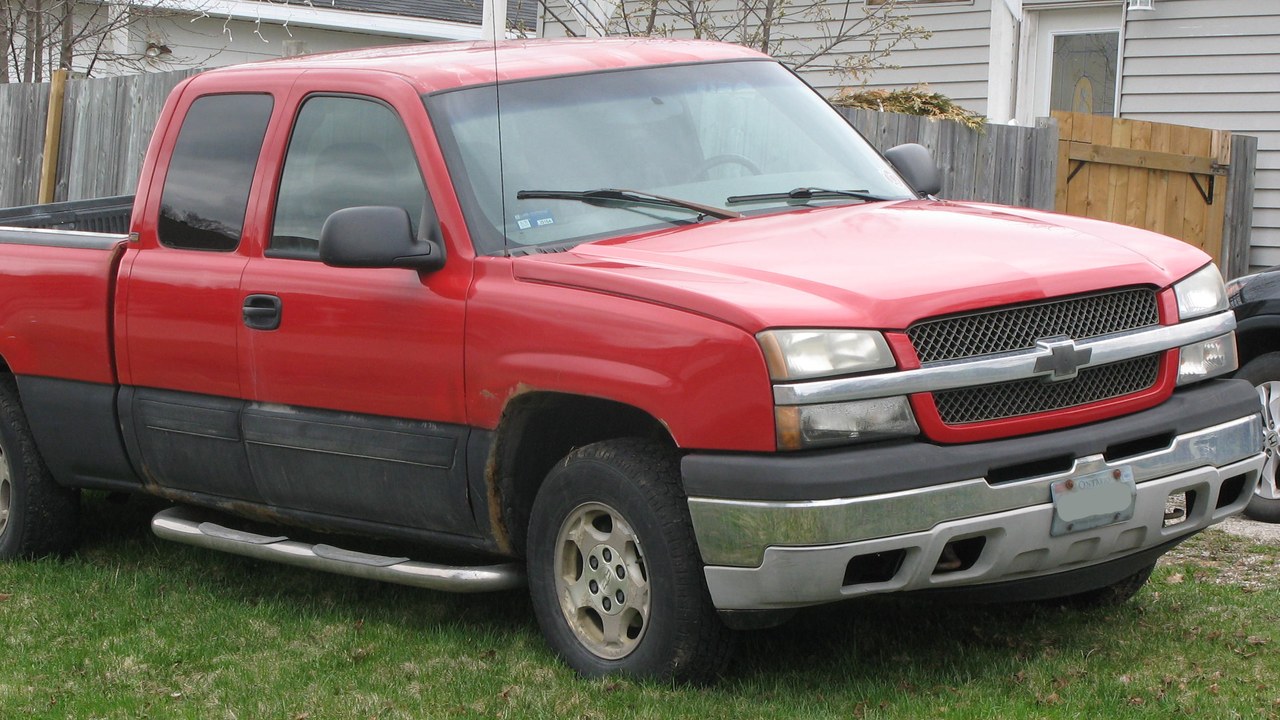
General Motors’ Vortec 5300 earns its place through SlashGear’s gasoline engine list, which says the 5.3 can reach 400,000 to 500,000 miles with minor repairs and maintenance.
The engine powered an enormous number of full-size pickups, so the sample behind that reputation is large. Regular oil changes matter most, and ownership costs tend to stay modest compared with many rivals. The broad installed base also means parts are cheap and mechanics everywhere know the engine, which keeps repair bills predictable for the long term.
10. Ford F-150 (4.9L 300 inline-six): The Inline-Six Workhorse
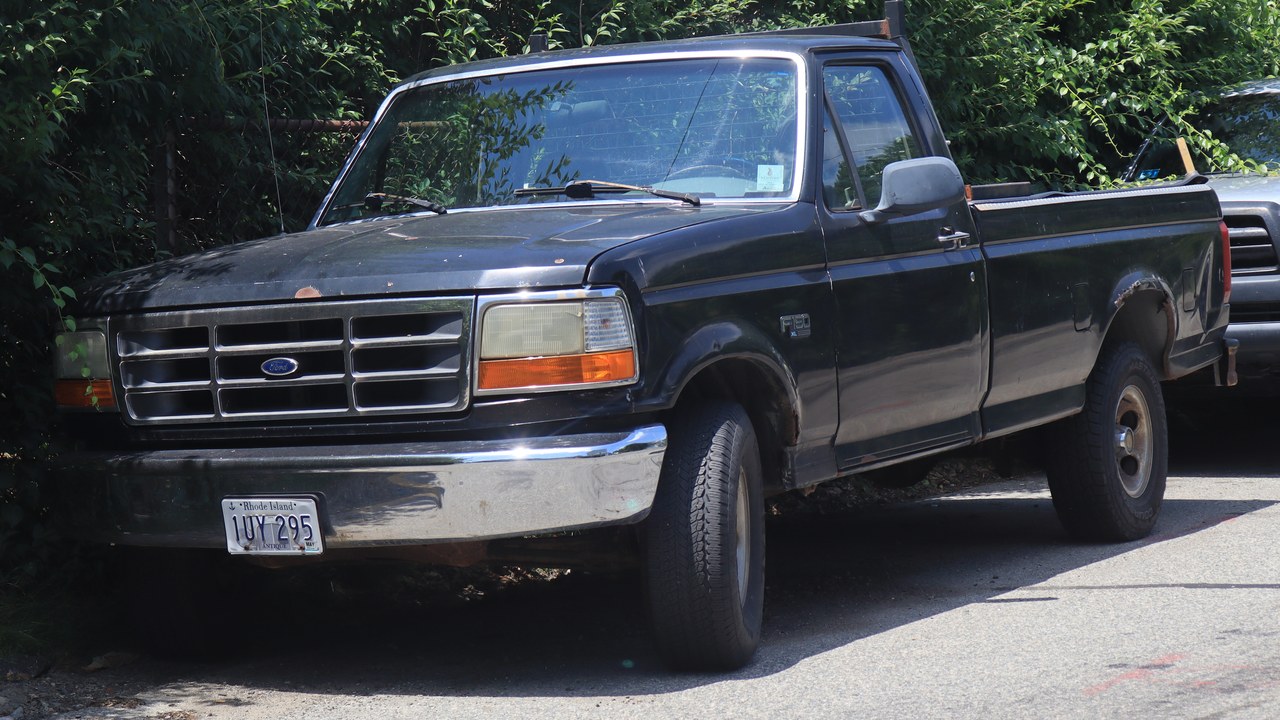
Ford’s 4.9L 300 inline-six rounds out the gasoline picks because the same SlashGear roundup says it is not uncommon for the engine to last 300,000 miles or more in the F-150.
Torque at low rpm and a simple, rugged layout suit work trucks that spend years hauling modest loads. It is a reminder that longevity often comes from modest ambitions rather than advanced technology. Tradespeople have long favored engines like this one, since downtime costs more than any purchase price and a motor that simply starts each morning pays back quickly.
11. Dodge Ram 3500 (2003-2007, 24-valve Cummins): Cummins Muscle, Stock Internals
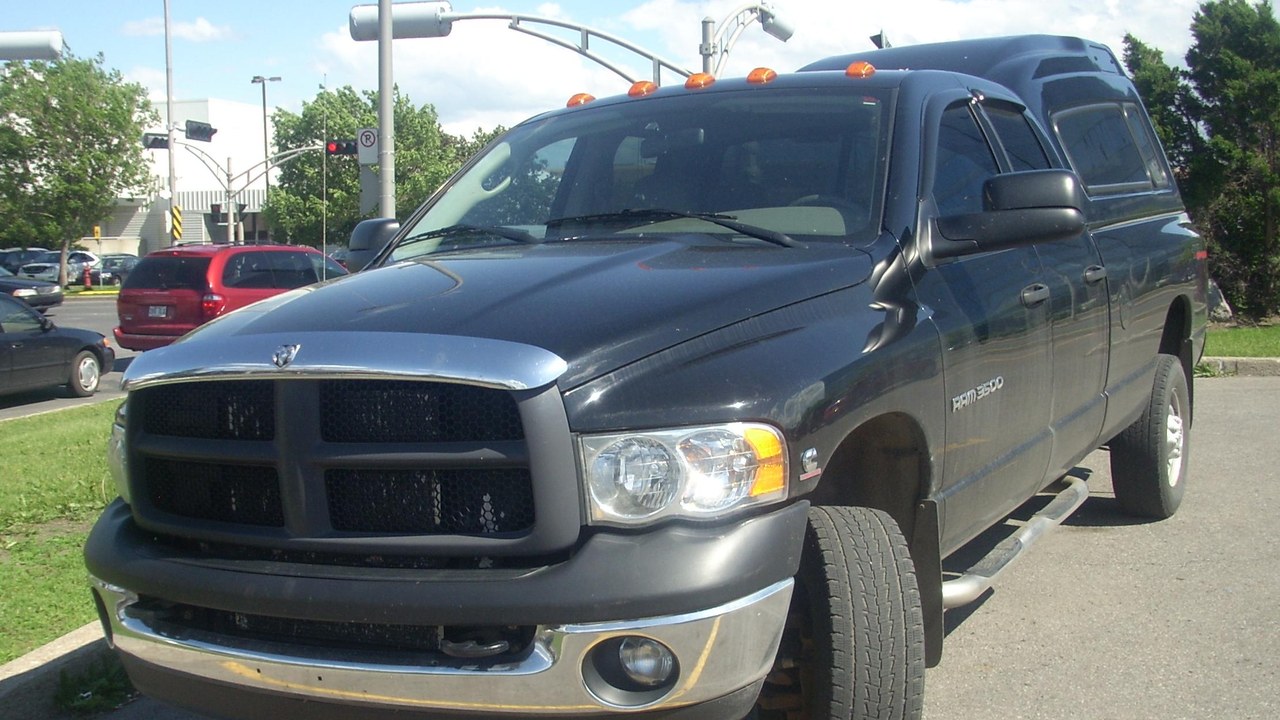
The 24-valve Cummins in the 2003-2007 Ram 3500 is described by Stacker’s diesel pickup feature as routinely surpassing 300,000 miles, with a bottom end that handles 500 horsepower on stock internals.
That headroom explains the tuning scene around these trucks. An engine built to take far more power than it makes in stock form is under less stress, and that margin tends to show up as years of service. Shoppers should note that heavy modification can erase the advantage, so an unmodified truck with a clean history is the safer way to buy.
12. GMC Sierra 1500 (3.0L Duramax I6): A Newer Diesel Contender
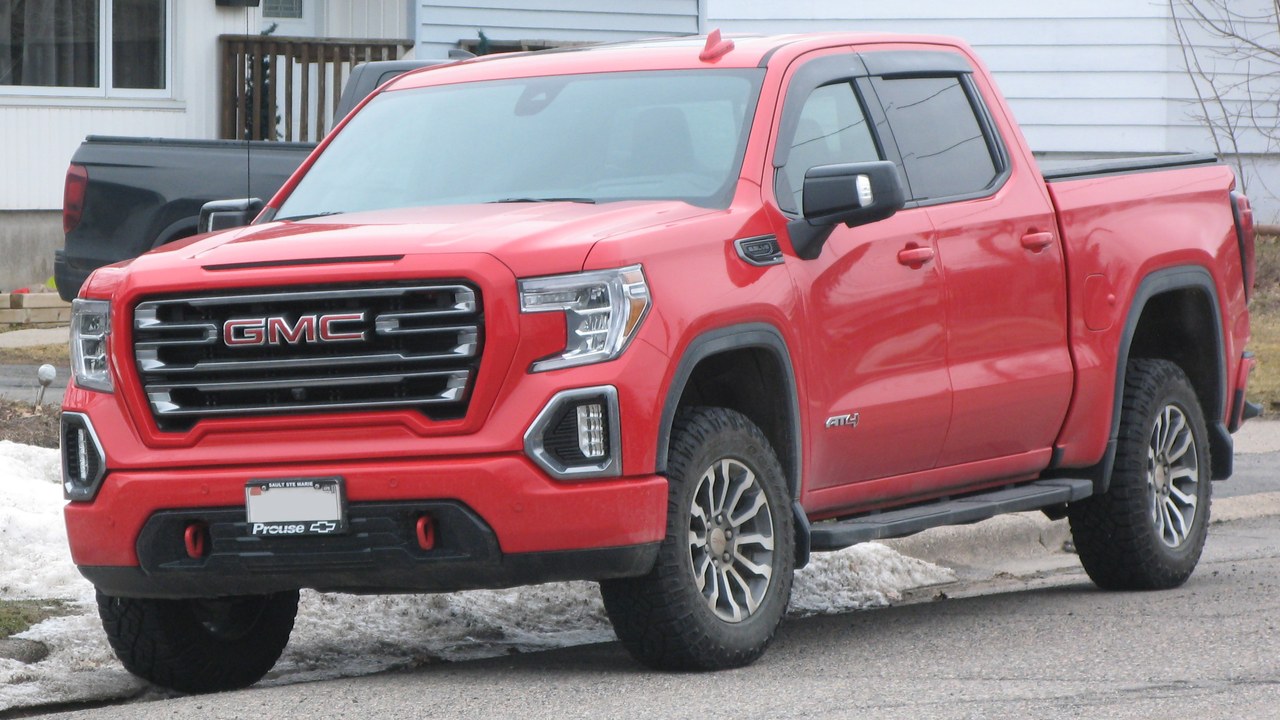
The 3.0L Duramax inline-six in the Sierra 1500 closes the list as the newest entry, with Stacker’s reliability roundup noting owners report better than 30 mpg and potentially 200,000 to 300,000 miles with maintenance.
Its history is short, so the long-term picture is still forming. Fuel economy of that level makes it unusual in the group, which is mostly about brute durability rather than efficiency. Early adopters are effectively writing the record now, and a few more years of owner reports will show whether the promise holds up across hundreds of thousands of miles.
Help yourself and the planet: Get The Cool Down →
We may earn a commission if you sign up.
More from Morning Overview
- Hurricane Hunter radar shows four warning signs that a tropical cyclone is about to strengthen, a University of Miami study found
- Tropical Storm Rachel is dumping up to 12 inches on four Mexican states on its way to major hurricane strength
- The FTC says Lens.com doubled the price shoppers saw in Google ads
- Common allergy, bladder and sleep pills tied to sharply higher dementia odds
