
Pickup engines are usually judged by how long they run, but a handful have become known for the opposite reason. Recalls, lawsuits and mechanic horror stories have followed these gasoline powerplants for years. Here are eight truck engines that earned the worst reputations for failure.
The tech news worth your time: 400,000+ professionals from Google, Apple and OpenAI read Techpresso, a daily email with the most interesting tech news and insights.
We may earn a commission if you sign up.
1. GMC Sierra 1500 (5.3L L84 / 6.2L L87 V8): Lifters Under Legal Fire
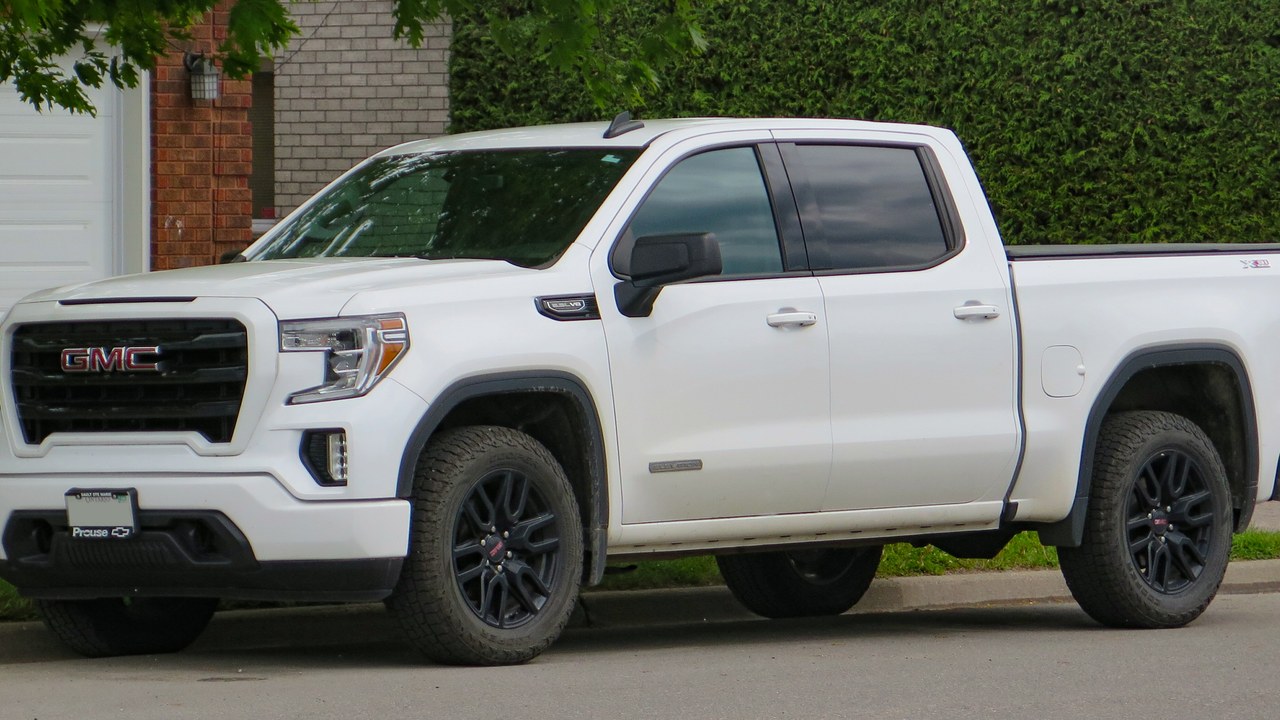
Owners suing over GM’s cylinder-deactivation V8s have kept their case alive, and a Pickup Truck Talk report says the valve-lifter class action has been pending in federal court in Michigan since December 2021.
The article describes a judge declining to split the case, which leaves Silverado and Sierra claims together. Allegations are not findings, and GM may still prevail, but years of litigation have already shaped how shoppers view the 5.3L and 6.2L engines. Anyone weighing a used truck with these V8s should read the service history carefully. Lifter trouble can appear as ticking, misfires or reduced power, and any of those symptoms deserves a prompt inspection.
2. Ram 1500 (2025, 3.0L Hurricane I6): Hurricane Warning
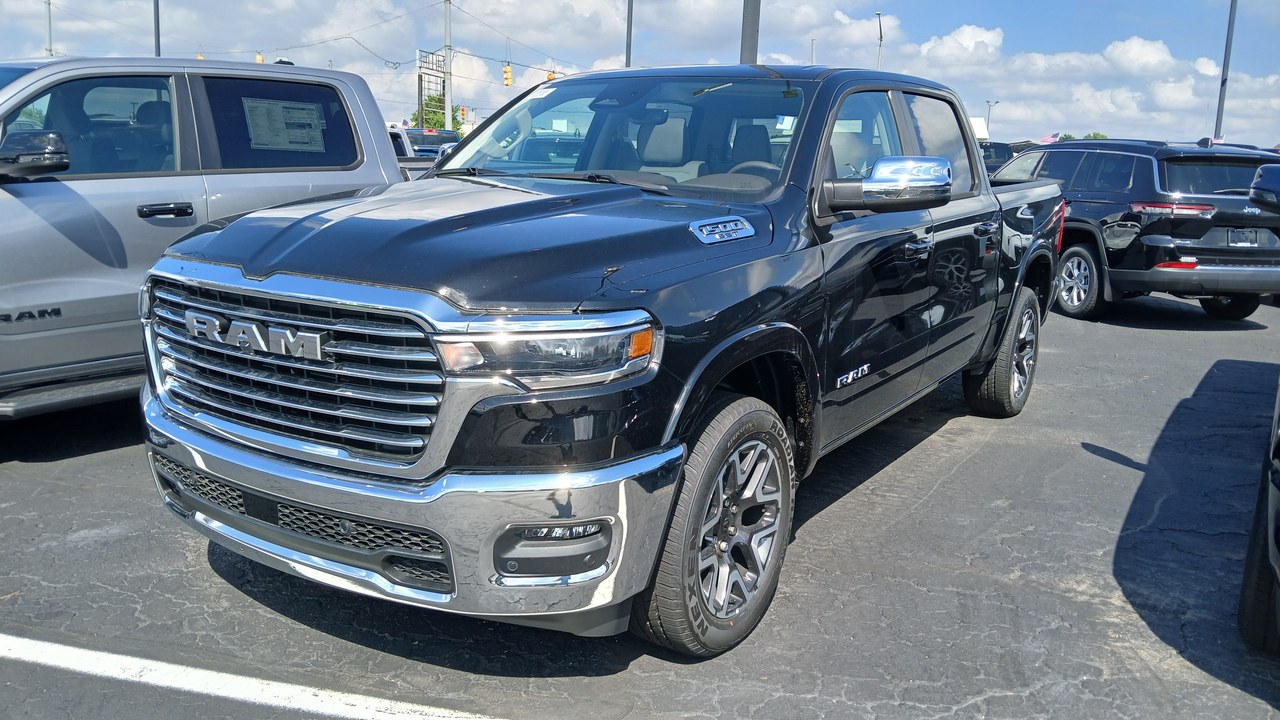
The newest engine here is the 3.0L Hurricane inline-six in the 2025 Ram 1500, and a CarComplaints news item reports a class action filed around mid-September 2026 seeking more than $5 million, alleging the engine stalls and loses power.
The suit is fresh and unproven, and the automaker has not been found liable for anything. Its presence on this list is a signal of early owner frustration rather than a verdict on how the engine will age. Buyers of new trucks should follow the case and check for related recalls. Warranty coverage on a recent truck is the best protection here, so owners should keep every dealer visit documented.
3. Ford F-150 (5.4L Triton V8): Six or Seven Grand a Pop
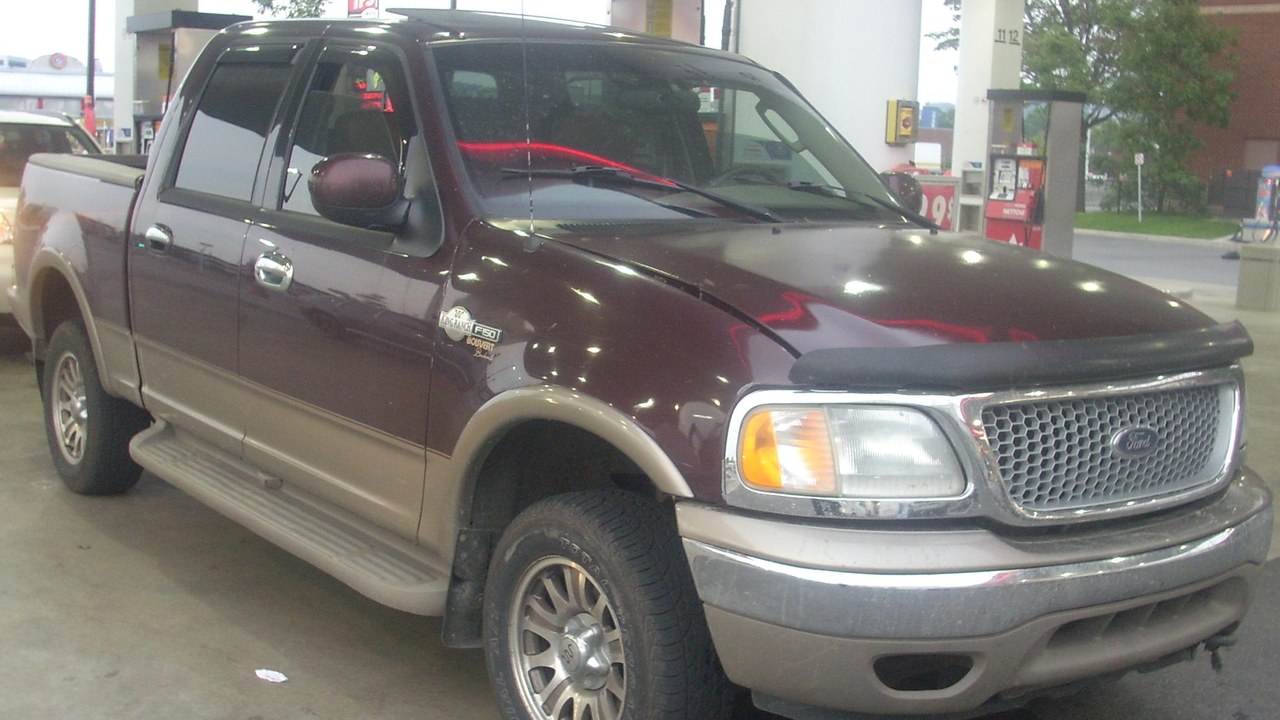
The 5.4L Triton V8 in the F-150 has a vivid anecdote behind it, since a SlashGear engine warning quotes one mechanic saying he has replaced 14 Triton engines at around six or seven grand each, and that Ford never recalled the motor.
One shop’s experience is not a statistic, but the lack of a recall means owners absorbed those costs themselves. Used shoppers considering a Triton-powered truck should budget for the possibility and insist on proof of regular oil changes. A compression check or a scan of the service history before purchase is a modest cost against a bill of that size.
4. Ford F-150 (2.7L EcoBoost V6): Chains That Stretch Early
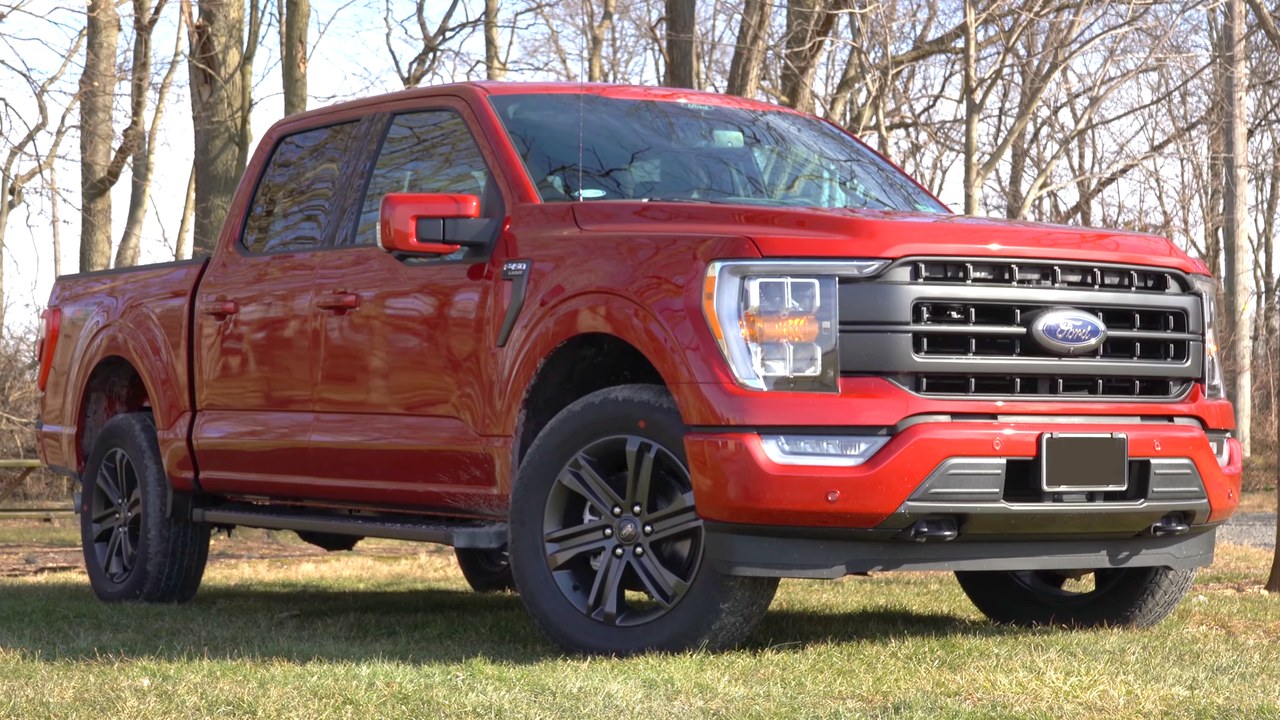
Ford’s 2.7L EcoBoost V6 is flagged by a GadgetReview worst-engines list for timing chains that can stretch before the engine reaches 100,000 miles, a problem that can lead to rough running and costly repairs.
The engine is common in recent F-150s, which makes its reputation matter to a large group of buyers. Not every example suffers, but cold-start rattles and check-engine lights are worth investigating before purchase, since a stretched chain is expensive to fix. Buyers of recent F-150s should note that many trucks never show the problem, but a pre-purchase inspection can catch early warning signs.
5. Dodge Ram 1500 (4.7L V8, 1999-2013): Hundreds Added Every Year
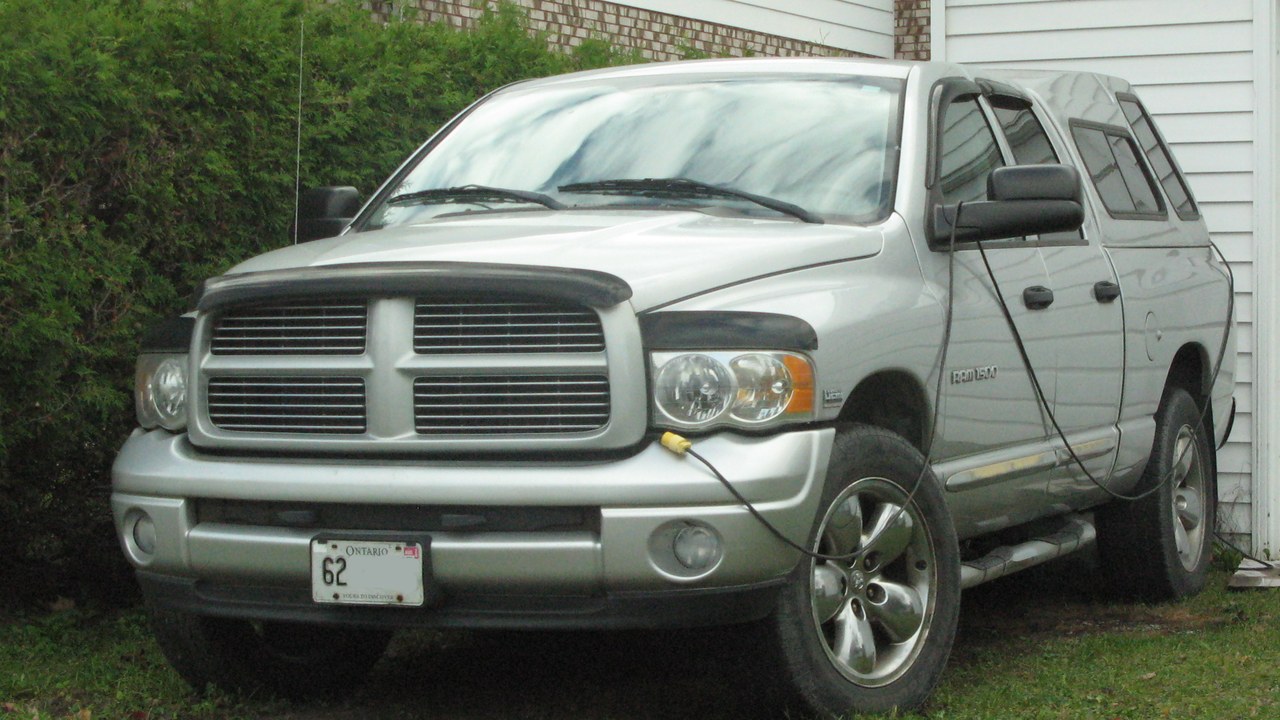
The 4.7L V8 in 1999-2013 Ram 1500 pickups is ranked among the 17 worst truck engines in a GadgetReview truck engine ranking, with problems the site says add hundreds annually to operating costs.
The complaint is more about steady expense than a single catastrophic failure. That slow drain is easy to underestimate when comparing sticker prices, and owners of older Rams should factor in higher maintenance than a competing V8 might need. Shoppers who still prefer an older Ram should price in repairs up front and negotiate accordingly, rather than hoping for the best, because a cheap purchase price can vanish quickly.
6. Dodge Dakota (3.7L Magnum V6): A Quart Every Thousand
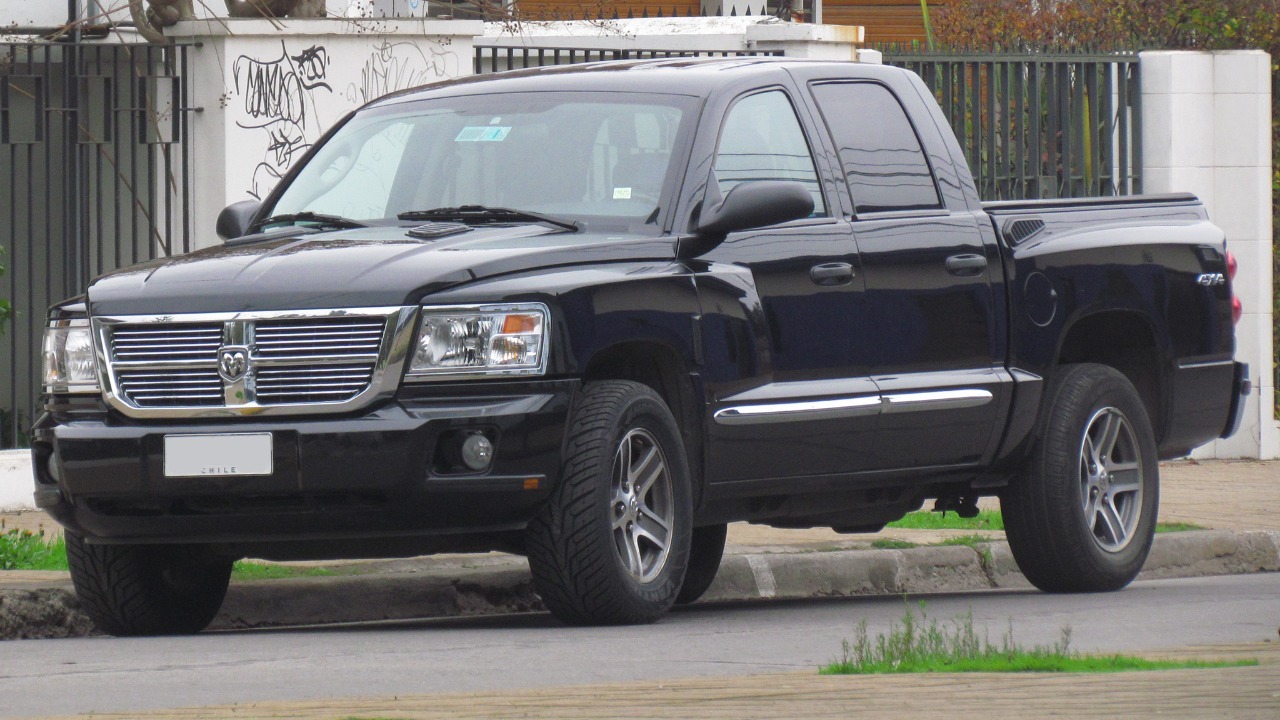
Dodge’s Dakota carried a 3.7L Magnum V6 that, per GadgetReview’s bad engine rundown, is known to burn a quart every 1,000 miles despite making 210 horsepower.
Constant oil consumption means frequent top-ups and a risk of running low between changes. Anyone owning or buying a Dakota should check the dipstick often, because a low oil level can quietly turn a nuisance into serious engine damage. Oil consumption on this scale is a good reason to buy only with receipts that show regular checks and changes, plus a clean dipstick, since consumption can worsen with age.
7. Toyota pickup (3.0L 3VZ-E V6): Meager Power, Failing Gaskets
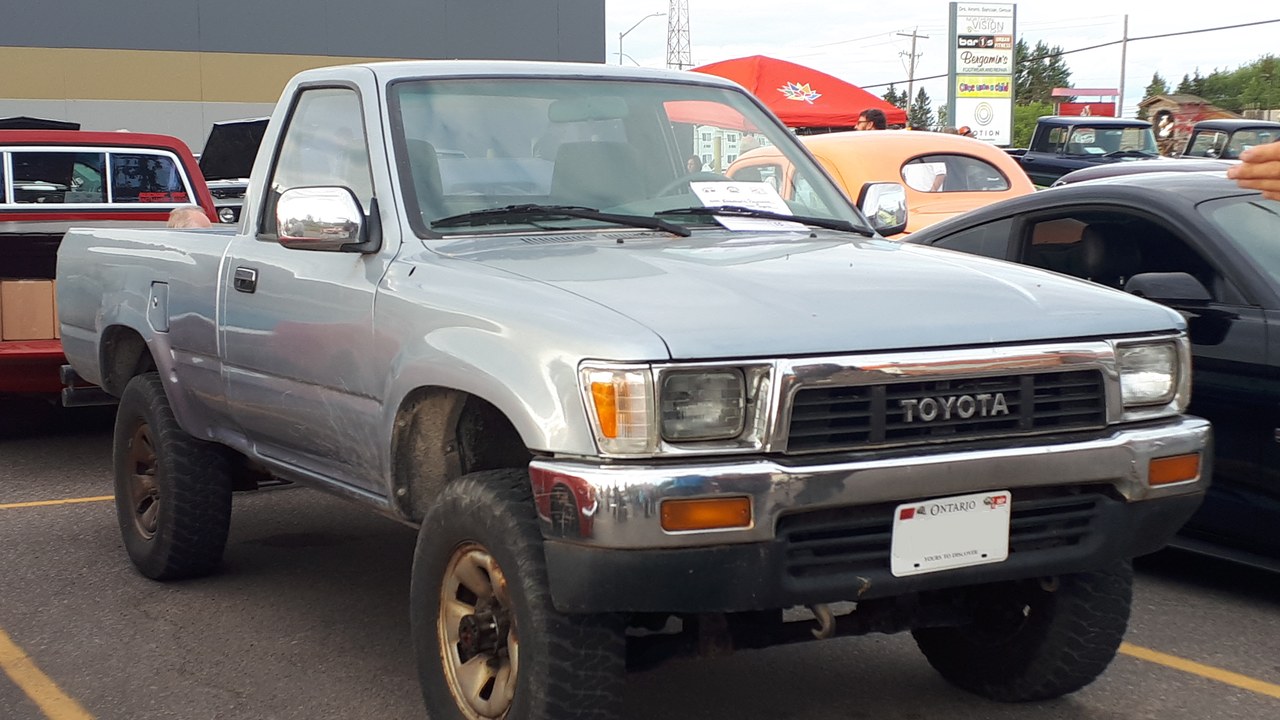
Toyota’s 3.0L 3VZ-E V6 makes this list because a second GadgetReview ranking says head gaskets commonly failed after 100,000 miles on an engine making a meager 150 horsepower.
The surprise is that the badge usually stands for durability, which shows that no automaker is immune from a weak design. Owners of surviving trucks should know the history, and shoppers should ask whether the gaskets were ever replaced. Age compounds the risk, so a truck of this vintage deserves a cold-start inspection and a look at coolant condition before money changes hands.
8. Chevrolet Colorado (first generation, Atlas five-cylinder): Fifth Cylinder, Sixth Place
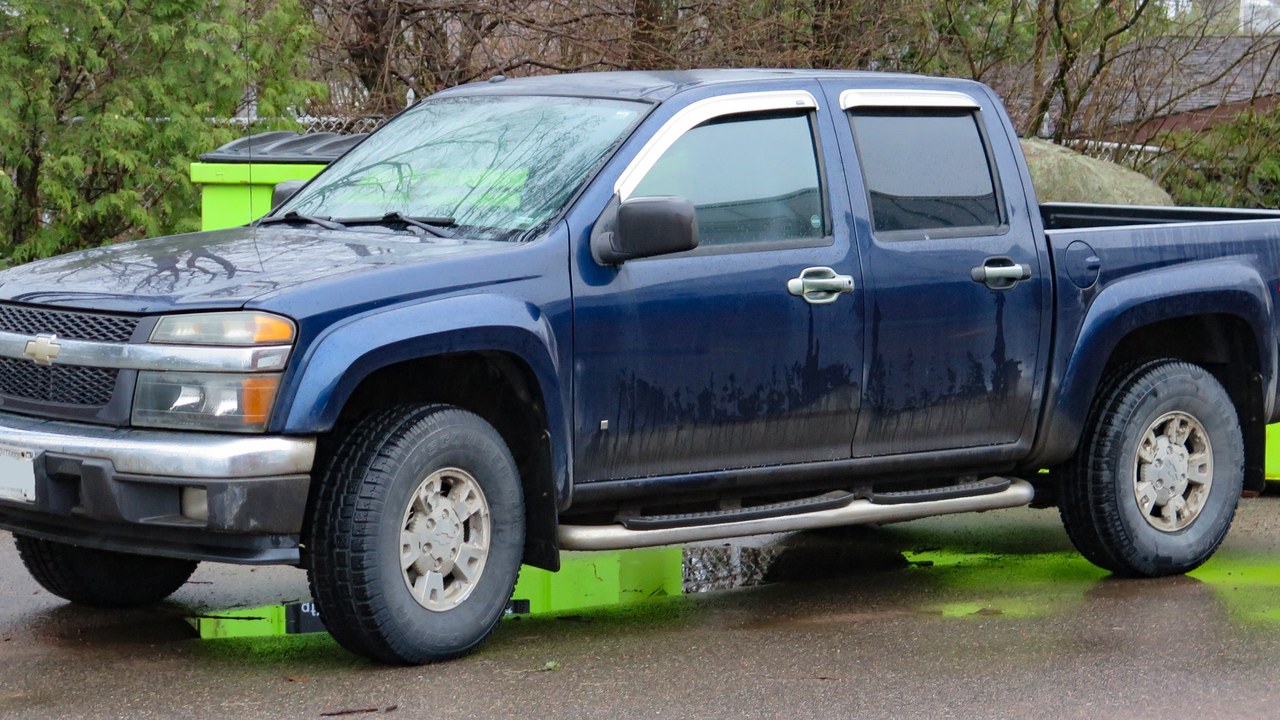
The first-generation Colorado used an Atlas five-cylinder, and GadgetReview’s worst list ranks it sixth among the 14 worst truck engines ever built.
Odd cylinder counts were an unusual choice in compact pickups, and the ranking suggests the experiment did not impress reviewers. The engine’s reputation has not been rehabilitated since, so shoppers should treat early Colorados as a purchase that depends on a documented service record. Rankings like this one are opinion built on owner complaints and writer judgment, yet they usefully show which designs enthusiasts and mechanics have learned to avoid.
The tech news worth your time: Subscribe to Techpresso →
We may earn a commission if you sign up.
More from Morning Overview
