
Few vehicles changed what American families drove as much as the Ford Explorer, which arrived when station wagons were fading and trucks were becoming daily transport. Over six generations it added independent suspension, a third row, hybrid power and eventually a unibody frame. Here are eleven Explorers and Explorer spin-offs that trace that path.
Free daily tech email: Get Techpresso, the free daily email with the most interesting tech news and insights, read by 400,000+ professionals from Google, Apple and OpenAI.
We may earn a commission if you sign up.
1. Ford Explorer (1991, first generation): Wagons Were Minivan Cool
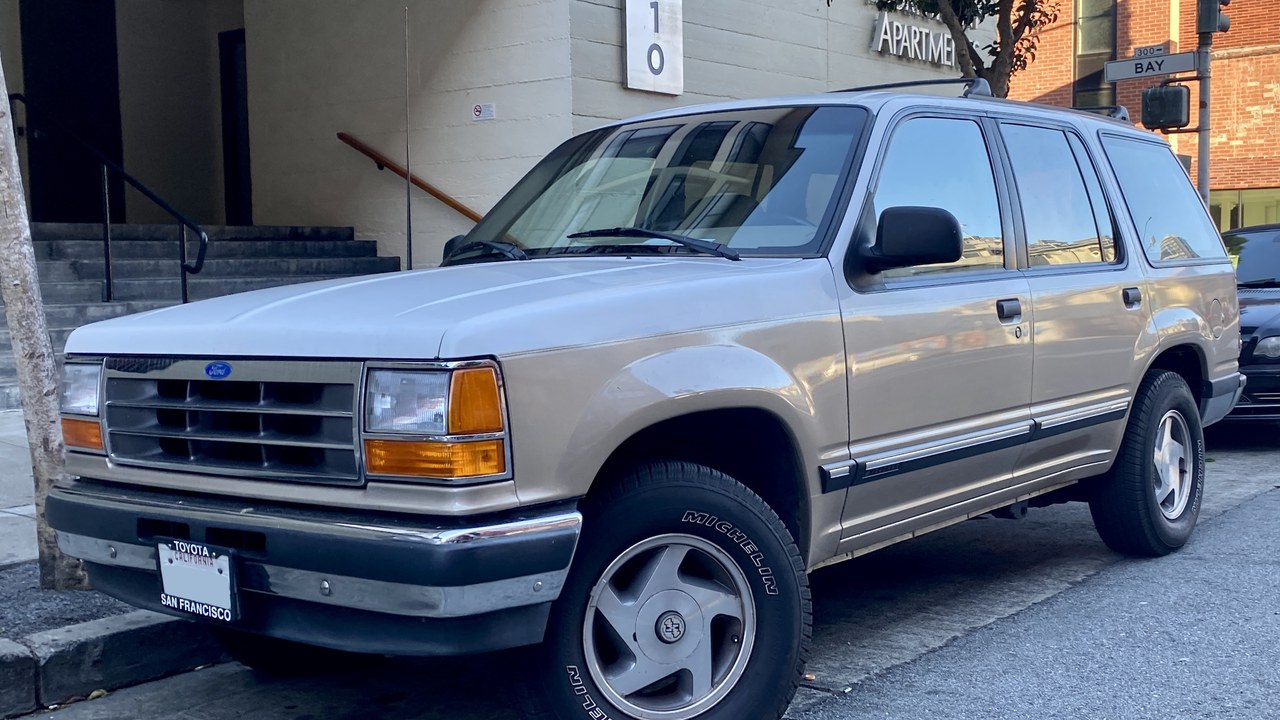
Car and Driver credits the 1991 Explorer, alongside Jeep’s Grand Cherokee, with helping to start the modern SUV craze in the early 1990s, when wagons were about as cool as minivans, according to Yahoo Autos’ Explorer history.
That credit places the Explorer at the center of a major shift in what buyers wanted from a family vehicle. The shared mention of the Grand Cherokee shows the shift was not a one-company event, though the Explorer was among its leading voices.
2. Ford Explorer Sport (two-door): Short Wheelbase, Rough Ride
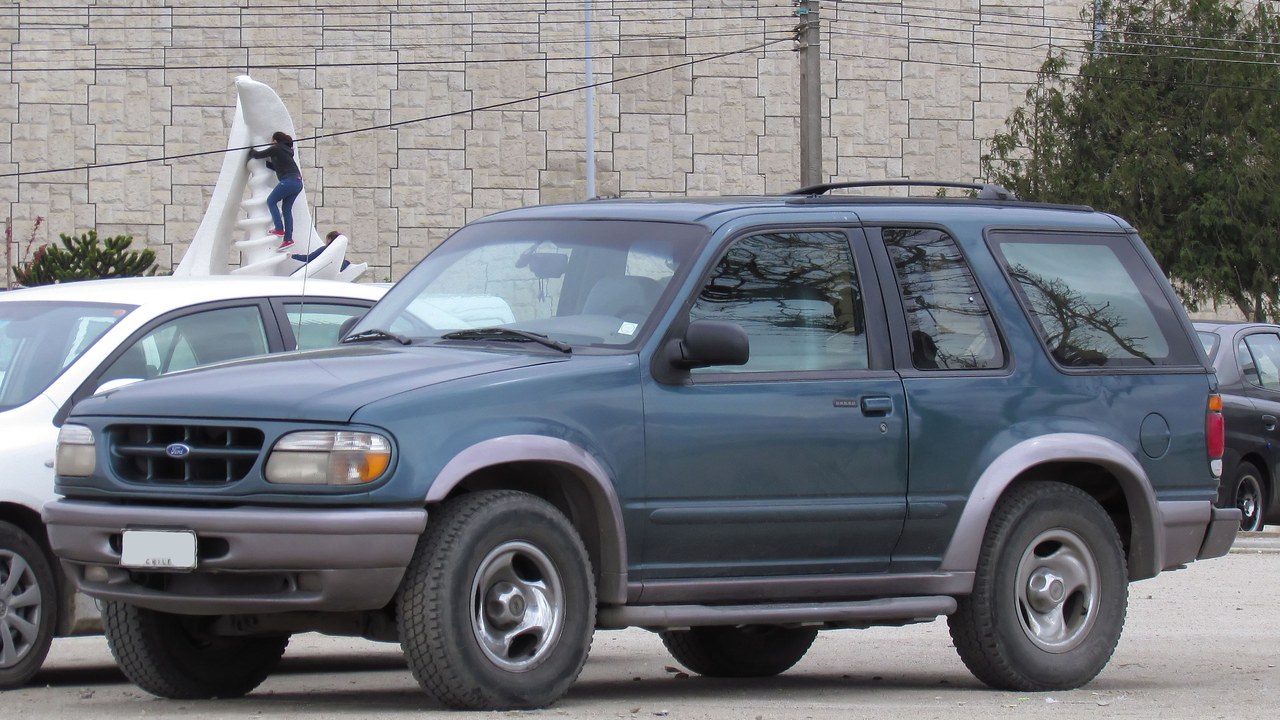
The two-door Explorer Sport rode on a wheelbase 10 inches shorter than the four-door for nimbler off-roading, at the cost of a bumpier ride and awkward rear access. J.D. Power’s Explorer history notes it was sold until 2003.
The trade-offs are typical of short-wheelbase two-door trucks, where trail agility comes at the expense of comfort and convenience. Buyers who primarily wanted passenger space were better served by the four-door, which is why this version occupies a niche.
3. Ford Explorer (1995, second generation): Independent Front Suspension
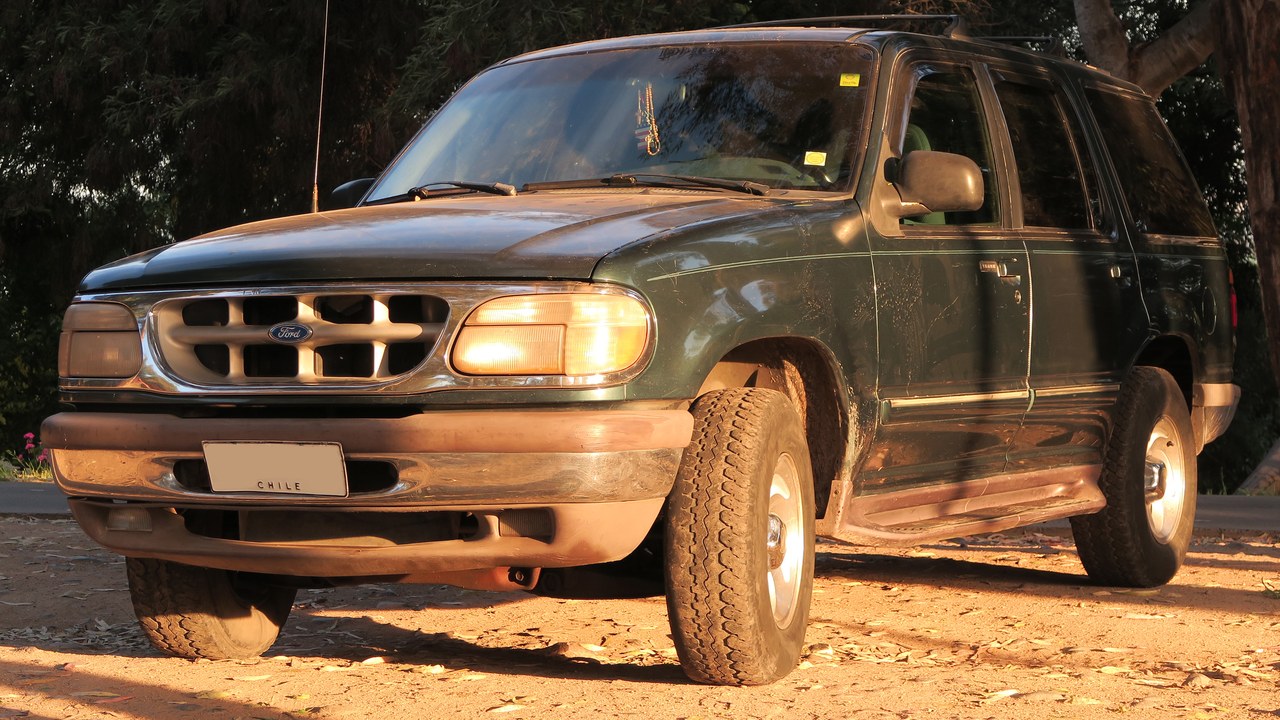
The 1995 redesign swapped the twin-beam front end for fully independent front suspension and rack-and-pinion steering. From 1996 a 5.0-liter V8 with full-time all-wheel drive arrived, as J.D. Power’s model guide explains.
Those changes made the second generation a notably more refined vehicle than the original. The V8 and all-wheel-drive pairing gave buyers a more powerful option, and the steering and suspension updates shaped how the Explorer drove on pavement.
4. Ford Explorer Sport Trac: A Pickup Bed Grafted On
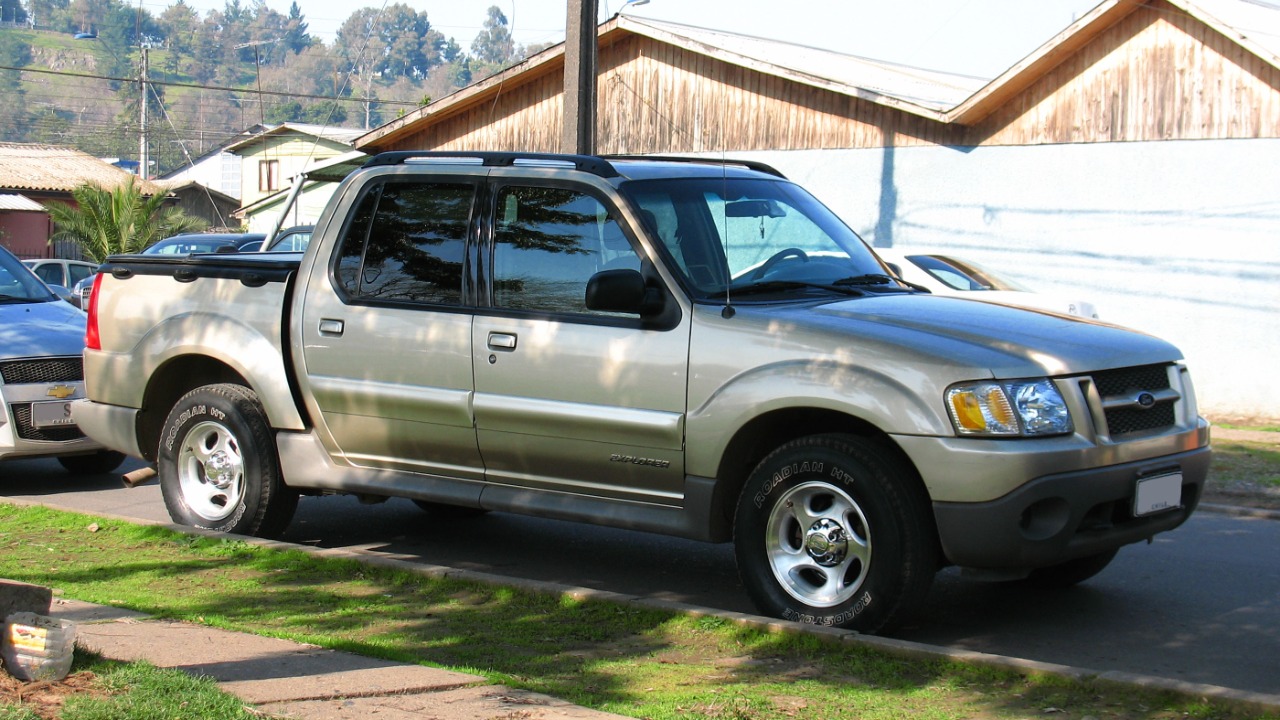
The Sport Trac crossbred the Explorer with a short pickup bed and was marketed for the 2001 through 2010 model years, with production ending in October 2010, per Wikipedia’s Sport Trac article.
The idea of an SUV front half with a small truck bed appealed to buyers who wanted both a family cabin and open cargo space. The Sport Trac stands as one of the more unusual Explorer variants and a reminder of how the name was stretched.
5. Ford Explorer (2002, third generation): Its Own Frame at Last
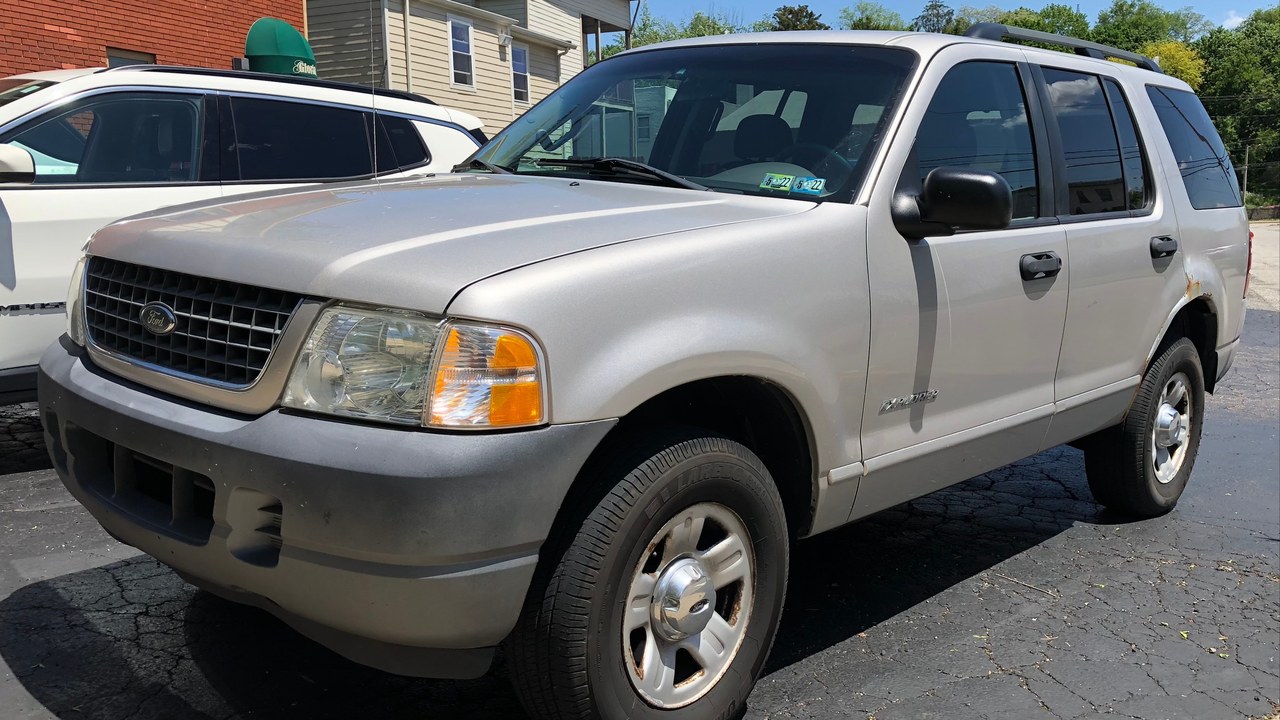
For 2002 the Explorer left the Ranger behind for its own frame with an independent rear end, and an optional third row raised capacity to seven passengers, according to J.D. Power’s overview.
The third row was a significant step toward the family hauler role the Explorer would later embrace more fully. An independent rear end also addressed ride comfort, so this generation is a practical choice for used buyers who need seven seats.
6. Ford Explorer (2006, fourth generation): Canopy Airbags and Stability Control
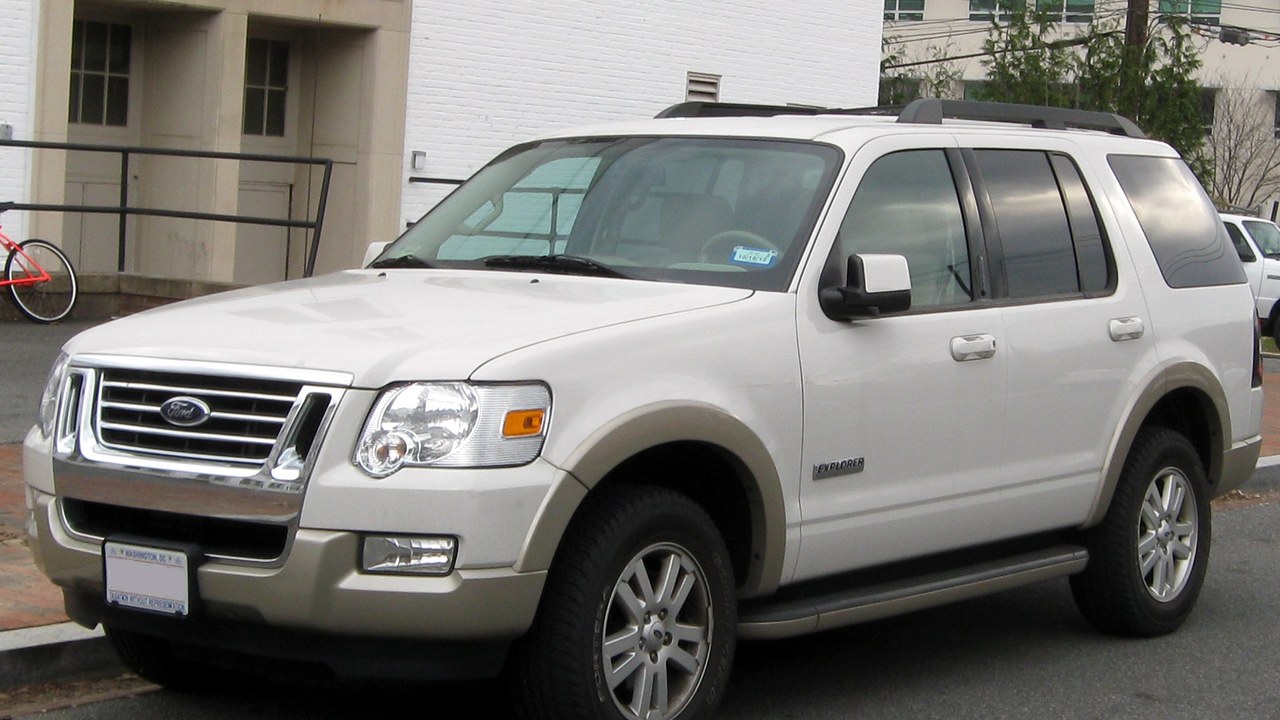
The 2006-2010 Explorer brought canopy airbags and computerized roll stability control, plus improved valve heads for the V8, while changing little cosmetically, as J.D. Power’s generation notes record.
Safety technology was the main story of this generation, and it matters to used shoppers weighing older SUVs. The fourth generation looked much like the one before it, so the upgrades are found mostly in equipment and engineering rather than in styling, and the V8 benefited from improved valve heads.
7. Ford Explorer (2011, fifth generation): The Truck Becomes a Crossover
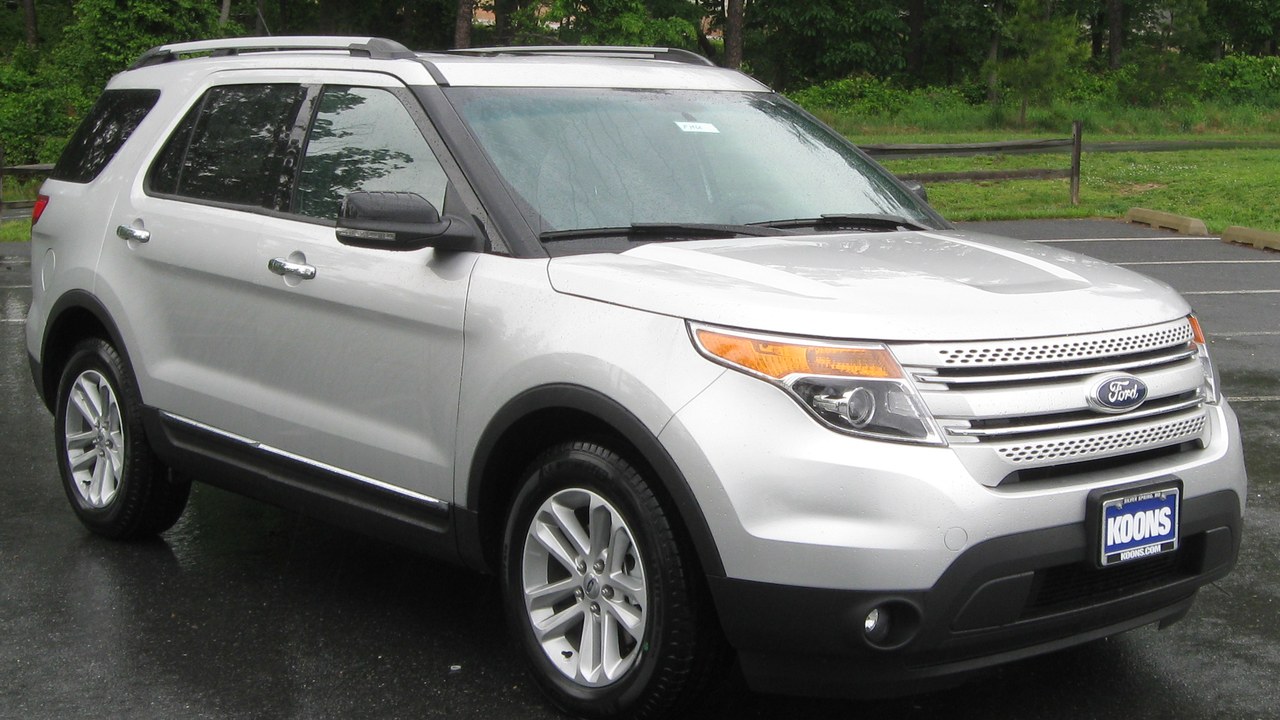
Beginning with the 2011 model year, the Explorer abandoned truck-style body-on-frame construction and switched to a unibody, turning it into a car-based crossover, per Wikipedia’s Explorer article.
That change redefined what an Explorer was, moving it from the traditional SUV formula to the crossover design that dominates family shopping. Buyers expecting a rugged truck underpinning from this generation onward will not find one, since the body and frame are now a single structure.
8. Ford Explorer (2020, sixth generation): Back to Rear-Wheel Drive
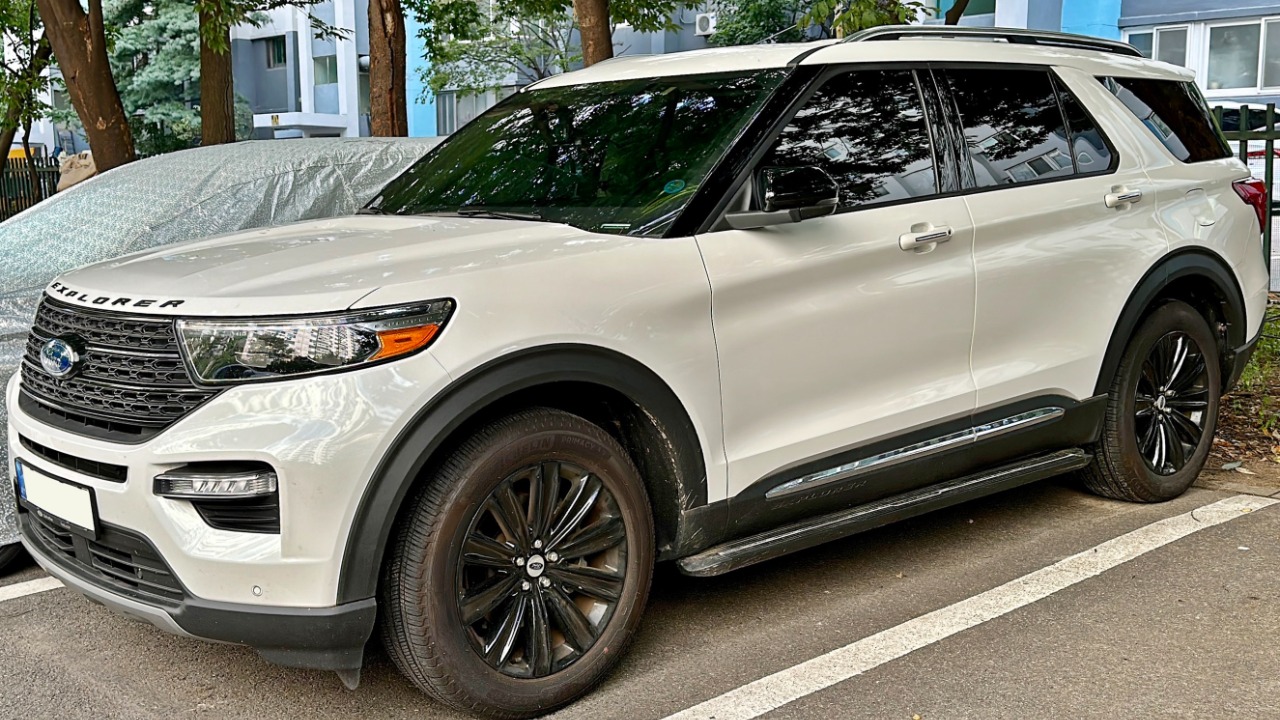
The 2020 Explorer went back to rear-wheel drive at its base, with a 300-hp 2.3-liter EcoBoost four in the XLT, which started at $37,770 at launch, according to WJLA’s 2020 Explorer report.
A rear-drive base layout marked a notable change in how the sixth-generation Explorer was engineered. The price is the launch figure for the 2020 model, so current pricing and the used market may differ from that starting number.
9. Ford Explorer ST: The 400-hp Performance Model
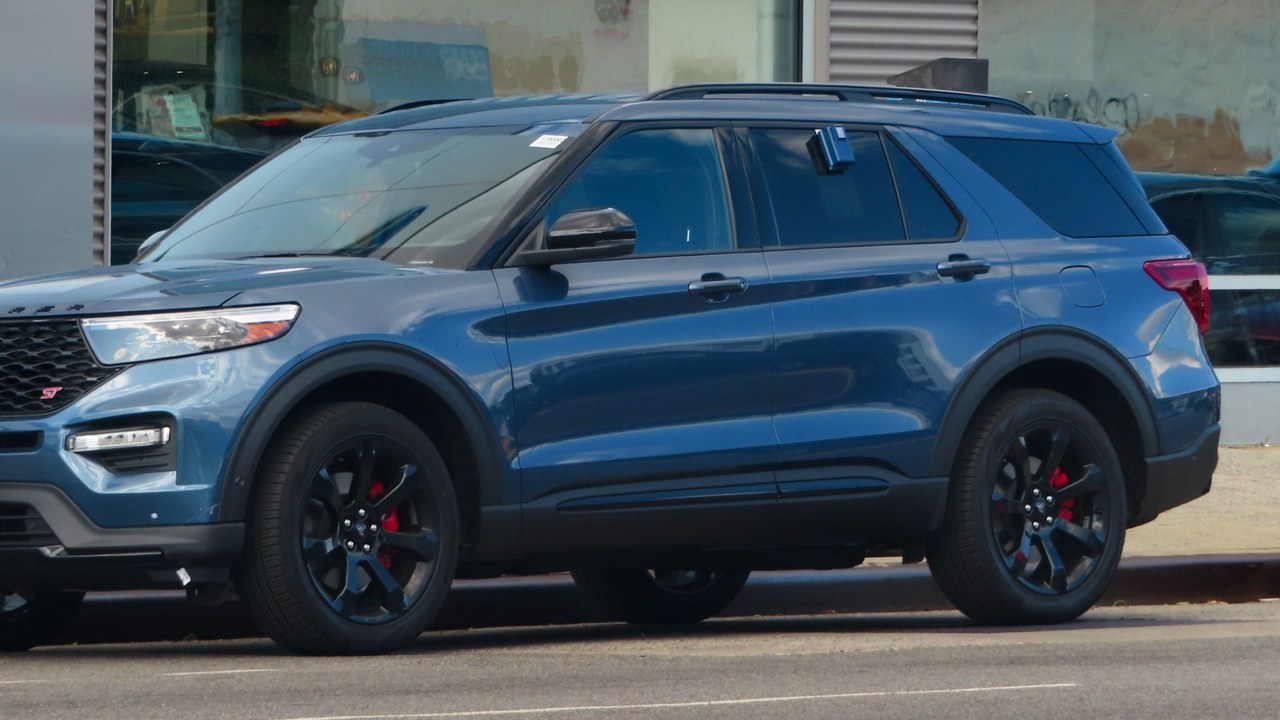
The ST uses a specially tuned 3.0-liter twin-turbo V6 making 400 hp and 414 lb-ft, with sport suspension and all-wheel drive. WJLA’s launch coverage lists it at $55,835 when the 2020 lineup arrived.
The ST is the performance flagship of the family hauler, giving three-row buyers a strong engine and tighter handling. The output sits well above the base four-cylinder, which makes it the pick for drivers who want the most from the lineup.
10. Ford Explorer Hybrid: Five Hundred Miles Per Fill-Up
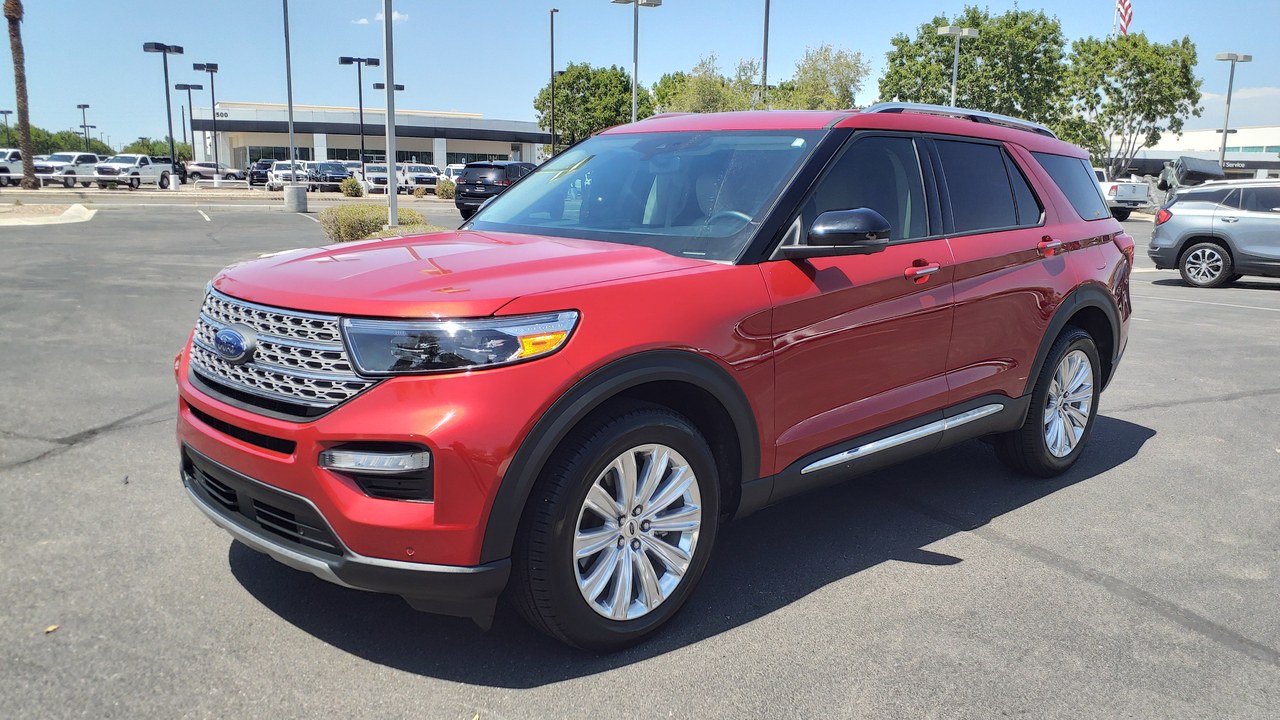
The Explorer Hybrid pairs a 3.3-liter V6 with an electric motor for 318 hp combined, and Ford estimated at least 500 miles between fill-ups. WJLA’s report puts the 2020 Limited Hybrid at $53,375.
The hybrid layout targets families who want range and efficiency from a three-row vehicle without moving to a smaller model. The estimate is Ford’s own, so real-world distances will depend on driving conditions and how the vehicle is used.
11. Ford Police Interceptor Utility: Faster Than a Hemi Charger

The Explorer-based Police Interceptor Utility hit 60 mph in 5.8 seconds and 100 mph in 13.6 seconds in Michigan State Police testing, as Hagerty’s police-car testing reported, 1.1 seconds quicker to 100 than a Hemi Charger Pursuit.
The result shows that an SUV platform can outrun a traditional police sedan, which matters for fleets that value acceleration. It also demonstrates how far the Explorer has come from a station-wagon alternative.
More from Morning Overview
- The FBI told the rest of ShinyHunters to surrender after a 24-year-old was arrested
- Two passengers died at an Ohio toll plaza, and the NTSB now wants the cash lanes shut
- Long use of a common prostate pill is tied to a higher chance of glaucoma
- Ford is recalling 223,472 F-150 pickups because the fuel tank can leak or detach
