
The Chevrolet Suburban is often described as the oldest continuously used automotive nameplate, and its long history shows in its gradual transformation. It began as a utilitarian wagon on a truck chassis and grew into a loaded family hauler. Here are eleven generations that trace that path, from the 1930s to the modern V8 era.
1. Chevrolet Suburban (1935–1940): The Original Carryall
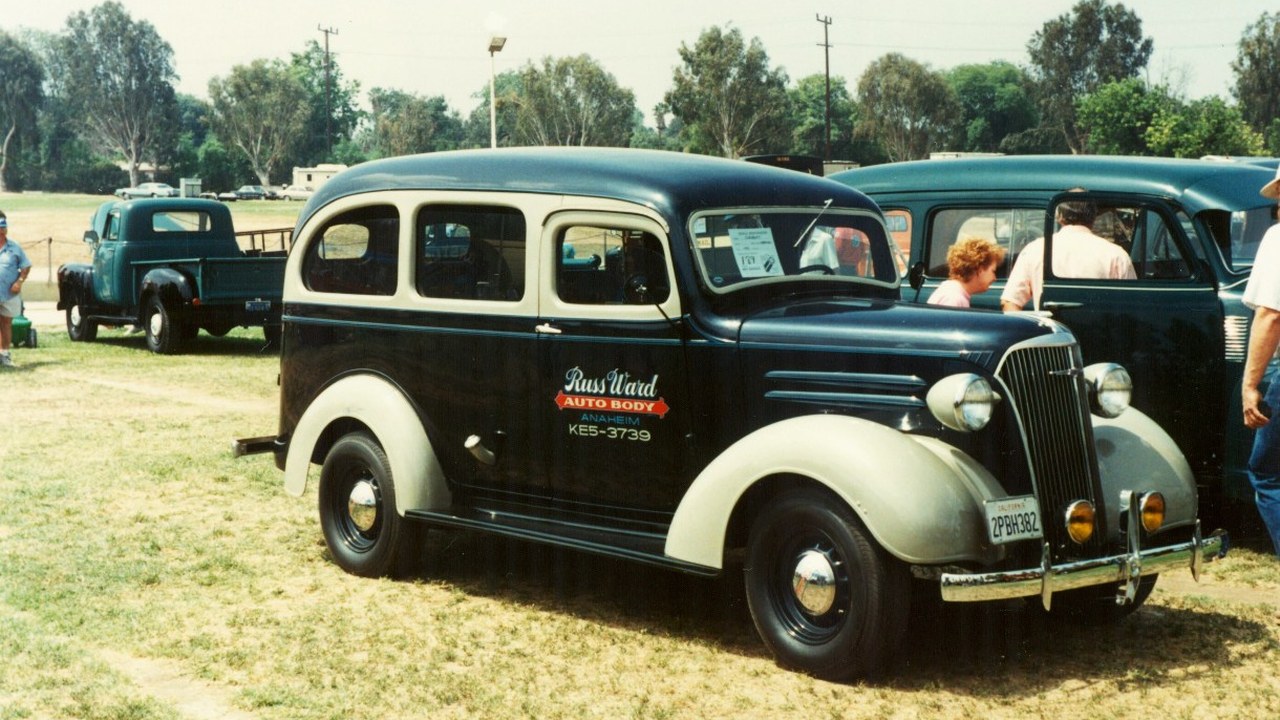
Chevrolet launched the Suburban Carryall in 1935 on a half-ton truck chassis, seating eight for about $675, powered by a 60-hp Stovebolt inline-six.
The first Suburban was a straightforward answer to a need for a roomy, truck-based wagon. Its modest power and low price are a useful baseline for judging how far the nameplate has traveled since the Depression era. That makes the original a useful reference point for later comparisons.
2. Chevrolet Suburban (1941–1946): Wartime Pause
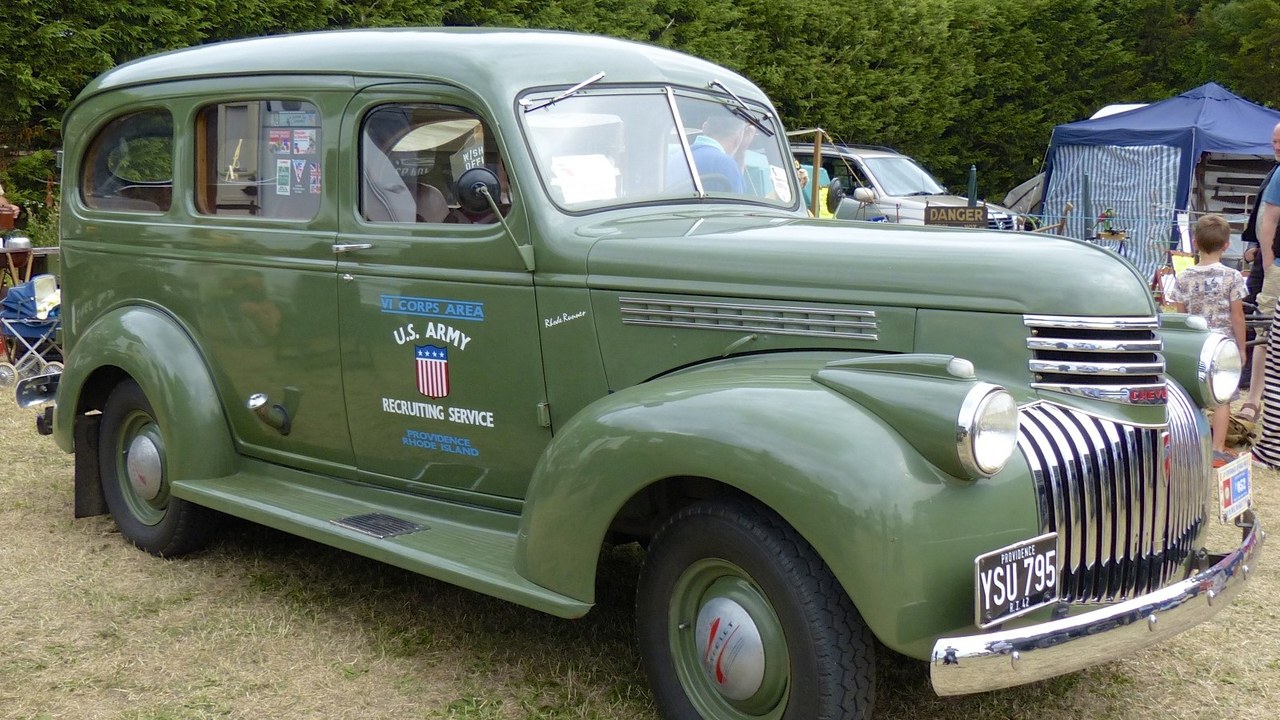
During World War II civilian production largely stopped, and Chevy trucks including the Suburban body style were built for military duty.
The pause interrupted ordinary sales, but it also showed the usefulness of the rugged, roomy body in demanding work. When peacetime production returned, the design was ready for a broader civilian audience after the war ended. The history lesson is that even a civilian family truck has roots in work and service.
3. Chevrolet Suburban (1947–1955): Back to Civilian Work
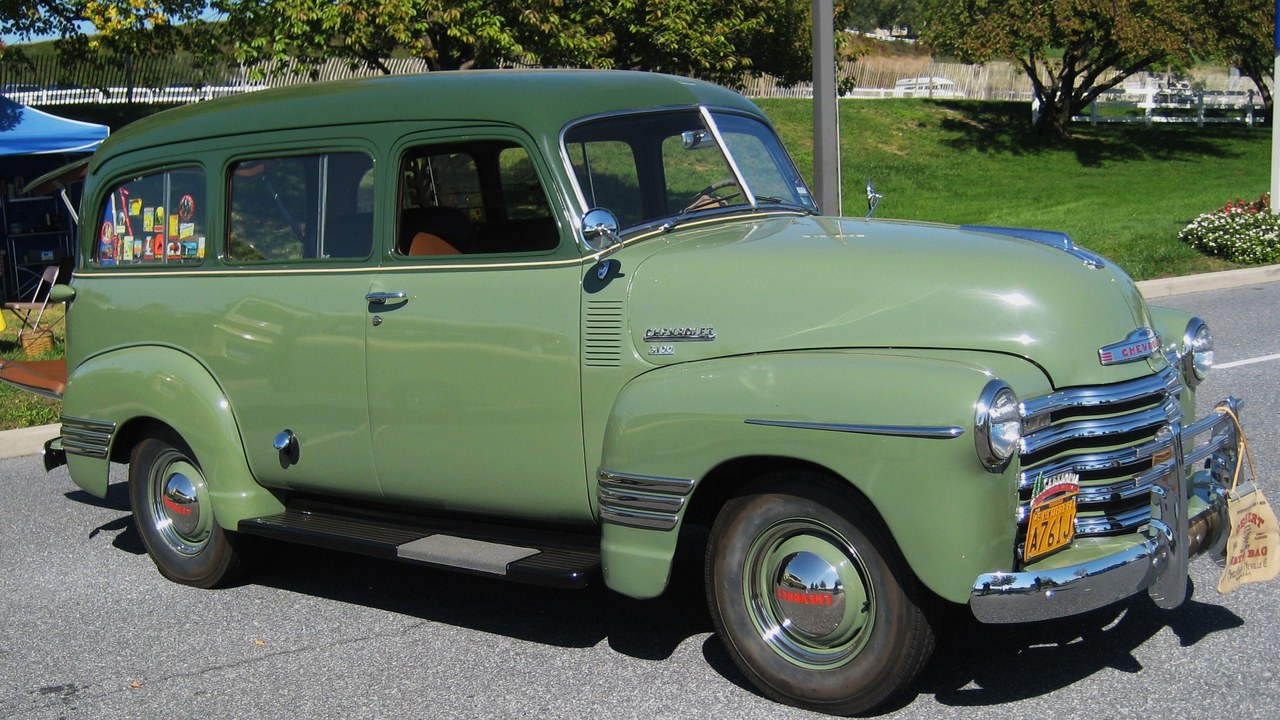
The 1947 Suburban moved to the civilian market as a workhorse; its inline-six made 174 pound-feet at 1,200 rpm, and a HydraMatic automatic arrived in 1954.
The torque figure at such low engine speed suited a heavy wagon more than any speed record would. The optional automatic hints at how the Suburban was becoming easier to live with as a family vehicle. Restorers value the era for its simple mechanical layout.
4. Chevrolet Suburban (1955–1959): First Chevy V8, First 4WD
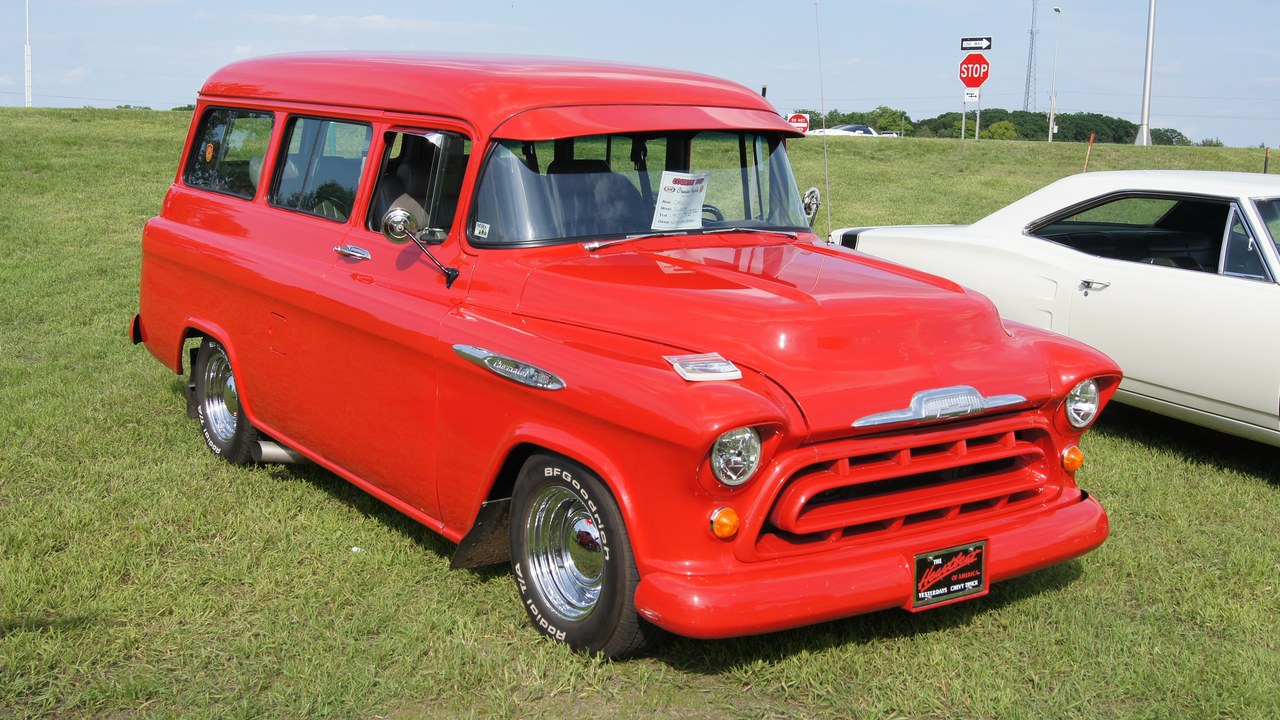
The mid-1955 ‘second series’ brought a wraparound windshield and Chevrolet’s first V8, and in 1957 factory four-wheel drive arrived via NAPCO’s Powr-Pak system.
Together the changes made the Suburban more modern and more capable in rough conditions. Four-wheel drive in particular opened up work and recreational uses that the earlier two-wheel-drive wagons could not manage. Collectors of mid-century trucks tend to prize the period styling, and the combination of a new engine and optional four-wheel drive is part of the appeal.
5. Chevrolet Suburban (1960–1966): C and K Arrive
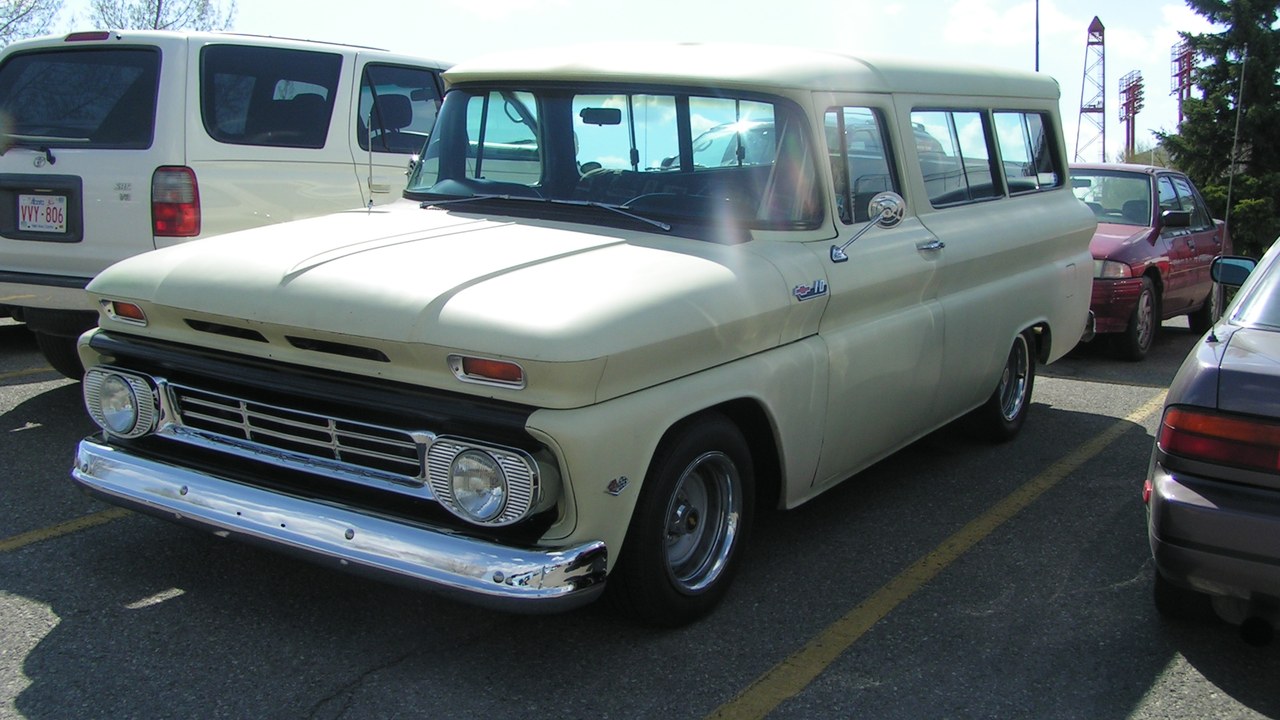
Chevy adopted C and K labels for two- and four-wheel drive, switched to a ladder-type frame in 1963 and first offered factory air conditioning in 1965.
The lettering gave buyers a quick way to identify drivetrain, a system that stayed familiar for many years. Factory air conditioning marked the Suburban’s move toward everyday comfort rather than work-only use. Those upgrades also illustrate how quickly the whole truck market was changing in the early 1960s.
6. Chevrolet Suburban (1967–1972): The Three-Door Suburban
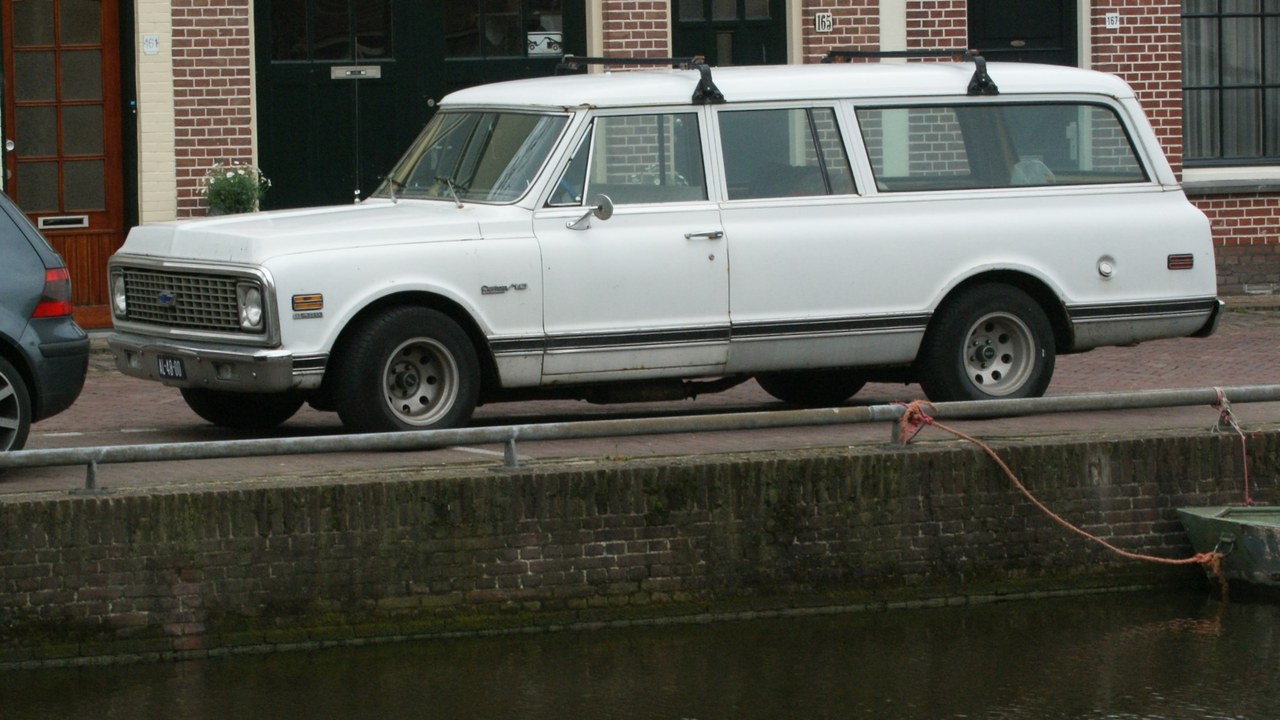
A single rear passenger-side door made the 1967 Suburban a three-door, and the easier cargo access made it a popular choice for ambulances.
The unusual door layout is a distinctive trait of the era and makes the generation easy to identify. That practical cargo access explains the popularity of the design among commercial and emergency-service buyers. Today the three-door body is a conversation piece at shows and gatherings, since few later Suburbans were laid out this way.
7. Chevrolet Suburban (1973–1991): Four Doors at Last
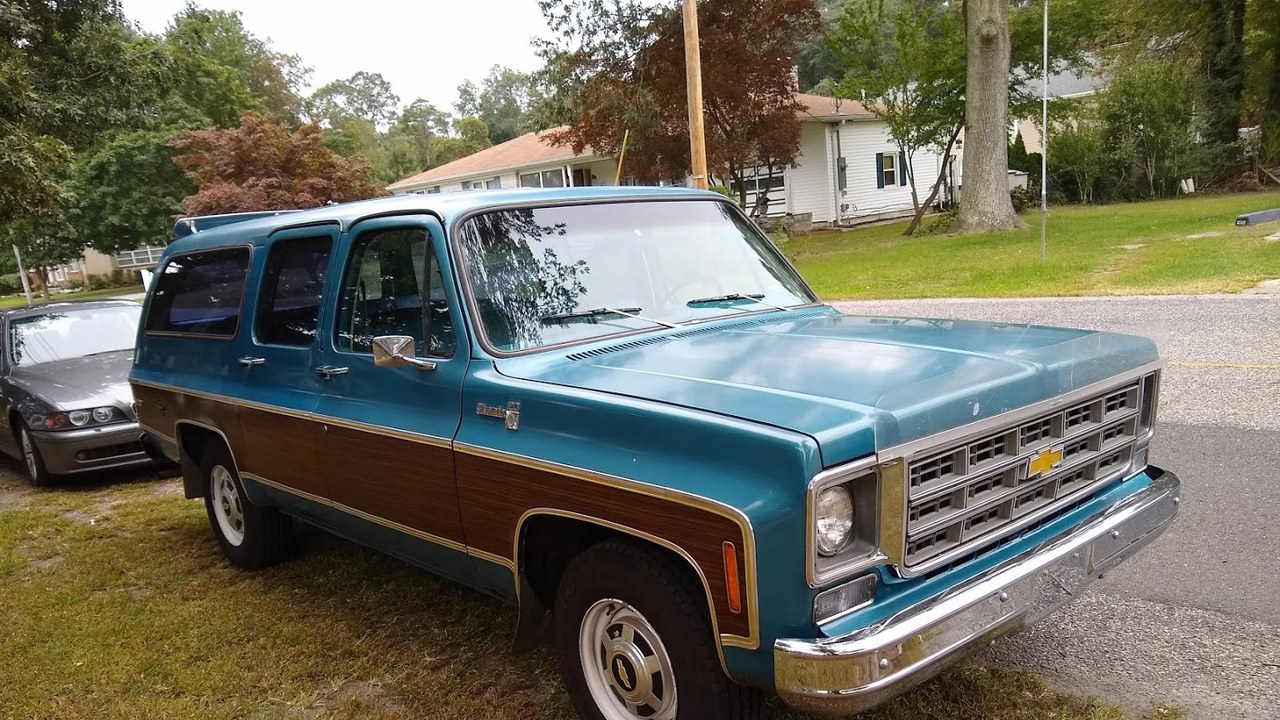
The first four-door Suburban arrived in 1973 on a 129.5-inch wheelbase, later adding electronic fuel injection and a four-speed overdrive automatic.
The four-door layout made rear seating far more convenient, and the generation lasted until 1991. The later technology upgrades show how a long-running design could keep pace with changing expectations for efficiency and refinement. Anyone comparing generations will find this one a practical turning point, especially for families that wanted easier access to the back rows of seating.
8. Chevrolet Suburban (1992–1999): Safety and Smarter 4WD
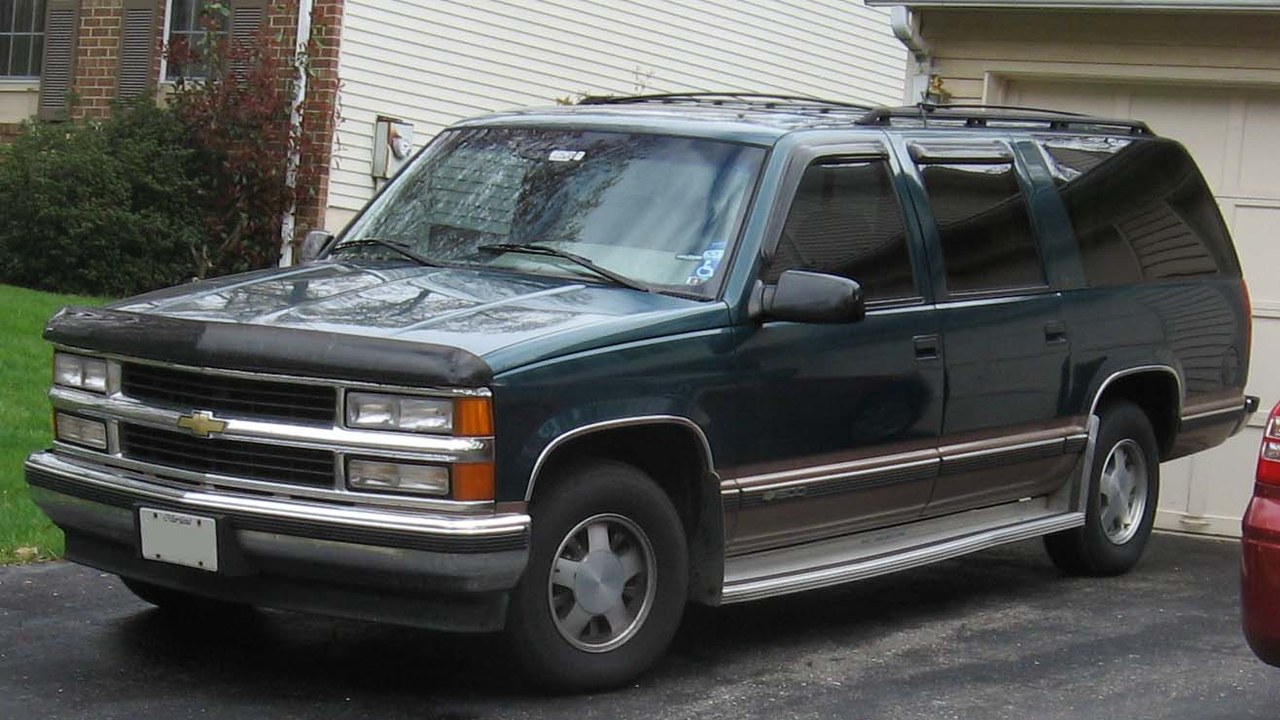
The 1992 redesign added four-wheel antilock brakes and Insta-Trac shift-on-the-fly four-wheel drive, with OnStar and full-time AutoTrac following in 1998.
Brakes and drivetrain controls became easier and safer to use, and OnStar introduced connected services to a large family wagon. The generation is a good example of the Suburban becoming more of a technology showcase. Buyers of used examples should check the condition of the drivetrain and electronic components, since both added complexity compared with earlier trucks.
9. Chevrolet Suburban (2000–2006): GMT800 Era
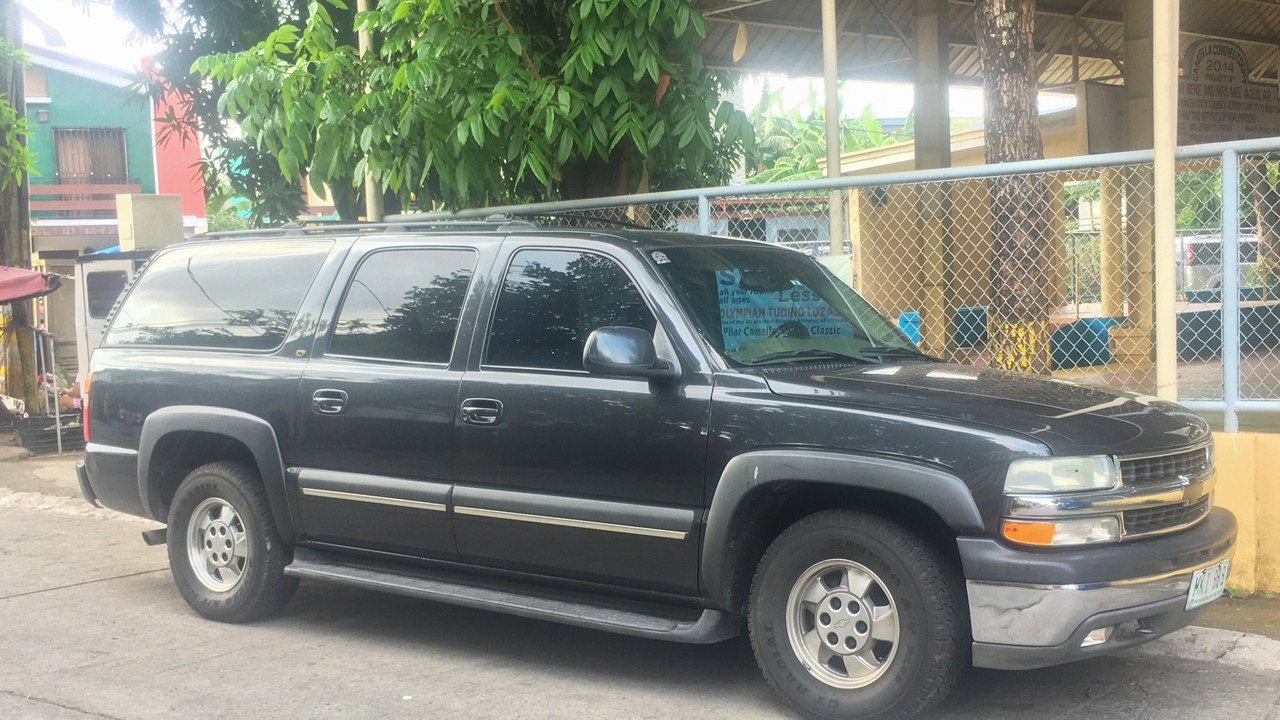
Launched in 1999 as a 2000 model on the GMT800 platform, it offered 5.3- and 6.0-liter Vortec V8s and an Autoride load-leveling suspension.
The suspension was aimed at keeping a heavily loaded truck level and composed. Used buyers often look at this generation as a more modern entry point to full-size Suburban ownership. Maintenance records and condition matter more than headline specifications on any aging truck, and that applies equally to a family wagon like this.
10. Chevrolet Suburban (2007–2014): Wind-Tunnel Shaping
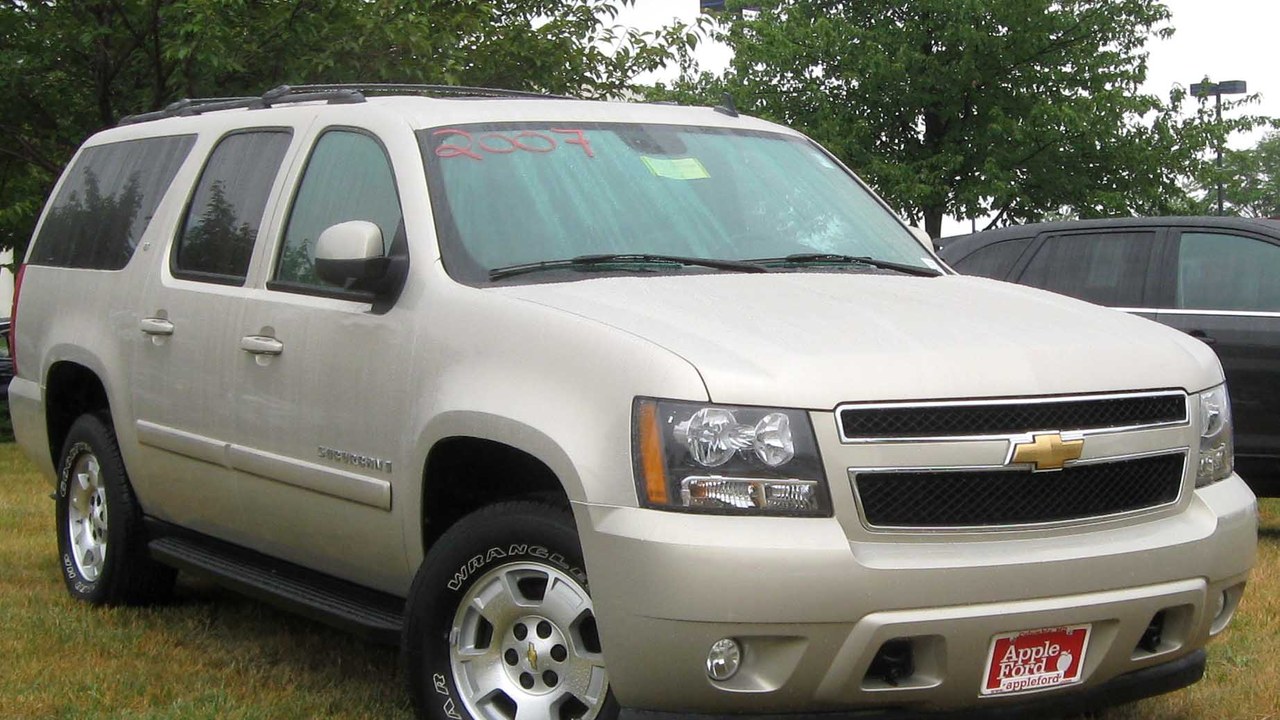
The 2007 Suburban’s wind-tunnel-shaped body dropped traditional chrome bumpers and added trailer sway control, Hill Start Assist and Side Blind Zone Alert.
The smoother shape and driver aids reflected a more safety-conscious age. Towing-oriented features also confirmed that the Suburban still served buyers who needed a vehicle to pull a trailer. The generation brought together comfort and utility in a way that many later full-size SUVs have continued to follow.
11. Chevrolet Suburban (2015–2020): Seven Times the Power
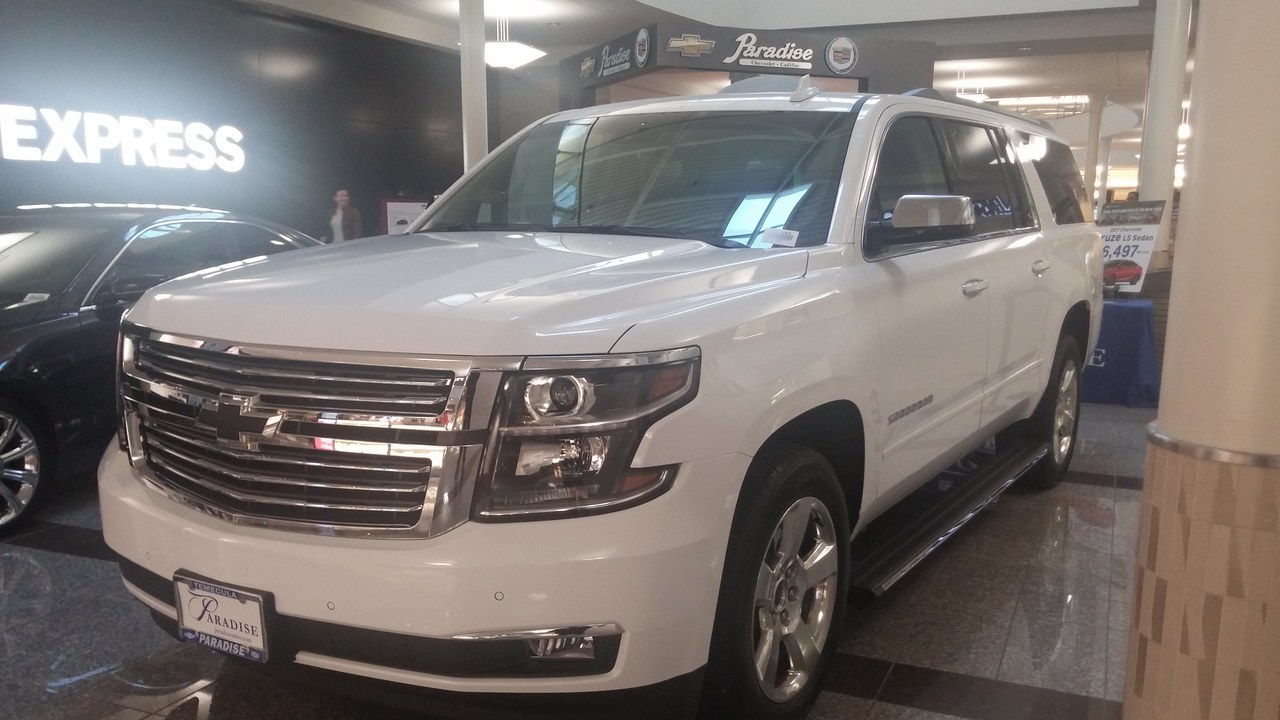
This generation seated nine, held up to 121.7 cubic feet of cargo and by 2020 offered a 420-hp 6.2-liter V8, about seven times the 1935 model’s power.
The comparison with the original 60-hp six shows the scale of the nameplate’s growth. Note that the 6.2-liter was an available engine rather than the standard one, so most buyers had other choices. Prospective buyers should check engine and trim before assuming every example has similar power.
More from Morning Overview
- The NSA says three phone features should be off whenever you aren’t using them
- Hurricane Hunter radar shows four warning signs that a tropical cyclone is about to strengthen, a University of Miami study found
- Tropical Storm Rachel is dumping up to 12 inches on four Mexican states on its way to major hurricane strength
- The FTC says Lens.com doubled the price shoppers saw in Google ads
