
The Land Cruiser name has covered everything from bare-bones workhorses to leather-lined family haulers across decades of production. Each generation answered a different job, and the changes in body, drivetrain and power tell the story of the nameplate. Here are ten Land Cruisers, ordered from the earliest American arrival to the V8 that closed the 200 Series.
1. Toyota Land Cruiser (J20): Early Arrival Stateside
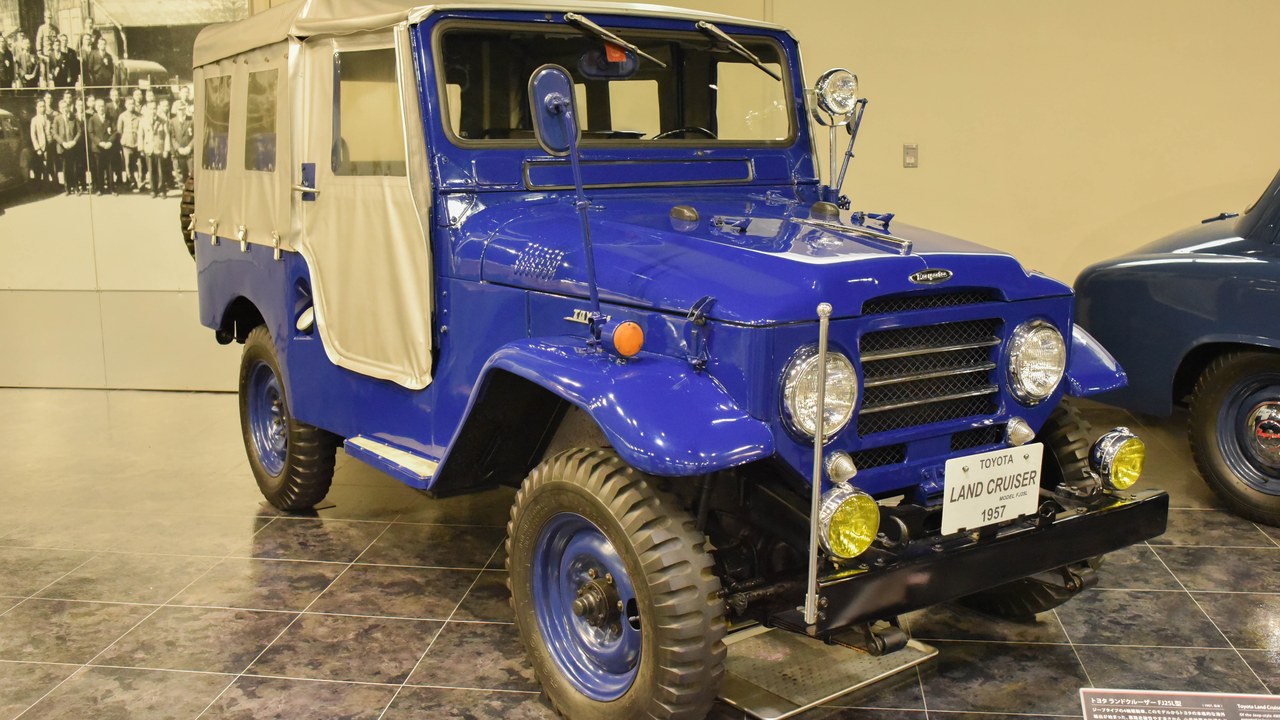
Toyota’s heritage release describes the 20-Series as one of the first Toyota exports to the United States, arriving in 1958. The small, utilitarian four-wheel-drive reached American buyers at the very start of the company’s U.S. story, long before big SUVs filled driveways.
As the earliest U.S. entry in the lineup, the J20 anchors the whole family tree. Its work-first character set the pattern that later trucks refined rather than abandoned, which explains why the list begins here. Collectors and historians treat it as the starting point for understanding everything that came afterward.
2. Toyota Land Cruiser FJ40: Closed Body, Lasting Icon
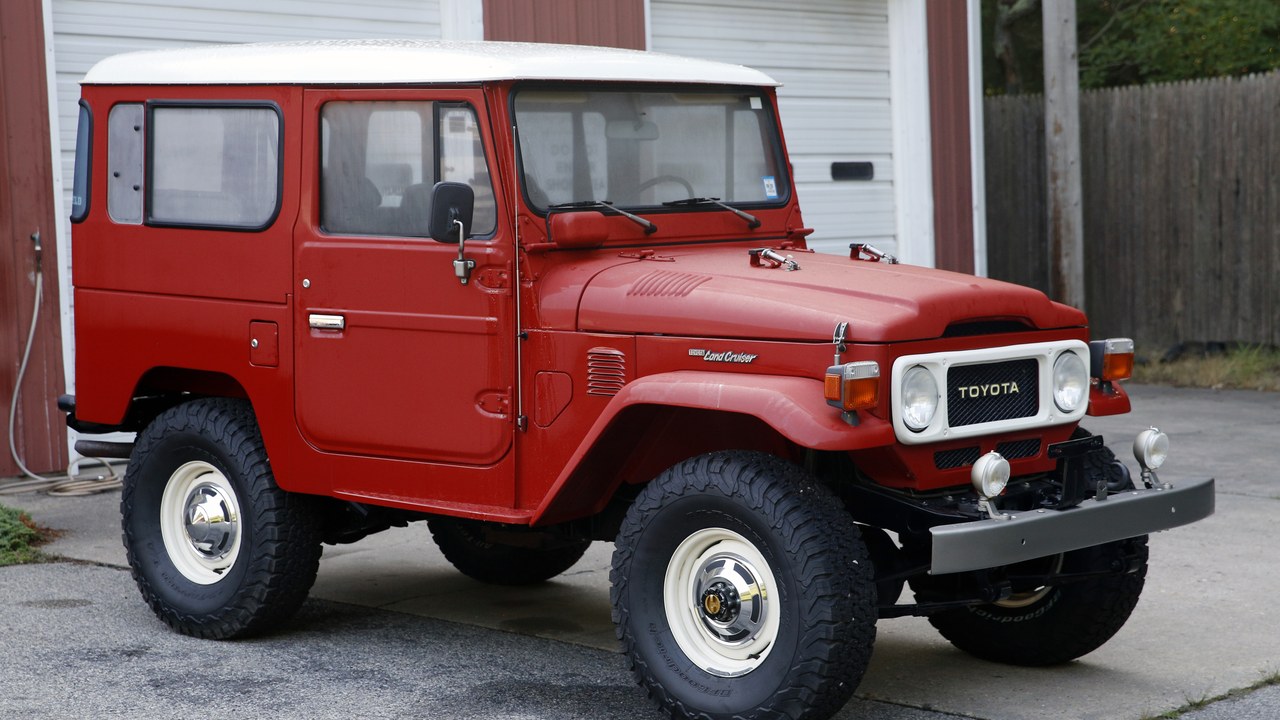
Arriving in 1960, the 40-Series dropped the running boards that rivals still used and offered a fully closed body. Toyota’s heritage account credits those changes with turning the truck into an all-terrain icon over a long production run.
The FJ40 shape remains the one most people picture when the name comes up. Its clean, boxy profile and sealed cabin made it far more livable than open competitors, and that appeal still shows up in the way enthusiasts talk about it. Few vehicles of its era are as closely tied to the brand’s off-road reputation, which is why prices and attention remain strong.
3. Toyota Land Cruiser FJ55: The Iron Pig
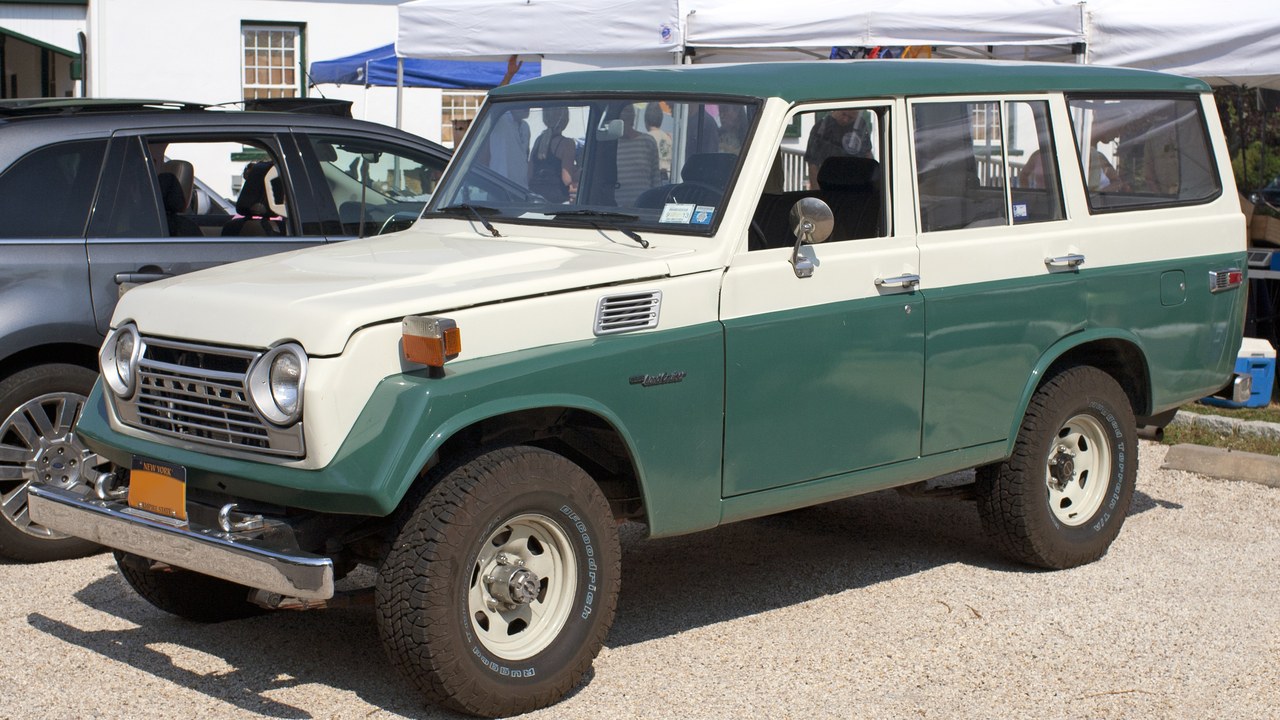
The 1967 to 1980 four-door wagon earned the nickname the Iron Pig and carried one oddity no other Land Cruiser shared. It was the only one without a rear hatch, because its rear window rolled down into the tailgate instead.
That quirk makes the FJ55 an easy one to spot in a lineup of boxy trucks. Its longer wagon body also marked a step toward family use, years before the nameplate became a mainstream premium choice. Owners tend to value that odd detail as part of the truck’s character, and it gives the wagon a talking point among enthusiasts.
4. Toyota Land Cruiser FJ60: Cheap Ticket to Overlanding
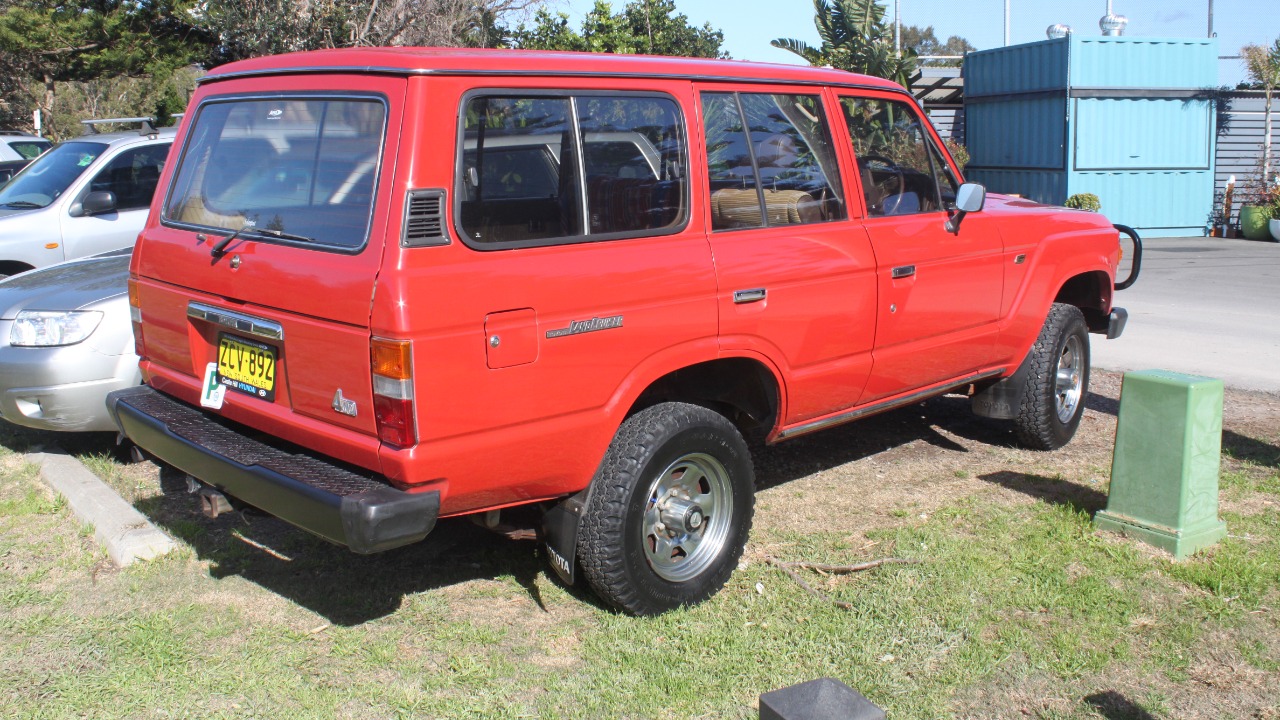
Built from 1981 to 1987, the FJ60 wagon is still popular with overlanders, and Expedition Portal says the reason is mostly price, since one can be bought so cheaply compared with many trail-ready alternatives.
Low entry cost explains much of the truck’s following. Buyers pricing an expedition build often start with a wagon like this, though age means any example deserves a careful inspection before money goes into modifications. The tradeoff is condition, since decades of age mean rust and worn mechanical parts can erase the savings quickly.
5. Toyota Land Cruiser FJ62: Squared Off and Smoother
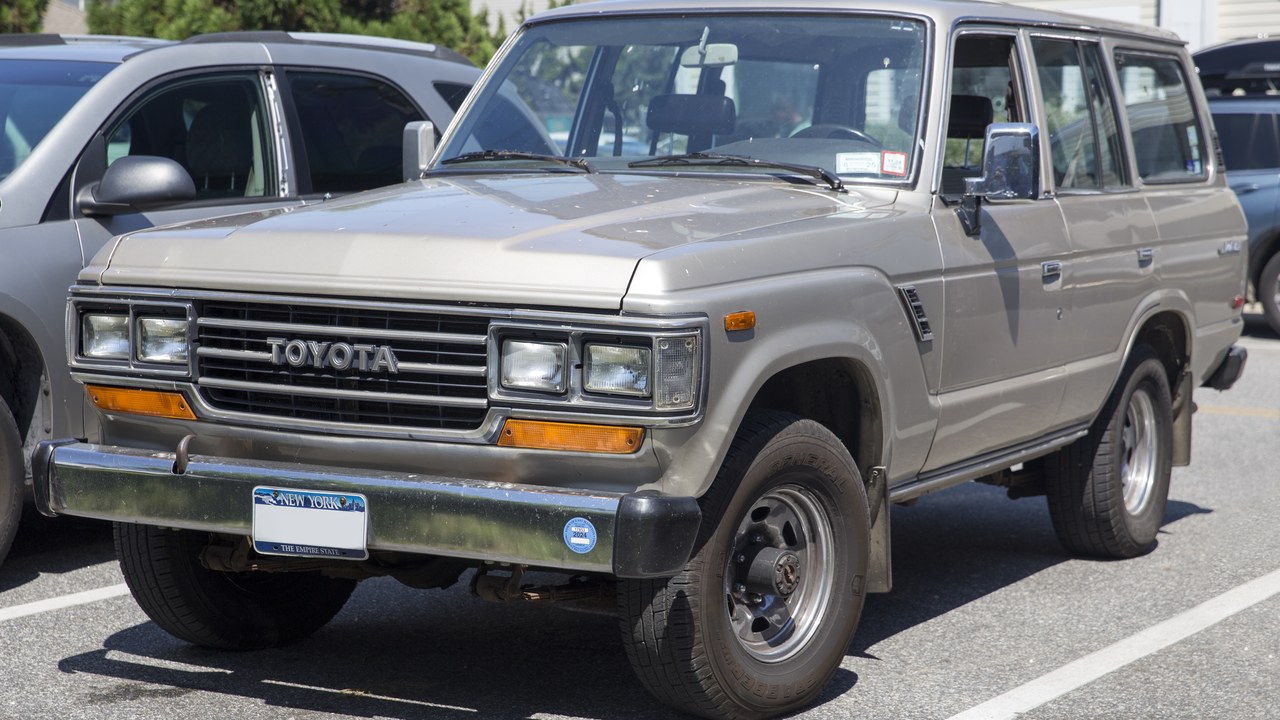
The 1988 to 1990 FJ62 switched to a four-speed automatic, gained a 3F six-cylinder with about 20 more horsepower and swapped the round headlights of earlier wagons for square ones, according to Gear Patrol’s history.
Those updates made the wagon easier to drive every day without changing its basic nature. For shoppers, the FJ62 is the late-run version of a familiar body, with a few more conveniences than the FJ60. Anyone comparing the late wagons should weigh those changes against the simplicity that older trucks keep.
6. Toyota Land Cruiser 70 Series: Pickups, Ambulances, Soft-Tops
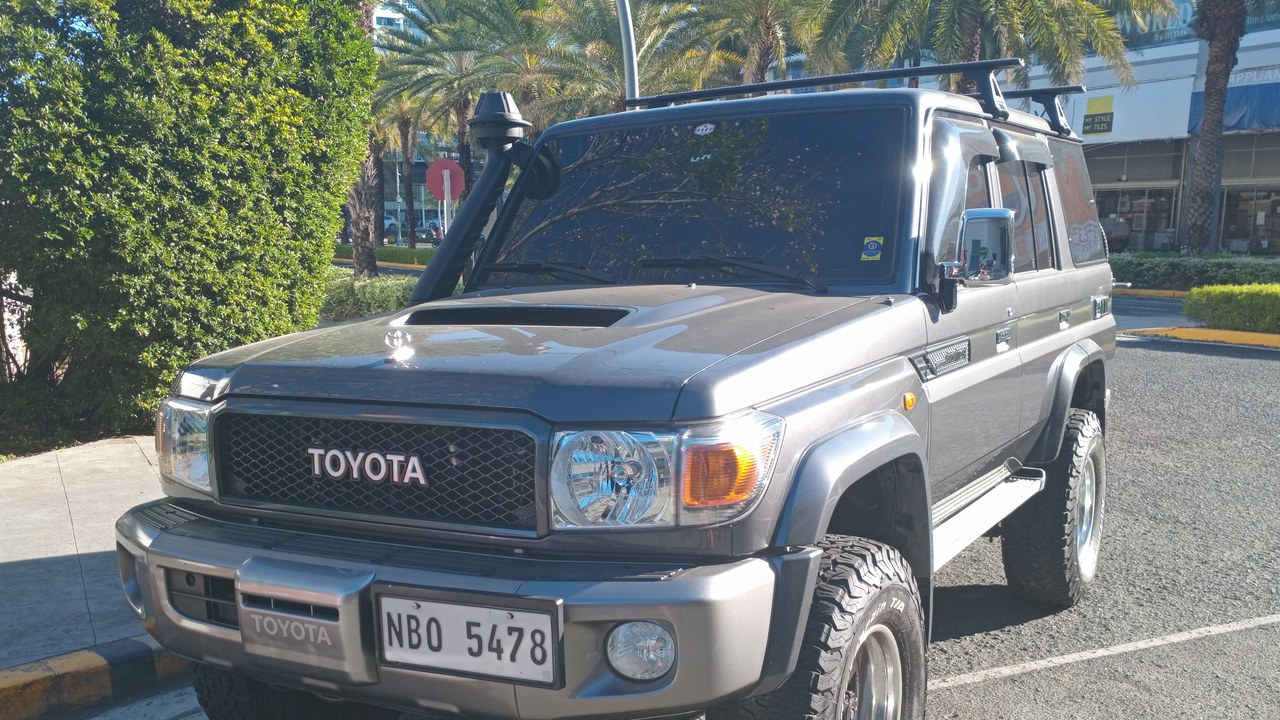
Introduced in 1984 to replace the 40 Series, the 70 Series came as pickups, ambulances, hardtops and soft-tops. It finally gained airbags in 2007, as Expedition Portal notes in its model rundown.
That range of body styles shows how the 70 Series was built as a working platform first. It stayed in production long enough to pick up safety equipment that its original design never anticipated. Variety like that is the defining trait of the platform, and it explains the long run.
7. Toyota Land Cruiser 80 Series: Full-Time Four-Wheel Grip
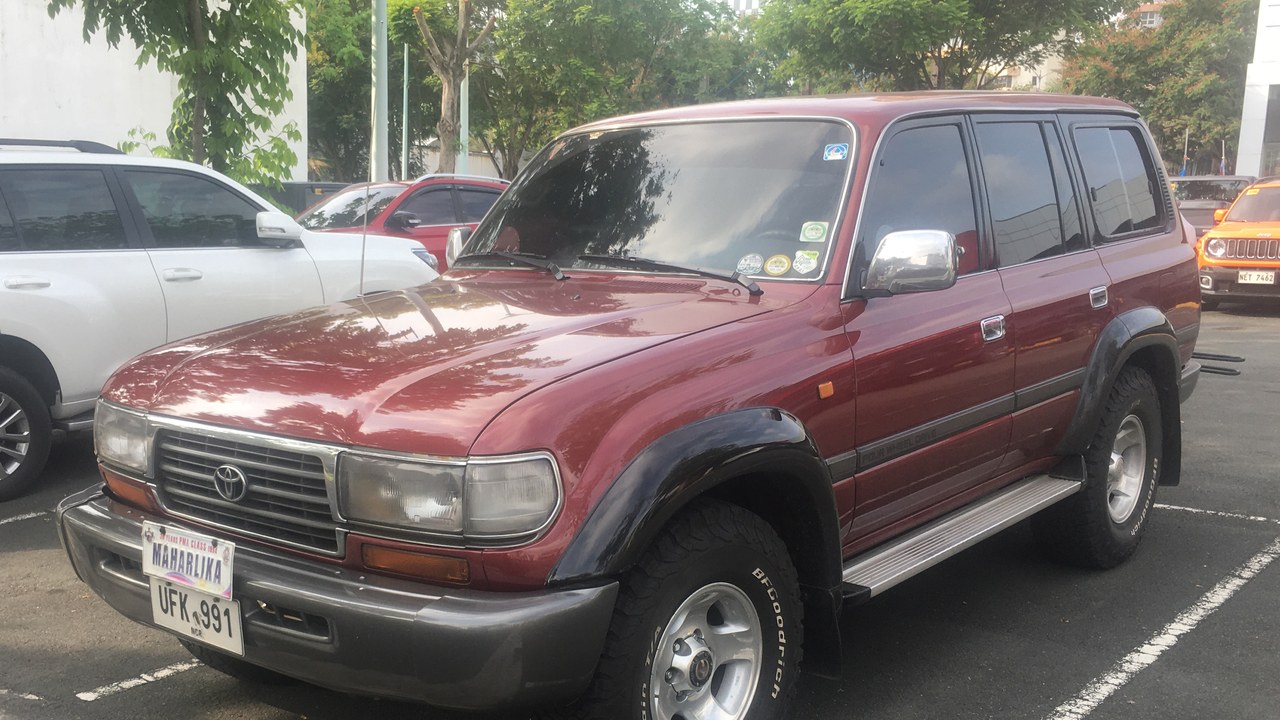
The 1990 to 1998 80 Series was the first Land Cruiser with full-time all-wheel drive and coil springs, and Gear Patrol reports it weighed about 600 pounds more than the FJ62 it replaced.
The added mass and sophistication marked a shift toward comfort and on-road manners. For buyers today, the 80 sits between the rugged older wagons and the more luxurious trucks that followed. Used examples are often discussed for their blend of capability and long-distance comfort, though the added weight is worth noting.
8. Toyota Land Cruiser 100 Series: First V8, First Independent Front
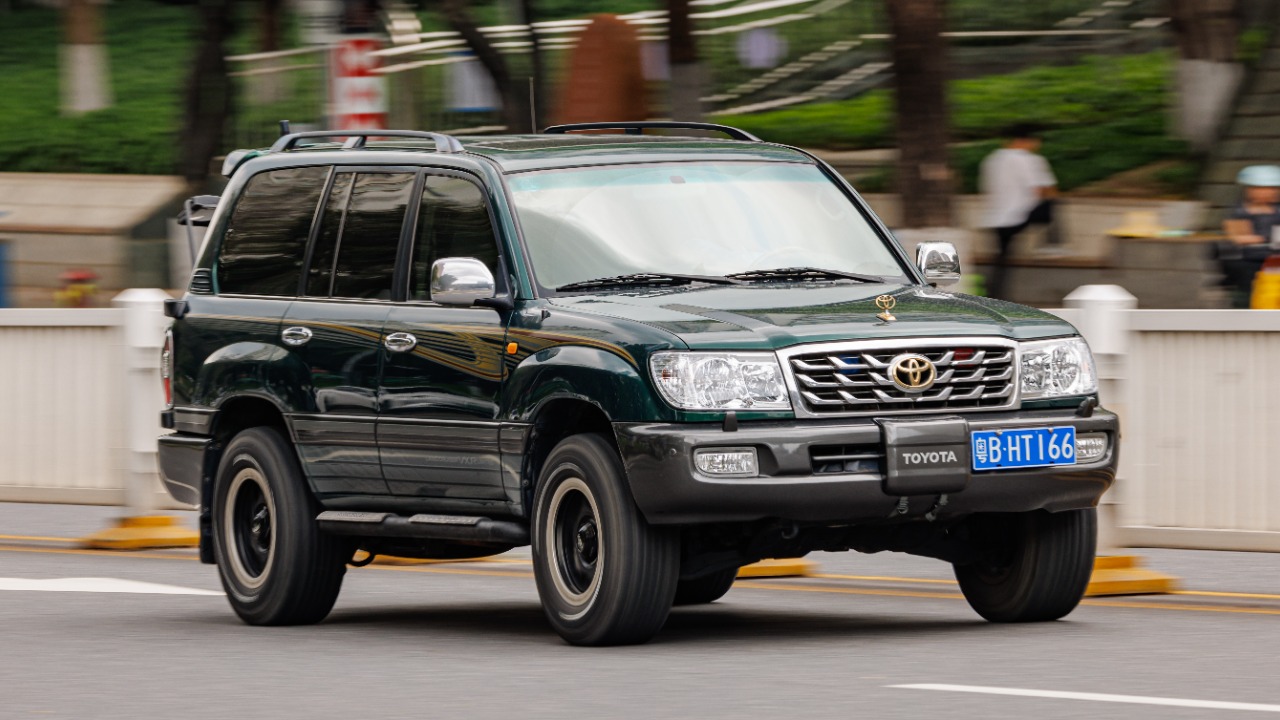
The 1998 to 2007 100 Series was the first Land Cruiser with a V8, later rated at 275 hp, and the first with independent front suspension, according to Gear Patrol’s timeline.
Those two changes pushed the truck toward a smoother, more refined character. The 100 Series is where the Land Cruiser began competing as a luxury SUV, not only as a rugged tool. Later generations built on that formula, and the independent front end remains a dividing line for off-road purists.
9. Toyota Land Cruiser Prado: A Second Branch of the Family
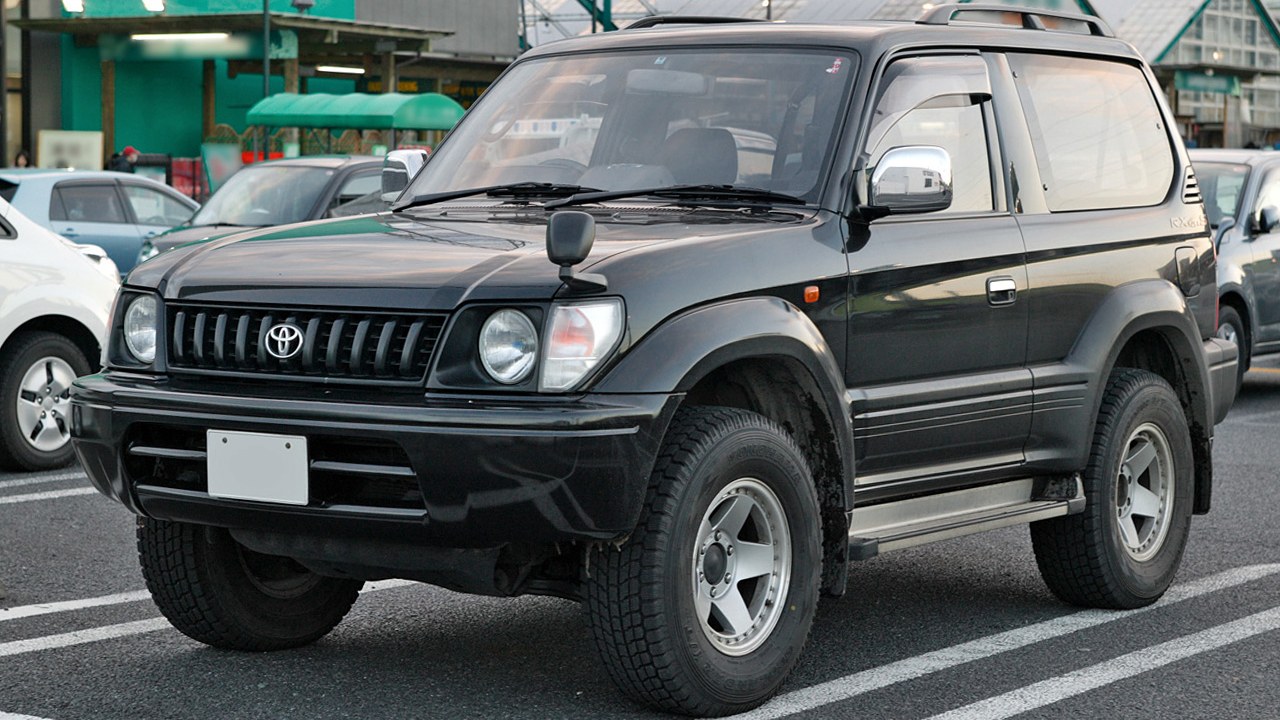
The 90 Series Prado began its own lineage in 1993. Expedition Portal describes it as an urban-leaning Land Cruiser, sold mainly in Japan, Australia and Europe rather than in the United States.
The Prado shows that the nameplate grew into more than one product line. American readers may know it less well, but it is a key part of how the badge spread worldwide. Buyers outside the United States will find it a more familiar sight, because that market focus shaped its long life.
10. Toyota Land Cruiser 200 Series: 381 Horsepower, 8,100 Pounds
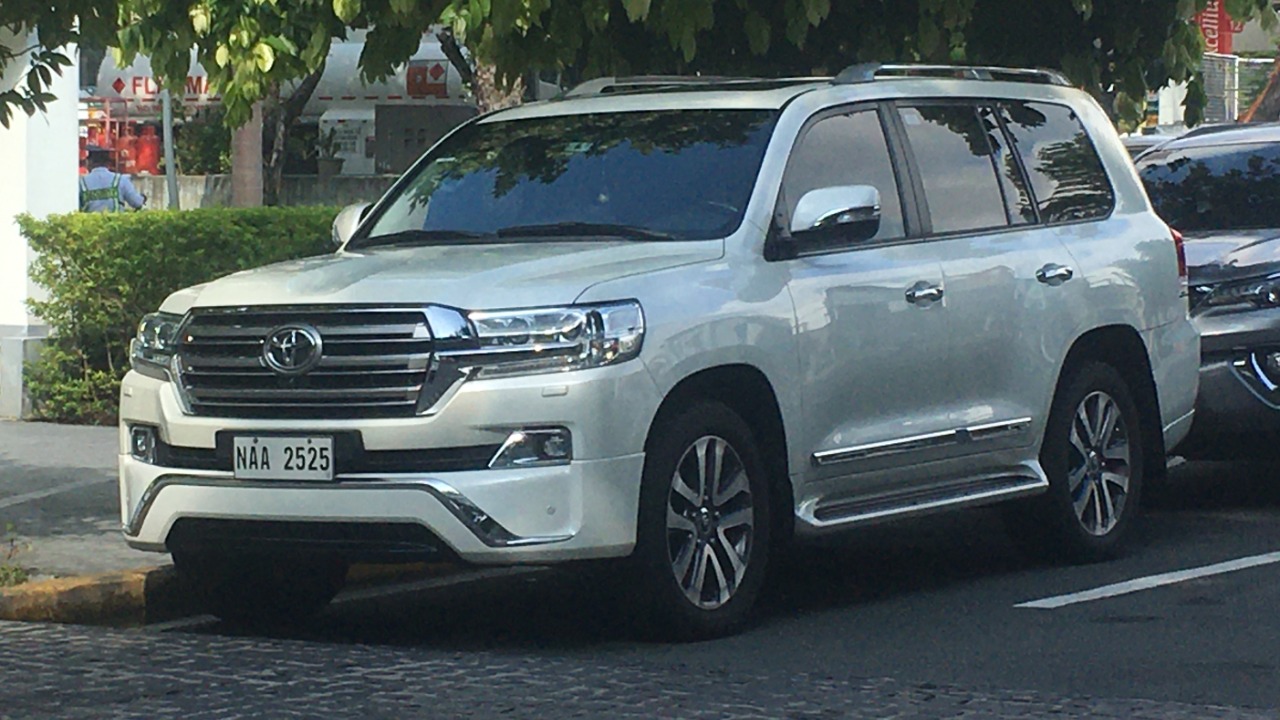
The 2021 Land Cruiser’s 5.7-liter V8 made 381 hp and 401 lb-ft of torque, and a standard towing package was rated for 8,100 pounds, according to Toyota’s heritage release.
Those numbers show how far the lineage traveled from its early utilitarian days. The 200 Series paired genuine towing ability with the V8 output that gives the headline its closing mark. It is a fitting last stop for a lineage that began as a spartan export, and a reminder of how much the truck grew.
More from Morning Overview
- Hurricane Hunter radar shows four warning signs that a tropical cyclone is about to strengthen, a University of Miami study found
- Tropical Storm Rachel is dumping up to 12 inches on four Mexican states on its way to major hurricane strength
- The FTC says Lens.com doubled the price shoppers saw in Google ads
- Common allergy, bladder and sleep pills tied to sharply higher dementia odds
