
Land Rover began as a farm-and-field workhorse and grew into a family that spans bare utility trucks, luxury flagships and compact crossovers. Milestones in production, design and engineering mark each stage of that growth. Here are twelve Land Rovers, from the Amsterdam debut of 1948 to the second-generation Defender and the aluminum Range Rover in between.
1. Land Rover Series I: Amsterdam, April 1948
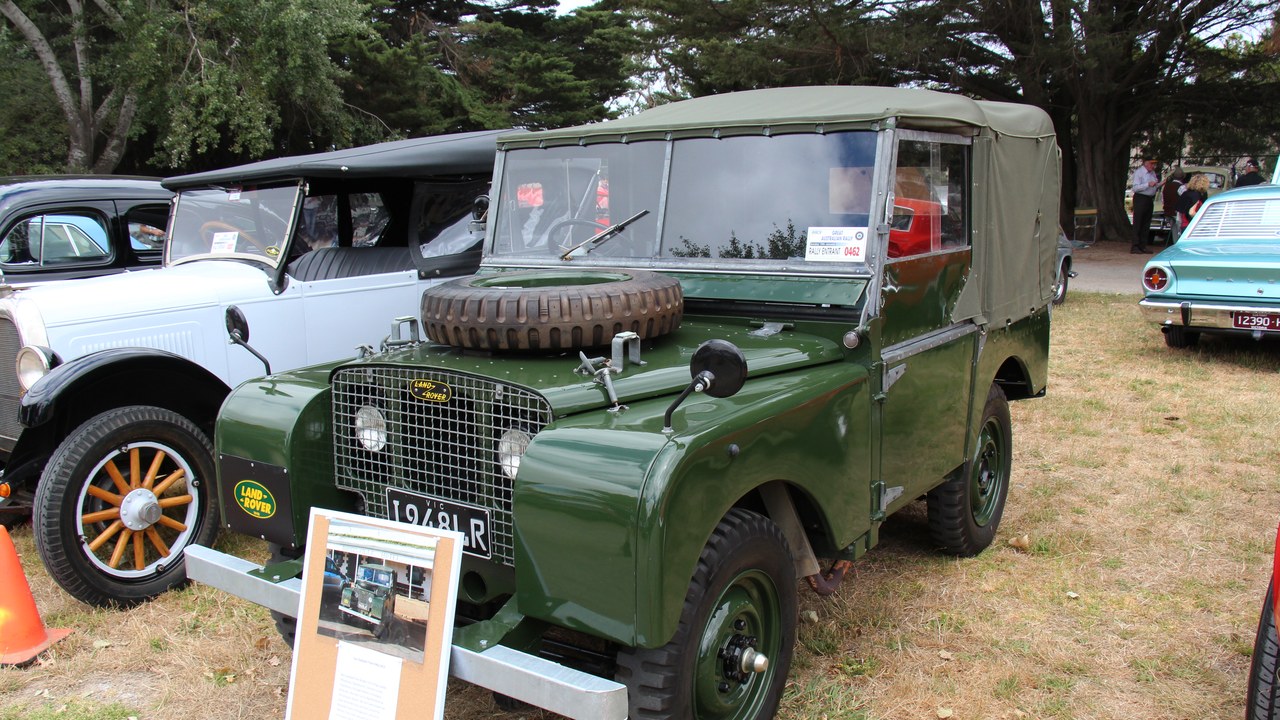
The first Land Rover was launched at the Amsterdam Motor Show on April 30, 1948, according to the company’s own production timeline. A long-wheelbase version followed in 1953, widening the body choices.
The original truck is the root of the entire family, and every later truck on the list descends from it. Its simple, functional approach is the template that Defender fans still point to when they describe the brand’s character. That heritage explains why the earliest examples attract such steady interest from collectors.
2. Land Rover Series II: Refined for 1958
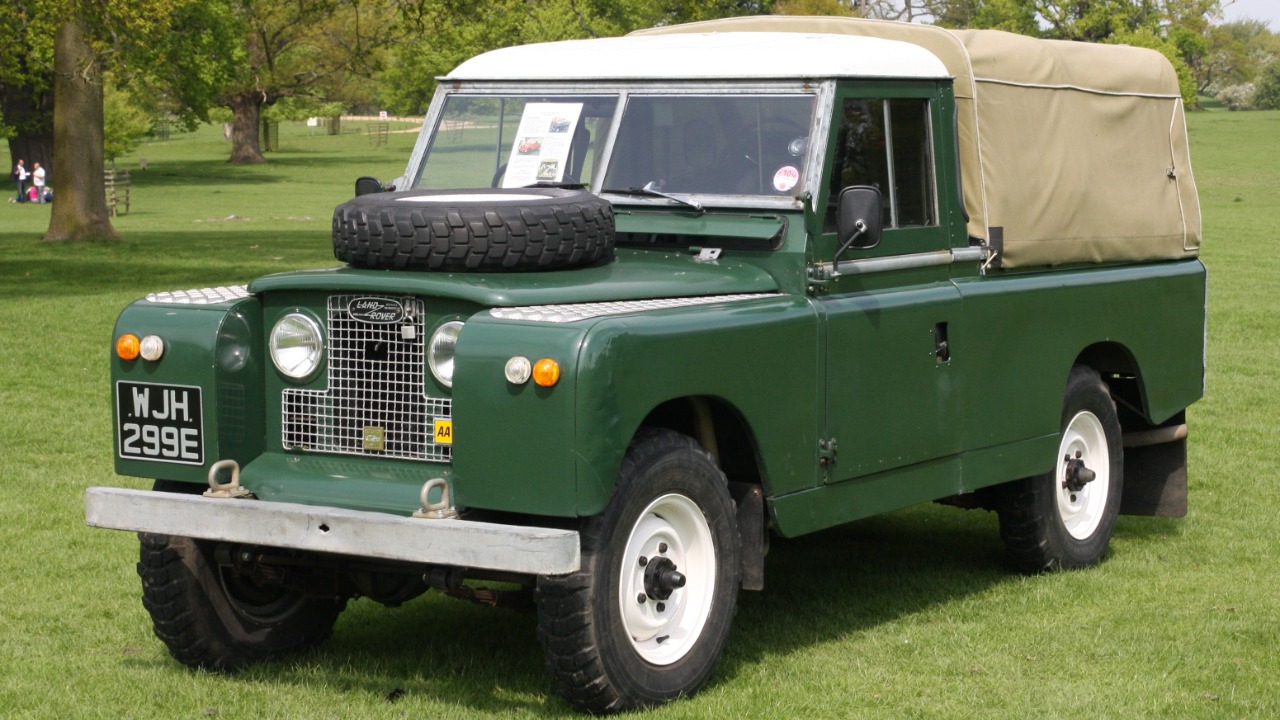
Land Rover unveiled the more refined Series II in 1958, and the company timeline records that the 250,000th Land Rover was produced a year later, in 1959, a sign of how steadily the trucks were selling.
The Series II shows the model maturing from a rough original into a more polished tool. Owners and restorers often see it as the point where the formula settled into a recognizable shape. That progression is part of why surviving trucks from the era are valued as working history.
3. Land Rover Series III: Millionth Milestone
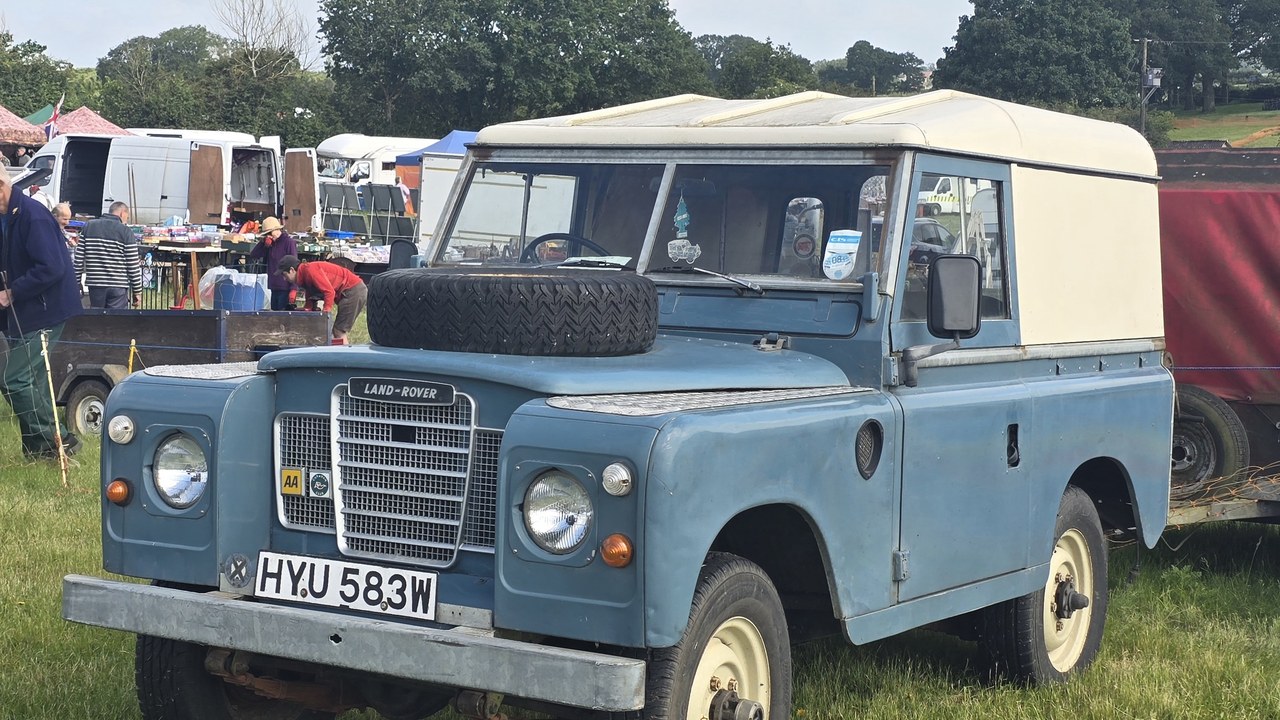
The Series III launched in 1971, the same year the 750,000th Land Rover was built, and the JLR production history notes that the millionth followed in 1976, only five years later.
Those figures show how large the output had become by the mid-1970s, as the original utility design reached a far bigger market than its creators had planned for. The Series III kept the separate chassis, leaf springs and boxy aluminium panels of its predecessors, and it remains a familiar sight among surviving early Land Rovers.
4. Land Rover Defender 90/110: A New Name in 1990
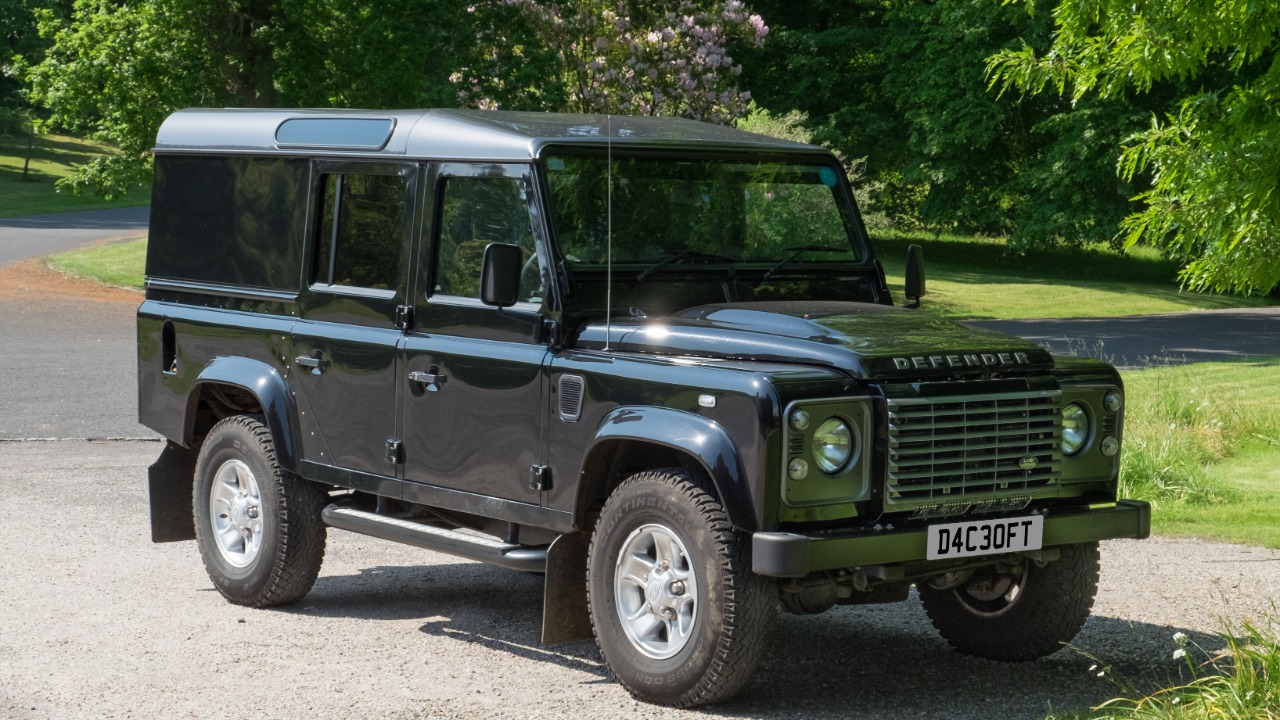
In 1990 the Ninety and One Ten were renamed Defender 90, 110 and 130, and the lineup carried a 2.5-liter turbodiesel. UK production ended in 2015, closing a run that traced straight back to the original truck.
The Defender name gave a long-lived design its own identity. The 2015 end of UK production marked the close of an era and set up the return of the model years later. Many people still treat the boxy shape as the definitive image of the brand.
5. Range Rover Classic: Louvre and Dakar

The two-door Range Rover went on sale in 1970, was displayed at the Louvre in 1971 and won the first Paris-Dakar rally in 1979, according to Land Rover’s Range Rover history.
Few vehicles can claim both a museum showing and a rally victory. The Classic proved that a comfortable wagon could also handle punishing terrain, which is the idea behind every Range Rover since. That dual identity became central to how the marque marketed itself for decades afterward.
6. Land Rover Discovery: The Company Saver
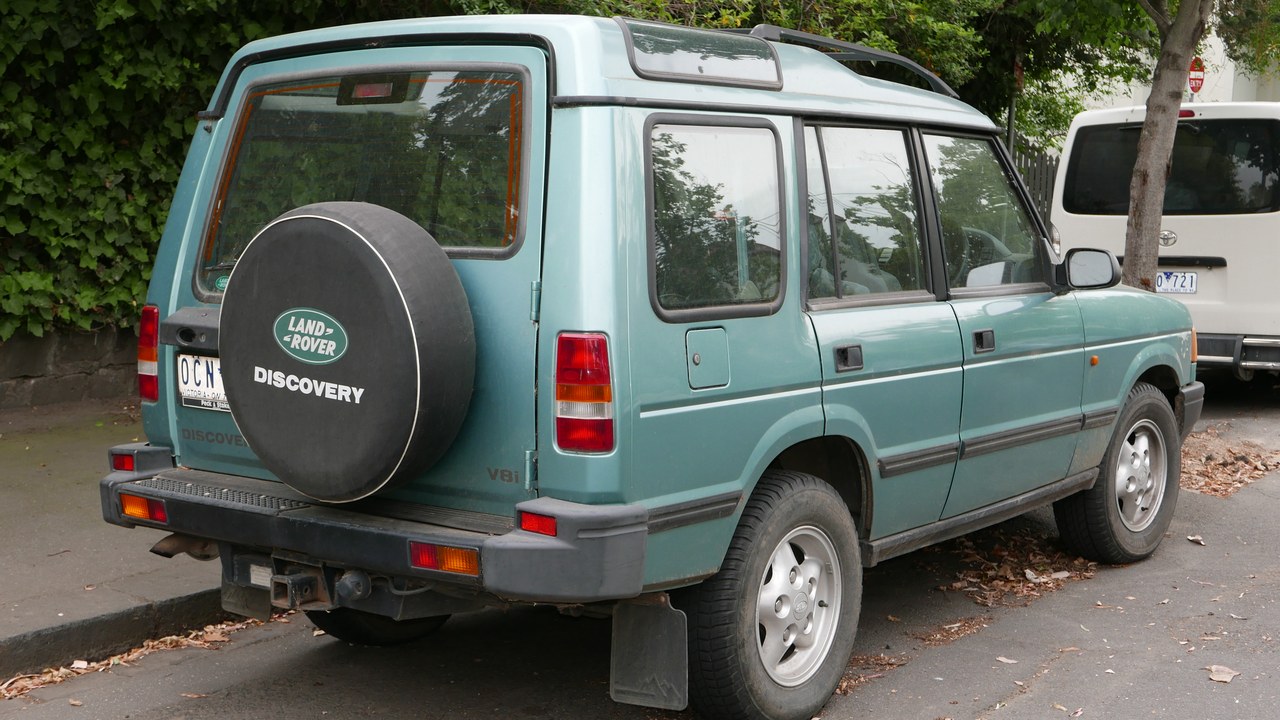
Launched in 1989, the Discovery ended up boosting Land Rover’s sales and carrying it into its continued 21st-century successes, according to Top Gear’s list of cars that rescued their companies from financial trouble.
The Discovery widened the brand’s appeal beyond farmers and expedition drivers. It remains the model that showed Land Rover could build a family-oriented SUV with real commercial weight. Its success also gave the company room to invest in new vehicles across the range.
7. Land Rover Freelander: Europe’s Best Seller
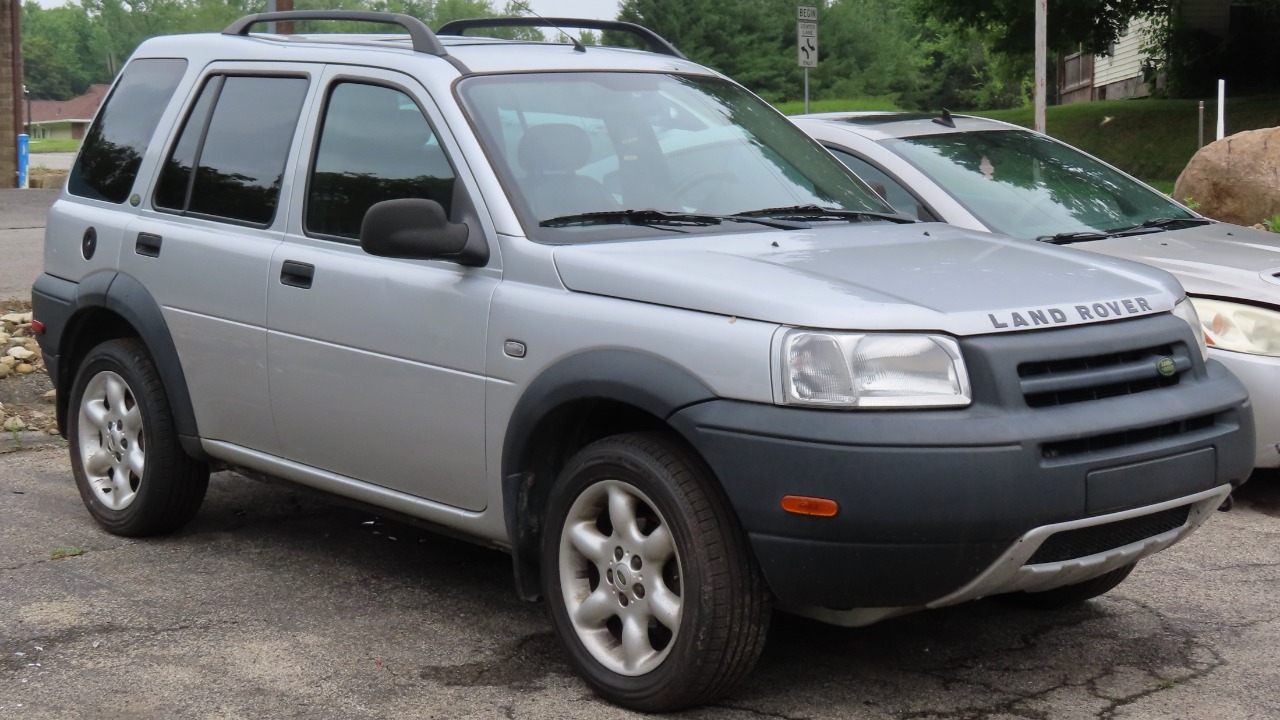
Introduced in 1997 and sold in some markets as the LR2, the Freelander was called Europe’s best selling SUV for five years in a row after launch, as Wikipedia’s Land Rover history recounts.
The Freelander took the brand into the compact crossover segment. It is a reminder that Land Rover’s growth came from smaller, more accessible vehicles as well as from rugged trucks and flagships. Owners and critics have since debated its off-road ability, but its commercial impact was clear.
8. Range Rover (third generation, L322): Third-Generation Flagship
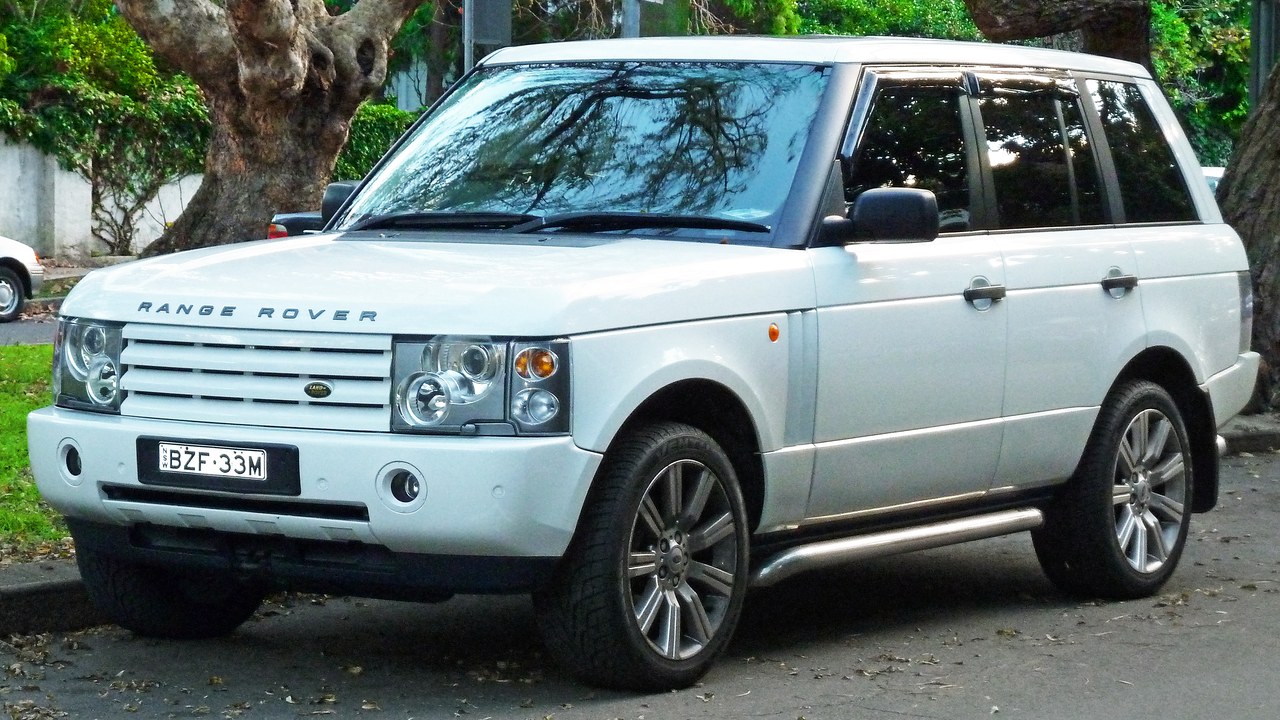
The third-generation Range Rover arrived in 2001, and in 2002 the 500,000th Range Rover was produced at Solihull, according to Land Rover’s retrospective of the nameplate.
A half-million vehicles in roughly three decades shows the model had moved well past niche status. The L322 is often discussed as the point where the Range Rover cemented itself as a mainstream luxury choice. The generation also stands as a bridge between traditional Range Rover character and modern technology.
9. Range Rover Sport: Born from a Concept

Born from the Range Stormer concept shown in Detroit in 2004, the Range Rover Sport arrived in 2005 and sold 77,847 units in 2018, according to the Land Rover entry on Wikipedia.
That sales figure is a sign of how popular the sportier sibling became. For shoppers, the Sport offered the Range Rover look with a more athletic emphasis, and it grew into a core part of the lineup. That track record explains why the Sport remains a pillar of the range today.
10. Range Rover Evoque: Front-Wheel Drive First
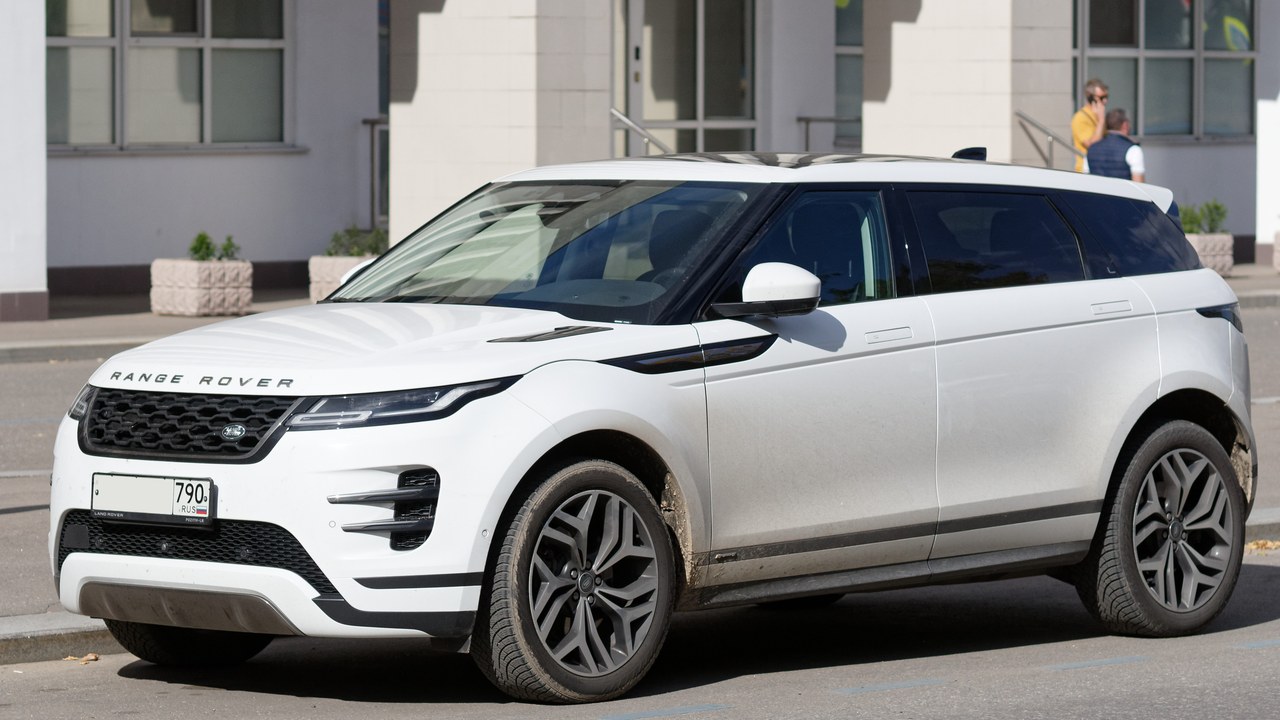
Launched in September 2011, the Evoque was the first Range Rover-branded model offered with front-wheel drive and no low-range transfer box, per Wikipedia’s account.
That departure from the brand’s traditional hardware let the Evoque take a more compact, fashion-forward approach. Buyers wanting the badge without full off-road equipment found a new entry point. The Evoque therefore pointed toward the brand’s more urban, style-led future, with a different recipe from the larger, more traditional models above it in the range.
11. Range Rover (fourth generation, L405): Aluminum Arrives
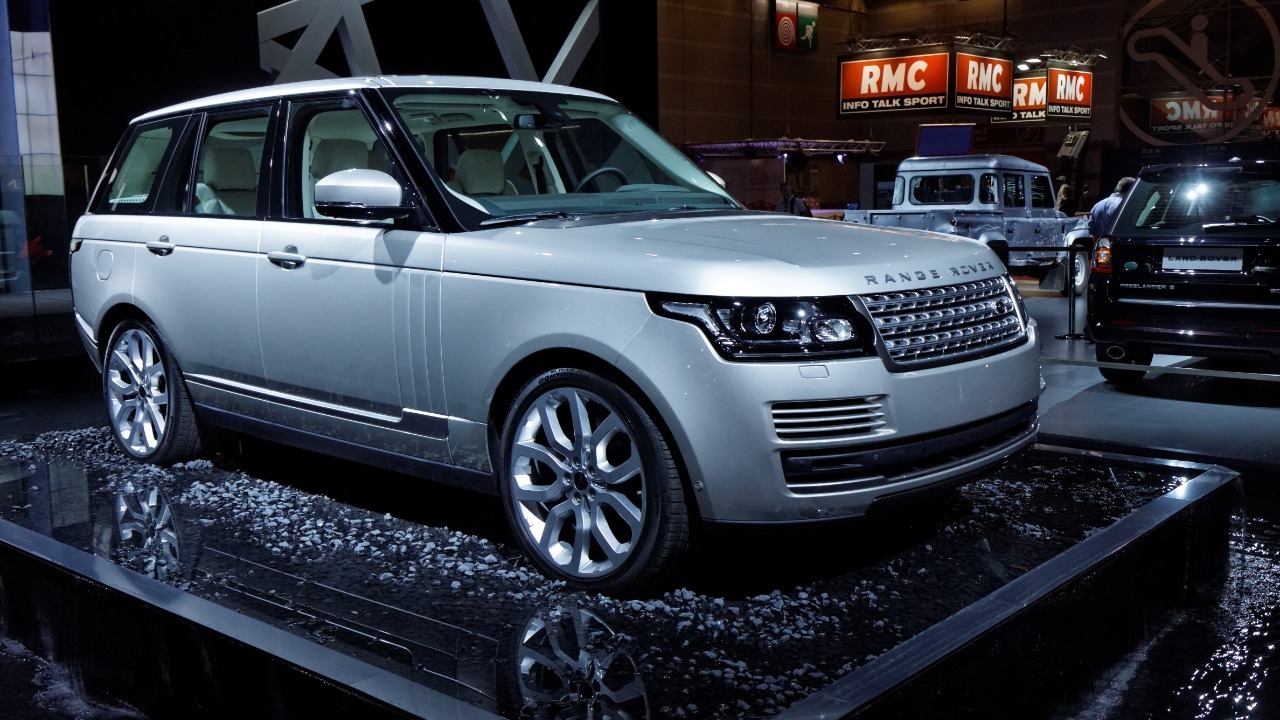
Introduced in 2012, the fourth-generation Range Rover was, in Land Rover’s words, the first all-aluminum SUV, a claim made in the company’s own look back at 48 years of the nameplate.
The headline claim rests on the construction material, and it marks a major engineering step for a large luxury SUV. The L405 is the engineering high point that gives the gallery its closing flourish. Lighter structures also help with efficiency, which is part of why the claim matters to shoppers.
12. Land Rover Defender (L663): Defender Returns
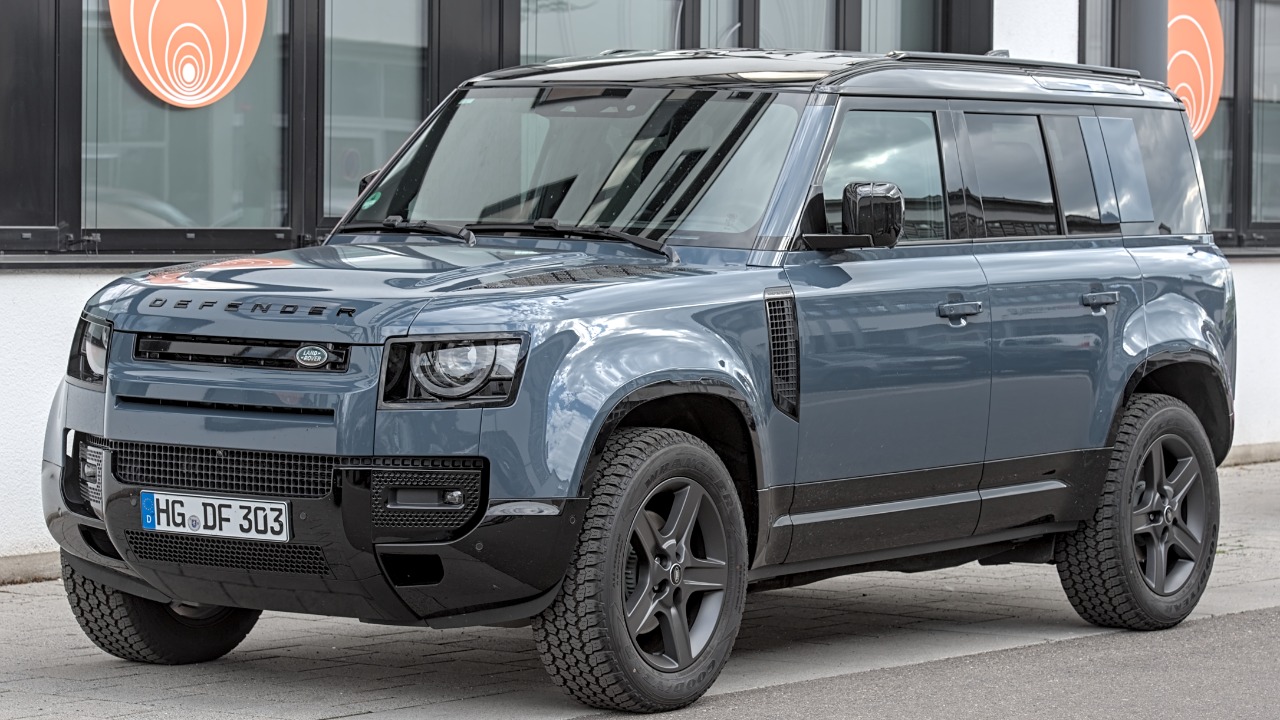
After a gap in production, the second-generation Defender returned for the 2020 model year, built in Nitra, Slovakia, and offered in short or long wheelbase according to the Land Rover history.
The new truck revived a famous name with modern construction and a very different factory home. Buyers who wanted the Defender badge again could choose between two body lengths once more. The comeback was widely noticed because the old truck had defined the brand for so long.
More from Morning Overview
- Tropical Storm Rachel is dumping up to 12 inches on four Mexican states on its way to major hurricane strength
- The FTC says Lens.com doubled the price shoppers saw in Google ads
- Common allergy, bladder and sleep pills tied to sharply higher dementia odds
- NOAA now gives this winter a 75% chance of the strongest El Nino since 1950
