
Ford’s Bronco has gone from a compact off-roader to a full-size truck-based wagon, a troubled small SUV and a modern comeback with a high-performance Raptor. Along the way the nameplate disappeared for 25 years before returning. Here are eleven Broncos and Bronco-badged vehicles that show how the name evolved, starting with the original.
Free AI newsletter: The Deep View is the go-to daily newsletter for 600,000+ founders, knowledge workers and professionals who want to stay up to date with artificial intelligence.
We may earn a commission if you sign up.
1. Ford Bronco (1966, first generation): Goes Over Any Terrain
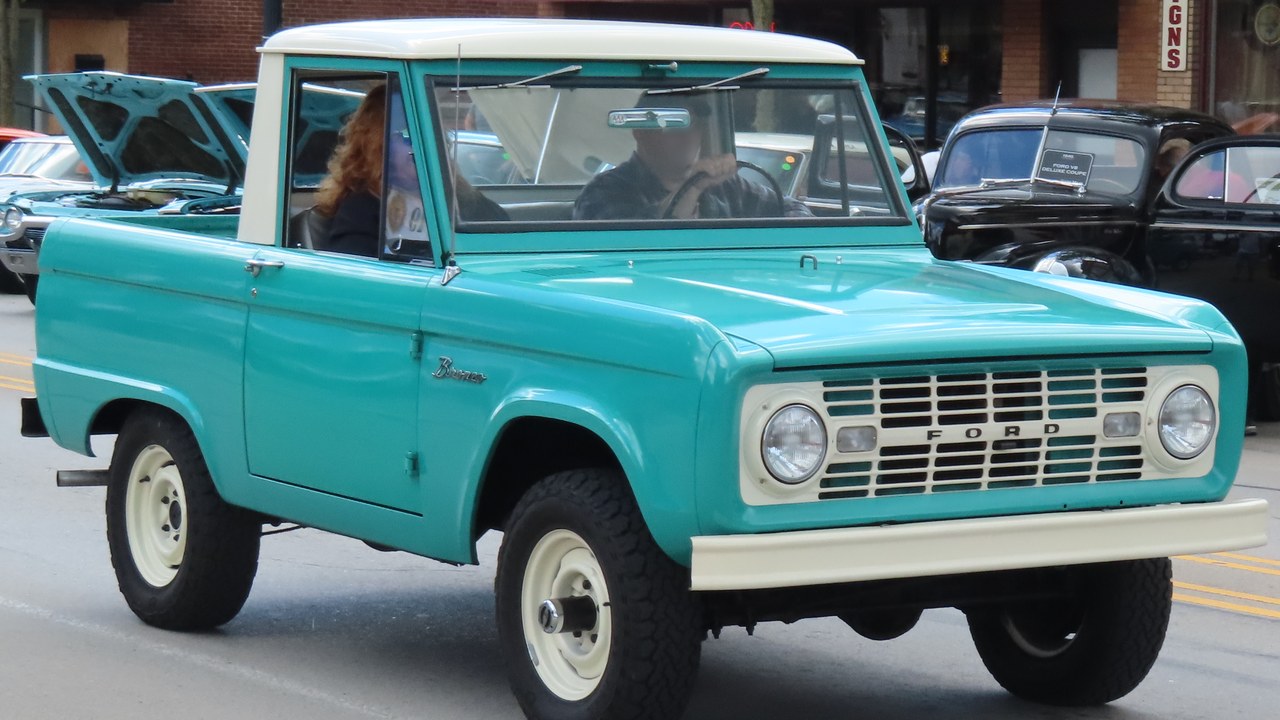
Ford’s first Bronco arrived in 1966 on a 92-inch wheelbase with a 105-horsepower six and a three-speed manual. Consumer Reports’ Bronco history notes that the internal project name was G.O.A.T., short for Goes Over Any Terrain.
That modest output is the starting point for the whole story, and it frames how far the Bronco has since come. The compact wheelbase and blunt project name made the first truck a simple, rugged tool rather than a comfortable family vehicle.
2. Ford Bronco (1978, second generation): Going Big for 1978
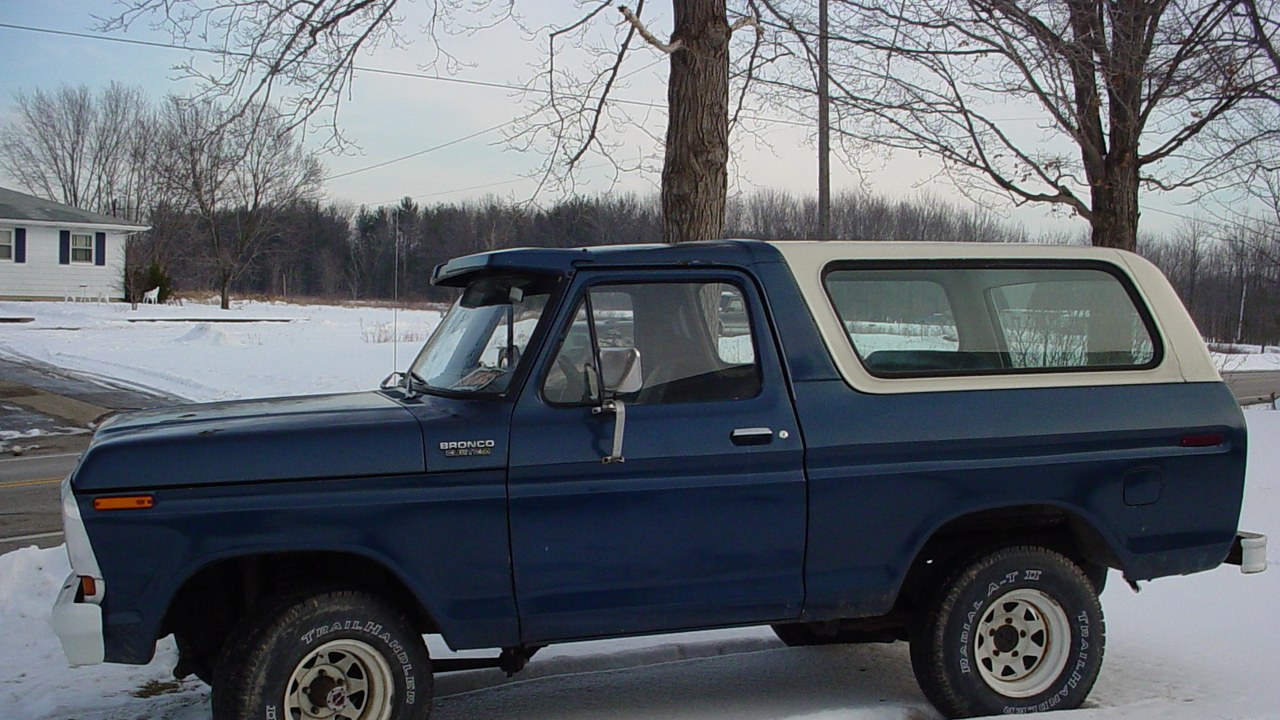
For 1978 the Bronco grew into a much larger, F-Series-based two-door with a removable fiberglass top, according to Consumer Reports’ generation guide. The wheelbase stretched to 104 inches, two V8 choices were offered and seats accommodated up to six adults.
The jump in size changed the Bronco from a compact trail machine into a full-size hauler. Shoppers who want a classic with more room than the original often look to this generation for its passenger space and its removable top.
3. Ford Bronco (1980, third generation): Smaller but Still Full-Size
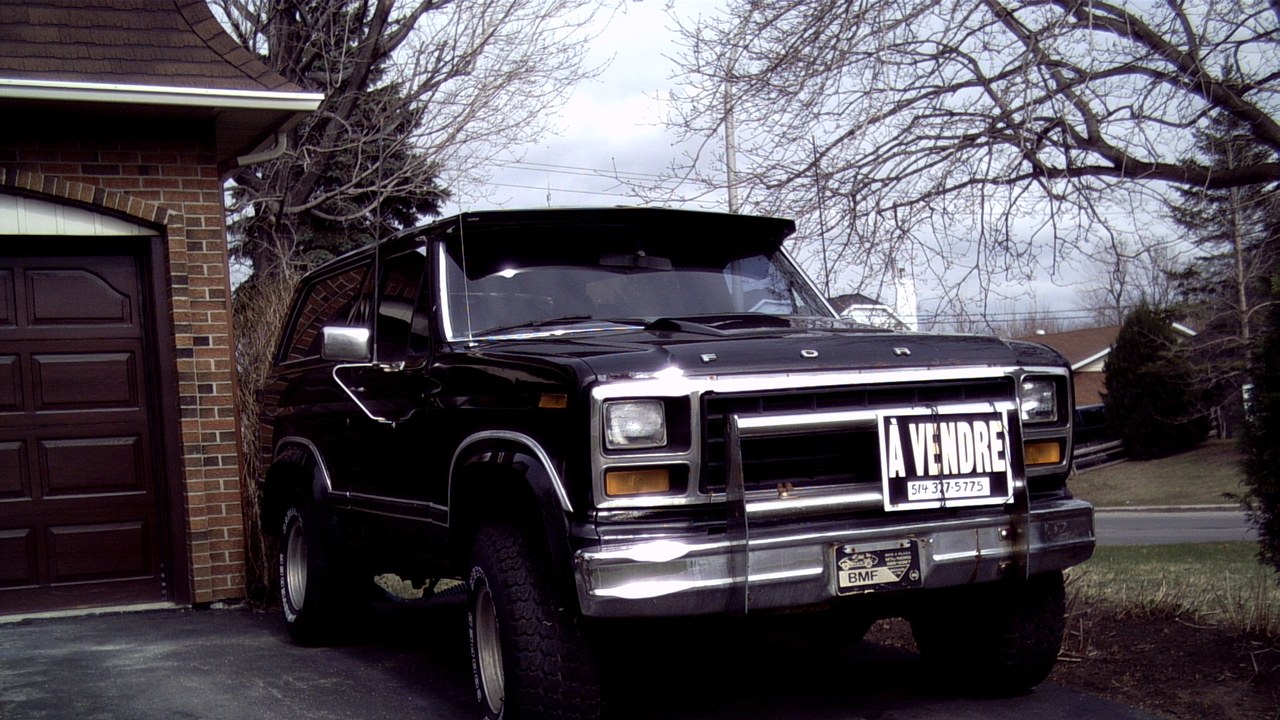
The 1980-86 Bronco got smaller and lighter while staying full-size, and it was shaped to be more aerodynamic for fuel economy. Consumer Reports also notes that it gained independent front suspension.
The redesign reflected a push for efficiency in the early 1980s without abandoning the truck-based formula. Independent front suspension was a meaningful change for ride quality, which makes this generation an interesting step between the rough original and later refinements.
4. Ford Bronco II (1984): The Troubled Little Brother
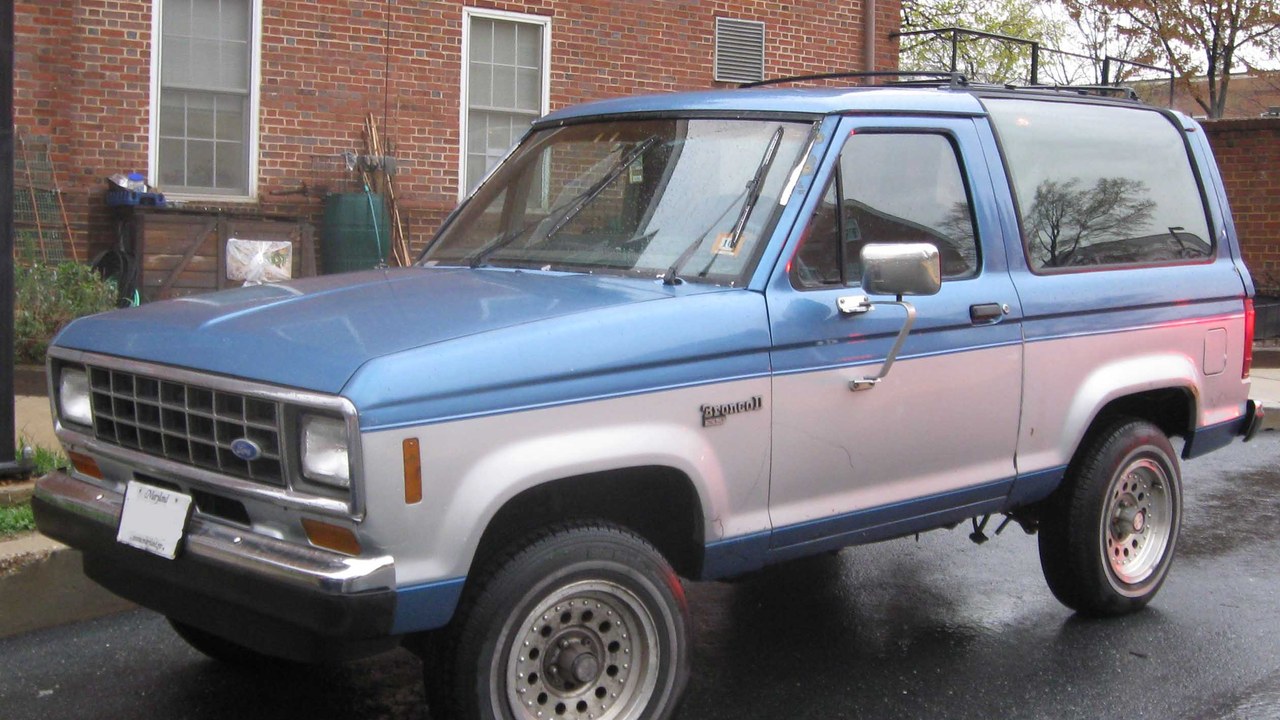
Based on the Ranger, the Bronco II was sold for 1984-1990. Wikipedia’s Bronco II article reports that the IIHS estimated 260 people died in its rollover crashes, and that Ford had paid $113 million to settle 334 suits by 1995.
The Bronco II is on the list as a cautionary entry rather than a celebration. Anyone considering a surviving example should know about the rollover record, which shaped the reputation of this smaller sibling to the full-size trucks.
5. Ford Bronco (1987, fourth generation): Rear ABS and Shift-on-the-Fly
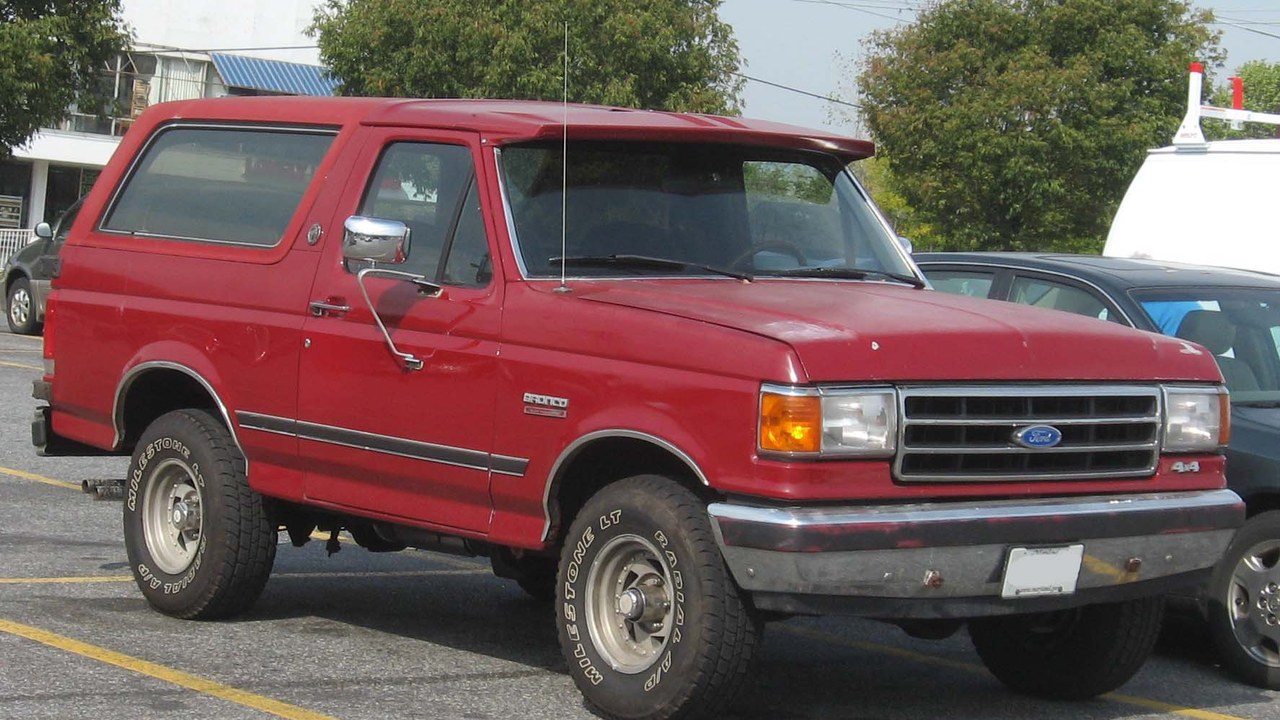
Still built on the F-Series pickup, the 1987-91 Bronco added two notable features for its era, rear antilock brakes and shift-on-the-fly four-wheel drive, as Consumer Reports’ history describes.
Shift-on-the-fly meant the driver could engage four-wheel drive without stopping, which made the truck easier to live with. Buyers looking at older full-size Broncos will find this generation a practical combination of safety and capability for its time, built on the same pickup underpinnings as earlier trucks.
6. Ford Bronco (1992, fifth generation): The Last Full-Size Bronco
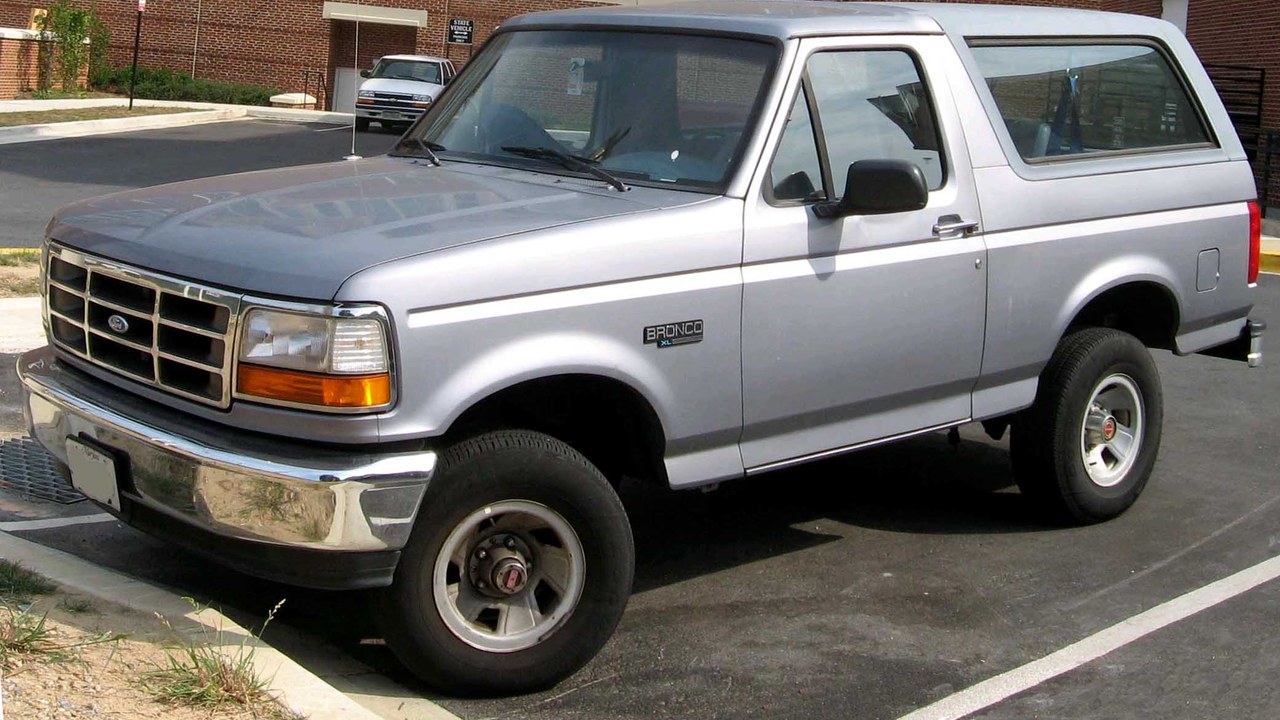
The fifth generation was the last full-size Bronco. Wikipedia’s Bronco article says Ford discontinued it after the 1996 model year, and the name stayed off the market for 25 years.
A quarter century is a long absence for a nameplate, and it helps explain the enthusiasm that later greeted the revival. Used examples from this generation now represent the end of the original full-size lineage, which ran until the 1996 model year.
7. Ford Bronco (2021, sixth generation): The Name Comes Back
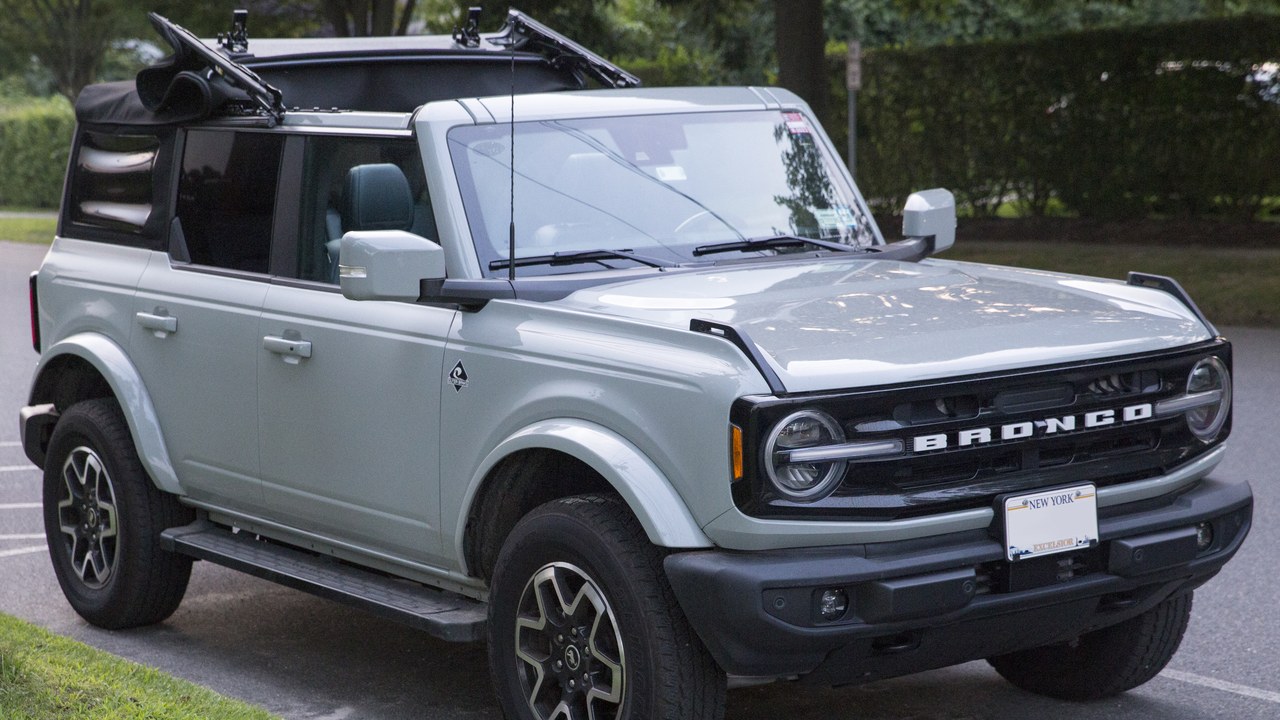
The Bronco nameplate was relaunched in 2021, decades after the original line was dropped, a comeback that Edmunds’ model history marks as the return of one of Ford’s most famous names.
The relaunch put a famous badge back on dealer lots and gave off-road fans a modern take on a classic idea. It also sets the stage for the trims and special editions that followed in the sixth generation, including the Badlands, Heritage and Raptor versions.
8. Ford Bronco Badlands: Trail-Focused Trim
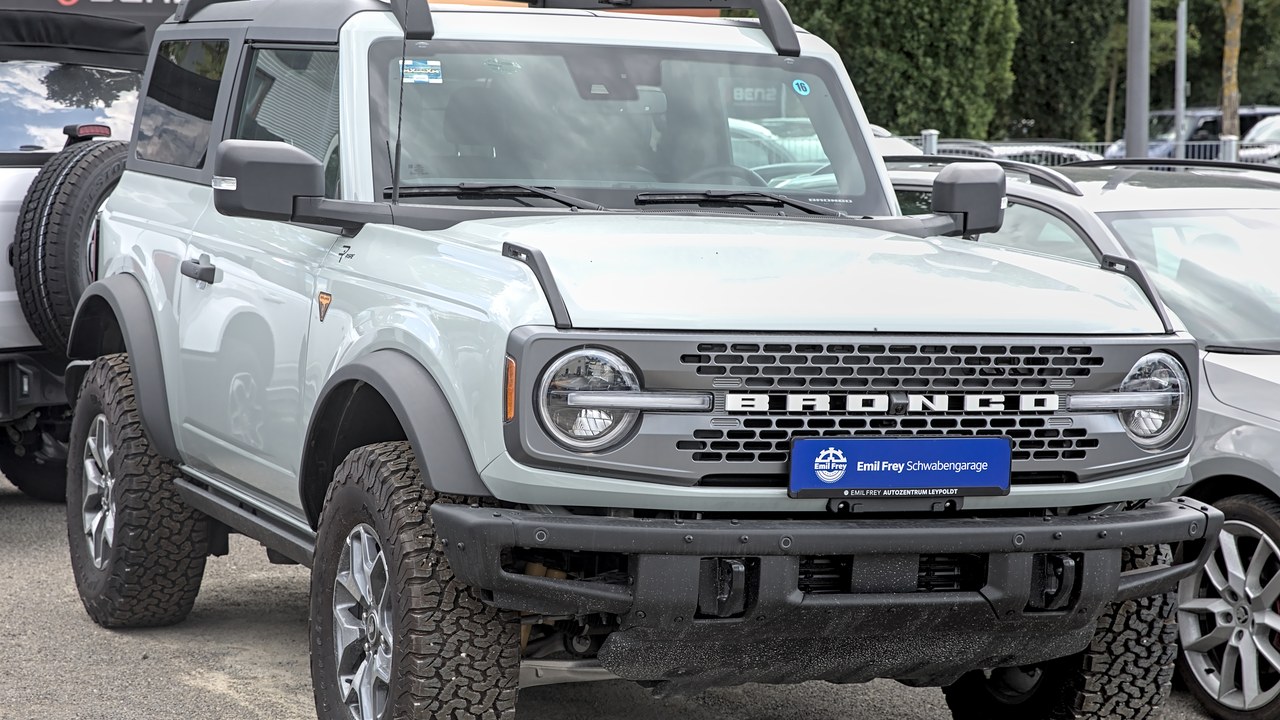
Badlands is the trail-focused Bronco. When the 2023 Heritage editions launched, it ranked fifth of seven models, excluding Raptor, and started at $46,090 as a two-door and $48,185 as a four-door, according to Hagerty’s pricing rundown.
Sitting mid-ladder in the lineup, the Badlands offered off-road emphasis without the Raptor price. The stated prices are launch-era figures for the 2023 Heritage editions, and the Heritage launch was part of the Bronco’s 2023 lineup, so current sticker prices and used values may differ.
9. Ford Bronco Heritage Limited Edition (2023): Honoring 1966
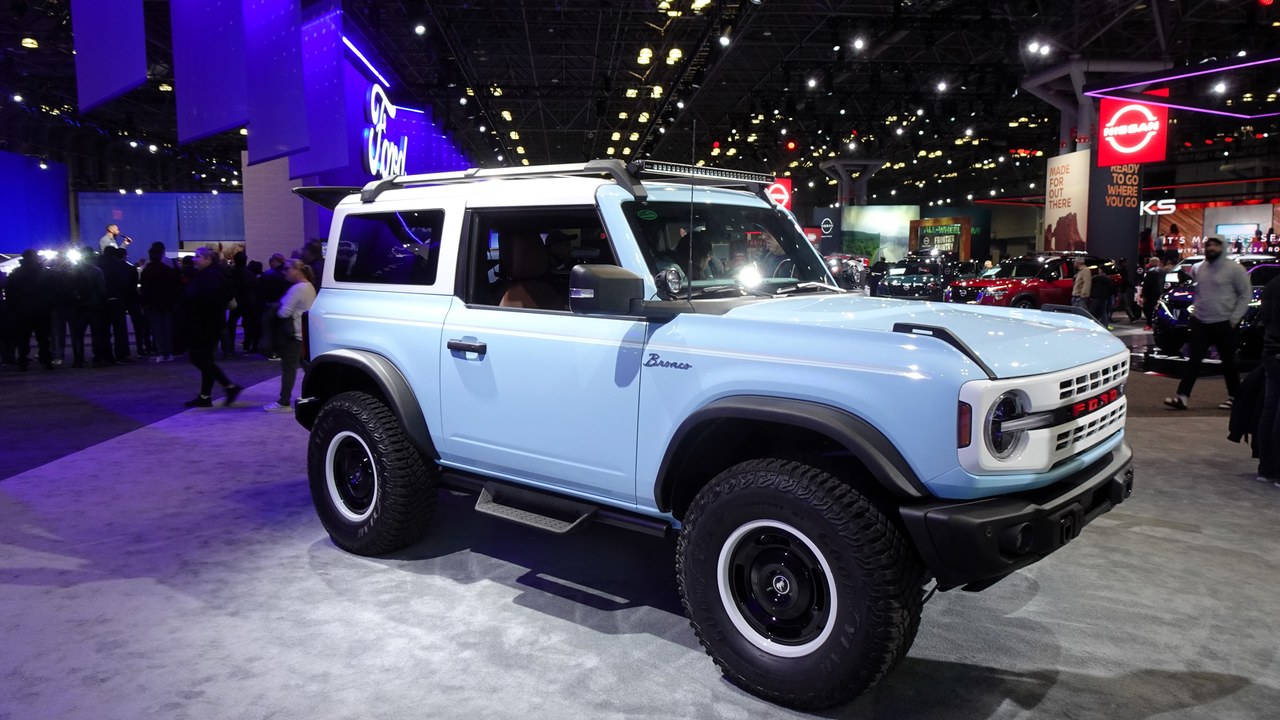
Ford built 1,966 of each 2023 Heritage Limited Edition to honor the 1966 debut, and Hagerty’s coverage adds that the launch paint, Robin’s Egg Blue, is based on the original Bronco’s Arcadian Blue.
The production number is a direct nod to the first model year, and the color ties the modern truck visually to the original. A capped run like this tends to interest collectors who want a modern Bronco with a clear link to its heritage.
10. Ford Bronco Raptor (2022): A 418-hp Rock Crawler
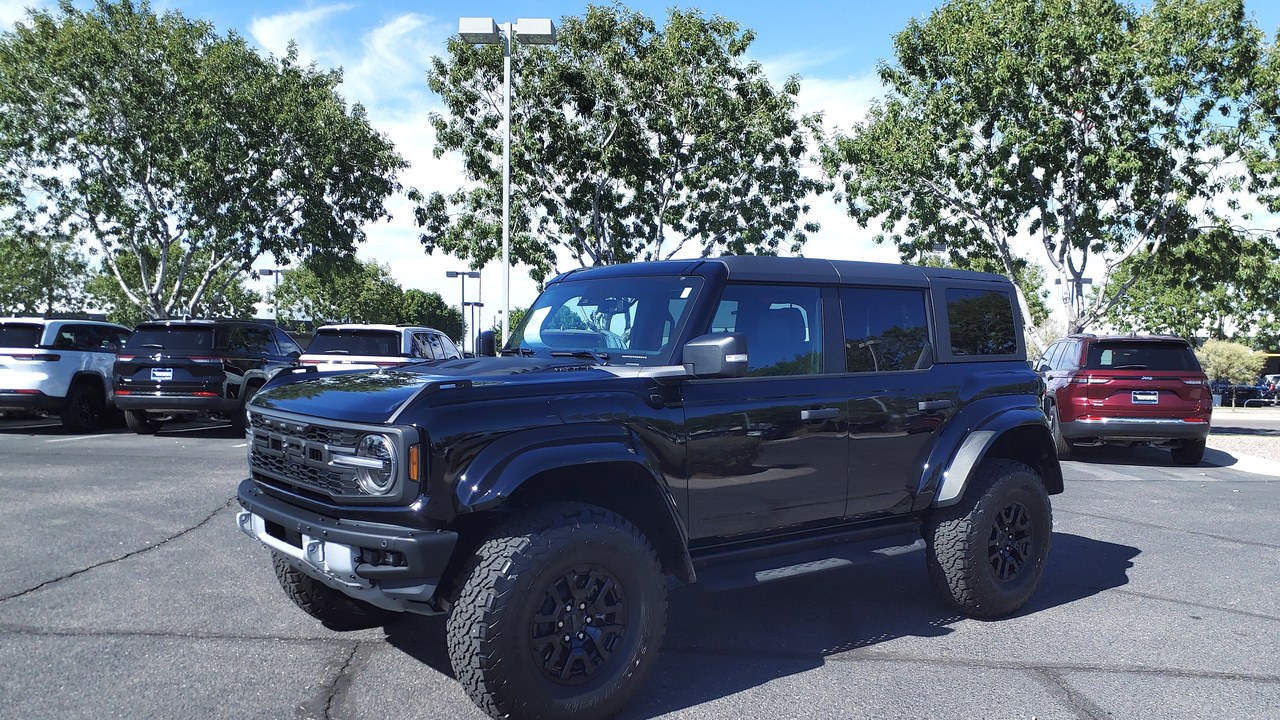
The Raptor packs a 418-hp twin-turbo 3.0-liter V6 and 37-inch tires, hit 60 mph in 5.6 seconds in Car and Driver testing, and started at $70,095, as Yahoo Autos reported. That price was more than twice a base Bronco.
Against the 105 horsepower of the 1966 original, the Raptor shows how far the nameplate has moved upmarket. The premium over a base model is substantial, so the Raptor suits buyers who specifically want extreme off-road capability.
11. Ford Bronco Sport (2021): The Crossover Bronco
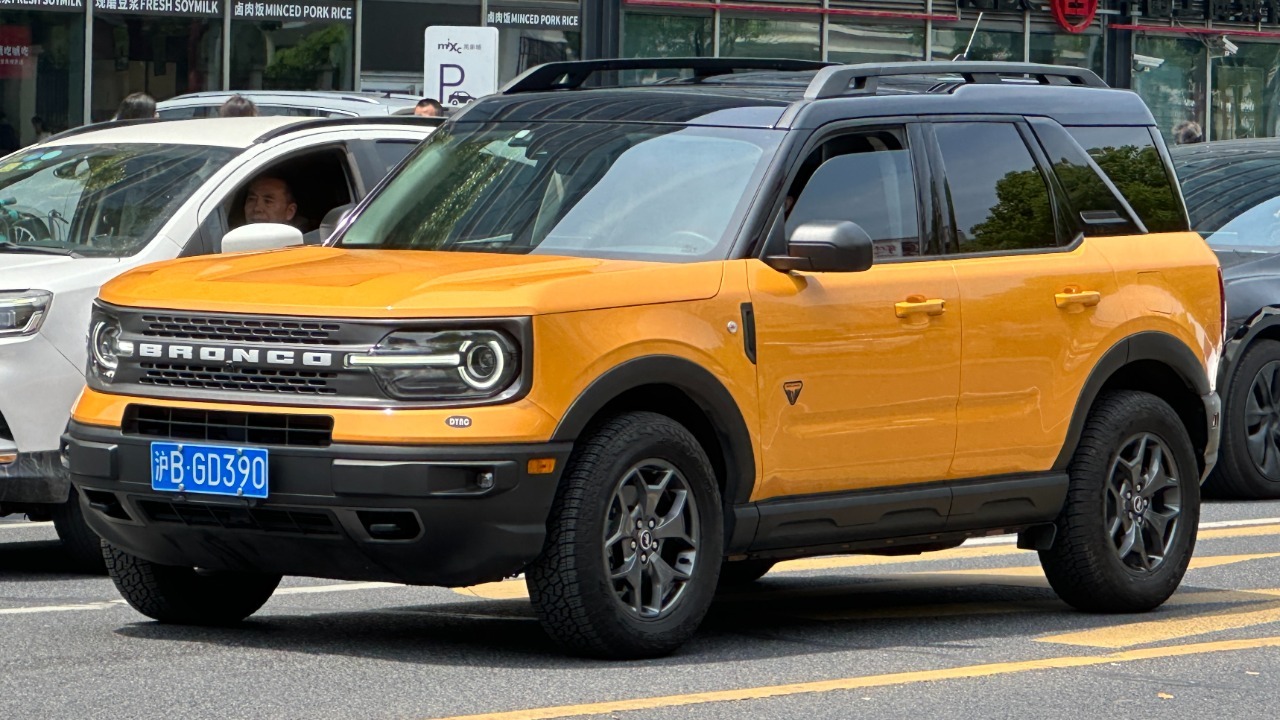
The smaller Bronco Sport rides on the Escape’s C2 unibody platform and has been built in Hermosillo, Mexico, since October 2020. Wikipedia’s Bronco Sport article adds that it found 134,493 U.S. buyers in 2025.
The unibody layout makes it a different kind of vehicle from the body-on-frame trucks, but the sales figure shows that the Bronco badge has real pull with mainstream shoppers. It extends the name to buyers who want a more compact, car-based option.
More from Morning Overview
- Doctors warn a silent liver disease now affects one in three American adults
- The FBI told the rest of ShinyHunters to surrender after a 24-year-old was arrested
- Two passengers died at an Ohio toll plaza, and the NTSB now wants the cash lanes shut
- Long use of a common prostate pill is tied to a higher chance of glaucoma
