
The minivan reshaped family travel in North America, and the segment filled quickly with rivals from Detroit, Japan and Korea. Some became bestsellers, some were rushed to market, and a few turned into cult favourites long after production stopped. Here are twelve vans that carried families on school runs, holidays and long road trips.
1. Plymouth Voyager: The Van That Started It
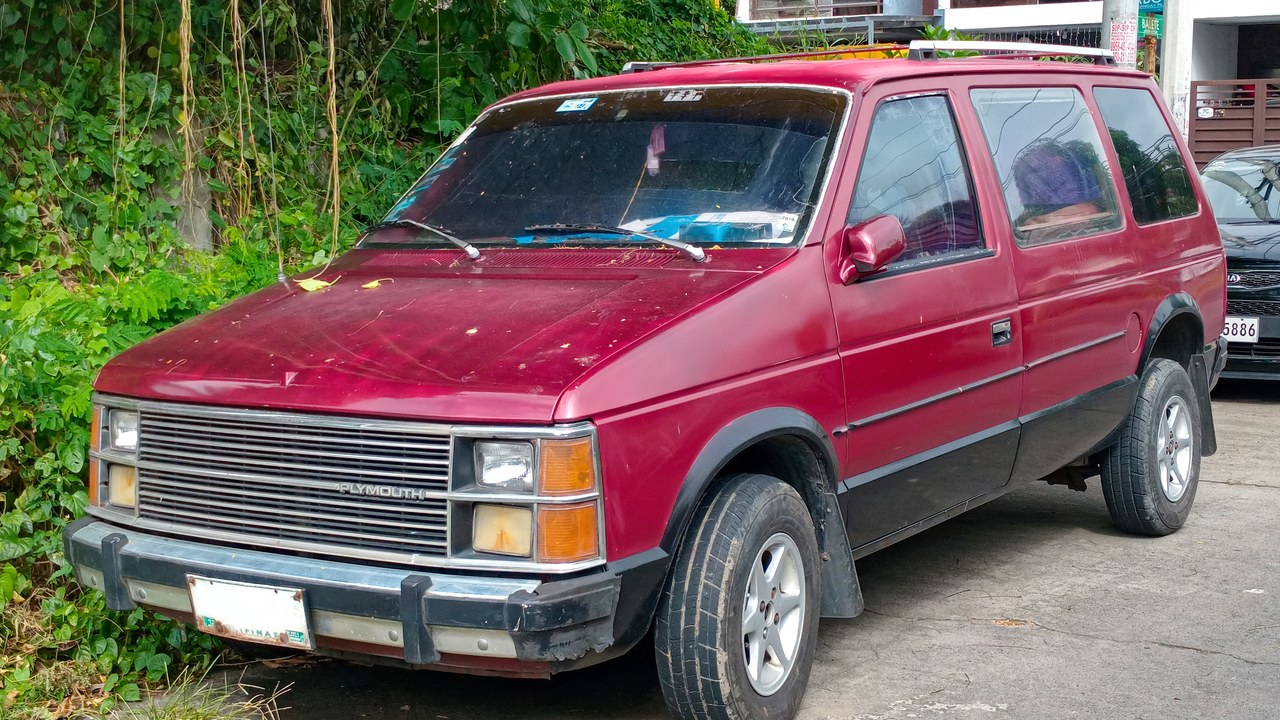
Chrysler introduced the Plymouth Voyager for 1984 alongside the Dodge Caravan, and together the pair created the American minivan as a category, as the Chrysler minivan history records. The front-drive layout let a family-sized body sit on a compact footprint, with a low floor and a driveable size that full-size vans never offered. A museum example carried a 1984 price of $12,309.
Nearly every minivan sold since follows the template this one set, which makes the Voyager the reference point for everything else on the list. Early examples are now rare sightings and increasingly sought by collectors of 1980s Chrysler products.
2. Dodge Caravan: Iconic And Everywhere
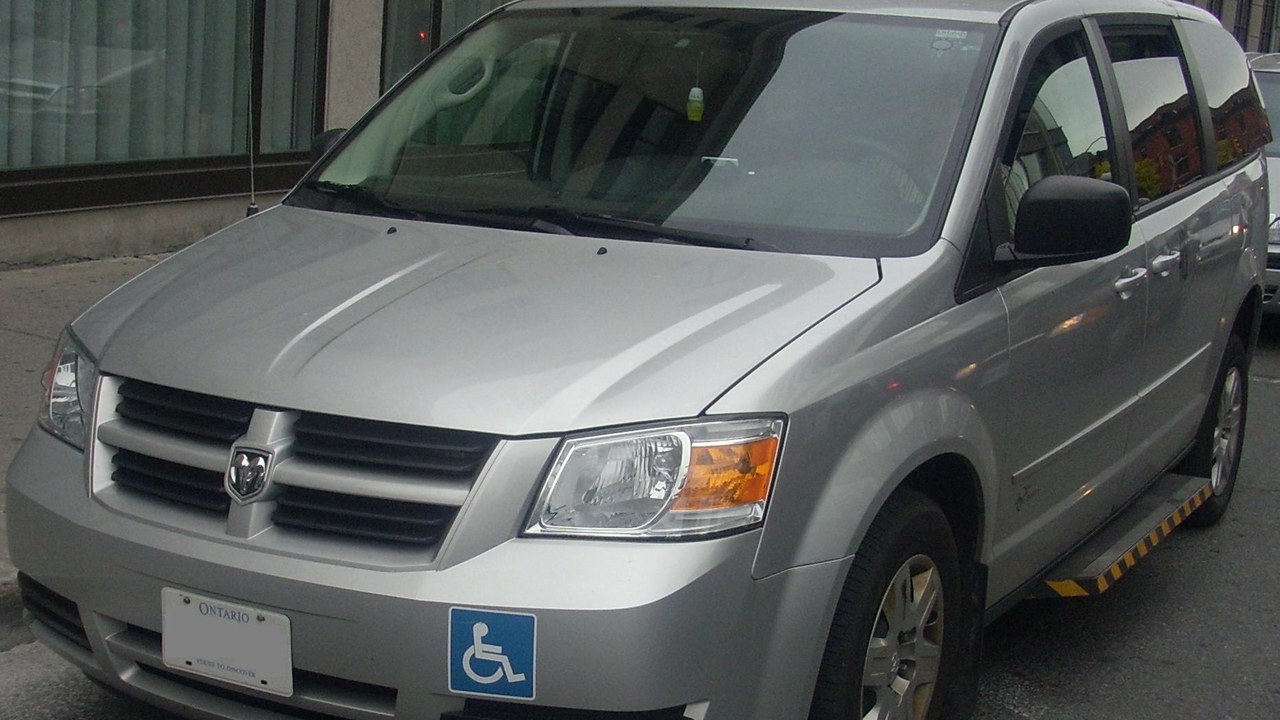
ConsumerGuide calls the Caravan the iconic minivan, and its ConsumerGuide roundup lists a sales run from 1984 to 2007 for this generation lineage, with longer Grand bodies taking over by the end. Sharing its basic design with the Voyager, it became the default family hauler in countless driveways and school pickup lines.
Because so many were built, used examples remain easy to find and cheap to buy. The long Grand versions are the ones most often seen today, frequently converted for wheelchair access, as the pictured example shows.
3. Pontiac Trans Sport: The Dust Buster Look
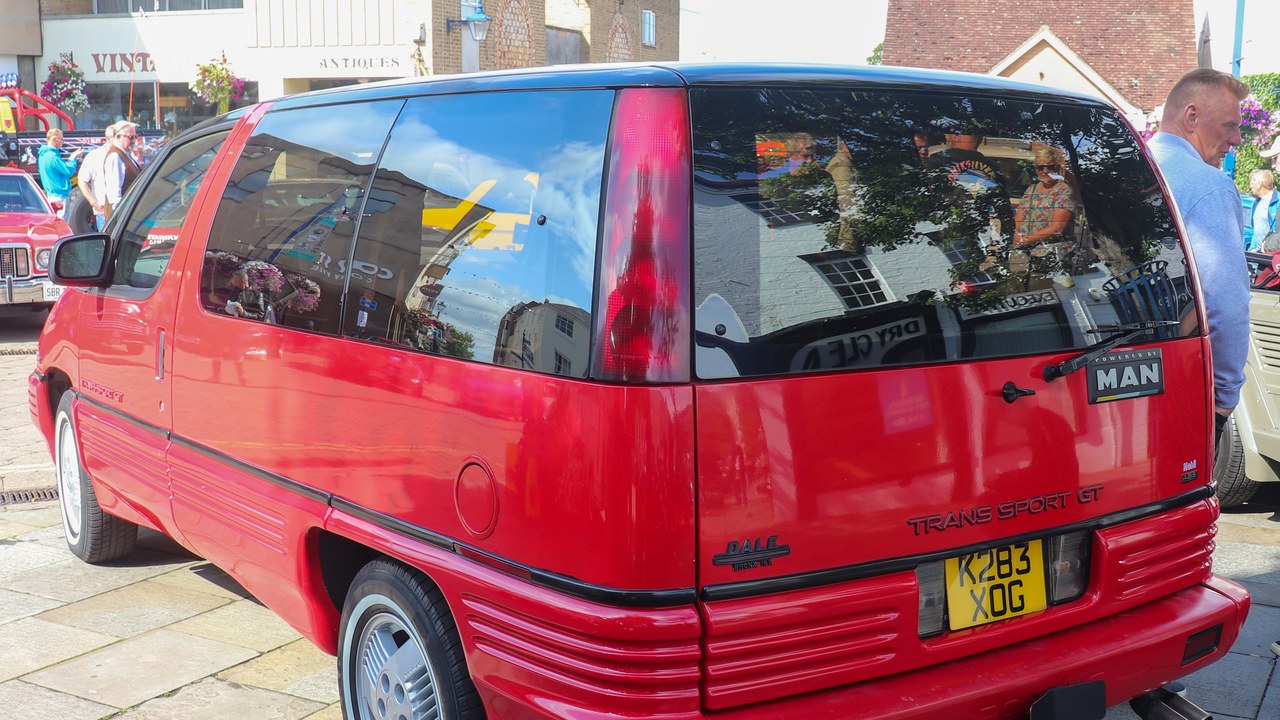
Dated by ConsumerGuide to 1990 through 1998, the Trans Sport wore the sloped, plastic-nosed styling nicknamed Dust Buster, a look it shared with other General Motors vans, according to the ConsumerGuide minivan list. Pontiac set its version apart with lower-body cladding that gave the van a sportier, more aggressive stance than its siblings.
The futuristic shape divided opinion then and still does, which explains the quirky reputation. Few survive in good order, so a clean Trans Sport now draws attention wherever it is parked.
4. Mercury Villager: Nissan Quest In Disguise
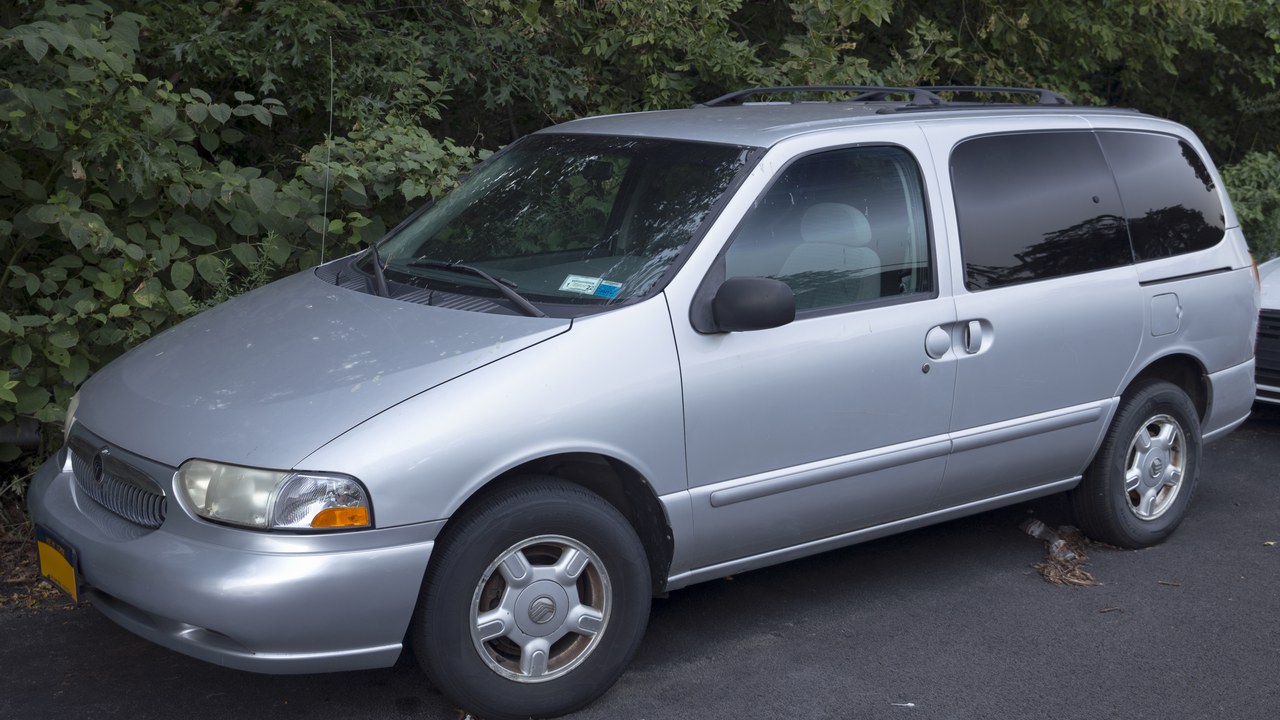
Ford sold the Villager from 1993 to 2003, and ConsumerGuide describes it as a retrimmed Nissan Quest, a joint-venture product with only the badges and trim changed, in its forgotten minivans feature. The Nautica trim proved a popular choice for buyers wanting something dressier than the plain versions.
Sharing a platform with the Nissan kept development simple and gave Ford a smaller alternative to its larger Windstar. Shoppers who wanted a mid-size van with Japanese engineering under a Mercury badge found exactly that.
5. Oldsmobile Silhouette: The Get Shorty Van
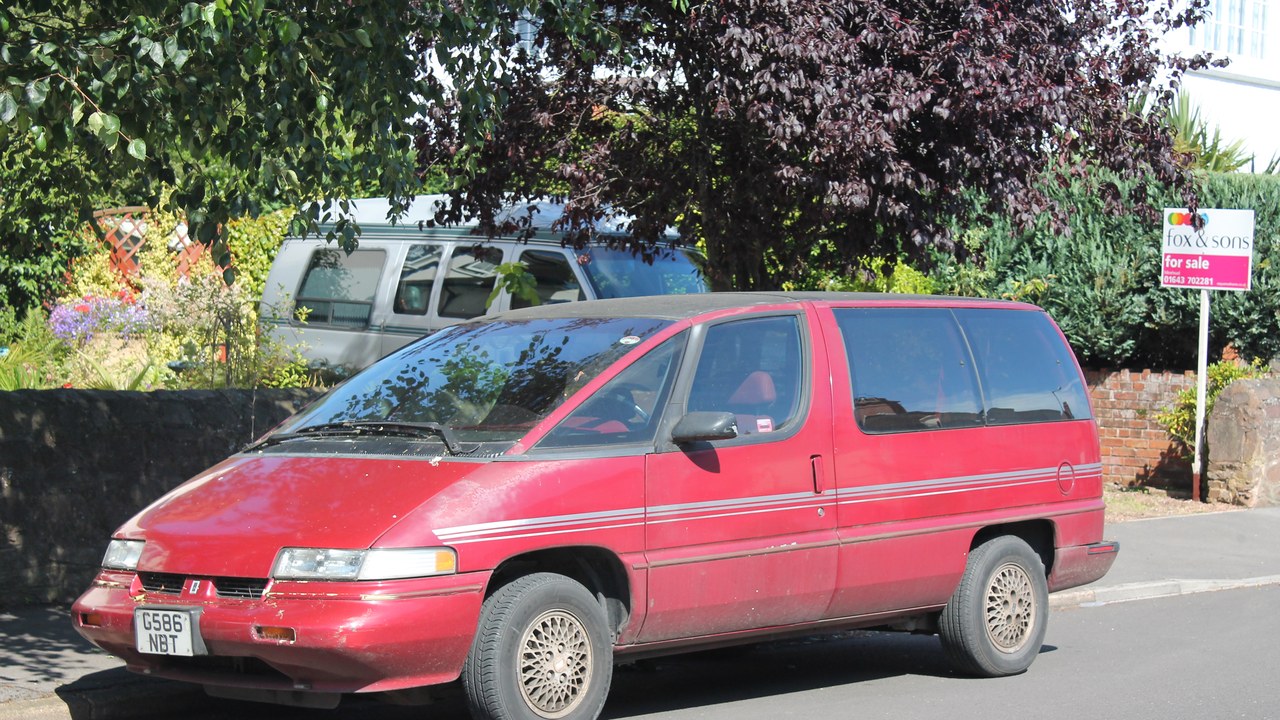
General Motors built the Oldsmobile Silhouette from 1990 to 2004, and ConsumerGuide notes that it picked up notice through a role in the film Get Shorty, according to the ConsumerGuide retrospective. It was the upmarket sibling in the GM minivan family, trimmed to suit Oldsmobile buyers who wanted more polish than the Chevrolet or Pontiac versions offered.
The long production run means plenty of the later examples still work as everyday transport. Oldsmobile itself is long gone, which adds a touch of nostalgia to any surviving Silhouette.
6. Chevrolet Astro: First With All Wheel Drive
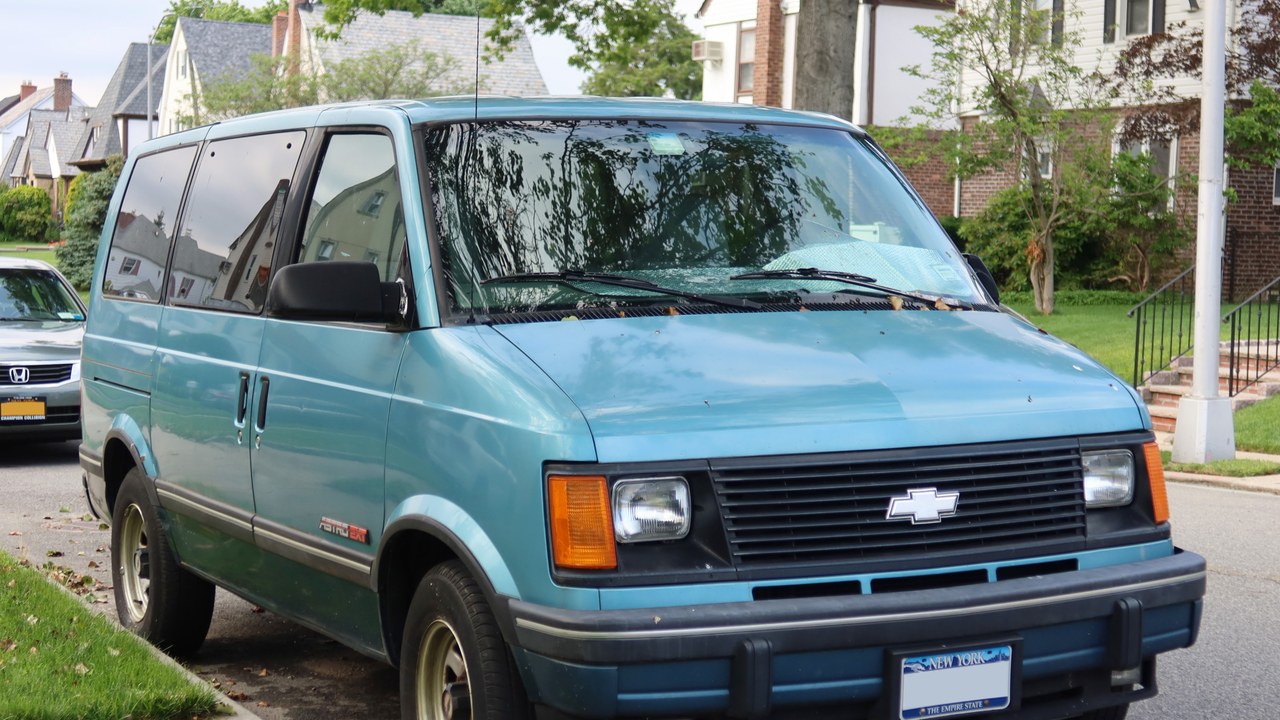
General Motors added all-wheel drive to the rear-drive Astro for 1990, which Cheapism notes was a first for an American-built minivan. The Astro stood apart from front-drive rivals with its truck-like construction, a layout that suited towing and work duty as well as family use.
That combination of rear-drive bones and optional traction made it a favourite with tradespeople and with owners in snowy regions. The GMC Safari shared the same underpinnings, so the van reached buyers through two dealer networks.
7. Toyota Previa: A Jellybean On Wheels
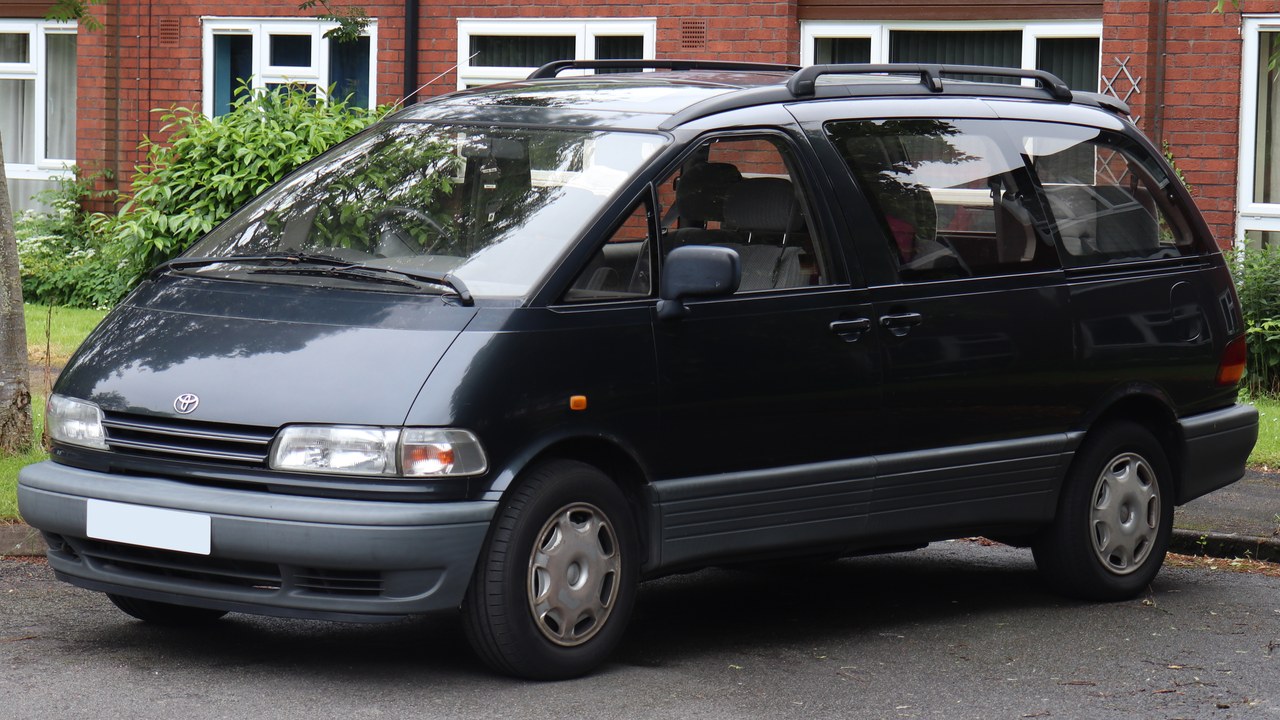
Cheapism describes the Previa as a bulbous jellybean of a body, powered by a mid-mounted four-cylinder engine that looked weak next to the V-6 engines in American rivals. It sold poorly in the American market, a fate that did nothing to stop it from gaining a cult following.
The unusual layout, with the engine under the front seats, and the egg-shaped styling set it apart from every other van of its day. Enthusiasts now prize surviving examples, and many remain on the road long after sales ended.
8. Ford Windstar: The Windstar Numbers
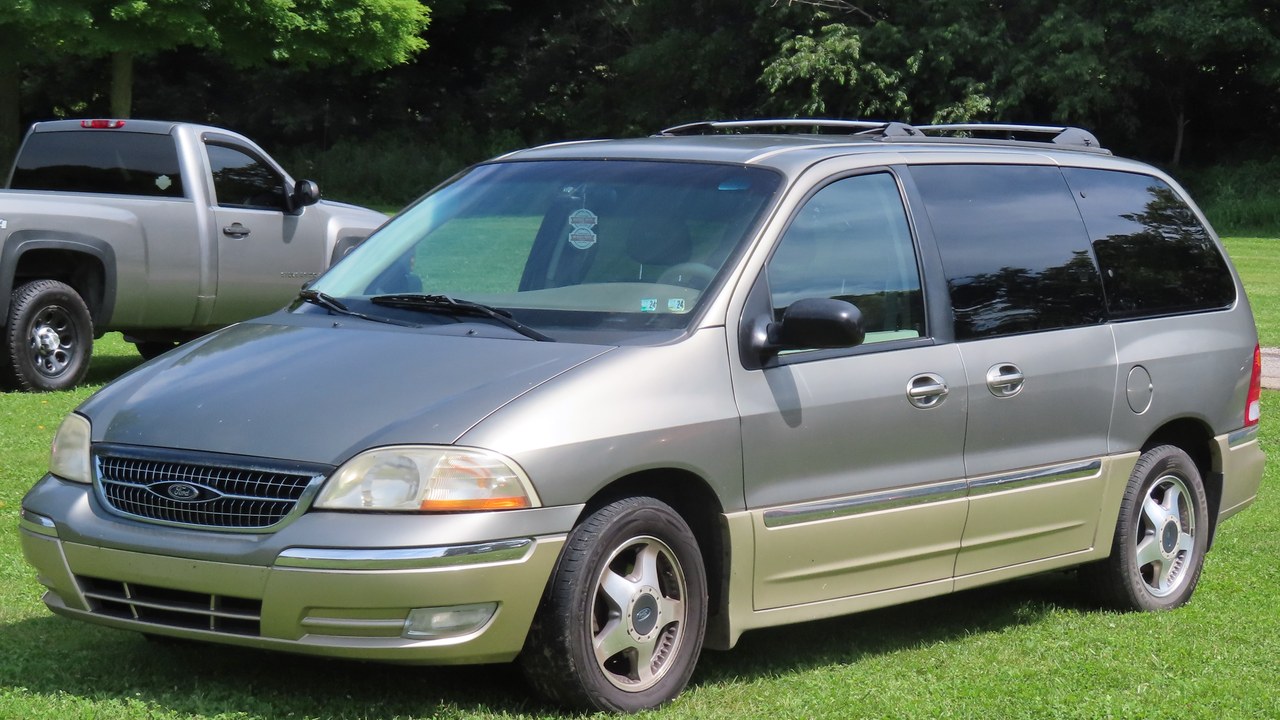
Ford sold over 200,000 Windstars in its first three years, according to Cheapism data, and more than 110,000 in 2003, its final year before the nameplate became the Freestar. Those figures put it among the volume leaders for family vans during the 1990s and early 2000s.
A model that still moved more than 110,000 units in its last season was not a failure, but it was overtaken by rivals with stronger reputations. Plenty of used Windstars remain as inexpensive family transport.
9. Volkswagen Vanagon: Syncro Rarity
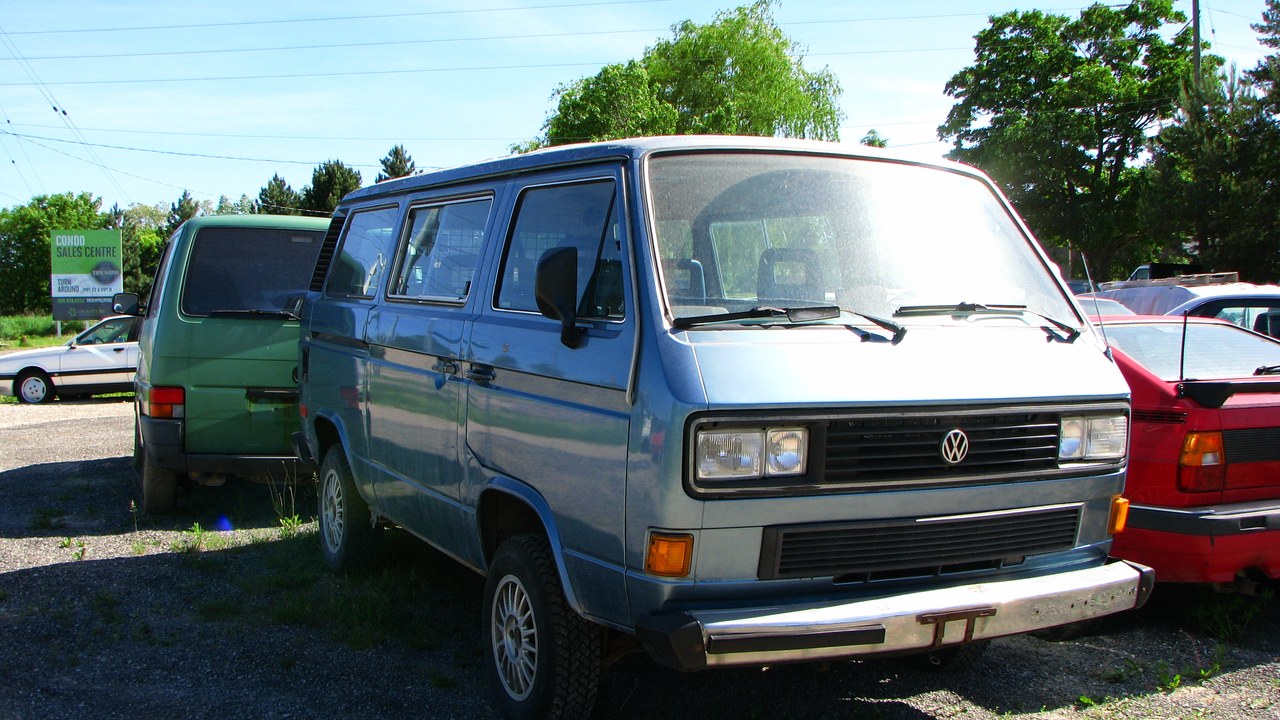
Cheapism reports that about 5,000 Syncro versions of the Vanagon sold in the United States over seven years, at a price of about $18,000 in 1986, in its minivan history. The Syncro added four-wheel drive to the boxy, rear-engined Volkswagen, a combination that gave it unusual capability for a family van.
Low volumes and a high sticker price made it a niche product even when new. That scarcity explains why the Syncro commands attention among Volkswagen fans, while ordinary two-wheel-drive Vanagons are more common.
10. Mazda MPV: More SUV Than Minivan

ConsumerGuide dates the first Mazda MPV to 1989 through 1999 and says it was more SUV than minivan, with conventional rear doors and optional all-wheel drive, as covered in the Mazda MPV article. Without a sliding door, it drove and loaded differently from the Chrysler-style vans it competed against.
That truck-influenced approach appealed to buyers wary of front-drive vans, although the conventional hinged doors made rear access less convenient. The van sits among the more unusual entries from the first minivan boom.
11. Kia Sedona: Value For Money
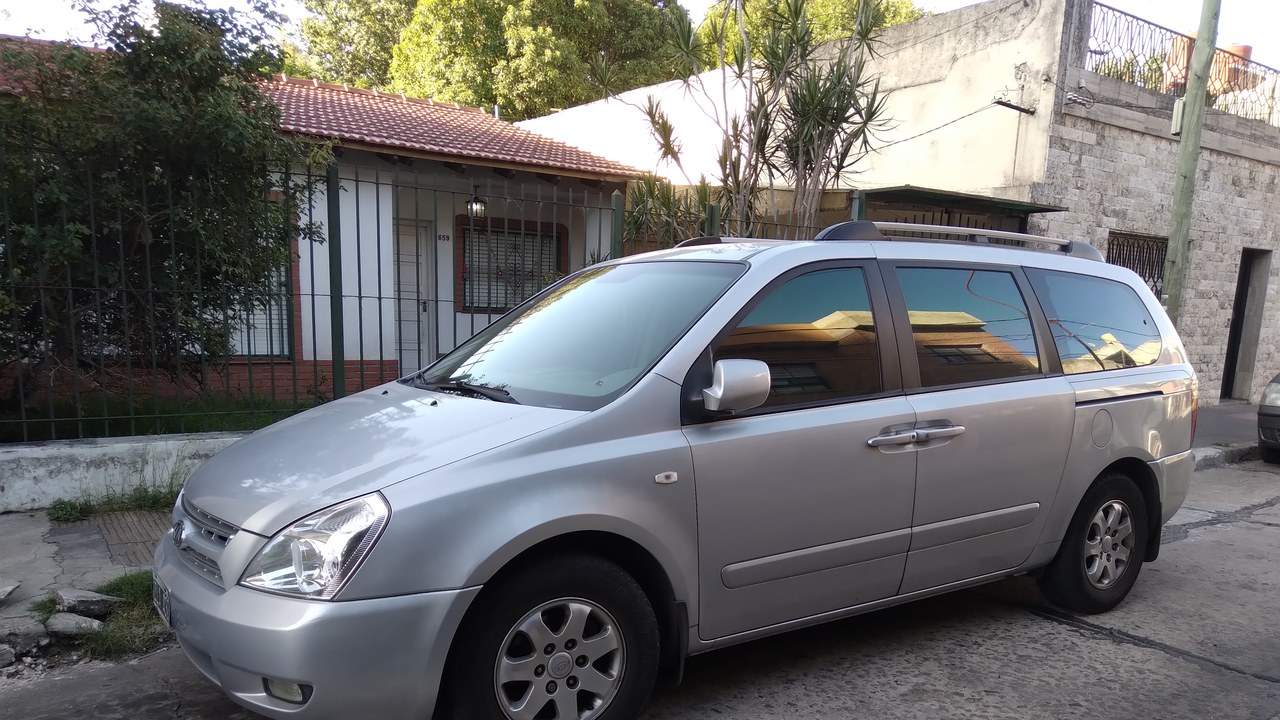
Running from 2002 to 2012 in ConsumerGuide’s dating, the Kia Sedona earned a reputation as good value for most of its life, and the Kia Carnival entry covers the wider model family sold elsewhere under the Carnival name. It gave families a low-priced entry into the segment.
Pricing, rather than prestige, was the pitch, and it brought a Korean brand into a class dominated by Detroit and Japan. Used examples remain a budget route to a seven-passenger vehicle.
12. Ford Aerostar: Built In A Hurry
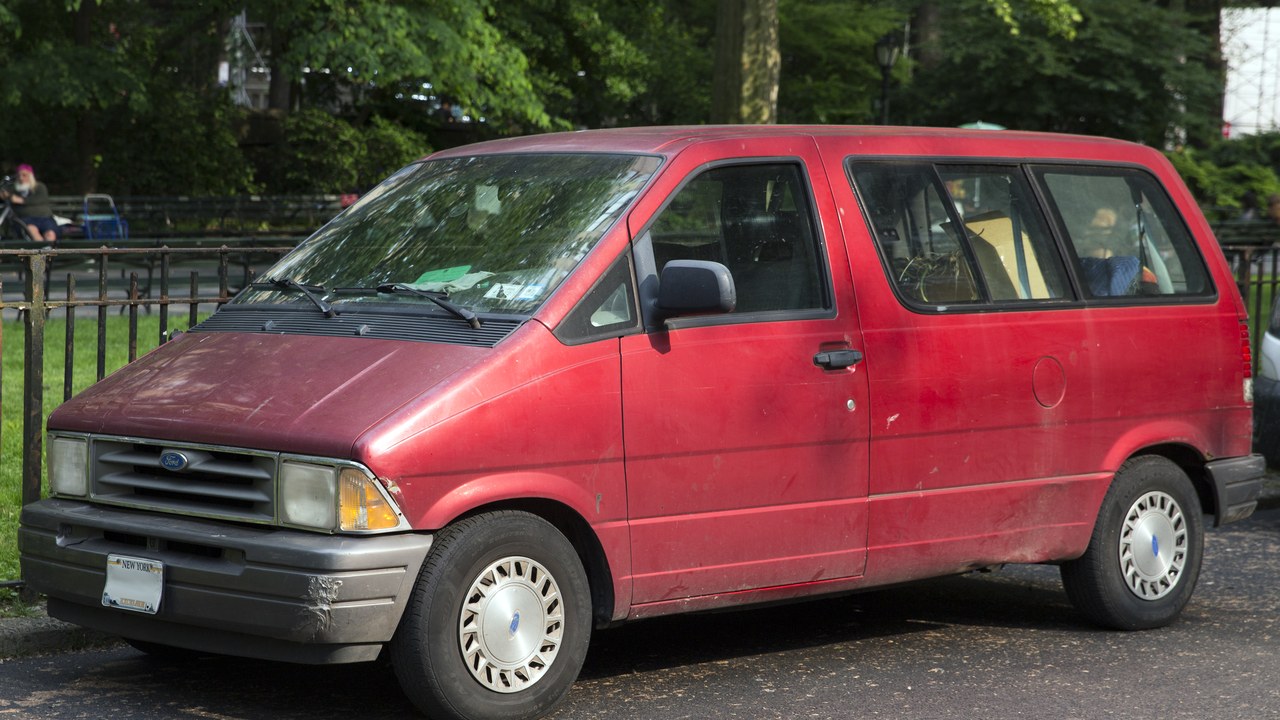
ConsumerGuide dates the rear-drive Aerostar to 1986 through 1997 and says it was hastily developed to fight Chrysler’s vans, a point reflected in the Ford Aerostar article. Ford rushed the design to market, and the result was a van with a narrow, tapered shape and truck-style rear-drive mechanicals.
Despite the rushed start it stayed in production for over a decade. Like the Astro, the Aerostar suited buyers who wanted a van with towing ability, and survivors are still seen as workhorses.
More from Morning Overview
- Seven of Earth’s nine planetary boundaries are breached, and all seven are worsening
- The NSA says three phone features should be off whenever you aren’t using them
- Hurricane Hunter radar shows four warning signs that a tropical cyclone is about to strengthen, a University of Miami study found
- Tropical Storm Rachel is dumping up to 12 inches on four Mexican states on its way to major hurricane strength
