
Most car doors hinge at the front and swing outward, but a handful of designs ignore that rule. Some lift toward the sky, others fold, and a few open from the rear edge. Here are twelve cars that show how differently a door can work.
1. Mercedes-Benz 300SL: The Original Gullwing
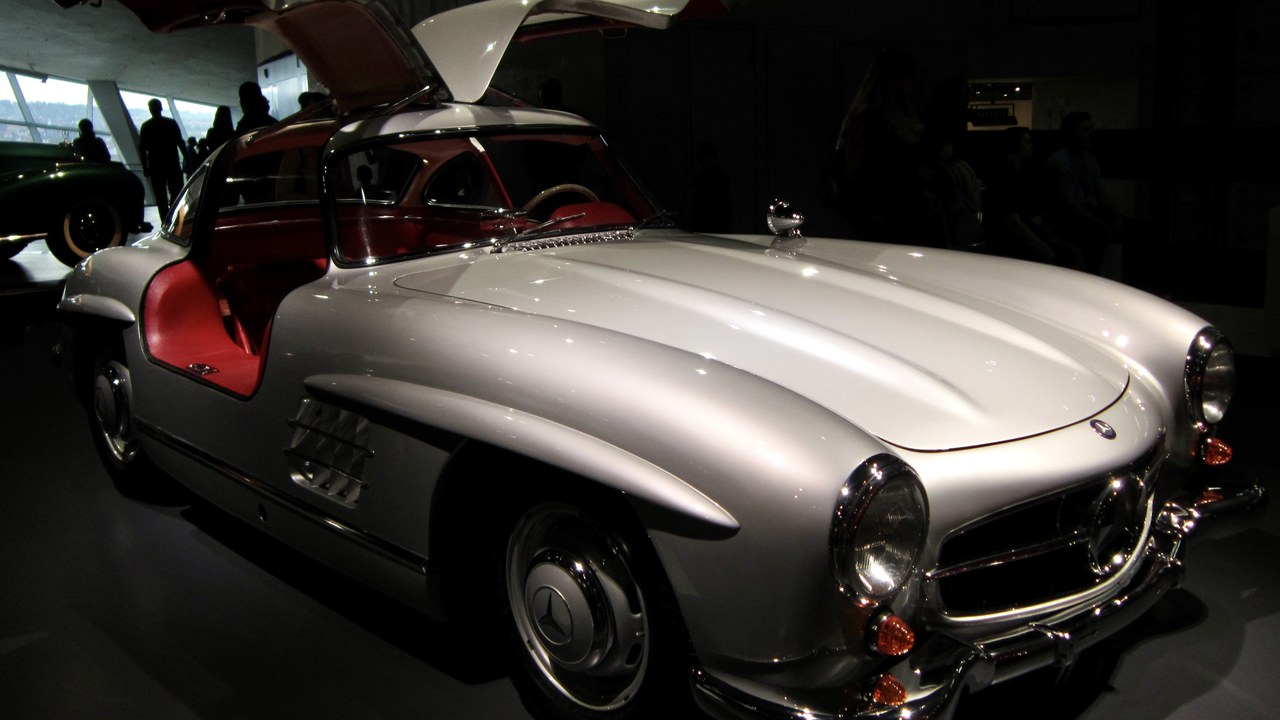
The Newport Car Museum describes the 300SL as upward-opening doors, the feature that earned the coupe its gullwing nickname. The roof-hinged panels swing upward instead of out, a solution tied to the car’s tall tubular frame, which left sills too high for conventional doors.
The design is the benchmark every later upward-opening door gets compared with. For owners and collectors, it means awkward entry and a need for overhead clearance, but also the single most recognisable silhouette in postwar motoring.
2. DMC DeLorean: Stainless Steel Wings
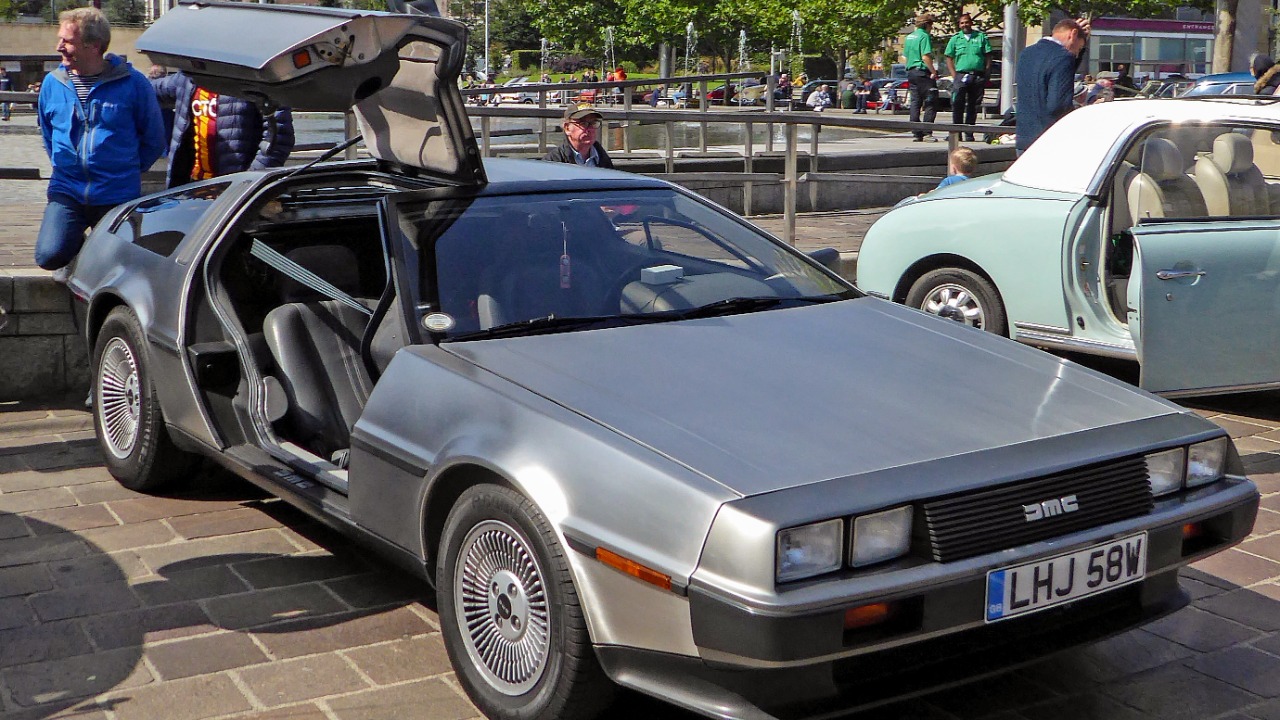
Wikipedia’s catalogue of unusual door layouts places the DeLorean entry among the gull-wing cars, with panels hinged along the roofline and lifting skyward. The stainless-steel coupe pairs that feature with a body that was left unpainted.
Gull-wing doors need clearance overhead rather than beside the car, which helps in tight parking spaces but complicates entry in a low garage. They also demand sturdy lifting struts, a known maintenance item on older examples.
3. Tesla Model X: Falcon Wings At The Back

The Tesla Model X article keeps conventional front doors but fits the rear seats with so-called falcon wing doors. Each rear door hinges at the roof and folds upward in two sections rather than swinging out.
The arrangement lets passengers reach the second and third rows without a wide side gap, which suits crowded car parks. The cost is complexity: more hinges, more sensors and more parts that can misbehave than a standard door.
4. Lamborghini Aventador: Up And Slightly Out

Wikipedia notes that the Aventador’s doors open up and outward at a slight angle, a style commonly called scissor-style. The doors rise in a short arc instead of swinging wide.
That motion keeps the opening narrow enough to use beside another car. It does not solve the high, wide sills of a supercar, so climbing in still takes some practice and a fair amount of care around the roofline. The result is drama at the kerb without the sprawl of a wing-style door.
5. Rolls-Royce Phantom: Coach Doors For Chauffeurs
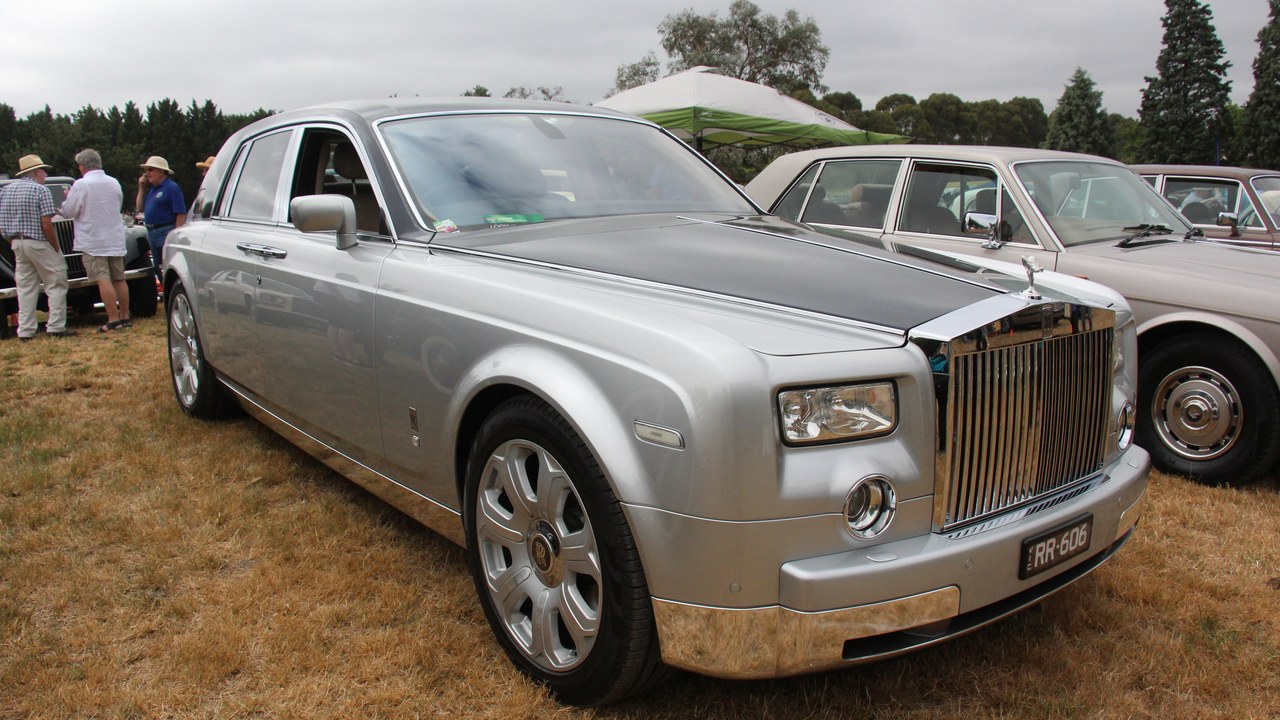
On the Phantom, the rear-hinged rear doors are hinged at the rear, so they open toward the back of the car. Rolls-Royce sold the model from 2003 to 2017 and again from 2018.
The layout is meant to let a passenger step out facing forward and to ease access to a wide rear seat. Buyers should allow room beside the car to open the doors fully, which matters in a tight garage.
6. Lincoln Continental: Hinged At The Rear Edge
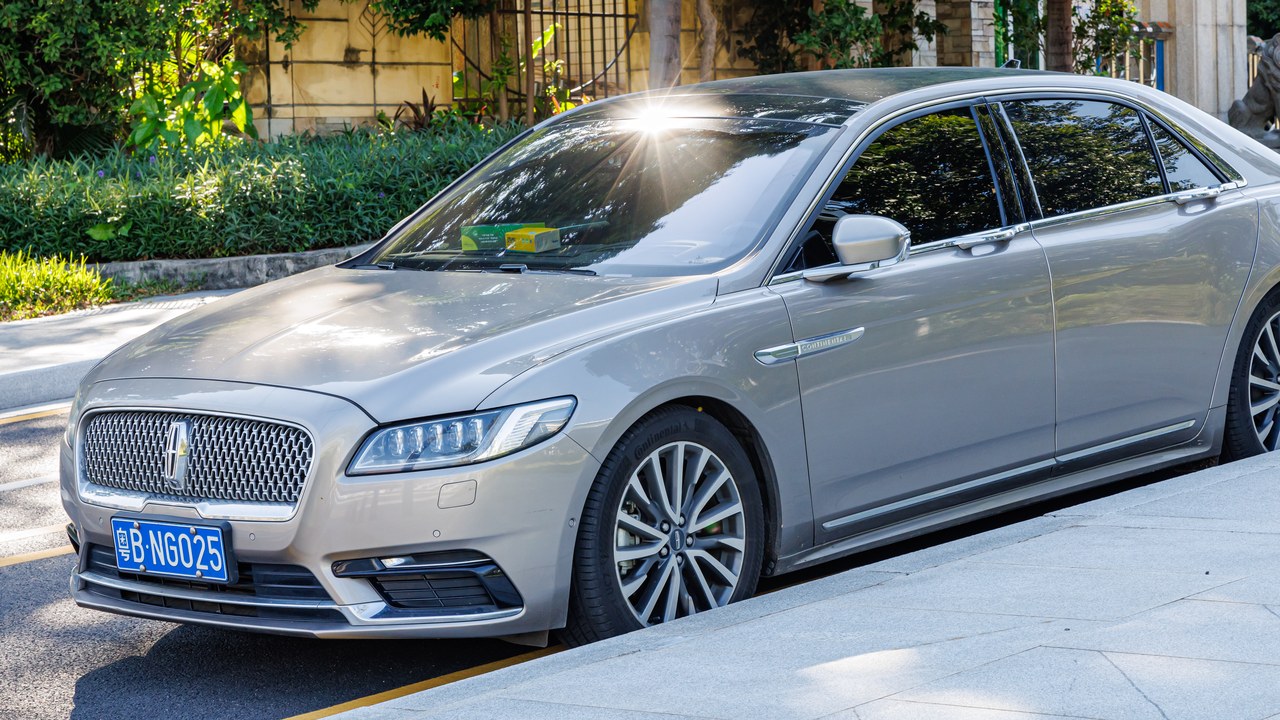
Four-door Continentals of the 1960s used rear-hinged rear doors, the layout nicknamed suicide doors. The practice returned on cars built from 2019 to 2021, giving the nameplate a link to its past.
Rear-hinged doors make entry graceful but raise a safety concern if they open while moving, which is why modern versions rely on latches and interlocks. Collectors prize the earlier cars for exactly this distinctive access. The detail is a sharp reminder that a door’s hinge position shapes a car’s character as much as its grille.
7. Ford Thunderbird: Four Doors The Other Way
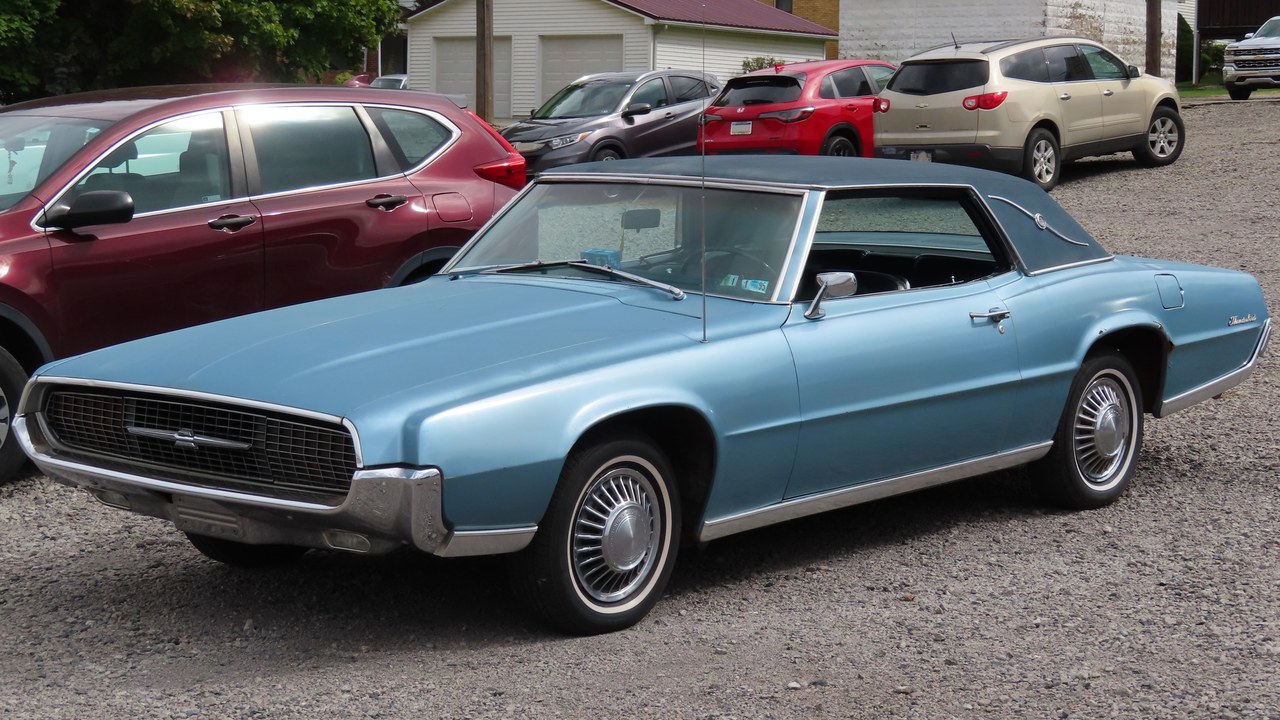
Sedans in the fifth generation of the Ford Thunderbird entry, built from 1967 to 1971, came with rear-hinged back doors. It was a styling and access choice on a long, formal four-door body.
The configuration separates these cars from the better known two-seat and two-door models of the nameplate. Owners of surviving examples need to watch seals and latches, since the rear-hinged layout puts unusual stress on them. That makes these sedans a quirky footnote for enthusiasts who prefer the nameplate’s open two-seat era.
8. BMW i3: Half Doors On An Electric City Car

The BMW i3 listing pairs conventional front doors with small rear-hinged rear doors, sold from 2013 to 2022. The rear doors can only be opened once the front ones are open.
The setup gave the compact electric hatchback a wide aperture without lengthening the body, which suited city parking. In practice, rear passengers depend on whoever sits in front, an everyday inconvenience for families. Rear-hinged doors of this kind are far rarer on small cars today, which gives the i3 its period character.
9. Mazda RX-8: A Sports Car With Hidden Rear Doors
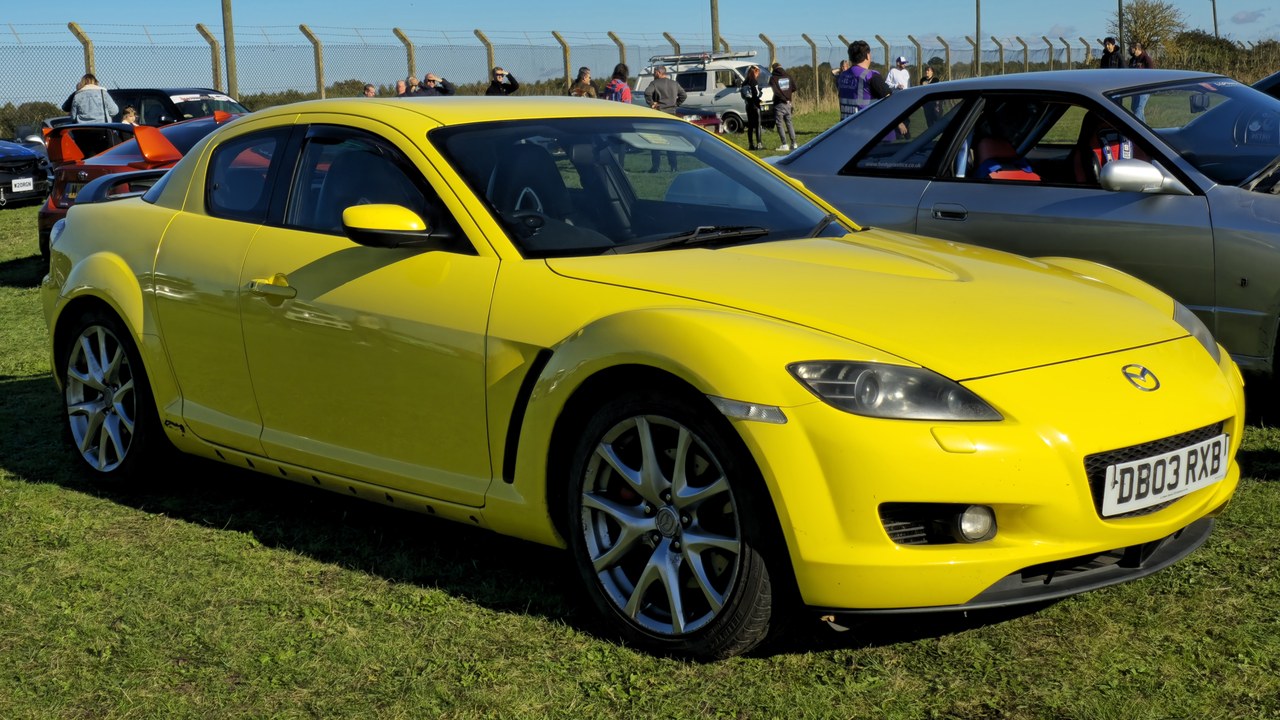
The non-standard door list covers the RX-8, a rotary sports coupe with conventional front doors and half-size rear-hinged rear doors, built from 2003 to 2011.
The small rear doors allowed a four-seat layout in a body with sports-car proportions. They also gave rise to the odd entry routine, with the front door opened first, and a loss of the usual door-pull on the rear panel. Such layouts remain uncommon on sports cars, which keeps the RX-8 distinctive among its rivals.
10. Honda Element: Boxy Utility With Rear Access
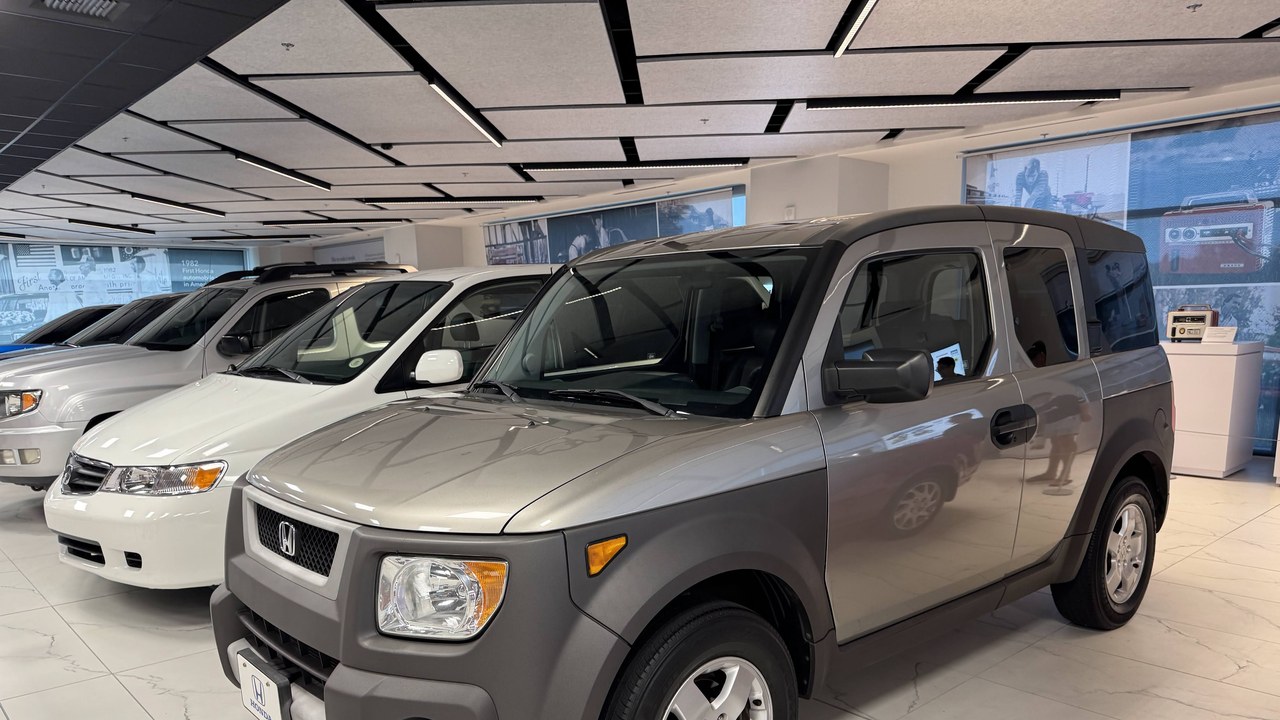
The same list shows the Honda Element with the door design catalogue: conventional front doors and half-size rear-hinged doors, produced from 2003 to 2011. The openings swing out toward the rear of the vehicle.
The design left a wide, pillarless gap when both sides were open, useful for bulky cargo, bikes and pets. It also meant rear passengers could not exit alone, so the front occupants had to move first.
11. Toyota FJ Cruiser: Retro Truck Reborn With Small Rear Doors
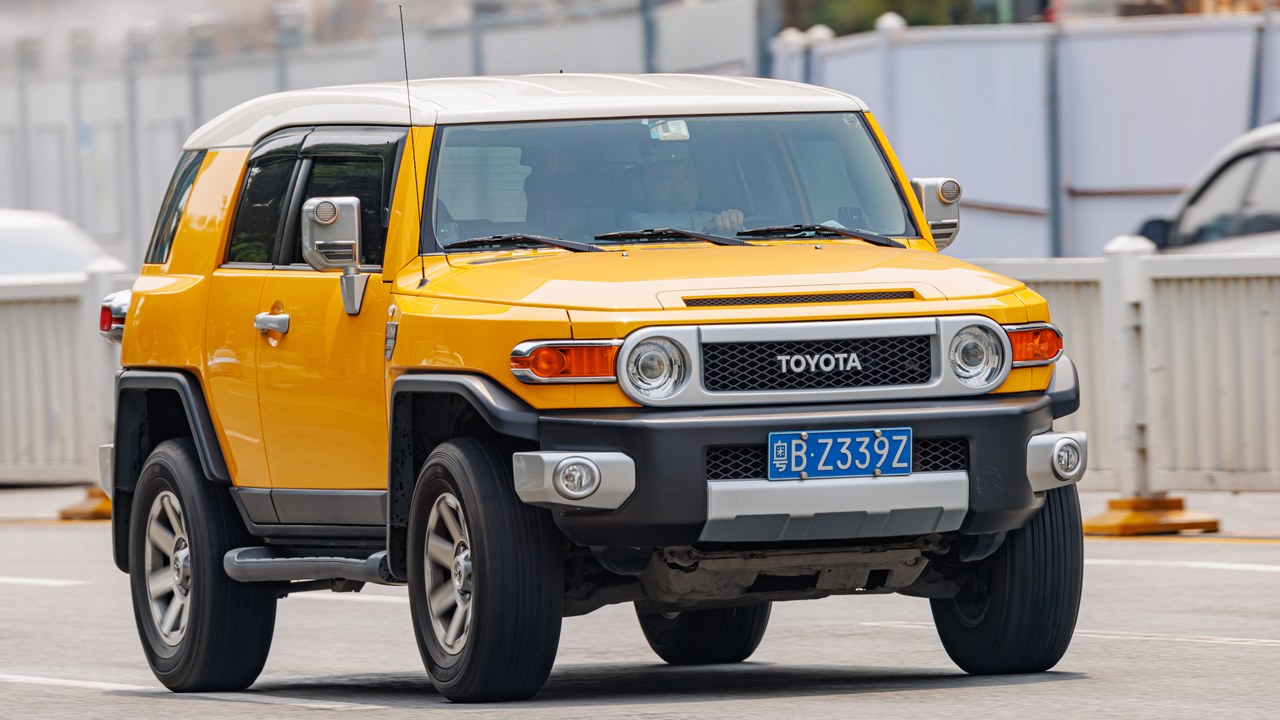
The non-standard doors list credits the FJ Cruiser, sold from 2006 to 2018, with conventional front doors and half-size rear-hinged rear doors. The retro-styled utility vehicle reached many markets.
The access layout trades some practicality for a wide opening and a rugged look. Used buyers should note that the narrow rear doors make child seats and tall cargo harder to handle than in a normal four-door SUV. The model’s popularity as a used purchase has kept its unconventional access in the conversation.
12. Mini Clubman: One Small Door On The Side
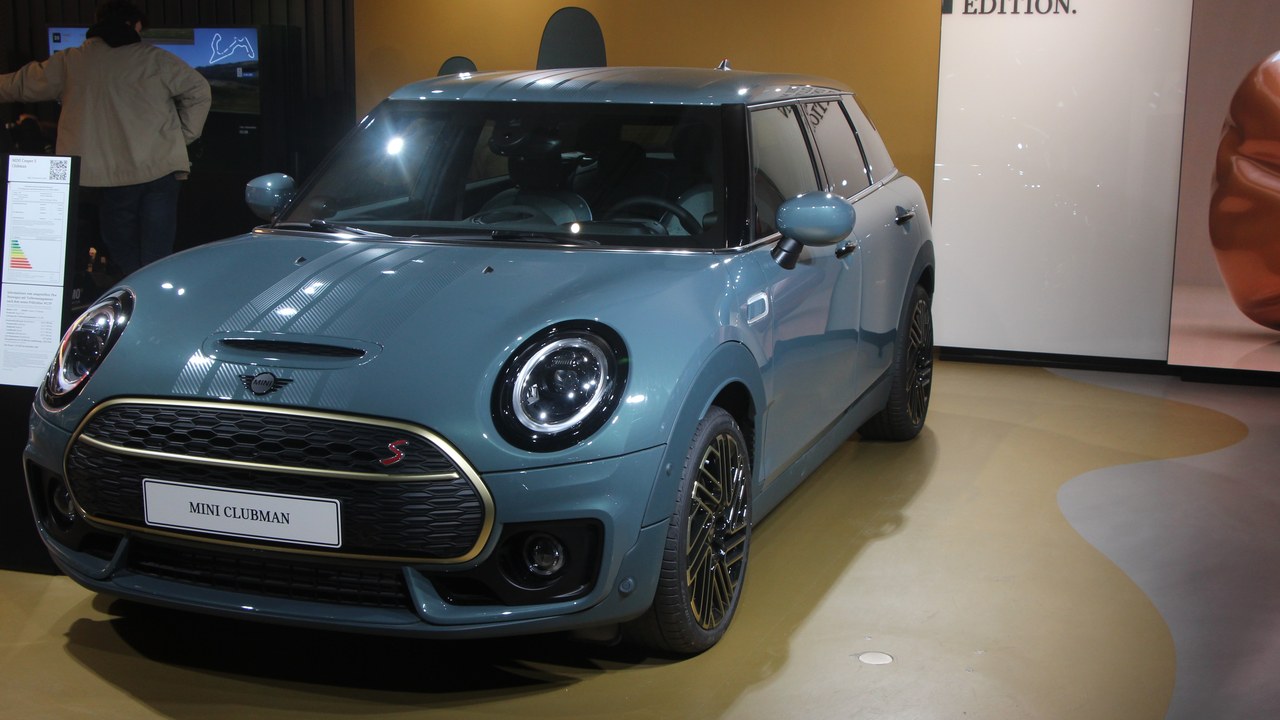
From 2008 to 2015, the non-standard door entry carried conventional front doors plus a single half rear-hinged door on one side. The extra door made the compact wagon more usable than a plain two-door.
The single extra door was a quirk of the model, so access to the back seat was lopsided. Buyers should check the rear door hinge and seal, since the odd layout is unusual among small hatchbacks and wear shows there first.
More from Morning Overview
- Hybrids have 15% fewer problems than gas cars, while EVs and plug-in hybrids have about 80% more, Consumer Reports finds
- Regulators cleared the first U.S. small modular reactor, 4 months early
- Lake Powell sank to a record 3,517 feet, nearing the level that stops Glen Canyon Dam’s turbines
- Seven of Earth’s nine planetary boundaries are breached, and all seven are worsening
