
Aircraft designed in the era of the Berlin Wall and the space race are still carrying out missions for the American military today. Constant upgrades, new engines and fresh electronics have kept airframes from the 1950s through the 1980s relevant long after their original replacements were planned. Here are eleven Cold War aircraft that remain in service, with the dates and inventory figures reported by aviation sources.
Read next on Morning Overview: Two Kentucky residents died when a small plane crashed at Missouri’s Lake of the Ozarks, and the NTSB is investigating
1. B-52 Stratofortress: Bomber Built To Last
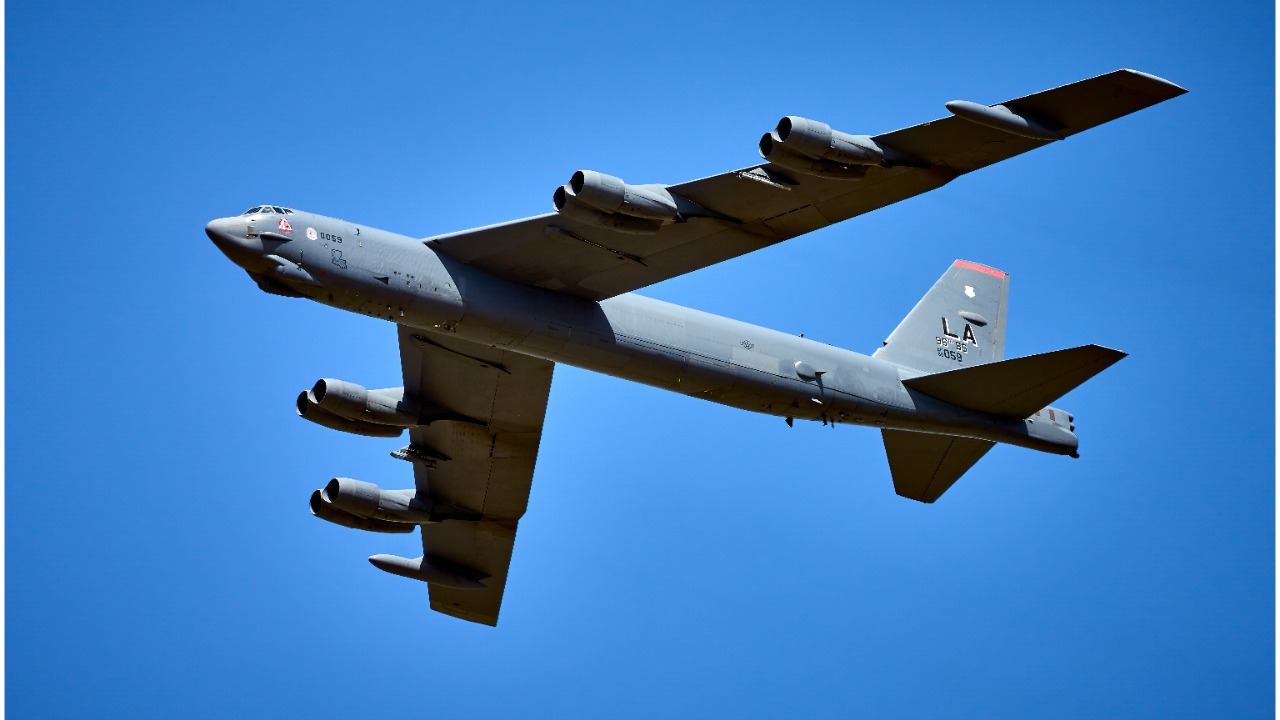
The B-52 first flew on April 15, 1952 and entered service in 1955, according to Aerocorner’s service history. The Air Force still has 76 of them and expects them to fly into the 2050s, which would give the bomber a century-long career.
No other bomber in the inventory has such a long runway ahead of it. Its payload, range and adaptability explain why planners keep modernizing it instead of retiring it, even as newer aircraft arrive.
2. KC-135 Stratotanker: Tanker With A Long Horizon
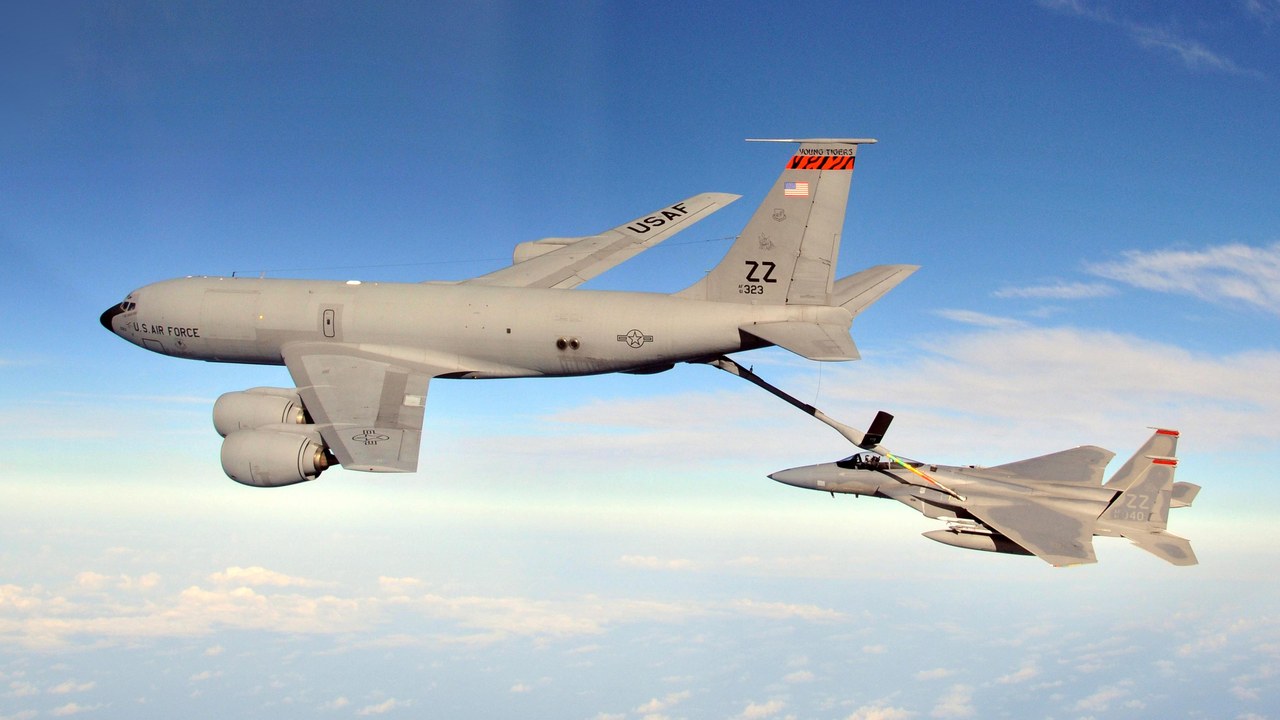
The KC-135 first flew on August 31, 1956, and the first one reached Castle Air Force Base, California, in June 1957, according to Aerocorner’s account. The Air Force now plans to keep flying the type until at least 2050.
Aerial refueling underpins nearly every long-range mission, so the tanker fleet quietly shapes what other aircraft can do. Its extended timeline shows how replacement programs have struggled to keep pace with the need.
3. U-2 Dragon Lady: Spy Plane Nears Retirement
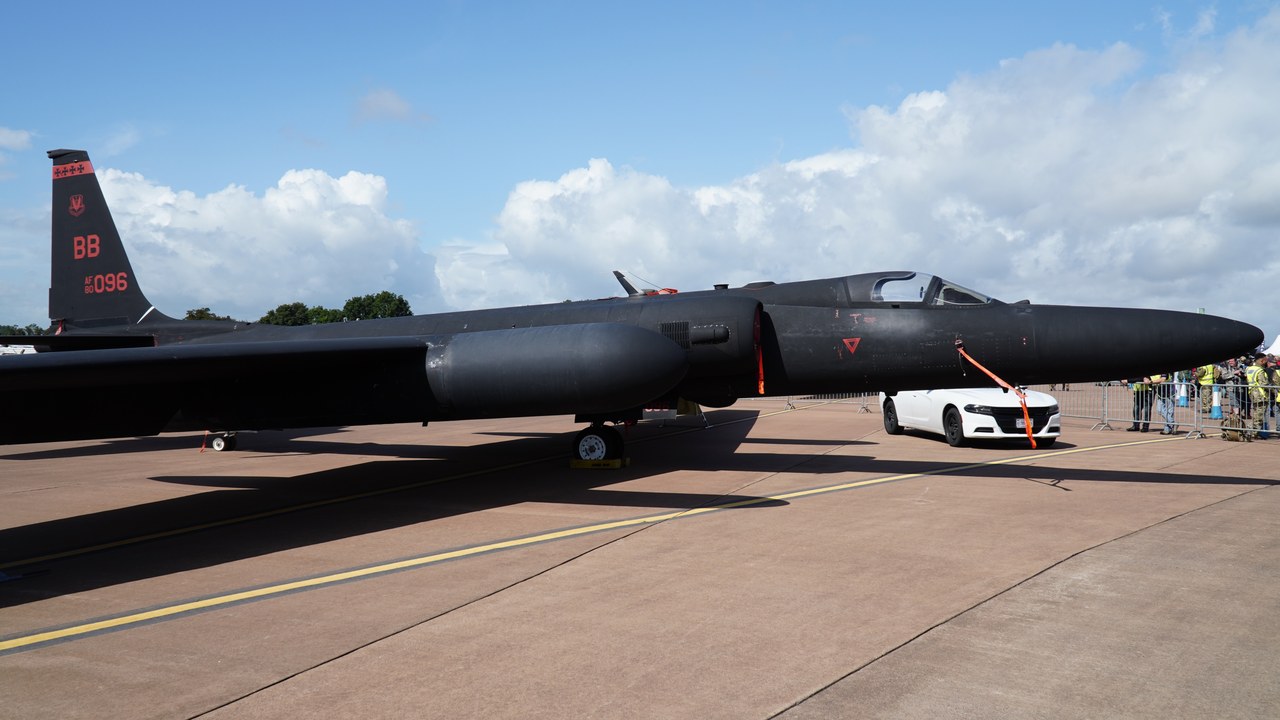
The U-2 spy plane reached operational capability in 1956, and the fiscal 2027 budget asks to retire the last 23, according to Aerocorner’s list. That request would end one of the longest-serving reconnaissance programs in aviation.
High-altitude surveillance is increasingly handled by satellites and drones, which helps explain the retirement push. The proposal remains a budget request, so the timing of any final flight depends on Congress, and the aircraft remain in the Air Force inventory until then.
4. C-130 Hercules: Transport Still In Production
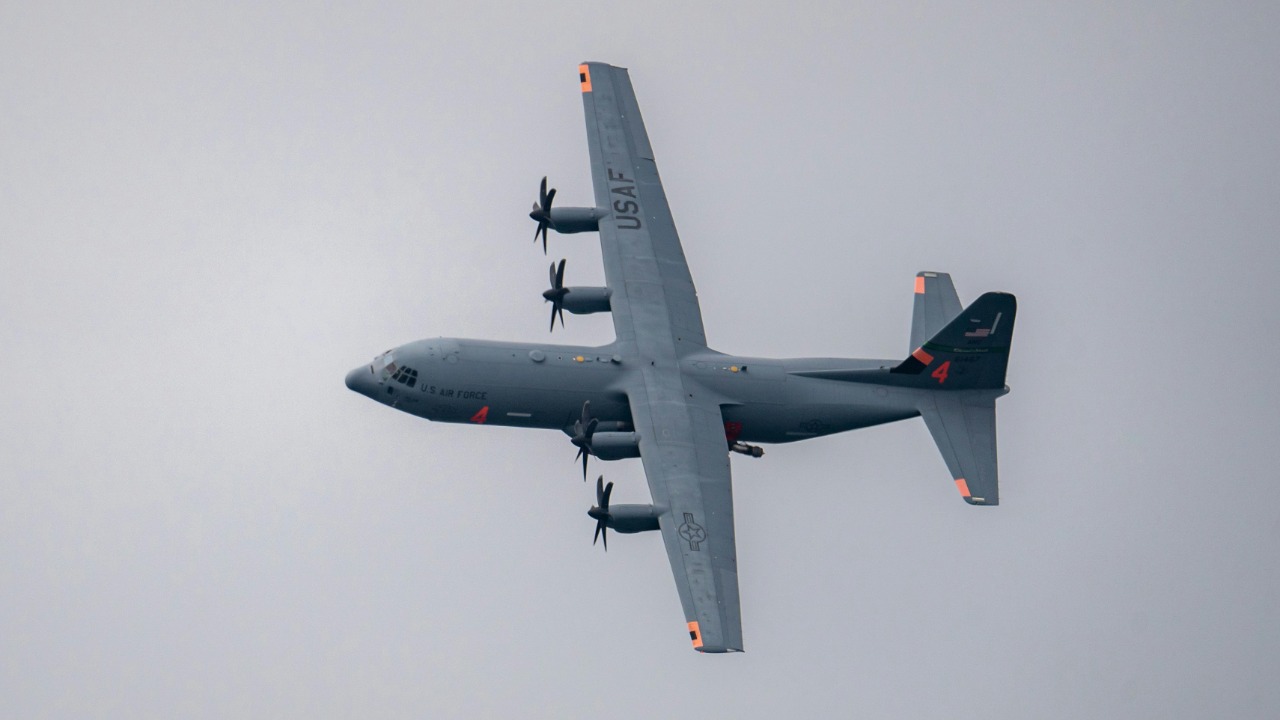
The C-130 first flew on August 23, 1954, and the C-130A entered service in December 1956, according to Aerocorner’s overview. About 70 countries operate Hercules aircraft, and the C-130J version is still being built.
Few military designs remain in production seven decades on. The Hercules shows how a flexible airlifter can be updated repeatedly, serving air forces around the world in roles far beyond its original brief, from cargo hauling to many other missions.
5. T-38 Talon: Trainer With A Second Job
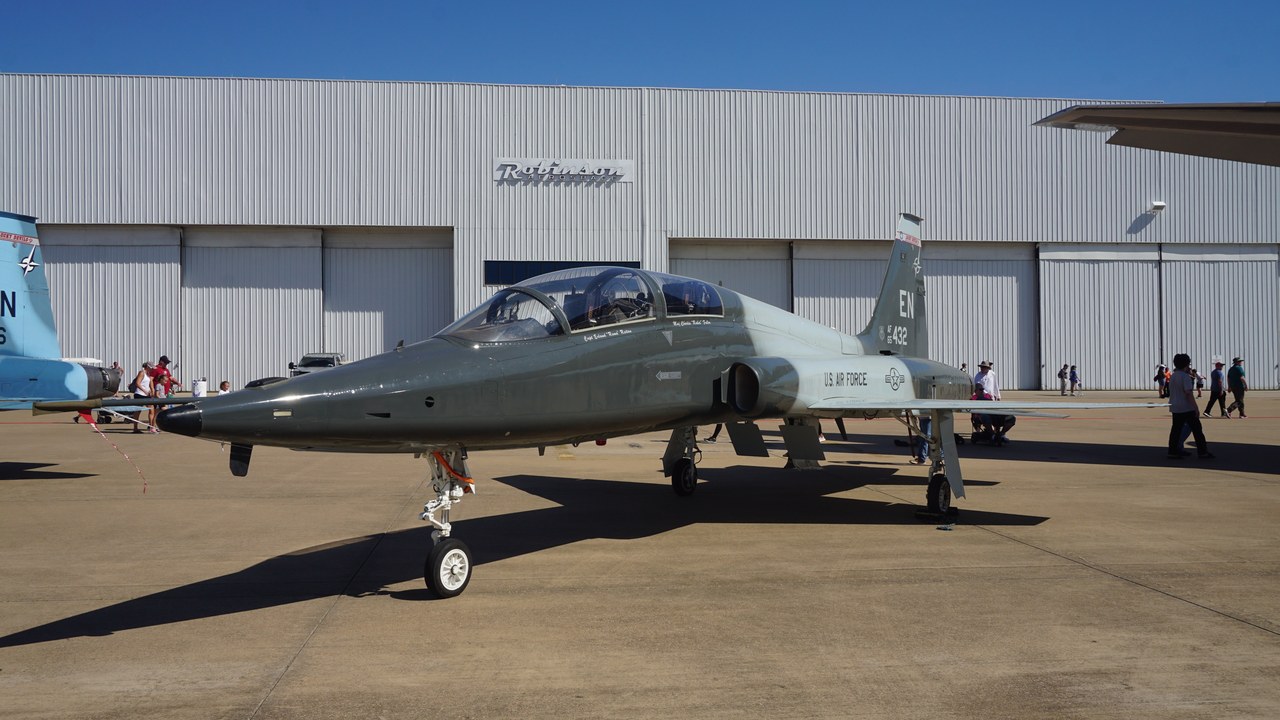
The T-38 Talon dates to 1961 and entered service that year, according to SlashGear’s list. Beyond training pilots, the jet still plays an adversary role during training missions.
Using the supersonic trainer as a stand-in opponent stretches its value well past its original purpose. The Talon’s long tenure also illustrates how training aircraft can outlast the combat jets that their students go on to fly, and it keeps costs down by reusing an existing airframe.
6. C-5M Super Galaxy: Heavy Airlifter Upgraded
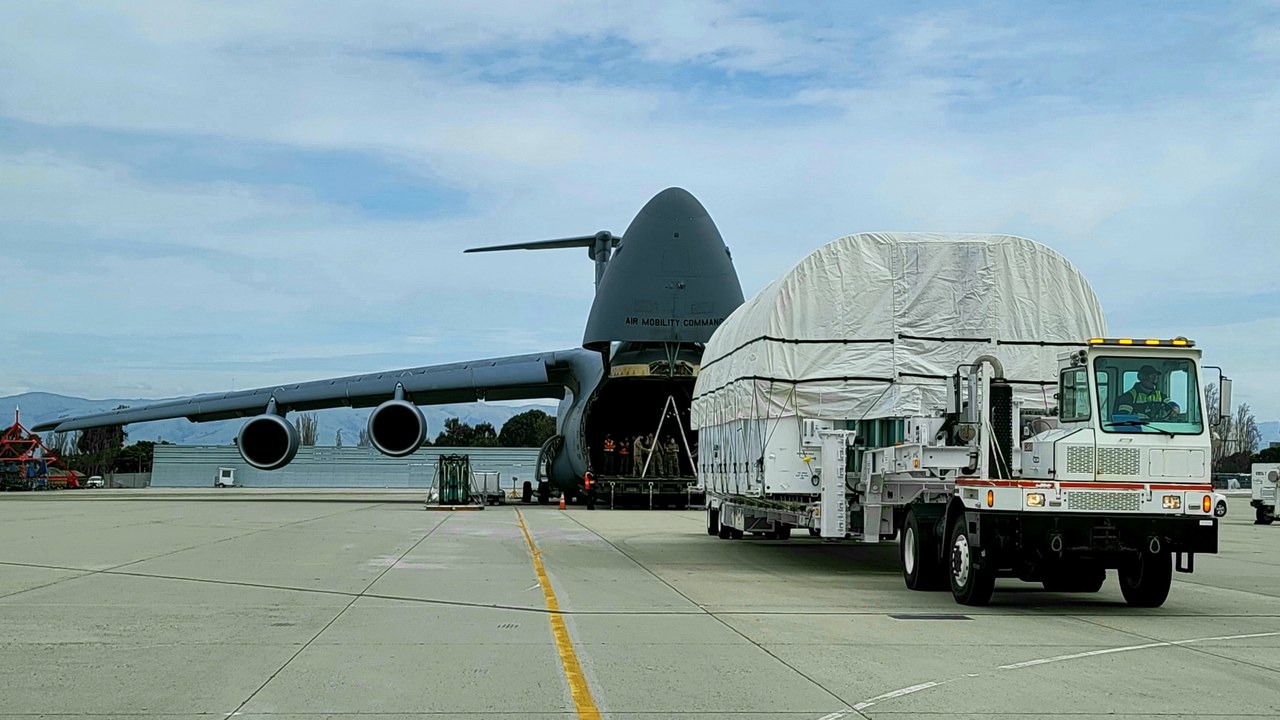
The C-5 transport dates to 1970, and the upgraded C-5M Super Galaxy is still described as one of the pillars of Air Mobility Command, according to SlashGear’s rundown. The designation reflects a major modernization of the original airframe.
Carrying outsized cargo is a niche few aircraft can fill, which is why the Galaxy has been modernized instead of replaced. The C-5M stands as a case study in extending an old design with new systems.
7. E-3 Sentry: Radar Dome Veteran
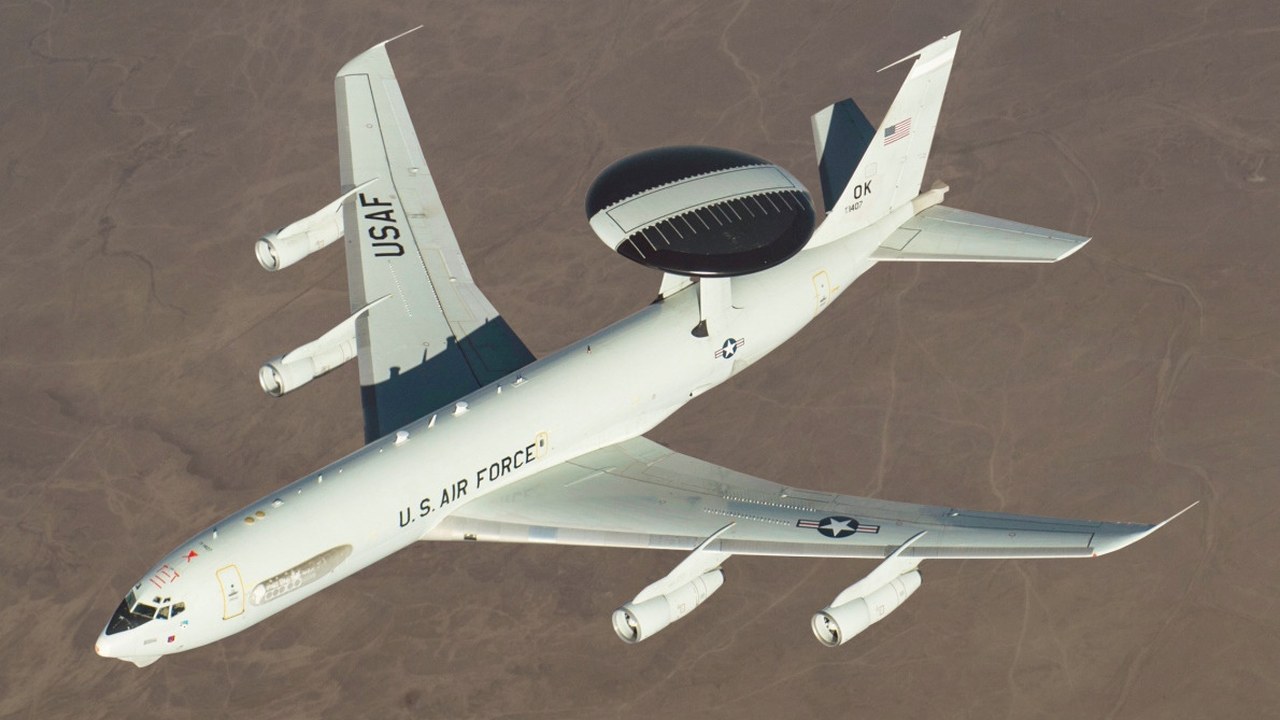
The E-3 Sentry AWACS first flew with full mission equipment on October 31, 1975, and reached initial operational capability in 1977, according to the 2025 USAF Almanac. Sixteen E-3Gs remain in the Air Force inventory in 2025.
The radar-equipped E-3 provides airborne warning and command for other aircraft, a role that grows more valuable as threats multiply. Its small remaining fleet is a reminder of how few of these specialized platforms exist.
8. F-16 Fighting Falcon: Fighter In Huge Numbers

The F-16C first flew on June 19, 1984, in its Block 25 form, with early blocks reaching initial operational capability in 1981, according to the 2025 USAF Almanac. The 2025 Air Force inventory lists 704 F-16Cs and 134 F-16Ds.
Those figures make the Fighting Falcon the backbone of the fighter force by sheer count. Its long production run produced many blocks, which allowed steady upgrades that kept the design useful across several decades.
9. CH-47 Chinook: Army Workhorse
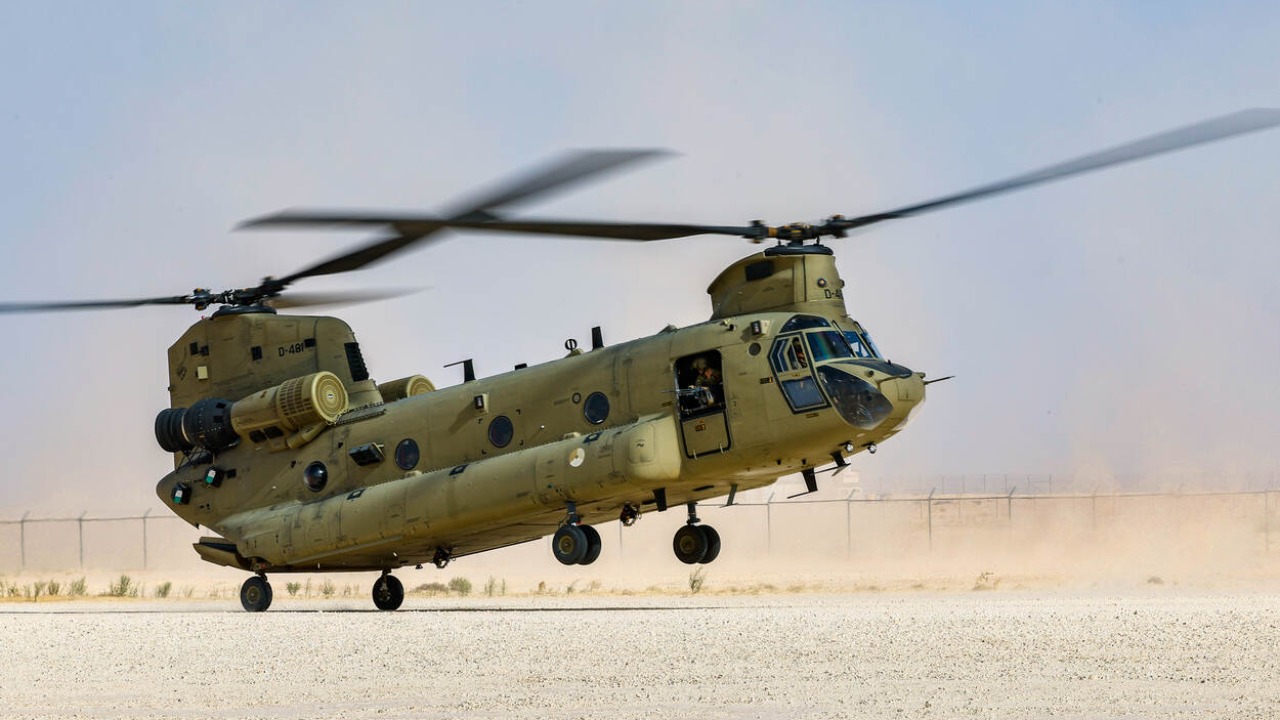
The Army adopted the Chinook in August 1962, and the updated CH-47F is expected to fly into the 2060s and beyond, according to ClearanceJobs. Its tandem-rotor layout is the aircraft’s best-known feature.
A helicopter adopted in the early 1960s that could serve into the 2060s would span about a century of service. Few lifters rival the Chinook for moving troops and heavy loads, which explains the continued investment, and the 2060s timeline shows how confident the Army is in the design.
10. F-15C Eagle: Eagle’s Aging Fleet
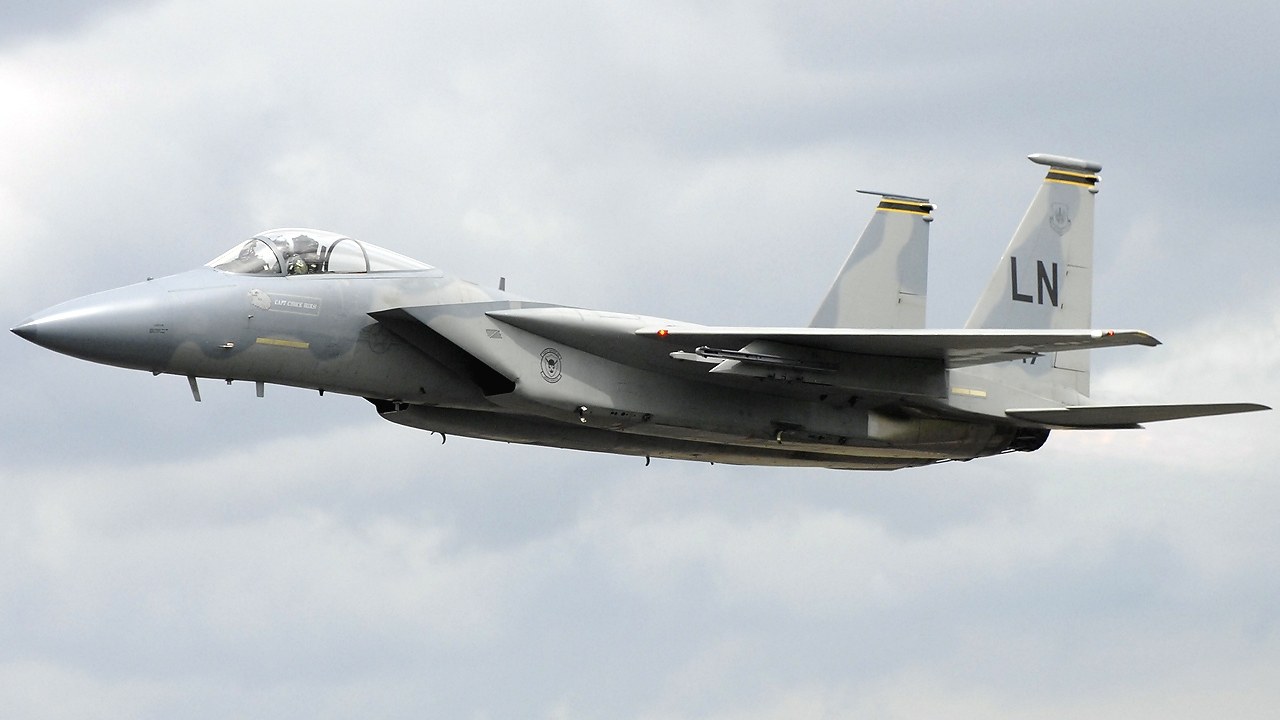
The F-15C first flew on February 26, 1979, and entered service that year, according to the 2025 Air Force Almanac. The 2025 inventory still lists 108 F-15Cs and 8 F-15Ds.
Those numbers are far smaller than the F-16’s, showing how the older air-superiority fighter has been steadily winding down. The Eagle remains a reminder of how long Cold War designs can linger in active service, even as the fleet shrinks and newer fighters take over more of the work.
11. B-1B Lancer: Bomber Fleet Age

The B-1B bomber averaged 34.05 years old in the Air Force’s 2021 fleet-age report, alongside the B-2A at 27.29 years, according to Air and Space Forces Magazine. The figures are from 2021, so both aircraft are older now.
The B-1B entered service late in the Cold War, which places it among the youngest aircraft on this list. Its age figure nonetheless shows how even newer designs from that era are now several decades old.
More from Morning Overview
- Shaq spent $1.3 million on three Rolls-Royce Phantoms to prove a point to a salesman
- The Justice Department asked courts to undo approvals for three offshore wind farms, one already making power
- Over 20 trillion gallons of rain fell on the Four Corners states and Nevada in two weeks
- 11 engines built to run well past 200,000 miles
