
Russia’s campaign against Ukraine has drawn on an arsenal that spans cruise missiles, drones, attack helicopters and heavy bombers. Some systems are decades-old designs given new roles, while others are newer systems built for reconnaissance and long-range strikes. Here are eight weapons, each tied to a sourced detail about range, payload or use.
Read next on Morning Overview: A handful of car transmissions are so tough that mechanics say they almost never die
1. 3M-14 Kalibr: Sea-Launched Reach
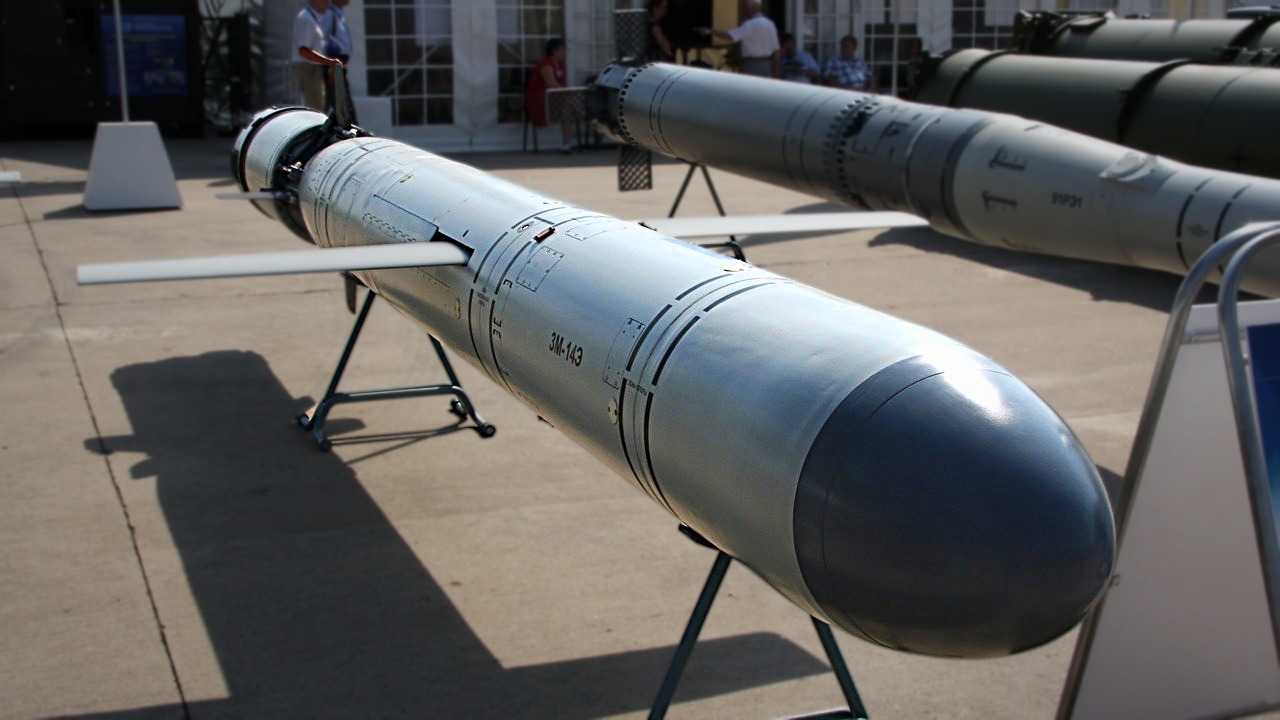
The CSIS Missile Threat profile puts the Kalibr land-attack cruise missile at an estimated range of 1,500 to 2,500 km, carrying a 450 kg high-explosive warhead. Russia launched 26 of the SS-N-30A variant from Caspian Sea vessels in 2015, a salvo that showed warships far from any front could threaten distant targets.
For defenders, a sea-launched missile with that reach means threats can come from waters well away from the fighting. The range and warhead figures are estimates, not official specifications, so they should be read as approximate. Treat the numbers as outside estimates and not as confirmed performance data, and expect them to shift as more analysis appears. The profile is also a snapshot, so later launches are not captured in it.
2. Iskander-M: Fast Enough to Strain Patriot Batteries
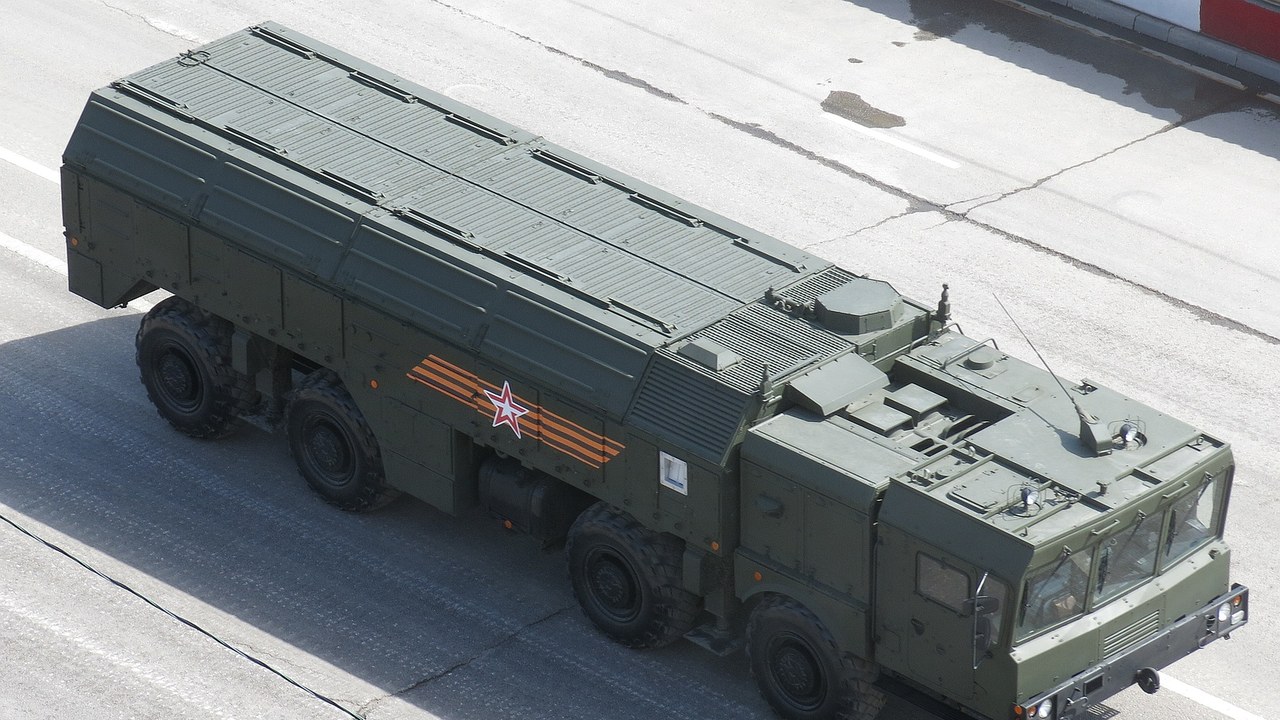
Russia’s Iskander-M ballistic missile weighs 3.8 tons and arrives at six or seven times the speed of sound, according to a Euromaidan Press analysis. The same report says Iskanders are hitting Ukrainian cities and power plants, fired from launchers that operate roughly 140 to 150 km behind the front line.
Speed is what makes the missile hard to stop. The report says the Patriot is one of only a few systems with a real chance of hitting an Iskander, and that it usually takes two or three Patriot interceptors to bring one down. A launcher needs about 16 minutes to fire its first missile, leaving it in the open for roughly twenty minutes, a window Ukrainian planners try to exploit.
3. Orlan-10: The Eye Behind Russian Artillery
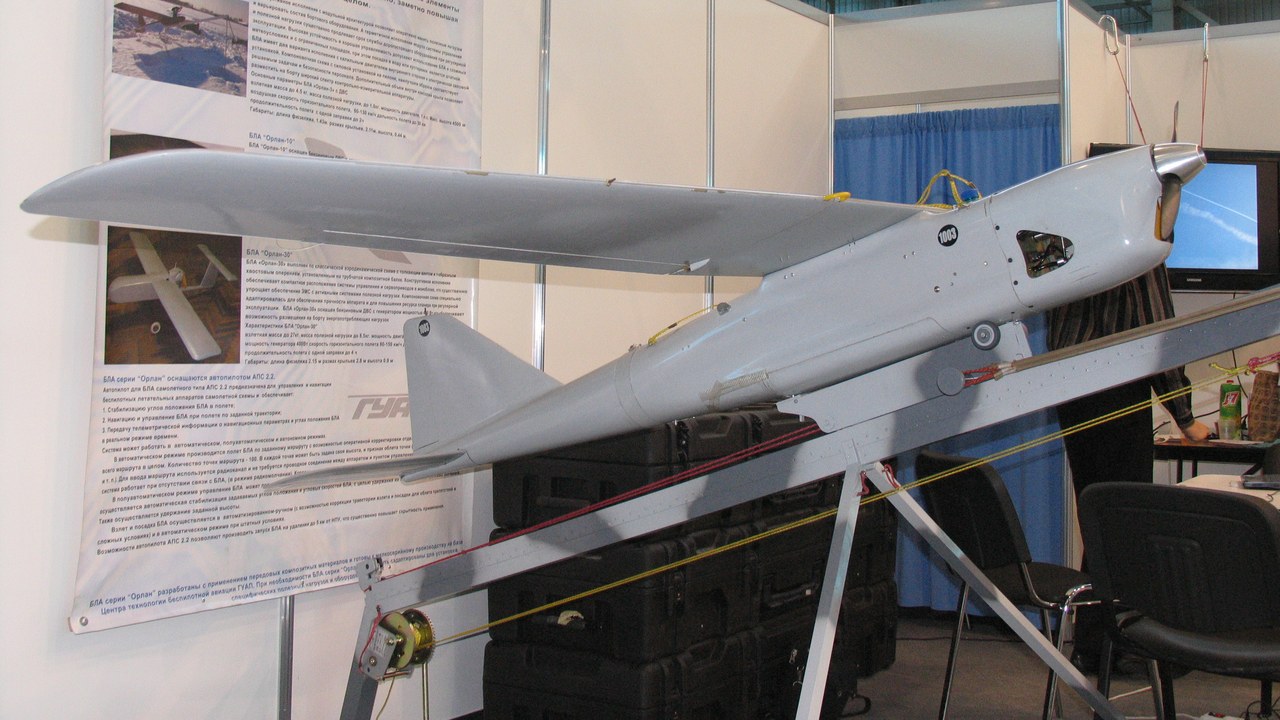
The Orlan-10 reconnaissance drone entered service with Russian forces around 2013 and was integrated into artillery brigades to provide fire correction and reconnaissance, according to European Security and Defence. It has an operational range of 150 km, which can reportedly be stretched to 600 km with repeaters, and it can stay aloft for at least ten hours before landing by parachute.
The drone carries no warhead of its own; its value lies in finding targets for guns and rockets. Operators turn the coordinates it gathers into fire requests, so the small aircraft works much like a forward observer. Weighing no more than 16.5 kg, it is typically deployed as a group of two or three aircraft working together.
4. Su-34: Glide Bomb Carrier

The Su-34 is a main carrier of Russia’s UMPB glide bombs, which reach up to 100 km when dropped from 12-15 km altitude, per LB.ua reporting. Other carriers include the Su-30SM, Su-35, Su-24 and the S-70 Myslyvets drone.
Standoff range lets jets release bombs from beyond many air defences. The same report says Russian jets typically drop 150 or more standard UMPK or UMPB bombs per day, which is why the glide bomb, more than the airframe, drives the threat. The report ties the bomb’s reach to release altitude, which means the 100 km figure is a ceiling and not a typical result. Shorter drops give shorter ranges, and the report does not say how often the maximum is reached.
5. Ka-52 Alligator: Costly Armour Hunter
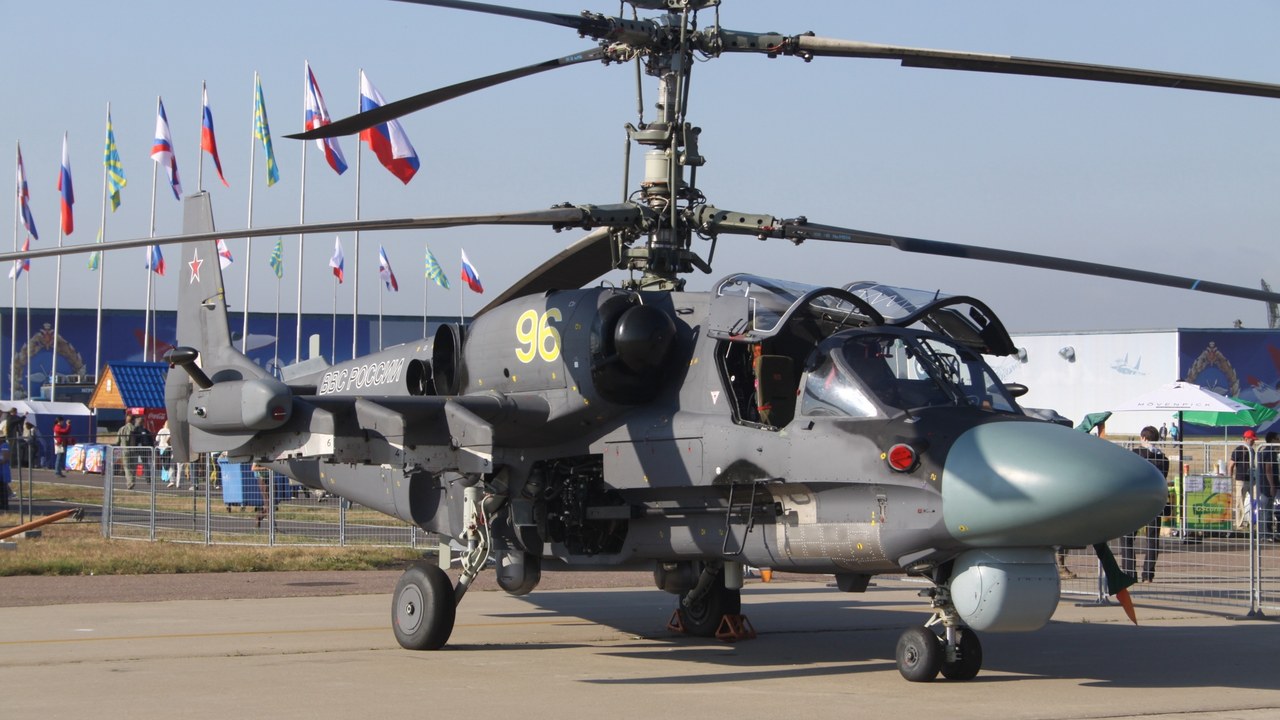
According to an Army Technology newsletter, Ka-52s registered the most losses of any Russian attack helicopter, at 62% in the first year of the war. The same report still calls the Alligator Russia’s foremost hunter of NATO armour.
The pairing of heavy losses and a leading anti-armour role explains why the type appears on any list of Russian weapons. The loss figure covers only the first year and says nothing about how tactics changed afterward. Heavy losses did not remove the helicopter from the fight, which suggests its value to Russian commanders outweighed the cost. That is an inference from the report’s framing, not a stated finding.
6. Tupolev Tu-95: Cold War Missile Truck
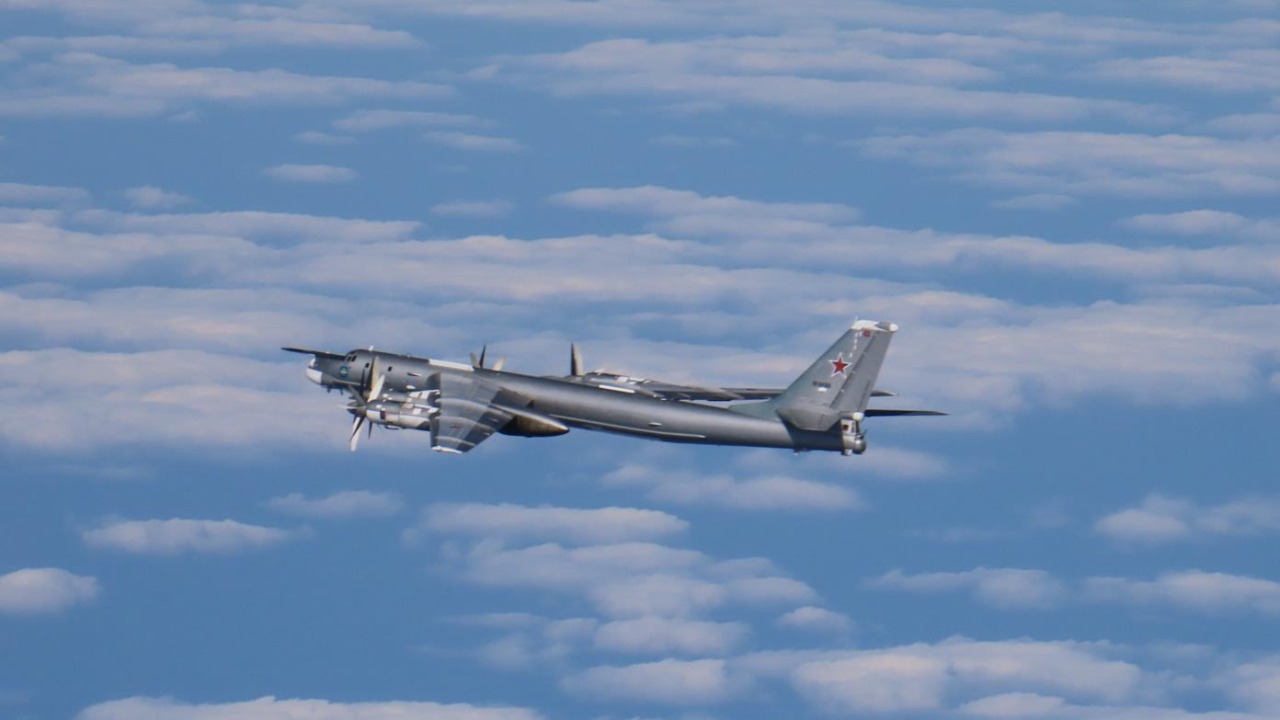
Russia’s Cold War-era Tu-95 turboprop bombers fire the Kh-101. On November 15, 2022, Ukrinform reported a mass launch of Kh-101 missiles by Tu-95s from the Volgograd-Astrakhan area, which the Kryvyi Rih administration chief said was likely two waves.
An airframe designed in the Cold War stays useful as a launch platform because the missile, not the aircraft, does the reaching. The account is a single day’s report from Ukrainian officials and media, not a full tally of such attacks. Such reports come from Ukrainian authorities during an active war, so scale and timing are described from one perspective. Even so, the use of a Cold War bomber for modern missile launches is well documented in the source.
7. Tupolev Tu-160: Blackjack Strategic Bomber
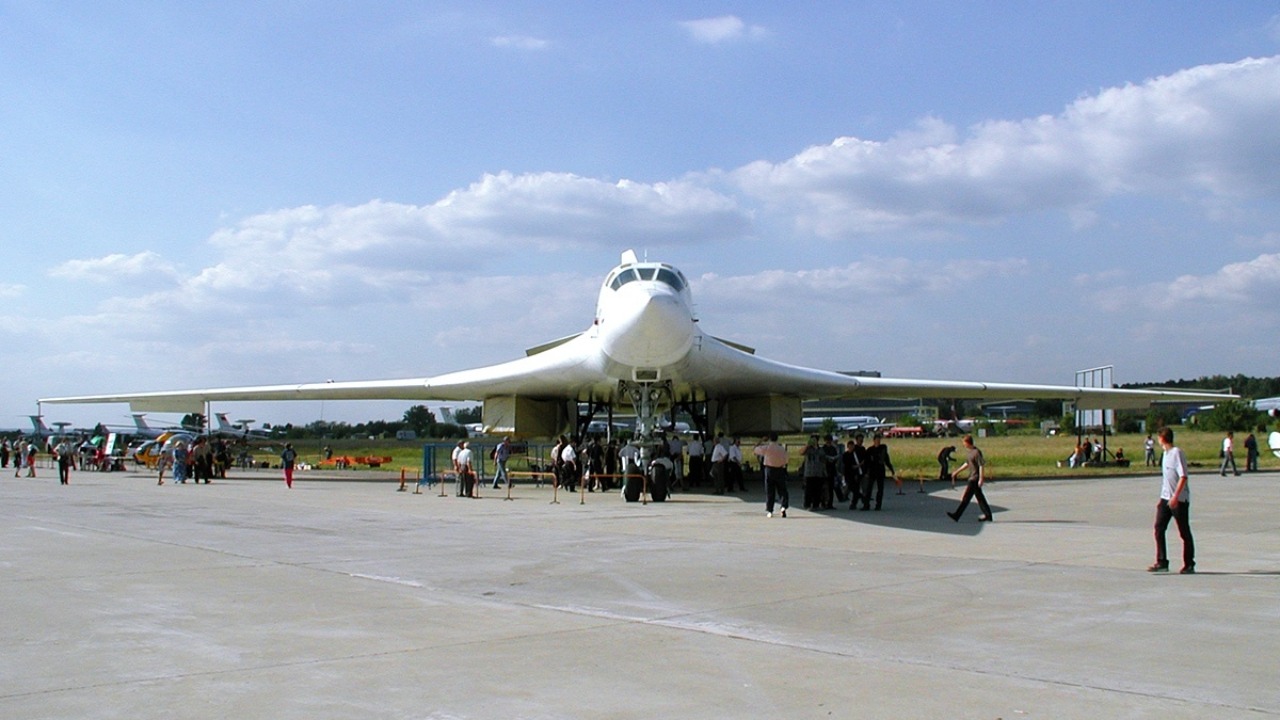
The swing-wing Tu-160 Blackjack is one of two Russian strategic bombers that CSIS Missile Threat lists as carriers of the Kh-101 cruise missile, alongside the Tu-95MS. The listing ties the aircraft directly to a weapon with a reported reach above 2,500 km.
The research available for this entry is thin and covers its carrier role only. Its place on the list rests on that pairing with the Kh-101, and no sortie counts or losses are given. The source treats the bomber as one element of a launch system, and the missile is the better-documented half of the pair. Readers looking for performance detail on the aircraft itself will need other sources.
8. TOS-1A: Thermobaric Launcher
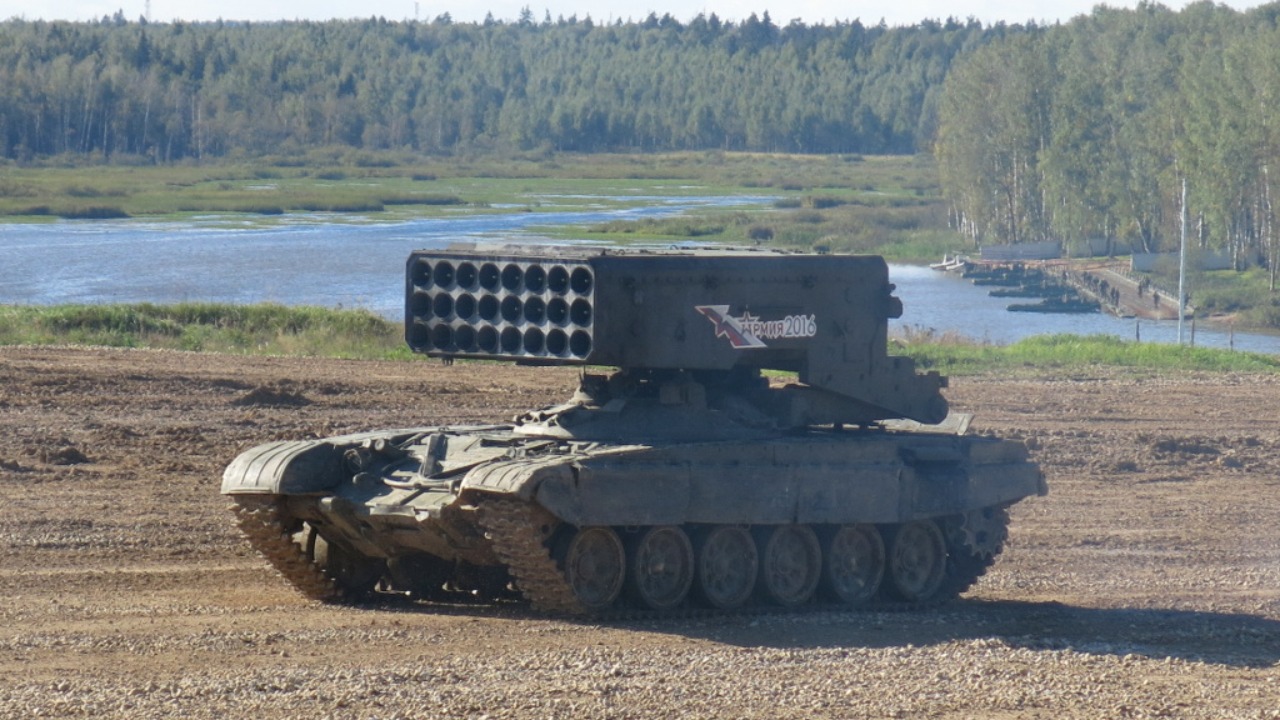
Mounted on a T-72 tank chassis, each TOS-1A launcher carries 24 thermobaric 220-millimeter rockets with a maximum range of 6 kilometers, as The War Zone reported. The outlet described the systems moving toward Ukraine in February 2022.
A thermobaric, or fuel-air explosive, weapon trades range for blast effect. At 6 kilometers it must operate close to the front, which sets it apart from the long-range missiles elsewhere on the list. The February 2022 date marks the moment the system was reported near Ukraine, not its first use in combat. The 6 kilometer figure is the maximum, and the report does not describe typical engagement distances.
More from Morning Overview
- The Justice Department asked courts to undo approvals for three offshore wind farms, one already making power
- Over 20 trillion gallons of rain fell on the Four Corners states and Nevada in two weeks
- 11 engines built to run well past 200,000 miles
- Two Kentucky residents died when a small plane crashed at Missouri’s Lake of the Ozarks, and the NTSB is investigating
