
Automakers routinely retire nameplates that no longer fit a lineup, only to dust them off once nostalgia or a gap in the market makes the old name useful again. Some vehicles vanished for a single generation before returning on an updated platform, while others sat dormant for a quarter century. Here are eleven car nameplates that automakers killed and later brought back.
1. Ford Bronco: A 25-Year Comeback
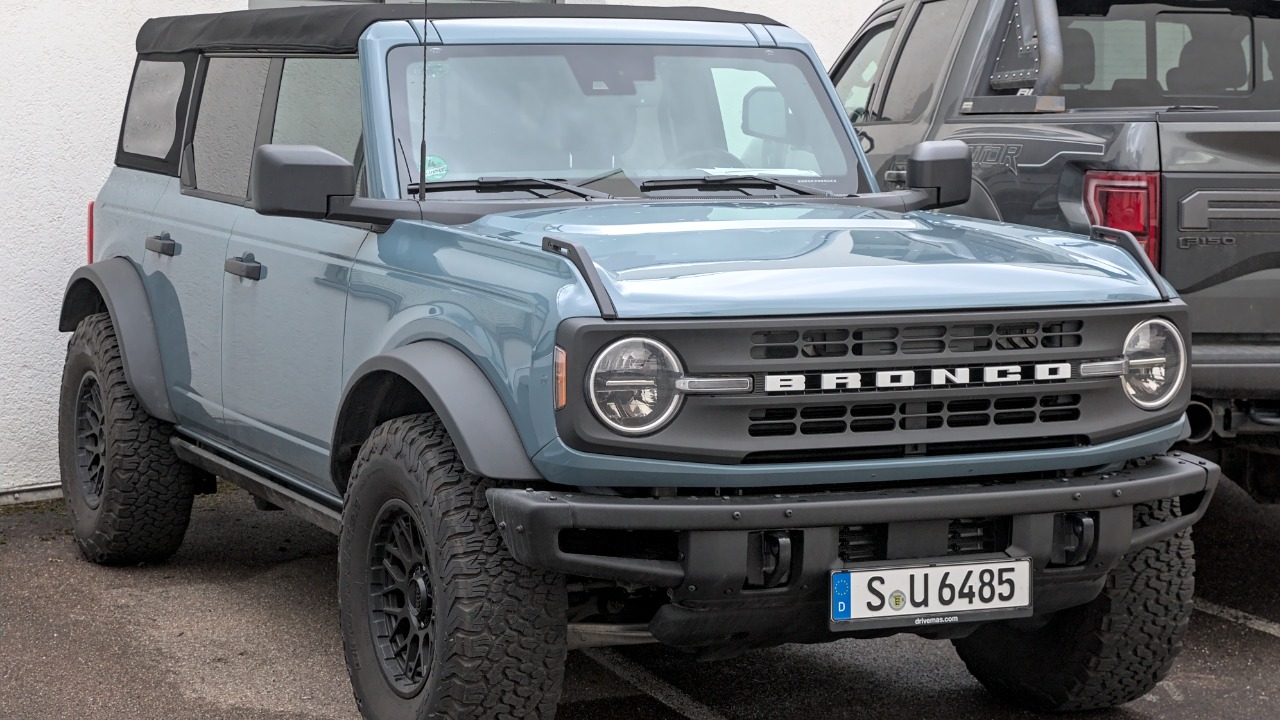
Ford discontinued the Bronco in 1996, leaving the nameplate dormant for roughly 25 years before reviving it as a 2021 model year off-roader built on a body-on-frame platform. The relaunch restored a boxy, trail-focused design with removable doors and a modular roof, features the nameplate wore during its original 1966 debut.
The revived truck now competes directly against the Jeep Wrangler, targeting buyers who wanted a traditional off-roader rather than the softer crossovers that dominated Ford’s lineup during the Bronco’s quarter-century absence from showrooms.
2. Honda Prelude: Twenty-Five Years Off The Grid
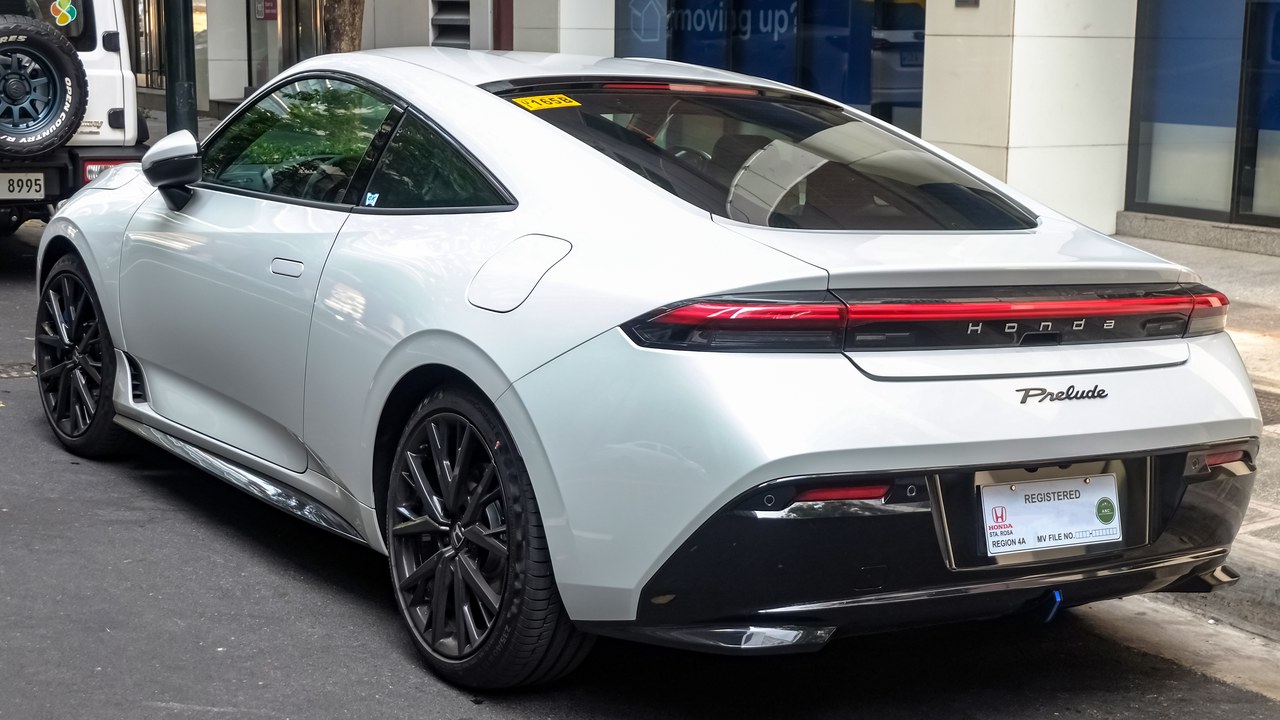
Honda pulled the Prelude from the US market in 2001 after the coupe’s fifth generation ended production, retiring a nameplate that had defined the brand’s sporty image since 1978. The company confirmed a revival two and a half decades later, bringing back the Prelude name on a new hybrid coupe.
The gap outlasted several full model cycles for rival coupes, and Honda used the dormant years to shift its lineup toward crossovers, meaning the Prelude returns to a showroom that looks very different from the one it left.
3. Toyota Supra: Two Separate Lives On Sale
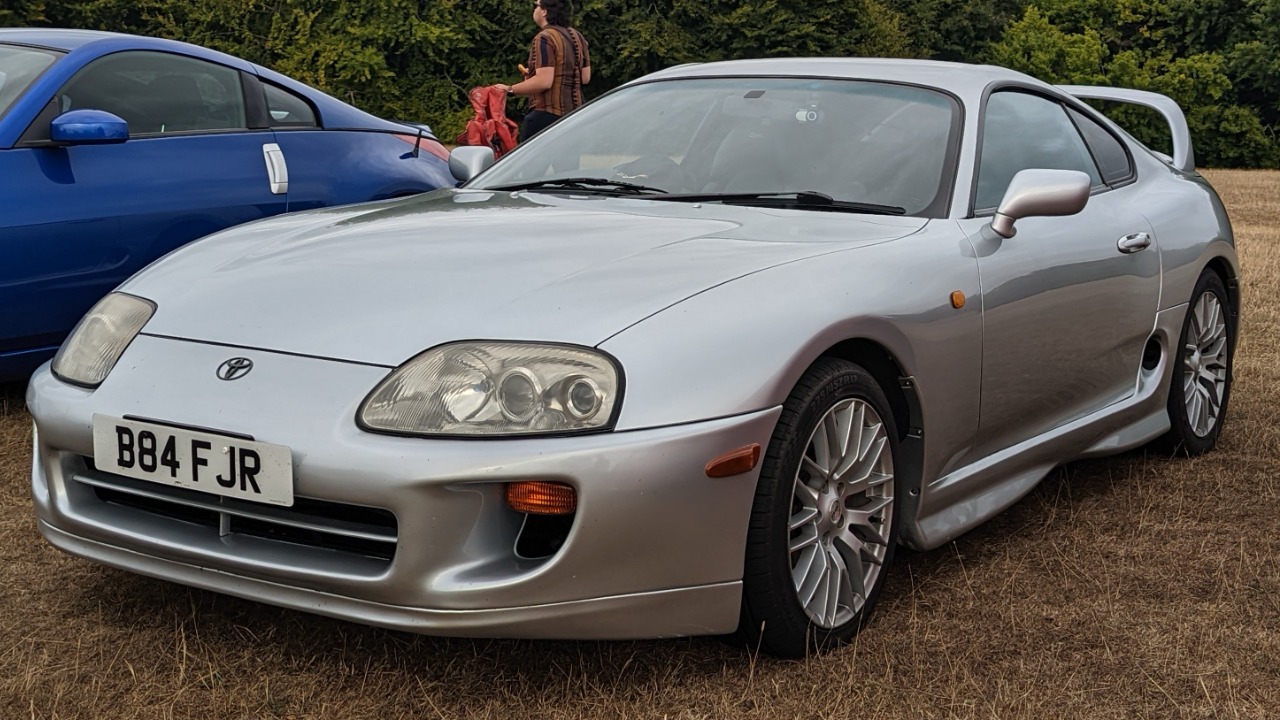
Toyota built the Supra continuously from April 1978 until August 2002, when the fourth-generation model was discontinued amid falling sports-car sales. The nameplate then sat unused for more than sixteen years until Toyota restarted Supra production in March 2019 through a joint platform developed with BMW.
The break was long enough that an entire generation of buyers grew up without a new Supra on sale, and the revived car arrived as a turbocharged coupe built in Austria rather than Japan.
4. Acura Integra: Shelved After The Fourth Generation
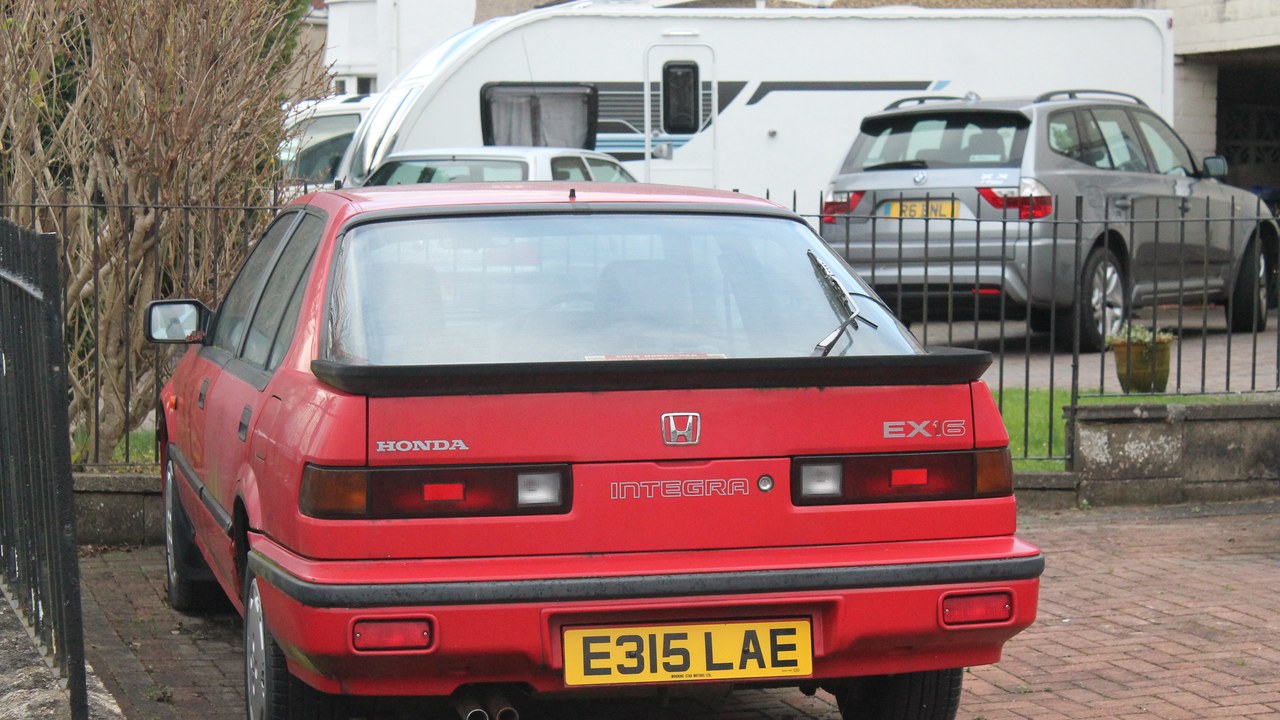
Acura ended the Integra after its fourth generation in 2001, folding the compact’s role into the RSX before dropping a dedicated sport-compact model from the lineup entirely. The nameplate returned for the 2022 model year on a new liftback built alongside the Civic Si.
More than two decades separated the two eras, and the revived Integra kept the badge’s front-wheel-drive, manual-transmission-friendly formula intact rather than chasing the heavier, more luxury-oriented direction Acura had taken with other models.
5. Ford Ranger: Off Sale For Seven Years
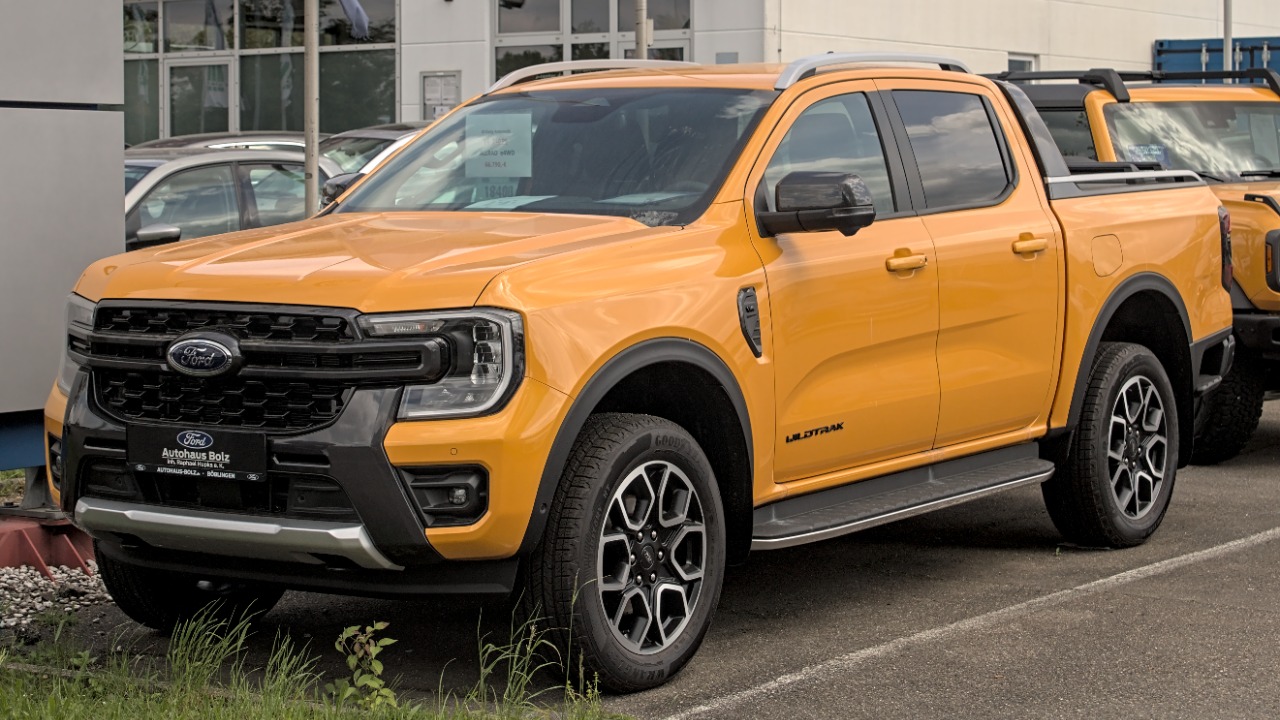
Ford sold the Ranger in the US from the 1983 through 2012 model years before halting American production as compact trucks fell out of favor with domestic buyers. The nameplate resumed in the 2019 model year, filling the gap left when Ford discontinued the Ranger stateside.
The seven-year absence coincided with a stretch when midsize trucks briefly lost ground to larger full-size pickups, and Ford brought the Ranger back once demand for a smaller, more efficient truck picked back up.
6. Jeep Gladiator: The Name Skipped Five Decades
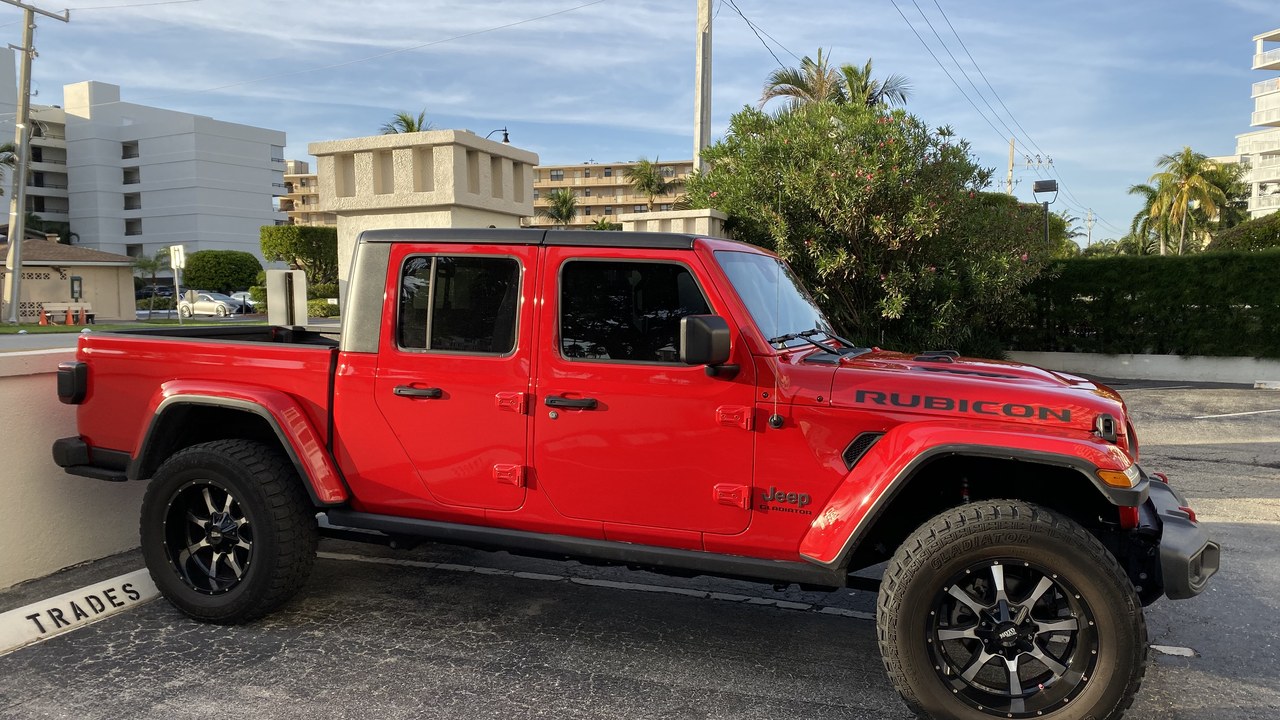
Jeep dropped the Gladiator name in 1971, rebranding its pickup line as the J-Series for the rest of that truck’s production run. The nameplate stayed unused for nearly five decades until Jeep revived it on the JT-generation pickup, a truck built on the current Wrangler platform.
That long gap means the Gladiator name skipped multiple generations of Jeep trucks entirely, and the JT arrived as a genuinely new interpretation rather than a direct successor to the truck that carried the badge last.
7. Chevrolet Blazer: Resurrected On A Crossover
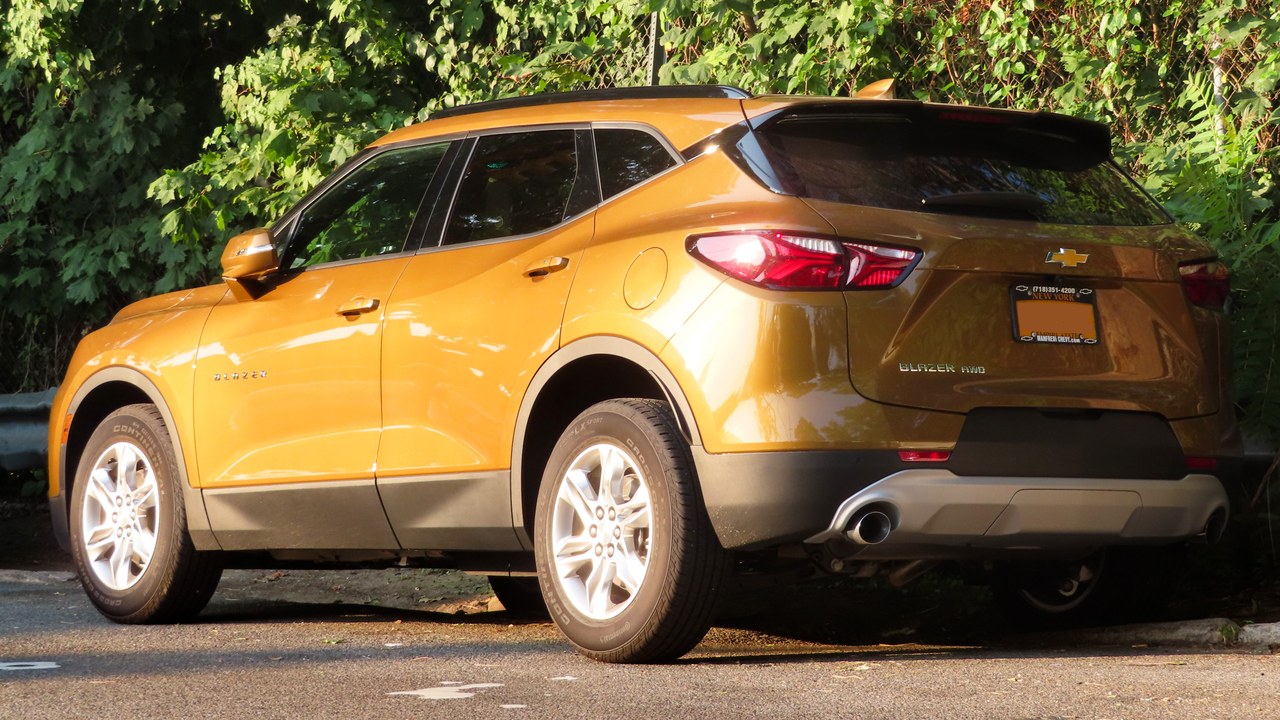
Chevrolet retired the truck-based Blazer nameplate in the early 2000s as the brand shifted its SUV lineup toward car-based platforms. J.D. Power notes the name was resurrected for the 2019 model year on a unibody midsize crossover with no direct link to the original body-on-frame trucks.
The change disappointed some longtime buyers who associated the Blazer with rugged off-road capability, since the revived version competes against mainstream crossovers rather than the truck-based SUVs it once shared showroom space with.
8. Chevrolet TrailBlazer: An Old Name, A New Segment
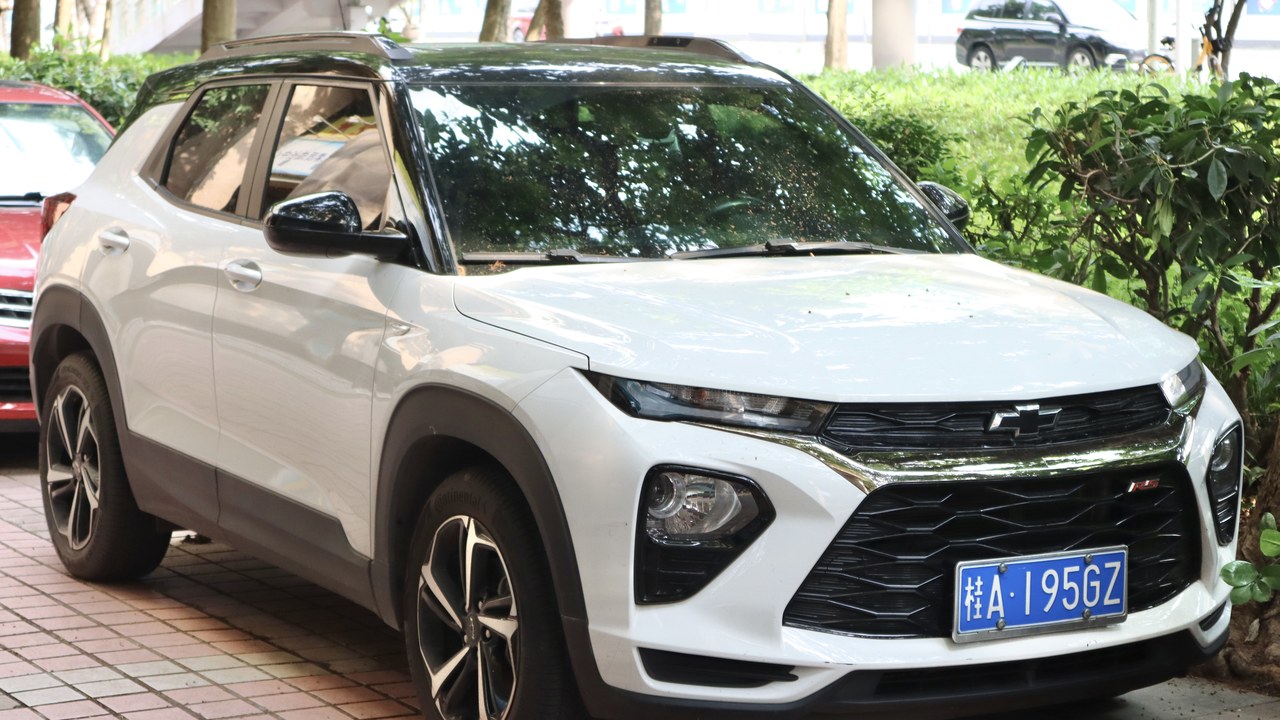
Chevrolet’s original Trailblazer was a midsize SUV built through the 2009 model year before the badge disappeared from American showrooms. J.D. Power describes the 2021 Trailblazer as an old name applied to an entirely new vehicle, a subcompact crossover unrelated to the earlier truck-based SUV.
The gap between the two vehicles runs roughly a decade, and the smaller modern Trailblazer shares little beyond a name with the body-on-frame SUV that wore the badge in the 1990s and 2000s.
9. Toyota Land Cruiser: Paused, Then Brought Back For 2024
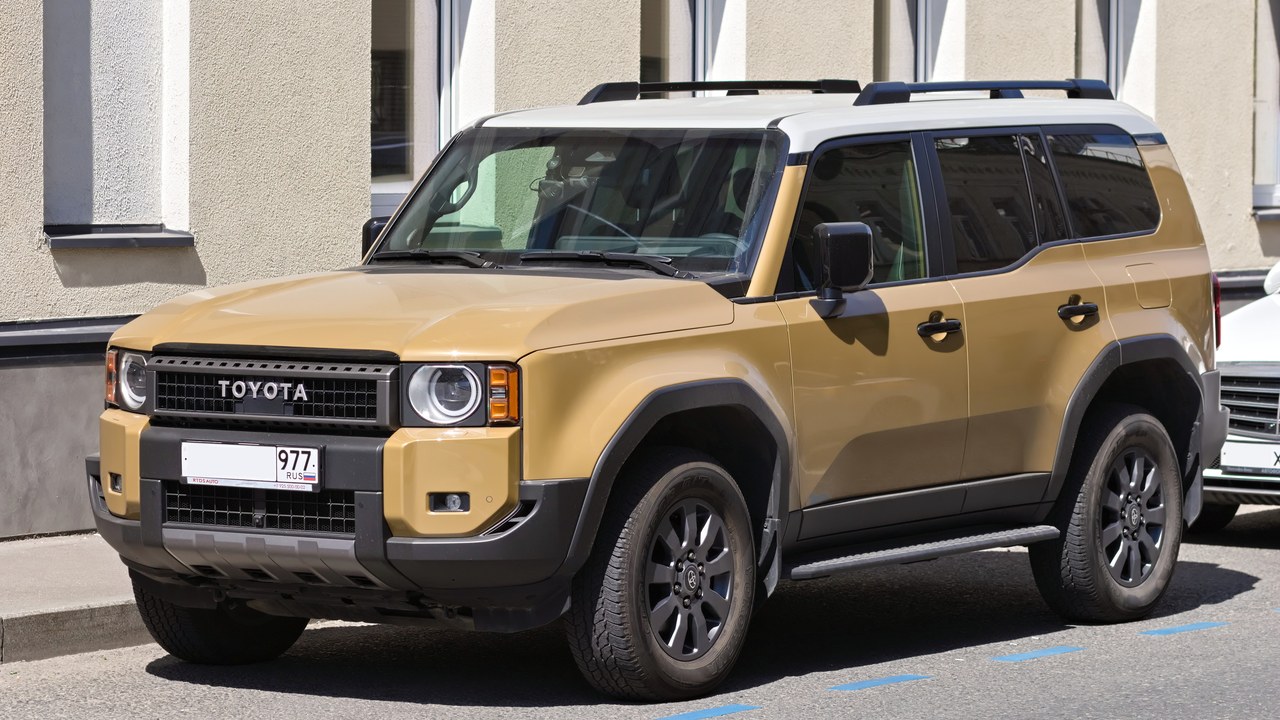
Toyota paused US Land Cruiser sales for the 2022 and 2023 model years, leaving the nameplate absent from showrooms even though production continued for other global markets. J.D. Power reports Toyota returned the Land Cruiser to American buyers for the 2024 model year on a smaller, more affordable platform.
The pause lasted only two model years, but it marked the first time Toyota left the nameplate out of its US lineup since the Land Cruiser debuted stateside decades earlier.
10. Land Rover Defender: A Four-Year Gap Before The Reboot
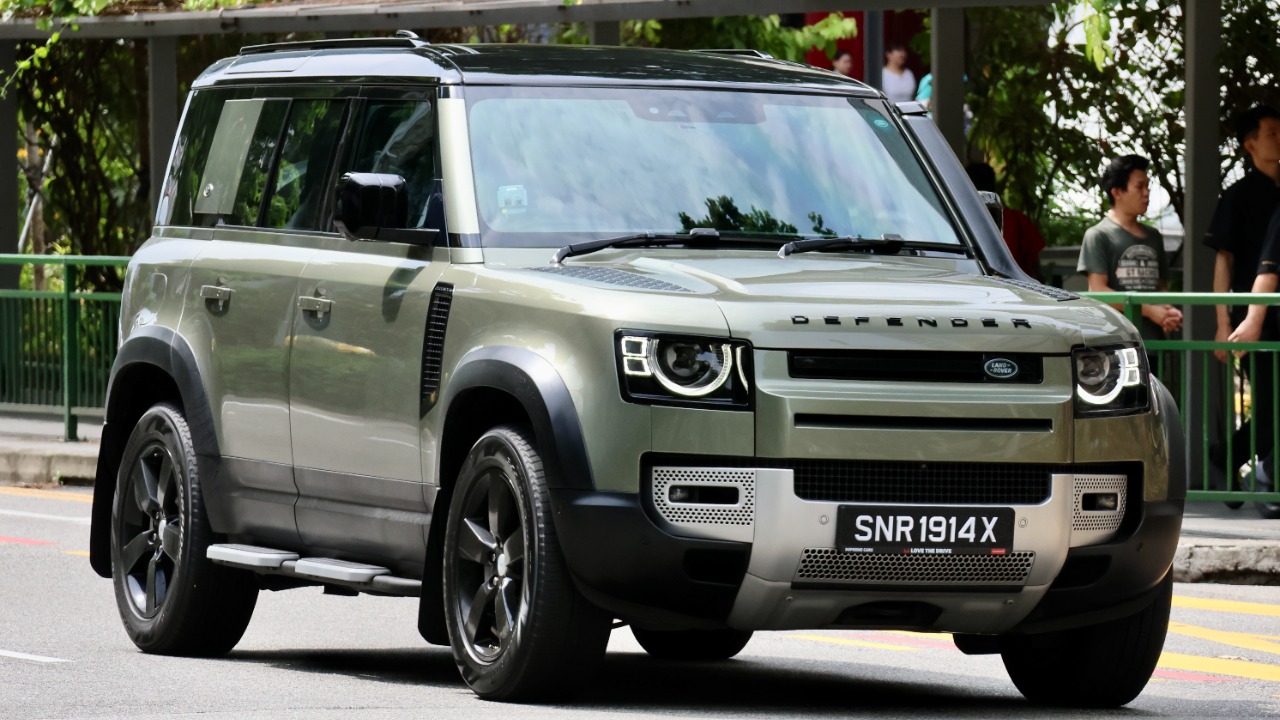
Land Rover ended production of the original Defender on 29 January 2016 after decades on largely unchanged underpinnings, citing the aging platform’s inability to meet modern safety and emissions rules. The company replaced it with the L663-generation Defender in 2020, a fully redesigned model on a modern unibody chassis.
The four-year gap let Land Rover retool the nameplate for a broader, more comfort-oriented audience, moving away from the original’s utilitarian, body-on-frame construction that off-road purists had valued for decades.
11. Ford Maverick: A Compact Car’s Name Reused
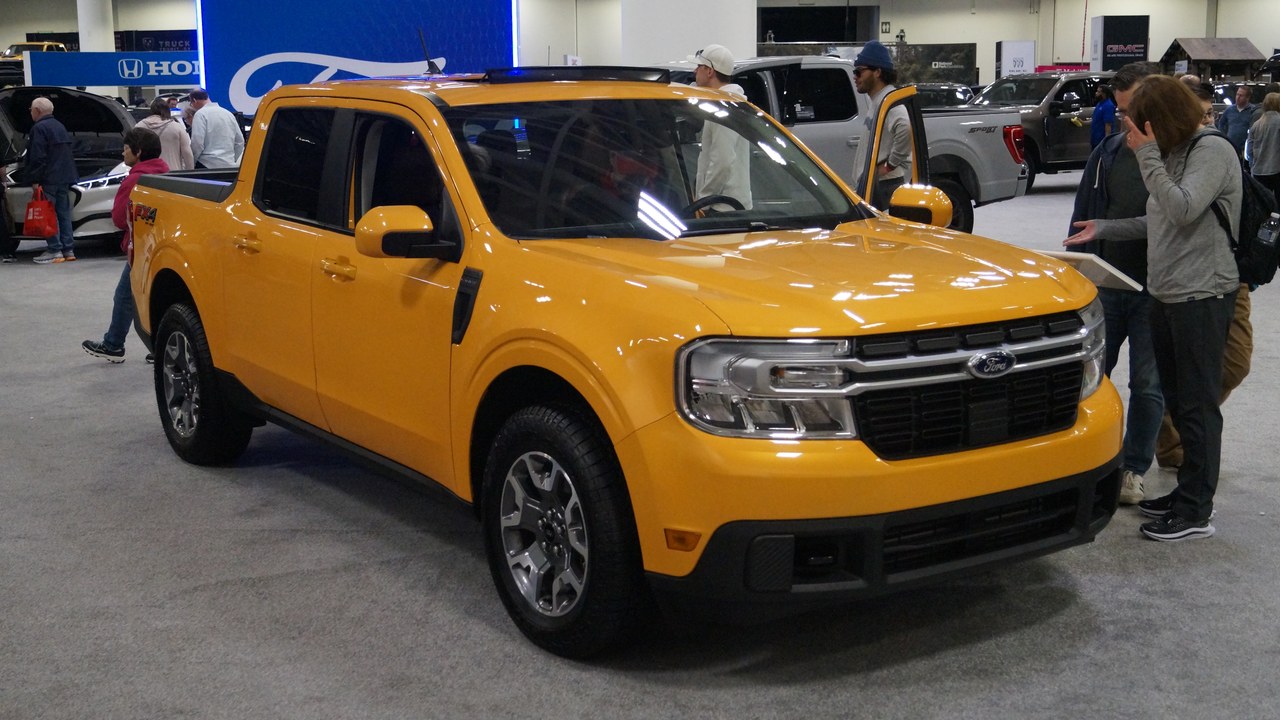
Ford last used the Maverick name on a compact car sold through the 1979 model year, retiring the badge as the company reshaped its passenger-car lineup. More than four decades later, Ford revived the Maverick nameplate on a 2022 compact pickup built on a unibody car platform.
The gap between the two vehicles spans more than 40 years, and the new truck shares nothing mechanically with the old compact, using the Maverick name mainly to signal an affordable, efficient option.
More from Morning Overview
