
The Galápagos Islands hold a remarkable share of animals found nowhere else, with Galápagos Conservancy putting reptile and land mammal endemism at 97 percent. Isolation shaped seabirds, reptiles and mammals with unusual habits, including a cormorant that gave up flight. Here are eleven endemic animals, from a tiny penguin to the land iguanas.
1. Galápagos penguin: Penguin on the Equator
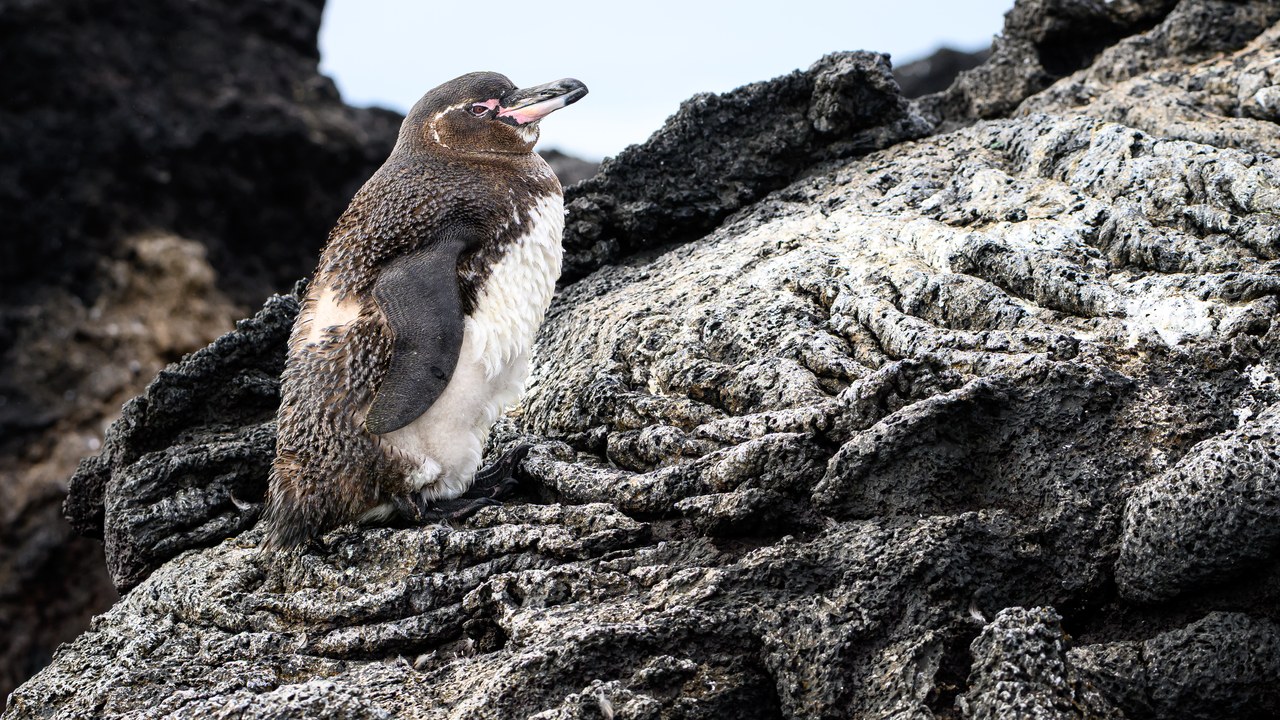
Endemic to the Galápagos, this is one of the world’s smallest penguins, and Galapagos Conservation Trust reports that it hunts at speeds of up to 35 km/h, about 22 mph. It is one of six endemic seabirds named by Galápagos Conservancy.
A penguin living on equatorial islands overturns the usual picture of ice and snow. The small size and quick hunting pace make it a vivid example of how island species adapt to their surroundings.
2. Marine iguana: The Sea-Going Lizard
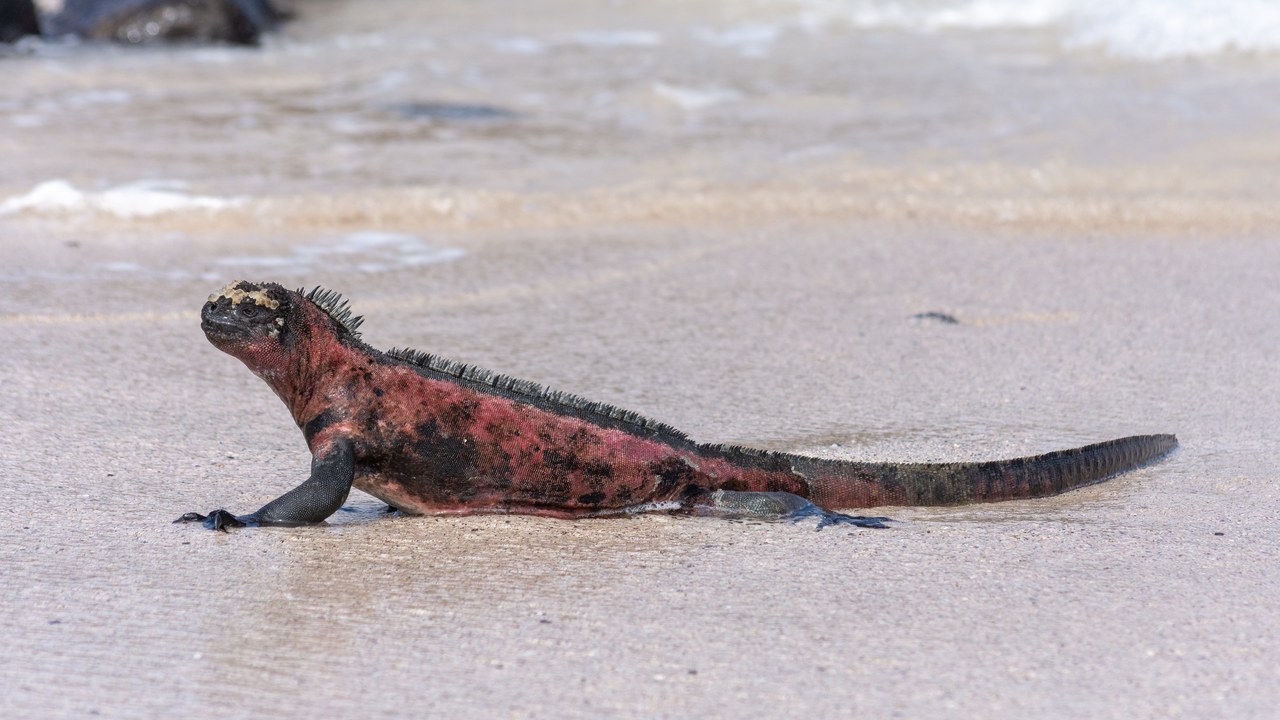
Endemic to the Galápagos, the marine iguana is the only sea-going lizard in the world, according to Galapagos Conservation Trust. It expels excess salt through its nose, often leaving salt crystals on its snout.
Those crusted snouts are a visible sign of life spent feeding in salt water. For visitors, the animal is one of the most distinctive reptiles in the islands, and its uniqueness is the reason it earns a spot here.
3. Galápagos giant tortoise: Twelve Tortoises Remain
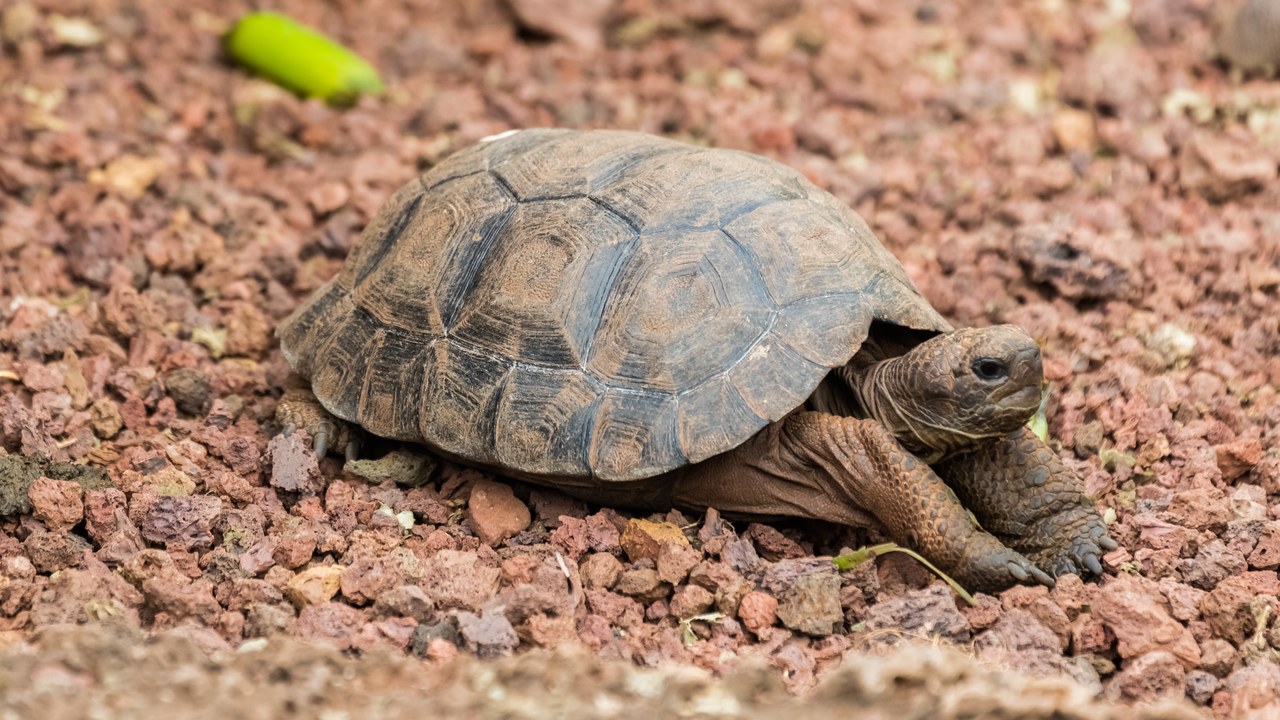
Twelve living species of giant tortoise are thought to remain across ten Galápagos islands, Galapagos Conservation Trust says, a count that stands since Lonesome George died in 2012.
The islands themselves take their name from the tortoises, and the loss of Lonesome George marked a sobering moment for conservation. The surviving species now depend on protection programs that keep each island’s population distinct. That makes the twelve-species count a figure conservationists watch closely.
4. Galápagos sea lion: Deep, Long Dives
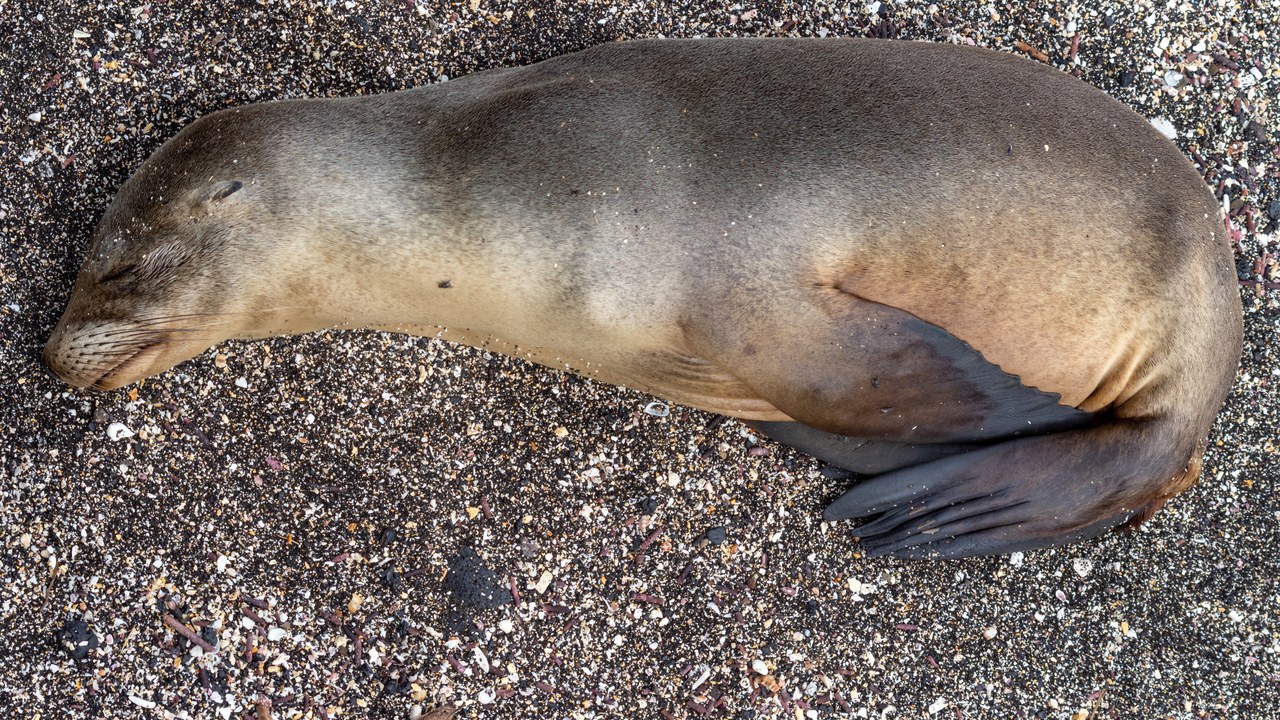
A Galápagos sea lion can dive to around 600 metres and stay under for more than 10 minutes, according to Galapagos Conservation Trust. Those numbers rank the animal among the more capable divers of the archipelago.
Visitors who snorkel near sea lion colonies often meet a playful animal at the surface, which hides the endurance underneath. The dive figures show a predator well equipped for hunting in deep water. That stamina helps explain how the species thrives in a sea shaped by shifting currents and food supplies.
5. Galápagos fur seal: Smallest Eared Seal
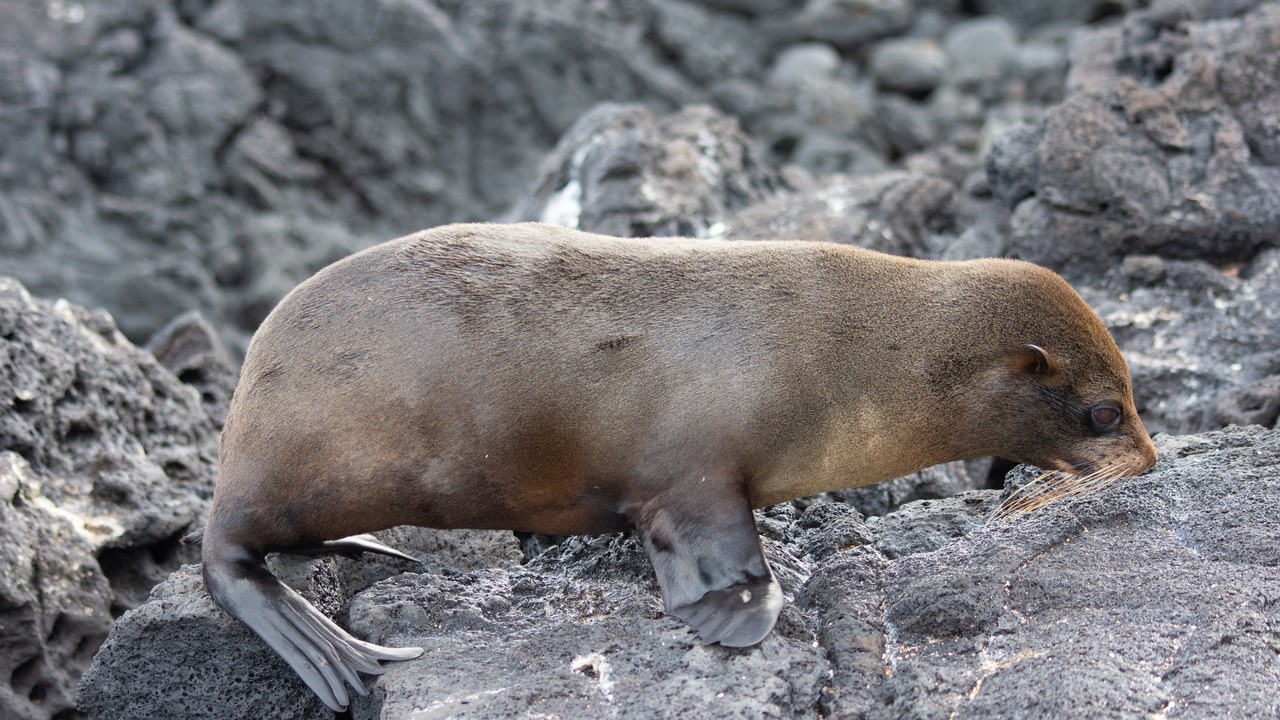
The smallest of the eared seals is endemic to the islands and classed Endangered, according to Galapagos Conservation Trust. The 1982 to 1983 El Niño killed almost all young fur seals, a blow felt across the population.
Warm-water events that disrupt food supplies remain a central threat for a species this size. The episode shows how a single climate swing can reshape an island population within one season. Because the species lives only in these islands, the recovery of young animals matters well beyond a single colony.
6. Flightless cormorant: The Cormorant That Gave Up Flight
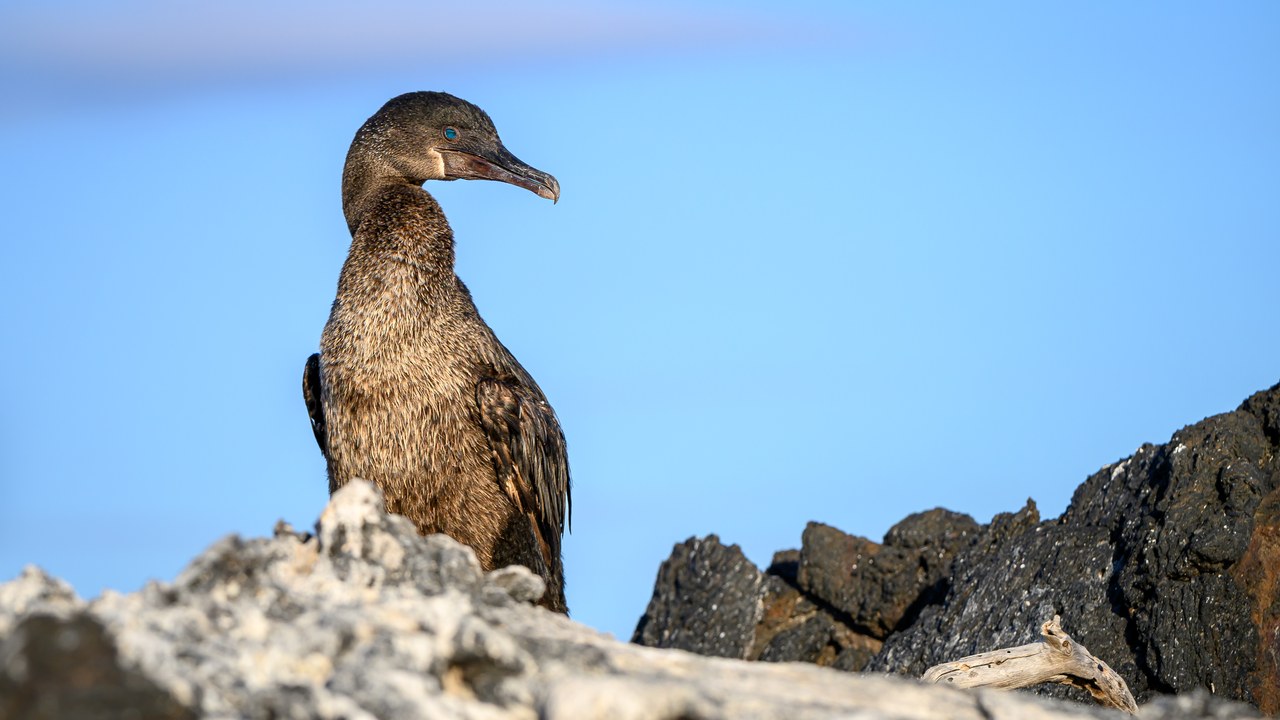
The flightless cormorant is the only one of 29 cormorant species that cannot fly, and Galapagos Conservation Trust places it only on Isabela and Fernandina. Around 1,000 breeding pairs are estimated.
A range limited to two islands and a population near a thousand pairs leaves little margin. The bird is the clearest illustration of why the archipelago is a living case study in evolution. Its loss of flight is the trait most often used to introduce the bird to visitors.
7. Galápagos hawk: Among the Rarest Raptors
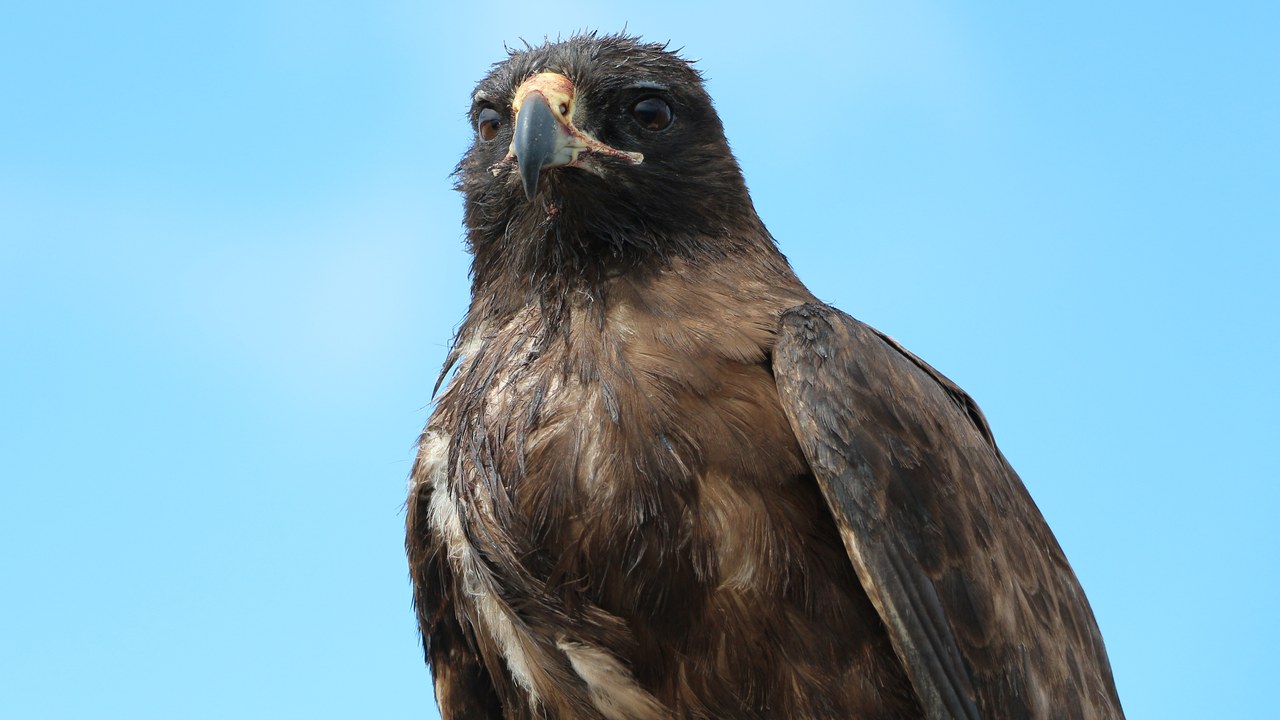
One of the world’s rarest raptors, the endemic Galápagos hawk numbers an estimated 150 breeding pairs, according to Galapagos Conservation Trust. Its wingspan is about 1.2 metres.
As the top land predator in the islands, the hawk holds a prominent place in the food web. A population this small leaves it sensitive to any disturbance to its habitat. Conservation groups cite that scarcity when stressing why the raptor deserves attention, even though its wingspan is modest next to many continental birds of prey.
8. Waved albatross: Breeding Only on Española
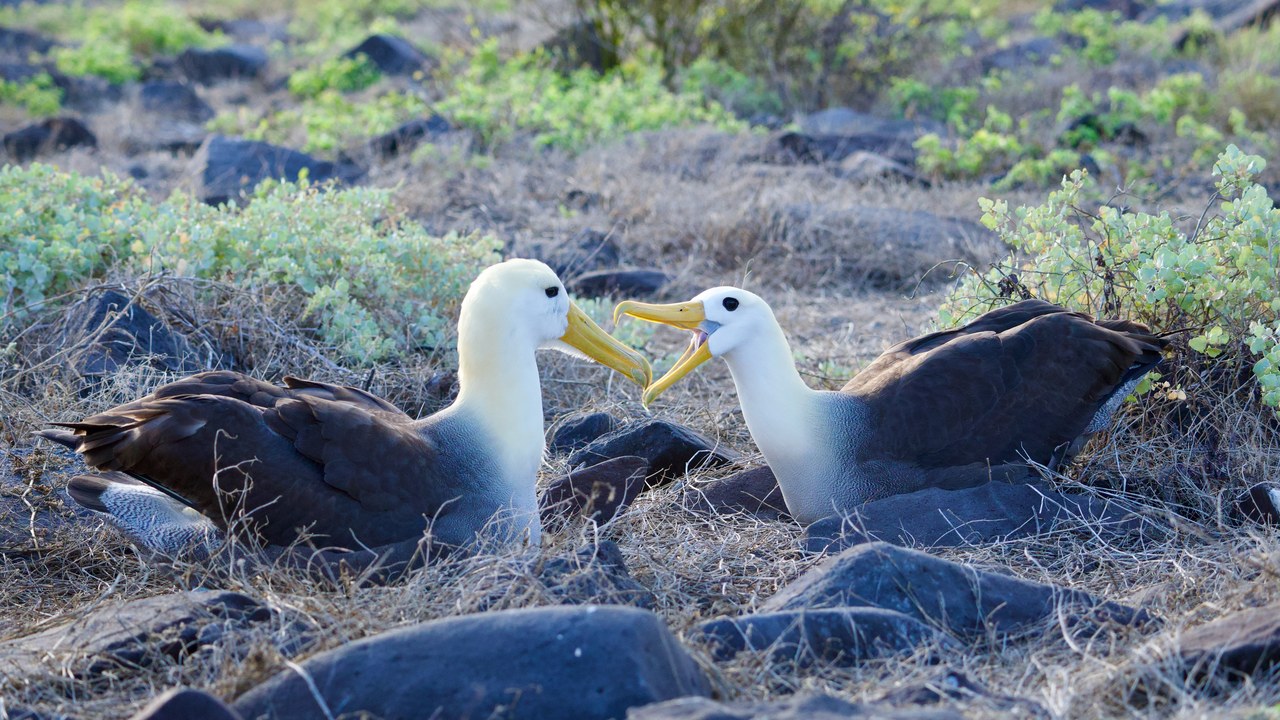
An endemic seabird, the waved albatross breeds essentially only on Española, and Galápagos Conservancy lists it as critically endangered. The Conservancy’s figure was about 34,694 adults in 2001.
That count is more than two decades old, so it describes the past rather than a current census. Readers should treat the figure as a snapshot from that year, not a present-day total. A critically endangered species concentrated on one breeding island remains a clear priority for monitoring. Any newer survey would be needed to say how the population has changed since then.
9. Darwin’s finches: Thirteen Finch Species
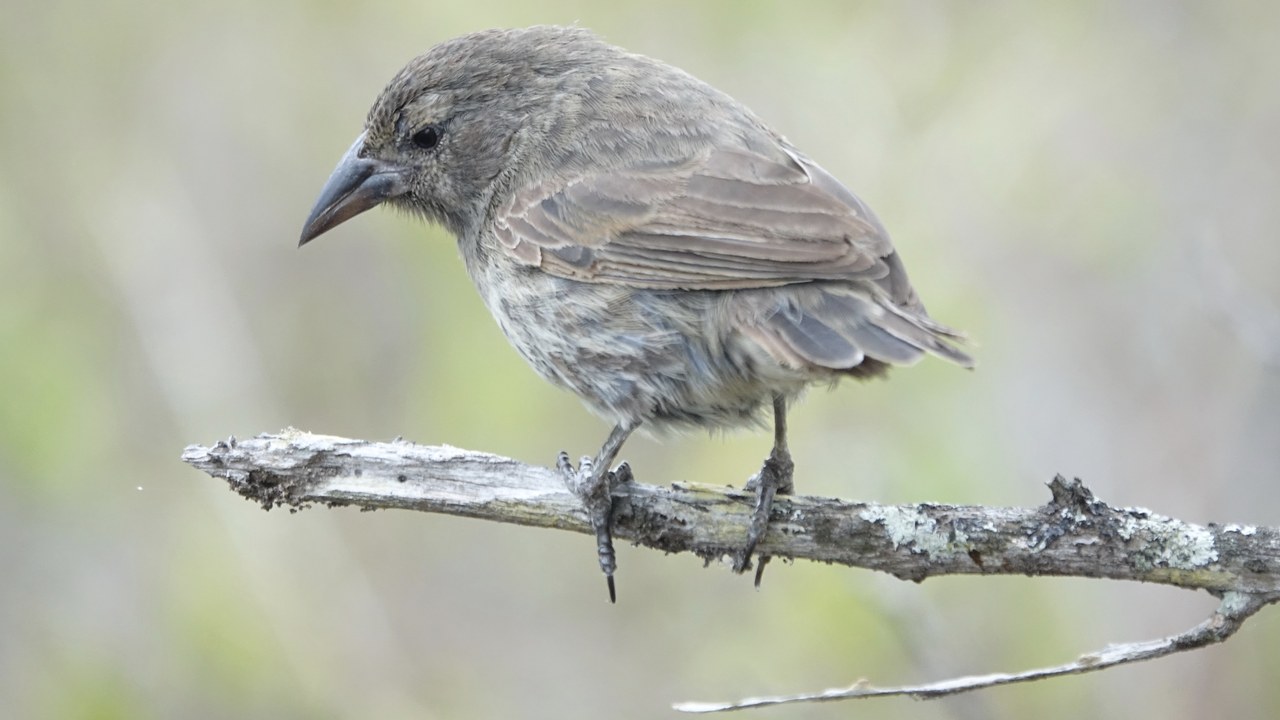
Thirteen species of Darwin’s finches make up most of the Galápagos’ 22 endemic land-bird species, according to Galápagos Conservancy. Their name honors the naturalist whose visit made the islands famous.
The finches are a staple of evolution lessons because their variety sits within one small group of birds. For anyone planning a visit, they are among the most approachable endemic species to spot. Their beaks and feeding habits differ across species, which is the detail that made them famous in the first place.
10. Galápagos mockingbirds: Four Species of Mimus
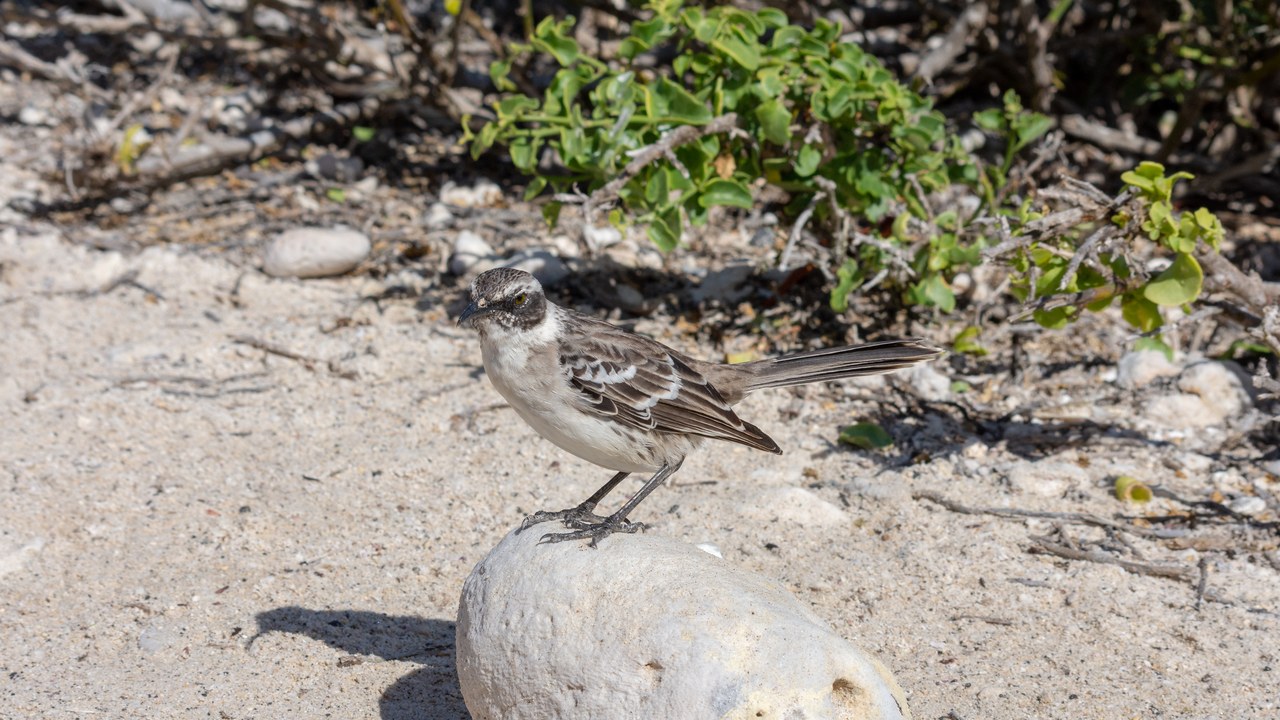
Four mockingbird species in the genus Mimus are endemic to the islands, according to Galápagos Conservancy, and the Floreana mockingbird is critically endangered.
The Floreana mockingbird’s status shows how narrowly some island species are distributed. Having several related species on separate islands is part of what makes the archipelago a natural laboratory. Taken together, the four species show how a single genus can spread across an archipelago and split into distinct island forms.
11. Galápagos land iguana: Pink Iguana on Wolf Volcano
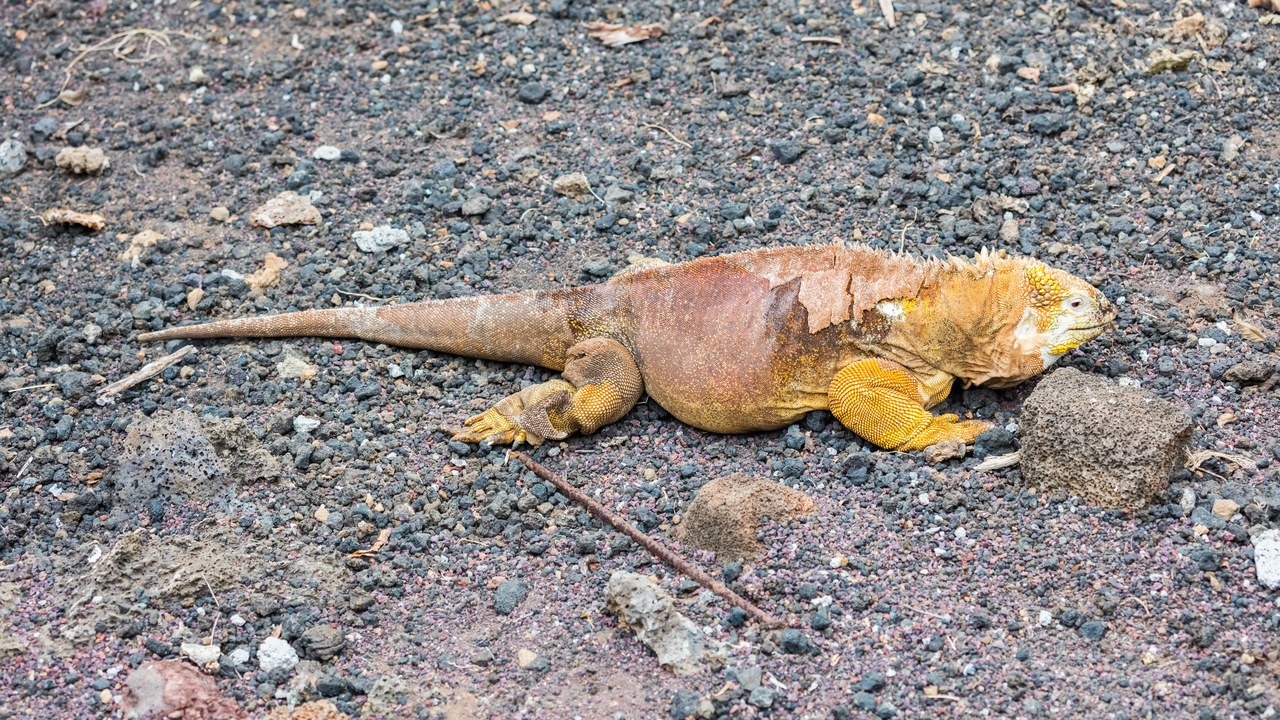
Land iguanas live on a handful of islands, Galápagos Conservancy notes, with one species found only on Santa Fe and the pink iguana confined to Wolf Volcano.
Being confined to one volcano or one island leaves each population exposed to local changes. The pink iguana, in particular, shows how restricted an endemic reptile’s home can be. Wolf Volcano is a single mountain, so the whole species lives in a very small patch of the planet.
More from Morning Overview
- Doctors warn a silent liver disease now affects one in three American adults
- The FBI told the rest of ShinyHunters to surrender after a 24-year-old was arrested
- Two passengers died at an Ohio toll plaza, and the NTSB now wants the cash lanes shut
- Long use of a common prostate pill is tied to a higher chance of glaucoma
