
Between 1804 and 1806, the Corps of Discovery crossed the continent with notebooks as well as rifles, and its captains wrote down creatures that Eastern naturalists had never seen. Mammals, birds and fish all earned entries in the journals. Here are twelve animals that Lewis and Clark documented.
1. Black-tailed prairie dog: A Barking Squirrel for Jefferson
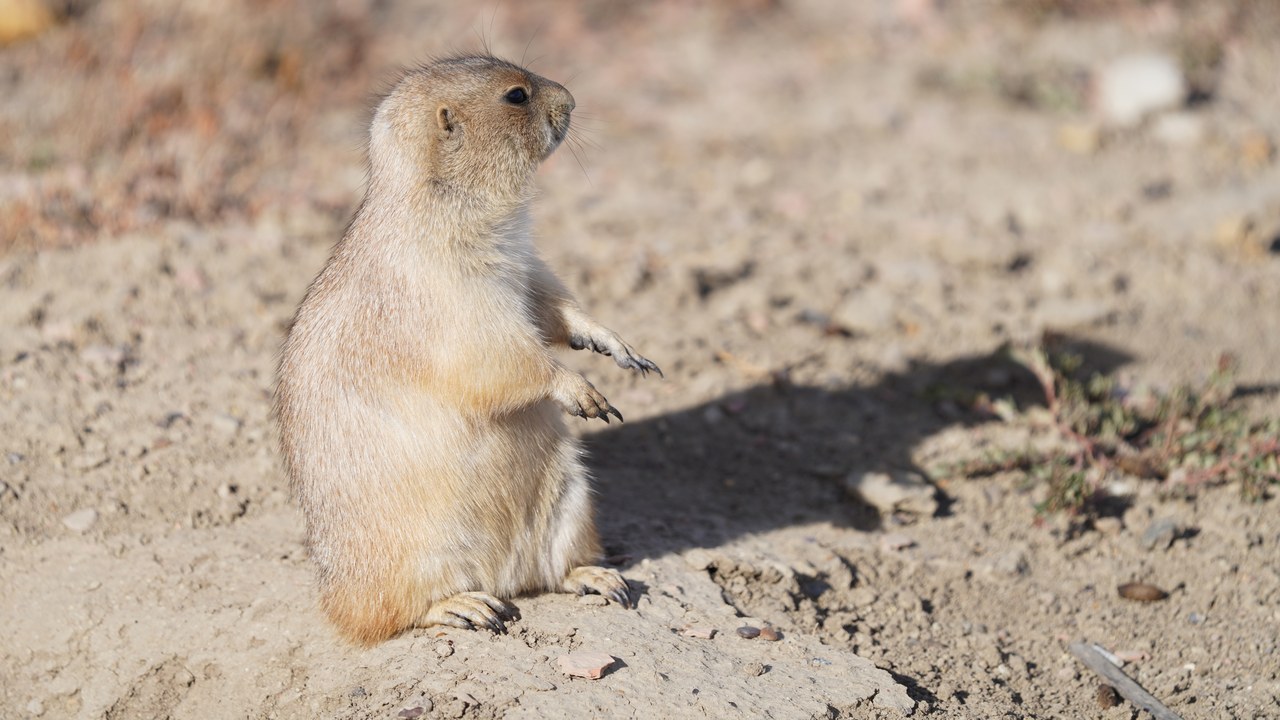
In 1805 the expedition shipped a ‘barking squirrel,’ a black-tailed prairie dog, to President Jefferson, who passed it to Charles Willson Peale’s Philadelphia museum. A live specimen crossing the country was a remarkable feat of care.
The animal gave Eastern audiences a firsthand look at a Plains creature they had only read about. The episode shows how seriously the expedition took its scientific assignment from the president, who wanted a thorough account of the lands to the west.
2. Coyote: A New Species on May 5
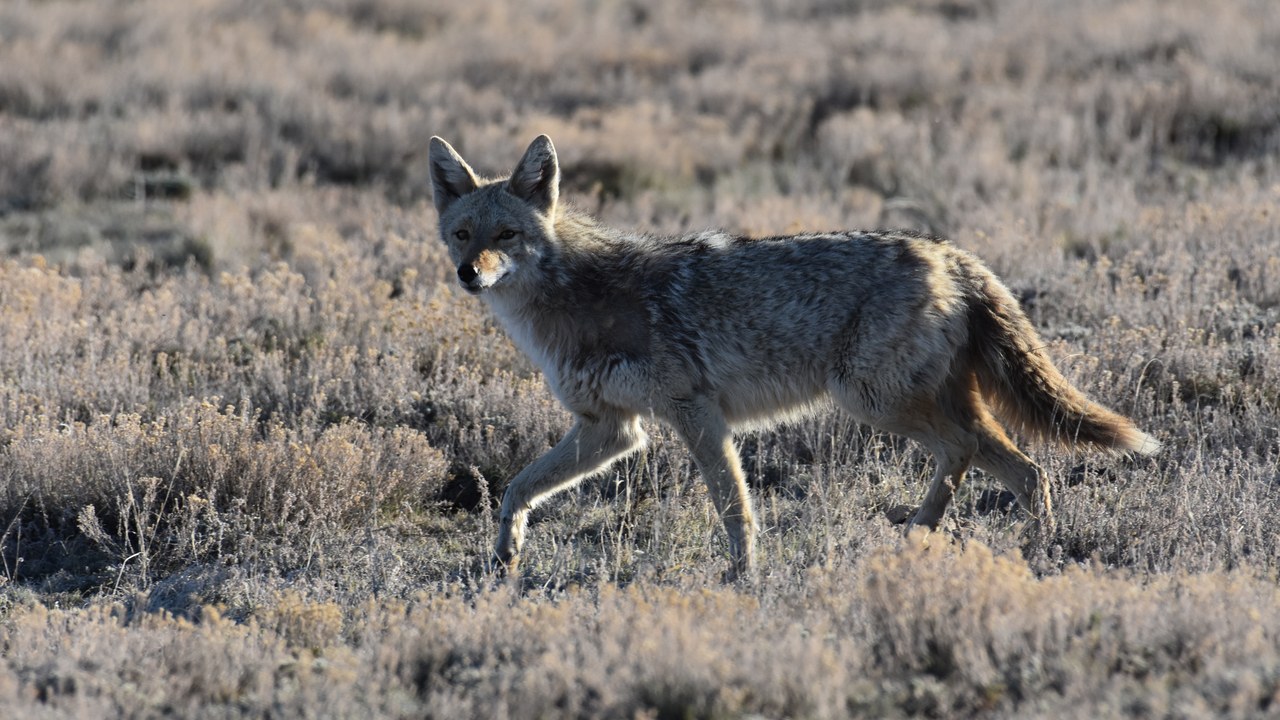
Meriwether Lewis wrote his description of the coyote on May 5, 1805, in northeastern Montana, and it proved to be a species new to science. The Discovering Lewis & Clark project preserves the account.
Few Western animals are as familiar now, which makes the date a pleasing marker. Lewis’s note belongs to the early record of a species that still ranges widely across North America, from open plains to city edges.
3. Gray wolf: First to Describe the Wolf
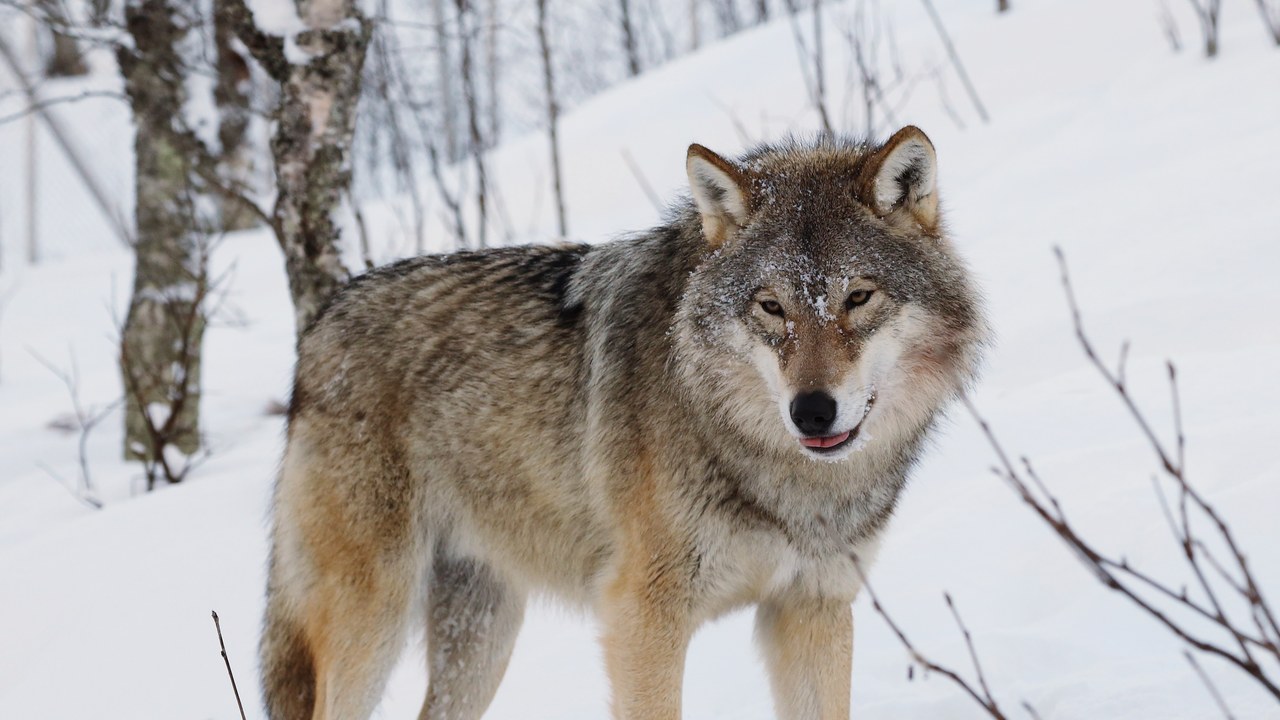
Lewis and Clark were the first to describe these wily canine predators, according to the Discovering Lewis & Clark natural-history project. The expedition met wolves repeatedly along its route through the West.
The credit places the captains in the early scientific history of one of the continent’s best-known predators. Readers who see wolves discussed today are looking at an animal first written up in those journals, long before modern field guides existed.
4. Mule deer: Cliffside Discovery in Nebraska
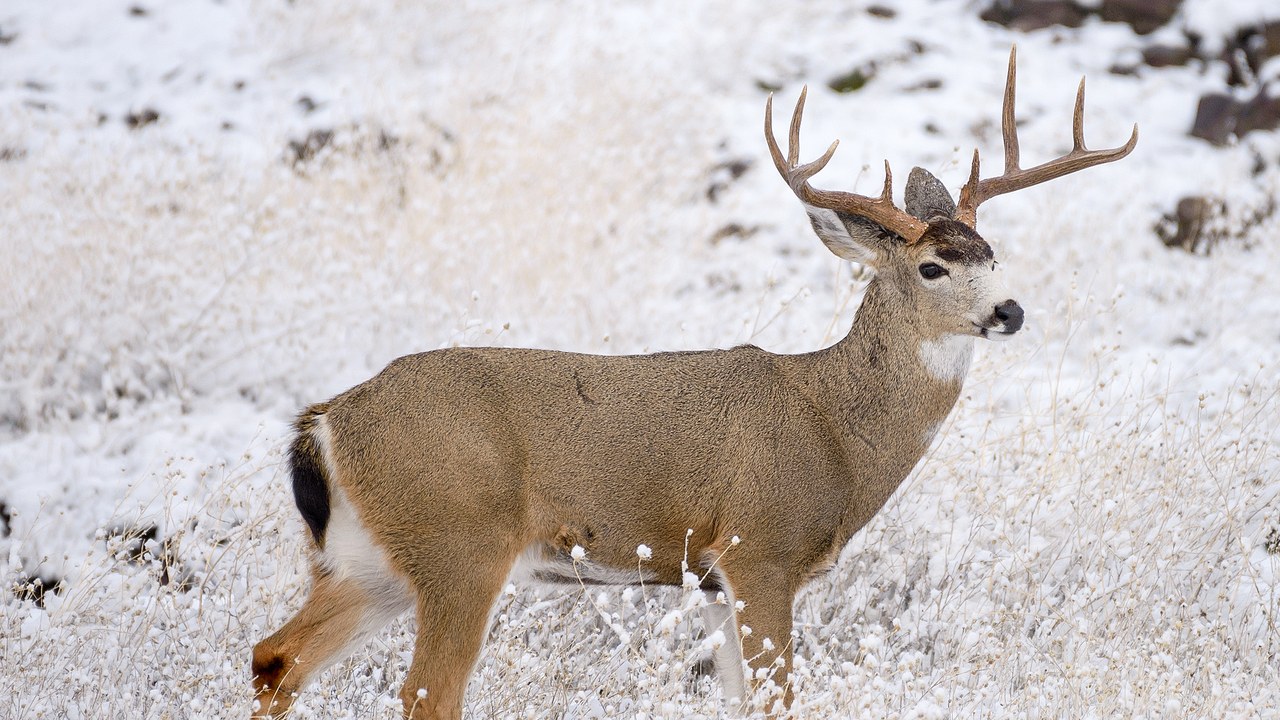
George Drouillard spotted the expedition’s first mule deer on September 5, 1804, on cliffs near the mouth of the Niobrara River in northeast Nebraska. Drouillard was one of the corps’ key hunters.
The sighting came early in the journey, well before the mountains. The mule deer’s rugged habitat on those cliffs fits the species’ reputation as a creature of broken, rough country, where its large ears and agile gait come in handy.
5. Pronghorn: Pronghorn on the Plains
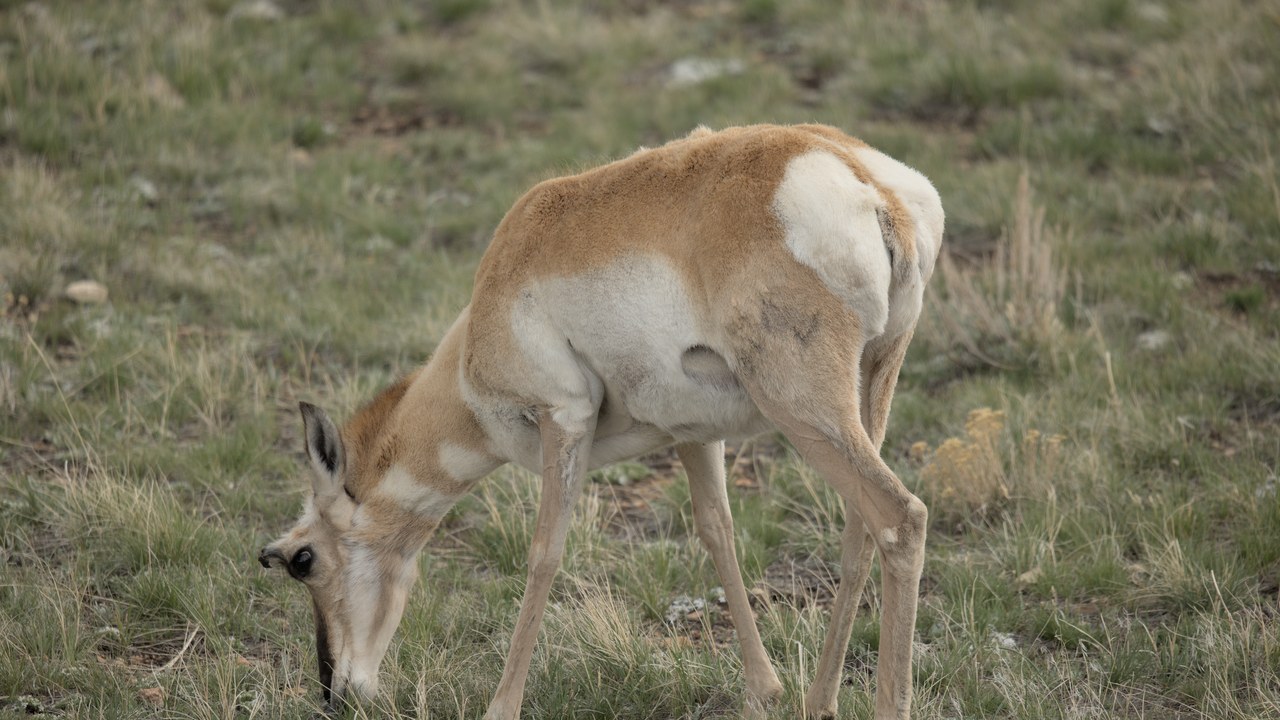
The Corps of Discovery first saw pronghorn at the northeast corner of present-day Nebraska, according to Discovering Lewis & Clark. The animal was unfamiliar to the party and drew careful notice in the journals.
Pronghorn became one of the signature grassland animals of the Plains in the public mind. The expedition’s early notice of the species contributed to that reputation, and the animal still draws attention from travelers on open ground.
6. Bighorn sheep: On the National Park Service Roster
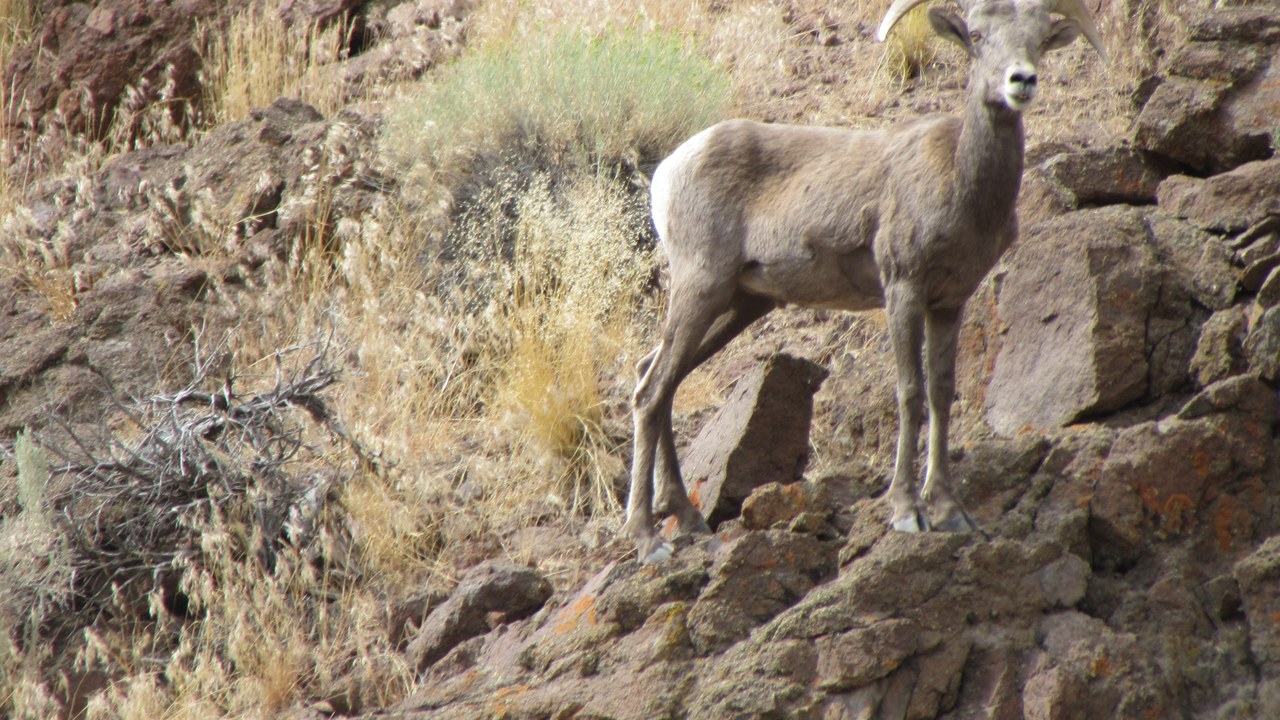
The National Park Service lists bighorn sheep among the animals new to the Corps of Discovery, part of at least 122 animals Lewis and Clark described. The figure highlights how much the captains recorded.
The bighorn belongs to the mountain half of the journey, where unfamiliar wildlife kept turning up. Its inclusion on the list makes it one of the expedition’s clear zoological finds, a sheep suited to steep terrain rather than the open prairie.
7. Mountain goat: Another Mountain Newcomer
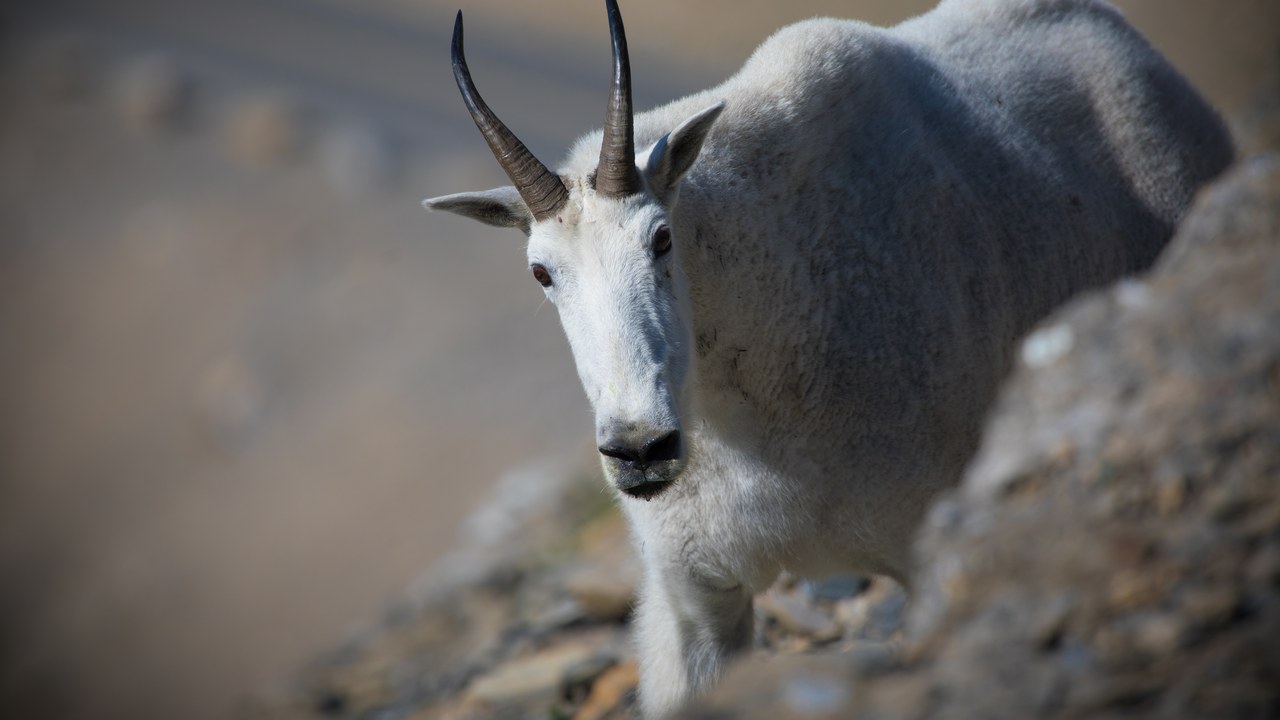
The mountain goat appears on the National Park Service’s roster of animals new to the Corps, which described at least 122 animals in all. The goat joined the bighorn as another sure-footed peak dweller.
Its place on the list reflects how the western ranges widened the captains’ catalog. Anyone who sees a goat on a high ridge is watching an animal the expedition helped introduce to science, a fitting reward for the journey’s climbs.
8. Greater sage-grouse: Clark’s Grouse Sketch
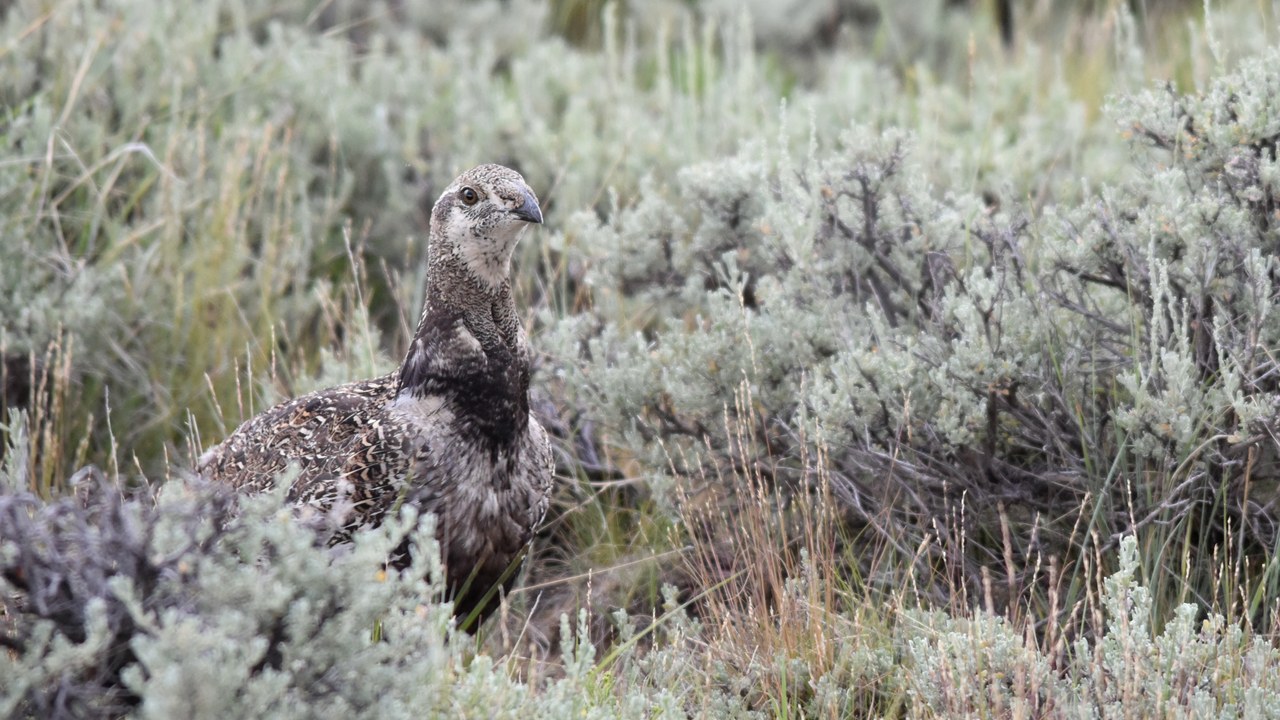
William Clark sketched and described the sage grouse in his journal, a drawing the National Park Service highlights among the expedition’s scientific encounters. The drawing joined his written notes on the bird.
A sketch gave later readers a visual record that words alone could not provide. The bird remains tied to sagebrush country, the same open landscape that Clark was crossing, which makes the sketch a pleasing record of a species in its home.
9. Clark’s nutcracker: The Pine-Bur Feeder
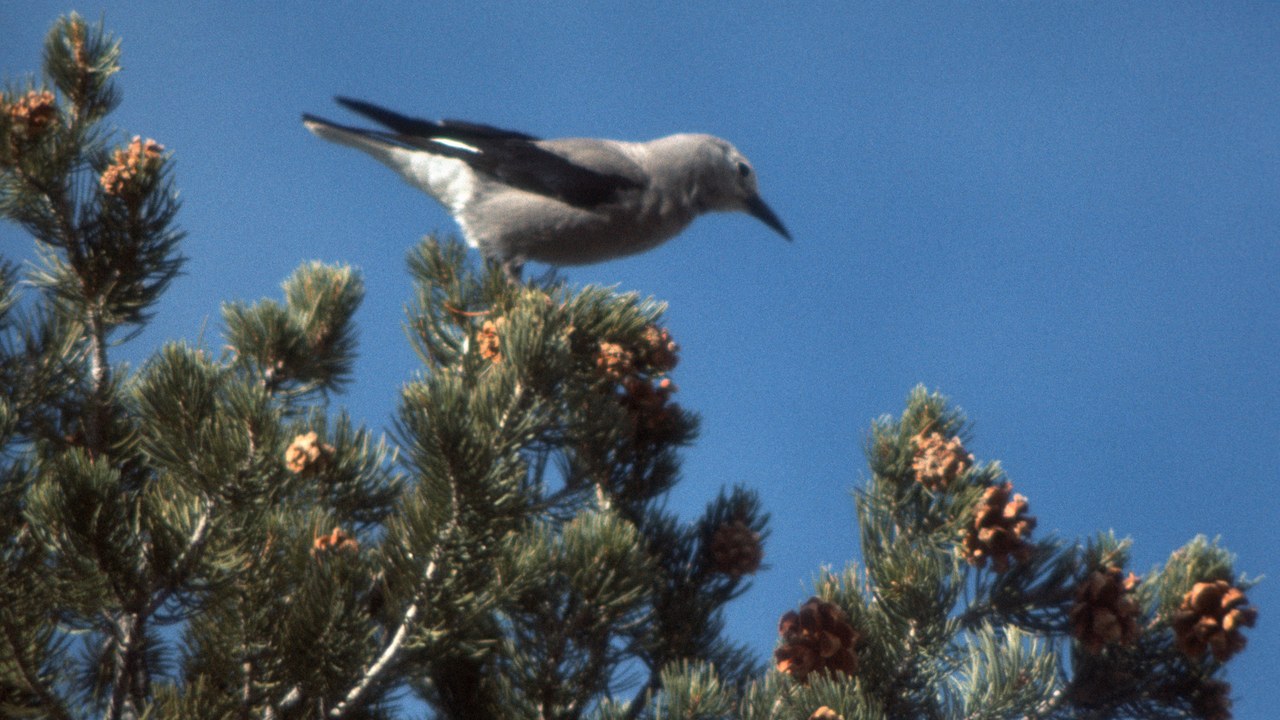
William Clark first noted this bird on August 22, 1805, describing a bird of the woodpecker kind which fed on pine burs. The National Park Service’s birds feature carries the quotation.
The description misfiled the species by comparing it to a woodpecker, yet it captured the bird’s feeding habit. The bird later carried Clark’s name, a lasting tribute from naturalists, and a good reason for hikers in western pine forests to watch the treetops.
10. Lewis’s woodpecker: A Woodpecker With Lewis’s Name
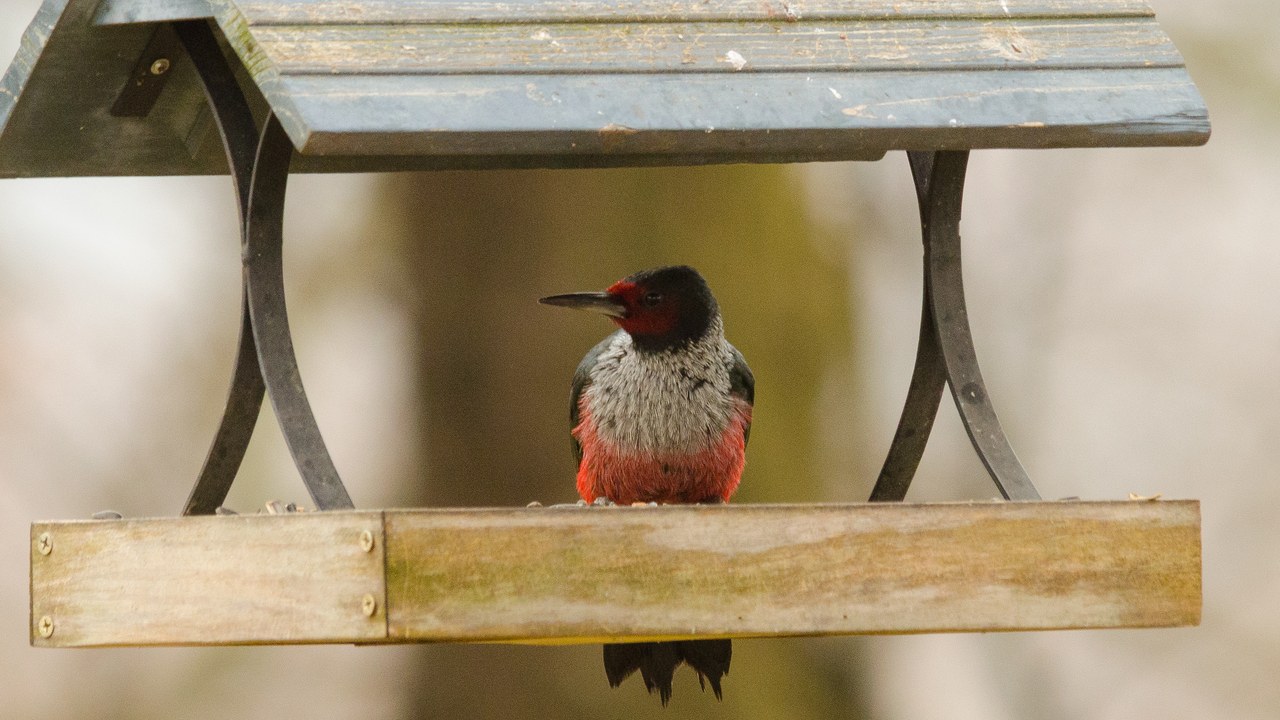
The National Park Service features Lewis’s woodpecker alongside Clark’s nutcracker among the birds of the Lewis and Clark expedition. The pairing gives each captain a bird bearing his name.
The two names mirror the captains’ partnership. Seeing both on one list is a tidy reminder that naturalists rewarded each leader with a species of his own, and the woodpecker’s glossy plumage makes it a rewarding sighting for those who find one.
11. Black-billed magpie: Magpie and Coneflower
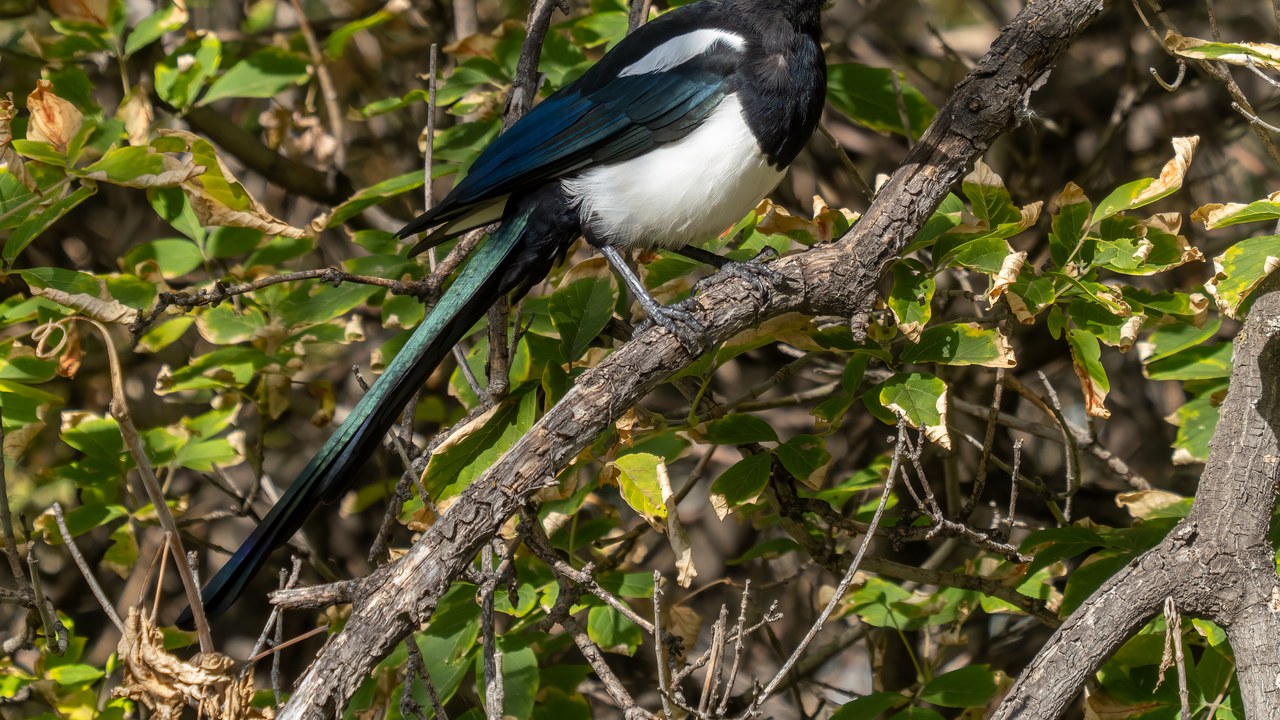
The National Park Service’s Lewis & Clark trail pages pair the magpie with the purple coneflower as two species first recorded for science by the expedition. The black-billed magpie is the bird in that pairing.
The pairing shows that the captains’ notes covered plants as well as animals. The magpie is a vivid black-and-white bird of the West, easy to spot and hard to forget, and its inclusion shows that familiar backyard species were also new to science then.
12. Westslope cutthroat trout: Black Specks at the Falls
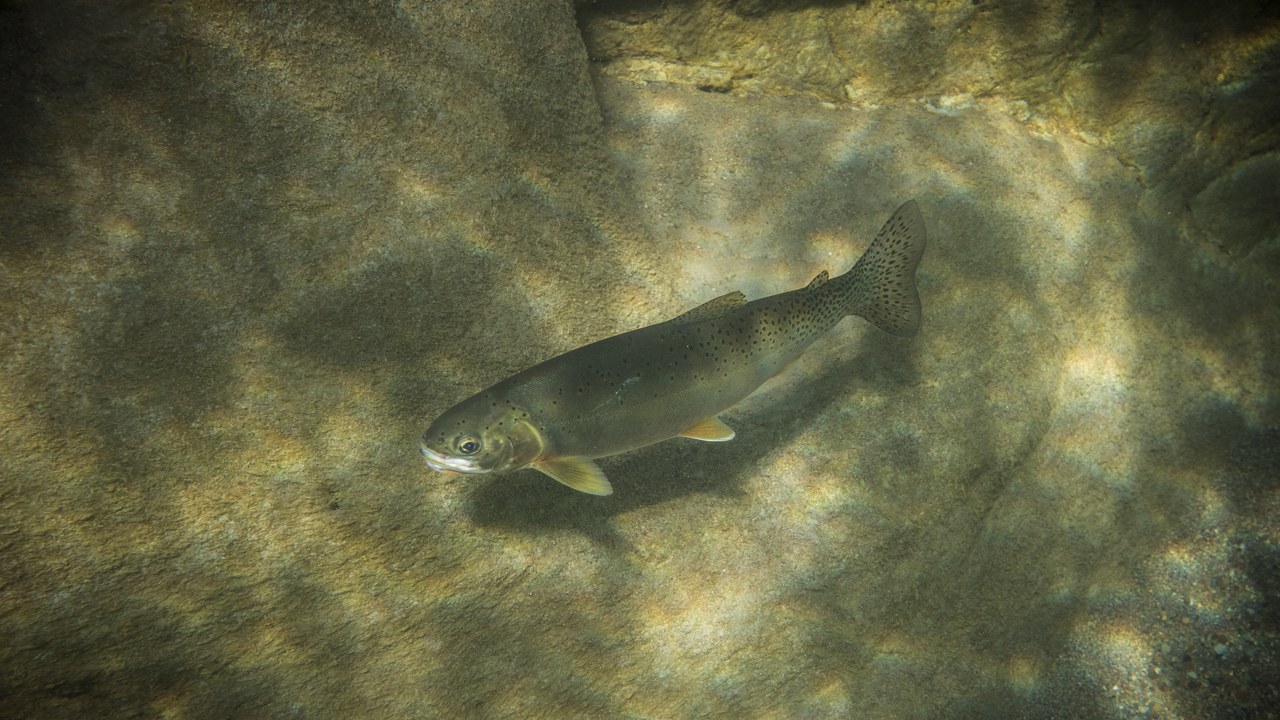
At the Falls of the Missouri, Private Silas Goodrich caught about six of these trout, which Lewis noted had deep black specks instead of red or gold. The detail separated the fish from familiar Eastern trout.
The note is a fine example of Lewis noticing a diagnostic feature at the water’s edge. It makes the cutthroat a fitting finale for a list built on careful observation, with the captains noting small details of color and pattern that still help identify the fish.
More from Morning Overview
- Common allergy, bladder and sleep pills tied to sharply higher dementia odds
- NOAA now gives this winter a 75% chance of the strongest El Nino since 1950
- Doctors warn a silent liver disease now affects one in three American adults
- The FBI told the rest of ShinyHunters to surrender after a 24-year-old was arrested
