
Oil consumption is one of the quieter ways an engine can disappoint, and surveys, settlements and repair databases all point to the same culprits. The entries range from owner-survey results to a class-action reimbursement formula and an average repair bill. Here are ten vehicles accused of drinking oil.
The day in tech, in one email: TLDR is the daily newsletter with links and TLDRs of the most interesting stories in startups, tech and programming.
We may earn a commission if you sign up.
1. BMW M5: The Worst on the List
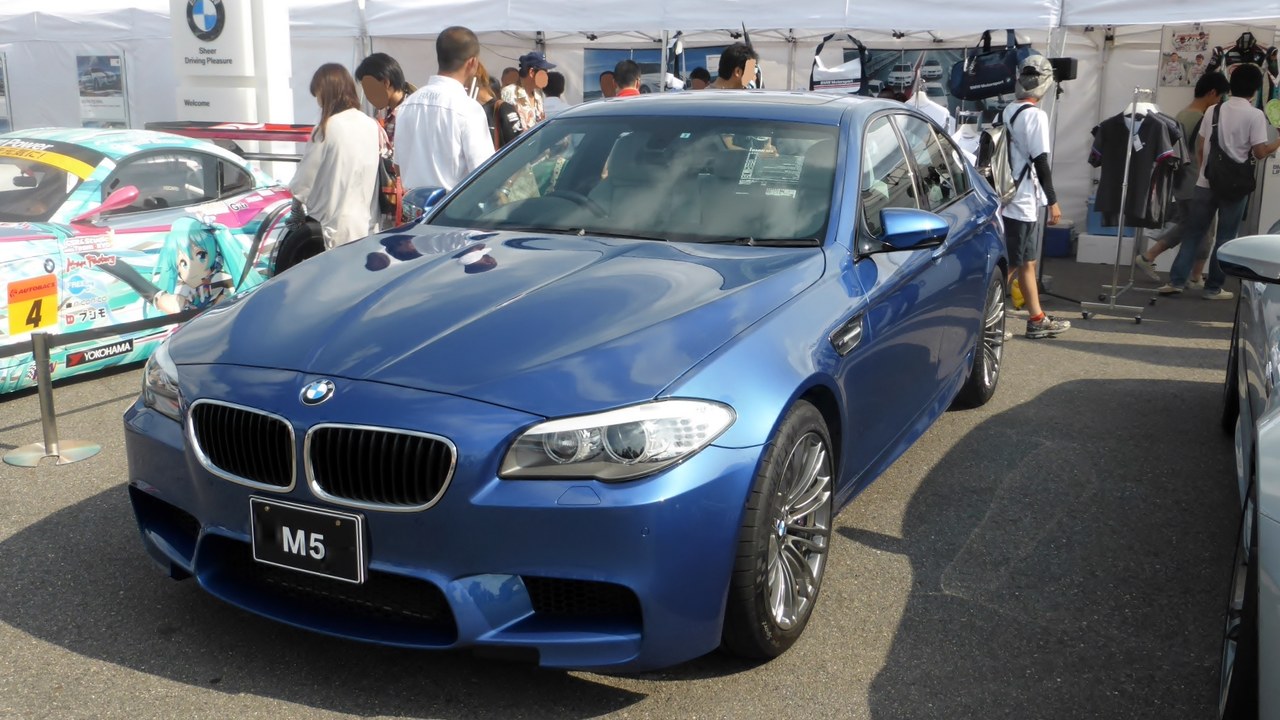
More than half of Consumer Reports survey respondents with a 2012 BMW M5 reported oil consumption issues, the worst result on the magazine’s list of oil burners. The Consumer Reports survey rates the M5 as the standout.
A high-performance V8 that needs frequent top-offs can be an expensive habit. Anyone considering a used M5 should check the oil level at the start of a test drive and ask what the seller adds between changes. Even so, a survey reflects owner reports and not a lab measurement. Checking the dipstick between changes costs nothing and catches a problem before it turns into a repair bill.
2. Acura MDX: A Fifth of Owners
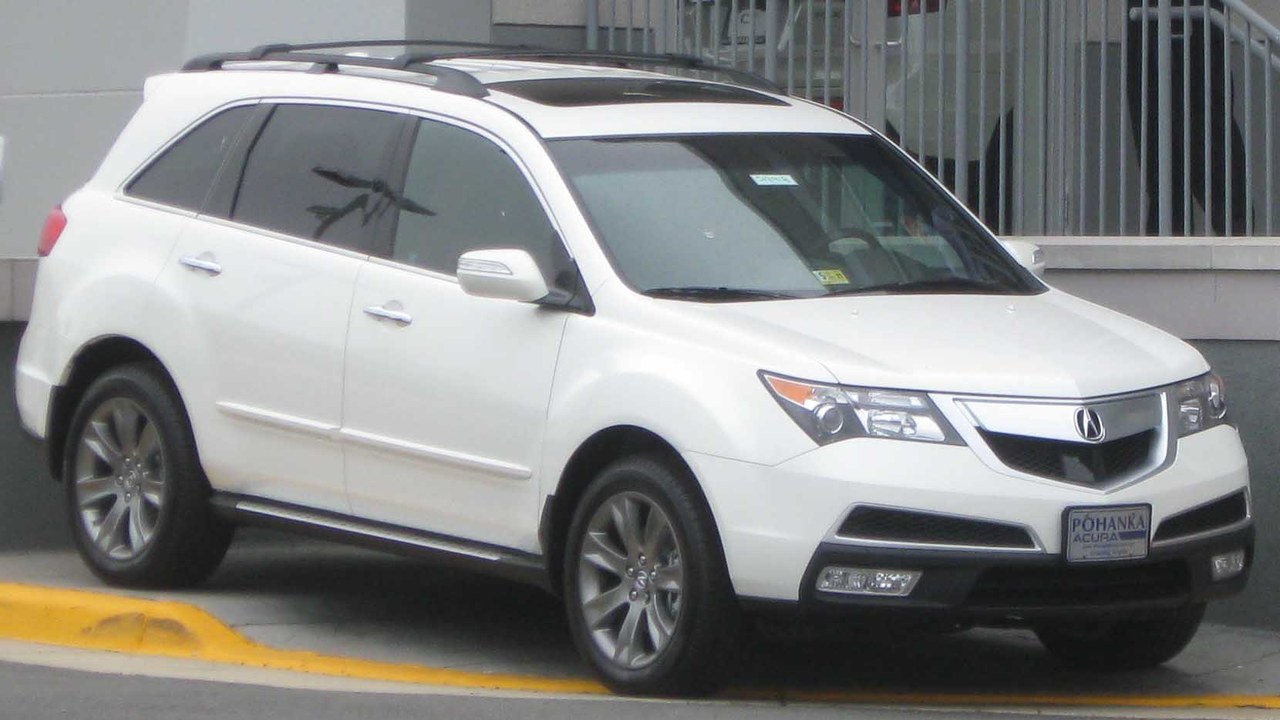
Consumer Reports found that 10 to just over 20 percent of owners of 2010 through 2013 Acura MDX models complained about oil consumption. The range appears in the Consumer Reports findings of burners.
That is a meaningful minority rather than a majority. Prospective buyers can reduce the risk by asking for oil change records and checking the dipstick, since a low level on a cold engine suggests a habit. Naming a range, rather than a single rate, is a reminder that not every example of a model burns oil. Maintenance habits and driving style can influence results, so individual cars can differ.
3. Subaru Tribeca: One Quarter Complaining
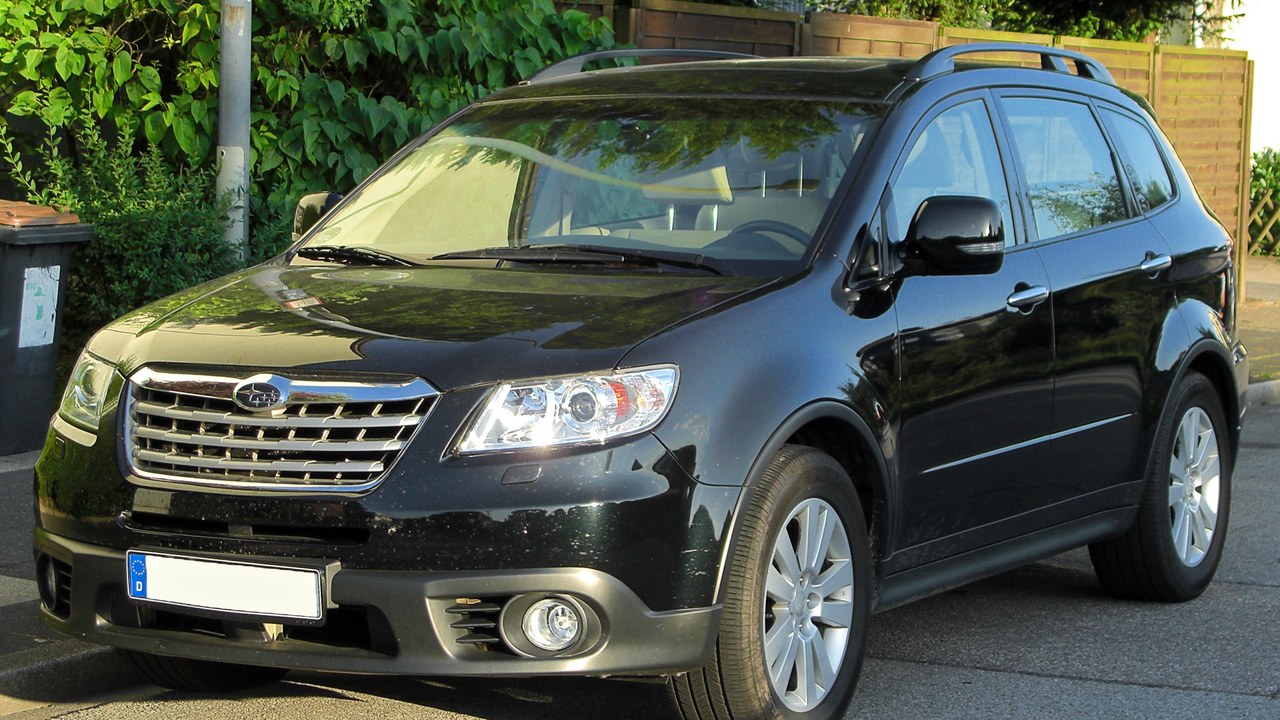
About a quarter of Subaru Tribeca owners complained of oil consumption in Consumer Reports’ survey, as laid out in the survey roundup. The Tribeca is one of several Subaru-badged names flagged in that roundup.
With one in four owners reporting trouble, a used Tribeca merits a careful oil check before any deal. Owners who see the level drop between changes should keep notes, since a documented pattern helps in any warranty or goodwill conversation. A used-car inspection is the practical answer here, because a seller’s word on oil use is hard to verify. Fresh oil in a car that has been driven very little can also hide a habit.
4. BMW 7 Series: Paid by the Quart

A settlement over 2009 through 2012 BMW 7 Series oil consumption reimbursed owners up to $10 a quart for up to 7 quarts, according to class-action coverage on the lawsuit. The terms put a price tag on the problem.
The formula shows how manufacturers sometimes handle extra oil use: with a per-quart payment instead of a rebuilt engine. Owners of affected cars should keep receipts for top-offs, as past claims have depended on proof. Receipts and a written log of how many quarts went in, and when, are the evidence that settlement programs typically ask about. Without them a claim can be difficult to support.
5. Toyota Camry: Warranty Extended
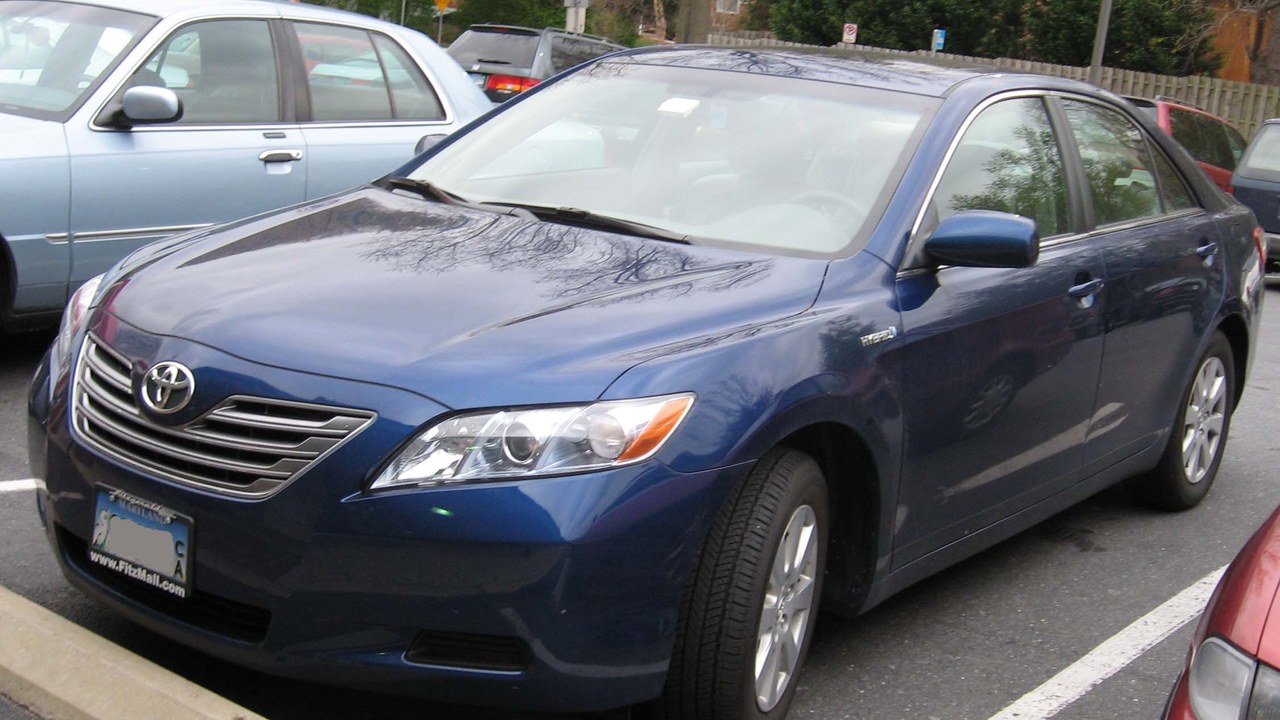
Wikipedia says Toyota’s 2AZ-FE four-cylinder, a Camry engine, drew ‘burning oil’ complaints in North America from the 2006 model year onward. The Wikipedia engine article adds that Toyota extended its warranty in January 2015.
An extended warranty signals that the automaker acknowledged the pattern. Camry shoppers should ask whether a given car’s engine was covered or repaired, and verify the paperwork rather than relying on a seller’s recollection. Engines in this family were common, so many used examples are still on the road. Reading the maintenance record and asking about piston-ring or similar repairs helps separate good cars from tired ones.
6. Volkswagen Tiguan: Costs That Add Up

A mechanic’s list of costly SUVs flags the Volkswagen Tiguan for oil consumption and infotainment repairs that can cost thousands. That warning appears in an mechanic’s SUV list for used shoppers.
The source offers no mileage or model-year breakdown, so the claim is a caution and not a measured rate. A pre-purchase inspection that includes an oil-level check is a reasonable response for any used Tiguan. Infotainment trouble is listed in the same breath, which suggests the warning is about overall repair cost rather than one fault. Budgeting a cushion for repairs is reasonable with any used European SUV.
7. Audi A4: Starving the Engine
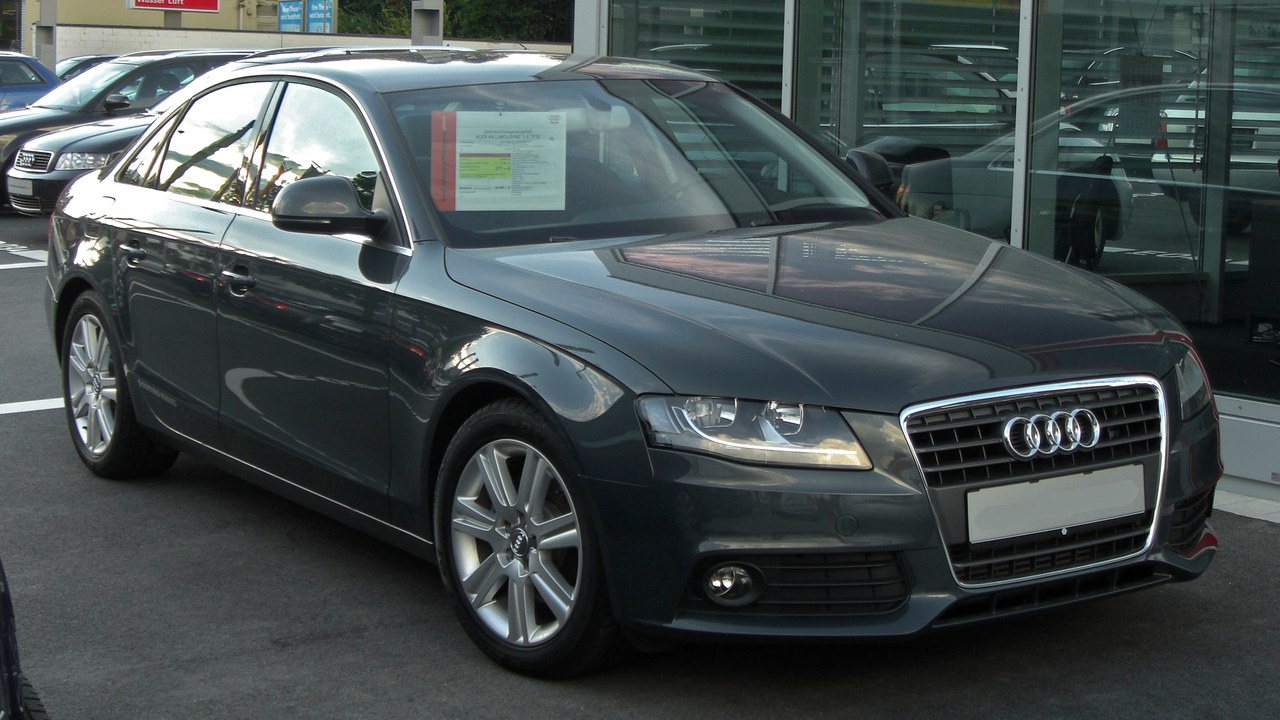
Audi’s turbocharged 2.0-liter four from 2010 through 2018, the engine in models like the A4, is one of 12 engines that Consumer Reports found can burn enough oil to starve themselves between changes. That finding is summarized in a KBB report.
Running low is the danger, since an engine short of oil can suffer serious damage. A4 owners with this engine should check the dipstick regularly instead of trusting the service interval alone. Oil starvation is the sort of problem that does not announce itself until damage has begun. A low-oil warning light should be treated as urgent, and the car should not be driven far once it appears.
8. Jeep Renegade: Quickly Adding Up
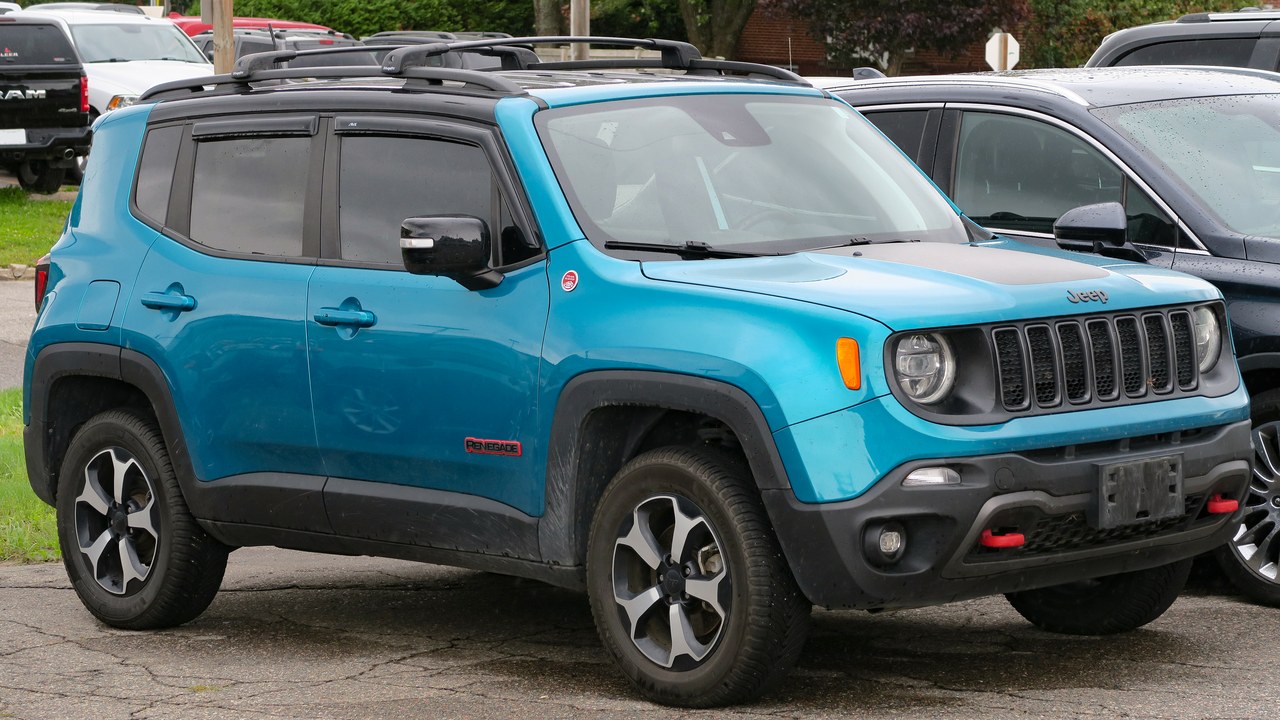
Mechanics list the Jeep Renegade for stalling and oil consumption problems that ‘can quickly add up’, according to a mechanics’ used-car list about used cars they consider poor value.
No dollar amount or complaint count accompanies the warning, so it reads as professional opinion. Renegade shoppers can ask for repair history and test for stalling, and compare the oil level before and after a drive. Stalling and oil use together can point to wear that affects more than one system. Test-driving for hesitation at idle and checking the exhaust for smoke are free ways to screen a car.
9. Audi Q5: A $3,200 Repair

CarComplaints lists excessive oil consumption on the 2014 Audi Q5 at an average of $3,200 to fix, at about 70,000 miles. The CarComplaints Audi page counts 225 complaints in total for the Q5.
That mileage is early for such an expense. Q5 owners near 70,000 miles should watch the oil level closely, and used-car buyers should treat a missing service history on a 2014 model as a reason to negotiate or walk away. Because the database is built from owner reports, it reflects what drivers chose to submit. Still, an average repair figure at a given mileage helps buyers weigh the odds of future trouble.
10. Chevrolet Avalanche: The Worst Year
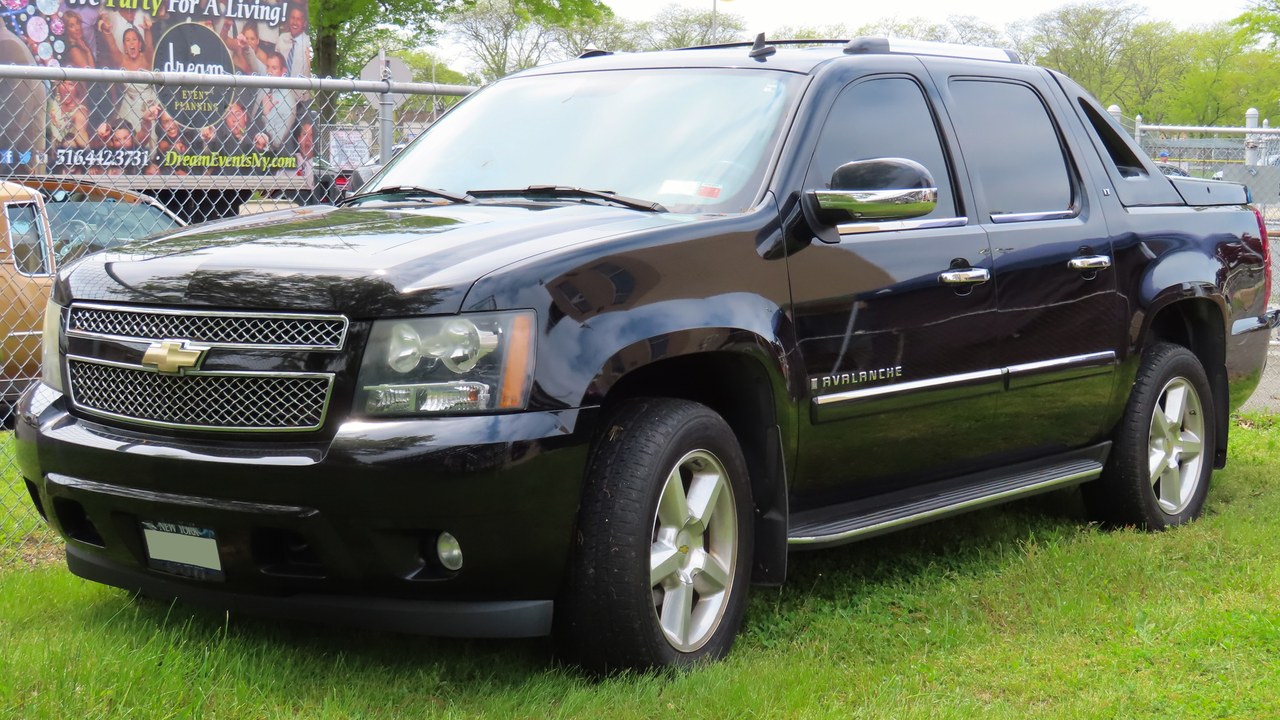
CarComplaints calls the 2007 Chevrolet Avalanche its worst year, with 215 of 713 total complaints. Excessive oil consumption leads the list, averaging $2,100 at 70,000 miles, per the CarComplaints Avalanche page.
A 2007 Avalanche is now an old truck, so condition varies widely. Buyers should confirm whether the oil consumption repair was done, and ask for receipts instead of accepting a verbal assurance. Trucks of this age can have had several owners, which makes missing records common. A compression or leak-down check by an independent mechanic can reveal whether oil use is a concern.
The day in tech, in one email: Get TLDR →
We may earn a commission if you sign up.
More from Morning Overview
- 11 engines built to run well past 200,000 miles
- Two Kentucky residents died when a small plane crashed at Missouri’s Lake of the Ozarks, and the NTSB is investigating
- A handful of car transmissions are so tough that mechanics say they almost never die
- Melting permafrost is setting off a newly identified kind of catastrophic landslide, scientists say
