
Earthquake risk in the United States is not limited to California, and federal scientists have published probabilities for regions from the Pacific coast to the Mississippi Valley and the Atlantic seaboard. The figures cover different magnitudes and time spans, so they are not directly comparable from city to city. Here are ten cities where the geology, the history or the forecasts point to serious danger.
1. San Francisco: Bay Area Odds Edge Higher
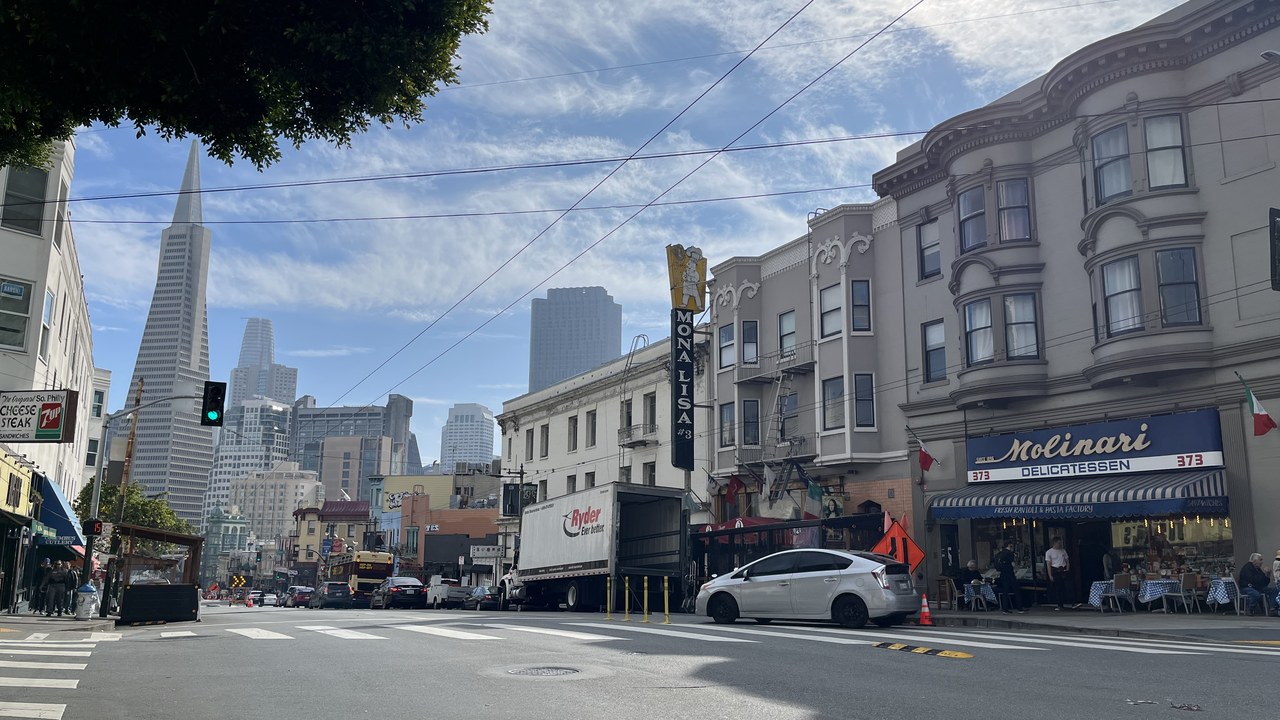
NBC Bay Area’s report recalculated the odds of a magnitude 6.7 or stronger earthquake in the Bay Area over the next 30 years at 74%, up from 72% in 2014. The same update put the San Andreas fault’s own probability at 25.5%, a rise of 3.6 percentage points.
The figure covers the whole region rather than one city, and it does not predict when a quake will occur. For residents, it is a reason to secure water heaters, bolt older homes to foundations and keep emergency supplies ready.
2. Oakland (Hayward fault): Hayward Fault Leads The List
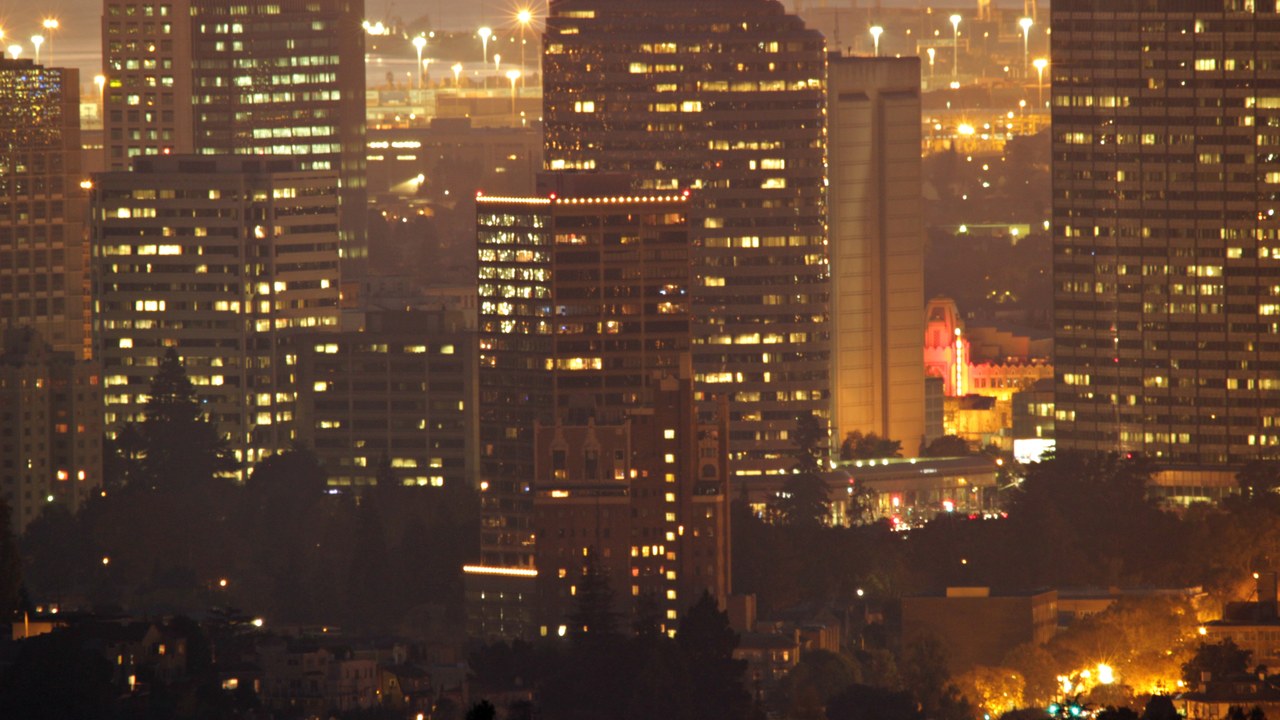
The Hayward-Rodgers Creek fault system remains the Bay Area’s most dangerous, with a 34% chance of producing a magnitude 6.7 or stronger quake within 30 years, according to the USGS study coverage. That is higher than any other fault in the region.
The fault runs through densely built East Bay communities, so Oakland residents live close to the trace. Owners of older wood-frame and unreinforced masonry buildings have the most reason to check retrofit options. Retrofit programs and inspections offered by local governments can help owners of older buildings decide what work is worth doing first.
3. Los Angeles: Two Chances In Three
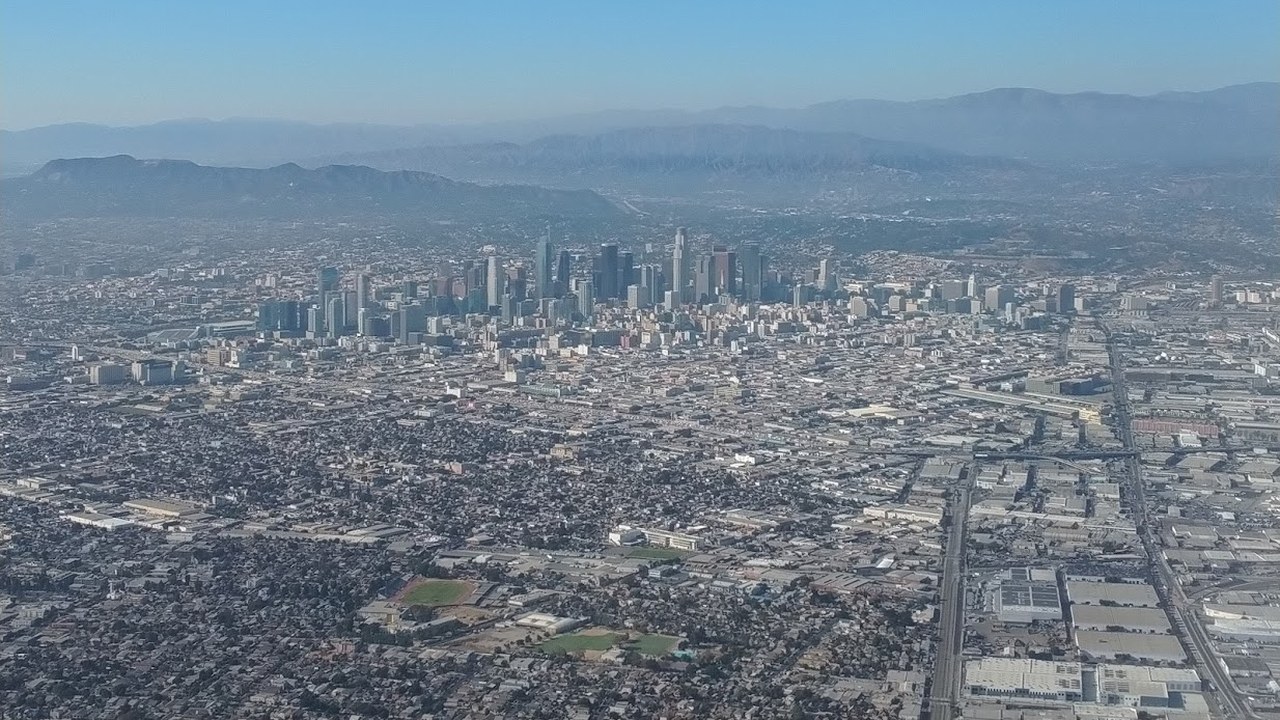
A USGS explainer says there is a 60% chance of a magnitude 6.7 earthquake in the Los Angeles area within 30 years, and a 31% chance of a magnitude 7.5. The higher-magnitude figure reflects the possibility of a major rupture along the San Andreas system.
Those are probabilities for a region, not a forecast for a specific neighborhood. Households can still act on them by strapping heavy furniture, keeping a supply kit and learning whether their building is an older soft-story design.
4. Seattle: Deep Quakes Under Puget Sound
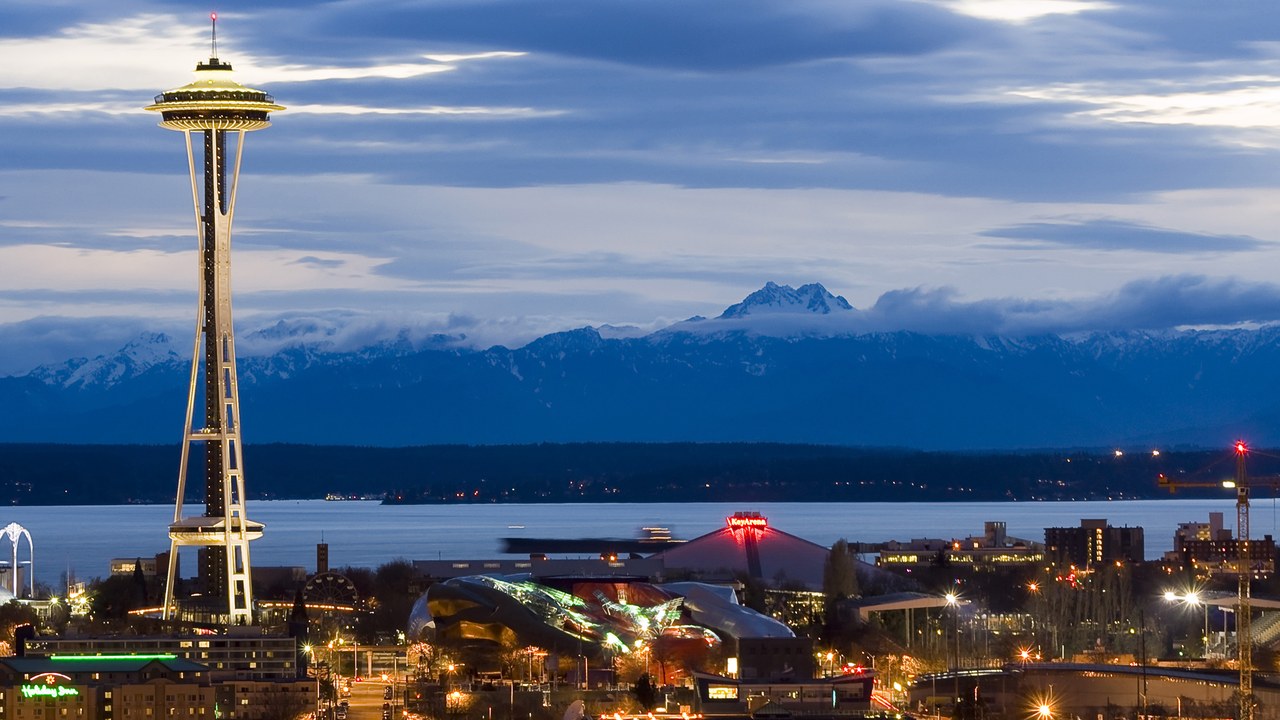
A USGS fact sheet gives the Seattle and Puget Sound region an 85% chance of a magnitude 6.5 or larger deep earthquake within the next 50 years. Separately, it lists a 5% chance of a magnitude 6.5 or larger Seattle Fault earthquake in that span.
Deep quakes can still cause serious damage to older buildings, bridges and brick chimneys. Residents can lower risk by bolting homes to foundations and preparing for outages and disrupted roads. Seattle-area homeowners can also learn evacuation and communication plans, since strong shaking may interrupt phone and power service for days.
5. Portland: Cascadia Looms Over Portland
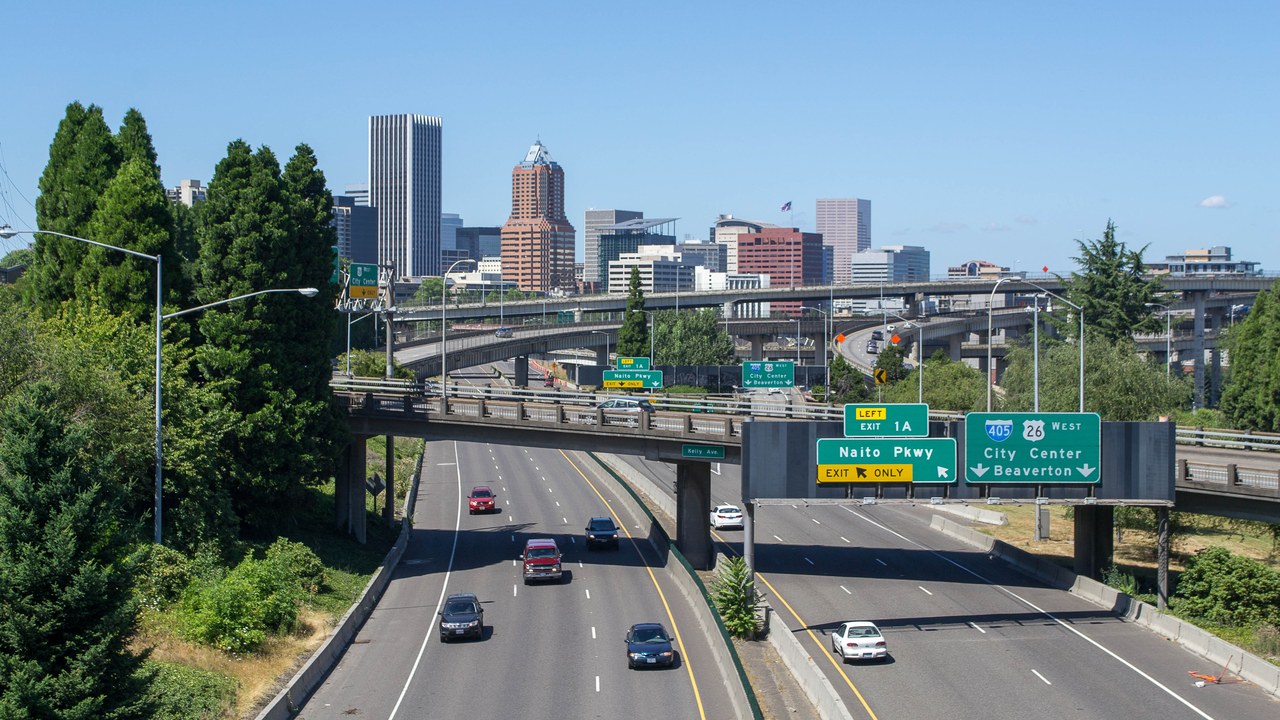
The same USGS fact sheet lists a 10 to 15% chance of a magnitude 9 earthquake on the Cascadia Subduction Zone in 50 years. It also gives a 6% chance of a magnitude 6.5 or larger quake in the Portland or northern Willamette Valley region.
A subduction quake would shake for minutes and could strain bridges over the Willamette and Columbia rivers. Oregon residents are advised to plan for extended disruption of water, power and transportation. Households that keep water, food and medicine for at least two weeks are better placed if roads and utilities fail for a prolonged period.
6. Salt Lake City (Wasatch Front): Wasatch Front Risk
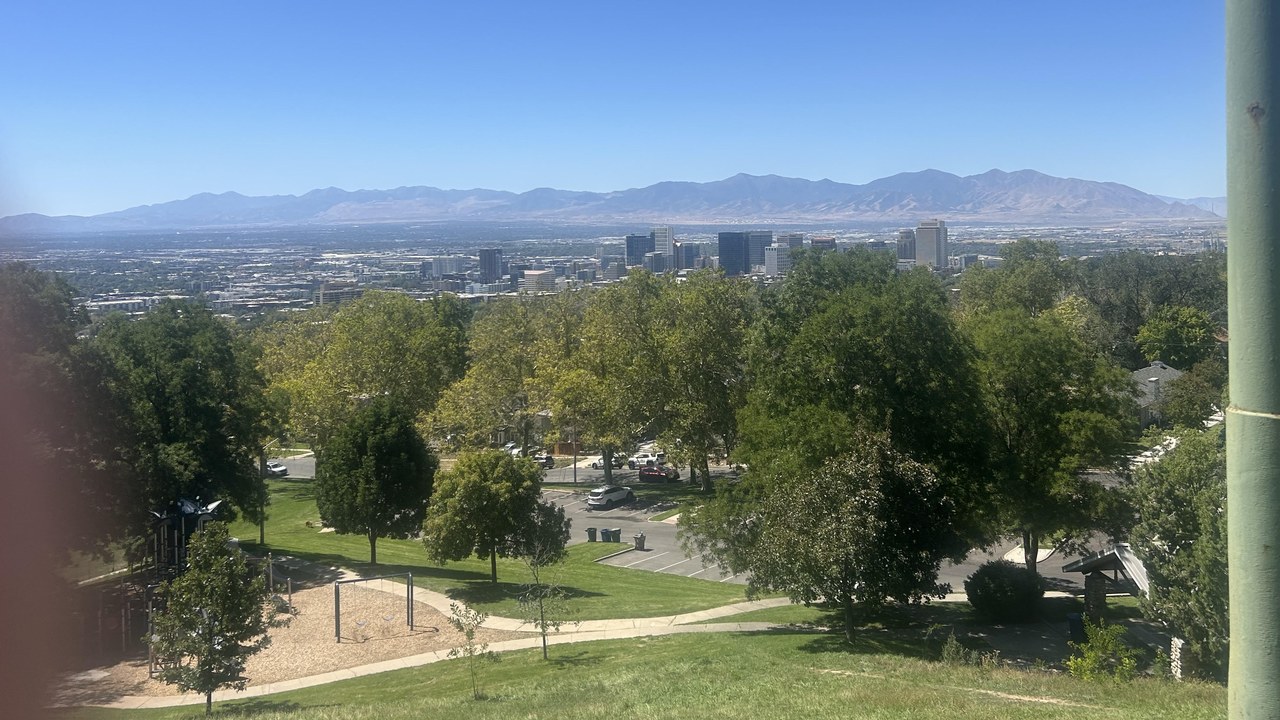
A USGS forecast puts a 43% probability on one or more magnitude 6.75 or greater earthquakes in the Wasatch Front region in the next 50 years, according to a regional USGS forecast. It also assigns a 57% probability to one or more magnitude 6.0 or greater events.
Salt Lake City sits along a fault zone beside a heavily populated corridor with many older masonry buildings. Homeowners can check whether their houses are bolted and whether chimneys and water heaters are secured.
7. Memphis: Memphis Faces New Madrid
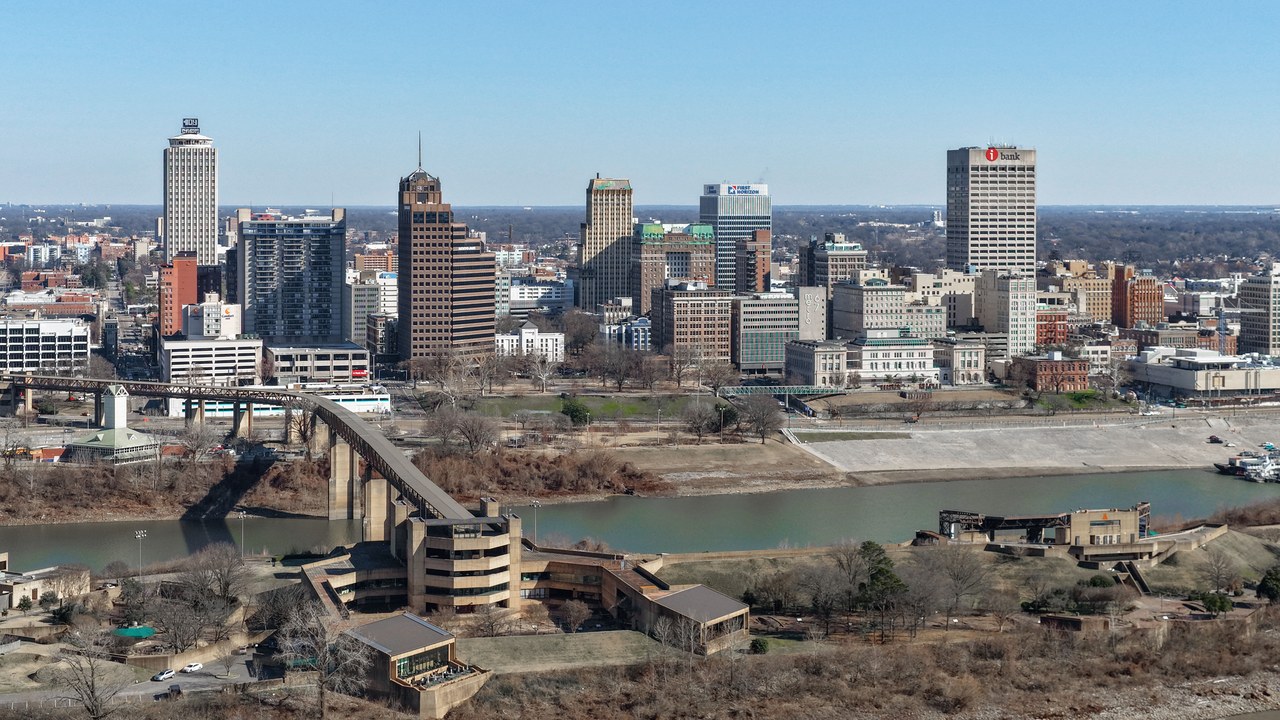
USGS testimony to Congress gave a 25 to 40% chance of a magnitude 6 earthquake in the New Madrid region over 50 years, in an Interior hearing record. The testimony said Memphis, with over one million people in its metropolitan area, would be the most affected urban center.
Central United States quakes travel far and can damage buildings not designed for shaking. Memphis-area owners of older brick buildings have particular reason to consider retrofits. Standard homeowner policies generally exclude earthquake damage, so owners in the region may want to price separate coverage and consider foundation upgrades.
8. St. Louis: St. Louis In The Shadow
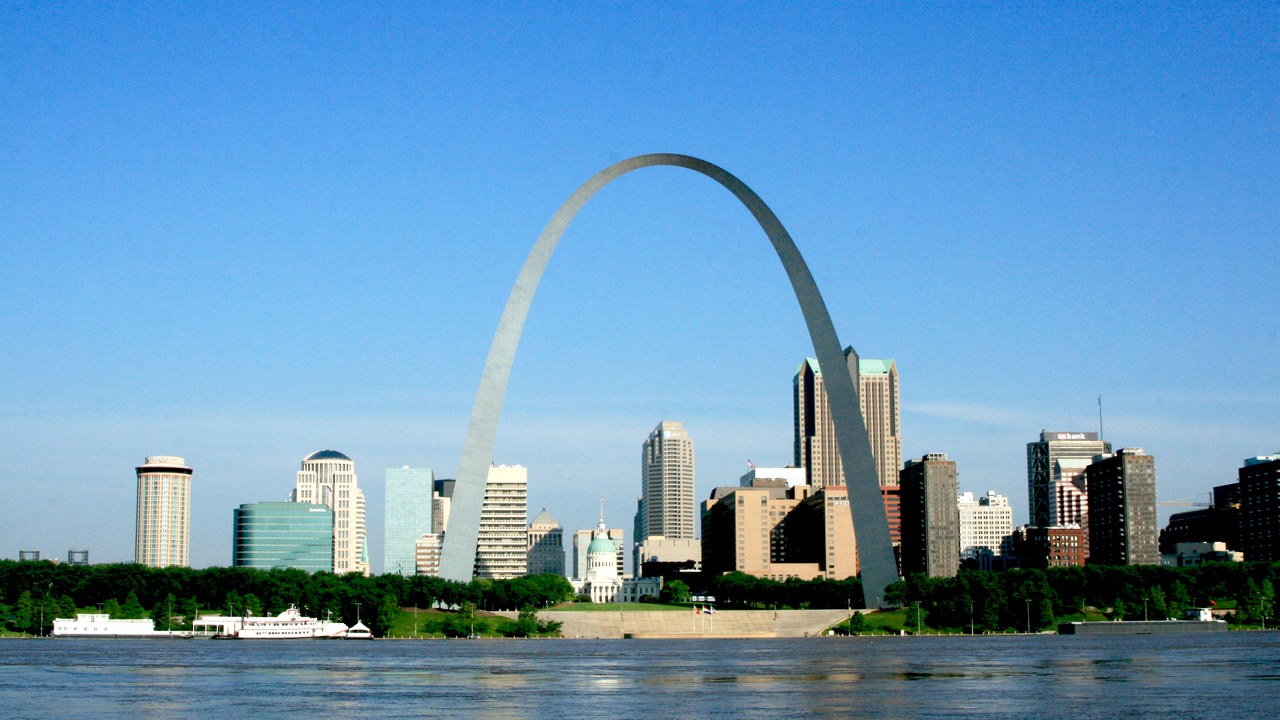
USGS estimated a 7 to 10% chance in 50 years of a New Madrid earthquake the size of those in 1811-12, according to the same hearing record. St. Louis, Little Rock and many small and medium-sized cities would also sustain damage.
The odds are lower than for a moderate quake but the potential consequences are far larger. Insurance coverage matters here, since standard homeowner policies generally exclude earthquake damage. Because the forecast covers many decades of exposure, the practical steps are inexpensive ones, such as securing heavy furniture and knowing how to shut off gas.
9. Anchorage: Alaska’s Record Of Big Quakes
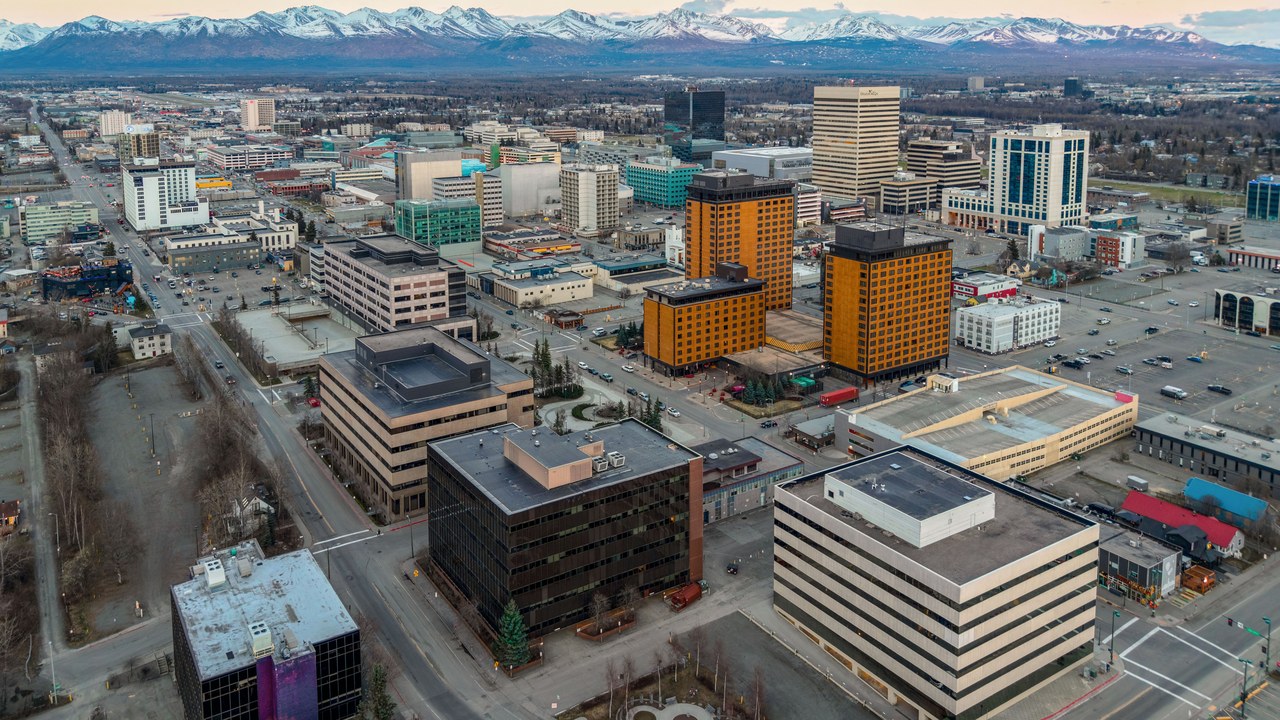
A magnitude 7.0 earthquake struck north of Anchorage on November 30, 2018, and a USGS feature story notes Alaska has had 144 earthquakes above magnitude 6 since the 1964 Alaska earthquake, a magnitude 9.2. That history makes strong shaking a recurring fact of life in the region.
Anchorage residents can rely on building codes strengthened after 1964, but older structures and loose soils remain concerns. Household preparations for utility outages are especially important in winter. Because the Anchorage region has both frequent quakes and soft soils in places, checking a building’s construction age is a sensible first step for owners.
10. Charleston, South Carolina: Charleston’s Overdue Lesson
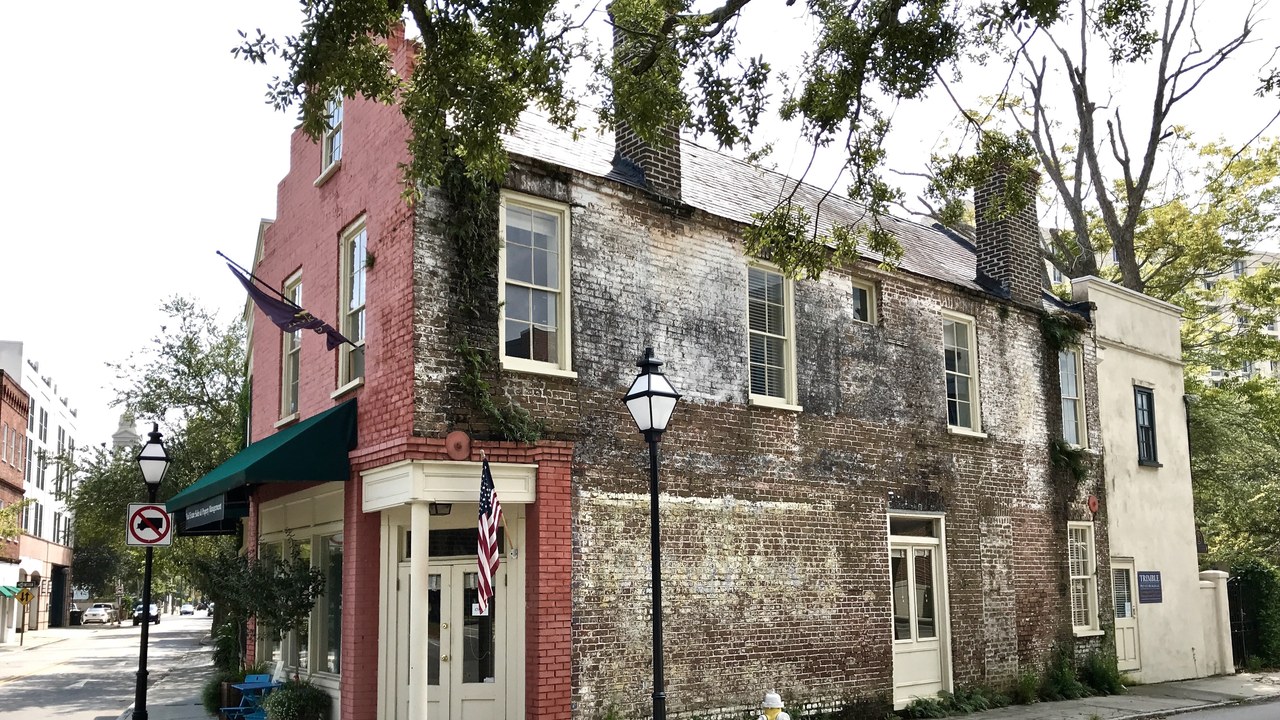
The 1886 earthquake near Charleston had an estimated magnitude of 6.9 to 7.3 and killed 60 people, according to Wikipedia’s account of the disaster. Modeling cited there says a repeat could cause about $20 billion in losses in South Carolina alone, along with roughly 900 deaths and 44,000 injuries.
Eastern quakes are rare, but shaking spreads over a wide area because of the region’s rock. Historic buildings in the old city are especially vulnerable, and few owners carry earthquake insurance.
More from Morning Overview
- Herbal supplements are landing Americans in the hospital with liver damage, doctors warn
- General Motors is switching on cameras that record inside your vehicle by update
- A geomagnetic storm is forecast to hit Earth today, pushing the northern lights unusually far south
- A recalled pill hid a stimulant dose linked to heart attacks and death
