
Advances in ancient DNA and gene editing have turned de-extinction from science fiction into an active industry, with startups and nonprofits racing to revive species that vanished centuries or millennia ago. Some projects rely on gene-edited surrogates, like elephants carrying mammoth traits, while others use old-fashioned selective breeding to recreate a lost look. Here are nine extinct animals now caught up in that effort.
1. Woolly mammoth: Cold-Resistant Elephant Plan
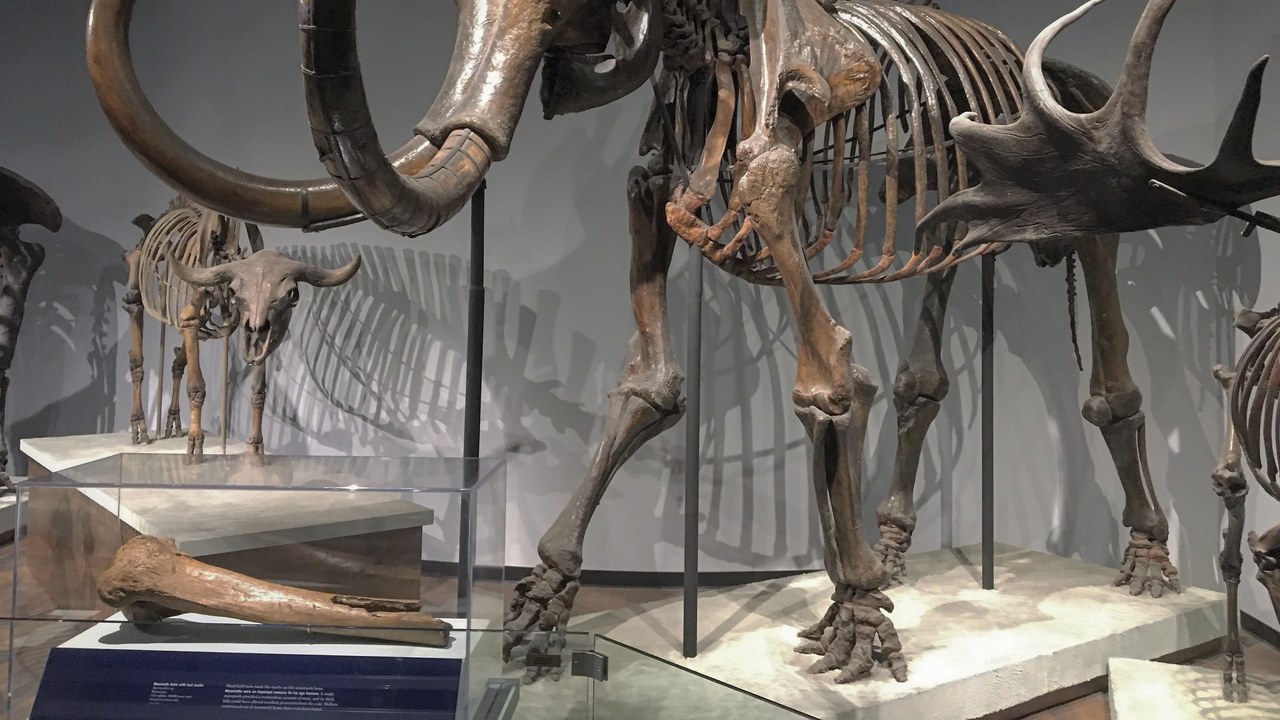
Colossal Biosciences is trying to engineer a cold-resistant elephant that carries core woolly mammoth traits, starting from an Asian elephant genome that already shares 99.6% of its DNA with the extinct species. The company’s approach relies on editing genes tied to traits like shaggy hair, thick fat layers and small ears rather than cloning any preserved mammoth tissue directly.
Colossal frames the project as a way to restore Arctic tundra ecology by reintroducing a large grazing animal to the landscape. Outside critics counter that the eventual result would be a cold-adapted hybrid elephant rather than a true resurrected mammoth, since no intact mammoth genome survives to clone from.
2. Thylacine (Tasmanian tiger): Marsupial Surrogate Route
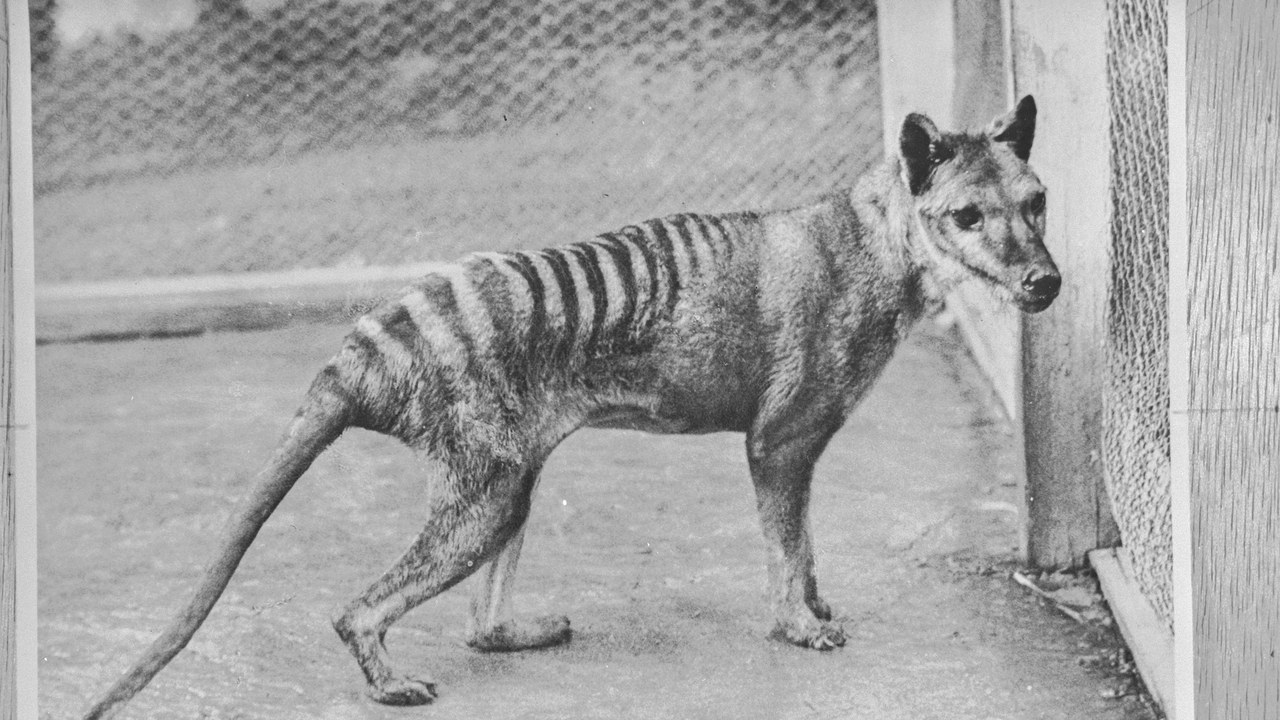
The last known thylacine, also known as the Tasmanian tiger, died of exposure in a Hobart zoo enclosure on Sept. 7, 1936, decades after hunting had already pushed the species to the brink across Tasmania and the Australian mainland. Colossal Biosciences is now working with the University of Melbourne to use the fat-tailed dunnart, a small marsupial, as a surrogate host species for the revival project.
The plan requires editing dunnart embryos to express thylacine-specific genes, a marsupial reproduction route that differs entirely from the elephant surrogacy proposed for mammoths. Researchers involved describe the thylacine as one of the more technically tractable de-extinction targets because its genome is comparatively well preserved.
3. Dodo: Pigeon Cousin’s Germ Cells
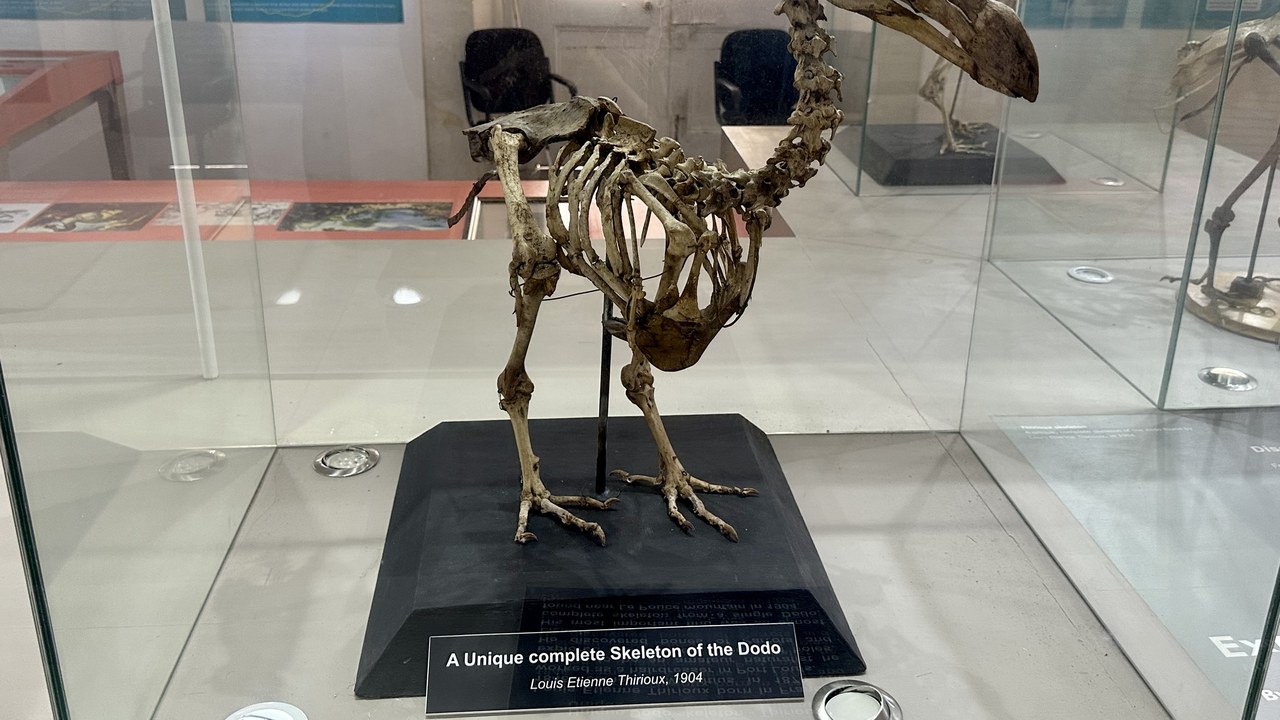
The flightless dodo vanished from the island of Mauritius around 1690, within roughly a century of European sailors first encountering the bird. Colossal Biosciences is now growing primordial germ cells from its closest living relative, the Nicobar pigeon, as an early step toward eventually producing a living dodo through genetic engineering.
The approach depends on first mapping which genes separate the dodo from its pigeon relatives before any edits can be attempted. Even a successful revival would still depend on Mauritius having enough intact forest habitat left to support a large, flightless ground-dwelling bird.
4. South Island giant moa: Giant Bird’s Comeback Bid
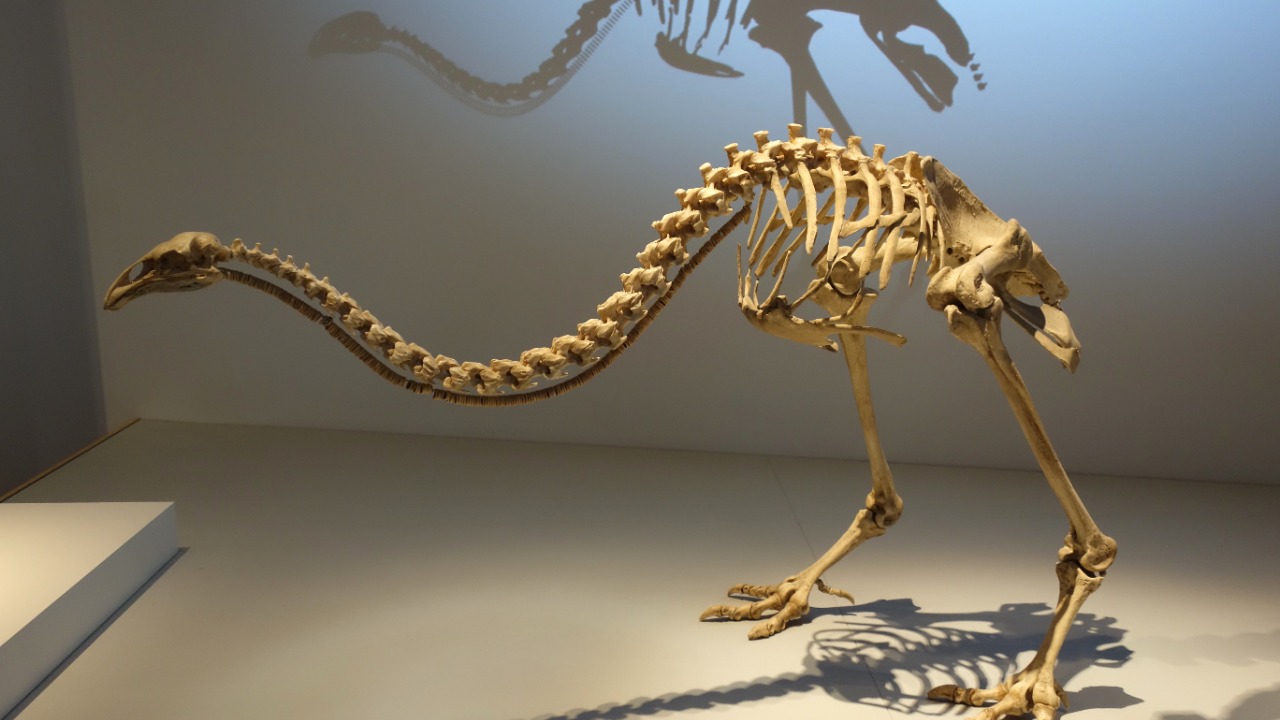
Standing up to 3.6 meters tall and weighing about 230 kilograms, the South Island giant moa was New Zealand’s largest bird before hunting drove it to extinction centuries ago. Colossal Biosciences announced a project to attempt its revival alongside New Zealand’s Ngāi Tahu Research Centre on July 8, 2025, pairing genetic science with an iwi-led research partnership.
For Ngāi Tahu, whom Colossal Biosciences is partnering with, reviving the moa carries as much cultural weight as ecological purpose for New Zealand’s forests. Any revived moa population would still need suitable predator-free habitat to survive.
5. Dire wolf: Gray Wolf With Dire Look
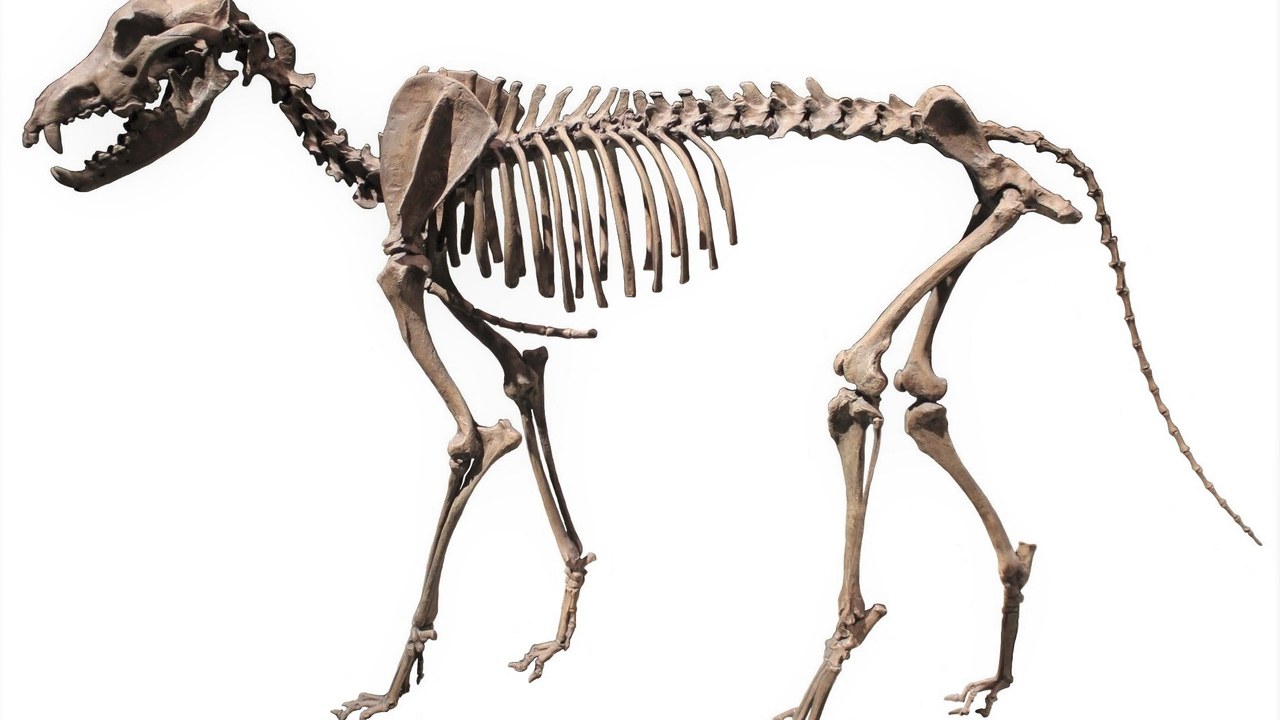
Colossal Biosciences unveiled dire wolf pups in 2025 carrying 20 genome edits meant to mimic the extinct predator’s pale coat, muscular build and skull shape. Outside scientists quoted in NPR’s science reporting pushed back hard on the framing, saying the animals are genetically gray wolves with a handful of cosmetic mutations rather than true dire wolves brought back to life.
The dispute illustrates how de-extinction claims can outpace what gene editing actually restores, since dire wolves and gray wolves diverged as separate lineages long before either species neared extinction. Critics argue the pups are best understood as a proof of concept for gene-editing tools rather than a resurrected species.
6. Passenger pigeon: From Billions To Zero
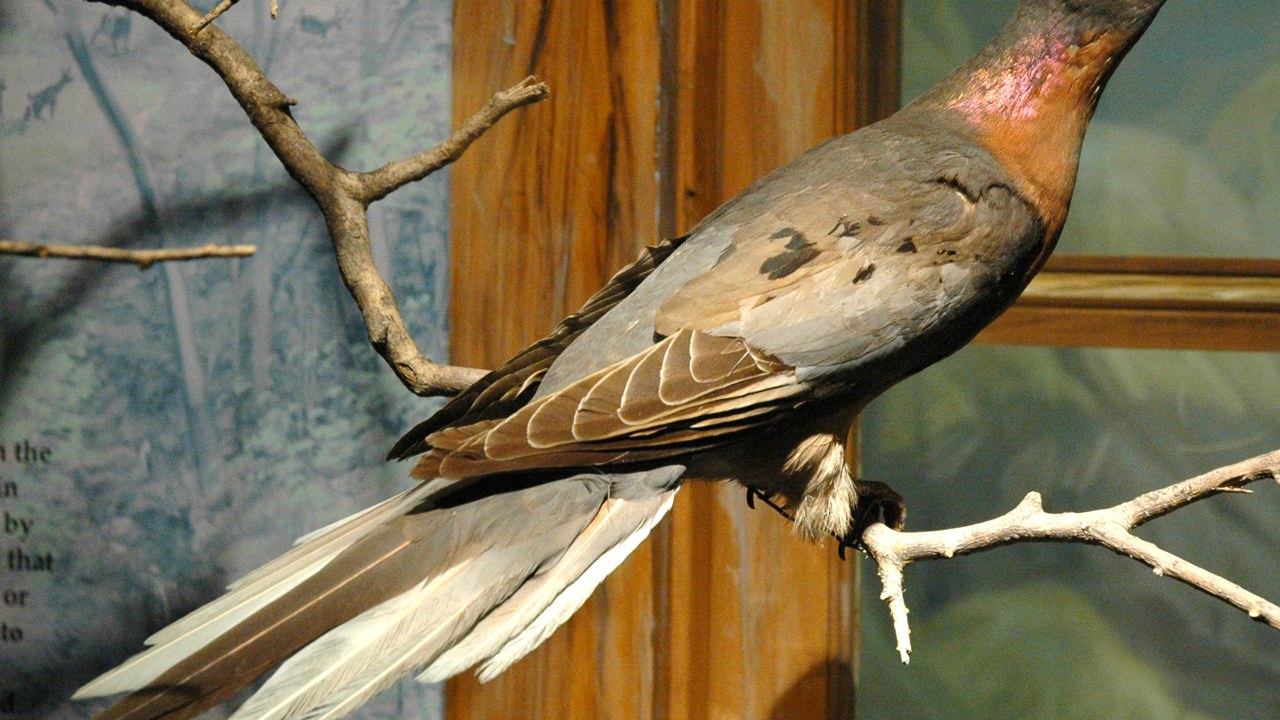
Once the single most abundant bird on the planet, with flocks numbering in the billions, the passenger pigeon was hunted and displaced to complete extinction in about 40 years. The nonprofit Revive & Restore is now using genomic biotechnology in an attempt to bring the species back using preserved museum specimens and its closest living relatives.
The scale of that collapse, from billions of birds to zero in just a few decades, is part of why the group treats the passenger pigeon as a flagship case for de-extinction science generally. Any revived population would still need vast tracts of forest habitat that have since been cleared.
7. Heath hen: Martha’s Vineyard Revival Bid
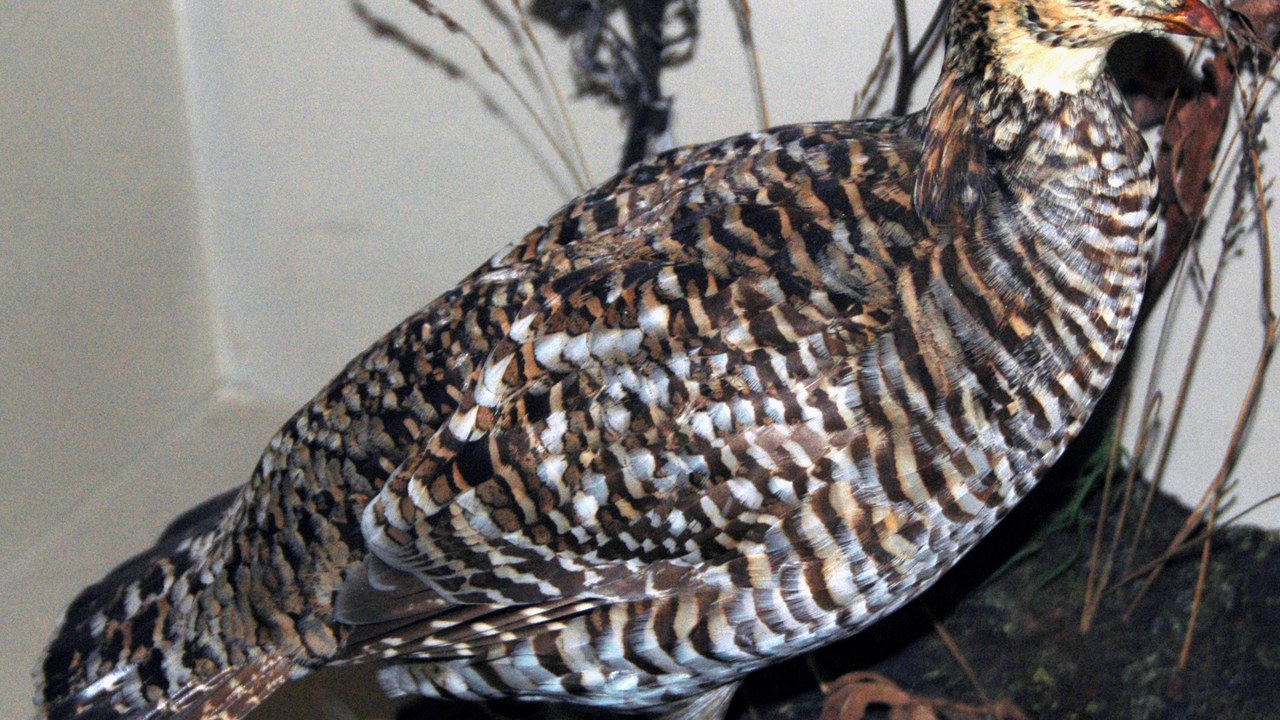
The heath hen, a now-extinct relative of the prairie chicken, disappeared entirely by 1932 after habitat loss and hunting reduced its range to a single population. Revive & Restore announced a project in 2014 to attempt reviving the bird on Martha’s Vineyard, according to the Wikipedia de-extinction entry documenting the organization’s early planning meetings with the local community.
The Martha’s Vineyard location matters because the island once sheltered one of the heath hen’s last surviving wild populations before it vanished for good. Any revival effort there would need to reconstruct habitat that has changed considerably since the bird’s disappearance nearly a century ago.
8. Aurochs: Breeding Back A Wild Ox
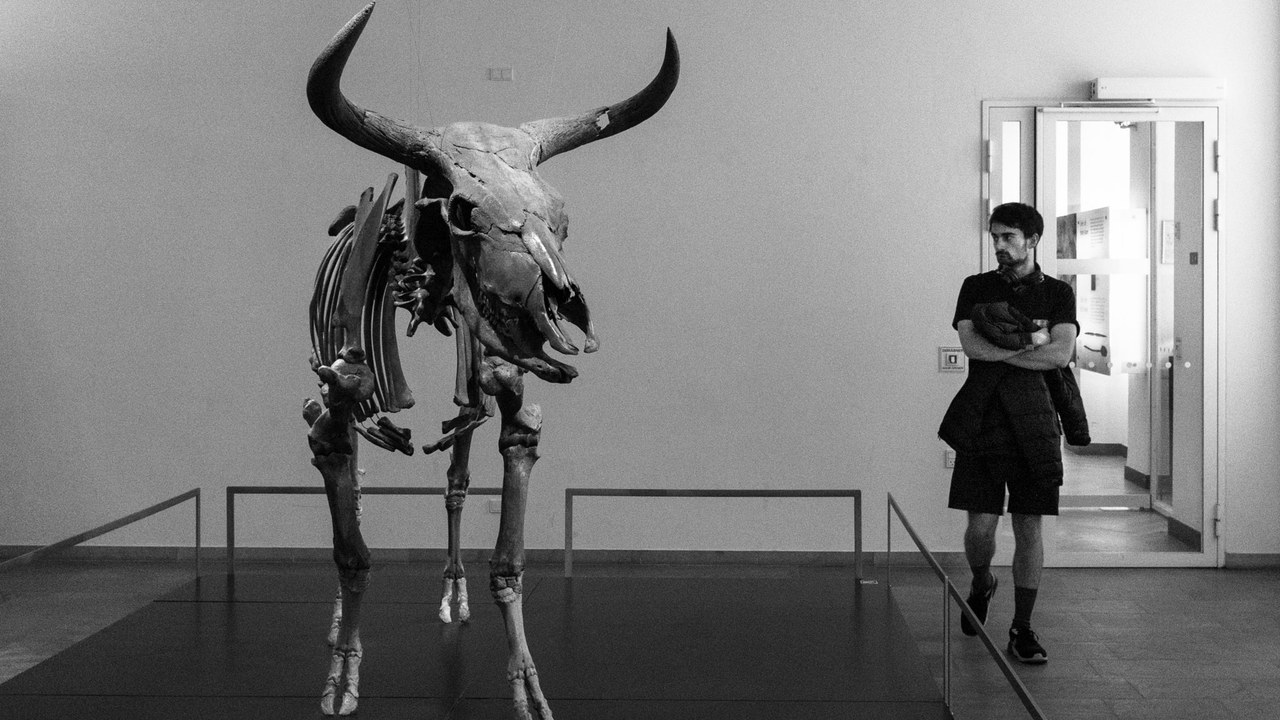
Hunting and habitat loss wiped out the aurochs, cattle’s massive wild ancestor, when the last individual died in a Polish forest in 1627. Rather than gene editing, the Tauros Programme is selectively breeding primitive cattle breeds in an attempt to recreate an animal resembling it, according to the Wikipedia de-extinction overview of ongoing back-breeding projects.
Breeders work by identifying cattle strains that still carry ancestral aurochs traits in their genes, then encouraging those traits to resurface over successive generations. Supporters argue the resulting animal could fill a similar ecological role as a large wild grazer in European rewilding projects.
9. Quagga: Zebra With A Quagga Coat
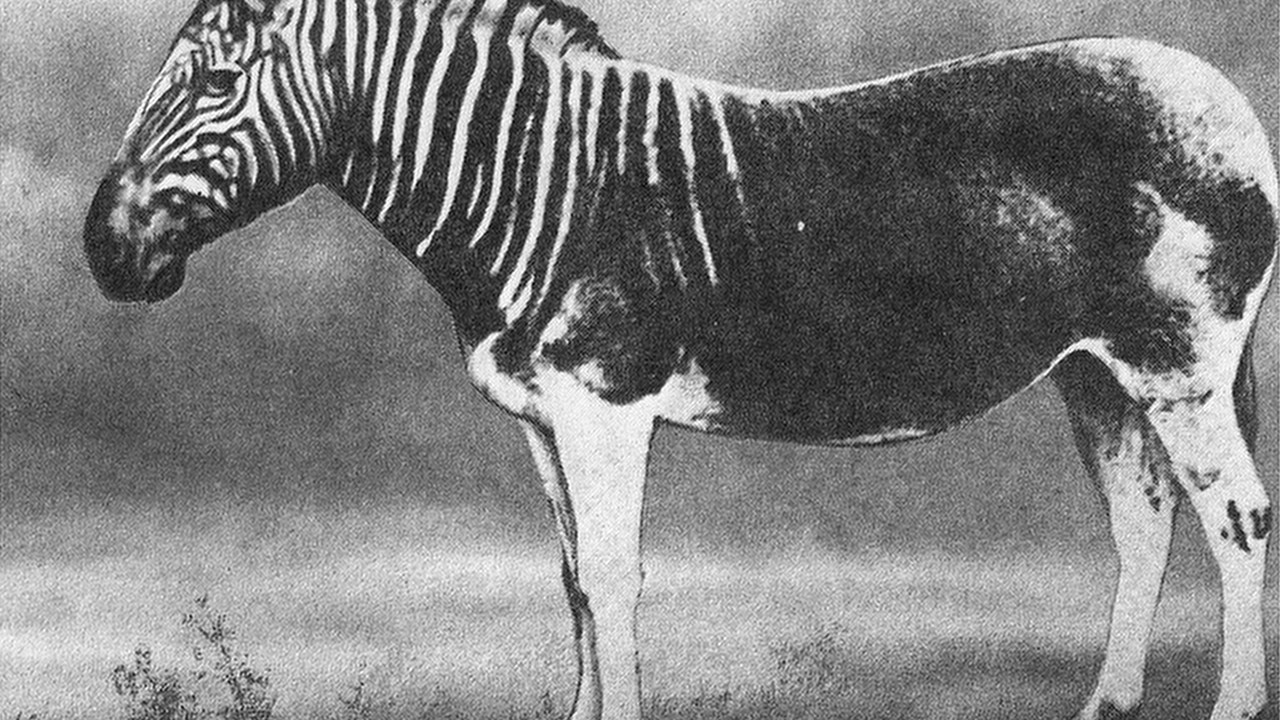
Amsterdam Zoo housed the last living quagga, a plains zebra subspecies striped only on its front half, until its death in 1883. The Quagga Project has spent decades selectively breeding plains zebras that carry reduced striping, an effort recorded in the Wikipedia de-extinction article, hoping to recreate the animal’s distinctive partial-stripe coat.
Like the aurochs effort, the project works entirely through selective breeding of living relatives rather than any form of cloning or direct gene editing. Breeders involved describe the resulting zebras as visually similar to historical quagga specimens, even though their full genetic makeup remains that of an ordinary plains zebra.
More from Morning Overview
- Card skimmers hidden on gas pumps and ATMs are draining accounts, and here’s the tell
- Doctors warn a silent liver disease now affects one in three American adults
- Hackers are hijacking outdated home routers, and the FBI named the models to check
- Older Teslas are wearing out in ways early owners never saw coming
