
Movie monsters get the attention, but the animals that account for most American deaths are far more familiar. Some live on farms, some are house pets, and others simply share the road or the backyard. Here are ten animals that show where the real risks lie, based on the numbers researchers and agencies have recorded.
1. White-tailed deer: Deer On The Highway
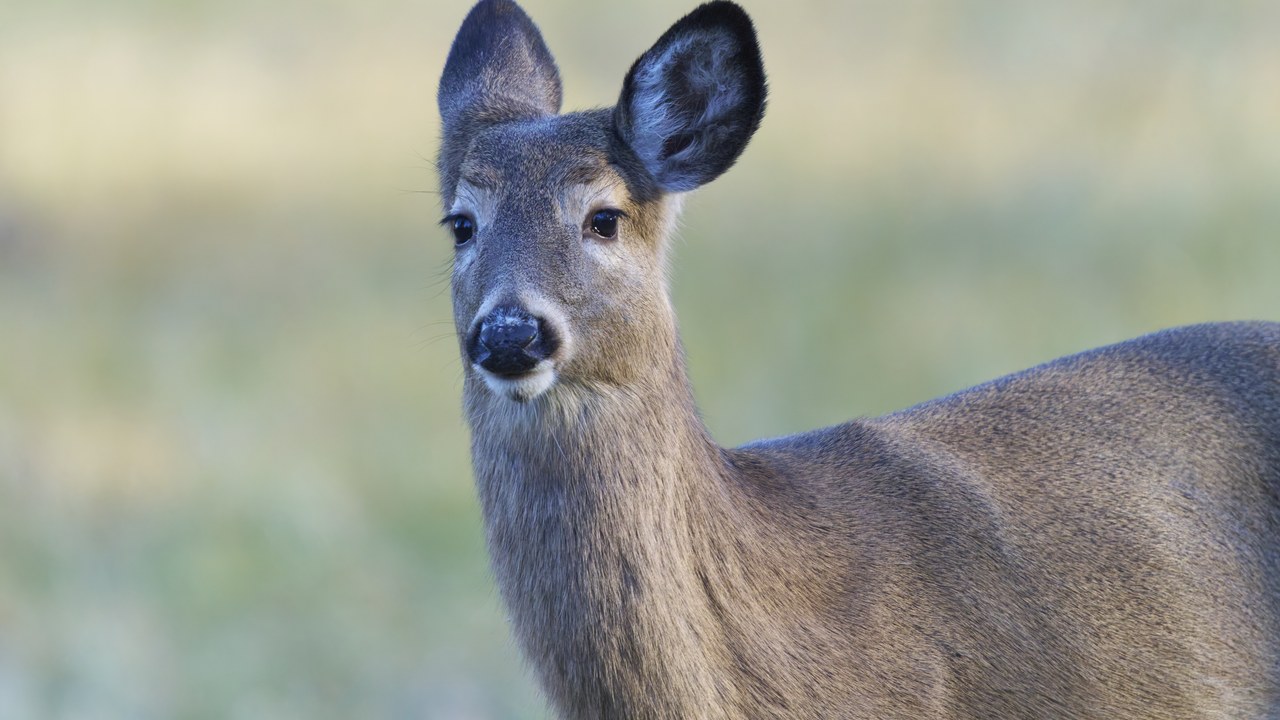
Crashes with animals such as deer killed 210 people on U.S. roads in 2024, up from 89 in 1975, according to Insurance Institute for Highway Safety data. The count has more than doubled over that span.
Deer rarely attack, yet they make this list because of where they cross. The figure counts crashes with animals generally, with deer the best-known example. Collisions cluster where wooded areas meet roadways, and the trend over five decades suggests drivers may want to stay especially alert at dusk and in the fall.
2. Western honey bee: Backyard Stingers
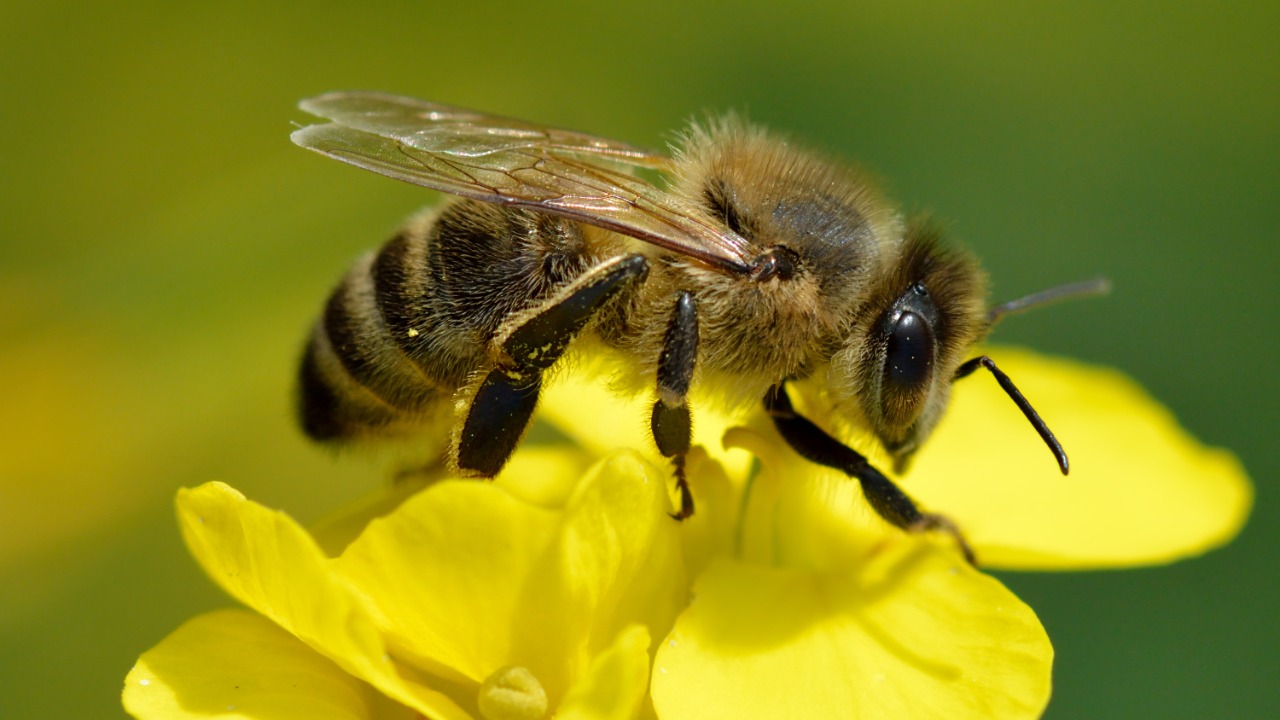
Hornets, wasps and bees caused 497 U.S. deaths from 2018 to 2023, or 31 percent of all animal-related deaths and the largest single category, per peer-reviewed study of U.S. animal deaths. No other animal group in the data comes close.
Most people meet these insects in ordinary settings such as gardens and porches. The figure covers stinging insects broadly, so the honey bee stands in for a group, and the numbers reflect how often exposure happens rather than any aggression.
3. Dog: Man’s Best Friend

Dogs were behind 420 American deaths from 2018 to 2023, more than a quarter of all fatal animal encounters, per peer-reviewed study of U.S. animal deaths. Only stinging insects ranked higher in the data.
The finding sits uneasily beside how much households love their pets, and it says nothing about breed or circumstance. Familiar animals live in close quarters with families, including children, and that closeness, more than any wild instinct, is why domestic dogs show up so prominently in the record.
4. Horse: Farm Horses
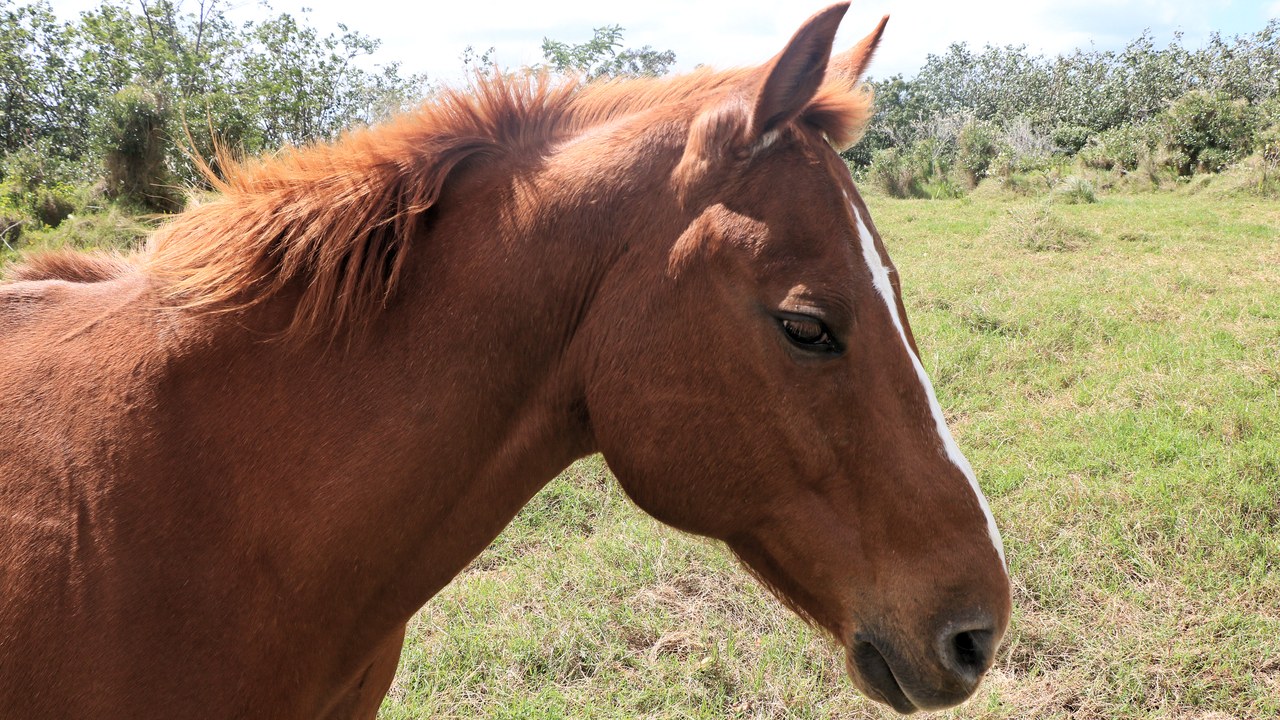
A Stanford-led study found that most deaths tied to other mammals happen on farms, where horses and cattle account for 90 percent of farm accidents, according to ScienceDaily report on the Stanford study. Horses share that toll with cattle.
Riding and working around large animals carries real risk because of their size and strength. The study is from 2018, so the numbers are older than others in this gallery, but the pattern of farm exposure is what matters here. Most of that risk falls on people who handle them every day.
5. Cattle: Cattle On The Farm
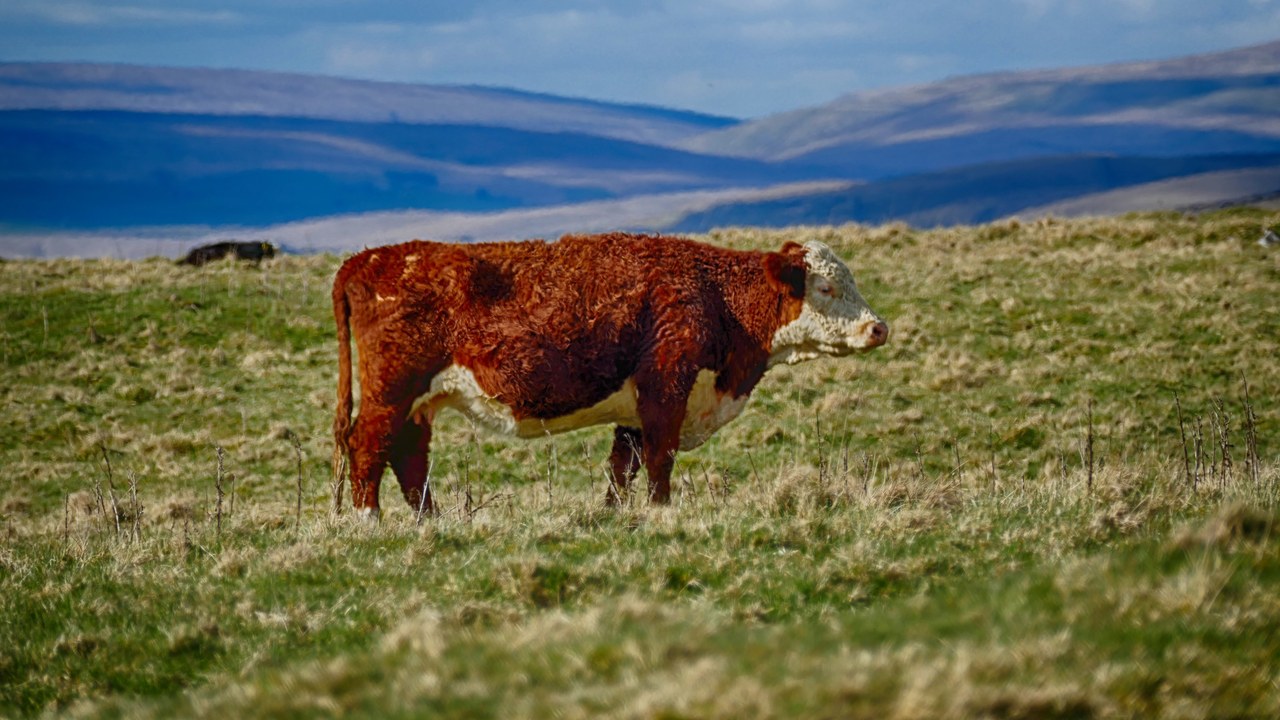
Cattle account for a large share of farm accidents, with horses and cattle together making up 90 percent, according to ScienceDaily report on the Stanford study. The study found most deaths tied to other mammals occur on farms.
Farm work puts people close to large animals every day. Cows are usually calm, but a large animal in a confined space can injure a handler without any intent to harm. The source does not split the toll between the two species, so cattle share the figure with horses rather than owning it alone.
6. Rattlesnake: Rattlesnake Reality Check
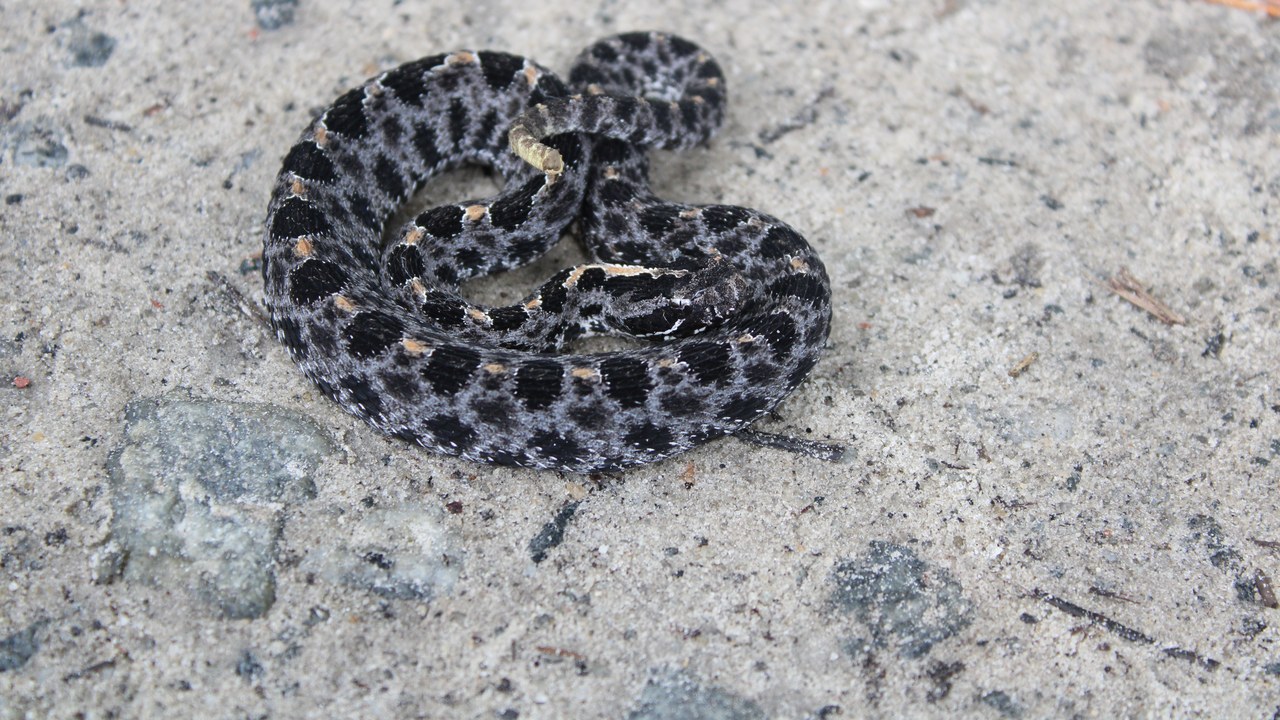
Venomous snakes such as rattlesnakes killed 30 Americans from 2018 to 2023, or 1.9 percent of the total, per peer-reviewed study of U.S. animal deaths. That is far fewer than bees or dogs.
Fear of snakes runs well ahead of the numbers. Bites do happen and deserve prompt medical care, but the data place snakes far down the list, and the same study puts their toll at a small fraction of what stinging insects cause. Sensible caution outdoors still applies.
7. Black widow spider: Widow Spider Numbers
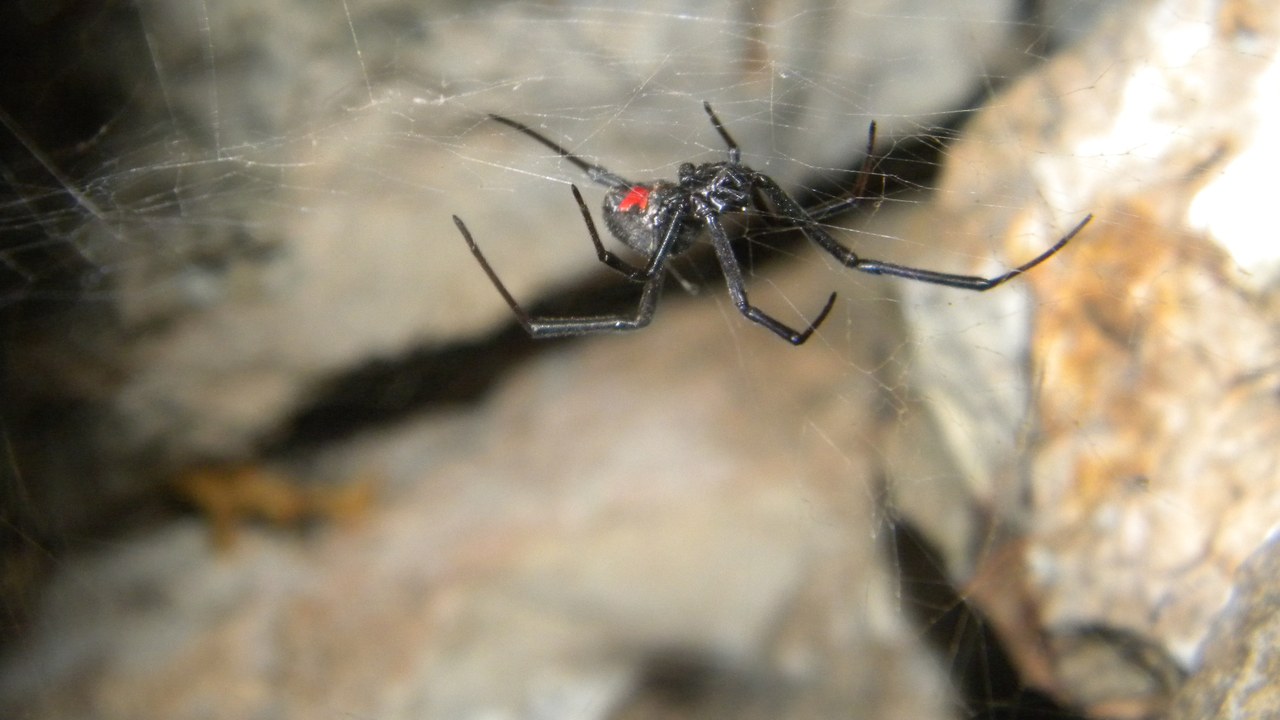
Venomous spiders, led by widows and recluses, caused 26 U.S. deaths from 2018 to 2023, or 1.6 percent of the total, according to U.S. animal deaths study. The figure covers spiders as a group.
Spiders are a small part of the picture, though still a real one. The count is spread across several species, so the black widow is the best-known face of a category rather than the sole cause of those deaths, and it deserves respect more than panic. Simple precautions such as shaking out gloves and boots can help.
8. Great white shark: Sharks In Perspective
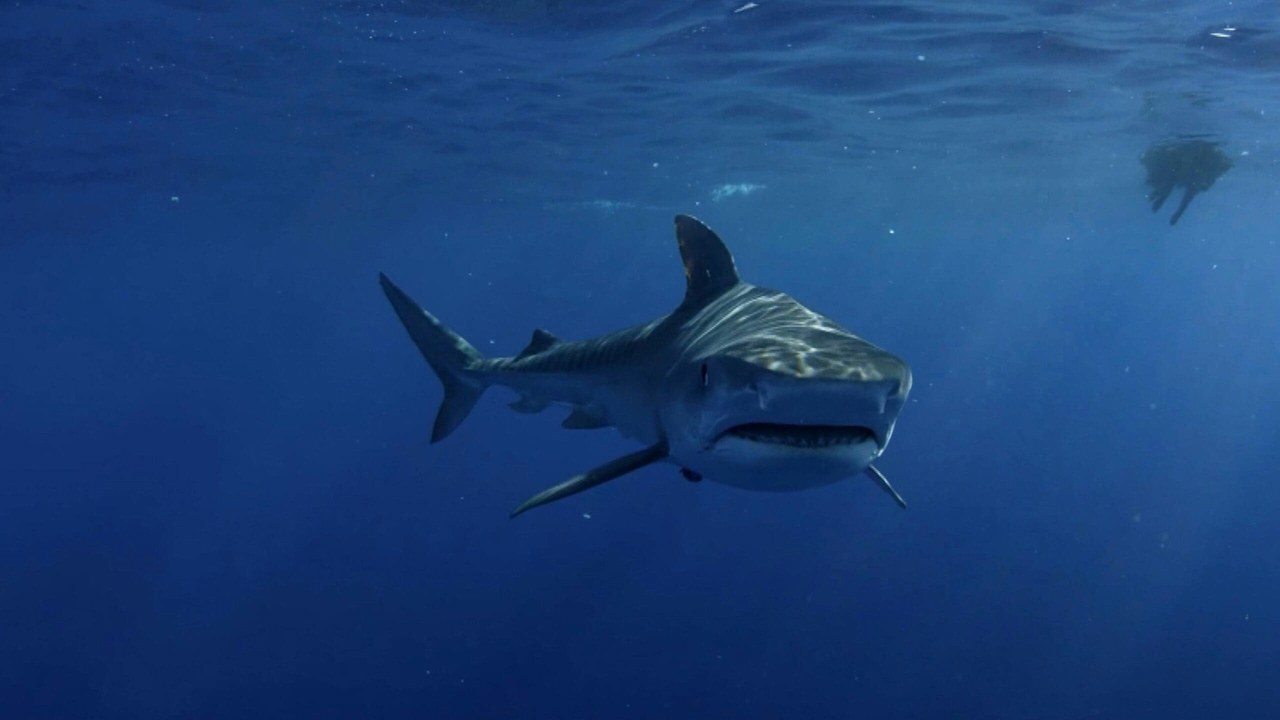
The U.S. logged 25 unprovoked shark bites and one death in 2025, and the fatal U.S. case was a white shark bite in California, according to Florida Museum shark summary. The single death shows how rare fatal encounters are in this country.
The animal that dominates movie posters accounts for very little of the toll. One death in a year, against hundreds from bees and dogs, is the clearest illustration on this list of how fear and risk can diverge.
9. American alligator: Florida’s Gator Toll
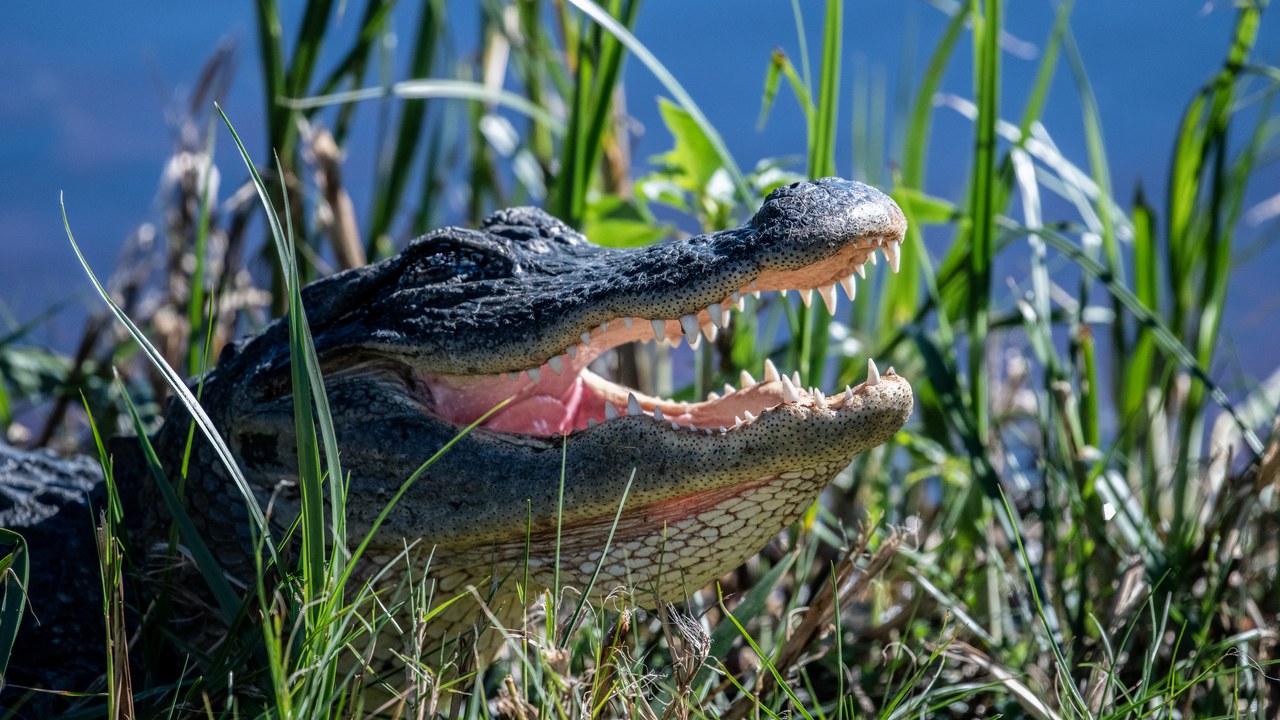
Florida has recorded 500 unprovoked alligator bites since 1948, with 32 confirmed fatal attacks before a Seminole County woman was killed on June 28, 2026, per ClickOrlando’s alligator statistics report. The state keeps close records.
Alligators live in lakes, canals and ponds across the state, so contact is most likely near water, especially for swimmers. The count covers decades of records, which means a fatal attack is rare in any given year, but the June case shows the risk has not vanished.
10. American black bear: Arkansas Black Bears
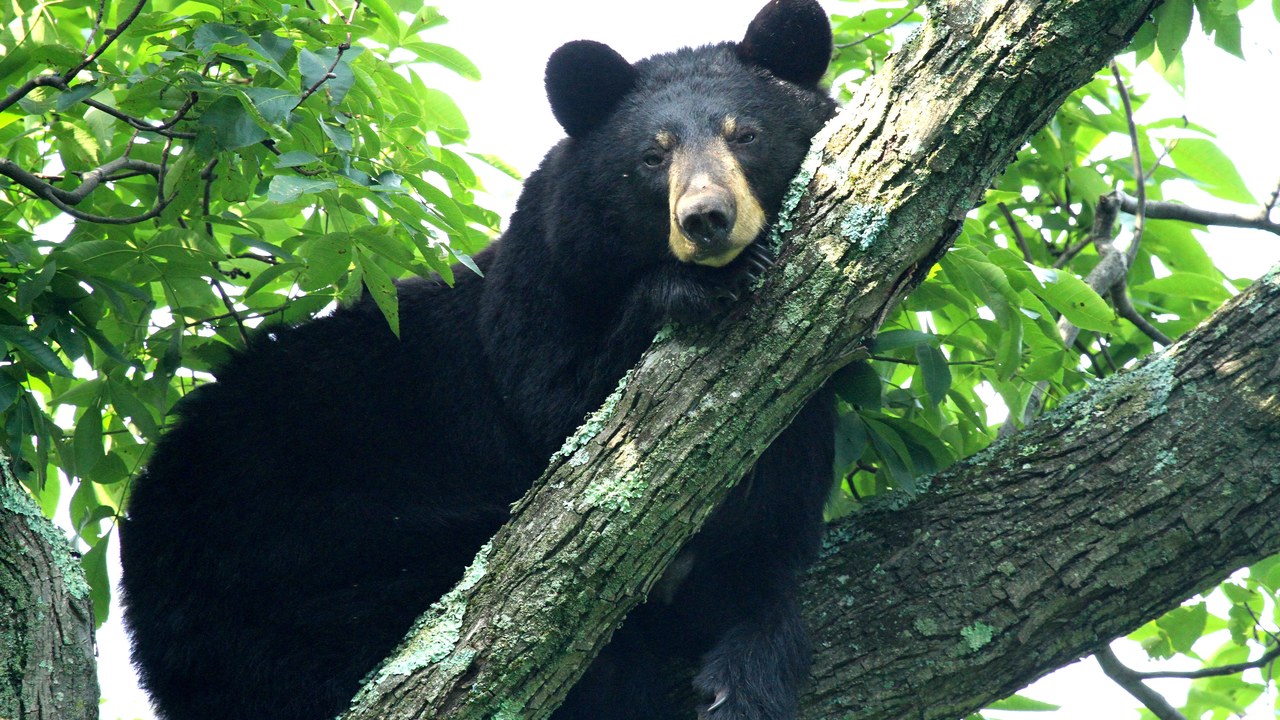
Black bears killed two people in Arkansas within weeks in fall 2025, in Franklin County in September and Newton County in October, according to Wikipedia’s list of fatal bear attacks. The entries name the victims and locations.
Fatal black bear encounters are unusual, which is what made the pair notable. Two deaths in one state in a short span stand out in a record where such events typically come years apart, and this evidence is a list of incidents rather than a national count.
More from Morning Overview
- A recalled pill hid a stimulant dose linked to heart attacks and death
- Four U.S. startups fired up their first small nuclear reactors, aiming to power AI data centers on-site
- Card skimmers hidden on gas pumps and ATMs are draining accounts, and here’s the tell
- Doctors warn a silent liver disease now affects one in three American adults
