
Long before workers hauled the first blocks onto Egypt’s Giza plateau, people across Europe and the Near East were already raising temples, towers and tombs out of stone. Some sites, like Göbekli Tepe, were built by hunter-gatherers who had not yet invented farming, while others held entire villages of stacked stone houses. Here are nine structures that predate the Great Pyramid and still welcome visitors today.
1. Göbekli Tepe (Turkey): Pillars Before Farming
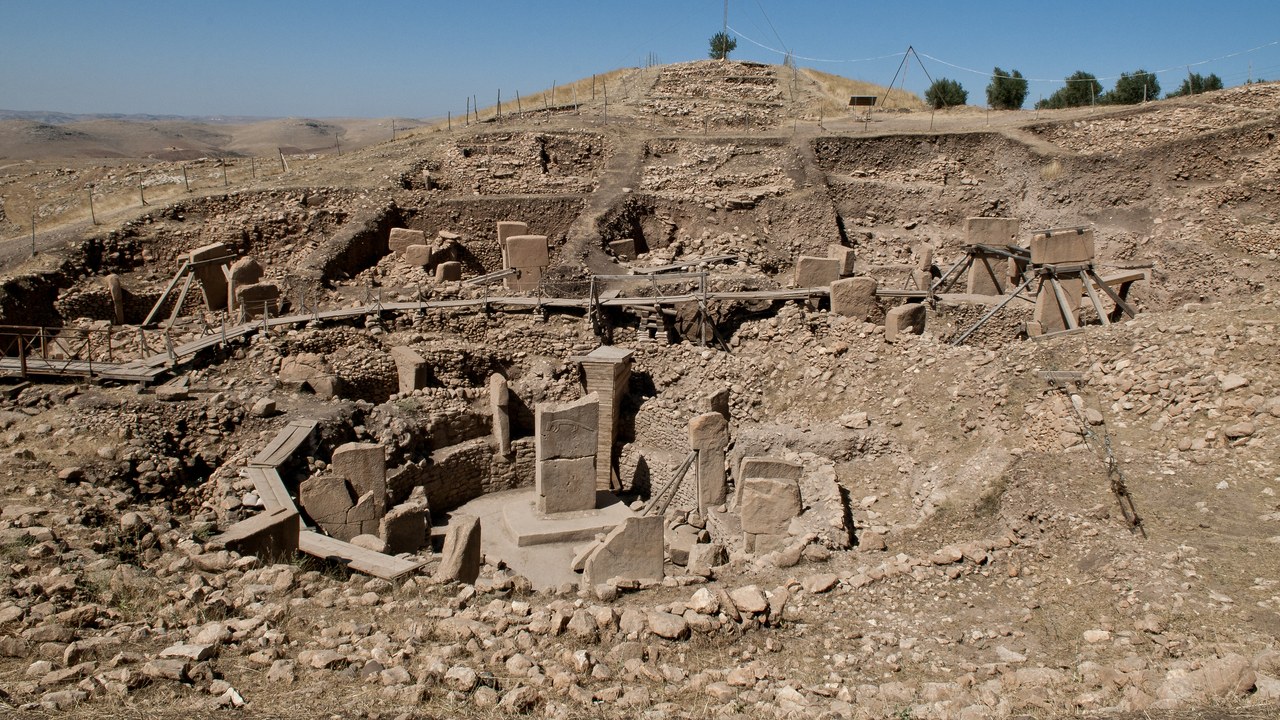
Long before Egypt’s pyramids rose from the desert, hunter-gatherers in southeastern Anatolia raised the megalithic rings now known as Göbekli Tepe’s enclosures, built between 9,600 and 8,200 BCE. Teams without permanent villages or farmed fields quarried, carved and stood upright T-shaped limestone pillars that reach as tall as 5.5 meters, arranged in circular and rectangular formations across the hilltop site.
The discovery upended long-held assumptions that only settled agricultural societies could organize monumental construction on this scale. Excavated sections of the site remain open near Şanlıurfa, where visitors can walk among pillars carved thousands of years before Stonehenge or the Giza plateau existed.
2. Tower of Jericho (West Bank): Stone Tower Before Writing
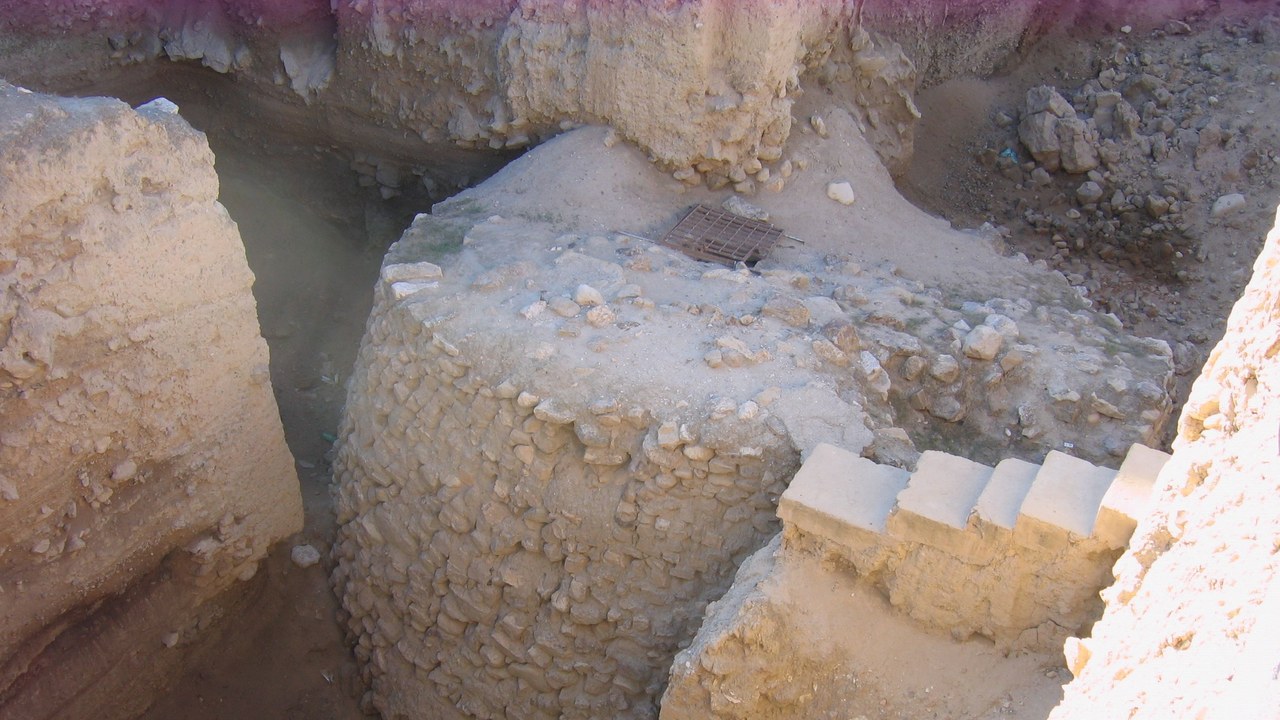
Around 8000 BC, builders working in the Jordan Valley raised the Tower of Jericho, a 28-foot conical stone structure that ranks among the oldest stone buildings anywhere on Earth. Constructed centuries before writing, the wheel or bronze tools existed, the tower incorporated an internal staircase cut through solid masonry, a level of engineering ambition rare for its era.
Archaeologists still debate whether the tower served a defensive, ceremonial or flood-control purpose for the settlement around it. The structure survives inside the tell at Tell es-Sultan, where visitors can see its stepped interior passage up close.
3. Çatalhöyük (Turkey): Roof-Entry Neolithic Town
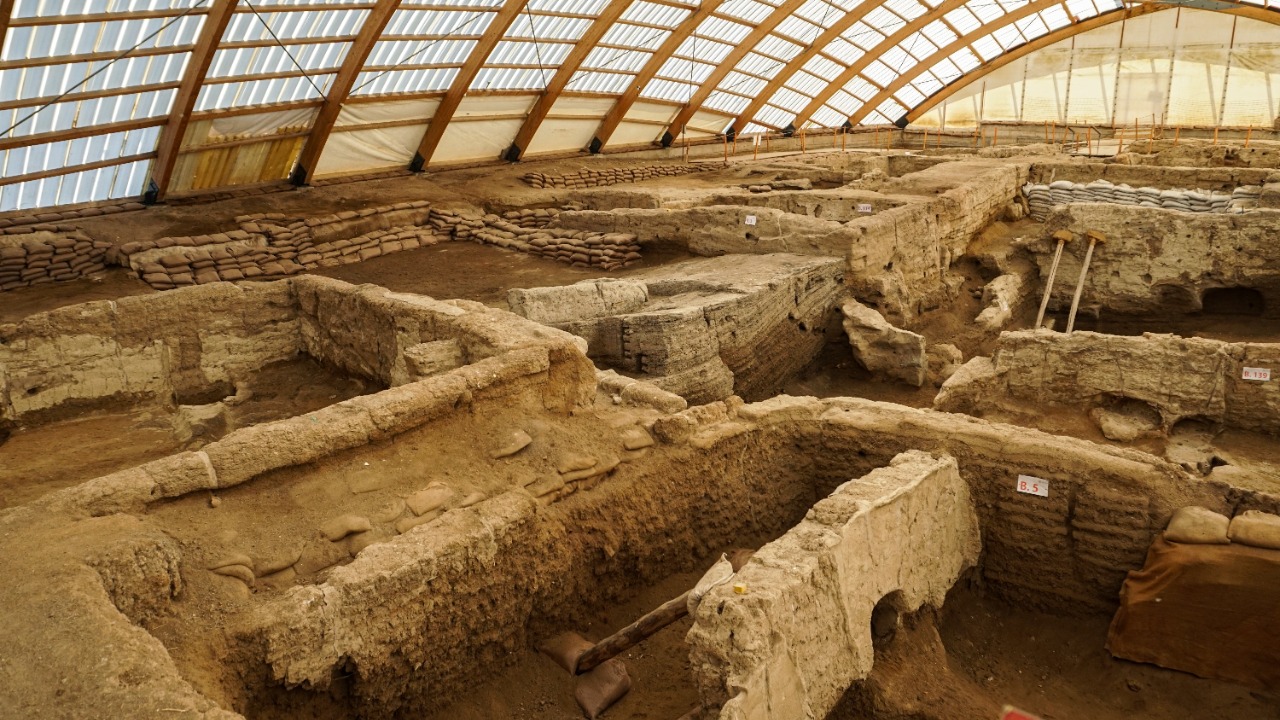
At Çatalhöyük’s ancient settlement in central Turkey, families lived in a dense, streetless town of mudbrick houses built wall to wall from around 7400 BC onward. With no ground-level doors or streets separating homes, residents climbed down wooden ladders through openings cut into the roof to reach the room below, moving across rooftops rather than along paths.
Eighteen distinct layers of occupation, stacked one on top of another, have been identified at the site by archaeologists. Reconstructed houses built on the grounds today let visitors duck through that same rooftop entrance and see how the layout once worked.
4. Cairn of Barnenez (France): Brittany’s Stacked Stone Giant
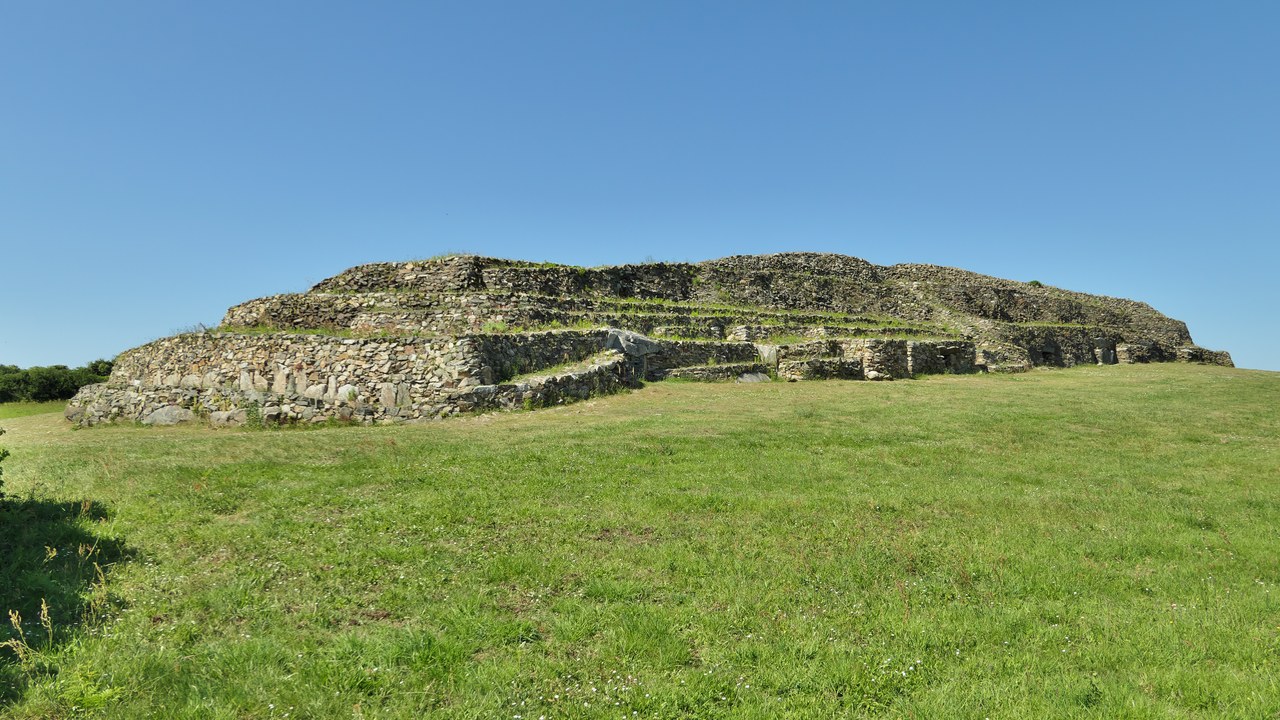
In Brittany, the first phase of the Cairn of Barnenez went up sometime between 4850 and 4250 BC, later expanding into a stone monument 72 meters long that holds eleven separate burial chambers. Builders stacked local granite and dolerite into a stepped cairn large enough that early excavators mistook it for a natural hill before its true age and design were recognized.
The monument sits on a headland overlooking Brittany’s Bay of Morlaix, a setting that adds to its dramatic scale. Visitors who expect a single small tomb are often surprised to find a sprawling, multi-chambered mound built up in phases over centuries.
5. West Kennet Long Barrow (England): Wiltshire’s Communal Tomb
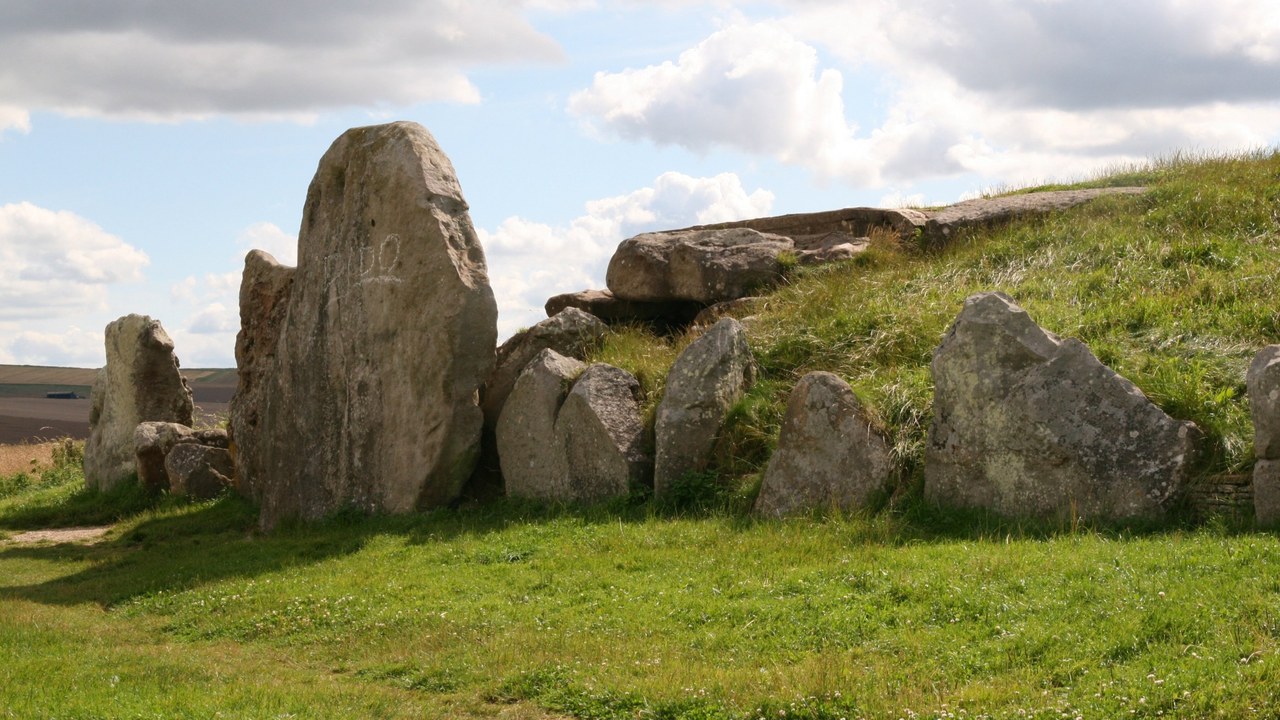
Built around 3650 BC in Wiltshire, West Kennet Long Barrow holds a stone-lined chamber where the remains of nearly 50 people were placed over many generations before the tomb was eventually sealed. Massive sarsen stones block its entrance, and a narrow internal passage leads back into five separate side chambers cut into the earthen mound.
English Heritage keeps the barrow open for walk-in visits at no charge, one of the few Neolithic tombs in Britain the public can enter freely. Its low doorway still leads into the same chalk-cut passage used roughly five and a half thousand years ago.
6. Ġgantija (Gozo, Malta): Malta’s Giantess Legend
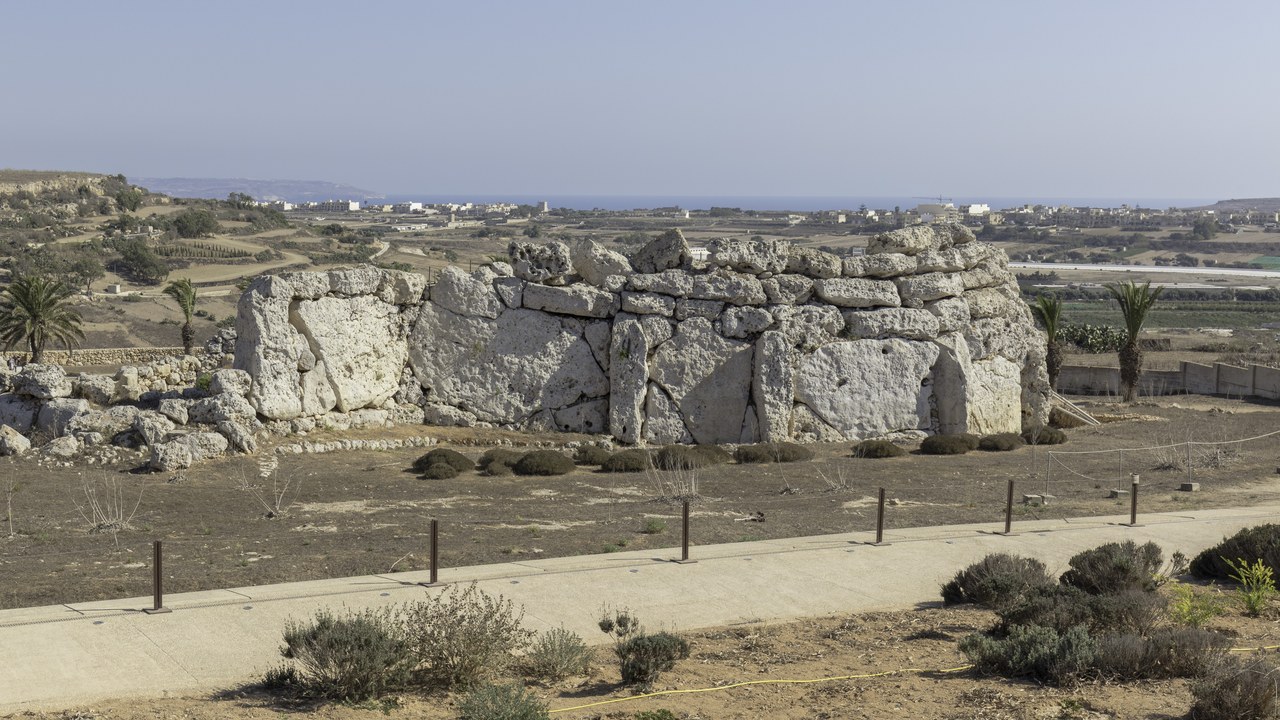
The megalithic temples of Ġgantija on Gozo went up around 3600 BC, built from massive coralline limestone blocks that local legend credits to a giantess who supposedly carried them into place by hand. Some of the stones used in the outer walls weigh several tons, set without mortar into curved facades that still stand largely intact.
The temples predate Egypt’s pyramids by many centuries and rank among the oldest known freestanding structures anywhere in the world. Visitors walking through the enclosed courtyards today pass beneath walls that have stood since long before the Bronze Age began.
7. Knap of Howar (Orkney, Scotland): Oldest Standing Walls
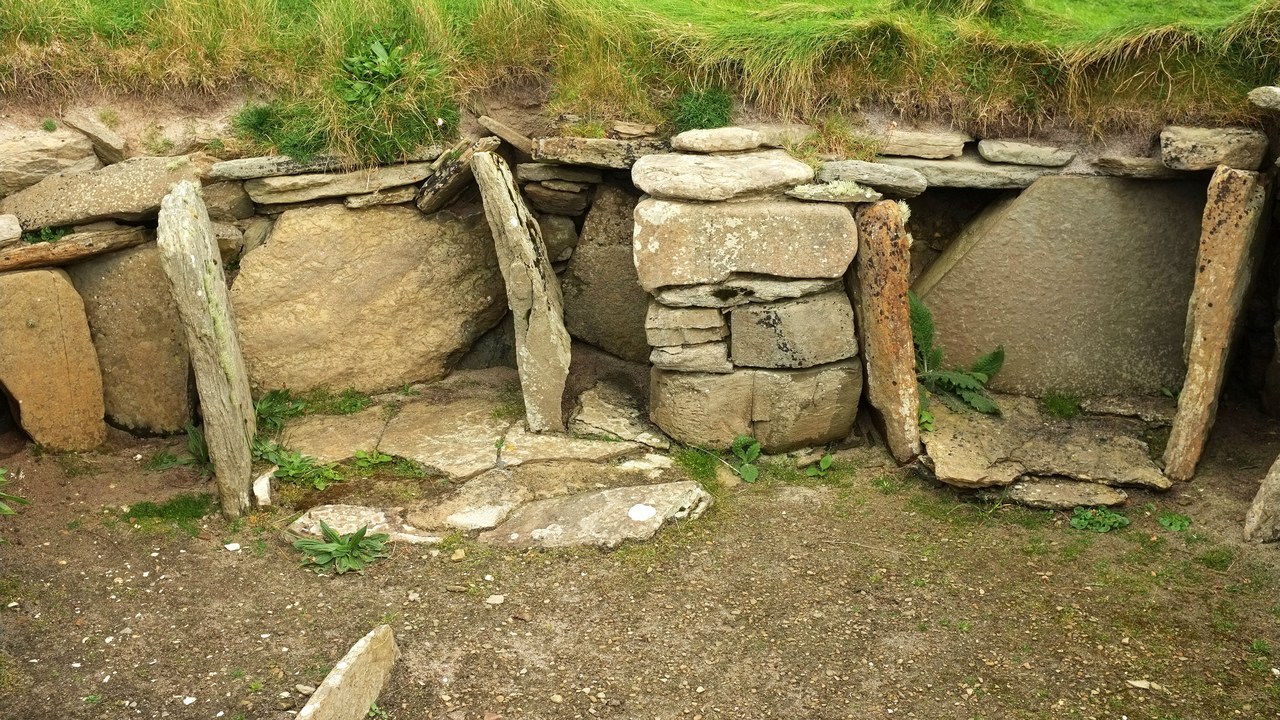
On the small Orkney island of Papa Westray, Knap of Howar’s farmhouses are described as the oldest standing stone buildings in north-west Europe, occupied more than 5,000 years ago. Two thick-walled dwellings connected by a low passage still stand largely intact, built directly into a grassy dune above the shoreline.
Farmers there kept cattle and sheep and grew barley on land now exposed to the sea by centuries of coastal erosion. The roofless walls remain sturdy enough that visitors can step inside and see stone shelving and hearths their occupants left behind.
8. Newgrange (Ireland): Solstice Light Show
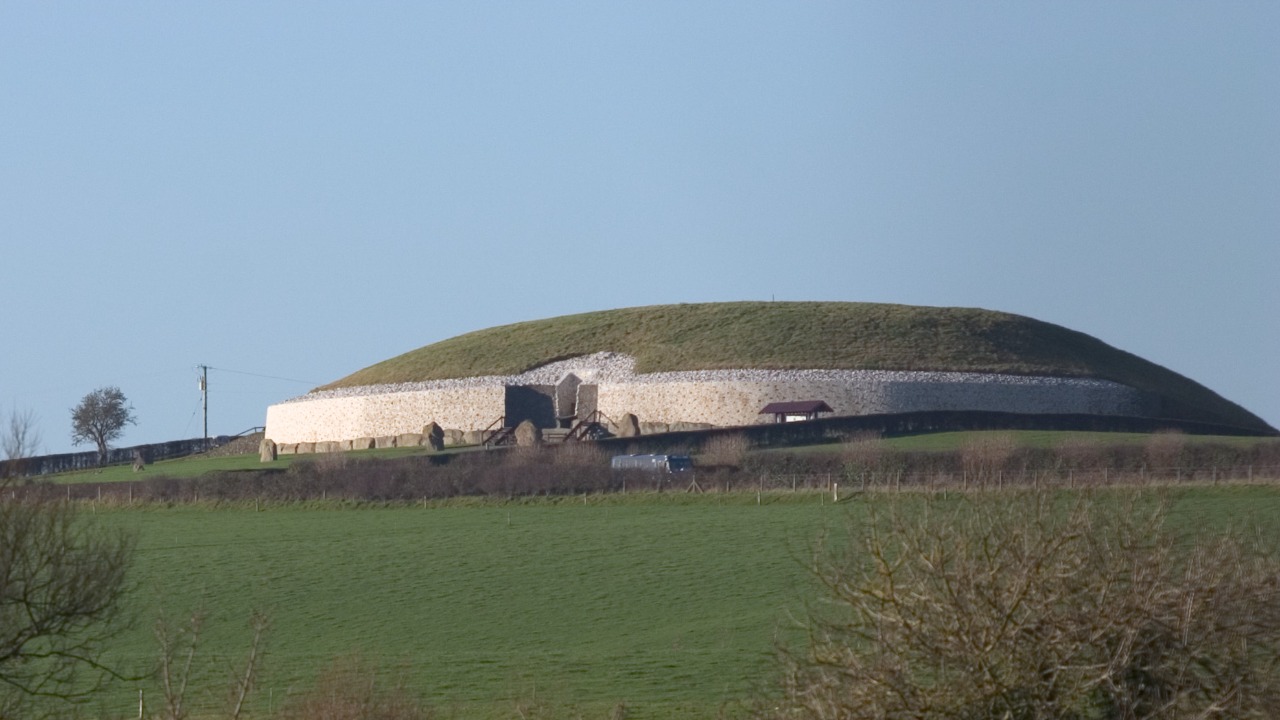
Ireland’s Newgrange passage tomb went up around 3200 BC, and its carefully engineered roof box still channels the winter solstice sunrise directly down the long internal passage every December. Builders covered the mound in white quartz and grey granite stones, some hauled from sources many miles away, and carved spiral patterns into the entrance kerbstone.
Guided tours from the Brú na Bóinne visitor centre let modern visitors walk into the same chamber the original builders sealed off millennia ago. A public lottery held each year selects a small number of people to watch the solstice light reach the back of the passage in person.
9. Skara Brae (Orkney, Scotland): Best-Preserved Stone Village
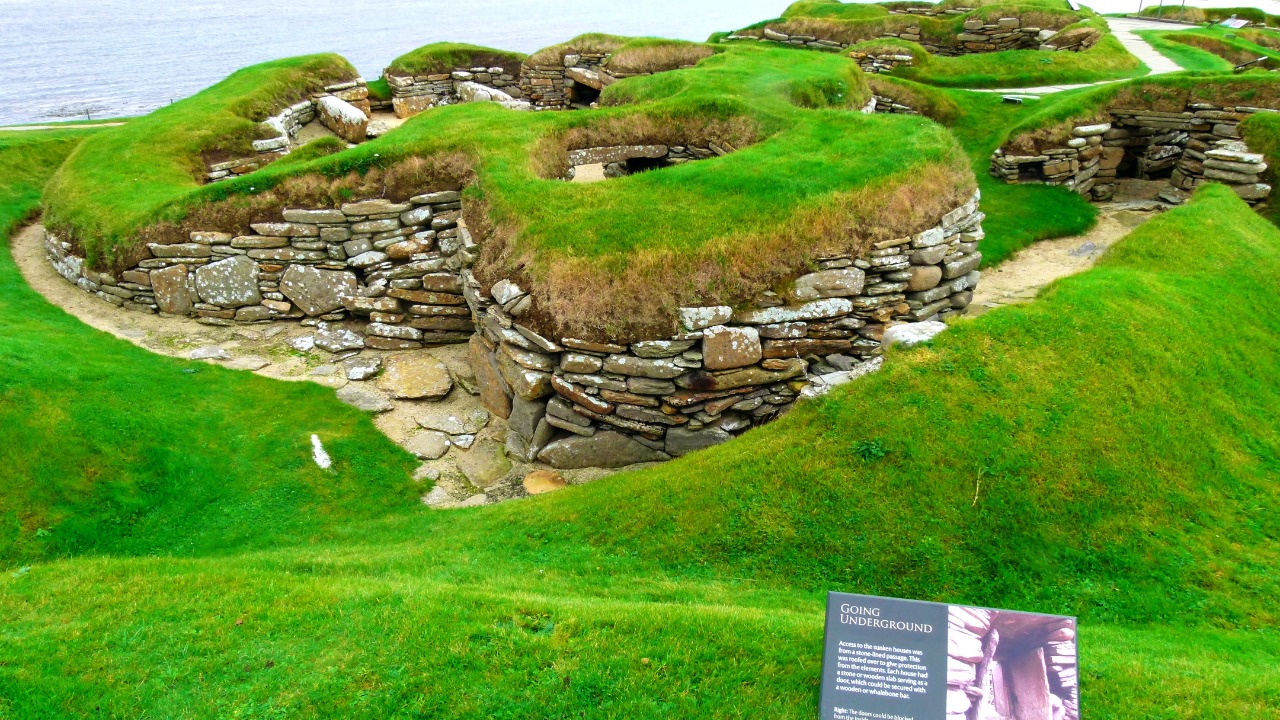
Skara Brae’s stone houses, occupied from roughly 3180 BC, survive as Europe’s most complete Neolithic village, with stone box-beds, dressers and hearths still standing inside low, interconnected dwellings. Covered passages link the houses together, letting residents move between homes without stepping outside into the harsh Orkney weather.
A storm in 1850 first exposed the site by stripping away the dune that had sealed it from view for millennia. Visitors can now look down into rooms furnished in stone centuries before anyone quarried the first block for an Egyptian pyramid.
More from Morning Overview
- Four U.S. startups fired up their first small nuclear reactors, aiming to power AI data centers on-site
- Card skimmers hidden on gas pumps and ATMs are draining accounts, and here’s the tell
- Doctors warn a silent liver disease now affects one in three American adults
- Hackers are hijacking outdated home routers, and the FBI named the models to check
