
Four-cylinder engines used to mean modest performance, but turbocharging has erased that limit entirely. Automakers now squeeze well over 300 horsepower from compact turbo fours that once seemed reserved for six- and eight-cylinder engines, reshaping hot hatches, sport sedans, and pony cars alike. Here are ten turbocharged four-cylinder cars that push past 300 horsepower using nothing but boost and four cylinders.
1. Mercedes-AMG CLA 45 S: World’s Strongest Production Four
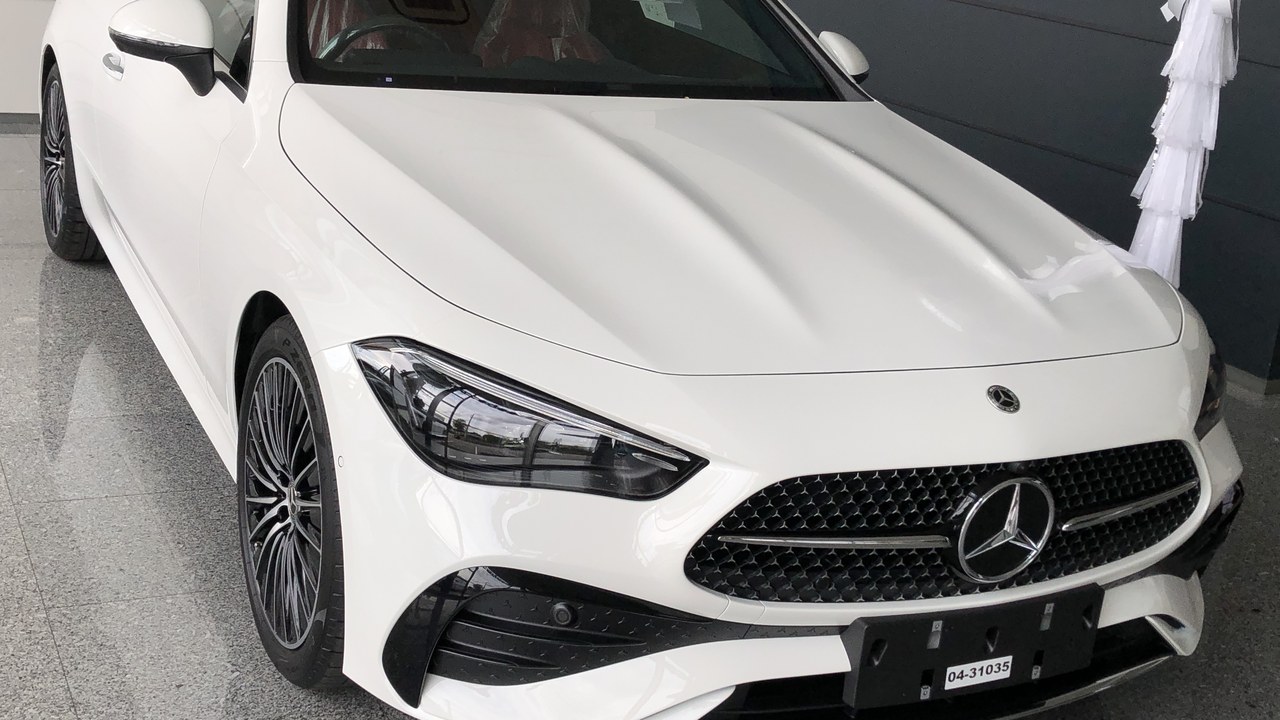
Mercedes-AMG’s hand-built CLA-Class turbo four reaches as much as 416 horsepower in the CLA 45 S, a figure AMG calls the most power ever extracted from a production four-cylinder engine. The 2.0-liter M139 unit relies on a high compression ratio, a twin-scroll turbocharger, and reinforced internals to survive the boost pressure.
That output flows through all-wheel drive and a dual-clutch transmission, letting the compact sedan post supercar-rivaling acceleration despite its modest displacement. Buyers get big-engine thrust without the fuel and insurance penalties that typically come with a larger engine.
2. Mercedes-AMG C 43: AMG’s Detuned Powerhouse
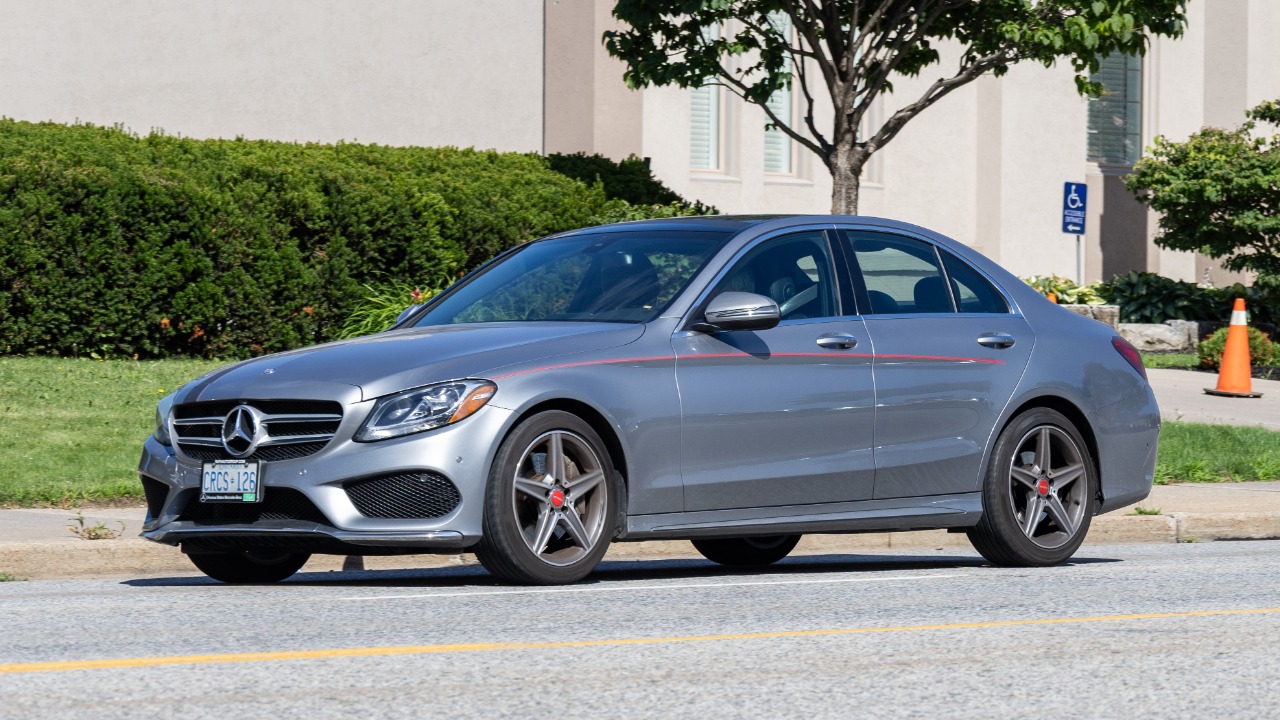
The C 43 uses a detuned version of AMG’s C-Class M139 engine, an electrically assisted turbo four that still produces around 402 horsepower on many markets. An electric turbocharger spins up nearly instantly, eliminating much of the lag that once limited small-displacement engines at this power level.
Mercedes pairs the engine with a 48-volt starter-generator that adds a brief torque boost off the line. The result is a sedan that undercuts its six-cylinder predecessor on emissions while beating it on horsepower and low-end response.
3. Honda Civic Type R: Front-Drive Track Weapon
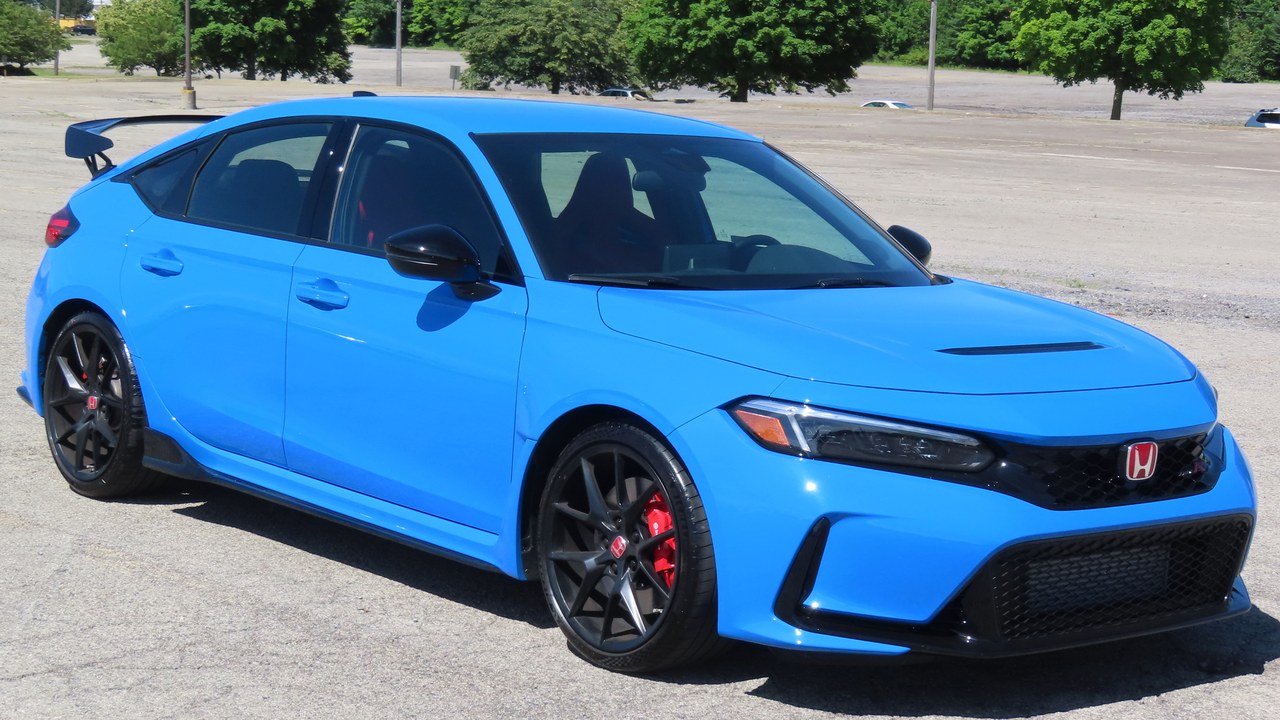
Honda’s K20C1 2.0-liter turbo four sends 315 horsepower through the front wheels of the Civic Type R, making it one of the strongest front-drive engines currently sold. A helical limited-slip differential and dual-axis strut suspension keep torque steer in check under hard acceleration.
Output figures can vary slightly between regional versions and model years, but the formula stays consistent: high-revving response paired with real everyday drivability. Enthusiasts prize it as proof a hatchback can out-handle far pricier machinery on a track day.
4. Acura Integra Type S: Civic Power, Luxury Wrapper
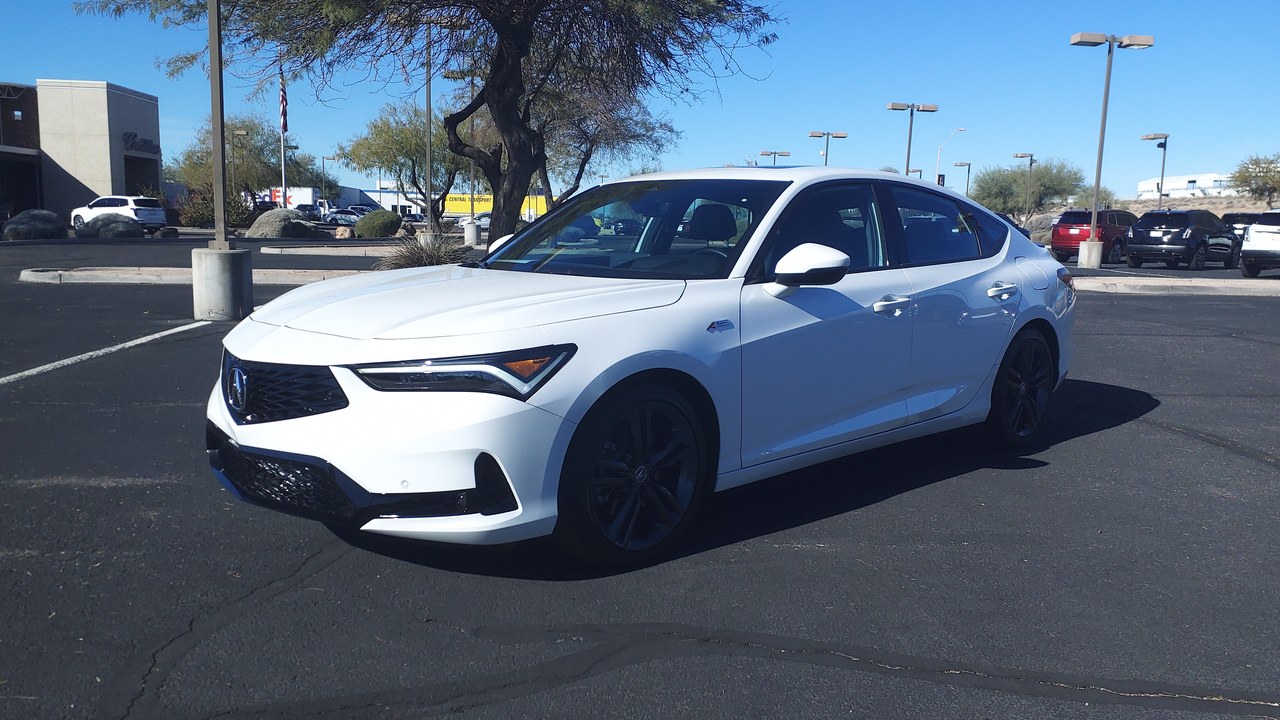
The Integra Type S borrows the Civic Type R’s turbocharged four but retunes it to roughly 320 horsepower, a modest bump meant to differentiate Acura’s flagship hatchback. A stiffer platform and adaptive dampers aim the extra power at grip rather than raw top speed.
Buyers get a plusher interior and quieter cabin than the Honda donor car without giving up much performance. It positions the Integra as the grown-up alternative for drivers who still want a manual gearbox and daily comfort.
5. Volkswagen Golf R: All-Wheel-Drive Hot Hatch
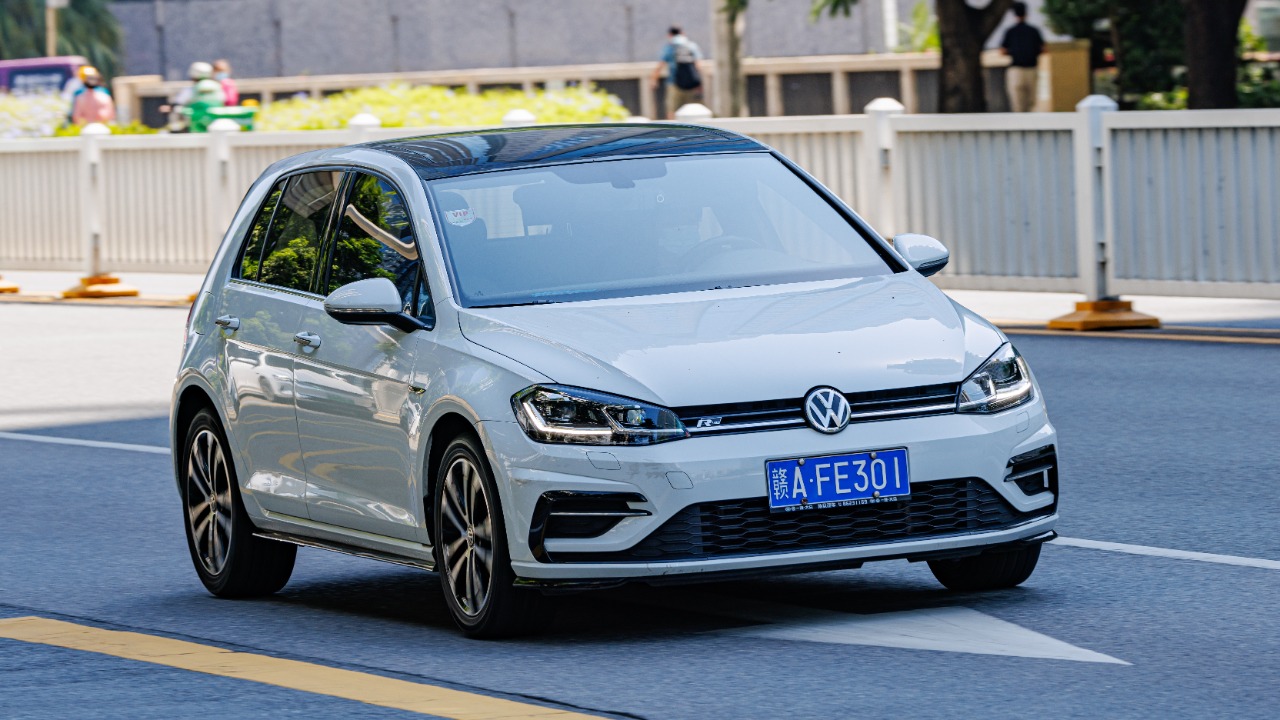
Volkswagen’s EA888 2.0-liter turbo four now makes 328 horsepower in the Golf R, paired with a torque-vectoring all-wheel-drive system adapted from Volkswagen’s motorsport program. A dedicated drift mode can send nearly all torque to one rear wheel for controlled oversteer on demand, a party trick few rivals in the segment can match.
That combination gives the compact hatchback traction few rivals can match in wet or snowy conditions, along with genuine track capability. Exact horsepower figures can shift slightly by model year and market, so specifics are worth confirming before comparing trims directly against one another.
6. Audi S3: Same Engine, Plusher Cabin
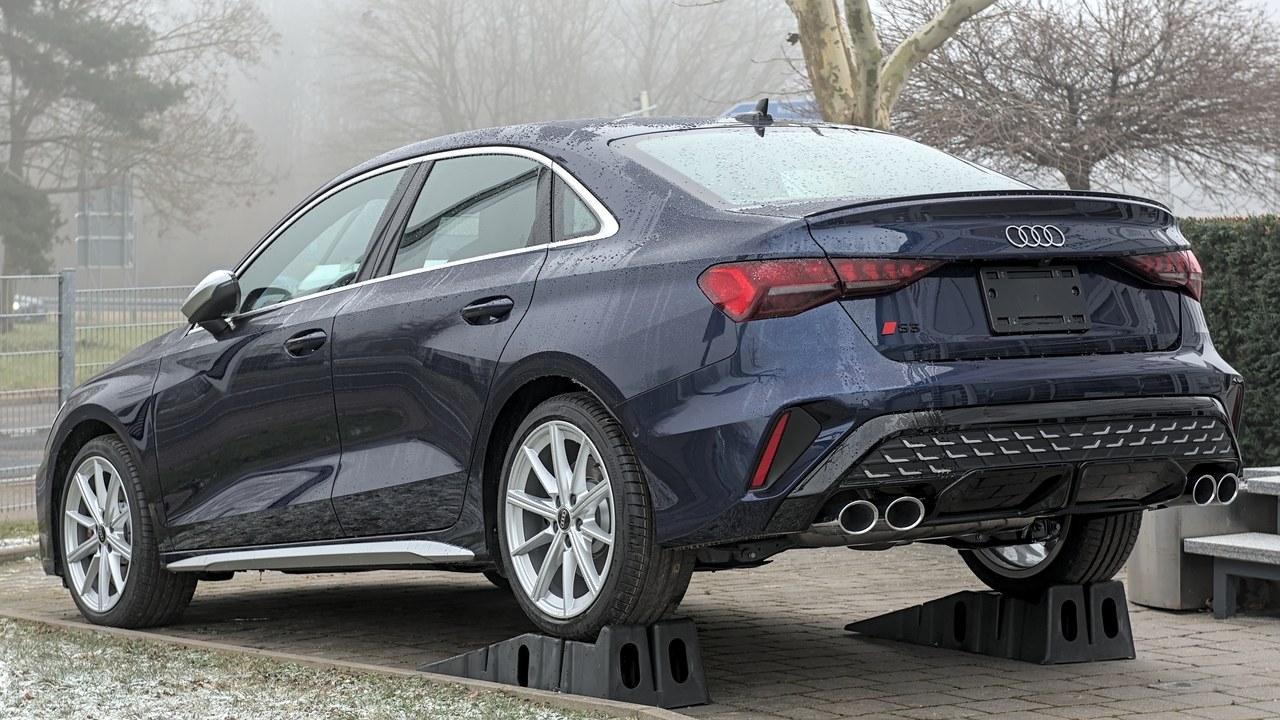
Audi’s S3 shares its roughly 328-horsepower turbocharged four with the Volkswagen Golf R, since both come off the same Volkswagen Group platform and engine family. Quattro all-wheel drive and a seven-speed dual-clutch transmission route the power to all four corners, and a virtual locking differential helps sharpen turn-in on tighter roads.
The S3 trades some of the Golf’s hatchback practicality for a more upscale interior, additional sound insulation, and badge appeal. It remains one of the quickest, most accessible ways into Audi ownership, especially for buyers cross-shopping the segment’s compact sport sedans.
7. Ford Mustang EcoBoost: Pony Car, Turbo Four
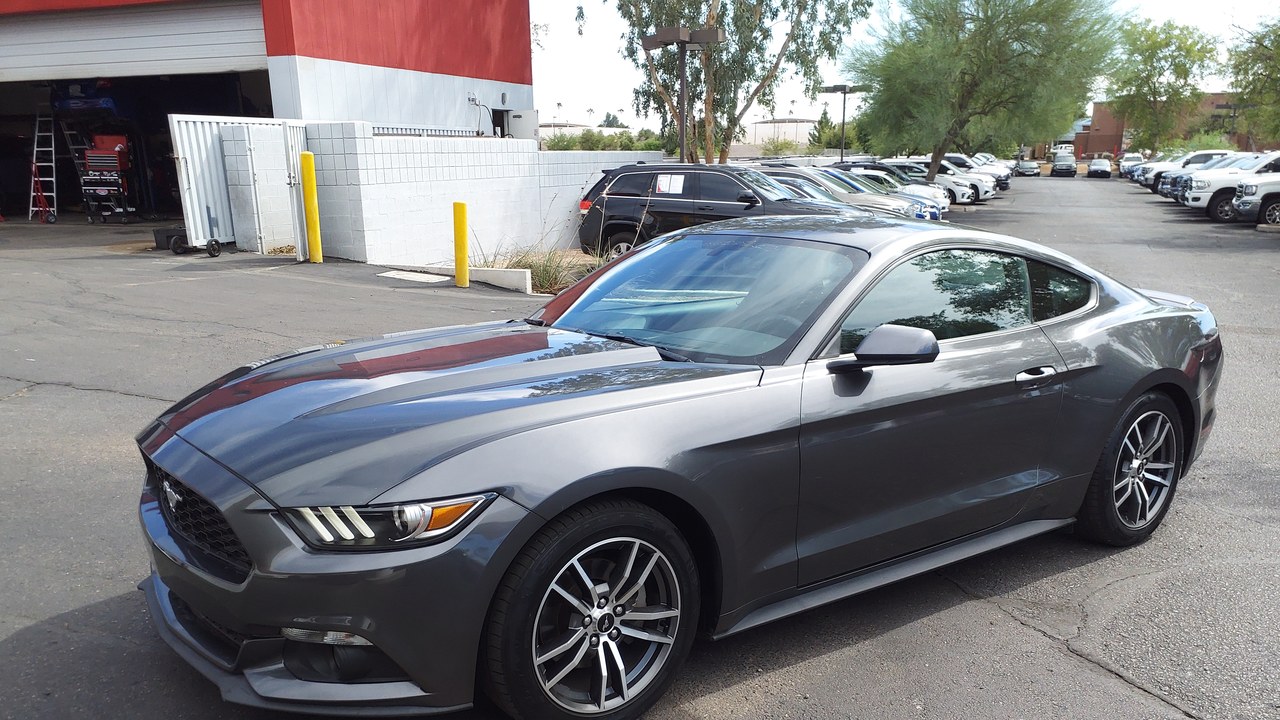
Ford fits the Mustang with a 2.3-liter EcoBoost turbo four rated at roughly 315 horsepower, giving buyers a four-cylinder entry point into a nameplate long associated with V8 power. A standard limited-slip differential and stiffer chassis tuning help put that torque down cleanly out of corners on a winding road.
The EcoBoost trades some of the V8’s soundtrack for better fuel economy and a lighter nose, which sharpens turn-in and improves everyday drivability. It remains the pony car’s value pick for drivers chasing thrills without the running costs that come with a larger V8 engine.
8. Ford Focus RS: Discontinued Hot-Hatch Champion

The Focus RS squeezed 350 horsepower from its 2.3-liter EcoBoost four before Ford discontinued the model, topping this list relative to the car’s compact size and modest curb weight. A drift mode and all-wheel-drive torque vectoring made that power genuinely usable on a race track rather than just a spec sheet.
Ford never replaced the RS with a direct successor, leaving used examples in high demand among enthusiasts who missed out the first time. Prices for clean, unmodified cars have held firm or climbed steadily since production ended a few years back.
9. BMW M235i Gran Coupe: BMW’s Compact Sport Sedan
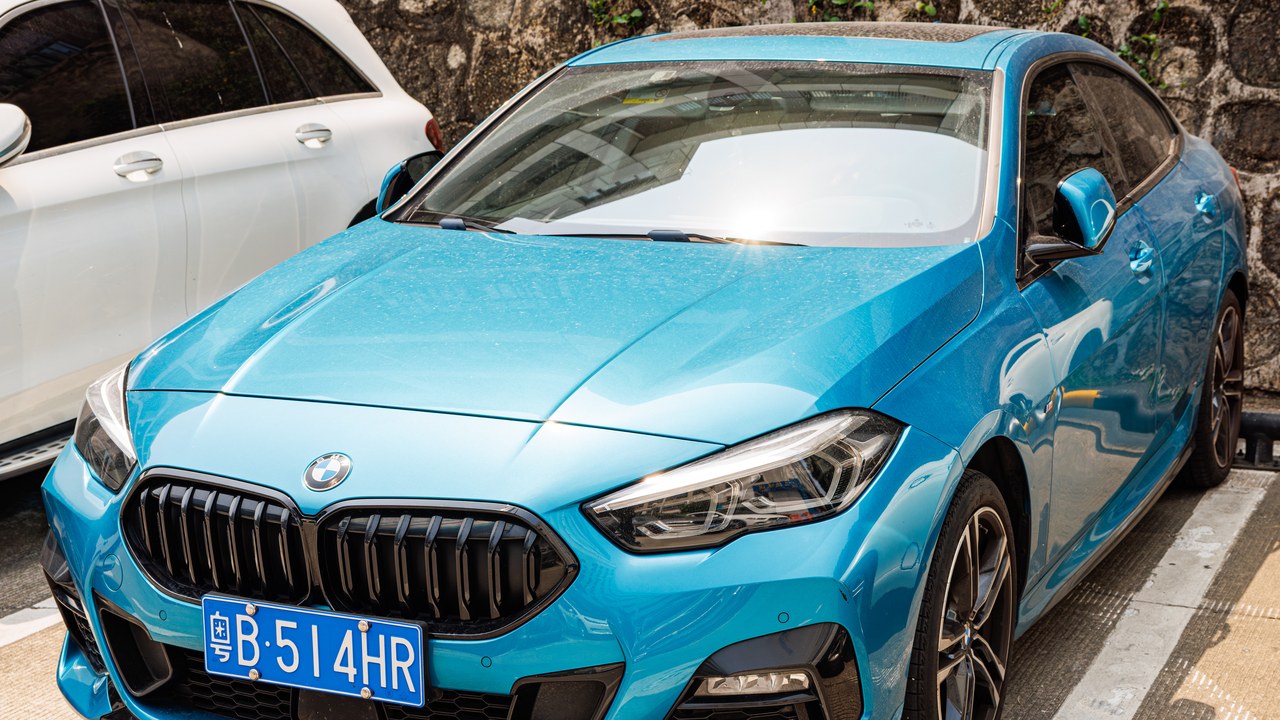
BMW’s B48 2.0-liter turbo four produces about 312 horsepower in the M235i Gran Coupe, sending power through an eight-speed automatic and optional all-wheel drive. The engine borrows turbocharging hardware and cooling upgrades originally developed for BMW’s larger, more expensive M performance models.
It gives BMW a four-door alternative to two-door hot hatches, with a longer wheelbase and roomier back seat that favor comfort over outright agility. Horsepower and standard equipment can vary by market, so shoppers should check local specifications carefully before buying.
10. Mitsubishi Lancer Evolution Final Edition: Turbo Legend’s Last Lap
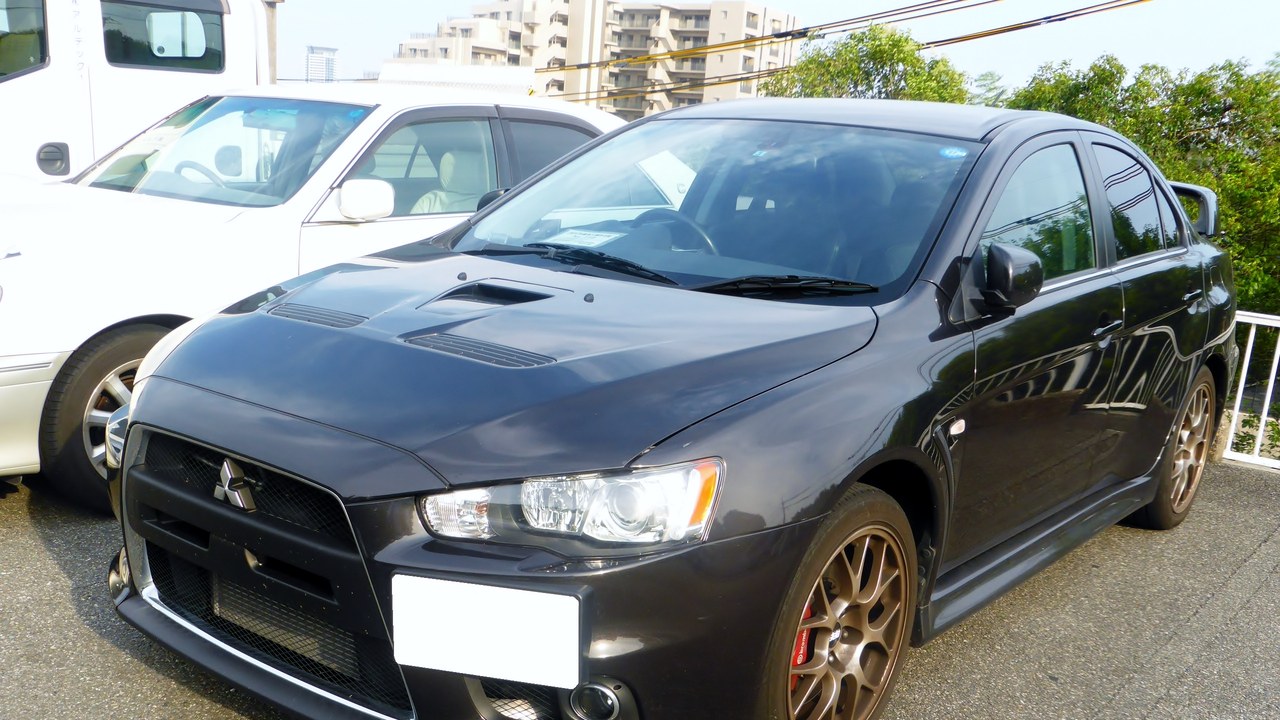
Mitsubishi closed out the Lancer Evolution with the Final Edition, a send-off version of the Evo X packing 303 horsepower from its turbocharged 2.0-liter four. The Lancer Evolution lineage built its reputation on rally-bred all-wheel-drive systems paired with high-strung, boost-heavy turbo power across ten generations.
Mitsubishi ended Evolution production afterward and has not announced a direct successor, cementing the Final Edition’s collector status among fans of the nameplate. Values for well-kept, unmodified examples have risen steadily in the years since the model went out of production.
More from Morning Overview
- The FBI tells phone owners to delete these toll-payment texts draining accounts nationwide
- Herbal supplements are landing Americans in the hospital with liver damage, doctors warn
- Long-term use of common heartburn pills is linked to kidney and dementia risk
- 9 pickup trucks with a reputation for falling apart after 100,000 miles
