
Depreciation is the largest hidden cost of owning an SUV, and it varies enormously from one nameplate to the next. A handful of models resist it because demand for used examples never softens: rugged body-on-frame trucks, cult off-roaders, and compact crossovers with reliability reputations. Here are ten SUVs that consistently hold their value better than the rest of their class.
1. Toyota 4Runner: Depreciation Barely Touches It
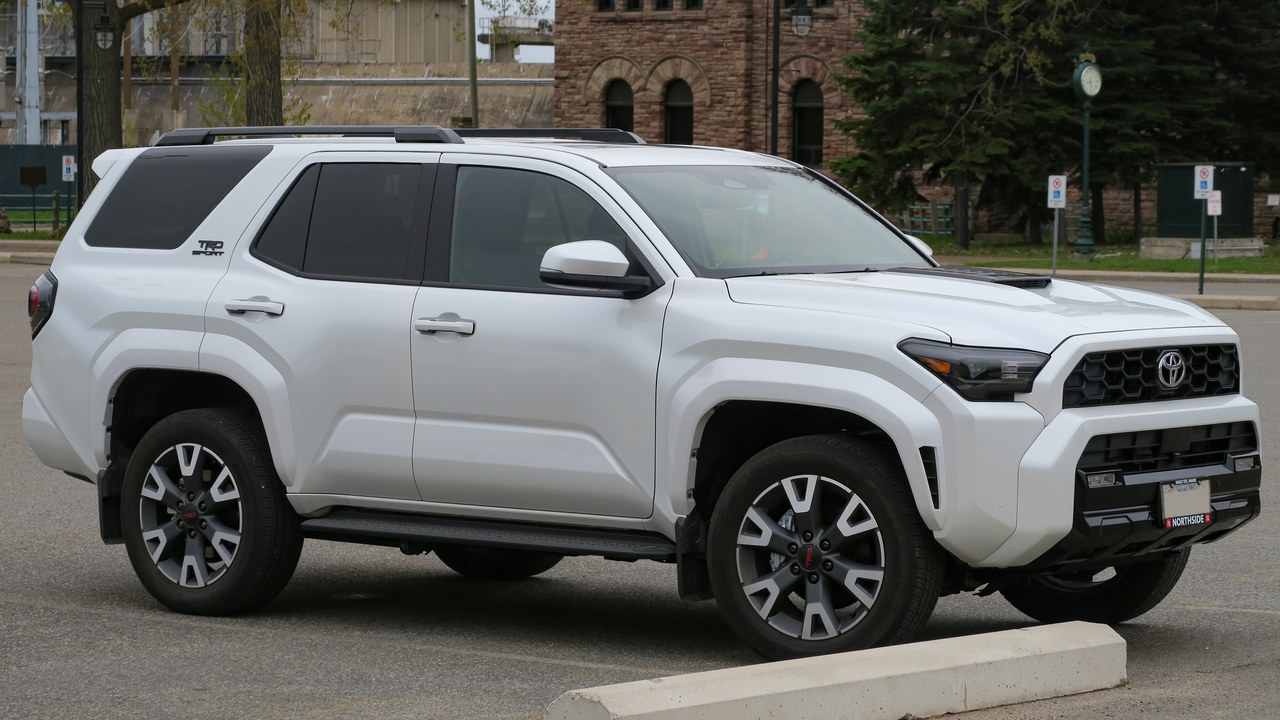
Few vehicles reward patience like the 4Runner. Toyota kept the fifth generation in production from 2009 through 2024, a run of roughly fifteen years with only detail changes, which left the body-on-frame 4Runner familiar, predictable, and easy for used buyers to shop. Mechanical simplicity and a reputation for surviving high mileage mean secondhand examples rarely linger on a lot.
That scarcity of turnover cuts both ways. Buyers hunting a lightly used 4Runner often find prices uncomfortably close to a new one, and the same traits that protect value, a truck frame, an older automatic and modest fuel economy, make it a compromise as a daily commuter.
2. Jeep Wrangler: Cult Demand Never Cools
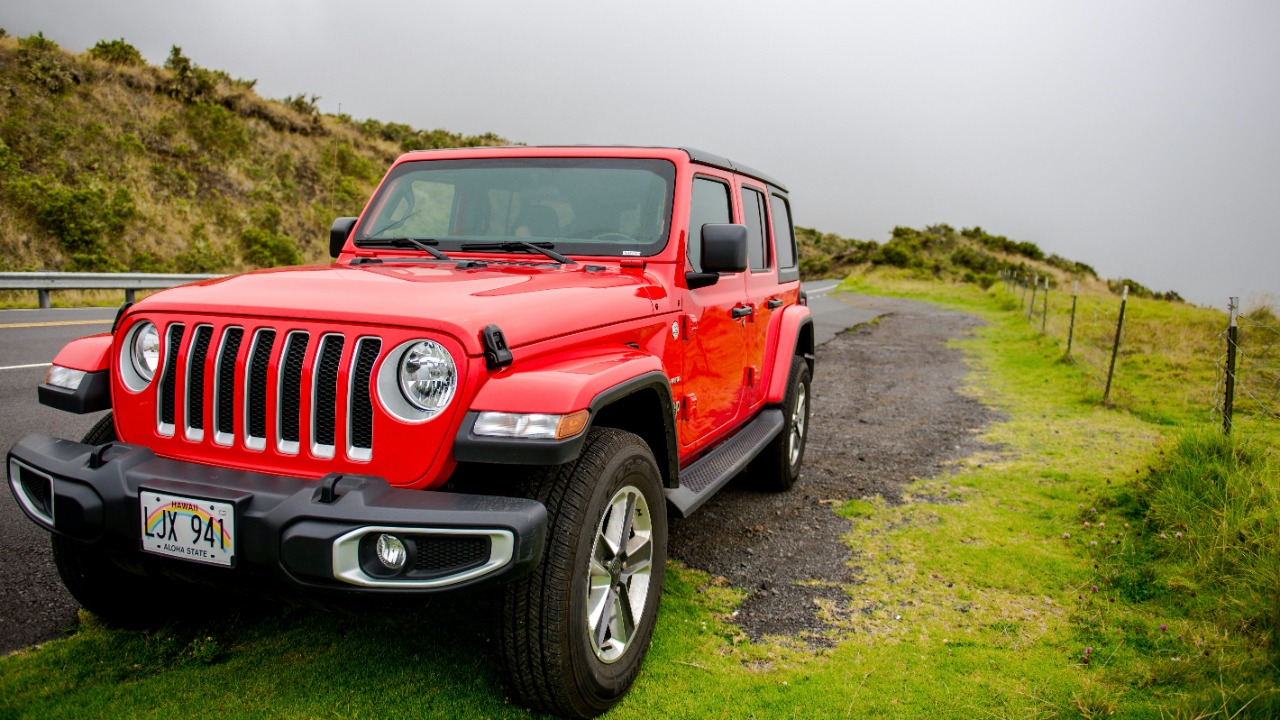
Jeep’s off-roader trades on a lineage that runs back to the wartime Willys, and that continuity is exactly what sustains used demand. Removable doors, a folding windshield and solid axles give the Wrangler’s utilitarian design a following no rival crossover can borrow. Modified examples sell as readily as stock ones, because the aftermarket treats almost every part as replaceable.
The trade-off is refinement. Wind noise, a bouncy ride and unremarkable fuel economy come standard, and heavily modified trucks can hide hard off-road use. Strong resale also means bargains are rare; a decade-old Wrangler frequently asks more than a newer, more comfortable crossover of similar size.
3. Toyota Land Cruiser: Built To Outlast Everything
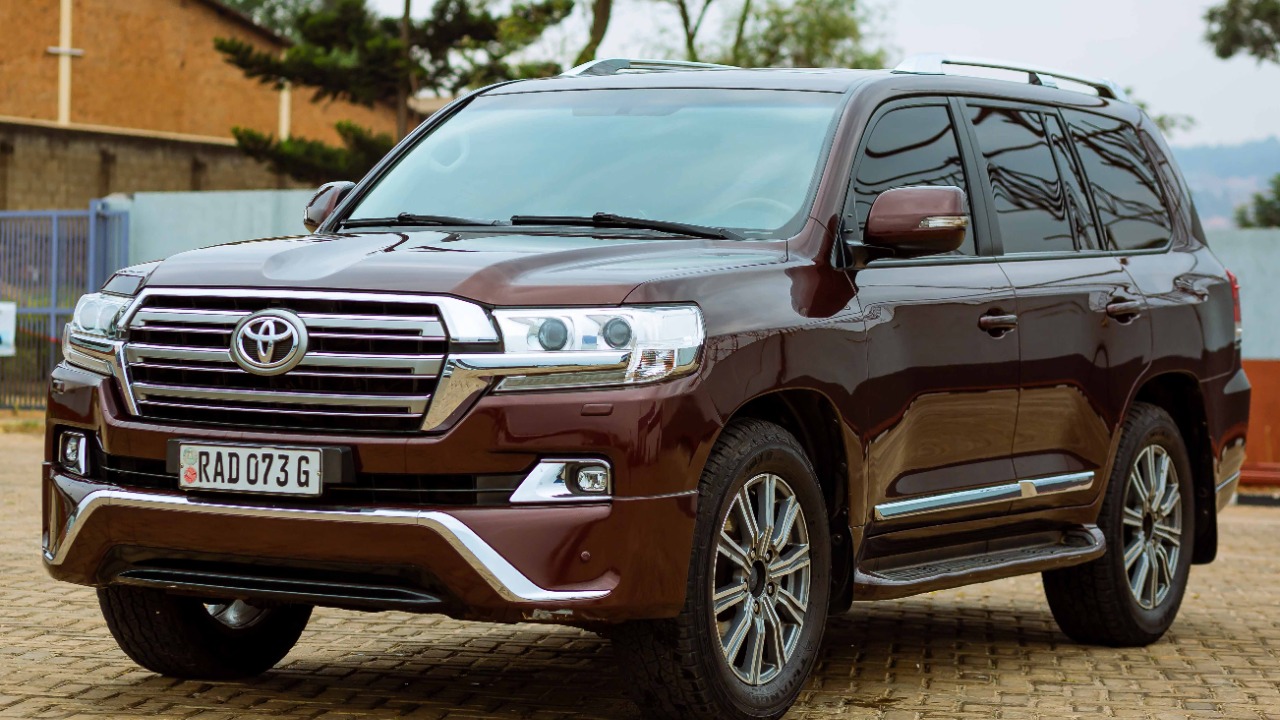
No Toyota has a longer continuous production history than the Land Cruiser, which reached showrooms in 1951 and has been sold across some of the harshest terrain on earth. Decades of use by aid agencies and remote-area operators gave the Land Cruiser nameplate a durability reputation that transfers directly into secondhand pricing. Well-kept examples with six-figure odometers still command serious money.
Scarcity amplifies the effect in North America, where Toyota withdrew the model after the 2021 model year before later reintroducing it. Running costs stay high, with heavy curb weights, thirsty engines and expensive tires, so the value that holds up on paper is partly spent at the pump.
4. Ford Bronco: Nostalgia With A Price Floor
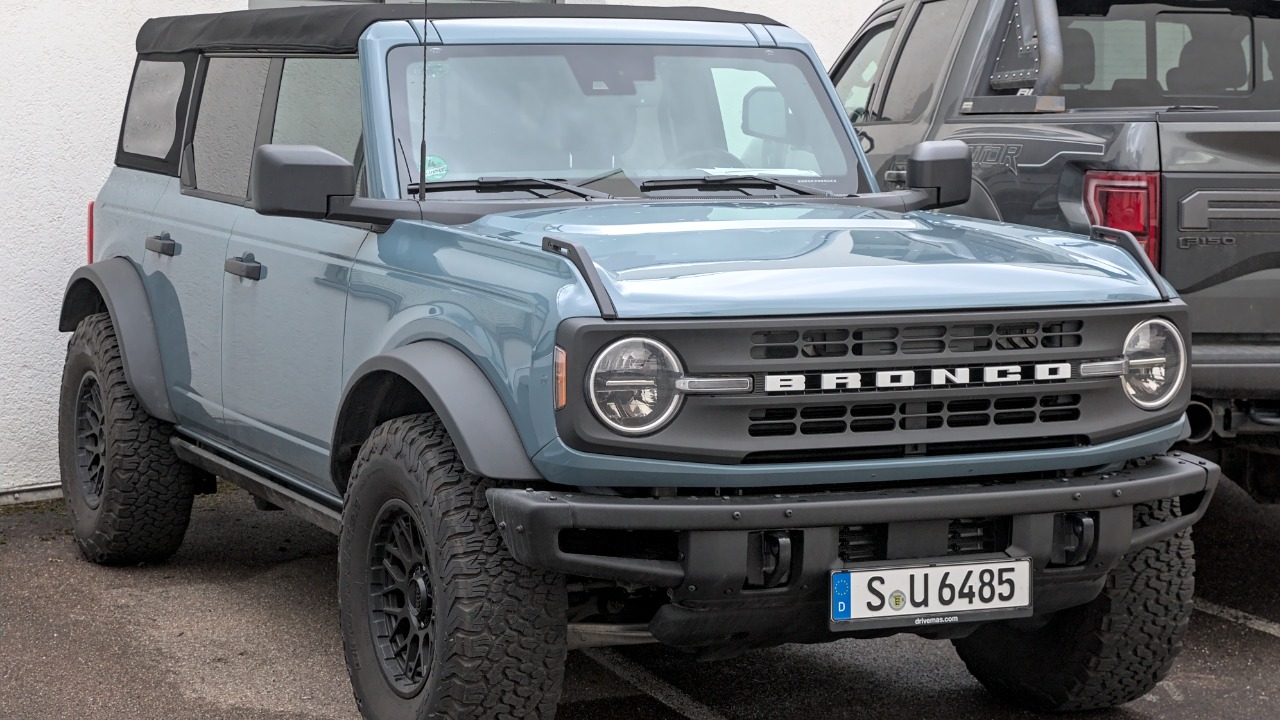
Ford let the Bronco name sit unused for a quarter century after the original ended production in 1996, then revived it as a body-on-frame off-roader with removable doors and roof panels. That gap built appetite, and the reborn Bronco arrived into a market already primed by Wrangler prices. Demand outran supply through its first model years, and used values have stayed unusually firm since.
Nostalgia is a fragile support. Supply has widened as production caught up, and the loaded trims that hold value best cost the most new. Buyers should also separate the full-size Bronco from the unibody Bronco Sport, a different vehicle with a different value curve.
5. Toyota RAV4: Volume Without The Value Drop
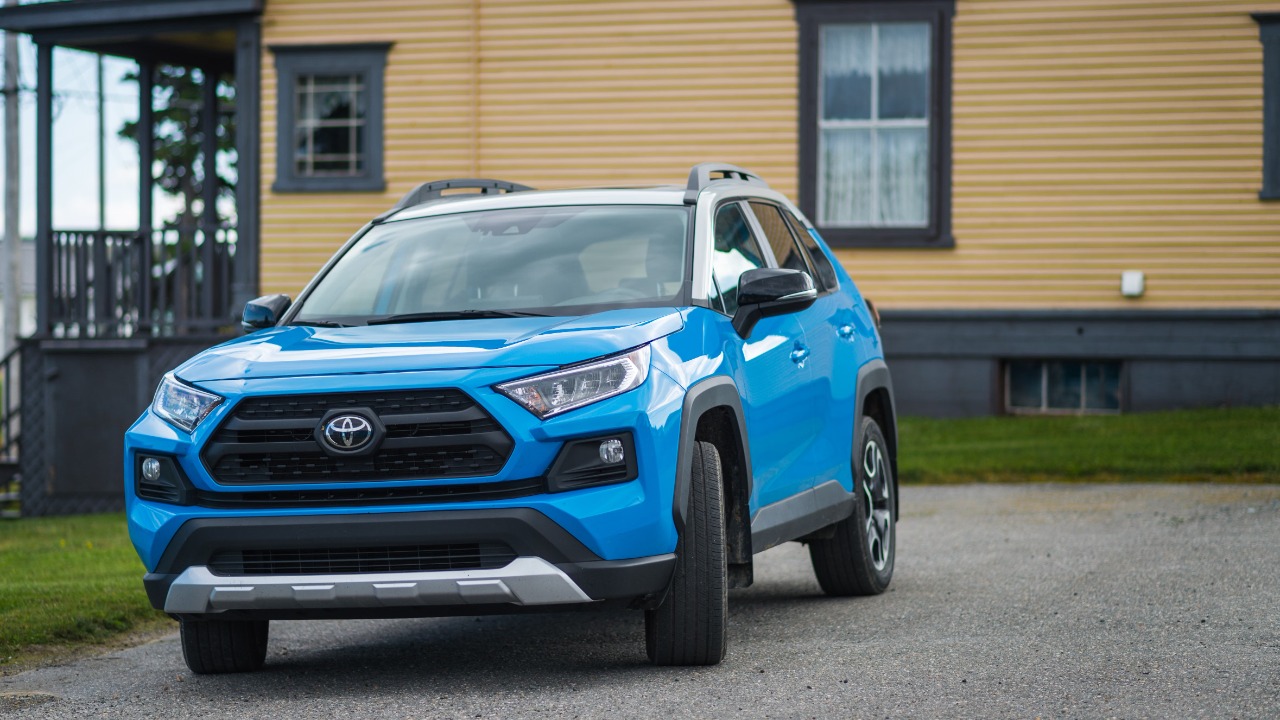
Volume usually punishes resale, yet the RAV4 is the exception: it has been America’s best-selling vehicle that is not a pickup for several years running. Sheer familiarity works in its favor, since the compact RAV4 crossover is a known quantity to every used shopper and every mechanic. Hybrid versions in particular clear the market fast, because fuel-conscious buyers treat them as a safe default.
Ubiquity has a cost. Any given used RAV4 competes with thousands of near-identical listings, so condition and service history decide the price rather than rarity. Trim matters too: a base front-drive model depreciates on a noticeably different curve from an all-wheel-drive hybrid.
6. Subaru Crosstrek: Snowbelt Buyers Keep It Scarce
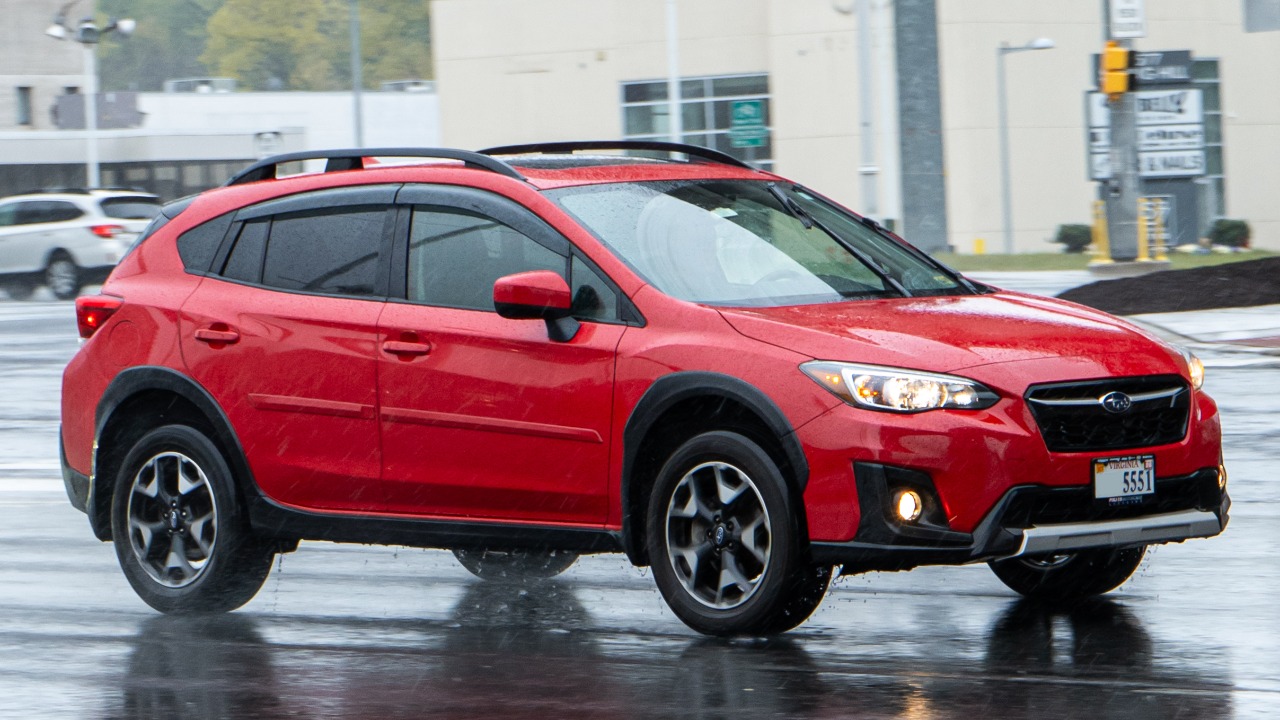
Subaru built the Crosstrek by raising an Impreza hatchback and adding cladding, and the recipe has proved unusually sticky with repeat buyers. Standard all-wheel drive at a compact-car price gives the Crosstrek’s symmetrical drivetrain a specific appeal in snowbelt states, where used inventory disappears quickly each autumn. Owners who replace one Subaru with another keep the trade-in pipeline tight.
The flip side is modest performance. The base engine is unhurried, and the continuously variable transmission draws complaints from drivers who want a conventional automatic. Regional demand also skews the math, since resale strength is far more pronounced in cold, wet markets than in the Sun Belt.
7. Honda CR-V: Reliability Is The Whole Pitch
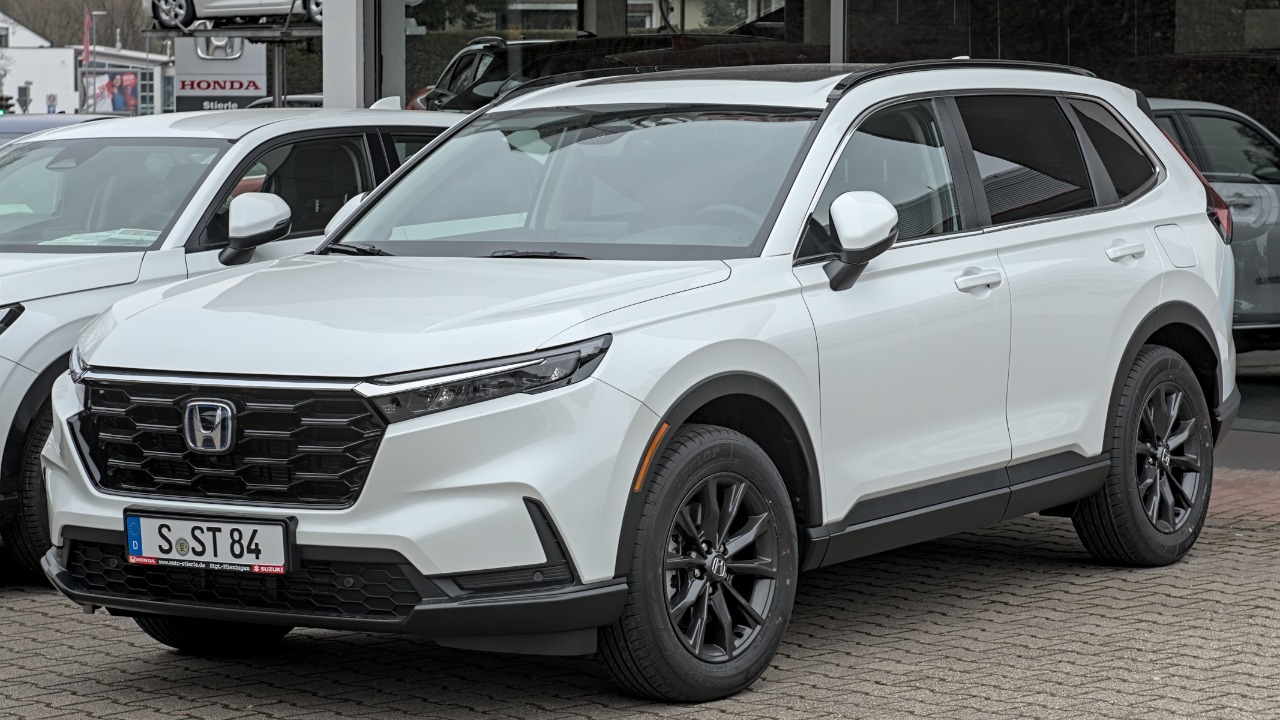
Honda’s compact crossover has been in continuous production since the mid-1990s, built on Civic underpinnings and sold in enormous numbers. Longevity is the point: the CR-V’s Civic-derived platform means parts are cheap, mechanics are familiar with it, and a well-maintained example is expected to reach high mileage without drama. Used buyers price that expectation in.
Predictability rather than excitement drives the demand, which caps how much a special trim can add. Turbocharged engines in some model years drew oil-dilution complaints in cold climates, and a documented service record matters more to the asking price than badge or color.
8. Toyota Sequoia: A Truck Under The Family Hauler
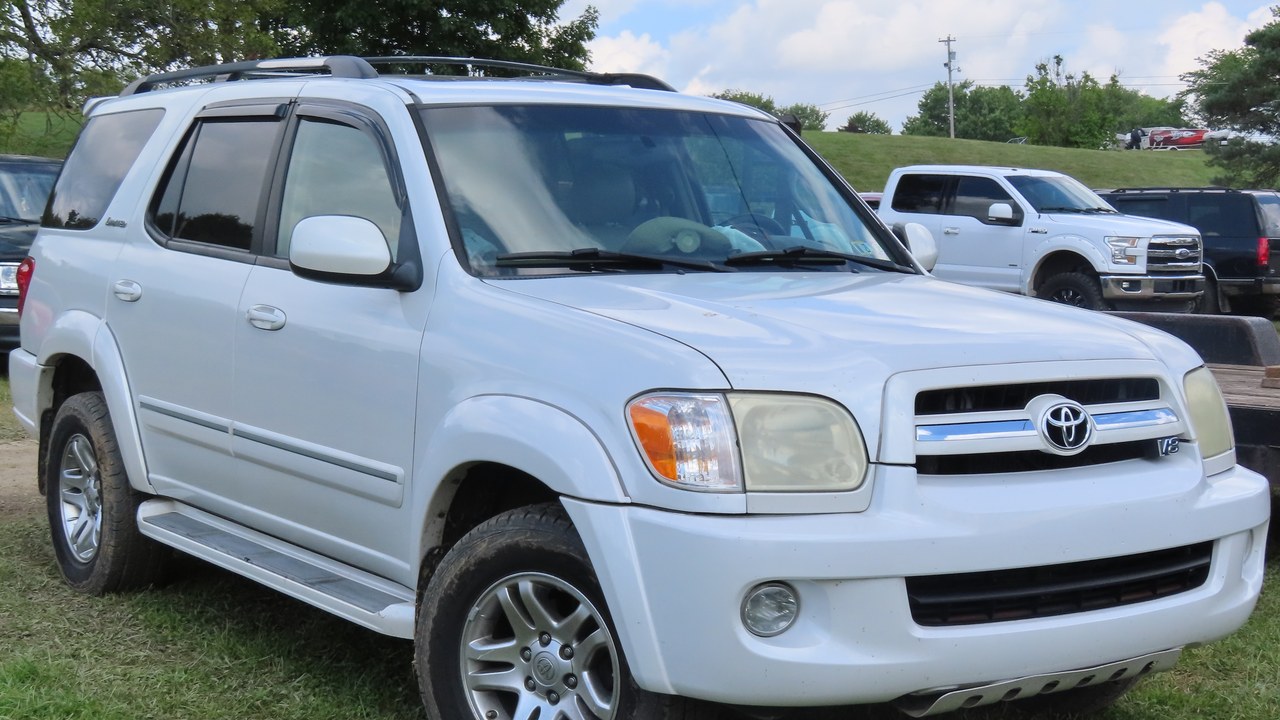
Built alongside the Tundra pickup and sharing its frame, the Sequoia has always been a truck first. The second generation stayed on sale from 2008 to 2022, and the Sequoia’s long production run behind a well-understood V8 produced a used fleet that buyers trust to reach very high mileage. Three rows plus real towing capacity keeps demand steady where a minivan will not do.
That durability is expensive to run. Fuel economy is poor by any standard, and a full-size body makes parking and garage fit a genuine constraint. The newest generation swapped the V8 for a turbocharged hybrid V6, so long-term reliability data on it is still thin.
9. Chevrolet Suburban: Fleets And Families Both Want It
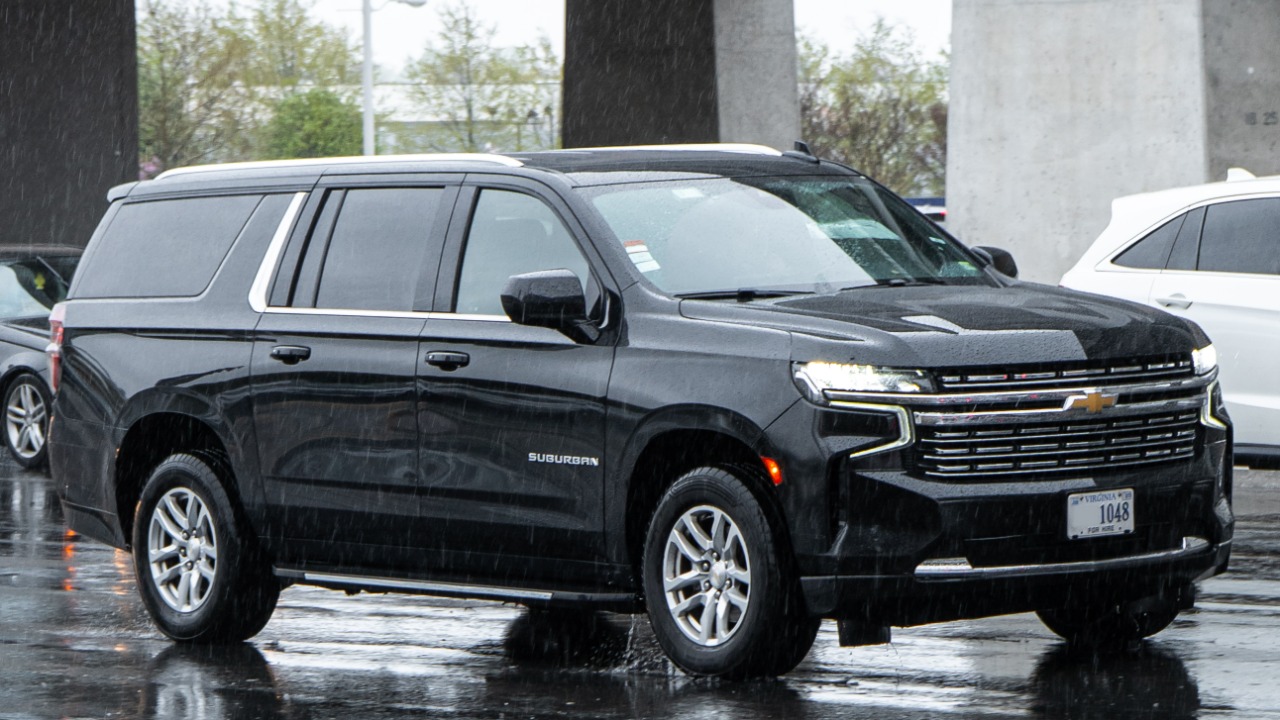
The Suburban carries the longest continuously used nameplate in the American car industry, in production since 1935. Three rows, body-on-frame construction and a V8 make the full-size Suburban the default choice for large families, livery operators and government fleets alike, and those buyers keep bidding on used examples long after retail shoppers move on. Broad demand from several directions is what steadies the price.
Depreciation is still real in absolute dollars, because the sticker starts high. Fleet-sourced trucks can arrive with hard miles and worn interiors, and the four-wheel-drive versions that hold value best also carry the heaviest fuel and tire bills.
10. Lexus GX: Luxury On A Truck Frame
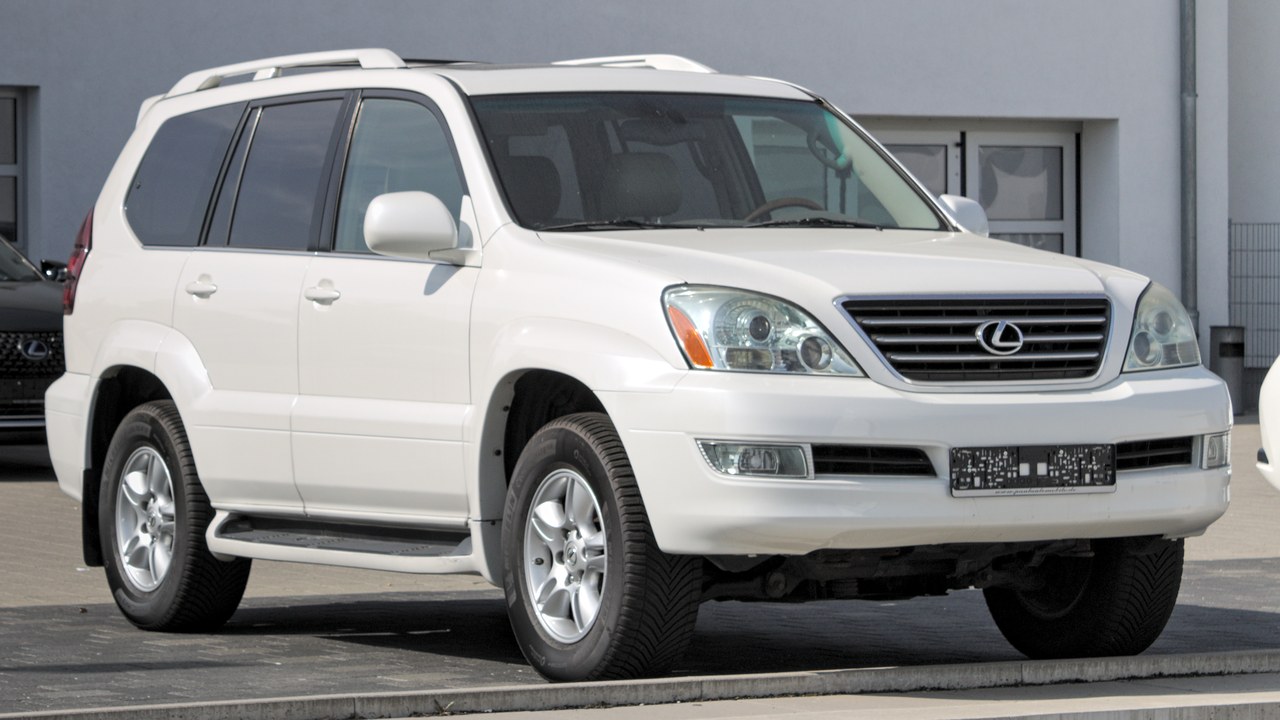
Underneath the leather, the GX is a Land Cruiser Prado, a body-on-frame truck with a locking center differential and genuine off-road hardware. Luxury SUVs normally depreciate hard, but the Lexus GX escapes the pattern because its mechanical package is shared with Toyota’s most durable models. The second generation ran from 2009 to 2023, long enough to build a deep reputation.
The compromises are the ones any truck-based vehicle brings: a tall step-in height, unremarkable fuel economy and a tight third row. Dealer service is priced at luxury rates even though many parts are shared with cheaper Toyotas, which is worth checking before a purchase.
More from Morning Overview
