
Reaching 250,000 miles is less about luck than about how an SUV was engineered in the first place. Simple, proven drivetrains, body-on-frame construction and parts that stay cheap to replace tend to separate the survivors from the rest. Here are ten SUVs with the best odds of clearing that mark.
1. Toyota Sequoia: The Statistical Favorite
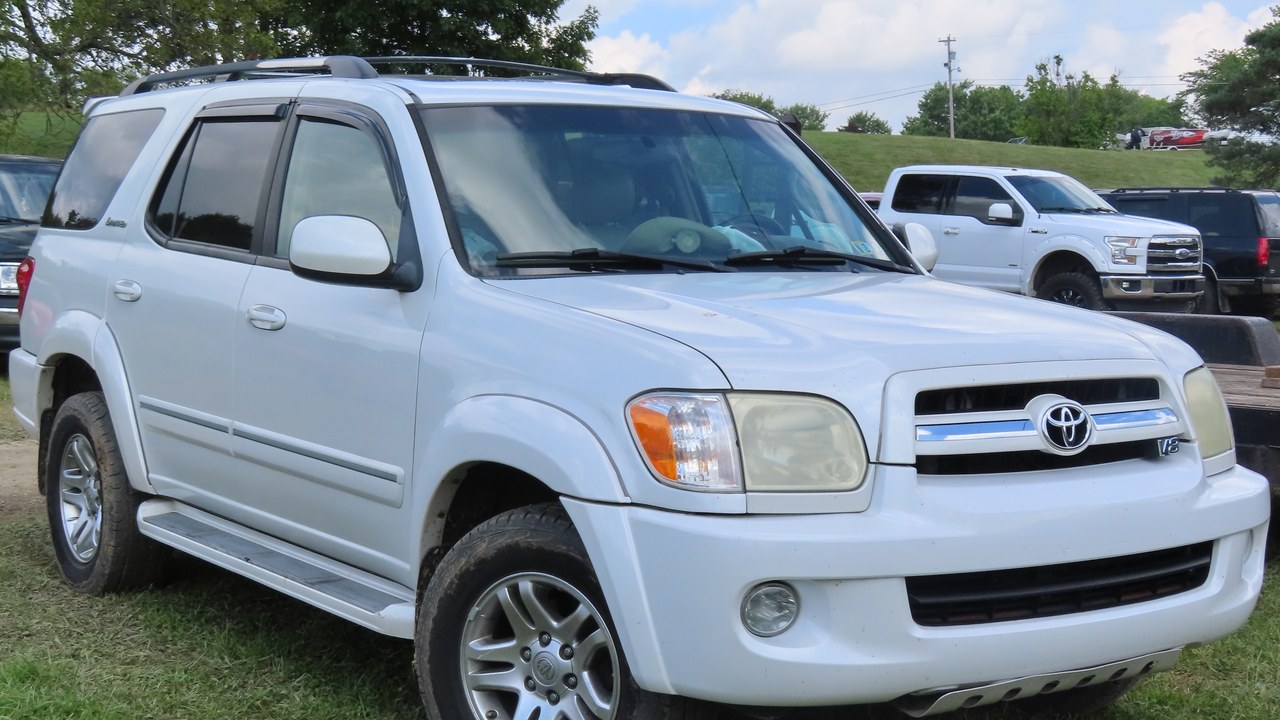
The Sequoia tops the list outright. In the iSeeCars longest-lasting study, the full-size Toyota carries a 39.1 percent chance of reaching 250,000 miles, the highest figure of any vehicle measured. That is a body-on-frame SUV with a large-displacement V8 doing exactly what it was built to do: turn low stress per component into decades of service.
The trade-off is running cost. Fuel economy is poor by modern standards and a Sequoia is bulky in traffic and tight parking. Buyers willing to absorb that get a vehicle whose end point is measured in decades rather than in payments.
2. Toyota Land Cruiser: Built To Outlast Owners
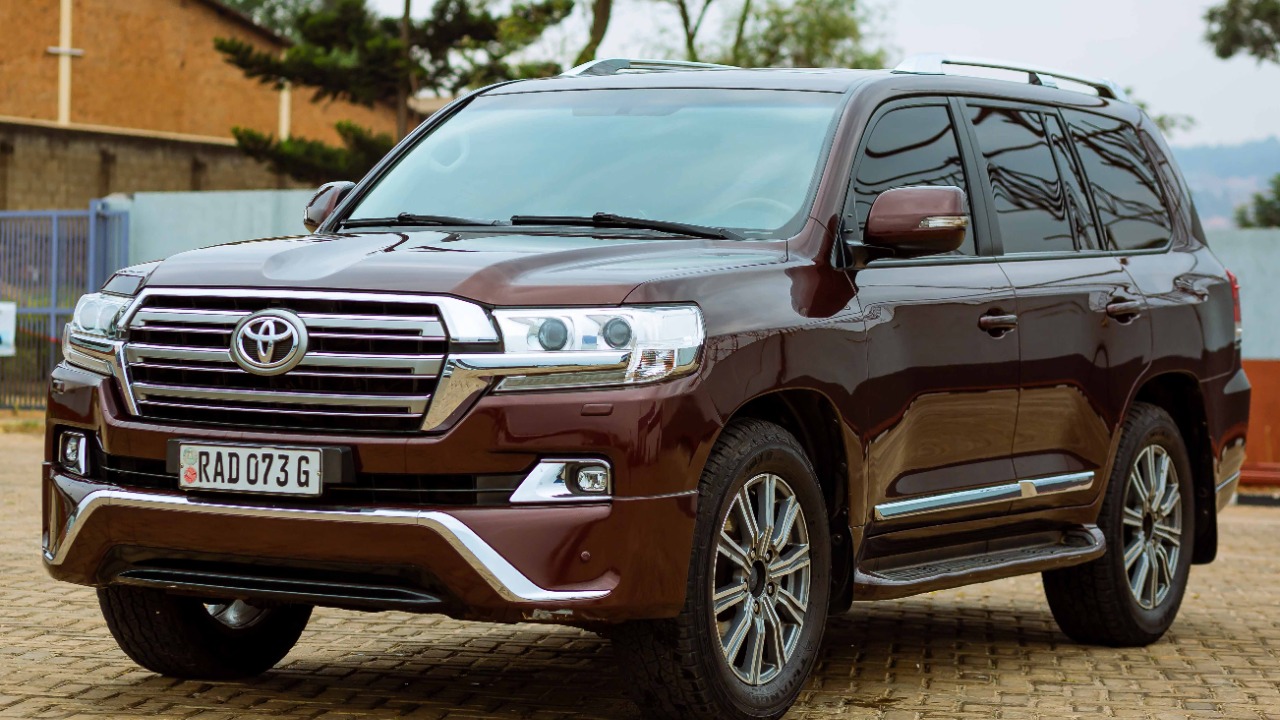
Few SUVs carry a reputation like this one. The body-on-frame Land Cruiser was engineered around remote-country duty, where a breakdown counts as a genuine emergency and over-engineering is the cheapest insurance available. Heavy-duty axles, conservative power outputs and a deep global parts pipeline mean the mechanical bones tend to outlast several sets of consumables.
Durability of that order comes with weight, thirst at the pump, and unhurried handling better suited to a fire road than a commute. It also depends on the maintenance actually being done, since heavy-duty hardware fails just as surely when service intervals are skipped. Neglect erases the engineering advantage.
3. Toyota 4Runner: The Quarter-Million Regular
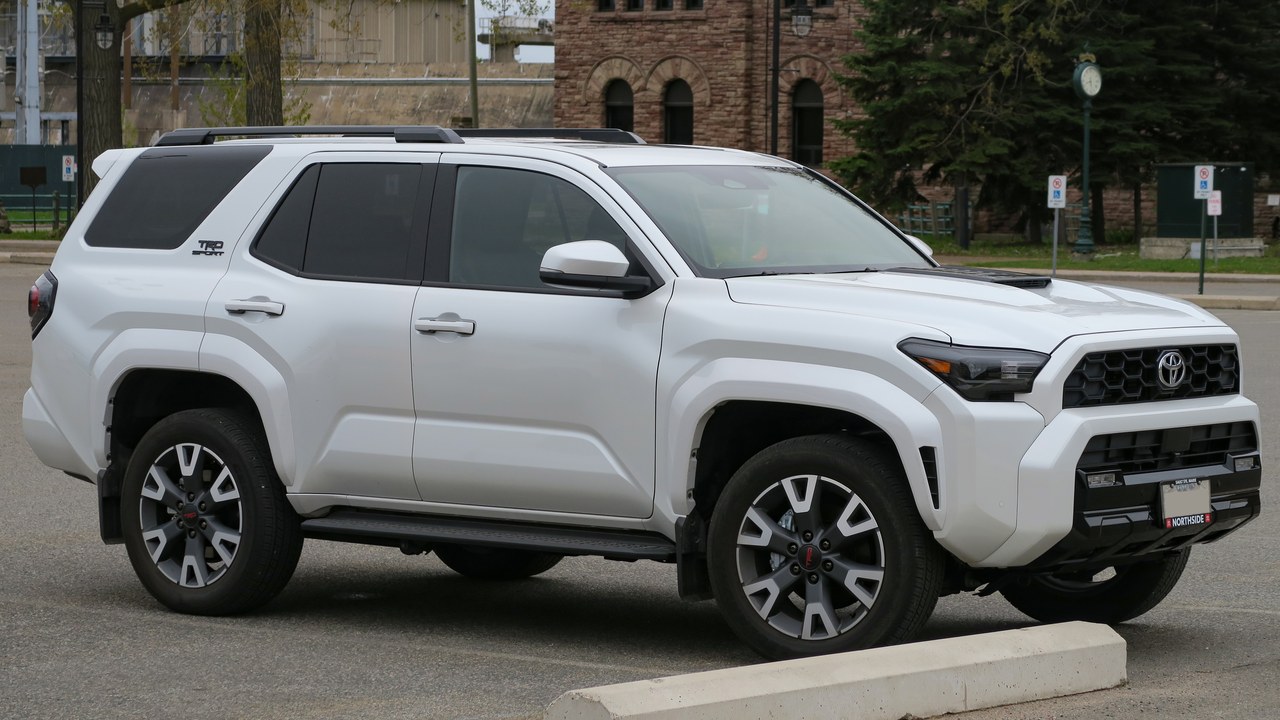
The 4Runner keeps turning up in high-mileage listings. Its formula is deliberately old-fashioned: a truck-based mid-size SUV with a separate ladder frame, long-serving mechanical layouts and a torque-converter automatic, all of which age more predictably than lightweight, highly stressed alternatives. Fewer components working near their limit means fewer expensive failures at high odometer readings.
That conservatism costs something on the road. Ride quality is trucklike, fuel economy trails car-based rivals, and interior packaging lags newer crossovers. For owners planning to keep a vehicle past a quarter-million miles, the compromise generally pays for itself in avoided repair bills.
4. Chevrolet Suburban: Decades Of Service
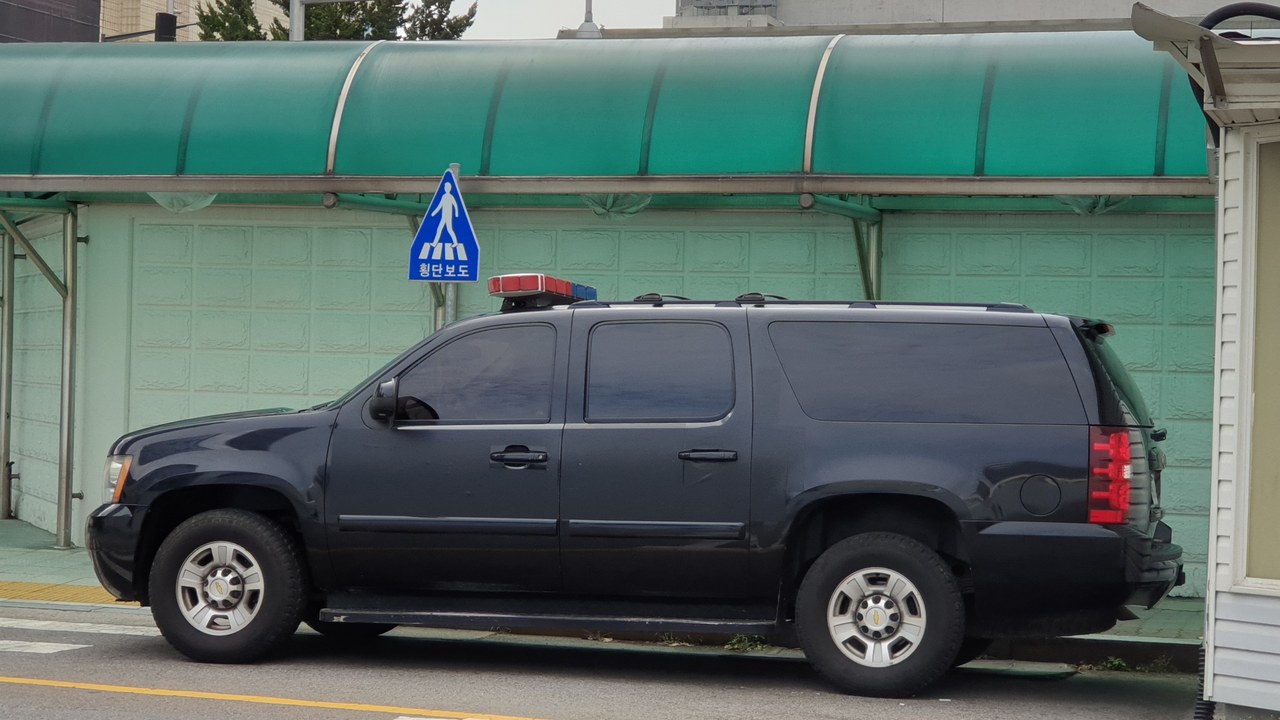
Longevity here is partly a matter of nameplate. The full-size Chevrolet Suburban has been in continuous production longer than almost any other model on American roads, and that continuity keeps parts, trim and service knowledge widely available. Truck underpinnings shared with GM pickups mean drivetrain components are cheap, familiar to any independent shop, and rarely a dealer-only proposition.
Suburbans also spend long lives in fleet, livery and family-hauling duty, where mileage accumulates on highways rather than in stop-start traffic. Highway miles are gentler on transmissions and brakes than city miles, which flatters the odometer reading without necessarily flattering the maintenance history.
5. Toyota Highlander: Well Past The Warranty
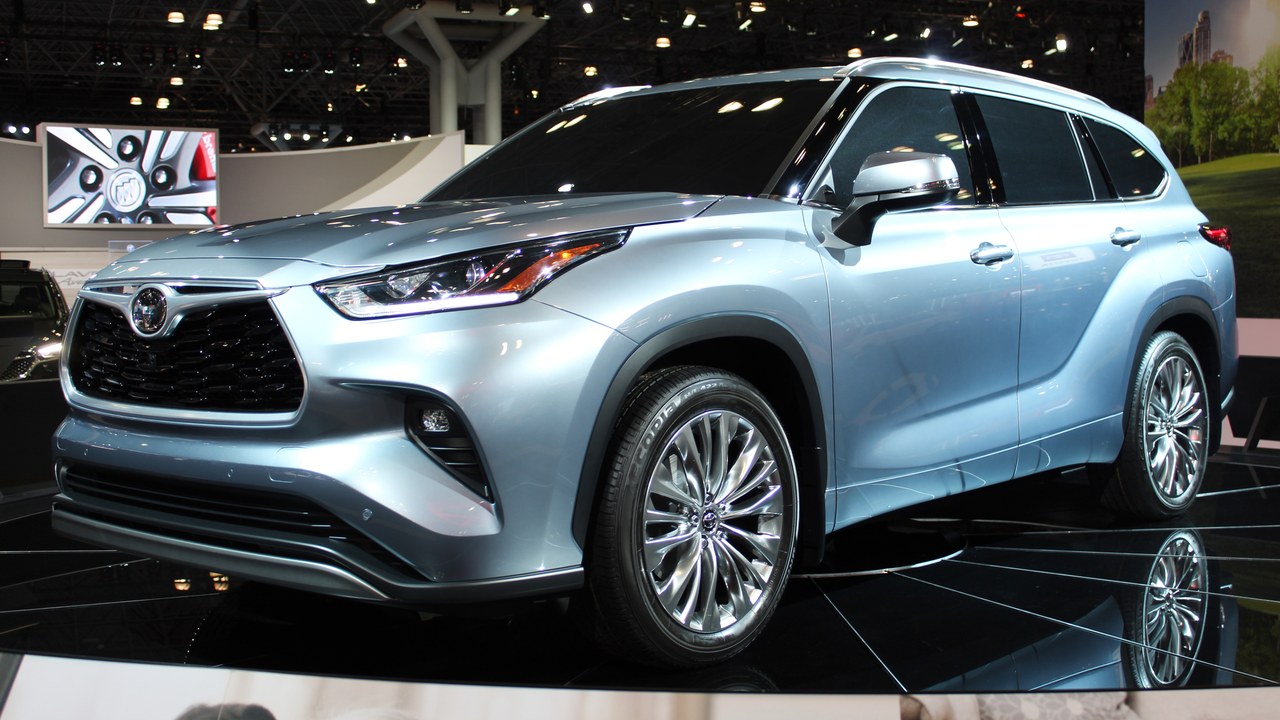
The Highlander survives by being unambitious. Built on a car-derived platform and sold in enormous numbers, the three-row Toyota Highlander uses drivetrain hardware developed for mainstream Toyota sedans, hardware already debugged across millions of vehicles. Hybrid versions add a further advantage: electric assist that spares the brakes and lets the engine spend less time under load.
The catch is that a Highlander is a family appliance first. Third-row space is modest, towing capacity is limited against body-on-frame rivals, and hard-used examples may hide a decade of school runs and roof-box holidays. Service records matter more here than any badge.
6. GMC Yukon XL: Parts By The Million
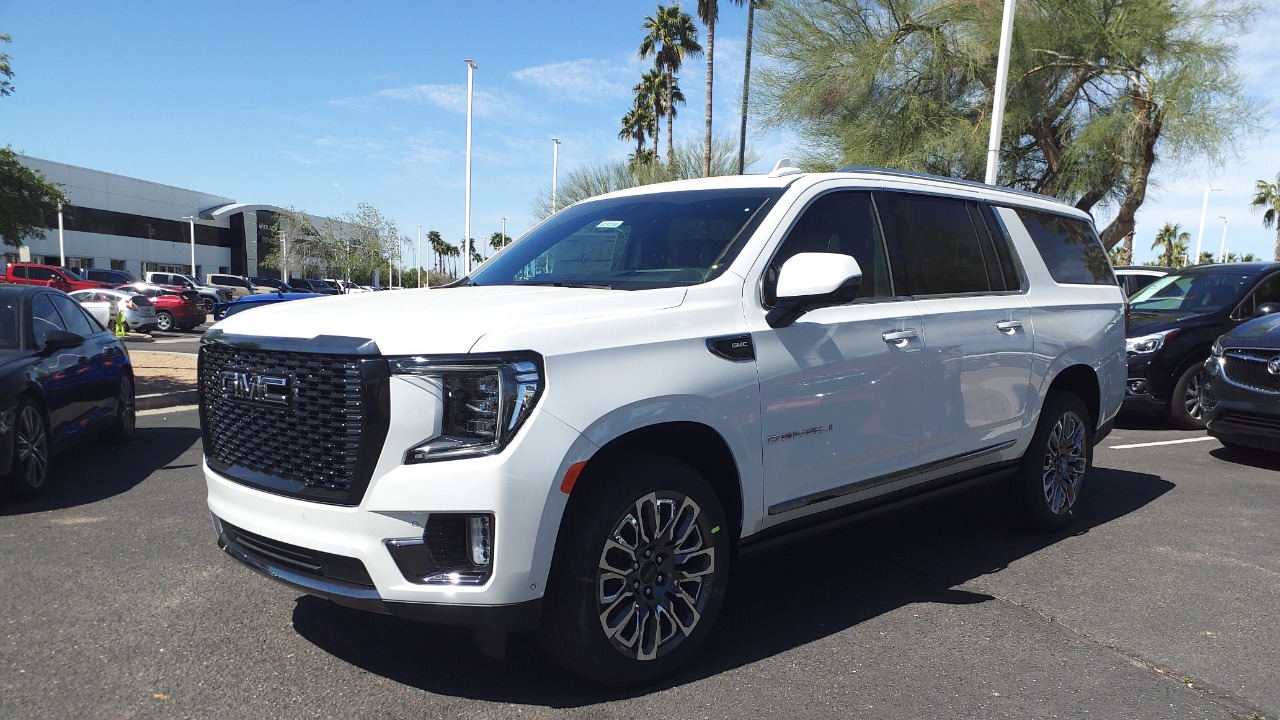
The Yukon XL is the Suburban’s corporate twin, sharing platform, engines and transmissions with GM full-size trucks. That parts commonality is the whole longevity argument: a long-wheelbase GMC Yukon can be repaired with components produced by the million for pickups, so nothing about keeping one alive is exotic. Big V8s turning modest revs under a heavy body also age slowly.
Weight is the counterargument. Brakes, tires, suspension bushings and fuel bills all scale with size, and a high-mileage example will have consumed several sets of each. The drivetrain may reach 250,000 miles comfortably while the running gear around it demands steady reinvestment.
7. Chevrolet Tahoe: Fleet-Tested Miles
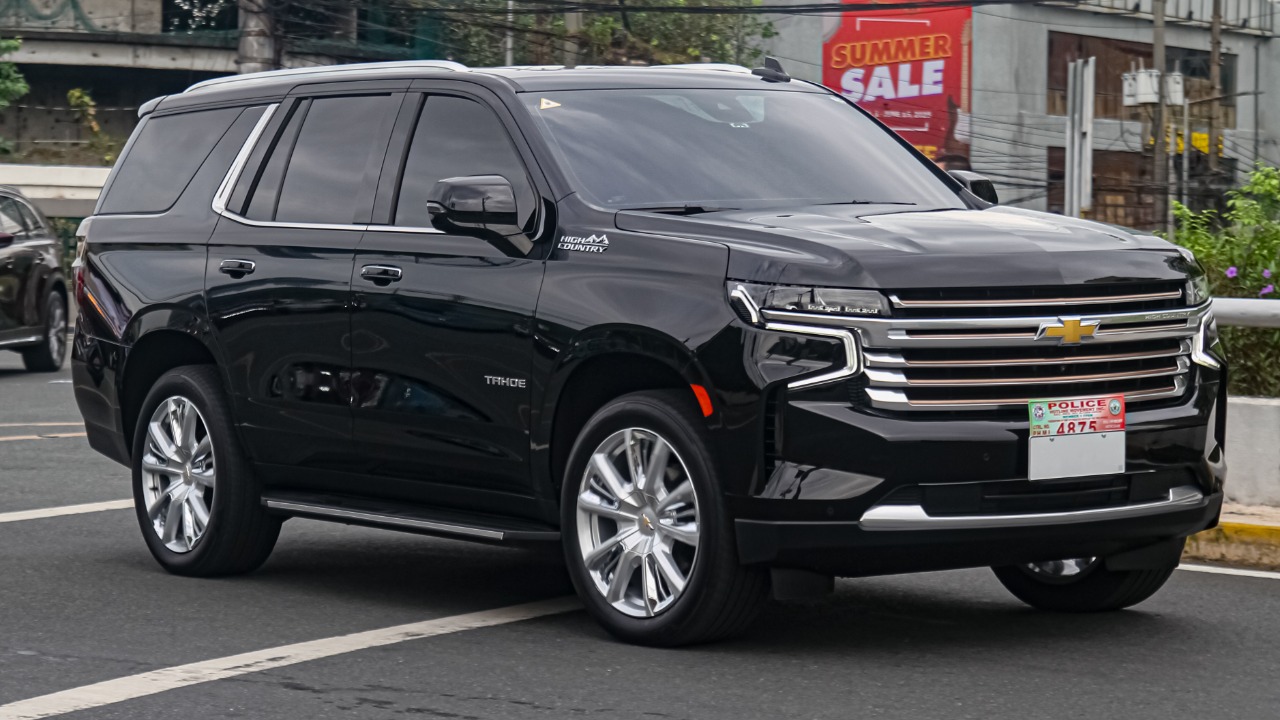
Police departments, taxi operators and rental fleets buy the Tahoe in volume, and that is a durability test no marketing department could stage. A fleet-favorite Chevrolet Tahoe often idles for hours and covers punishing annual mileage, yet the same cooling systems, transmissions and V8s keep turning up in private hands with six-figure readings intact.
Fleet history cuts both ways for a used buyer. Ex-service vehicles arrive cheap but with hard hours the odometer understates, especially where extended idling is involved. A privately owned Tahoe with documented servicing is the safer route to a quarter-million miles.
8. Honda Pilot: Simple By Design
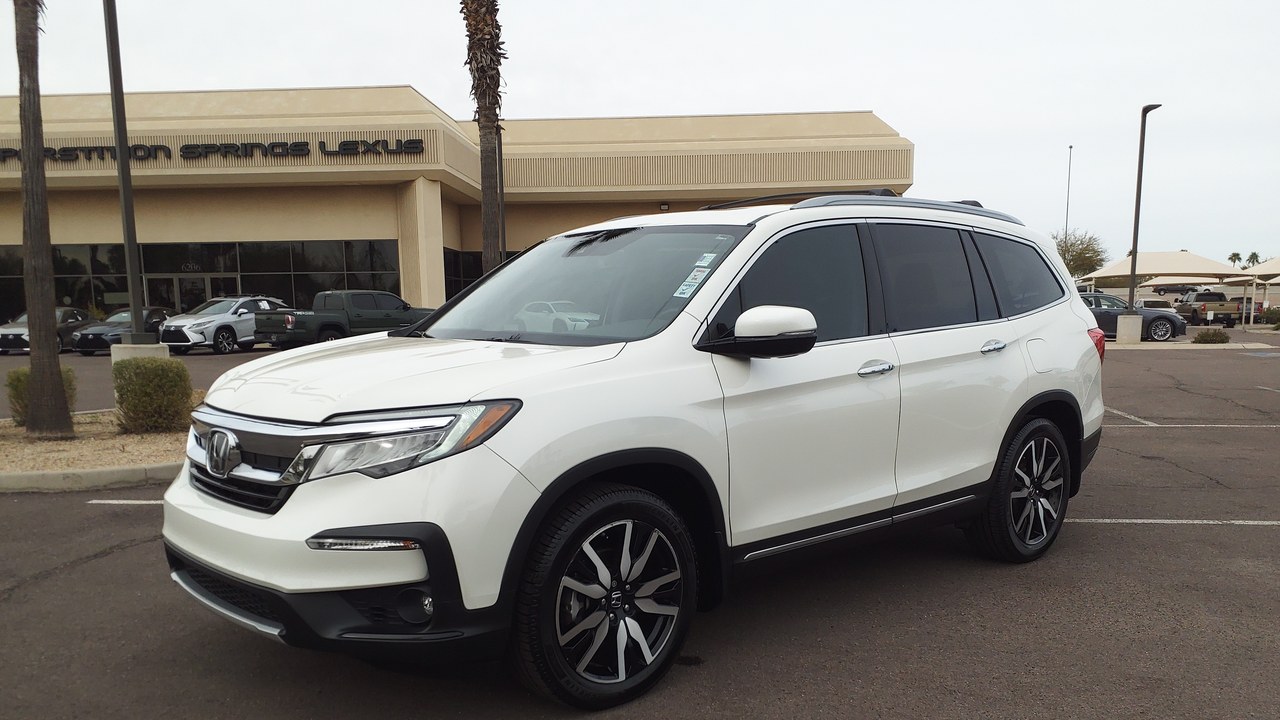
Honda’s approach differs from Toyota’s but arrives in the same place. The three-row Honda Pilot runs a unibody crossover structure over a V6 that has served across the company’s lineup for generations, an engine family with a long record of reaching high mileage on routine oil changes. Simplicity, not toughness, is the mechanism.
The caveat is that a unibody crossover concentrates wear in areas inspections often skip: transmission fluid condition, suspension bushings and corrosion around the subframe. A Pilot checked on those points, with fluid changes documented rather than assumed, is a credible long-distance proposition.
9. Lexus GX: A Land Cruiser In Disguise
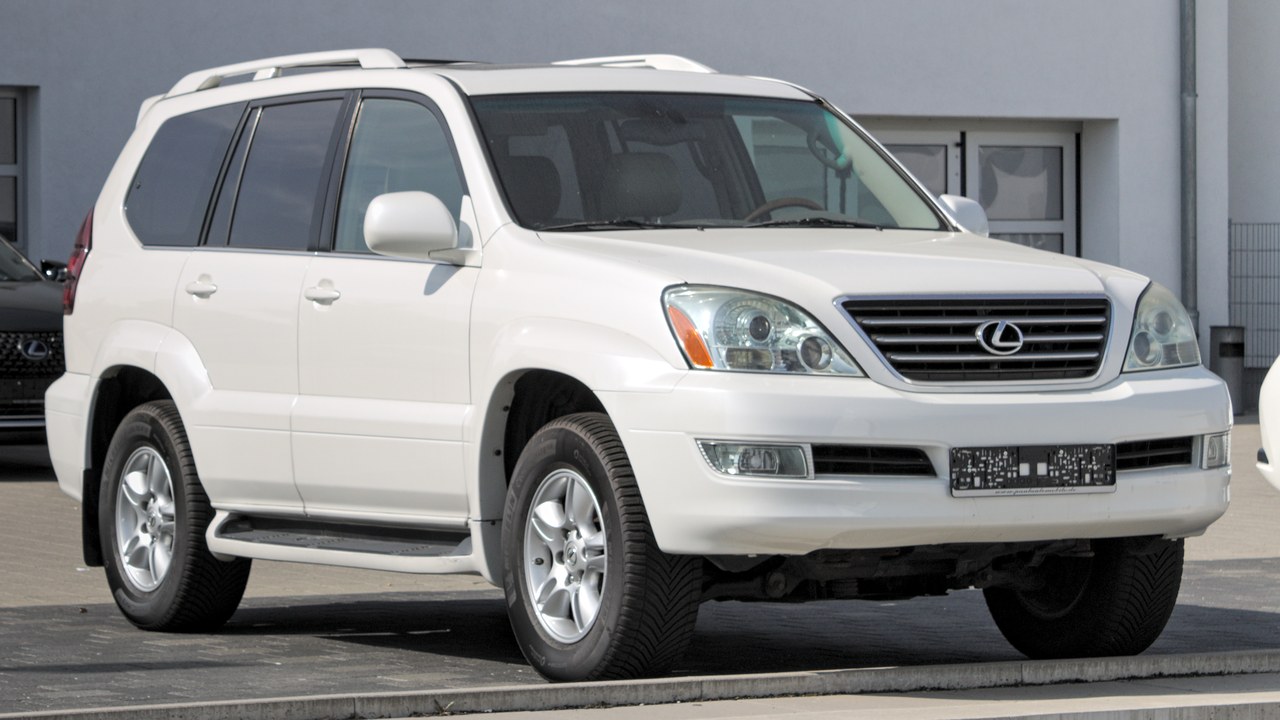
The GX is the outlier on any luxury list. Underneath the leather, the truck-based Lexus GX is Land Cruiser architecture: a separate ladder frame and heavy-duty running gear under a premium badge and a Lexus service standard. The result is a luxury SUV that ages like a work truck rather than like a German executive car.
Ownership costs sit higher than the mechanicals suggest. Suspension hardware, electronics and interior trim are the expensive parts to restore, and dealer labor rates apply once a warranty expires. The drivetrain rarely ends a GX; the comfort features around it usually decide when the bills stop being worth paying.
10. Toyota RAV4: The Compact Survivor
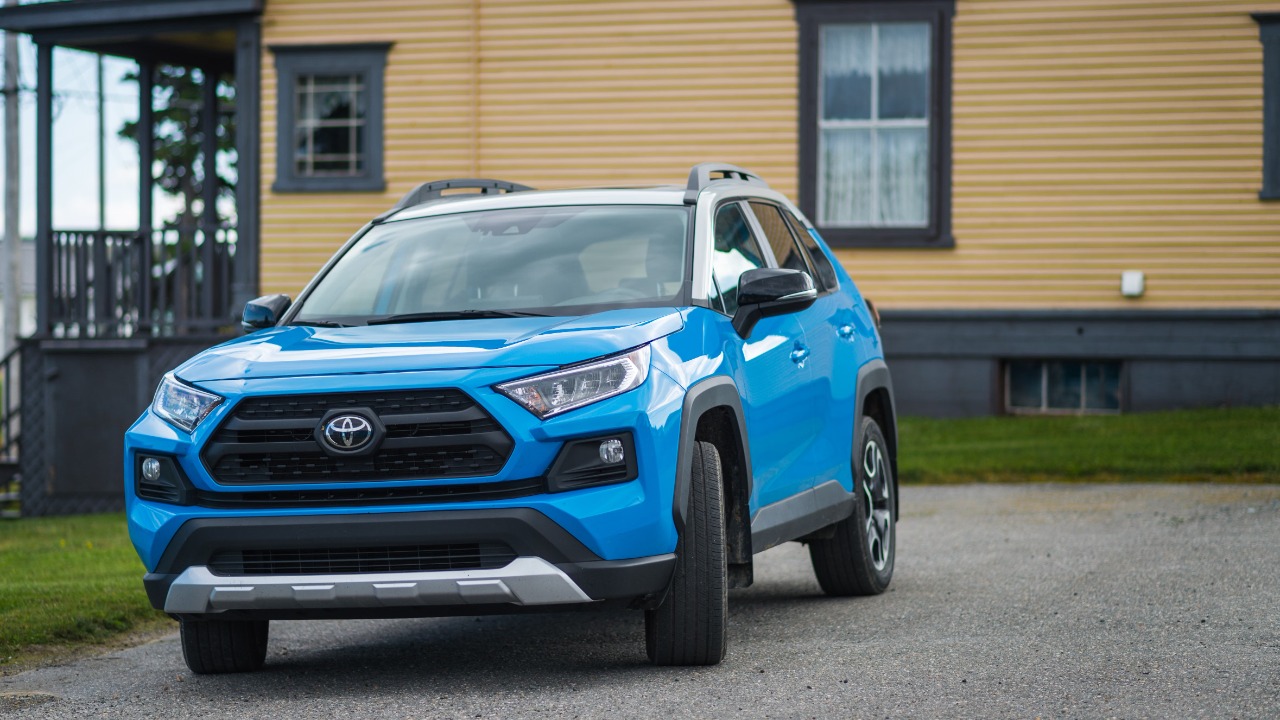
Size is no barrier to longevity. The compact Toyota RAV4 is the best-selling compact SUV on the market, and volume of that order produces a repair economy of its own: independent shops know the platform, aftermarket parts are plentiful, and diagnostics are thoroughly documented. Modest power outputs and a conventional automatic keep the drivetrain lightly stressed.
Compact SUVs do take a different kind of abuse, spending most of their lives in short urban trips that punish engines and brakes harder than highway miles. Cared for on schedule, a RAV4 still reaches high mileage; run on neglected oil in stop-start traffic, it will not.
More from Morning Overview
