
Not every SUV drains a driver’s bank account after the warranty runs out. Some models keep their reputations for a reason: simple, well-proven mechanicals, cheap parts, and long service intervals that add up to real savings over a decade of ownership. Reliability surveys and owner-cost data point to the same standouts, and these ten SUVs top that list.
1. Toyota RAV4: Parts Bin Advantage
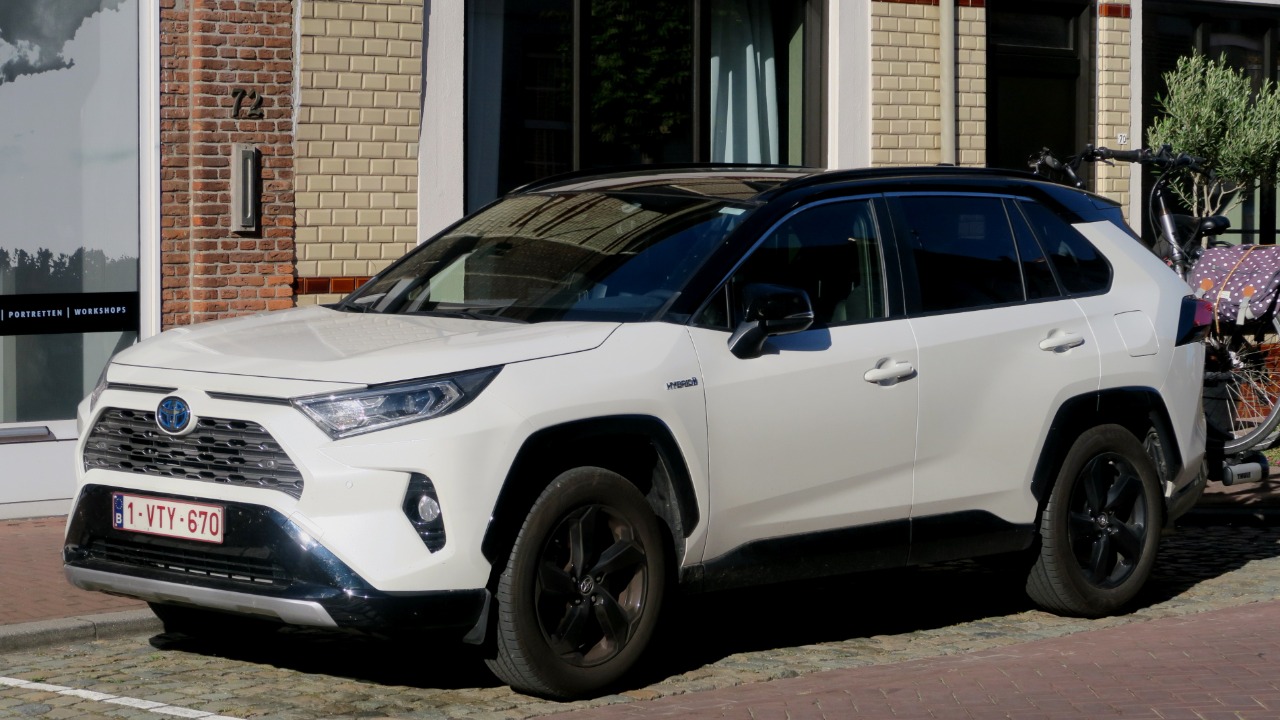
The Toyota RAV4 has topped America’s SUV sales charts for years, and that popularity pays off for owners: parts are everywhere, independent mechanics know the platform cold, and the compact crossover’s drivetrain is shared across millions of other Toyota models, which keeps component prices low. Consumer Reports and J.D. Power both rank the RAV4 near the top of its class for reliability.
Routine maintenance rarely brings surprises, since service intervals are long and the standard four-cylinder engine skips the complexity that tends to push up labor costs on rarer imports.
2. Honda CR-V: Rare Shop Visits
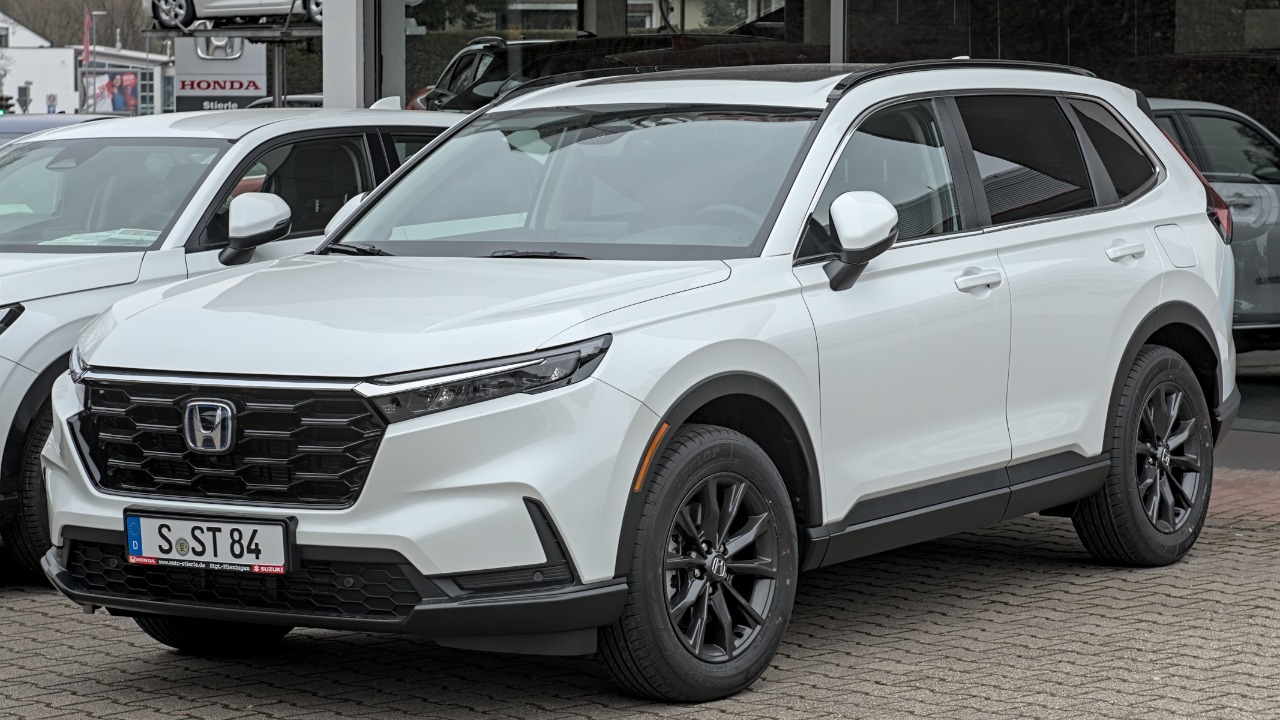
Honda built its reputation on engines that run for hundreds of thousands of miles without major work, and the CR-V inherits that trait almost intact. Its four-cylinder powertrain has changed little across generations, so technicians rarely encounter a problem they haven’t already fixed a dozen times, and replacement parts stay affordable because the platform sells in huge volume worldwide.
Owners typically report long stretches between anything beyond oil changes, tires, and brakes, which keeps ten-year running costs well below the SUV segment average.
3. Toyota 4Runner: Old-School Toughness
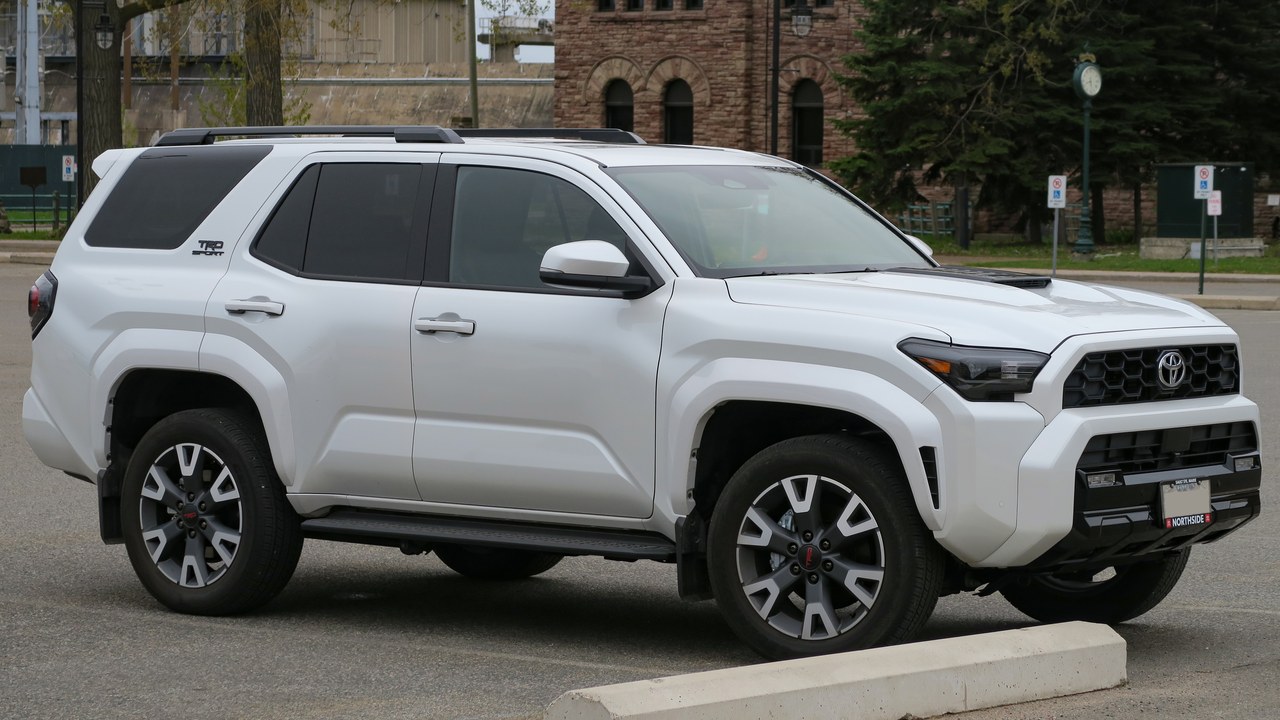
The outgoing 4Runner ran on a body-on-frame chassis and a simple, naturally aspirated V6 for more than a decade, deliberately trading modern refinement for mechanical simplicity. That formula shows up in ownership-cost data as unusually low long-term repair bills, since there are fewer sensors, turbochargers, or complex electronics to fail as the vehicle ages.
The tradeoff is a truck-like ride and lower fuel economy, but owners who keep one a full decade routinely report needing only fluids, filters, and basic wear items.
4. Subaru Forester: Modest Upkeep Costs
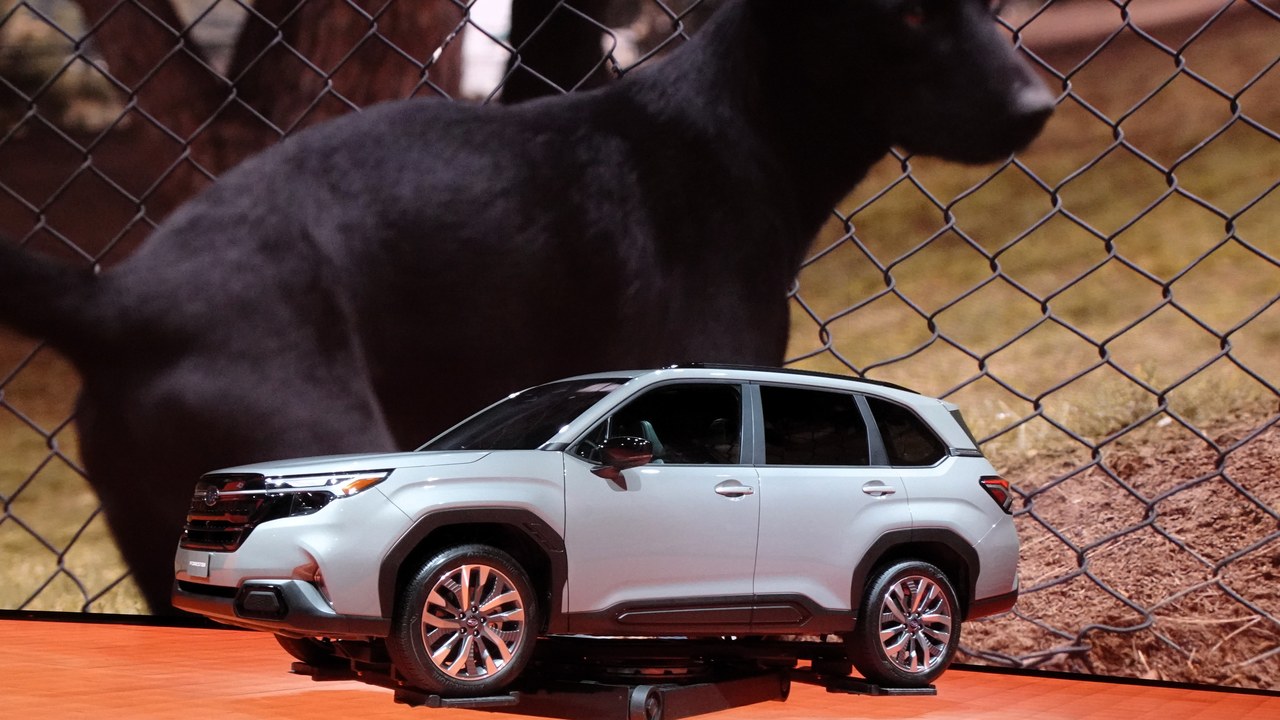
The Forester pairs a naturally aspirated flat-four boxer engine with standard all-wheel drive, a combination Subaru has refined for decades rather than redesigned from scratch. That continuity keeps parts inventories deep and repair procedures well documented, so independent shops rarely need dealer-only tools or unusual components to service one.
Consumer Reports has repeatedly rated the Forester among the cheaper compact SUVs to maintain over a full decade, helped by service intervals that don’t demand premium fluids, specialty filters, or dealer-only diagnostic equipment to keep running smoothly.
5. Mazda CX-5: Low Repair Estimates
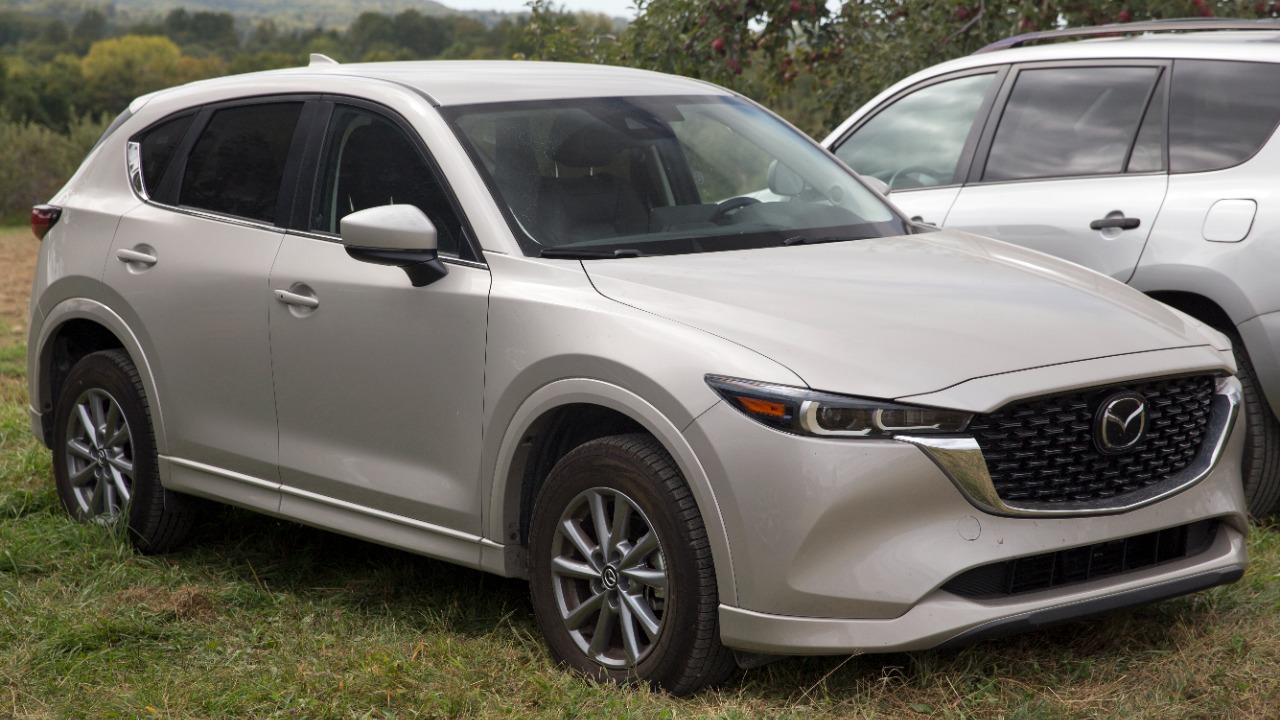
Mazda’s CX-5 consistently posts some of the lowest annual repair-cost estimates in independent surveys, a reputation built on a conventional four-cylinder engine and a chassis that shares major components across the brand’s lineup. Fewer unique parts mean dealers and independent shops alike can source what they need quickly and without a markup for rarity.
Owners also benefit from a compact footprint that keeps tire and brake replacement costs down compared with larger three-row SUVs in the same price range, and Mazda’s simplified trim lineup avoids many of the costly options that complicate repairs elsewhere.
6. Toyota Highlander: Bulletproof V6
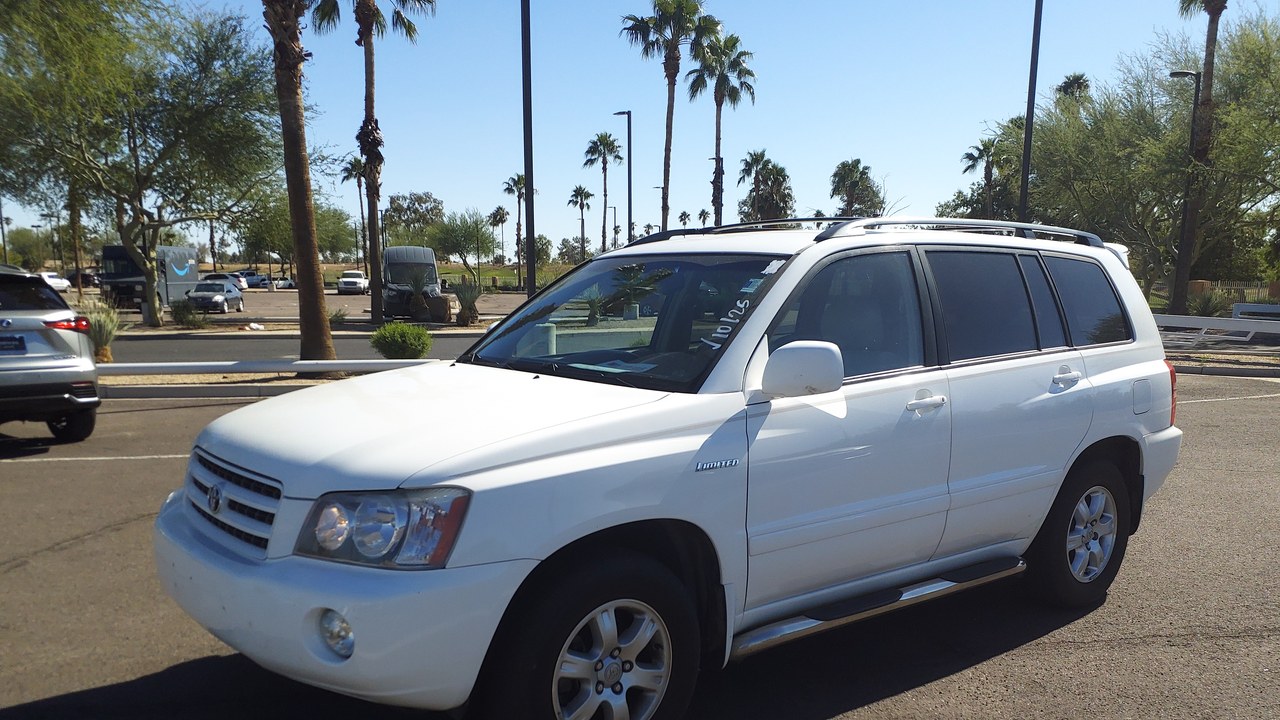
The Highlander’s V6 engine is a close relative of units used across Toyota’s truck and SUV lineup for years, and that shared engineering has produced a powertrain with a long track record of going past 200,000 miles with only scheduled service. Toyota’s dealer network is also large enough that scheduled maintenance rarely commands a premium.
For a three-row family SUV, that combination of proven mechanicals and wide parts availability keeps a decade of ownership noticeably cheaper than rival V6-powered competitors.
7. Honda Pilot: Predictable Family Hauler
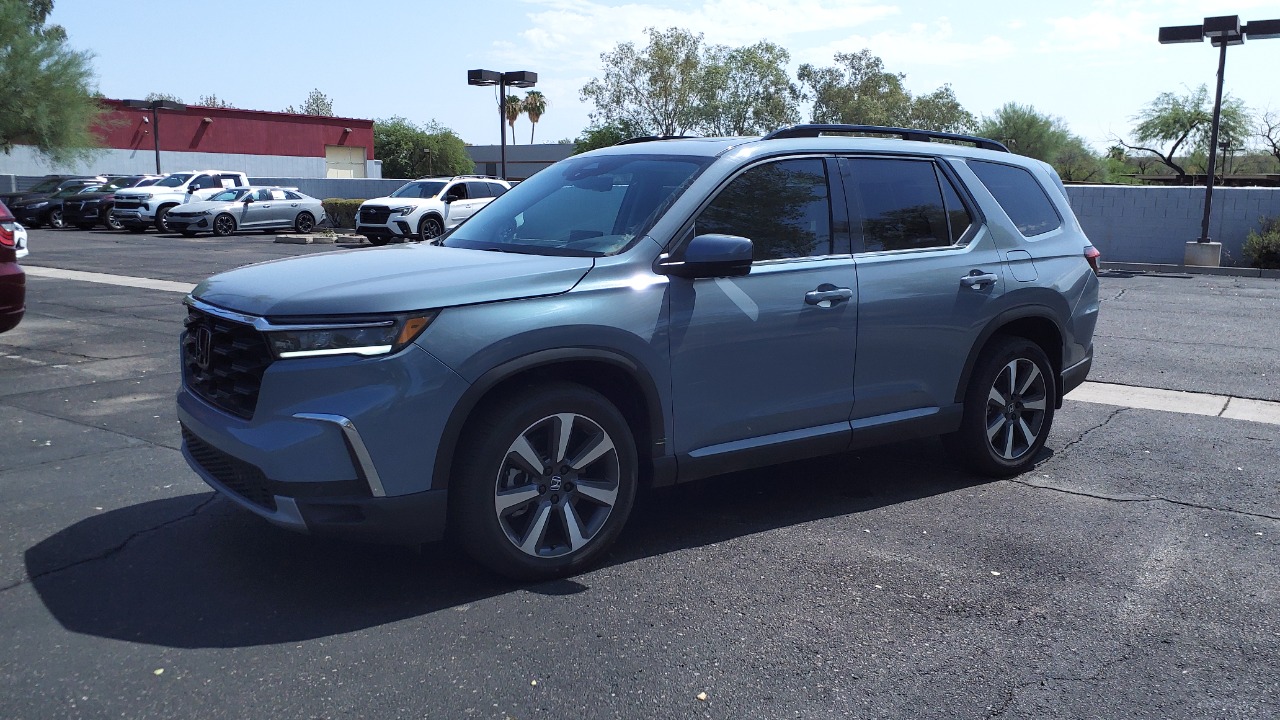
Honda carries the same reliability-first engineering philosophy from the CR-V up into the larger Pilot, a three-row SUV built on a shared platform with the Odyssey minivan and Ridgeline pickup. That parts-sharing across models keeps component costs down even though the Pilot itself is a lower-volume seller than Honda’s compact crossovers.
Owner surveys consistently show few unscheduled repairs before 100,000 miles, and even major services like timing components come at intervals long enough to spread out the cost, keeping the Pilot’s total decade-long maintenance bill well below most three-row rivals.
8. Lexus RX: Toyota Bones, Luxury Badge
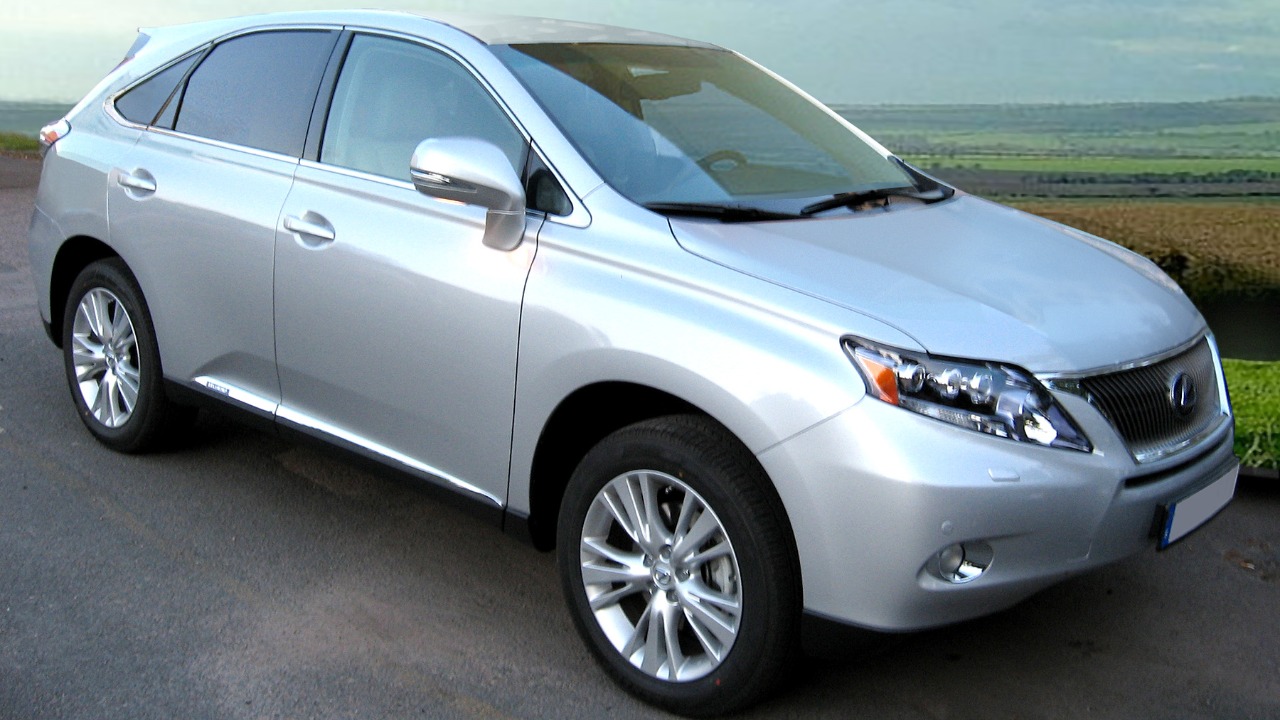
The Lexus RX is built on Toyota engineering, sharing its core mechanicals with the Highlander despite carrying a luxury price tag and badge. That heritage means the RX inherits Toyota-grade reliability rather than the higher repair bills typical of European luxury SUVs, while still offering a quieter cabin and nicer materials.
Because parts and service knowledge overlap so heavily with mainstream Toyota models, RX owners tend to face running costs closer to a mass-market SUV than a premium one, a rare bargain among luxury crossovers known for expensive upkeep.
9. Kia Sportage: Warranty Cushion
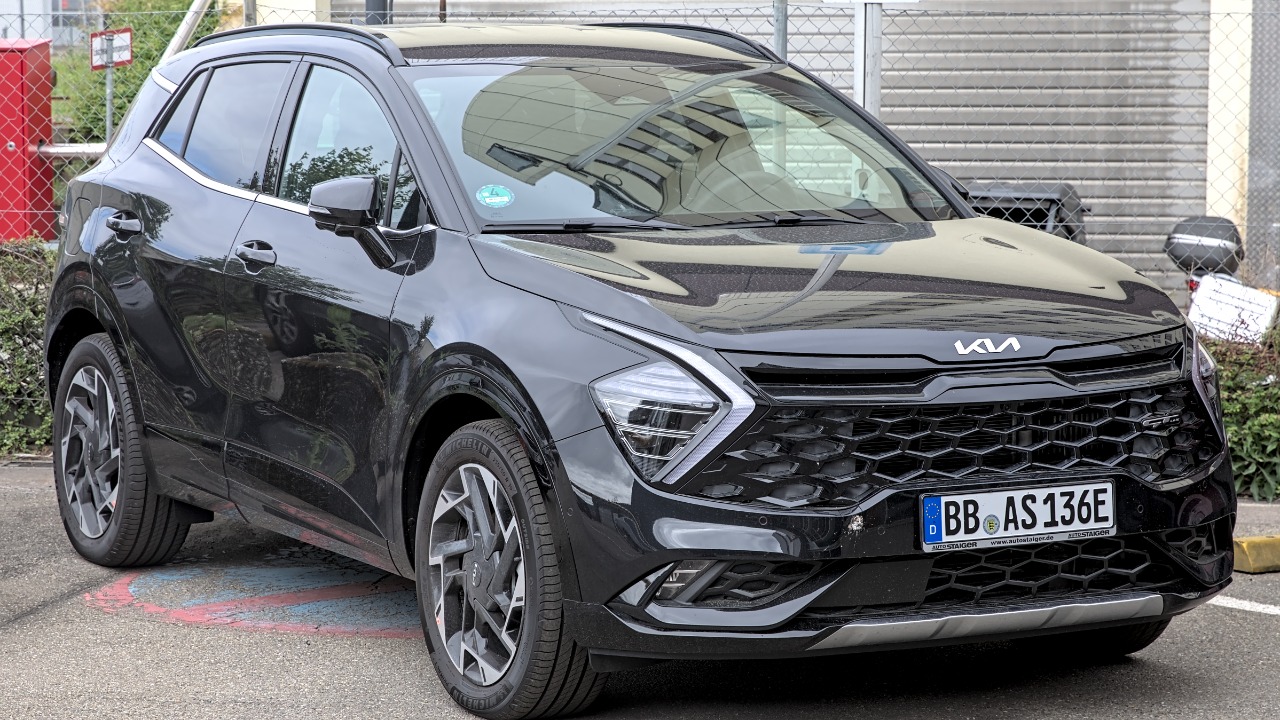
Kia backs the Sportage with one of the longest warranties in the industry, a 10-year, 100,000-mile powertrain guarantee that covers a large share of the vehicle’s expected life. That coverage absorbs the cost of major failures during the years when a compact SUV is most likely to need them, softening the biggest expenses that would otherwise appear on a repair bill.
Once the warranty lapses, Kia’s widespread dealer network and increasingly common parts supply keep routine service estimates near the bottom of the segment.
10. Hyundai Tucson: Affordable Factory Backing
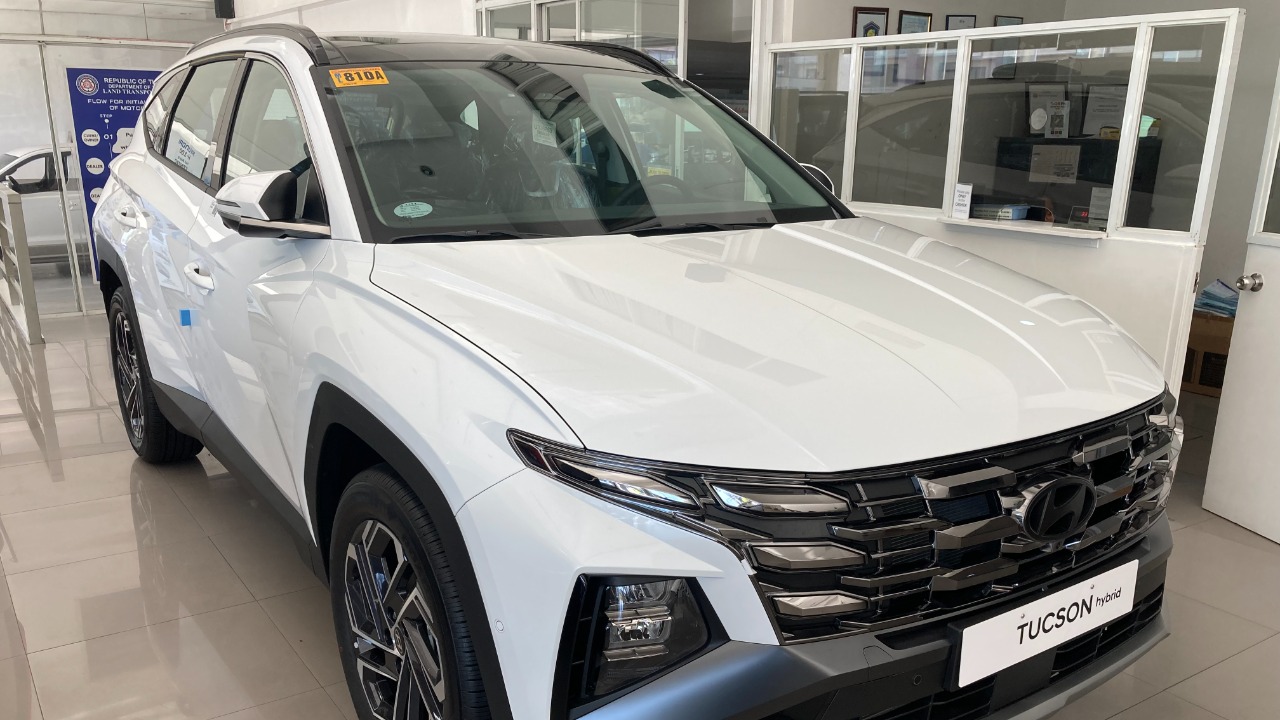
Hyundai’s Tucson shares its sibling Kia Sportage’s long powertrain warranty, giving owners a decade of protection against the largest repair bills a compact SUV can generate. Hyundai has also grown its dealer footprint substantially over the past decade, which has pushed parts prices down as competition among service centers increased.
Combined with a conventional four-cylinder engine that avoids exotic technology, the Tucson’s total cost of ownership over ten years lands consistently below many rivals in its class, according to owner-reported repair-cost surveys.
More from Morning Overview
