
Fuel prices shape what a pickup really costs to own, and a handful of models stand out for stretching a gallon further than their rivals. The list below blends hybrids, a diesel and several conventional gas trucks, all ranked by EPA combined ratings from published sources. Here are ten pickups that deserve a look from buyers who want a capable truck without a punishing fuel bill.
1. Ford Maverick Hybrid: Hybrid Efficiency Sets the Bar
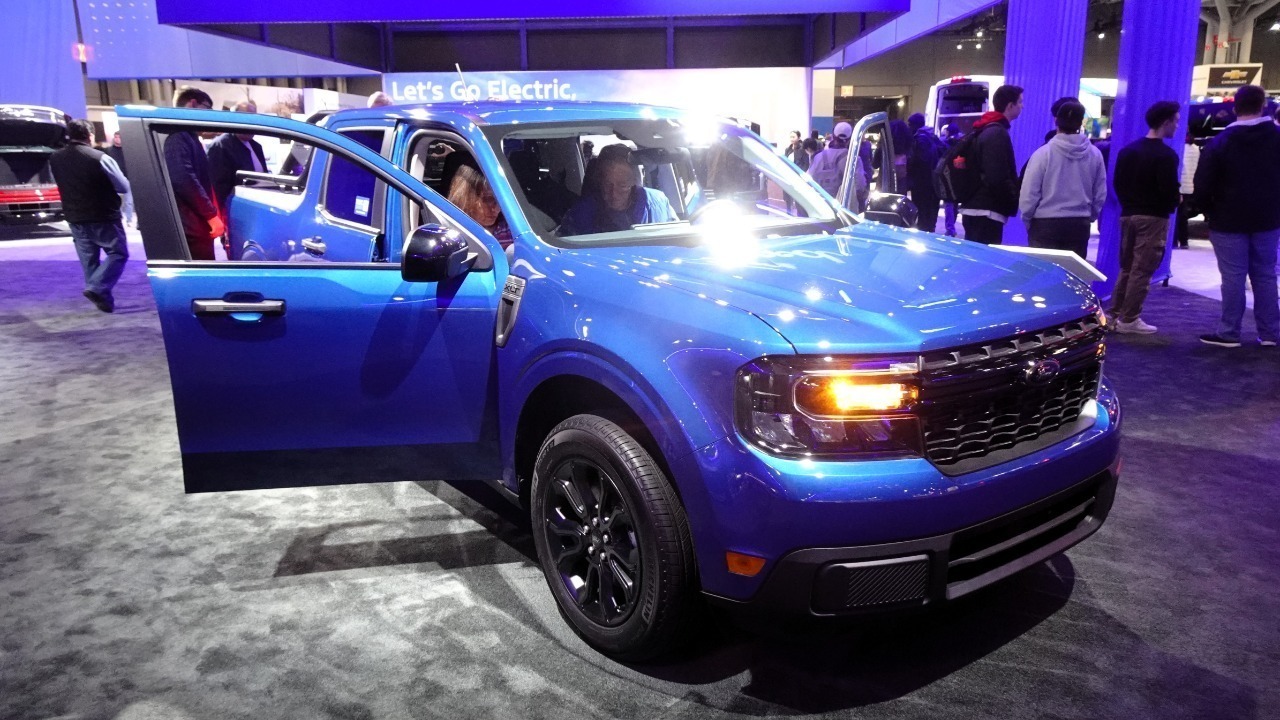
The front-drive hybrid version of the Maverick posts the strongest number, with SlashGear’s EPA rating of 38 mpg combined from the EPA.
That figure is what earns it the top slot, and it reflects how a hybrid system can outdo conventional gas engines in a truck body. Owners who mostly commute or run errands should see savings at the pump add up over a year of driving. The rating applies specifically to the front-wheel-drive hybrid configuration, so other drivetrains in the lineup should be expected to land lower, and shoppers should confirm the exact version before comparing prices.
2. Hyundai Santa Cruz: Small Bed, Big Mileage Claim
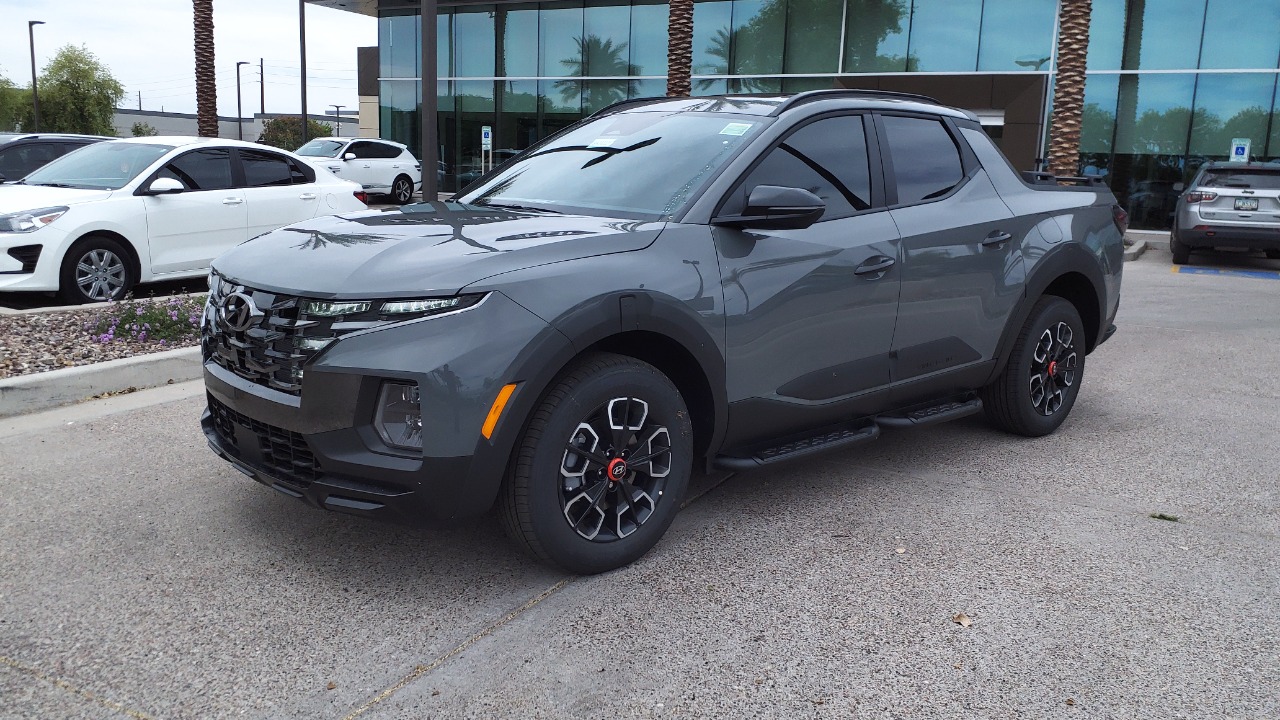
The Santa Cruz is rated at 25 mpg combined, a result that puts it second on KBB’s 2026-27 list of the most fuel-efficient trucks.
Landing that high on a ranking built around fuel economy makes it a standout, and the mileage suggests. For buyers who want a smaller pickup rather than a full-size model, the number suggests the trade-off comes with a real payoff in lower fuel bills. Anyone shopping should check the specific powertrain and trim, since combined ratings can shift between configurations of the same model.
3. Chevrolet Silverado 1500 Duramax diesel: Diesel Brings Full-Size Thrift
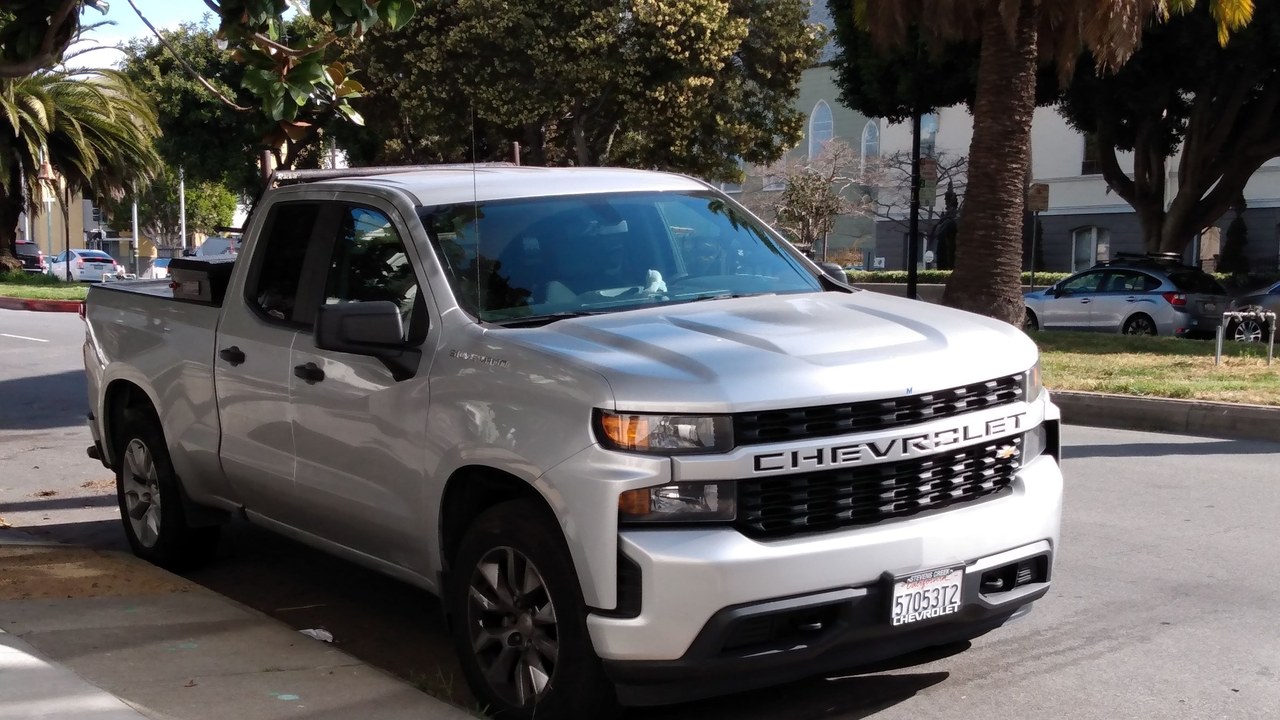
Few full-size trucks reach this territory, yet the two-wheel-drive Silverado 1500 with the 3.0-liter Duramax diesel earns SlashGear’s diesel figure at 25 mpg combined.
That matches the Santa Cruz figure despite the far larger body and bed, which is the whole appeal of a diesel in a half-ton. Drivers who tow or haul regularly while still caring about fuel spending are the natural audience. The rating is specific to the two-wheel-drive setup, so four-wheel-drive versions should be expected to return less, and buyers should weigh the diesel’s purchase premium and fuel price against the mileage gain before committing.
4. Ford F-150 PowerBoost hybrid: Hybrid Power Without the Penalty
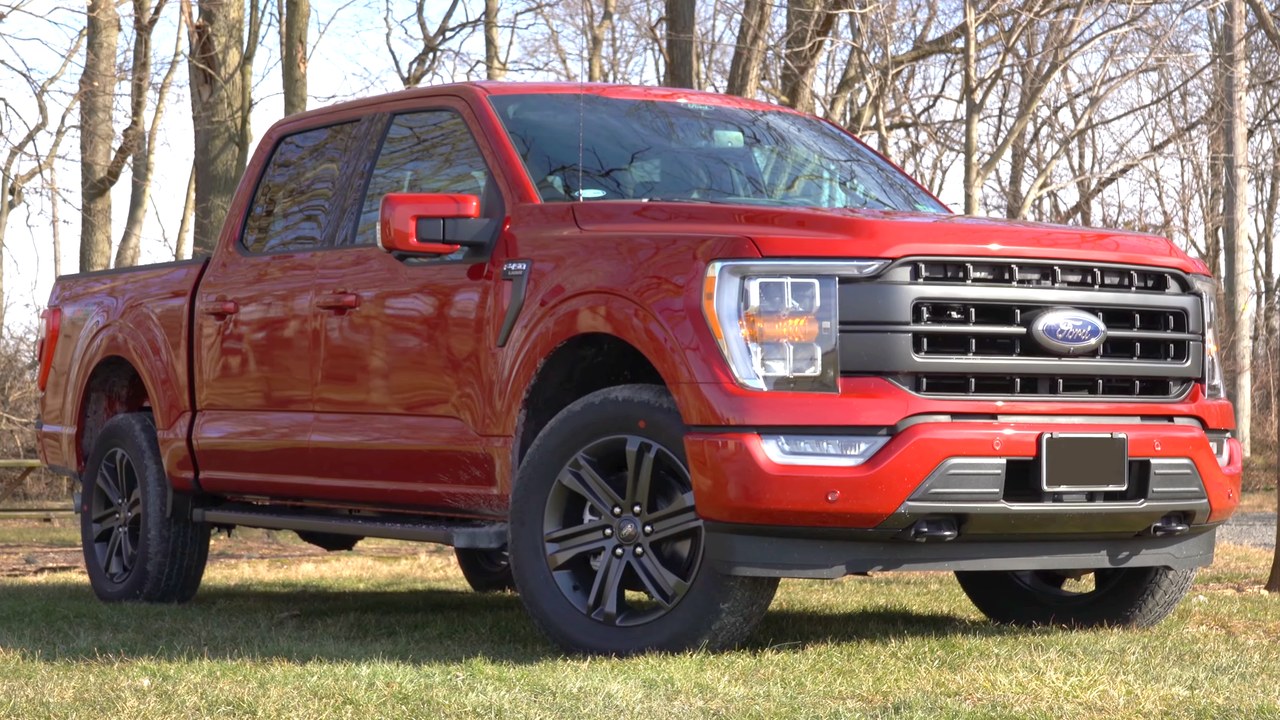
The hybrid PowerBoost version of the F-150 carries an EPA combined rating of 23 mpg combined.
For a full-size truck, that is a notable result, because buyers rarely get both strong capability and restrained fuel use in one package. Households replacing an older half-ton that gets noticeably worse mileage could see a meaningful drop in monthly fuel spending. As with any combined rating, real-world results should vary with load, towing and driving style, so owners who haul heavy loads often should not expect to match the number exactly.
5. Toyota Tacoma Hybrid: Hybrid Muscle in a Midsize Frame
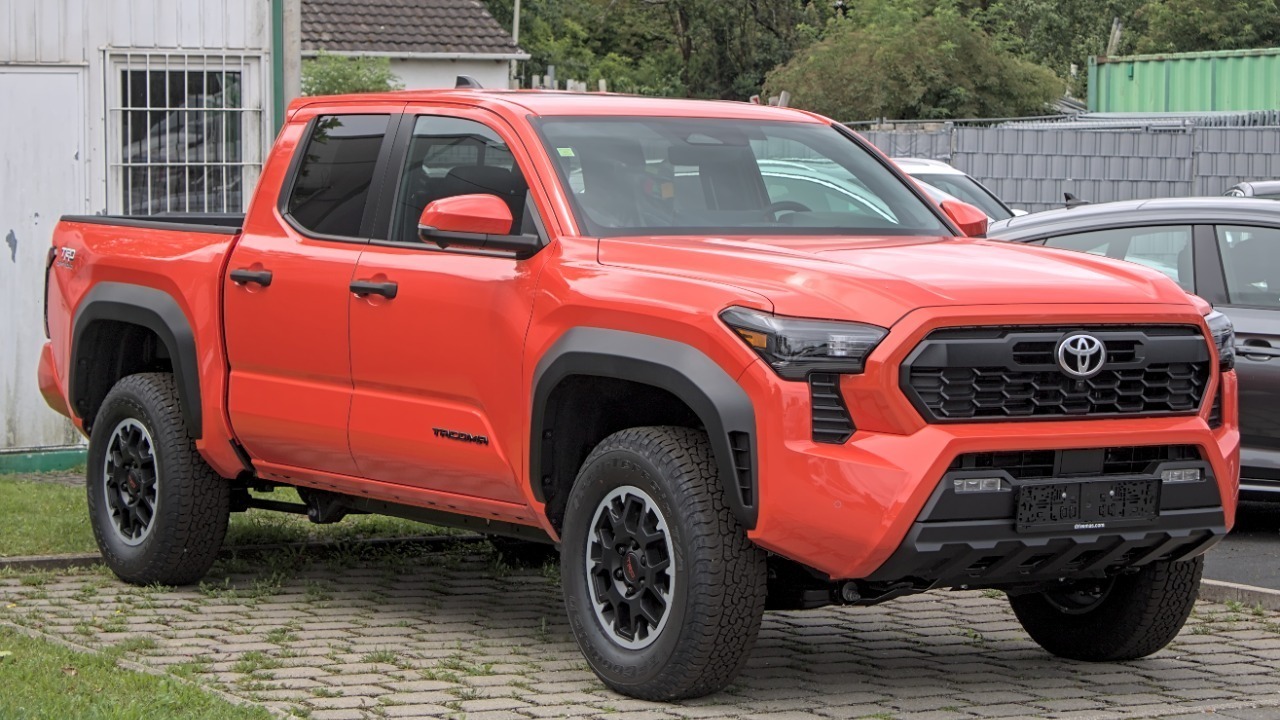
The Tacoma Hybrid 4WD with i-Force Max is EPA-rated at 23 mpg combined, as SlashGear’s roundup notes.
The detail worth noting is that this rating belongs to a four-wheel-drive model, the layout many buyers who need a capable truck for trails or job sites want. Those drivers no longer have to accept thirsty gas-only numbers to get it. Because the rating is tied to this specific hybrid powertrain, other Tacoma versions should be expected to rate lower, and shoppers should compare window stickers directly.
6. Nissan Frontier: Rated at Twenty-One Mpg
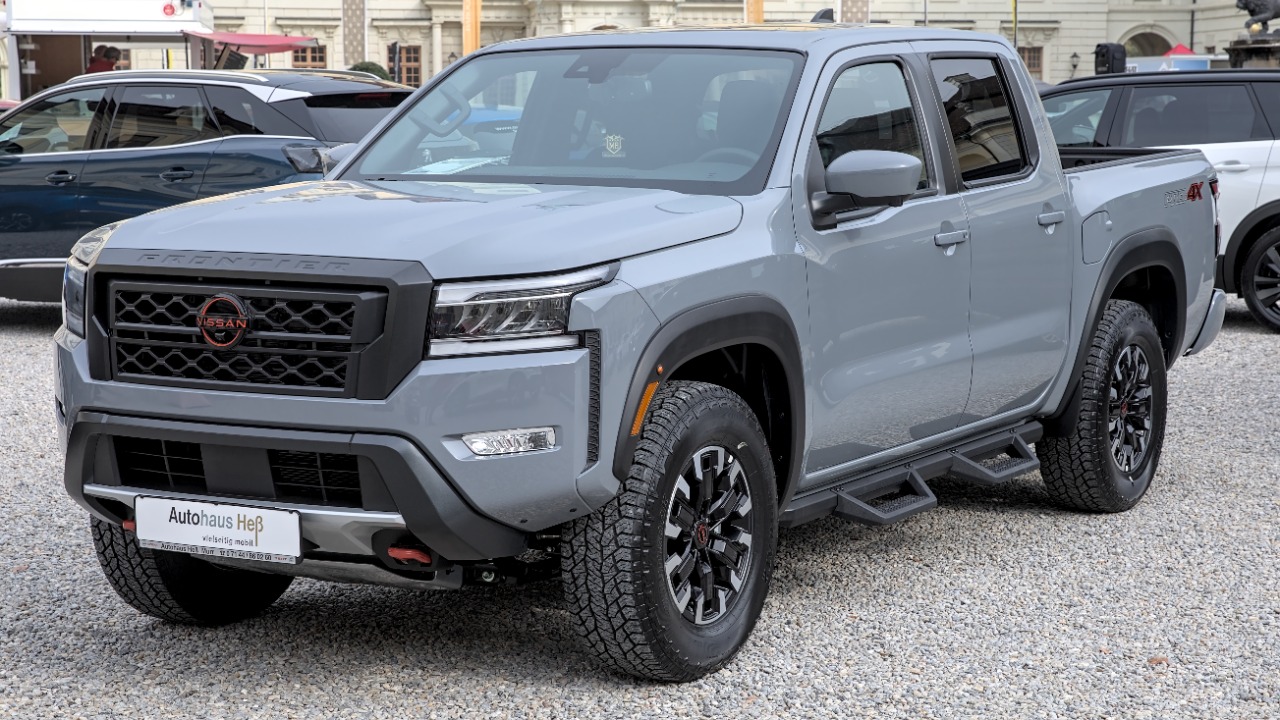
The Frontier holds a spot on the list because the 2027 Frontier is rated at 21 mpg combined, according to KBB’s fuel economy ranking.
That puts it level with several rivals rather than ahead of them, which shows how tight the field is once hybrids and diesels are set aside. Buyers attracted by a simple, conventional gas pickup can take comfort that the thirst is not extreme for the segment. The practical advice is to compare cost per mile and purchase price together, since a one- or two-mpg difference across similar trucks matters less than the sticker difference between trims.
7. GMC Canyon: Quiet Contender at Twenty
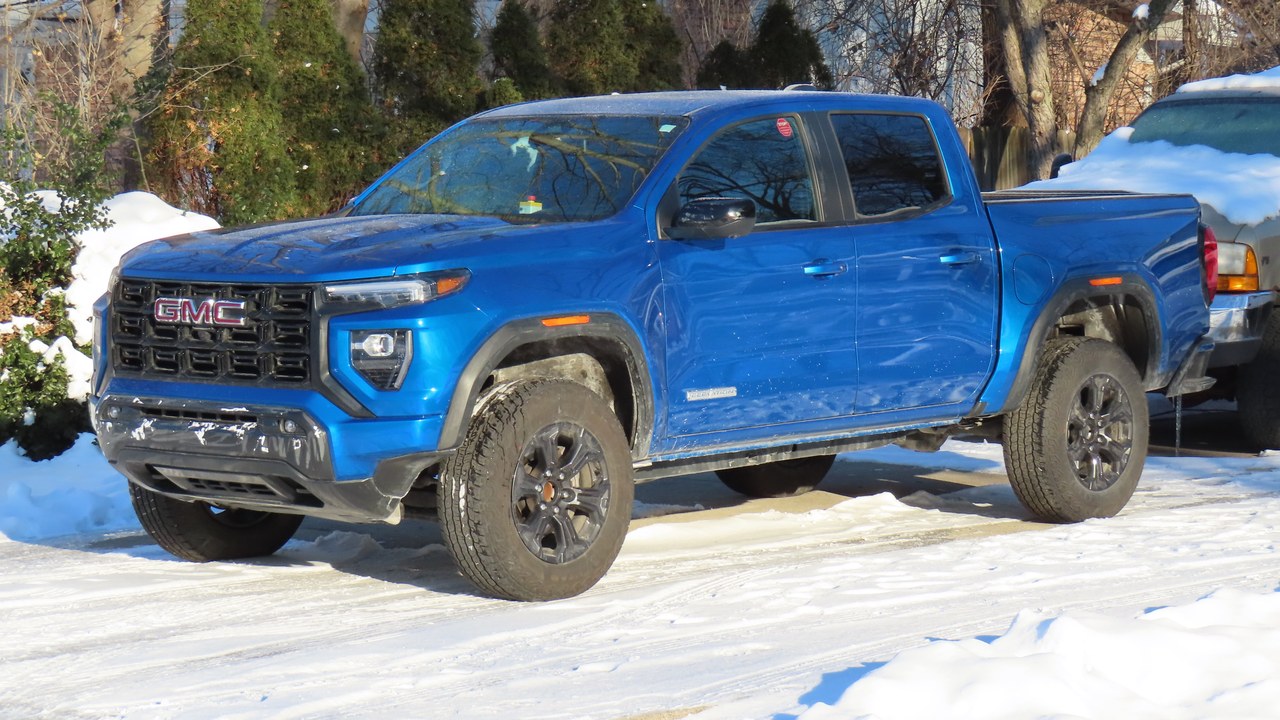
The Canyon closes the middle of the pack, rated at 20 mpg combined in KBB’s fuel economy list.
Twenty miles per gallon is not a headline-grabbing figure, but it keeps the Canyon on a list of the thriftiest pickups, which says plenty about how thirsty the broader truck market can be. Shoppers drawn to the Canyon should treat the number as the expected cost of its capability. Anyone driving long distances every week might find a Maverick or Santa Cruz saves more, while those who prefer the Canyon can accept the modest penalty.
8. Honda Ridgeline: Unibody Comfort, Steady Mileage
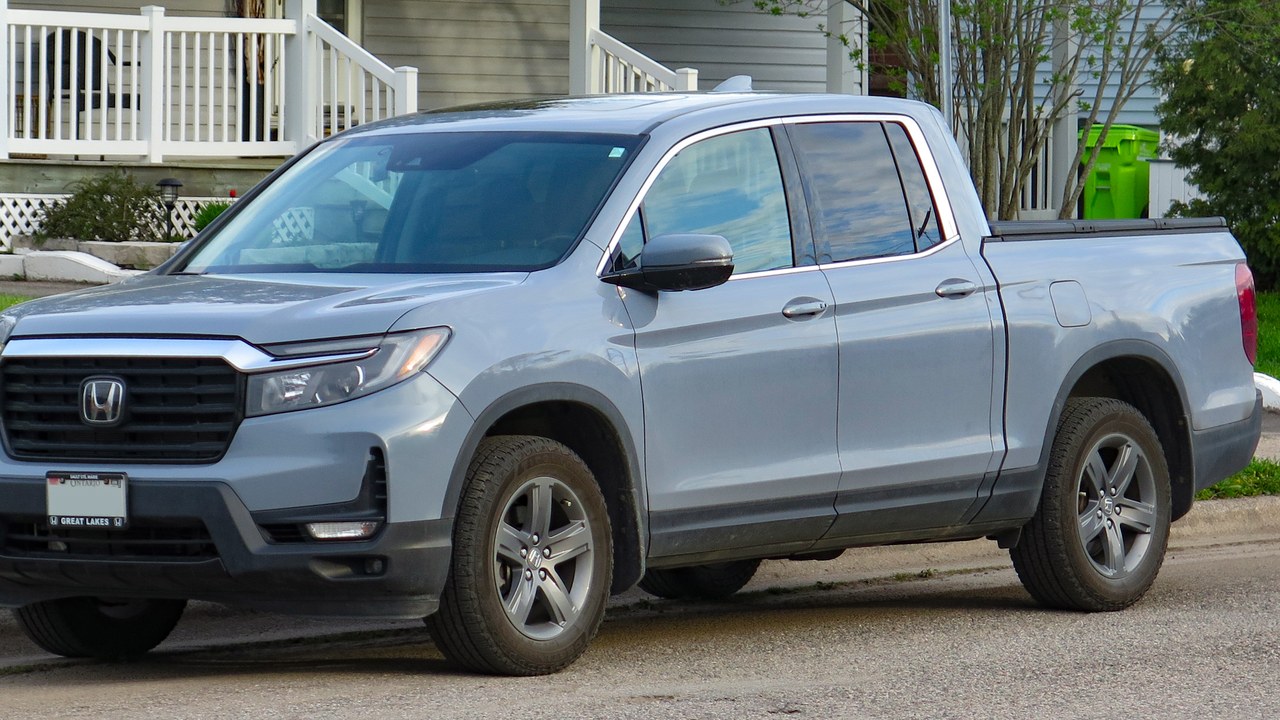
The Ridgeline is rated at 21 mpg combined, a result KBB’s efficiency ranking credits to its place among efficient trucks.
The figure ties it with other midsize entries, and it comes from a pickup aimed at everyday use. Buyers who mostly carry light loads and want daily practicality should find the mileage reasonable for what they get. Those who need heavy towing or serious off-road ability should look at the trade-offs carefully, since an efficient rating alone does not capture every capability that matters in a pickup.
9. Ford Ranger 4WD: Official EPA Numbers for the 4WD

The Ranger in four-wheel-drive form is EPA-rated at 21 mpg combined for 2026, with 19 city and 24 highway, according to MPG Buddy’s EPA data.
The spread between city and highway figures matters for owners, since the 24 mpg highway number rewards long commutes while stop-and-go driving drags the average down. Anyone choosing between this Ranger and the Maverick should note the gap in combined mileage and weigh it against the extra capability a midsize truck brings. Because this is the four-wheel-drive rating, two-wheel-drive configurations could post different numbers, and shoppers should check the exact version.
10. Chevrolet Colorado 2WD: Three Thousand Dollars a Year at the Pump
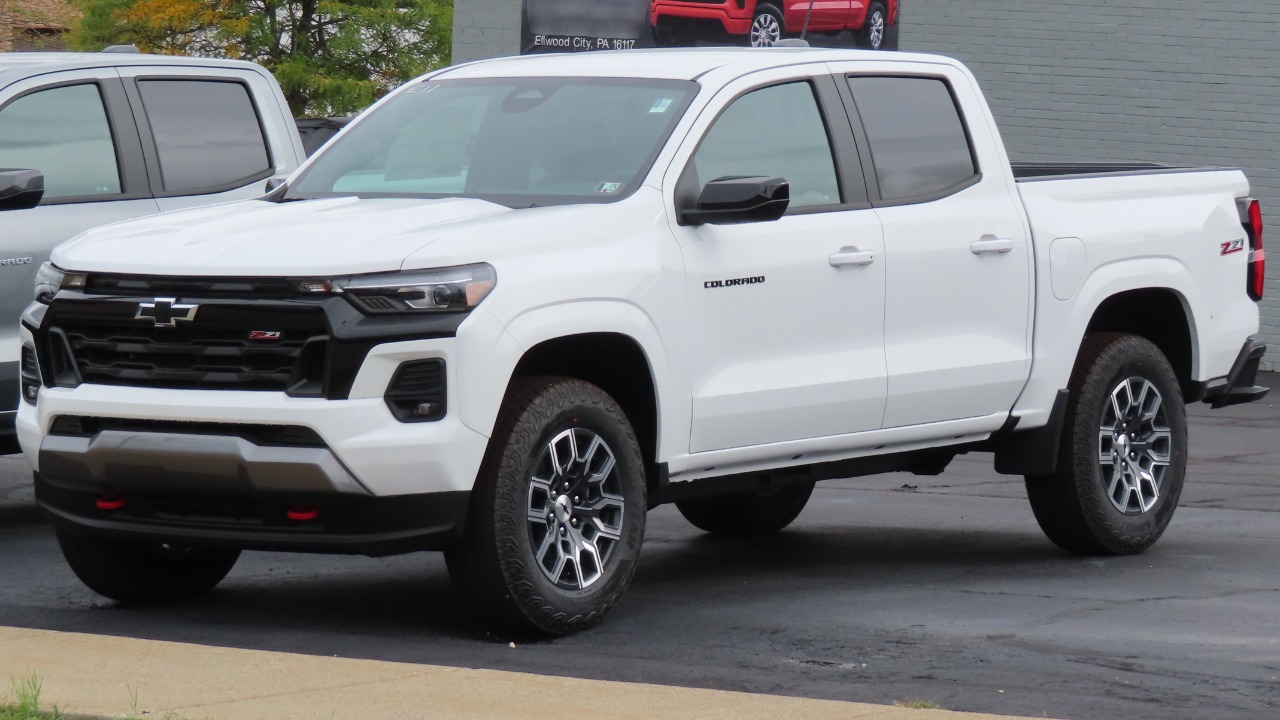
The 2026 Colorado 2WD is EPA-rated at 21 mpg combined, 19 city and 24 highway, and MPG Buddy’s cost estimate puts its fuel cost at about $3,200 a year.
That annual figure makes the mileage concrete: even among the most efficient pickups, fuel remains a major ownership expense. Buyers comparing the Colorado with the Maverick Hybrid should factor the yearly difference into the total cost of ownership rather than looking at sticker price alone. The estimate depends on assumed mileage and fuel prices, so actual spending could land higher or lower depending on how much and where a truck is driven.
More from Morning Overview
- The NSA says three phone features should be off whenever you aren’t using them
- Hurricane Hunter radar shows four warning signs that a tropical cyclone is about to strengthen, a University of Miami study found
- Tropical Storm Rachel is dumping up to 12 inches on four Mexican states on its way to major hurricane strength
- The FTC says Lens.com doubled the price shoppers saw in Google ads
