
American pickups did not arrive at their present form in a single step, but through a string of firsts in price, power, comfort and capability. Each truck here introduced something that competitors soon copied, from an inexpensive factory hauler to twin rear tires on a Chevrolet. Here are ten pickups whose innovations still shape what the trucks in a driveway can do.
1. Ford Model T Runabout with pickup body (1925): Utility Gets a Price Tag
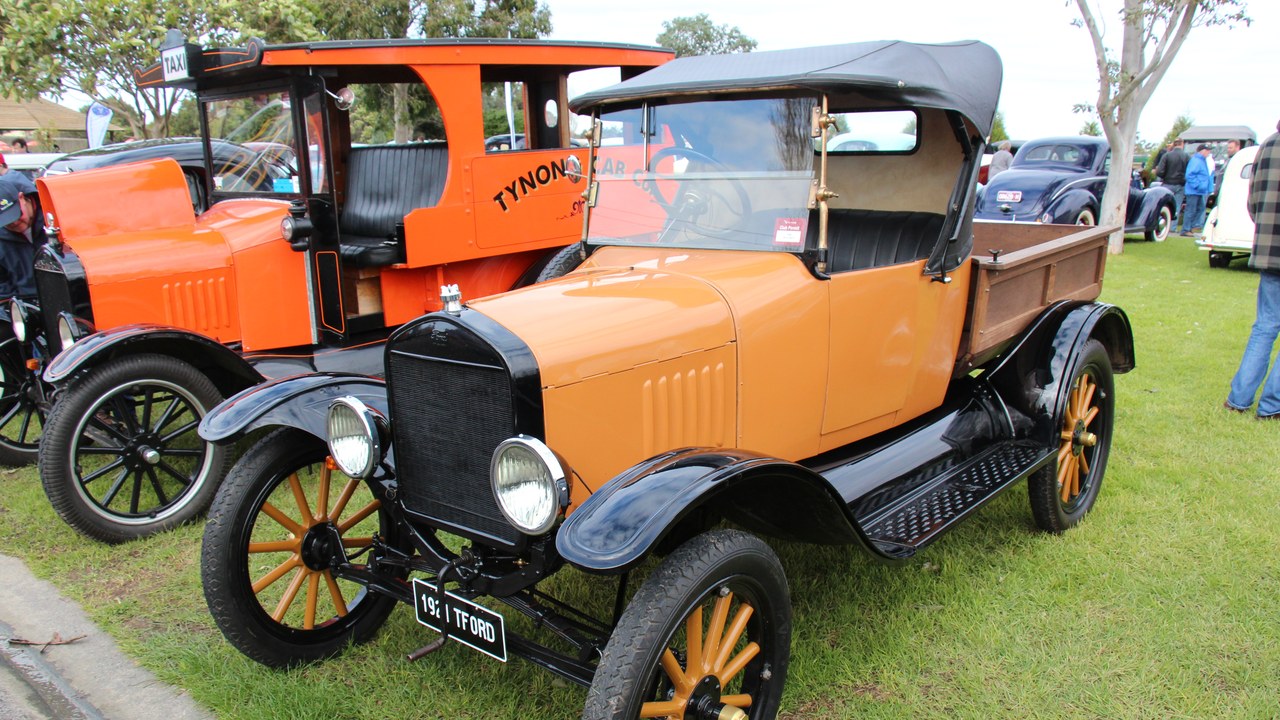
Ford’s factory pickup sold for $281, and the company built 33,795 of what it called pick-ups in the first year. That figure showed a purpose-built hauler could find a mass market rather than a niche of farmers and tradesmen.
The Runabout-based model turned a passenger chassis into a cheap cargo bed, setting the template of low price and simple mechanics. For a modern reader, the number is a reminder of how little the original truck cost and how quickly buyers adopted it. The 1925 model year falls late in the Model T run, when the pickup body was a factory offering rather than an aftermarket conversion, which is the real novelty here.
2. Chevrolet Cameo Carrier: Chrome on the Work Truck
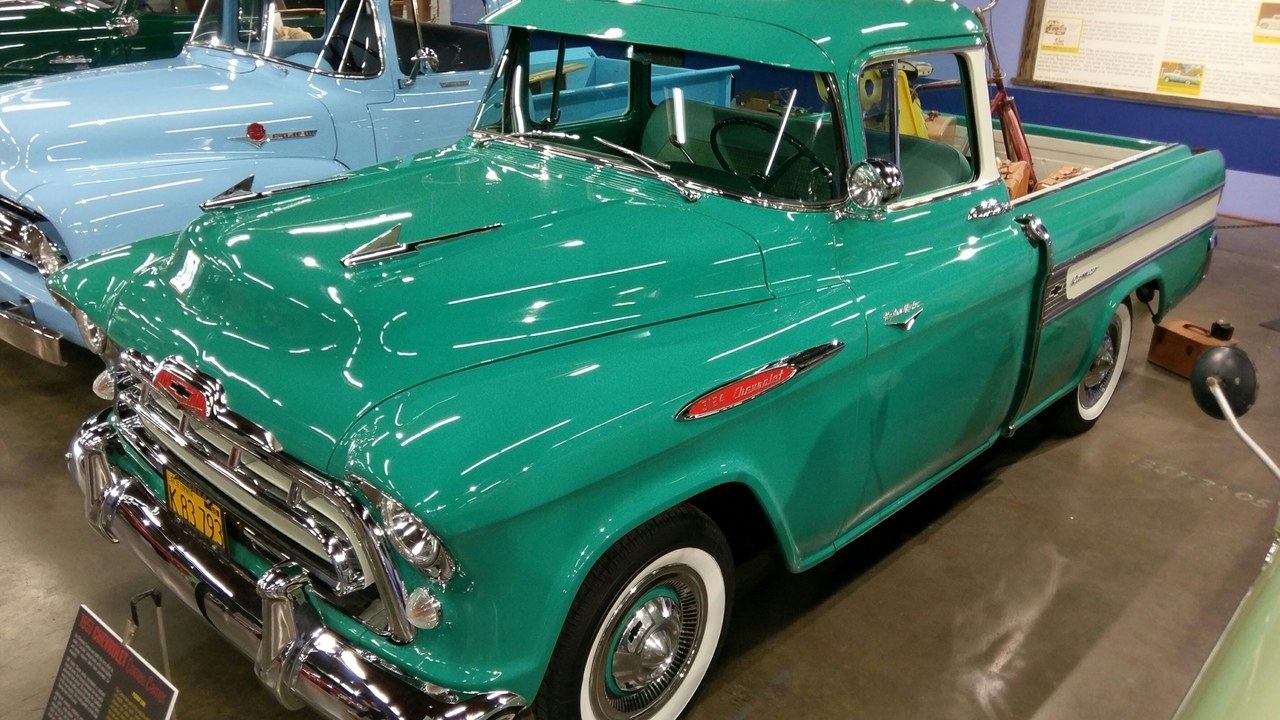
The 1955 Task Force Cameo carried more exterior chrome than any pickup yet built, evidence that utility was no longer the only goal of a truck. Styling had entered the work-truck business, and the smooth-sided bed made the point from across a parking lot.
Chevrolet used the Cameo Carrier to show that a pickup could be a fashion statement as well as a tool. That shift opened the door to the trim levels and appearance packages that dominate truck showrooms today. Owners of later trucks inherit that thinking, since trim, color and brightwork now sell as many pickups as payload ratings do. Few buyers of a high-end crew cab pick it purely for hauling.
3. Ford F-100 Styleside (1957): Slab Sides and Chrome
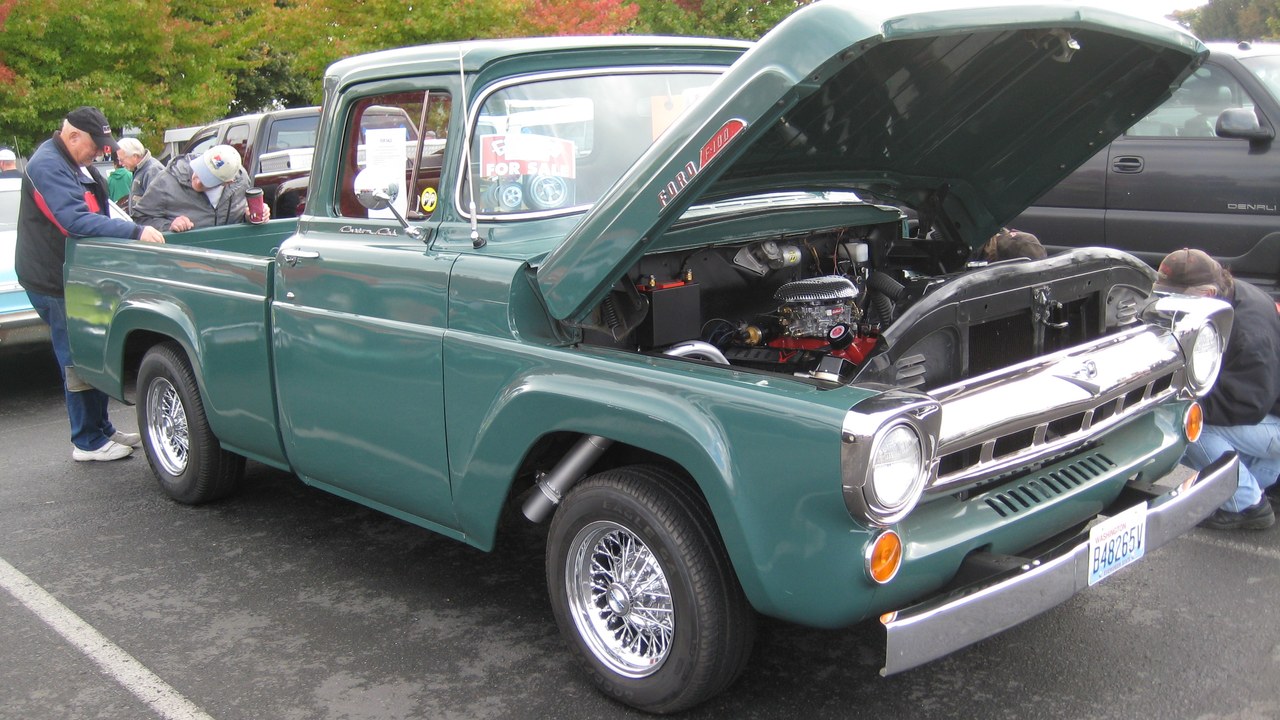
A big chrome grille with quad headlights gave the 1957 Style-side F-100 a face unlike earlier work trucks, and American Heritage’s survey of pickup design singles it out. The cargo bed was smooth and slab-sided, built flush with the cab.
That flush bed is what the Styleside name means, and it gave the truck a clean, unbroken profile from door to tailgate. Ford was treating the pickup as something owners might want to look at as well as load, which fits the broader shift toward styling in the work-truck market. Buyers who prefer a bed that matches the cab’s width today are choosing a layout that this 1950s Ford helped make familiar.
4. Ford F-1: Birth of a Sales Dynasty
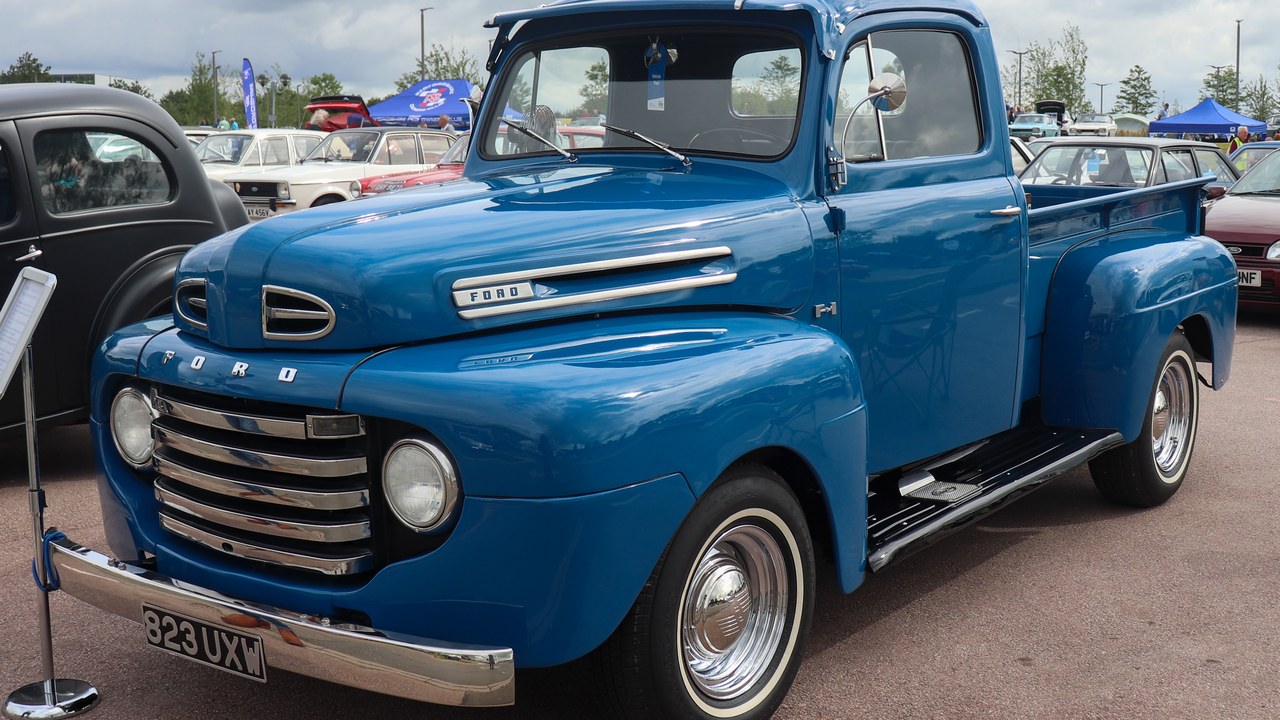
Ford’s all-new 1948 pickup started the F-Series, which by 1996 had been the single best-selling vehicle line in North America for 19 years. The F-1 was the first of a long run of trucks that built the nameplate’s dominance.
Few model lines can claim such a durable lead, and the streak turned a postwar work truck into the foundation of Ford’s profits. Collectors still seek the F-1 as the ancestor of every F-150 on the road. Buyers who want the story behind a truck sitting in every dealer lot could start here, since the sales record that began in 1948 explains why the F-Series sets the benchmark competitors measure against.
5. Dodge Power Wagon: Four-Wheel Drive for Civilians
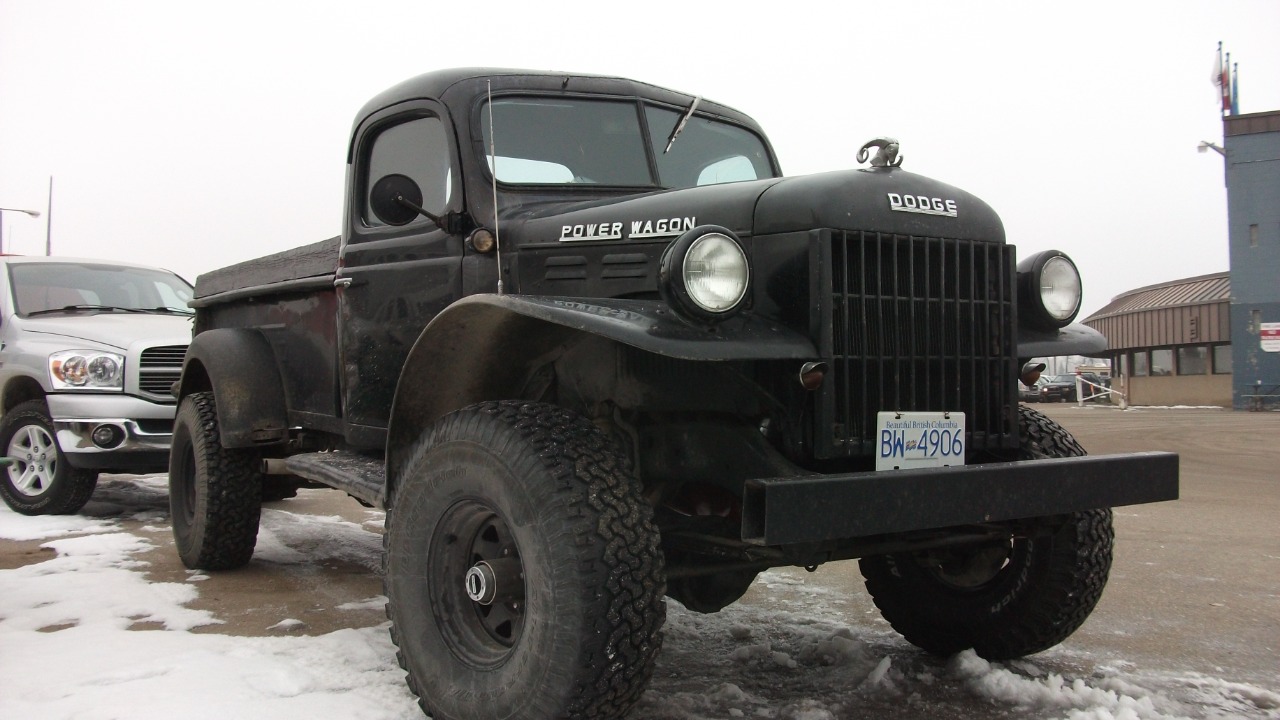
In 1946 Dodge brought four-wheel drive to a civilian truck, and the Power Wagon became the template for the go-anywhere pickup. It adapted military-derived hardware for farms, ranches and construction crews who had previously relied on converted vehicles.
Four-wheel drive later spread from specialist hardware to a common option on almost every full-size truck. The Power Wagon’s reputation for rugged capability proved durable enough that Ram still sells a model under the name. Anyone considering an old four-wheel-drive truck should expect a heavy, slow, mechanically simple vehicle, which is part of the appeal for restorers who value serviceability over comfort.
6. Ford Model BB: A V8 for Working Money
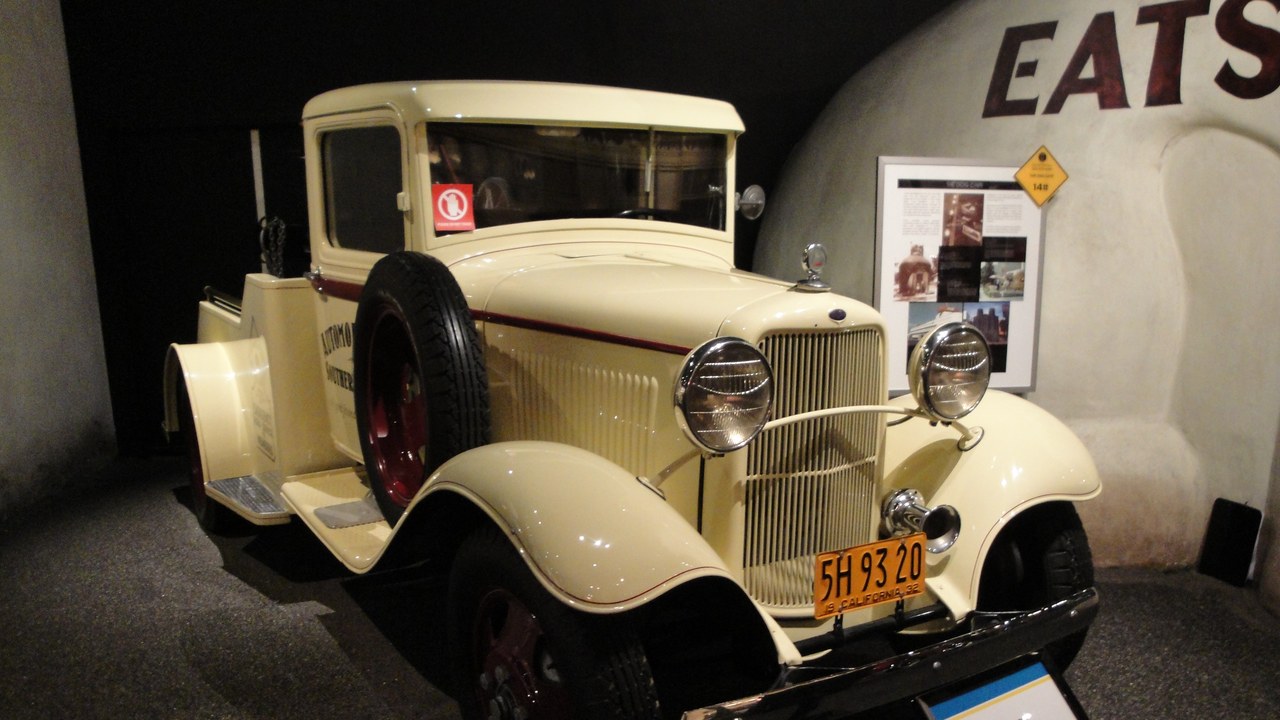
Ford’s 1932 truck brought a V8 whose 65 horsepower beat competing four- and six-cylinder engines on both price and grunt, according to a pickup history timeline. Putting a V8 in an inexpensive truck gave working buyers more power for less money.
The Model BB name belongs to Ford’s heavier-duty chassis of the period, and the V8 era it helped open reshaped expectations for truck engines. Affordable power became a selling point that rivals had to match. Restorers prize these early V8 trucks for their simplicity, though original parts and period-correct engines can be hard to find, so a buyer should confirm what an advertised example actually contains.
7. 1973 Chevrolet C/K ‘Dooley’: Twin Tires, Heavy Loads
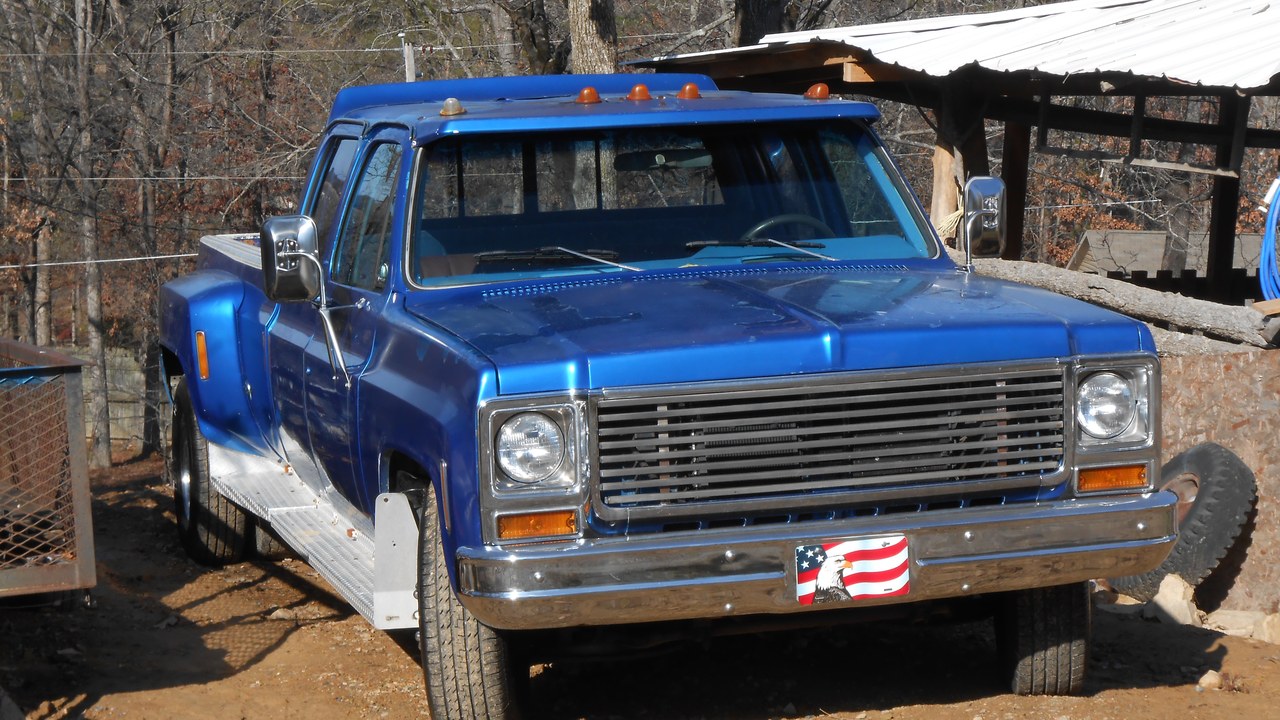
Chevrolet’s 1973 ‘Dooley’ was the first pickup with dual rear wheels, rated to haul up to 10,000 pounds. Twin tires on the rear axle increased load capacity and stability for trailers, campers and heavy payloads.
The dually created a new class of one-ton truck that blurred the line between pickups and commercial vehicles. Heavy-duty buyers who tow large fifth-wheel trailers still rely on the layout it popularized. Anyone shopping for a used heavy hauler should check rear axle condition and tire wear carefully, because dual-wheel trucks that spent years under maximum load can hide expensive wear underneath.
8. 1989 Dodge Ram Cummins: Diesel Starts the Power War
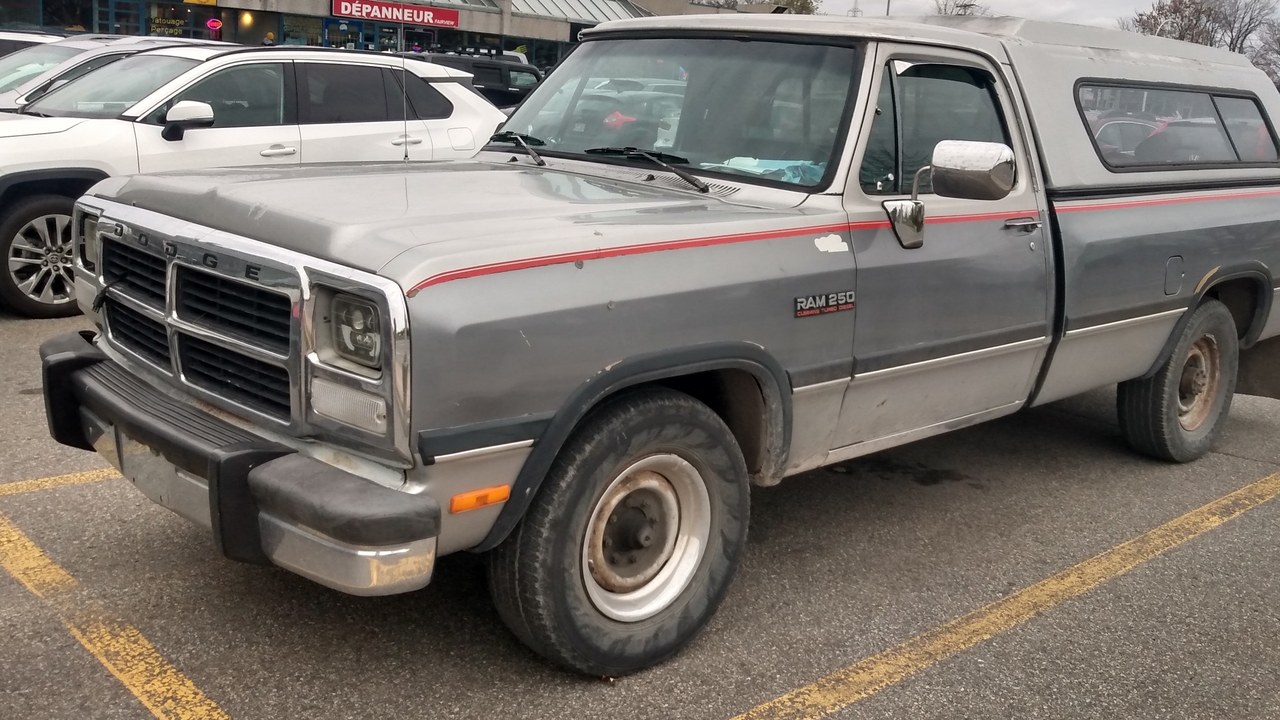
The Cummins turbodiesel in the 1989 Ram made 160 horsepower and 400 lb-ft of torque, the salvo that sparked the great pickup power war. Diesel torque of that size suited towing in a way gasoline engines of the day could not match.
Rival manufacturers answered with their own diesels, and output figures have climbed dramatically since. Buyers shopping heavy-duty trucks today are enjoying the competition that began with this Dodge and its Cummins engine. Anyone shopping for a used Cummins truck should look for records of maintenance, since long service life is the engine’s reputation but neglected examples can still produce costly repairs.
9. Dodge Dakota: The Middle Child
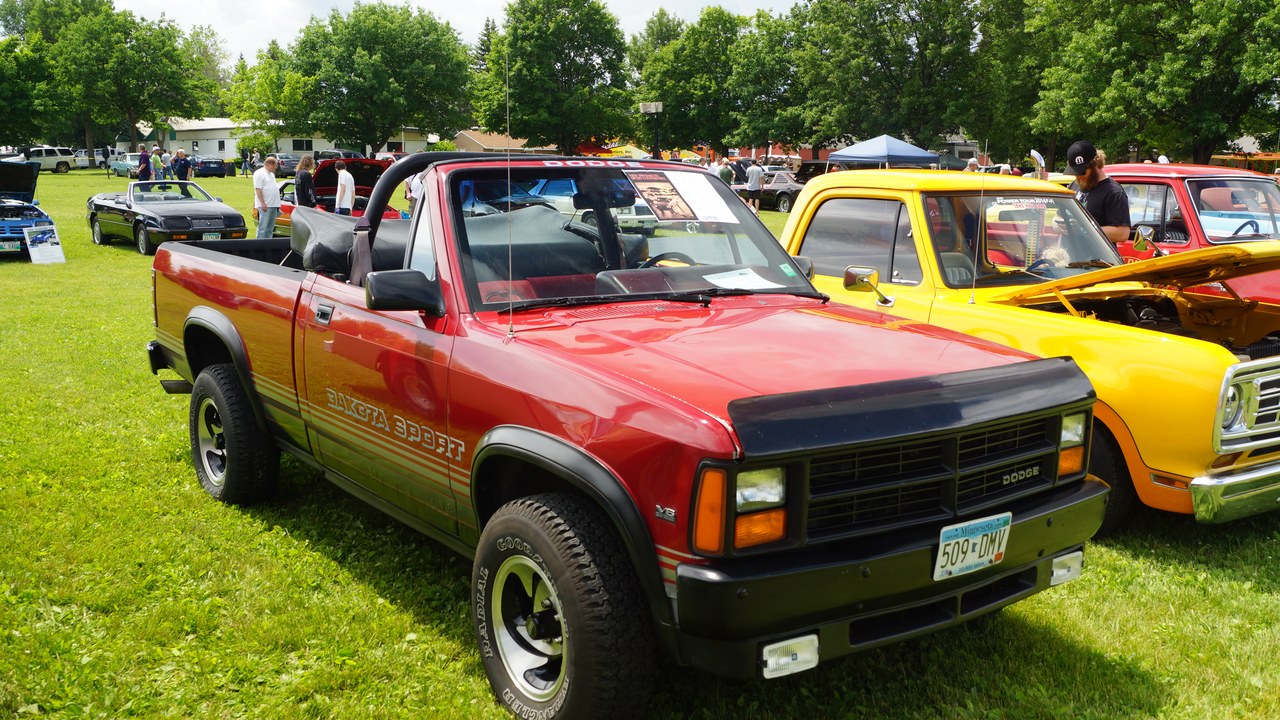
Dodge’s 1987 Dakota arrived as a ‘mid-size, and full-frame’ pickup, as Hagerty’s mini-truck history describes it, slotting between the Mitsubishi-built Ram 50 and full-size trucks. The size gap it filled had no domestic occupant.
The Dakota proved that a truck between compact and full-size had buyers, and the mid-size class has been a fixture ever since. Shoppers choosing a Tacoma or Colorado today are working in territory this Dodge first claimed. Owners of used examples should check frame and body condition, because older trucks of this type were often worked hard and some were modified over decades of use.
10. Nissan 720: First Off the Line
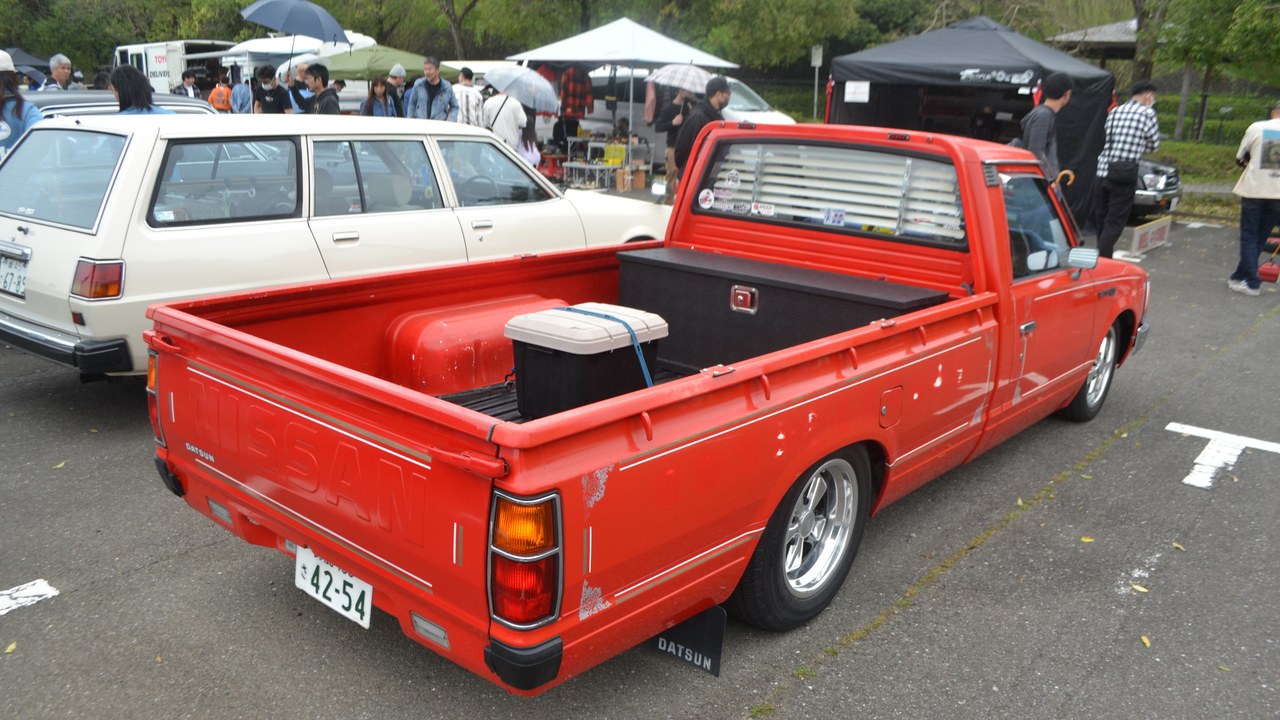
The 720 became the first vehicle off Nissan’s U.S. factory line in 1983, a truck that led to the Hardbody and today’s Frontier. Building it in Tennessee helped a Japanese brand sidestep import tariffs aimed at small trucks.
The decision signaled that foreign automakers could build pickups on American soil, a trend that now covers most of the industry. The Frontier nameplate remains a direct descendant of that early assembly-line effort. Buyers interested in a vintage Japanese truck should note that rust and hard use can make clean examples uncommon, so a careful inspection is more important than the nameplate on the tailgate.
More from Morning Overview
- Hurricane Hunter radar shows four warning signs that a tropical cyclone is about to strengthen, a University of Miami study found
- Tropical Storm Rachel is dumping up to 12 inches on four Mexican states on its way to major hurricane strength
- The FTC says Lens.com doubled the price shoppers saw in Google ads
- Common allergy, bladder and sleep pills tied to sharply higher dementia odds
