
Some tunnels chase records simply by being long, boring through mountains, under straits, and beneath entire fjords to shorten journeys that once took hours. Engineers on these projects fought unstable rock, high water pressure, and decades-long schedules to finish them. Here are ten of the longest tunnels ever bored through rock and water.
1. Gotthard Base Tunnel: The World’s Longest Rail Tunnel
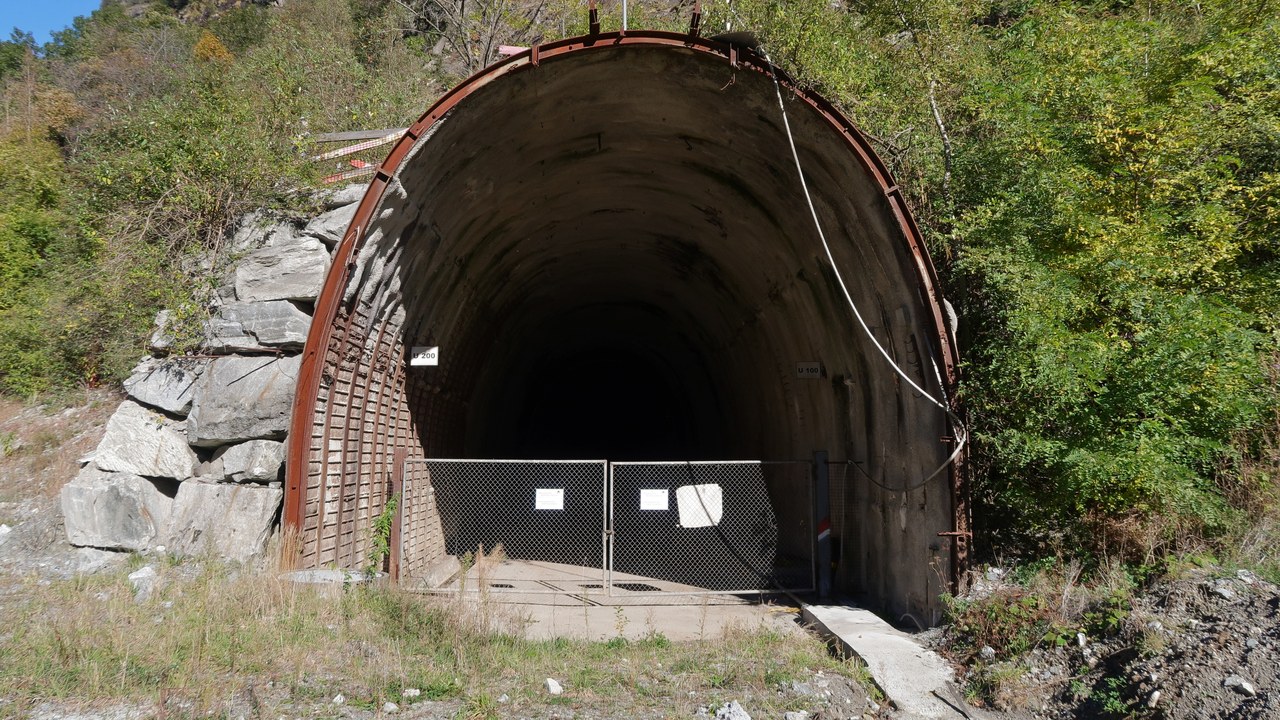
The Gotthard Base Tunnel runs 57 kilometers, about 35 miles, from Erstfeld to Bodio beneath the Swiss Alps, making it the world’s longest rail tunnel. It opened in 2016 after seventeen years of boring as the centerpiece of Switzerland’s AlpTransit program, and its route dips up to 2.3 kilometers beneath the mountains, the deepest rail tunnel on record anywhere.
Freight and passenger trains now cross the Alps in about twenty minutes rather than climbing the old Gotthard Pass line, cutting hours from journeys between northern and southern Europe and pulling long-haul truck traffic off the Alpine roads above.
2. Seikan Tunnel: Boring Beneath the Tsugaru Strait
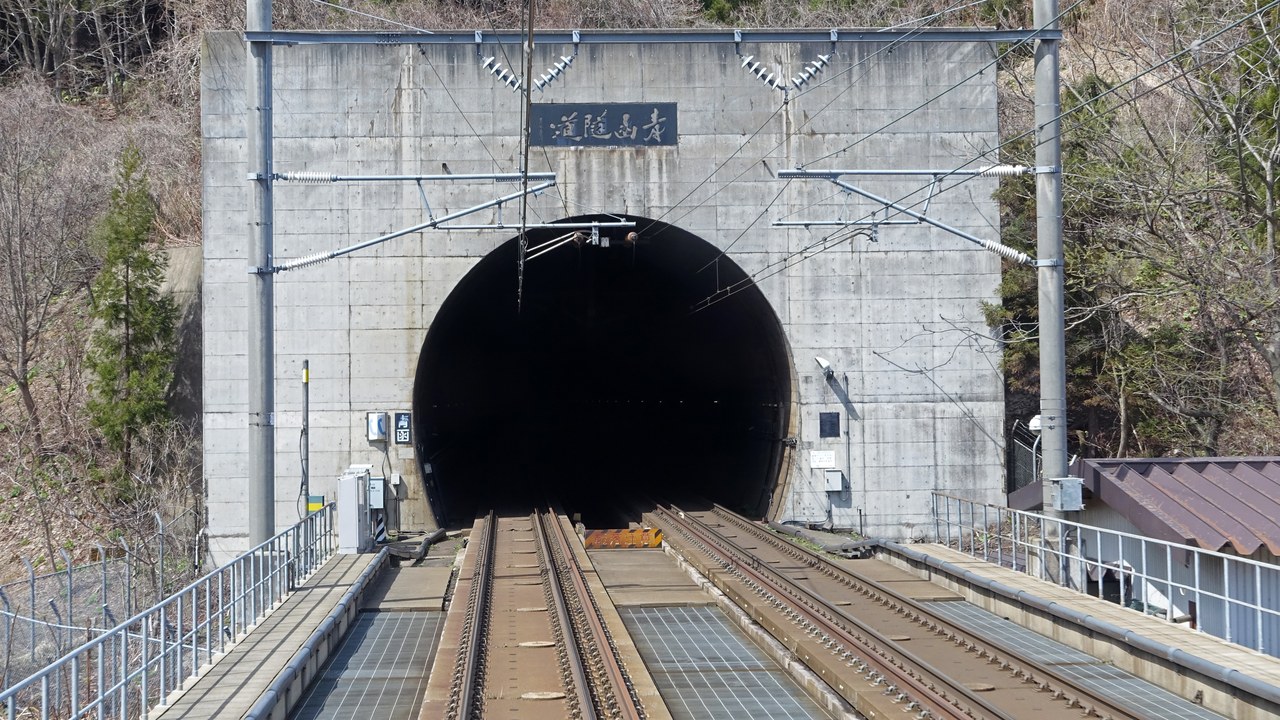
Drilling and blasting carved the Seikan Tunnel 33.4 miles between Japan’s Honshu and Hokkaido, beneath the Tsugaru Strait seabed, with roughly fourteen of those miles running under open water. Construction took more than two decades and cost dozens of workers’ lives after a string of ferry disasters made a fixed link between the islands a national priority.
Its deepest point sits about 240 meters below sea level, and Shinkansen bullet trains have used the route since 2016, a link no bridge over the strait, with its currents and typhoons, could realistically have matched.
3. Channel Tunnel: Under the Strait of Dover
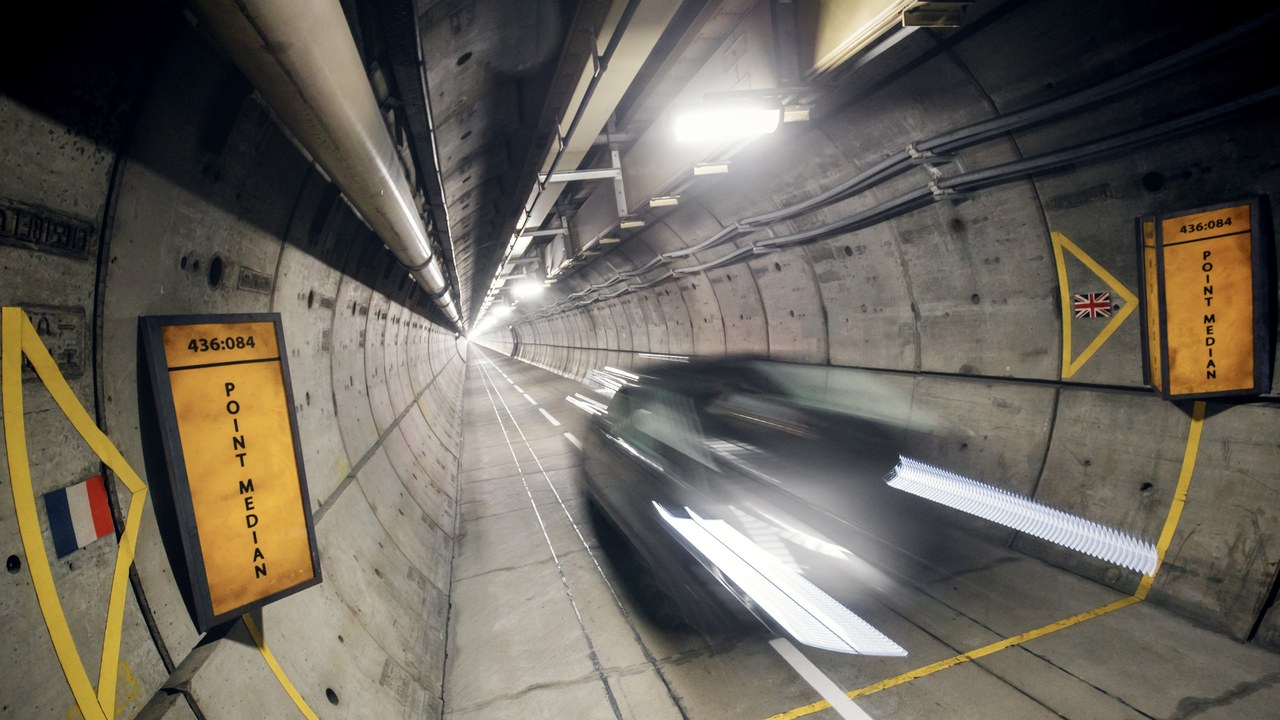
The Channel Tunnel runs 50.45 kilometers, about 31.5 miles, between Folkestone and Calais, making it the world’s longest undersea tunnel. It opened in 1994 after six years of boring from both the British and French coasts, and it actually consists of three parallel bores, two for trains and a narrower service tunnel between them.
Eurostar passenger trains and Le Shuttle vehicle-carrying trains cross beneath the strait in about 35 minutes, replacing the ferry crossing that once was the fastest way between Britain and mainland Europe for most travelers.
4. Loetschberg Base Tunnel: Twin Bores Beneath the Bernese Alps
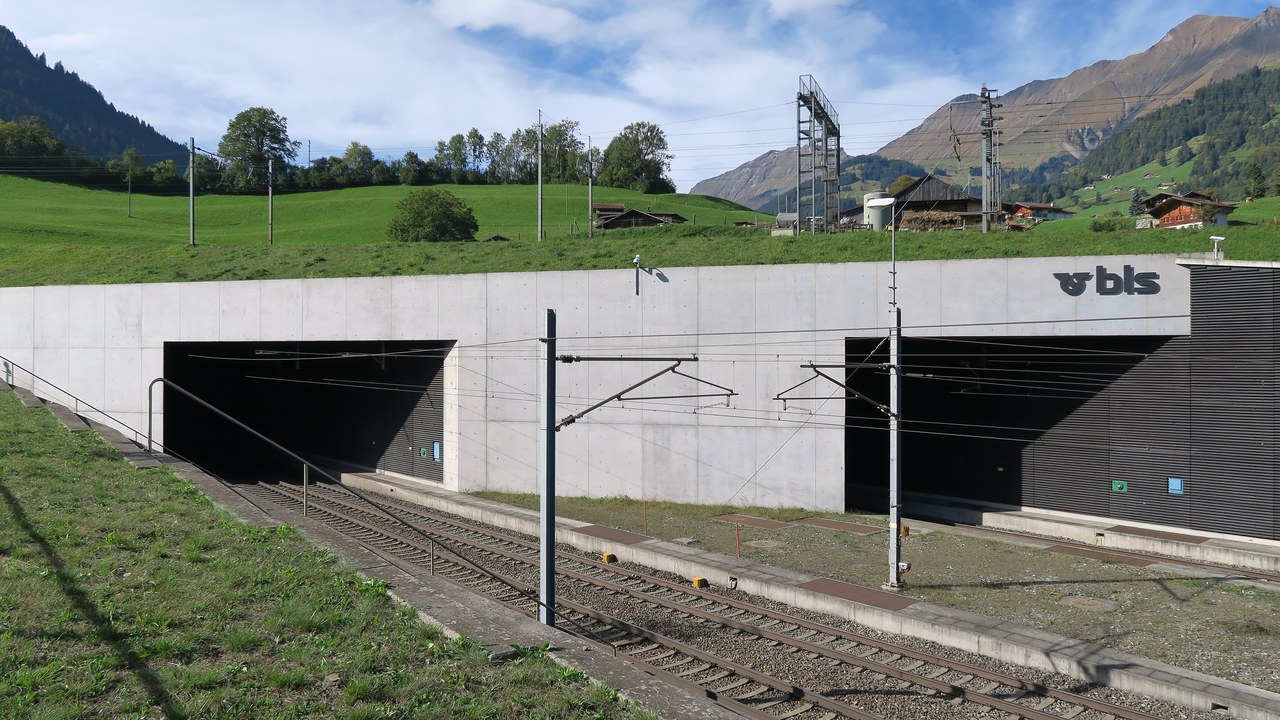
The Lötschberg Base Tunnel consists of 34.6 kilometers of twin single-track tubes bored beneath the Bernese Alps, cross-linked between the two parallel bores every 333 meters so trains and rescue crews can move between them. It opened in 2007, roughly halving travel time between northern and southern Switzerland on what had been a slower mountain route.
Only part of the second tube was fully equipped with track at opening to control costs, a decision still being finished decades later as freight and passenger traffic on the line has kept climbing.
5. Gotthard Road Tunnel: A Single Bore Under the St. Gotthard Massif
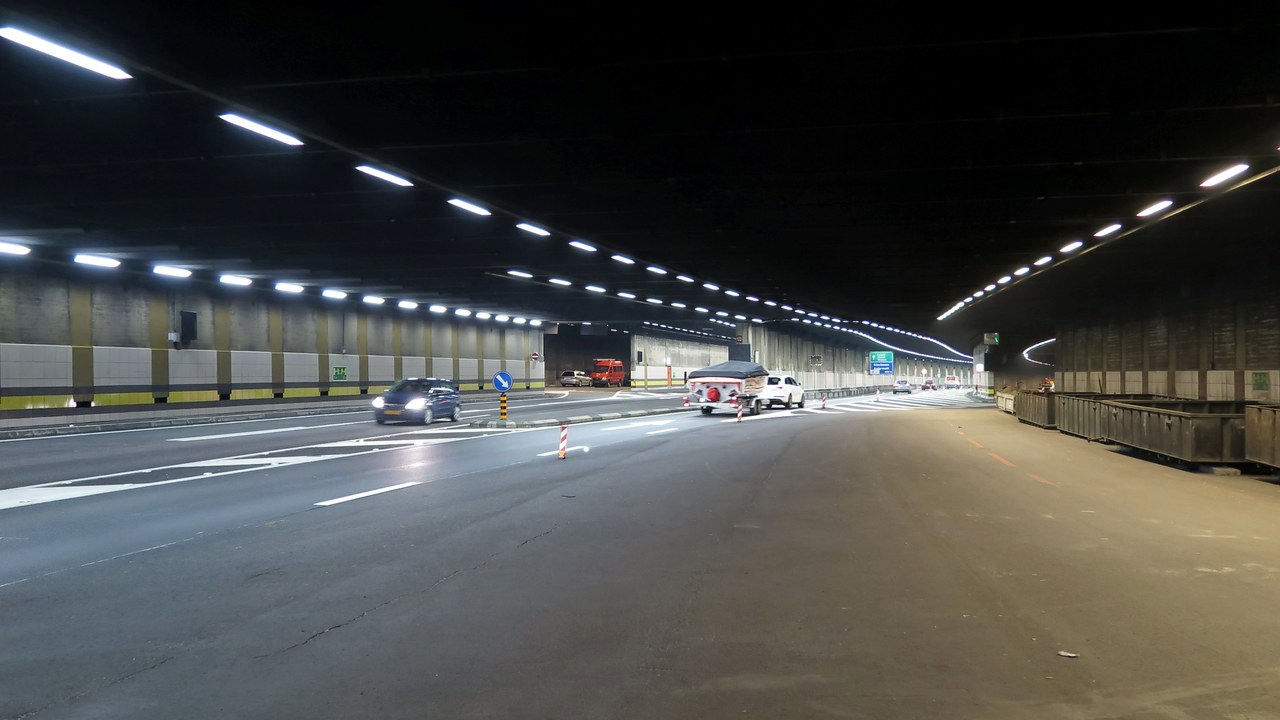
The Gotthard Road Tunnel stretches 16.9 kilometers under the Gotthard massif in central Switzerland, a separate structure from the newer rail tunnel that runs deeper through the same mountains. It opened in 1980 as a single bidirectional bore carrying the A2 motorway between Göschenen and Airolo, and for two decades it stood as the longest road tunnel in the world.
That title passed to Norway’s Lærdal Tunnel in 2000, but the Gotthard bore still carries most of the road traffic crossing the Alps between Switzerland and Italy, funneling both directions through the same two-lane tube and producing regular queues at its portals during peak travel season.
6. Laerdal Tunnel: Blue Caverns on the Road to Bergen
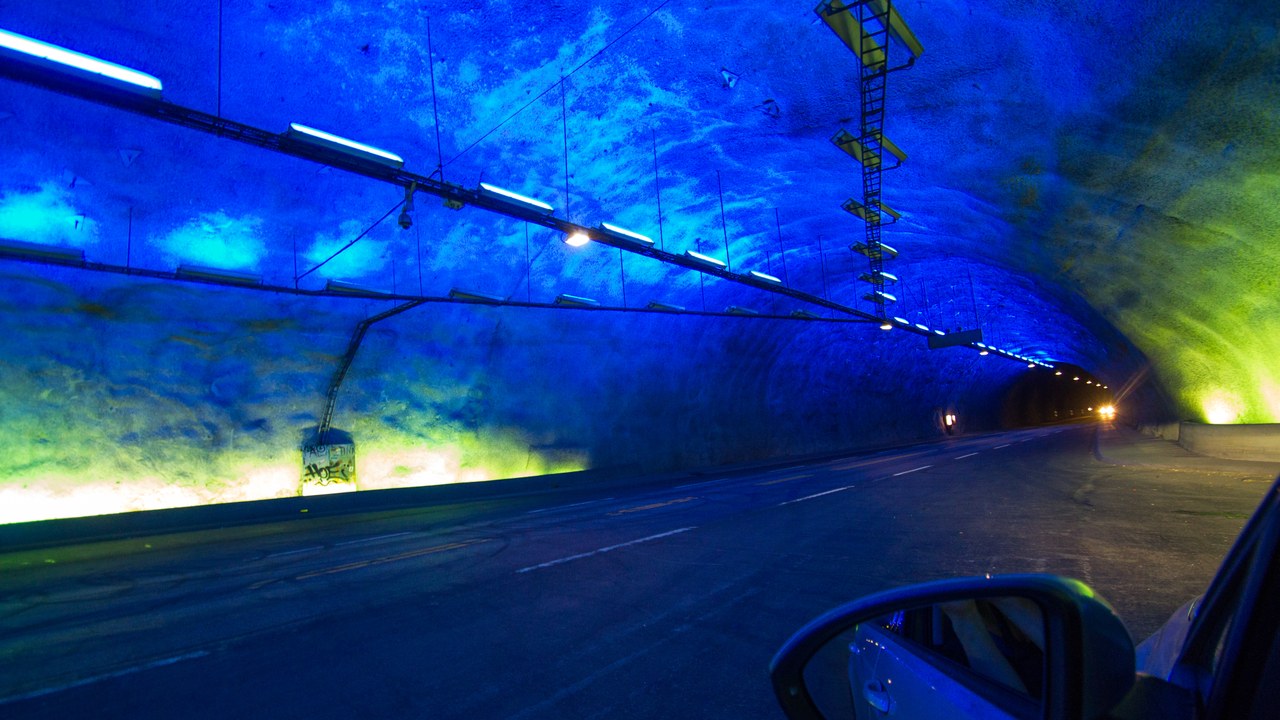
The Lærdal Tunnel runs 24,509 meters through Norwegian rock, the world’s longest road tunnel, open since November 2000 on the route between Oslo and Bergen. Engineers split the drive into four sections using three large mountain-sized caverns spaced roughly six kilometers apart, each lit in blue and yellow to mimic a sunrise.
The lighting design and wide caverns break up the monotony of a near half-hour drive underground, easing driver fatigue on a route that used to close for weeks each winter under avalanche risk.
7. Simplon Tunnel: A Record That Held for 76 Years
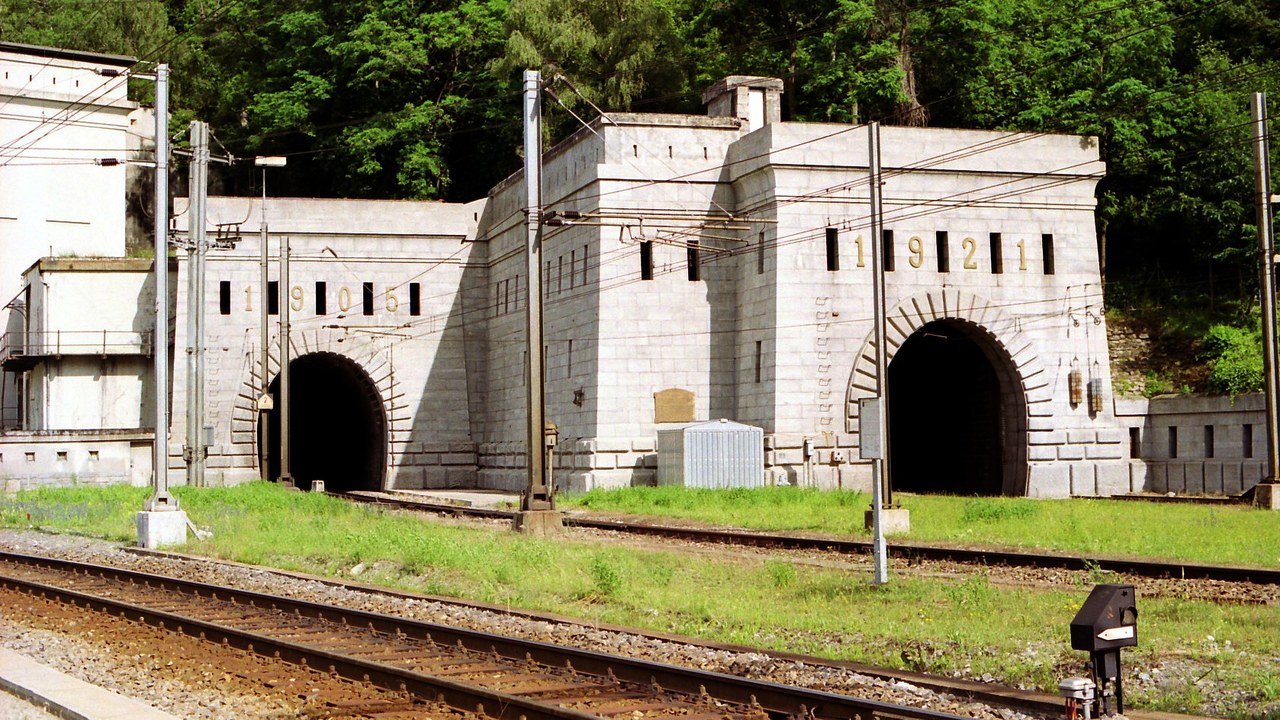
Running 19,803 meters, about 12.3 miles, from Brig to Iselle di Trasquera, the Simplon Tunnel held the longest rail tunnel title from its 1906 opening until 1982. It was actually built as twin parallel bores, with the second tube finished in 1922 after crews battled scalding water and rock temperatures topping 50 degrees Celsius underground.
The tunnel cuts beneath the Simplon Pass, replacing a route that mule trains and horse-drawn coaches once climbed over the mountain itself, and it remains a key freight and passenger link between Switzerland and Italy today.
8. Yamate Tunnel: Tokyo’s Underground Bypass
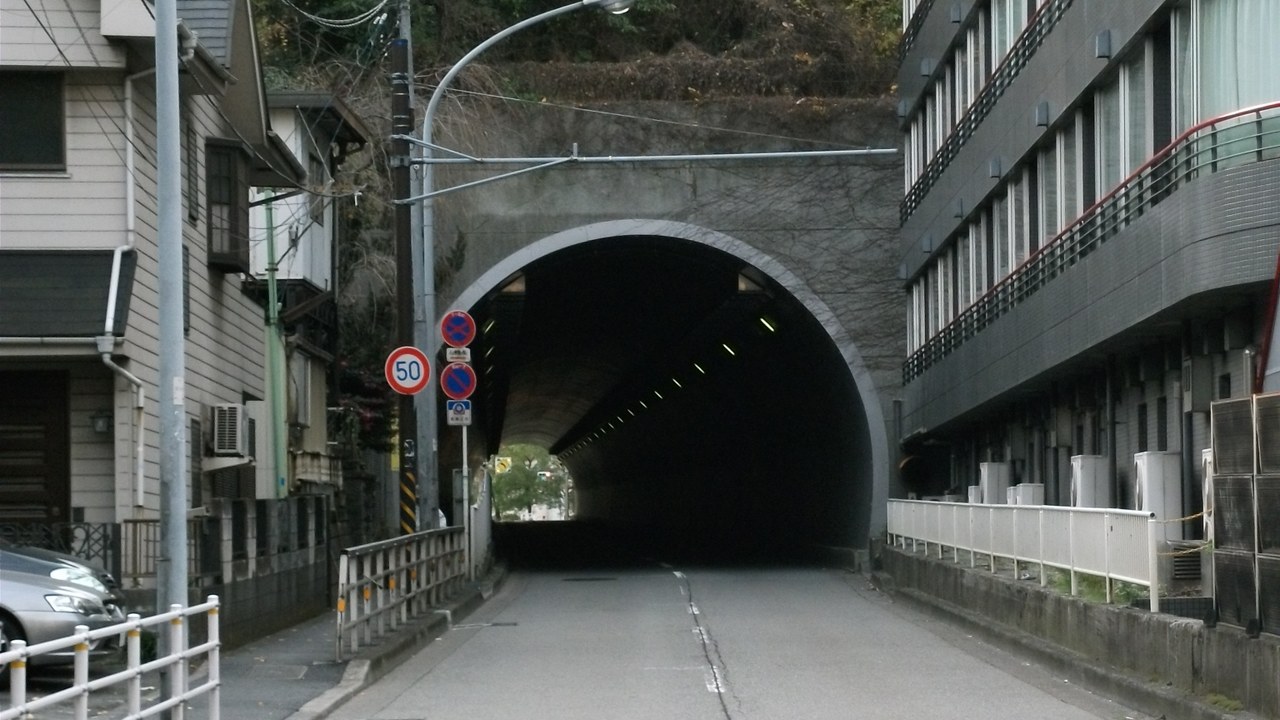
The Yamate Tunnel runs 18.2 kilometers, about 11.3 miles, beneath Tokyo’s streets as part of the Central Circular Route, making it Japan’s longest road tunnel. Built in stages over more than a decade, it was completed in 2015 to route through-traffic away from the city’s crowded surface roads and the elevated expressways ringing central Tokyo.
The tunnel lets drivers bypass central Tokyo entirely underground, easing congestion on the elevated expressways above and shortening cross-town trips that once crawled through surface traffic and a long string of signals.
9. Ryfylke Tunnel: The Deepest Subsea Drive in Norway
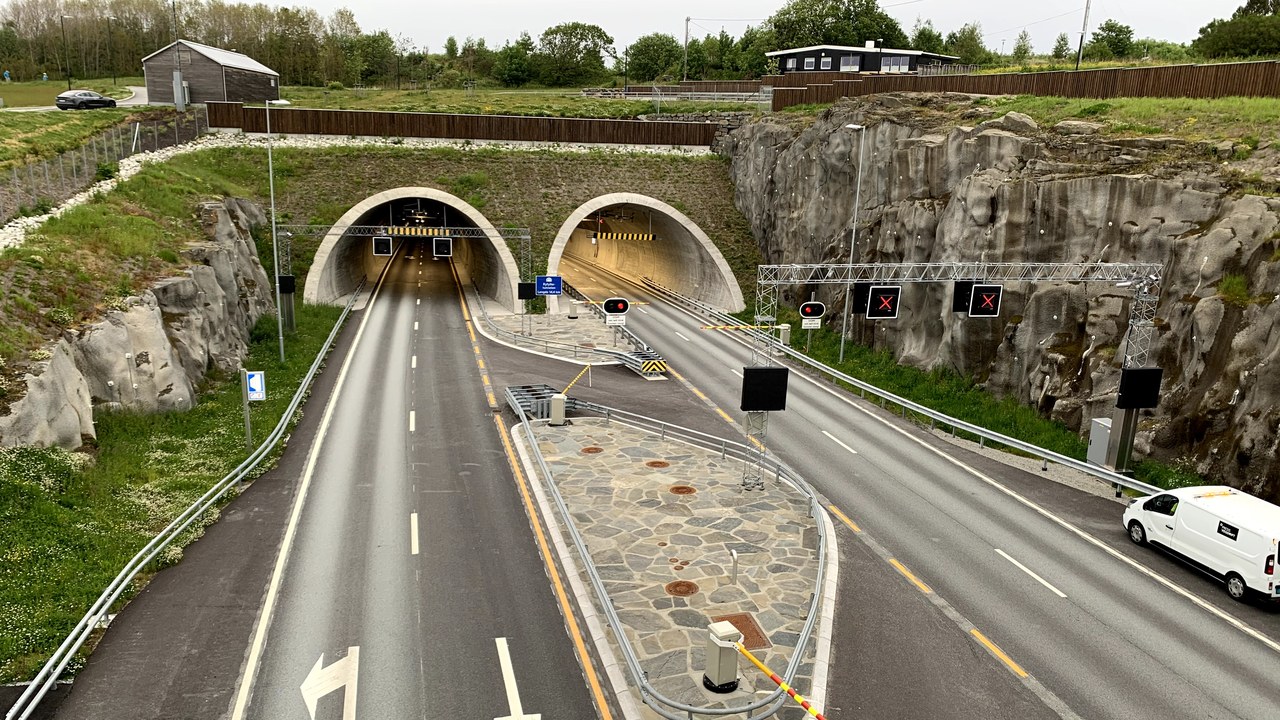
Beneath a Norwegian fjord near Stavanger, the Ryfylke Tunnel runs 14.4 kilometers, currently the world’s longest subsea road tunnel and also its deepest, reaching about 292 meters below sea level. It opened in 2019 as part of the wider Ryfast project, a set of connections linking the fjord’s two shores by road for the first time.
The tunnel replaced a ferry crossing that once took about an hour, cutting the trip toward Stavanger down to roughly 25 minutes by car on a route that now runs day and night.
10. Arlberg Road Tunnel: A Year-Round Route Through the Arlberg
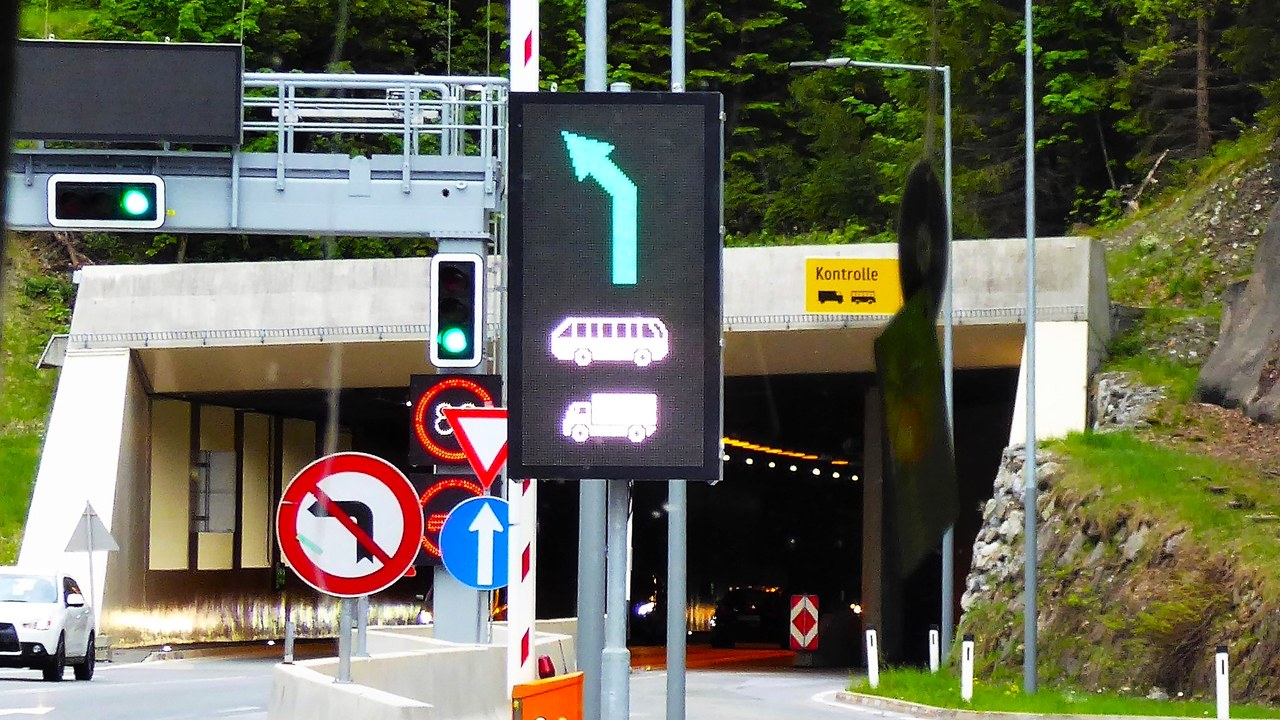
The Arlberg Road Tunnel runs 13.972 kilometers through the Arlberg massif crossing, Austria’s longest road tunnel, open since December 1978 on the route linking Tyrol and Vorarlberg. It followed an older rail tunnel through the same mountain by nearly a century, finally giving drivers a way through without climbing the pass above.
A parallel rail tunnel already ran beneath the same massif when the road bore opened, but the new link finally freed drivers from relying on trains or a mountain pass whenever winter weather closed in.
More from Morning Overview
- The FTC is warning about a scam quietly draining thousands from victims
- The NSA is again telling phone owners to switch off one location setting
- A handful of car transmissions are so tough mechanics say they almost never fail
- A handful of SUVs keep hitting 300,000 miles, and they share one engine trait
